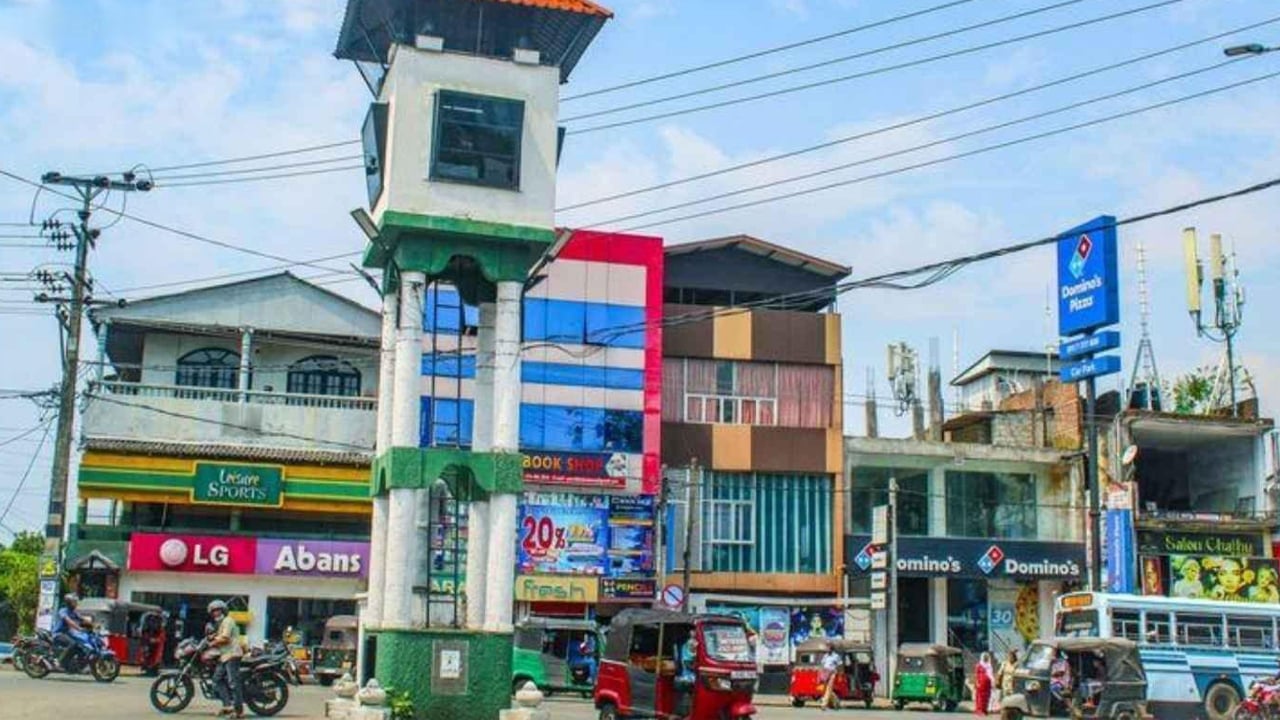

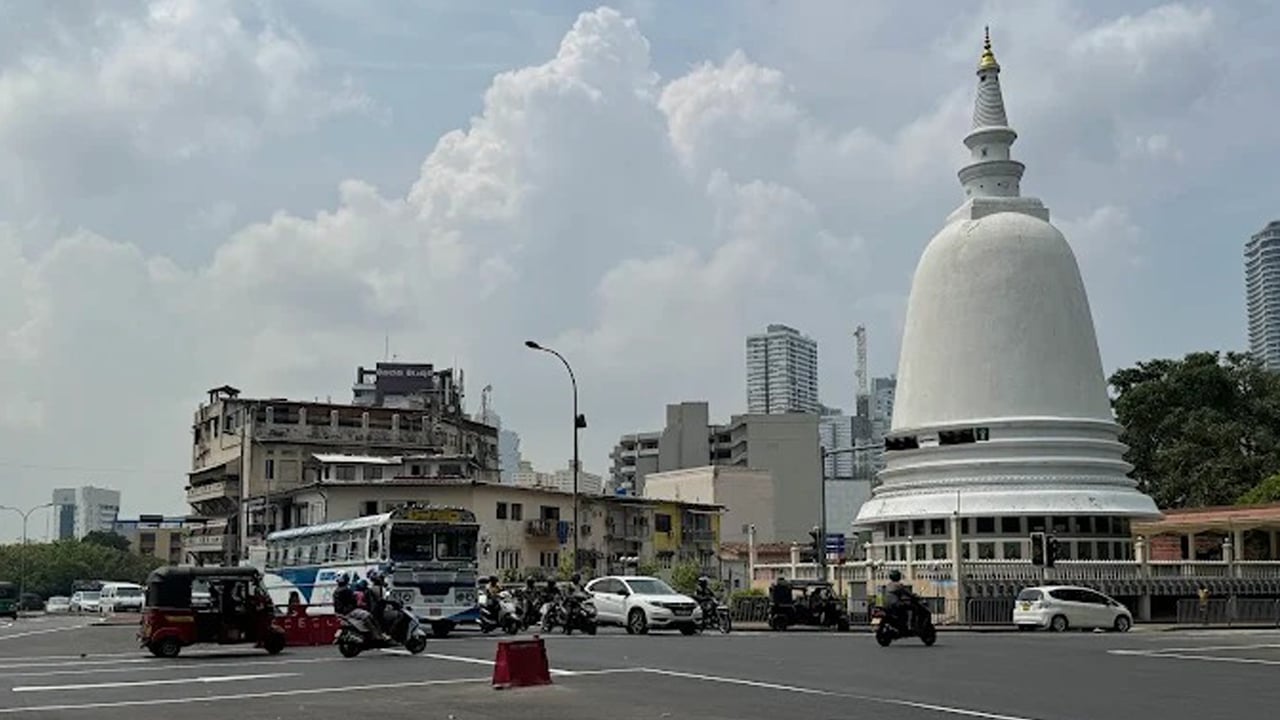

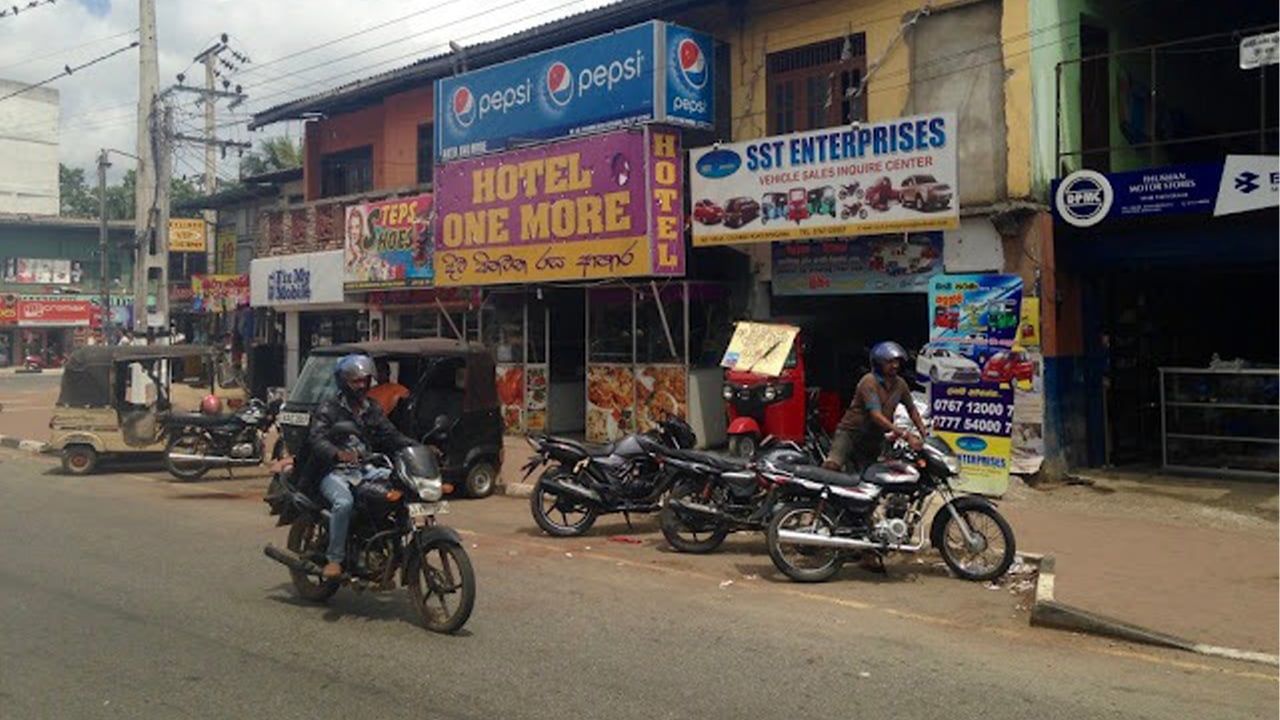
Ceramic Works Junction sits along one of the Southern Province's busier road corridors in the Galle District, where traffic between coastal towns and inland villages converges into a single, recognisable point. It is less a destination in the conventional tourist sense and more a living slice of southern Sri Lankan daily life — the kind of place that gives a journey its texture and context. For travellers moving between the coast and the interior, the junction appears as a natural pause, a moment where the road widens and the surroundings shift briefly from plantation greenery to a cluster of workshops, roadside stalls, and passing transport.
What makes Ceramic Works Junction significant?
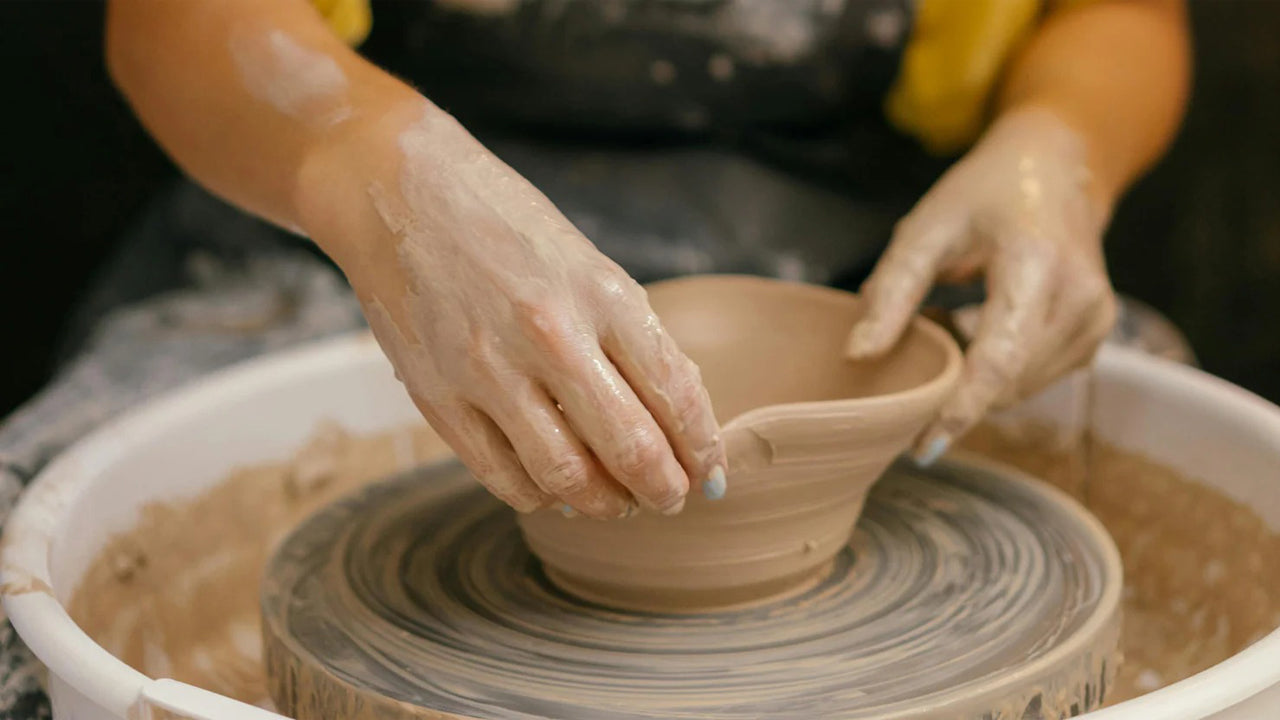
The junction draws its name from the tradition of ceramic and pottery craft that has long been part of community livelihood in this part of the Southern Province. Small workshops in and around the area have historically produced functional ceramic ware — bowls, pots, and decorative pieces — using locally sourced clay and time-tested techniques. This association with craft gives the junction a cultural identity that goes beyond its role as a road intersection.
The surrounding landscape supports a modest but lively environment. Coconut palms line the roadside, home gardens push up against the shoulders of the road, and small waterways thread through the cultivated land nearby. Birdlife common to the Southern Province — including various weavers, bulbuls, and kingfishers — moves through the vegetation without much disturbance from the traffic. It is the kind of landscape that rewards a slow look rather than a quick photograph.
How does Ceramic Works Junction fit into a southern Sri Lanka itinerary?
Most travellers encounter the junction as a waypoint rather than a stand-alone stop. It lies within reach of the main road network linking Galle, Ambalangoda, and the smaller coastal and inland settlements between them. If you are heading north along the southwest coast, or cutting inland toward the wetlands and reserves of the Southern Province, the junction marks a useful orientation point.
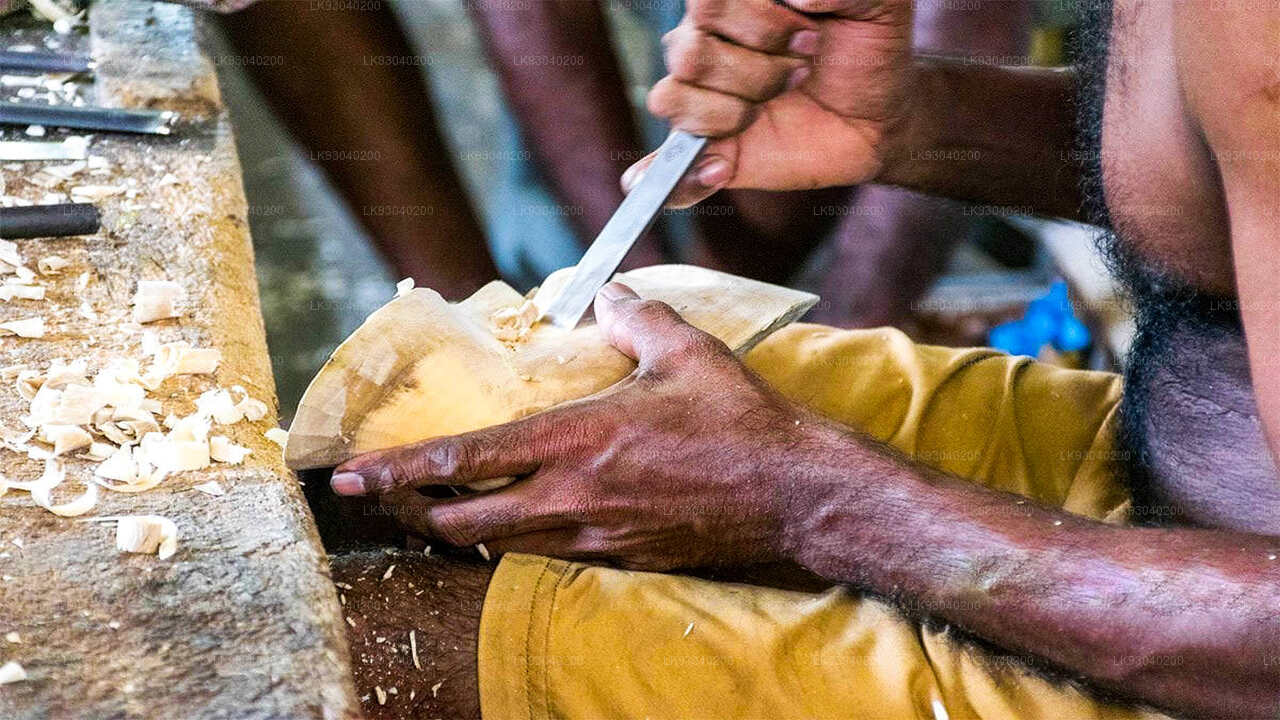
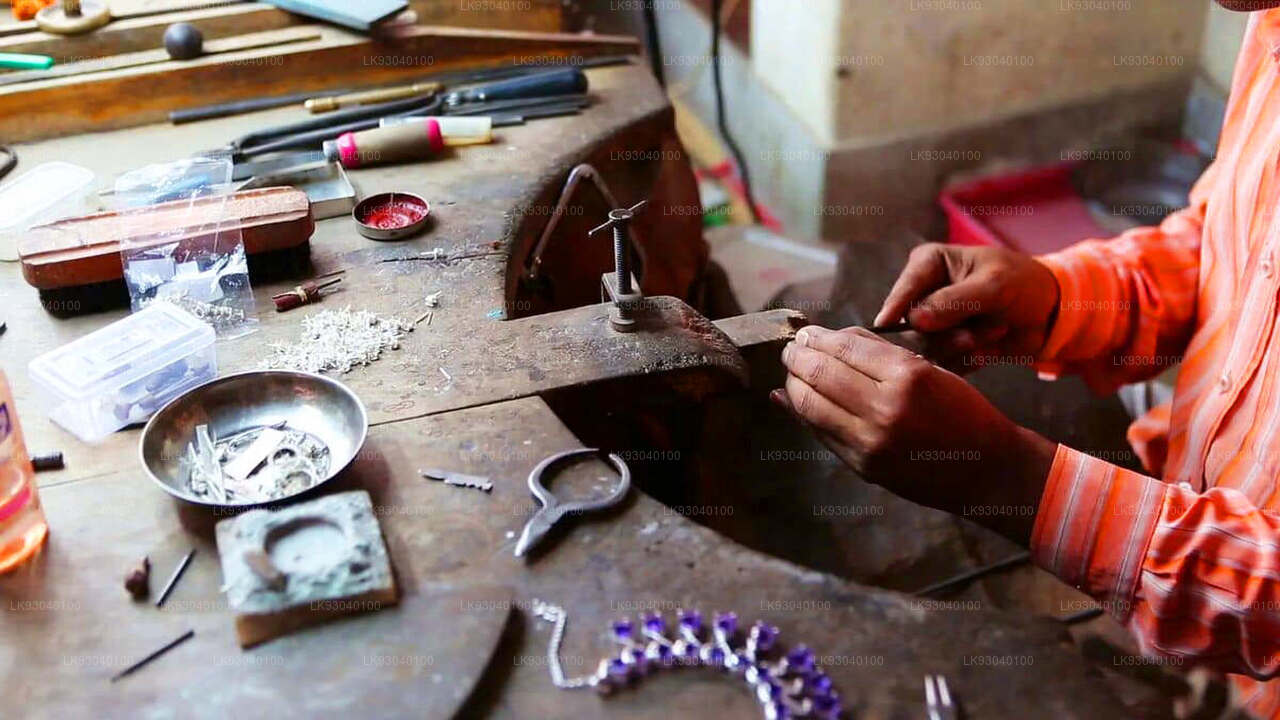
Travellers interested in craft tourism will find the area worth a short detour. Pottery and ceramic workshops in the broader Galle District represent one thread of a wider craft tradition that includes mask carving, weaving, and gem cutting — the same tradition that draws visitors to the artisan workshops found closer to the fort town. The Galle City Tour offers a structured way to engage with the region's heritage before venturing into the quieter roads around the junction.
The junction also sits within comfortable distance of Madu Ganga, the tidal river estuary designated as a Ramsar wetland site. A Madu River Safari pairs naturally with a morning spent exploring the local craft scene along the southern roads — the estuary's mangrove channels and resident wildlife offer a counterpoint to the junction's roadside activity.
What crafts and local activities can visitors find near Ceramic Works Junction?
Ceramic and pottery work remains the defining local craft, with small family-run operations producing both utilitarian and decorative pieces. Visitors who stop rather than pass through may have the opportunity to watch potters at work on the wheel, shaping clay into forms that have barely changed in design over generations. Some workshops welcome informal visits, though it is worth confirming directly whether a particular studio is open to outside visitors on a given day.
- Pottery observation: Watch traditional wheel-throwing and hand-building techniques used in functional ceramic production.
- Roadside markets: Seasonal produce, coconut products, and small household goods appear along the main road, reflecting local agricultural activity.
- Community movement: The rhythm of school runs, market trips, and workshop deliveries gives the junction an authentic energy that scheduled tourist attractions rarely replicate.
- Birdwatching: The patchwork of garden, waterway, and roadside vegetation supports a varied selection of common southern Sri Lankan bird species.
For those wanting a more hands-on experience of Sri Lankan ceramic and pottery traditions, a formal workshop session in the wider Galle District provides structured tuition alongside the chance to produce your own piece to take home.
When is the best time to visit Ceramic Works Junction?
The junction functions year-round and does not follow a seasonal opening calendar. Road access remains consistently good via the main routes connecting Galle and Ambalangoda. The southwest monsoon, which typically runs from May through August, brings heavier rainfall to the Southern Province and can make the surrounding landscape noticeably greener, though it also increases the chance of short, intense downpours during travel.
The drier months between December and April are generally the most comfortable for travel along the southern coastal corridor. Traffic along the main road tends to be heavier during public holidays and long weekends, when local movement between towns peaks. Early mornings offer the quietest road conditions and the most active birdlife in the surrounding vegetation.
How do I reach Ceramic Works Junction from Galle or Colombo?
The junction is accessible by road from Galle, which lies to the south, and from Ambalangoda to the north. The Southern Expressway connects Colombo to the Galle region efficiently, after which travellers transition to the older coastal or inland road network to reach the junction. Local buses run along the main road corridor throughout the day, and private taxis or hired vehicles offer the most flexible access, particularly if you want to stop at craft workshops along the way.
Distances in this part of the Southern Province are relatively short, and the junction can be reached comfortably as part of a half-day excursion from a base in Galle or Hikkaduwa. Combining the stop with a visit to the Kosgoda Sea Turtle Conservation Project makes for a rounded itinerary that mixes cultural and natural interests.
What else is worth seeing in the surrounding area?
The Galle District offers considerable depth for travellers who look beyond the fort town. The Sinharaja Forest Reserve, a UNESCO World Heritage Site and one of Sri Lanka's last remaining lowland rainforests, lies within a few hours' drive to the northeast — a worthwhile extension for anyone with a serious interest in tropical ecology. Closer to the coast, turtle hatcheries at Hikkaduwa and Kosgala offer an insight into marine conservation efforts along this stretch of shoreline.
The broader Southern Province also rewards slower travel. Paddy fields, rubber estates, cinnamon cultivation, and the quiet backroads between market towns all contribute to a picture of southern Sri Lanka that sits well apart from the headline attractions further north.