Lago Beira


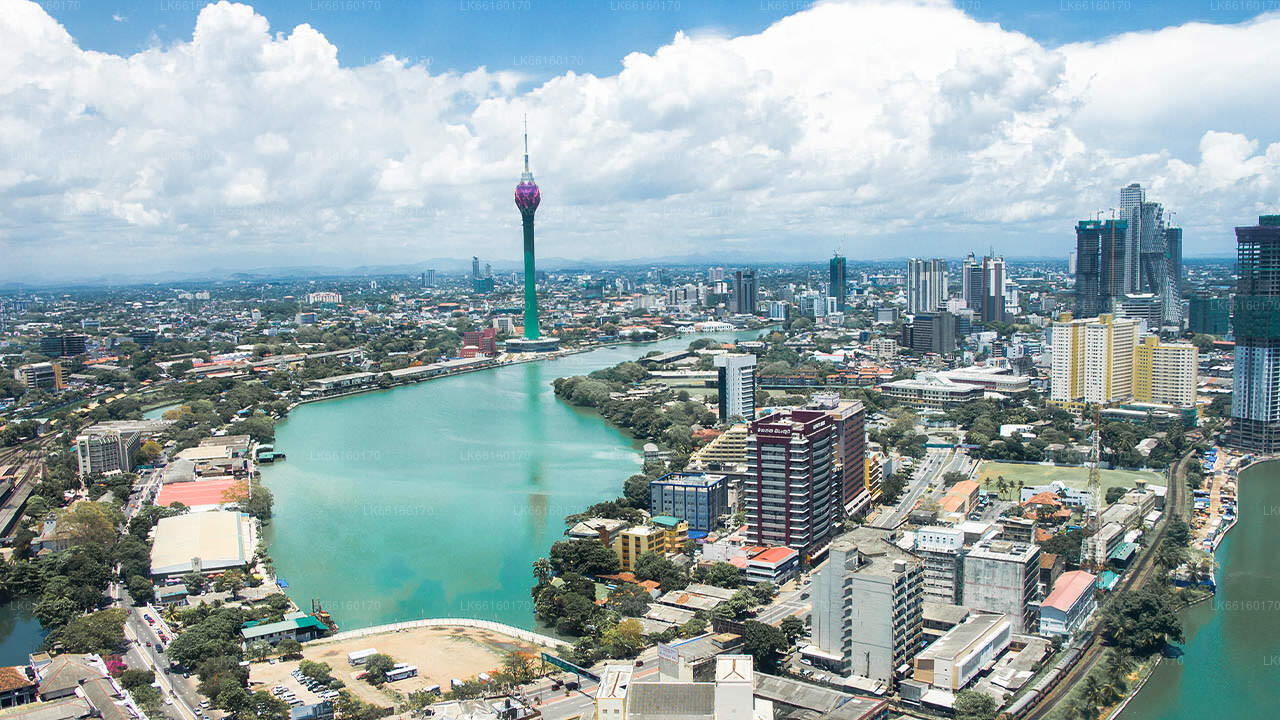
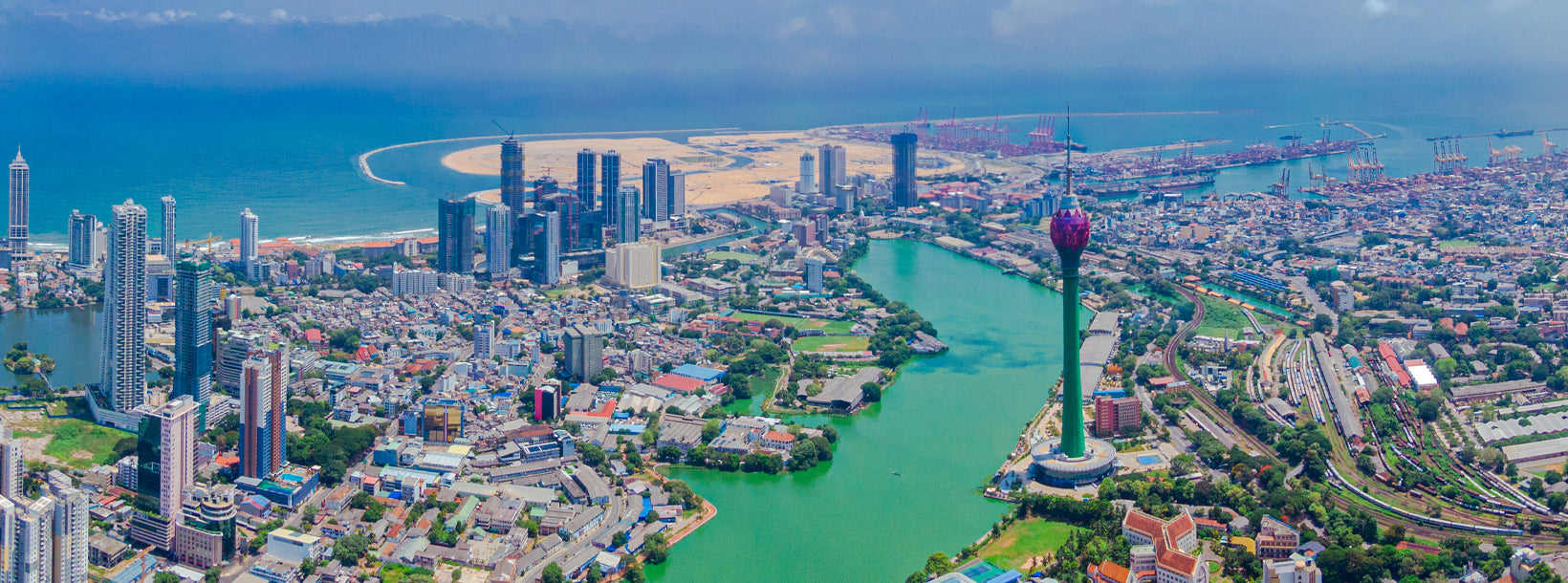
El Lago Beira es uno de los puntos de referencia más famosos de Colombo. Está ubicado en el centro de la capital y es uno de los pocos lugares de relajación y belleza dentro de los límites de la ciudad. La zona que lo rodea tiene muchas atracciones, sin mencionar la historia del propio lago.
El Lago Beira comenzó como un lago mucho más grande que ocupaba un área de 410 acres hace más de un siglo. Pero con la rápida comercialización de la zona, ha sido reducido a aproximadamente 160 acres.
Historia
Beira fue creado por los portugueses invasores en el siglo XVI, para servir como un foso que protegiera su base en Colombo de los habitantes locales hostiles. Agregaron muchos peligros ocultos dentro del lago, como grandes cocodrilos, entre otros.
Beira resultó ser un gran obstáculo para los soberanos locales como Mayadunne de Sitawaka cuando intentaron liberar la región del dominio extranjero. Fue el hijo de Mayadunne, Rajasingha I, quien logró drenar el lago en 1587, acercándose así a recuperar la región de los portugueses. Cortó los canales que alimentaban el lago, pero no pudo enfrentarse a los refuerzos adicionales que los portugueses trajeron desde la India.
Después de que los holandeses tomaron el control y capturaron el lago, lo expandieron y formaron varias islas artificialmente. Algunas de ellas, como Slave Island, eran lo suficientemente grandes como para tener una aldea o plantaciones de cocos. La gente comenzó a habitar las islas y el tráfico sobre el agua aumentó. Sin embargo, se usaba principalmente para prisioneros políticos, como era el caso de Slave Island, o para la agricultura, principalmente debido a los cocodrilos que aún infestaban el lago.
Después de que los británicos tomaron el control, eliminaron los cocodrilos y desarrollaron la zona que rodeaba el lago. Las orillas cubiertas de césped se hicieron populares para fiestas, e incluso se celebró un gran baile para conmemorar la victoria de Gran Bretaña en la batalla de Waterloo. El Lago Beira se hizo famoso por varias actividades recreativas, como el remo y el yate. La Isla de los Esclavos fue limpiada de sus instalaciones penitenciarias, y en 1810 se inauguró el primer jardín botánico de Ceilán, los Kew Gardens. Las plántulas fueron proporcionadas por los Jardines Botánicos Reales de Londres. A finales del siglo XIX, comenzaron los trabajos de ganadería para el desarrollo y el área del lago se redujo, mientras que la contaminación también aumentaba.
El Crecimiento de Beira
Hace aproximadamente una década, la situación empeoró hasta el punto de que la zona estaba rodeada principalmente por barrios marginales; mientras que el agua del lago era simplemente aguas residuales de estas chozas y casas que no tenían fondos para tratar con la gestión de residuos adecuada. El lugar apestaba y solo vivían en la zona las personas más pobres. La zona costera estaba rodeada por grandes almacenes, que recordaban el comercio de té en Colombo; donde el té se transportaba en barcazas a través del canal de acceso al puerto. Estos almacenes estaban por allí como una ciudad fantasma; ennegrecidos por la suciedad de más de un siglo, y las ventanas rotas daban una atmósfera espeluznante. La única razón por la que la gente iba a la región del Lago Beira era para rendir homenaje en el Templo Gangarama o para visitar algunos de los lugares importantes, como el Club de Remo de Colombo, el SLECC, el Colegio St. Joseph o Lake House.