Shipping Terms

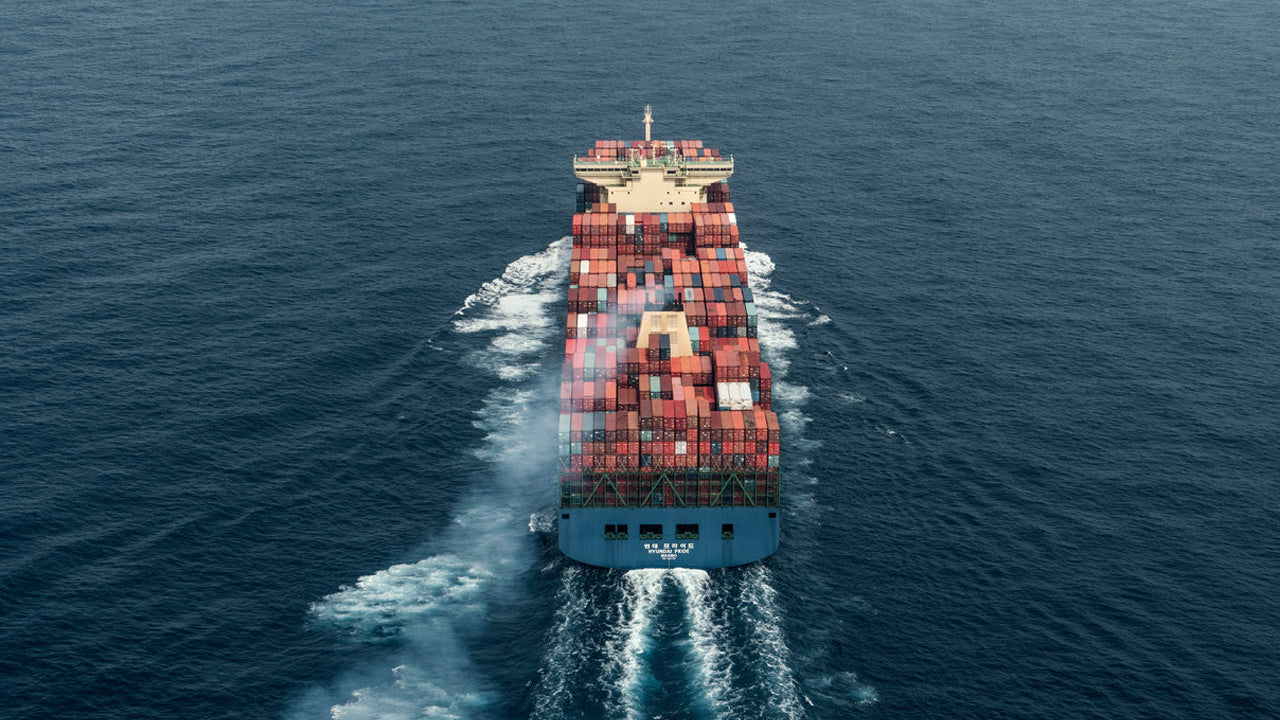
Lakpura offers a range of sea freight and airfreight options. The common freight options include freight on board (FOB), cost and freight (CFR), Cost, Insurance and Freight (CIF) and Door-to-Door (DTD).

The freight option that the client decides to take will determine the cost and the logistics responsibility assigned to either the client (buyer) or the company (the seller). The FOB, CFR, and CIF options are available for the client for as low as a 1 pallet LCL order. However, DTD is only available for clients purchasing a 20FCL.

FOB (Freight On Board): From the factory to the vessel

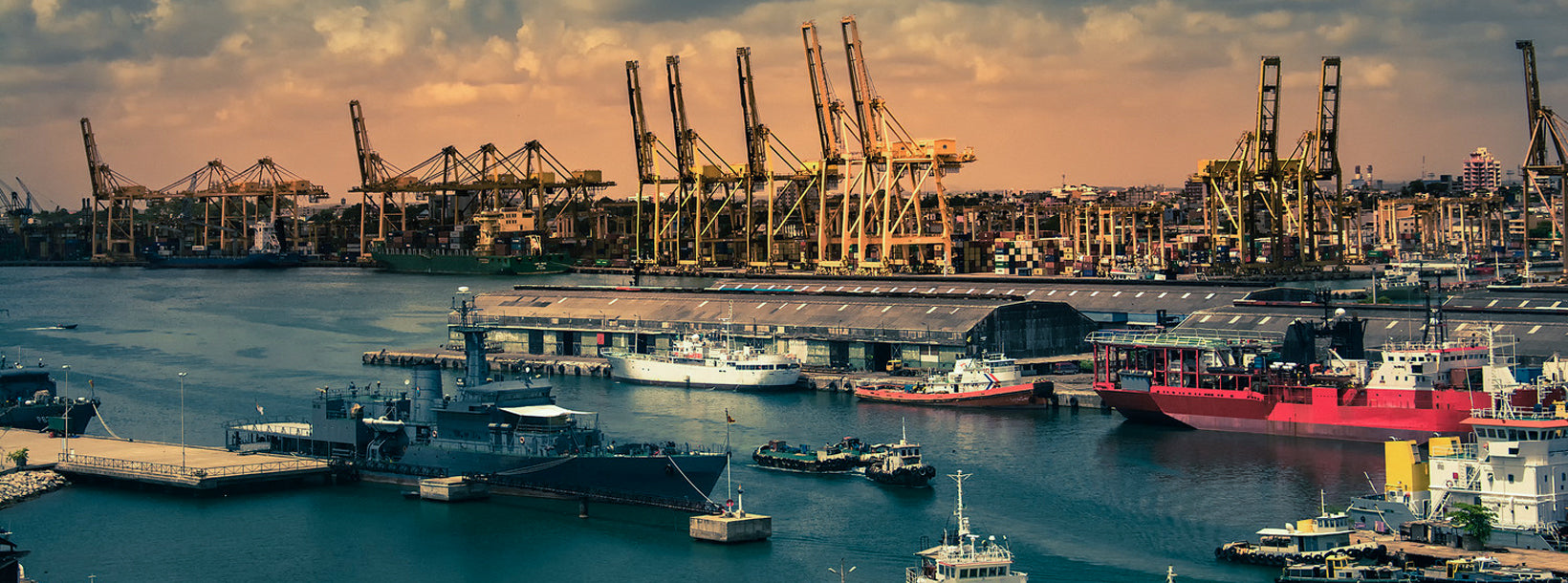
If a client chooses FOB, we will finalise the goods and deliver the consignment to the Colombo port based on the vessel booking that the consignee has placed. We will clear the Colombo customs and obtain other relevant documentation required by the consignee country (eg:- phytosanitary certificate, bill of lading, health certificate, country of origin) upon the sail of the consignment. The client will assign a freight forwarder who will handle the shipping of the goods from Colombo port to the consignee port and for transport of goods from the consignee port to the warehouse. The client’s customs clearing agent will be responsible for obtaining approvals for releasing cargo at the consignee port. The client will also be responsible for obtaining marine insurance for the freight and last leg delivery.

Lakpura will incur the costs of the logistics from our factory to the Colombo port, the costs of the Colombo Customs clearance and the costs of the other relevant documentation charges. The client will incur the cost of the freight, the marine insurance, clearance at consignee port, and the logistics costs from the consignee port to the consignee warehouse.

CFR (Cost of Freight): From the factory to the client’s destination port excluding insurance

If a client chooses CFR, we will finalise the goods and deliver the consignment to the Colombo port based on the vessel booking that we have placed with a freight forwarded of our choice. We will clear the Colombo customs and obtain other relevant documentation required by the consignee country (eg:- phytosanitary certificate, bill of lading, health certificate, country of origin) upon the sail of the consignment. The client will assign a logistics partner for transport of goods from the consignee port to the warehouse. The client’s customs clearing agent will be responsible for obtaining approvals for releasing cargo at the consignee port. The client will also be responsible for obtaining marine insurance for the freight and last leg delivery.

Lakpura will incur the costs of the logistics from our factory to the Colombo port, the costs of the Colombo Customs clearance, the costs of the other relevant documentation charges and the cost of the freight. The client will incur the cost of the marine insurance, clearance at consignee port, and the logistics costs from the consignee port to the consignee warehouse.

DTD (Door-to-Door): From the factory to the client’s warehouse

If a client chooses DTD, we will arrange the consignment logistics from our factory all the way to the consignee warehouse. This will include clearance procedures at both the Colombo port and the consignee port.

Lakpura will incur the costs of the logistics from our factory to the Colombo port, the costs of the Colombo Customs clearance, the costs of the other relevant documentation charges, the cost of the freight, the cost of the marine insurance, the cost of clearance at the consignee port, and the logistics costs from the consignee port to the consignee warehouse.

Über den Distrikt Colombo

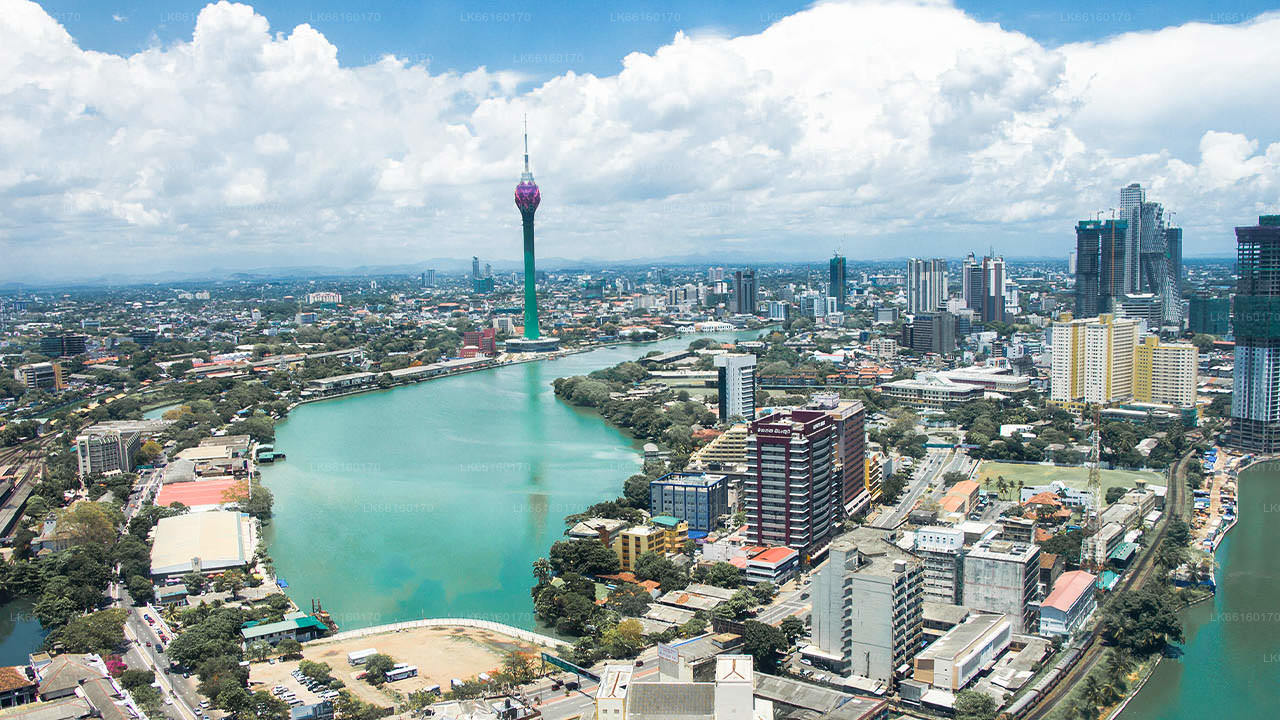
Colombo ist die größte Stadt und das wichtigste Wirtschaftszentrum Sri Lankas. Sie liegt an der Westküste der Insel und grenzt an Sri Jayewardenepura Kotte, die Hauptstadt Sri Lankas. Colombo ist eine geschäftige und lebendige Stadt mit einer Mischung aus modernem Leben und kolonialen Gebäuden und Ruinen. Die Stadt hat 647.100 Einwohner. Die Metropolregion Colombo, die aus den Distrikten Colombo, Gampaha und Kalutara besteht, hat schätzungsweise 5.648.000 Einwohner und erstreckt sich über eine Fläche von 3.694,20 km².

Colombo ist eine multiethnische und multikulturelle Stadt. Mit 642.163 Einwohnern ist sie die bevölkerungsreichste Stadt Sri Lankas. Die Bevölkerung Colombos setzt sich aus verschiedenen ethnischen Gruppen zusammen, hauptsächlich Singhalesen, Mauren und Tamilen. Darüber hinaus gibt es kleine Gemeinschaften chinesischer, portugiesischer, niederländischer, malaiischer und indischer Herkunft sowie zahlreiche europäische Auswanderer.

Die große Mehrheit der sri-lankischen Unternehmen hat ihren Hauptsitz in Colombo. Zu den Branchen gehören Chemie, Textilien, Glas, Zement, Lederwaren, Möbel und Schmuck. Im Stadtzentrum befindet sich Südasiens zweithöchstes Gebäude – das World Trade Center.

Über die Westprovinz

Die Westprovinz ist die am dichtesten besiedelte Provinz Sri Lankas. Hier befindet sich die Hauptstadt Sri Jayawardenapura sowie Colombo, das Verwaltungs- und Wirtschaftszentrum des Landes. Die Westprovinz ist in drei Hauptbezirke unterteilt: Colombo (642 km²), Gampaha (1.386,6 km²) und Kalutara (1.606 km²). Als wirtschaftliches Zentrum Sri Lankas sind alle großen lokalen und internationalen Unternehmen sowie alle führenden Designer und Einzelhändler in der Stadt vertreten. Gönnen Sie sich also einen Einkaufsbummel in der Westprovinz.

Da die Westprovinz die höchste Bevölkerungszahl aller Provinzen hat, befinden sich fast alle führenden Bildungseinrichtungen der Insel in der Westprovinz. Zu den Universitäten der Provinz gehören die University of Colombo, die University of Sri Jayewardenepura, die University of Kelaniya, die Open University, Sri Lanka, die Buddhist and Pali University of Sri Lanka, die General Sir John Kotelawala Defence University und die University of Moratuwa. Die Westprovinz verfügt über die größte Anzahl an Schulen im Land, darunter staatliche, provinzielle, private und internationale Schulen.