Pachchaperumal


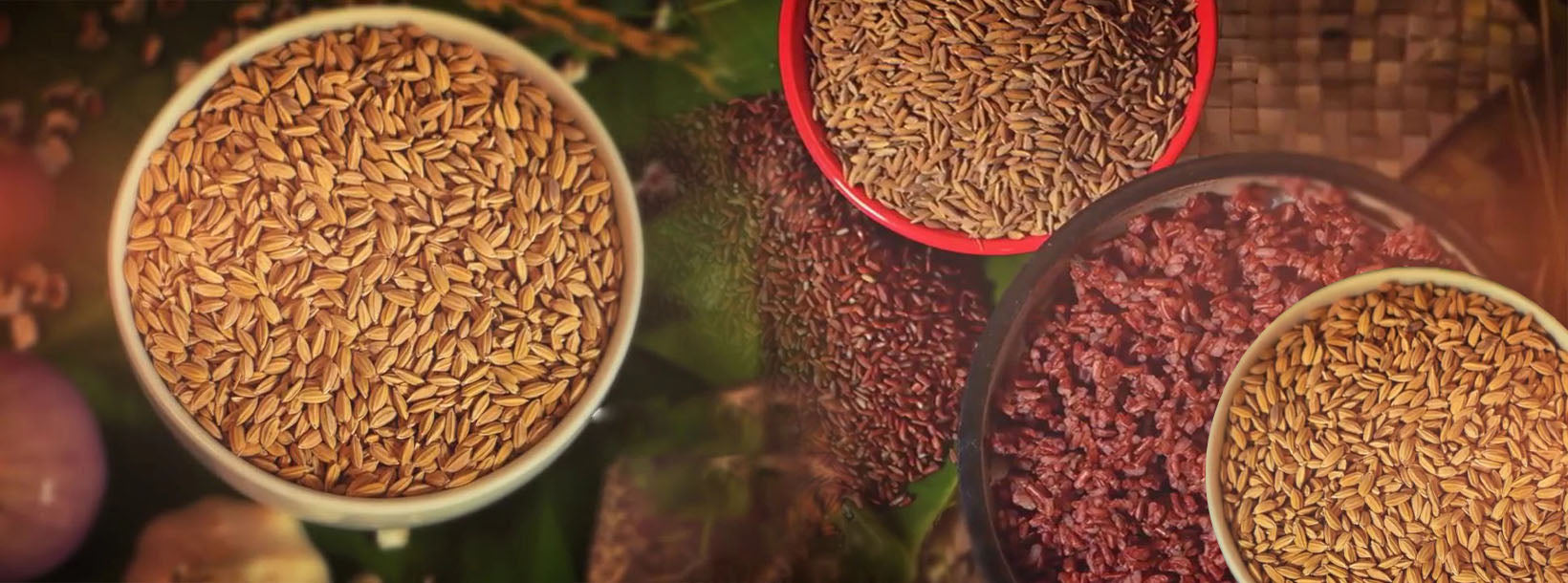
Pachchaperumal ist eine weitere traditionelle Reissorte aus Sri Lanka, die für ihre einzigartigen Eigenschaften und ihre kulturelle Bedeutung bekannt ist. Der Name Pachchaperumal (පාච්චපෙරුමල්) leitet sich aus der Landessprache ab. „Pachcha“ bedeutet „grün“ und „Perumal“ bezeichnet eine Art heiligen oder verehrten Titel.
Aussehen und Eigenschaften
Geschmack und Aroma
Kulturelle Bedeutung
Gesundheitliche Vorteile
Verwendung
Pachchaperumal-Reis wird nicht nur für seine kulinarischen Qualitäten, sondern auch für seinen kulturellen und historischen Wert geschätzt, was ihn zu einem wichtigen Teil des kulinarischen Erbes Sri Lankas macht.
-
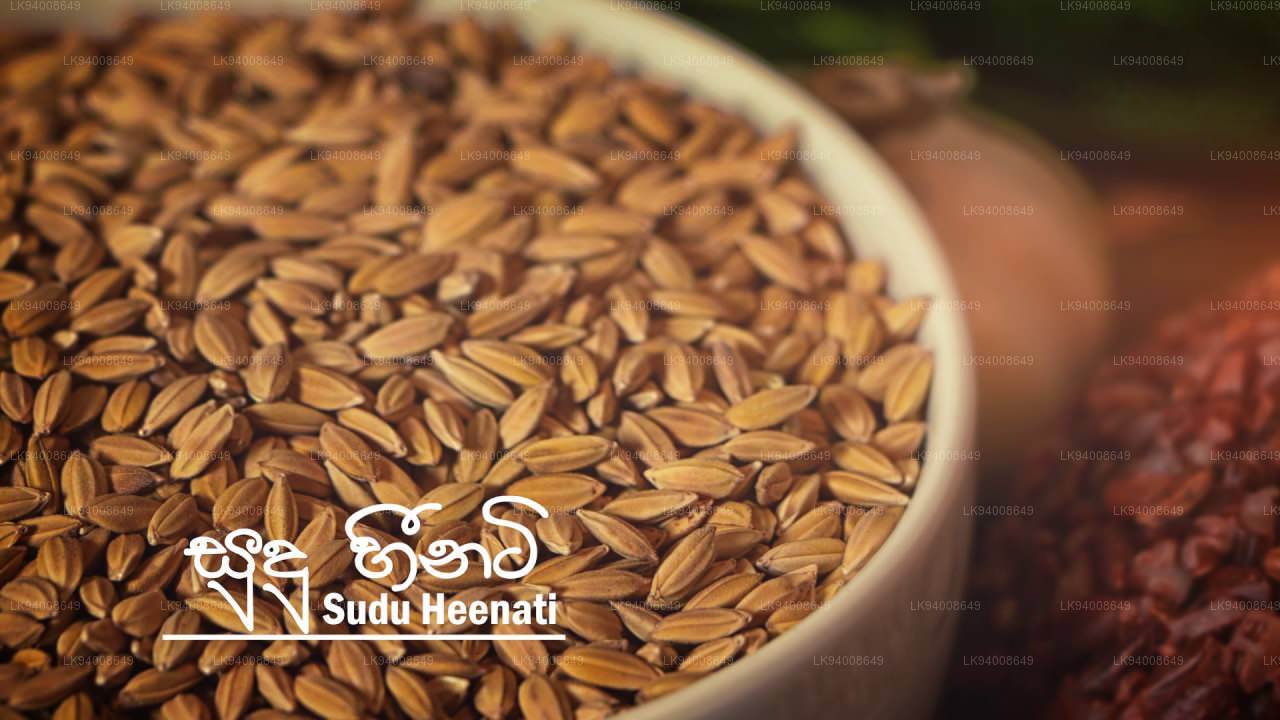 Sudu Heeneti
A small white heirloom rice variety, Sudu Heeneti is highly nutritious, rich in antioxidants, and ideal for traditional Sri Lankan medicinal diets. It has a soft texture and mild, earthy flavor.
-
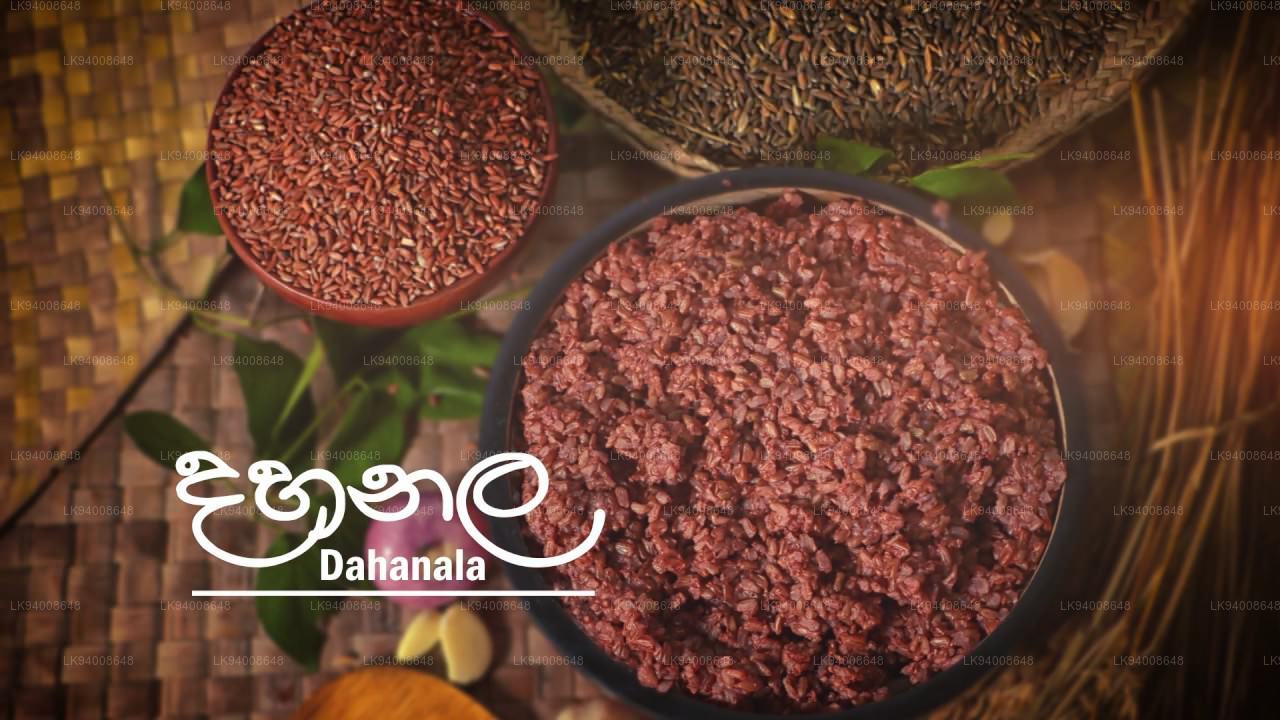 Dahanala
Dahanala is a rare, nutrient-dense traditional rice with a reddish hue. It is favored for its high fiber content and mild, sweet taste, making it perfect for porridge and healthy meals.
-
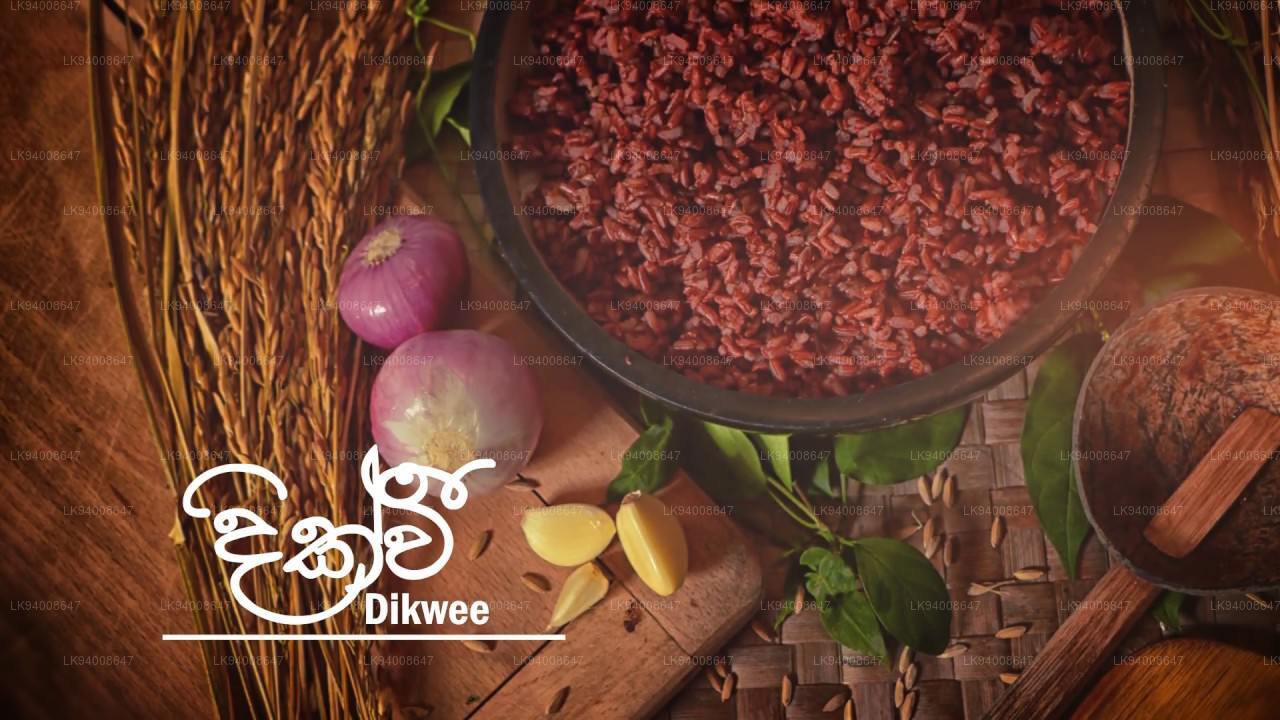 Dik Wee
Dik Wee is a medium-grain red rice variety traditionally cultivated in Sri Lanka. The plant develops to a maximum height of 150 cm. This crop can be harvested within 4 to 4½ months from seeding.
-
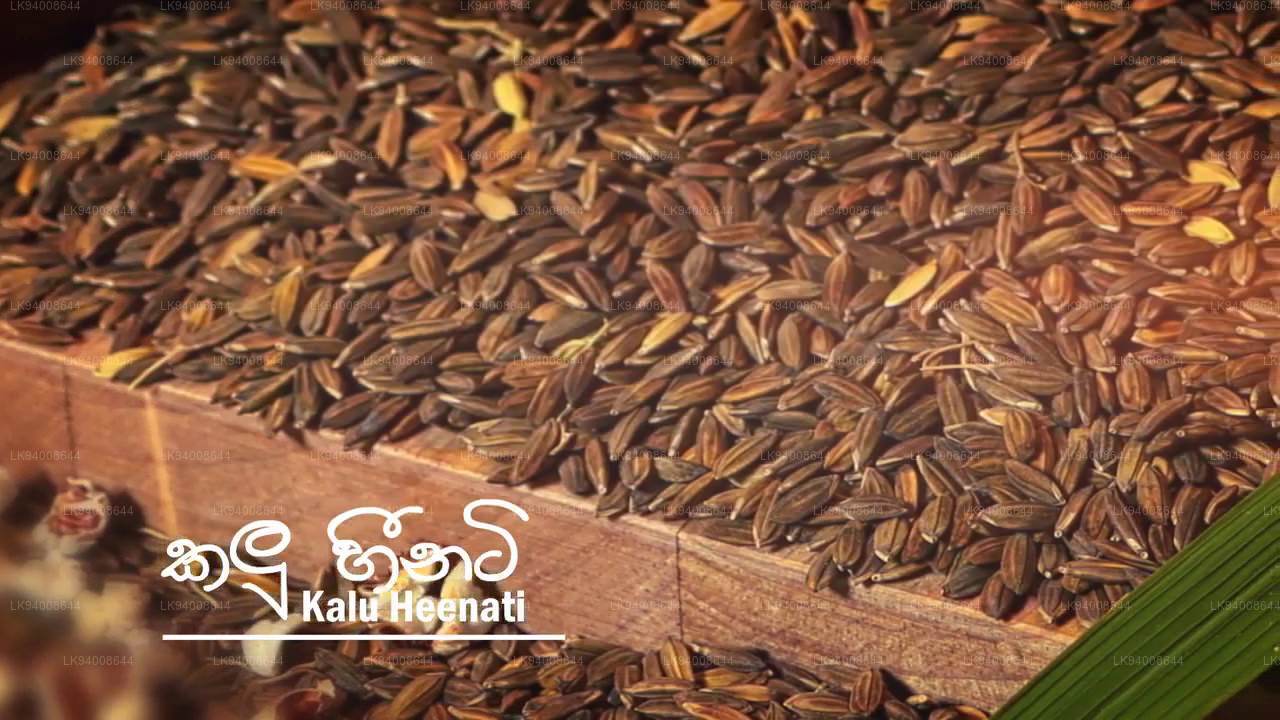 Kalu Heeneti
This variety of rice is named Kalu Heeneti because of the color of its lemma and palea which turn blackish at maturity. It is traditionally cultivated in Sri Lanka and produces a red medium sized grain. The plant develops to a maximum height of 120 cm.
-
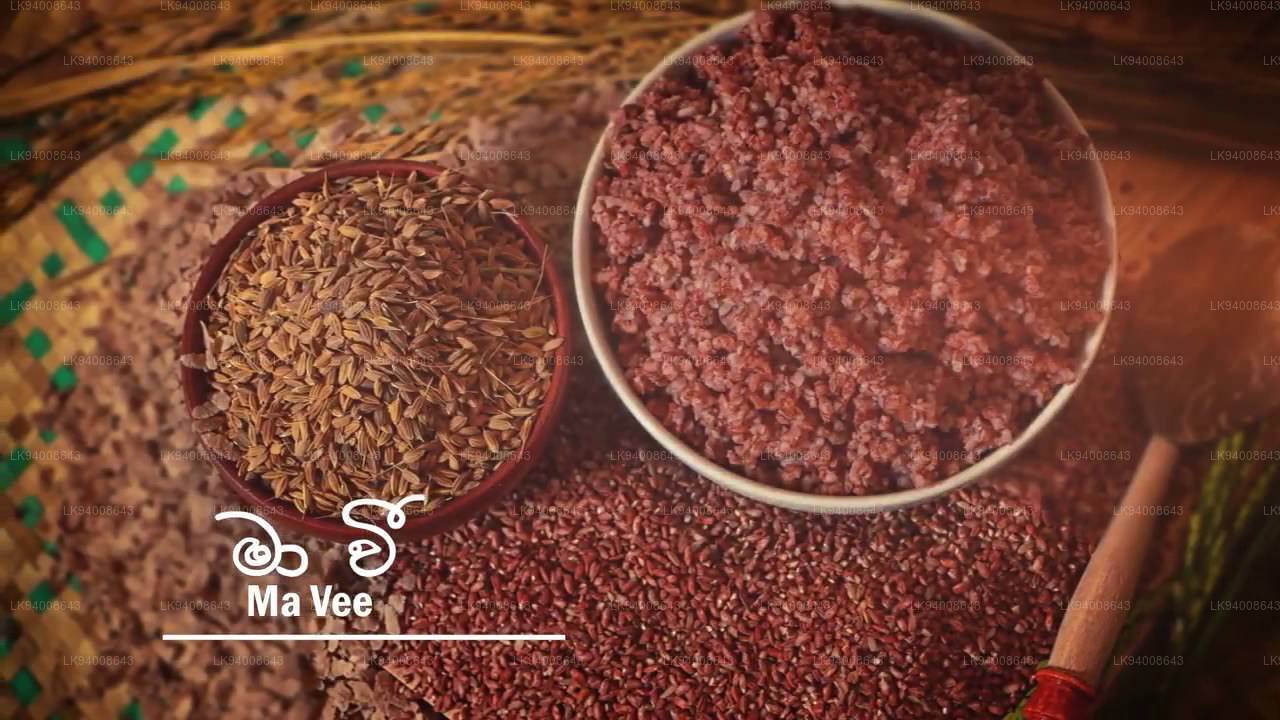 Ma Wee
Ma Wee is a red rice variety traditionally cultivated in Sri Lanka. The grain varies in size and shape from short and round varieties to long medium sized varieties. It is one of the tallest rice plants cultivated and develops to a maximum height of 350 cm.
-
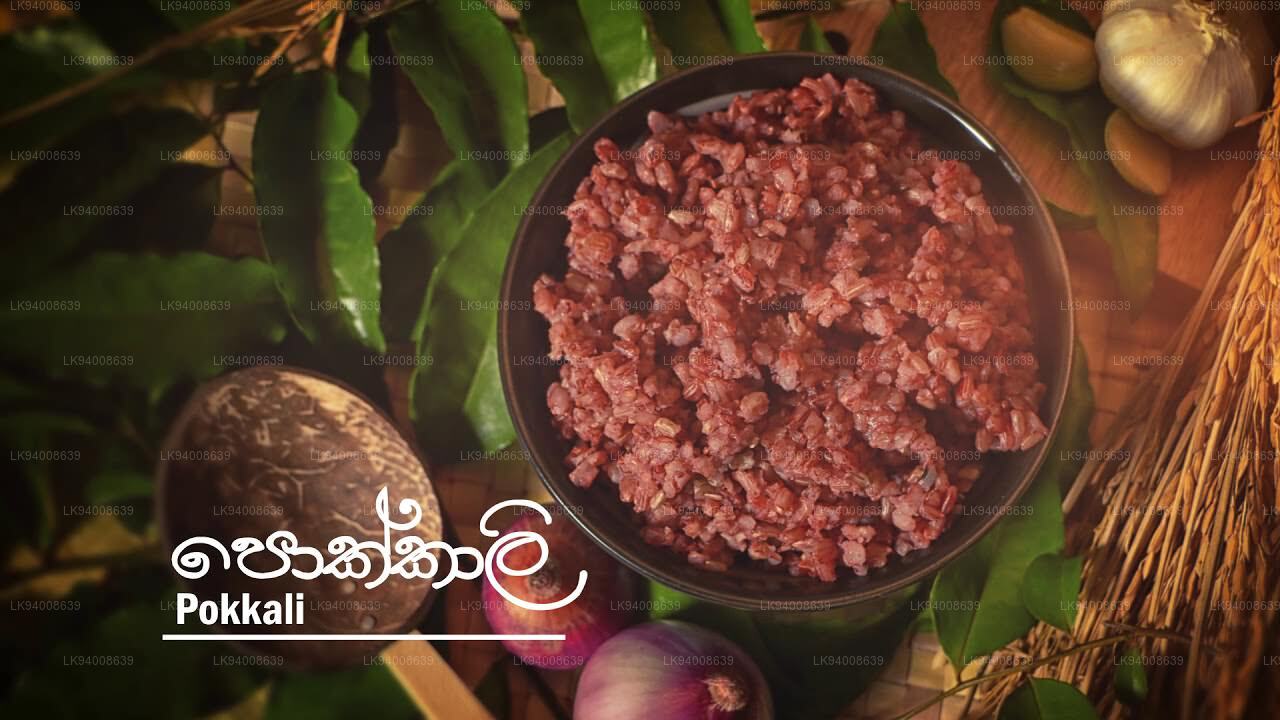 Pokkali
Pokkali is a popular red rice variety traditionally cultivated in Sri Lanka. The culm of plant is about 130 cm in height and bears about 10 tillers per plant. This crop can be harvested within 3½ months from seeding.
-
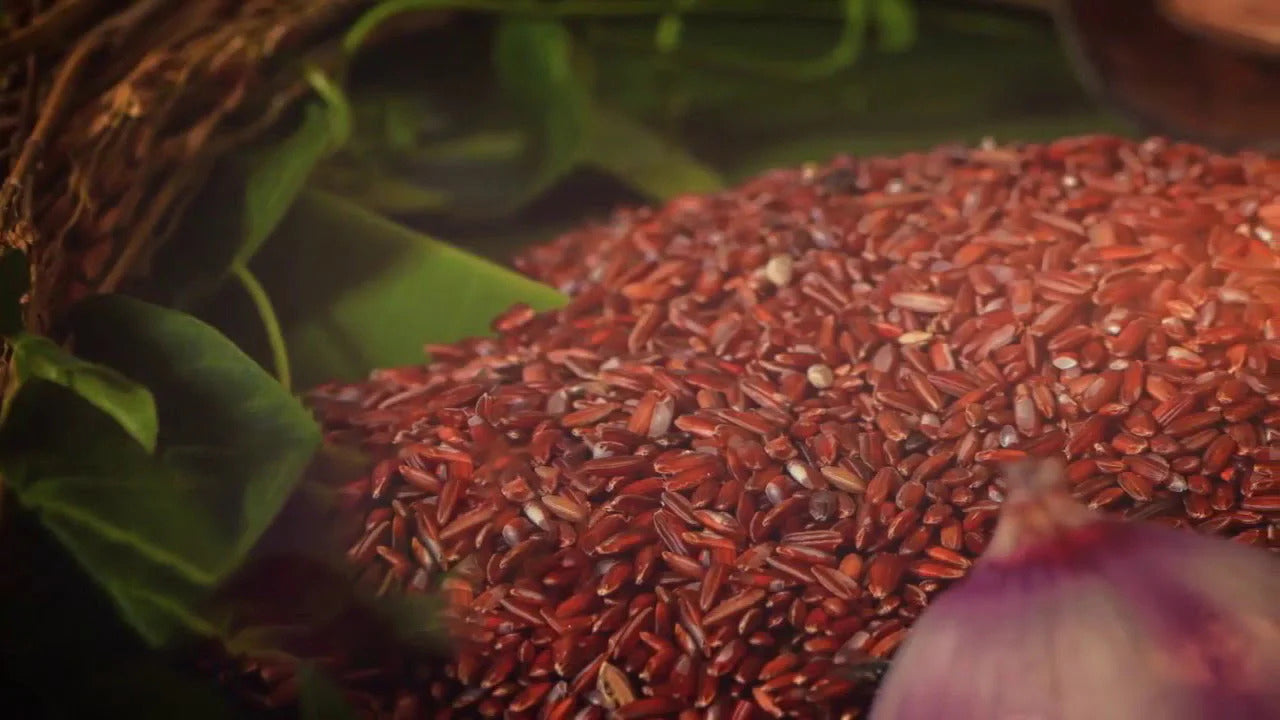 Pachchaperumal
Pachchaperumal is a very popular medium-grain red rice variety traditionally cultivated in Sri Lanka. The plant develops to a maximum height of 120 cm. This crop can be harvested within 3½ months from seeding. At the stage of ripening the plant stem becomes light bluish in color.
-
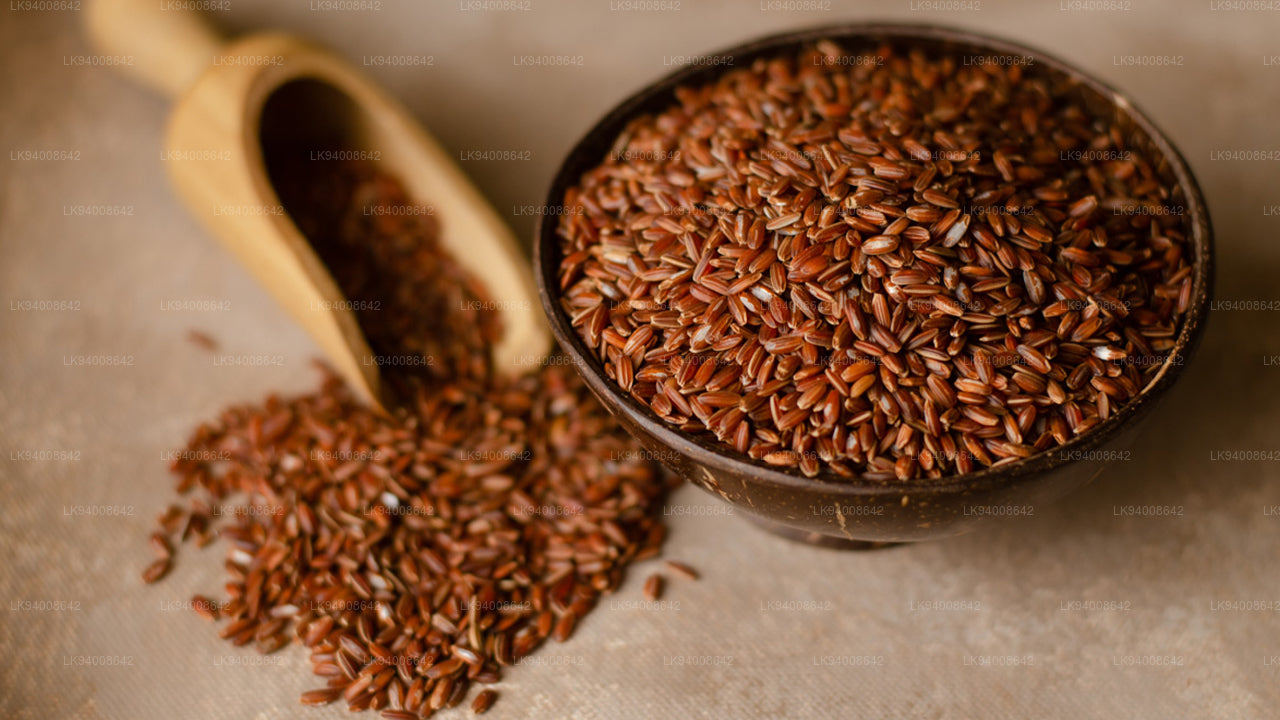 Madathawalu
Madathawalu is a very popular short-grain red rice variety traditionally cultivated in Sri Lanka. The plant develops to a maximum height of 130 cm. This crop can be harvested within 4 months from seeding.
-
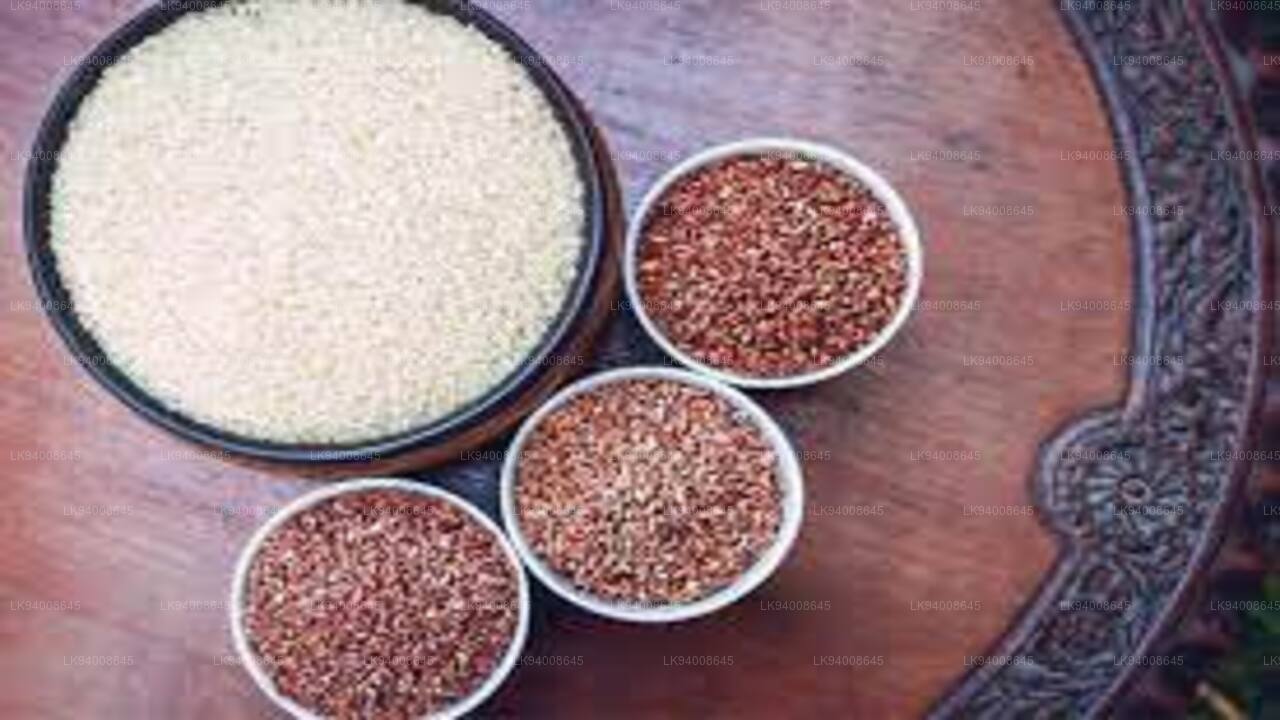 Gonabaru
Gonabaru is a popular medium-grain rice variety traditionally cultivated in Sri Lanka. The plant develops to a maximum height of 140 cm. This crop can be harvested within 5 months from seeding.
-
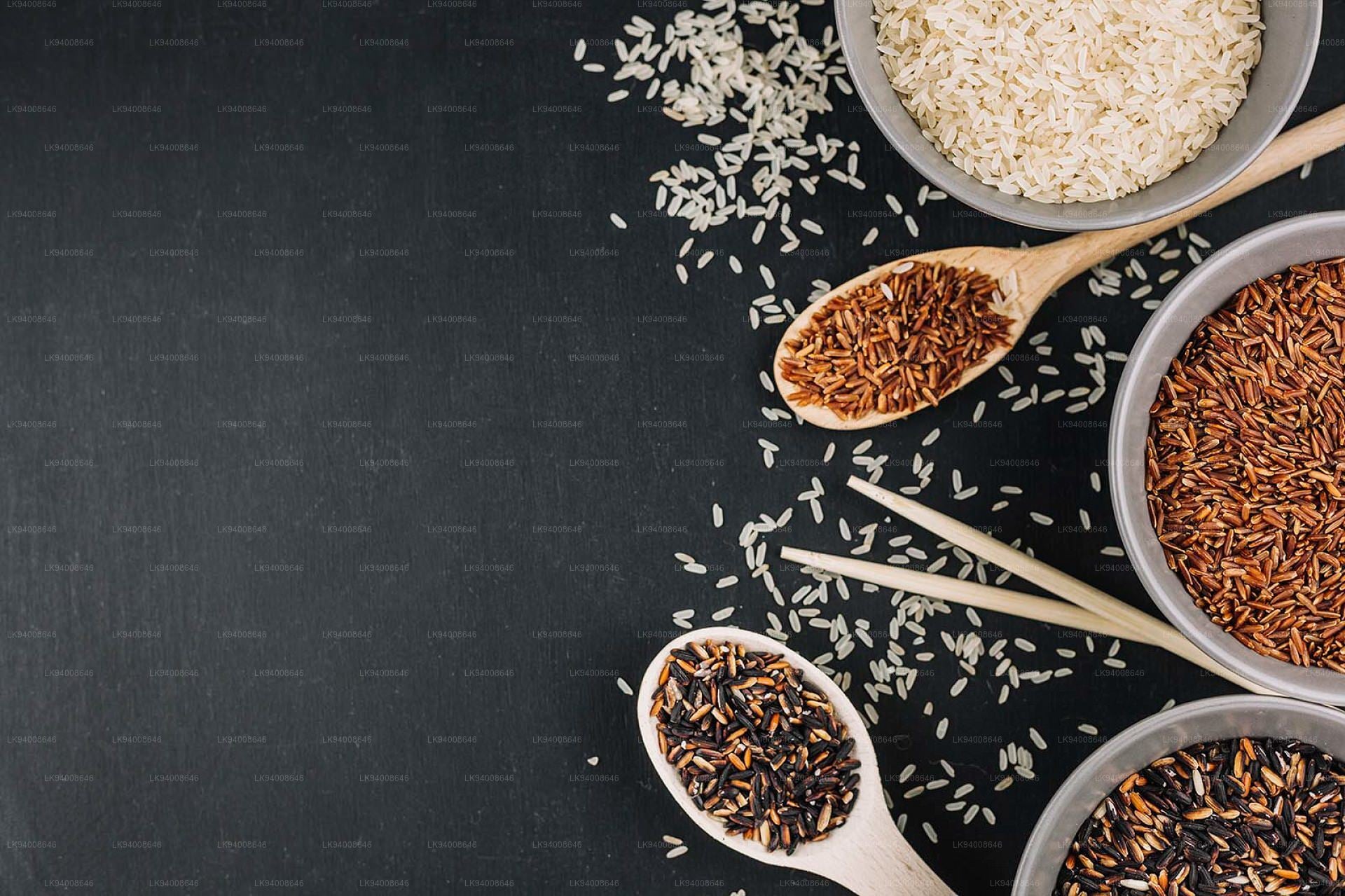 Goda Heeneti
Godaheeneti is a popular medium-grain red rice variety traditionally cultivated in Sri Lanka, which belongs to the heeneti type. The plant develops to a maximum height of 160 cm. This crop can be harvested within 3½ months from seeding.
-
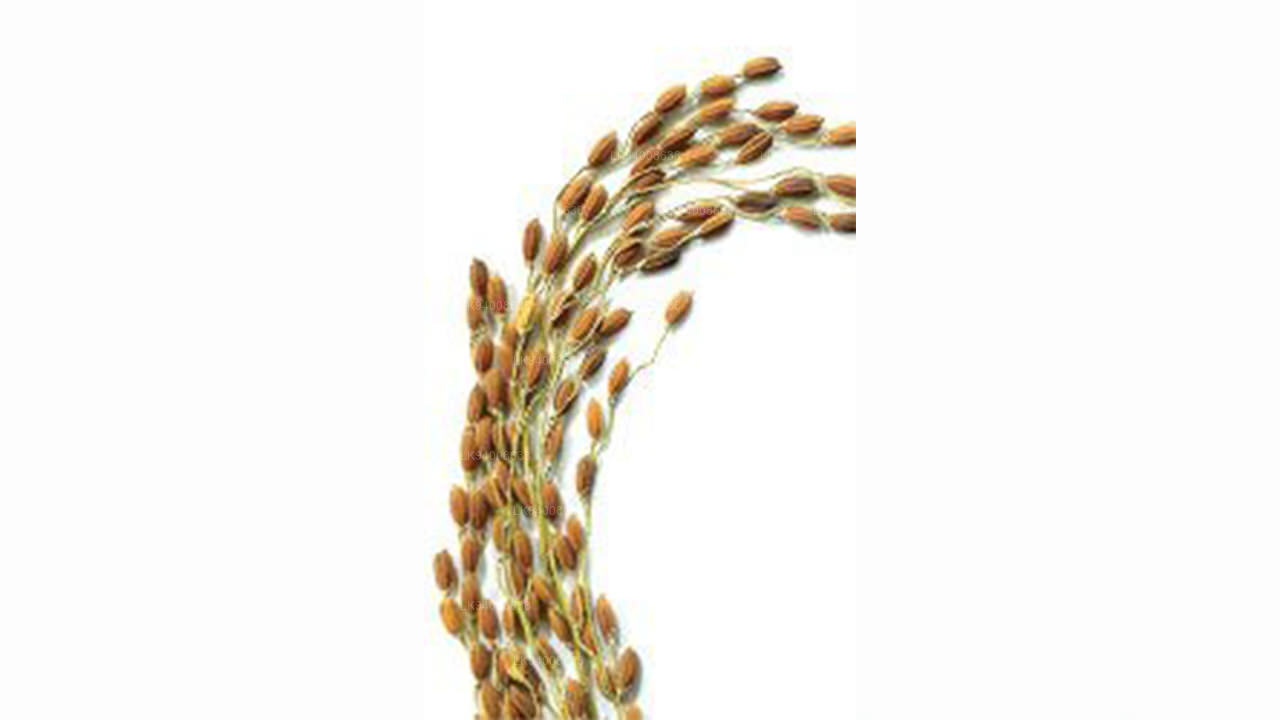 Rath Suwandal
Rathsuwandal is a popular medium-grain red rice variety traditionally cultivated in Sri Lanka. The plant develops to a maximum height of 120 cm. This crop can be harvested within 3½ months from seeding.