Nelum Pokuna Mahinda Rajapaksa Theatre stands at the centre of Colombo's cultural life, offering Sri Lanka its first purpose-built, large-scale performing arts venue. Named after the Sinhala words for 'lotus pond', the theatre draws its architectural identity from the ancient lotus pools of Polonnaruwa, linking a modern civic landmark to thousands of years of Sri Lankan heritage. Since opening, it has hosted everything from classical Kandyan dance productions and Sinhala drama to international orchestras and ballet companies.
What is the history behind Nelum Pokuna?
Sri Lanka's tradition of theatrical performance stretches back more than 2,500 years. Under the patronage of Sinhalese kings, skilled performers were celebrated and rewarded. When the monarchy ended, that state support disappeared, and for generations artists worked without a world-class stage on which to build an audience. Nelum Pokuna was conceived to close that gap — a modern institution that reconnects contemporary performers with the royal patronage their predecessors once enjoyed.
The project was initiated during the presidency of Mahinda Rajapaksa and formalised through an agreement signed on 15 March 2006 between the Sri Lankan and Chinese governments. China funded the construction through a grant of approximately LKR 3 billion and engaged the Beijing Institute of Architectural Design to lead the design, with Sri Lankan architects overseeing local execution. The address — No. 110 Ananda Coomaraswamy Mawatha, Colombo 07 — places the theatre in the heart of the city's cultural quarter, close to the National Museum and Viharamahadevi Park.
What inspired the design of Nelum Pokuna?
The architectural brief asked for a building that felt unmistakably Sri Lankan while meeting the technical standards of any major international venue. The design team looked to the stepped lotus ponds of ancient Polonnaruwa — stone reservoirs whose tiered, petal-like forms have endured for centuries — and translated that geometry into the theatre's layered facade and curving roof profile. The result is a building that reads as contemporary from a distance but carries clear historical references on closer inspection.
The structure rises seven floors in total: five above ground and two below. At 28 metres tall and covering a total floor area of around 15,562 square metres, it is large enough to house two distinct performance spaces alongside full backstage facilities, rehearsal rooms, and public foyers.
What venues and seating does Nelum Pokuna offer?
The theatre contains two main venues: the main auditorium and an open-air amphitheatre. The main auditorium is arranged across three tiers — a ground floor stalls level and two balconies. The middle tier is reserved for VIP seating, while the ground floor and upper balcony serve general audiences. Total seating capacity in the main auditorium is 1,288.
| Feature | Detail |
|---|---|
| Total floors | 7 (5 above ground, 2 below) |
| Building height | 28 m |
| Total floor area | ~15,562 sq m |
| Main auditorium capacity | 1,288 seats |
| Seating tiers | 3 (ground, VIP balcony, upper balcony) |
| Additional venue | Open-air amphitheatre |
| Stage lighting rigs | Around 500 units |

The stage lighting system — comprising around 500 individual rigs — is comparable to that of leading theatres in the region, giving production companies the technical flexibility to mount large-scale opera, ballet, drama, and concert productions without compromise.
How does Nelum Pokuna compare to other theatres in the region?
The stated ambition at the time of construction was for Nelum Pokuna to become the premier performing arts venue in South Asia, benchmarked against houses such as the Sydney Opera House, Covent Garden in London, and the Vienna State Opera. Whether or not one accepts that framing, the theatre clearly represents a step-change for Sri Lankan arts infrastructure. Before its opening, major international companies visiting the country had limited options for technically equipped venues in Colombo.
The amphitheatre adds an outdoor dimension that many comparable theatres in temperate climates cannot offer, making Nelum Pokuna genuinely distinctive for open-air evening performances during Sri Lanka's dry seasons.
What kinds of events are held at Nelum Pokuna?
The programme at Nelum Pokuna spans a wide range of disciplines. On any given season you might find:
- Classical Sinhala and Tamil drama productions
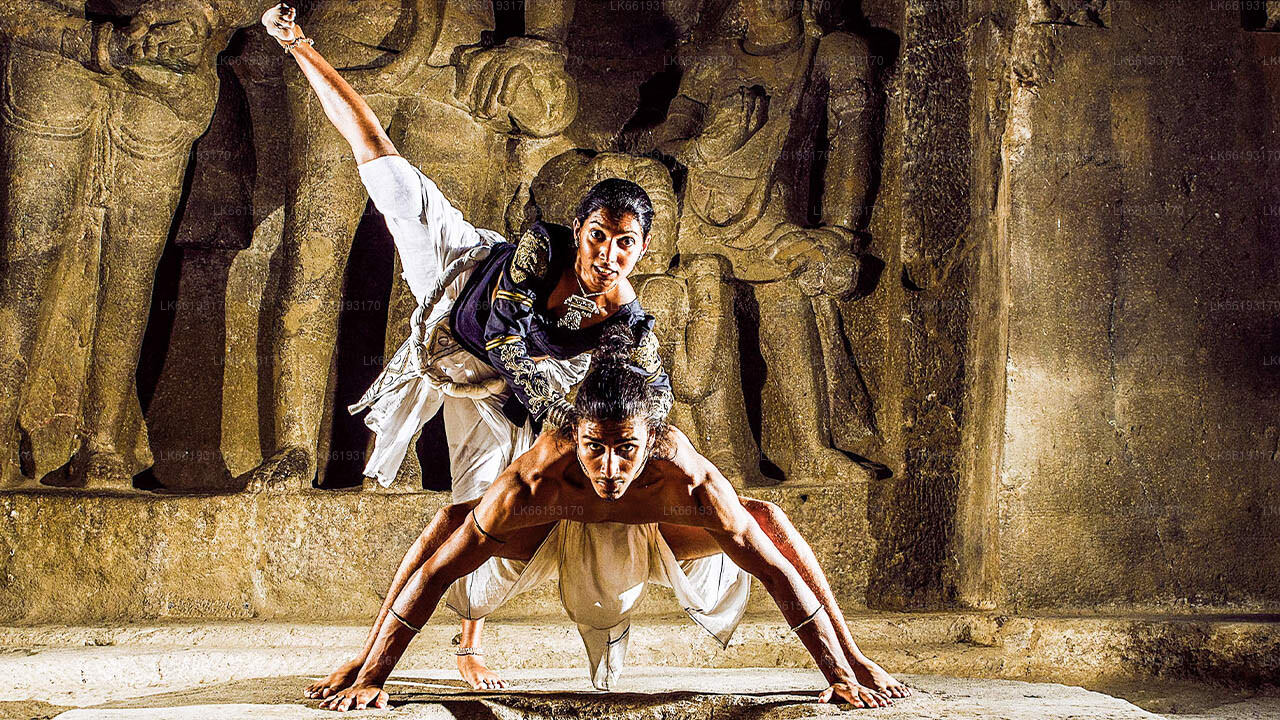
- Kandyan and contemporary Sri Lankan dance performances
- Western classical music concerts and orchestral visits
- International ballet and modern dance companies
- Corporate galas and high-profile award ceremonies
- Children's theatre and school productions
The theatre also serves as a venue for significant state and diplomatic events, underlining its role as more than a commercial arts house — it functions as a national cultural institution.
Where is Nelum Pokuna and how do I get there?
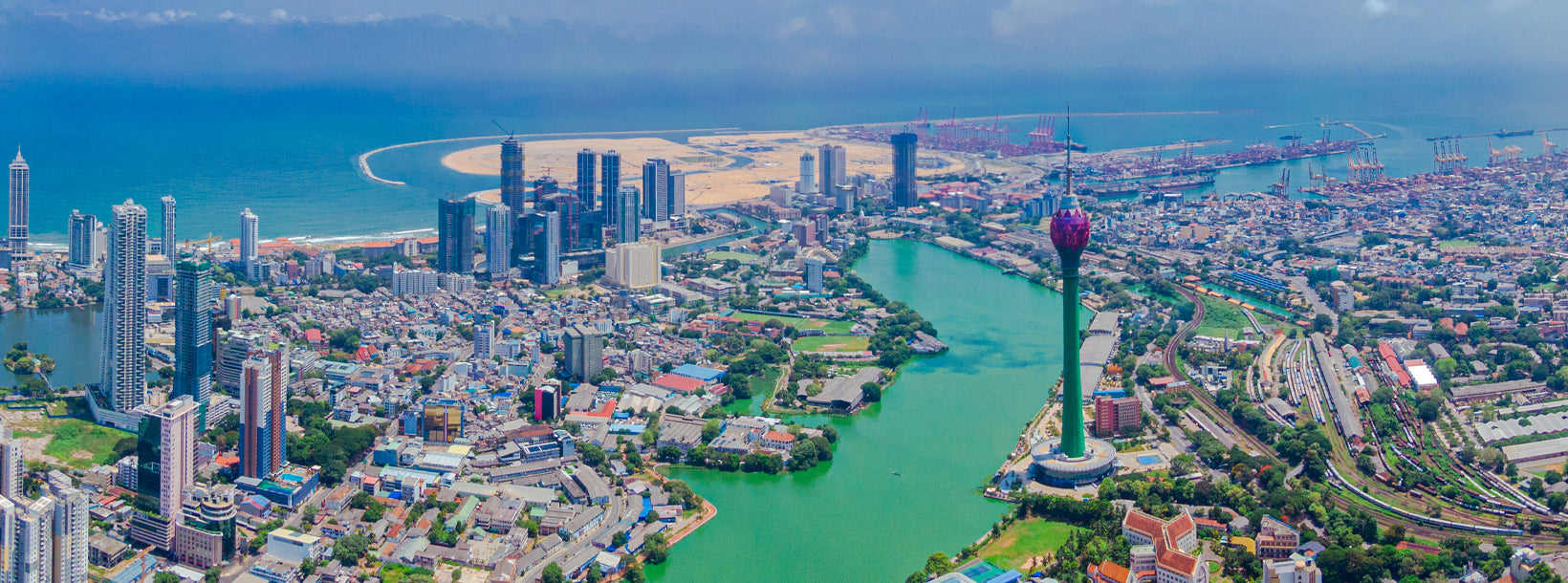
The theatre is located at No. 110 Ananda Coomaraswamy Mawatha, Colombo 07, within walking distance of Viharamahadevi Park and the National Museum of Sri Lanka. The Colombo city tour route passes through this precinct, making it easy to combine a visit with other cultural landmarks in the area.
Taxis and ride-hailing apps are the most convenient way to reach the venue from other parts of Colombo. There is limited on-site parking, so arriving by taxi or tuk-tuk is advisable for evening performances when traffic in Colombo 07 can be heavy. The nearest major landmark is the Viharamahadevi Park band stand, which most drivers will know.
What should I know before attending a performance?
- Dress code is generally smart casual; some high-profile international productions recommend formal attire — check individual event listings.
- Tickets are sold through the theatre's own box office and select online platforms. Booking in advance is advisable for popular productions.
- The theatre is air-conditioned throughout; evenings in the auditorium can feel cool, so a light layer is worth considering.
- Photography policies vary by production — confirm with front-of-house staff before your performance begins.
- Latecomers are typically held in the foyer until a suitable break in the performance before being seated.
Is Nelum Pokuna worth visiting as a traveller to Sri Lanka?
For travellers with even a passing interest in the arts, an evening at Nelum Pokuna offers something that a beach resort or heritage tour cannot: direct engagement with living Sri Lankan creative culture. A Sinhala drama or a Kandyan dance production staged in this setting gives far more insight into the country's artistic traditions than any museum exhibit. International visitors who happen to catch a visiting orchestra or dance company will find the production values genuinely comparable to venues in major world cities.
Even if no performance coincides with your travel dates, the building itself — and the cultural quarter surrounding it — is worth a daytime look as part of a wider exploration of central Colombo.