Lakpura
Lakpura®

Koddiyar Bay

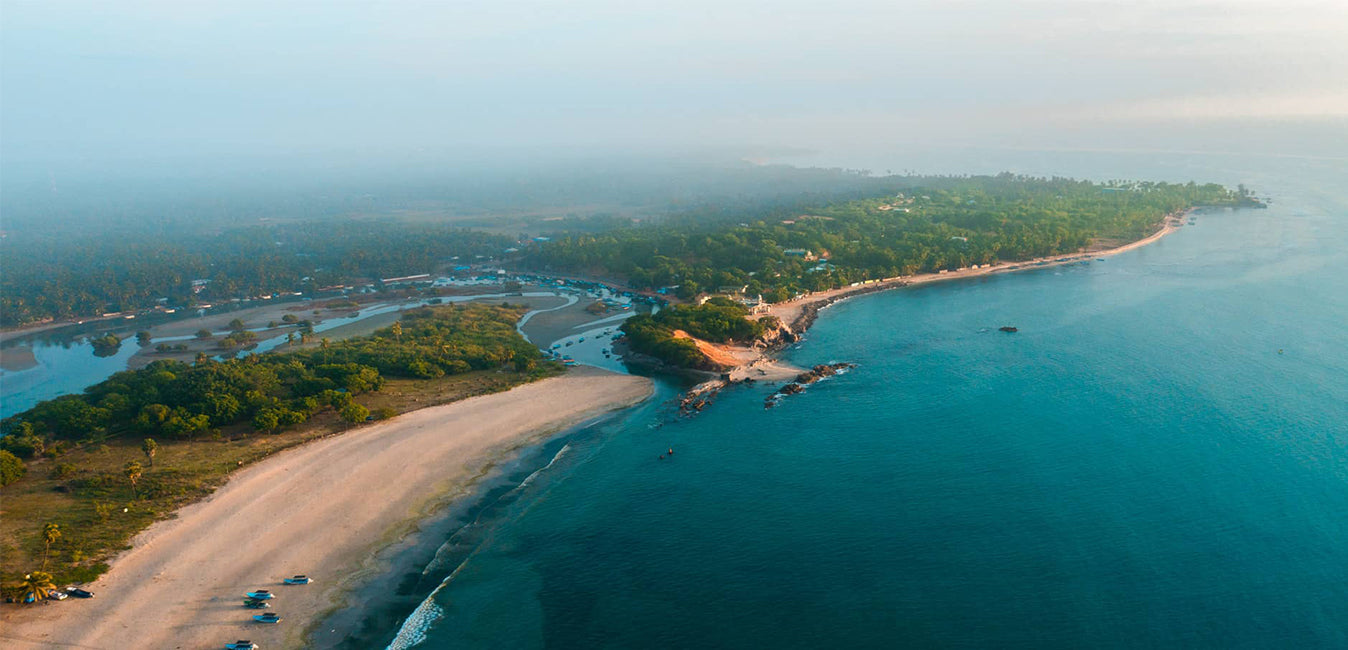
Koddiyar Bay lies along the northeastern coast of Sri Lanka, curving around the outskirts of Trincomalee to form one of the largest natural harbours in Asia. Sheltered from open-ocean swells and flanked by rocky headlands, the bay has drawn sailors, traders, and colonial powers for centuries — its strategic depth and calm anchorage making it as significant to naval commanders as it is appealing to travellers today. Beneath that historical weight, however, the bay retains a quietly unhurried character: fishing boats idle in the mornings, sea turtles surface near the reef edges, and the water turns copper at dusk when the light falls off Swami Rock.

What makes Koddiyar Bay historically significant?

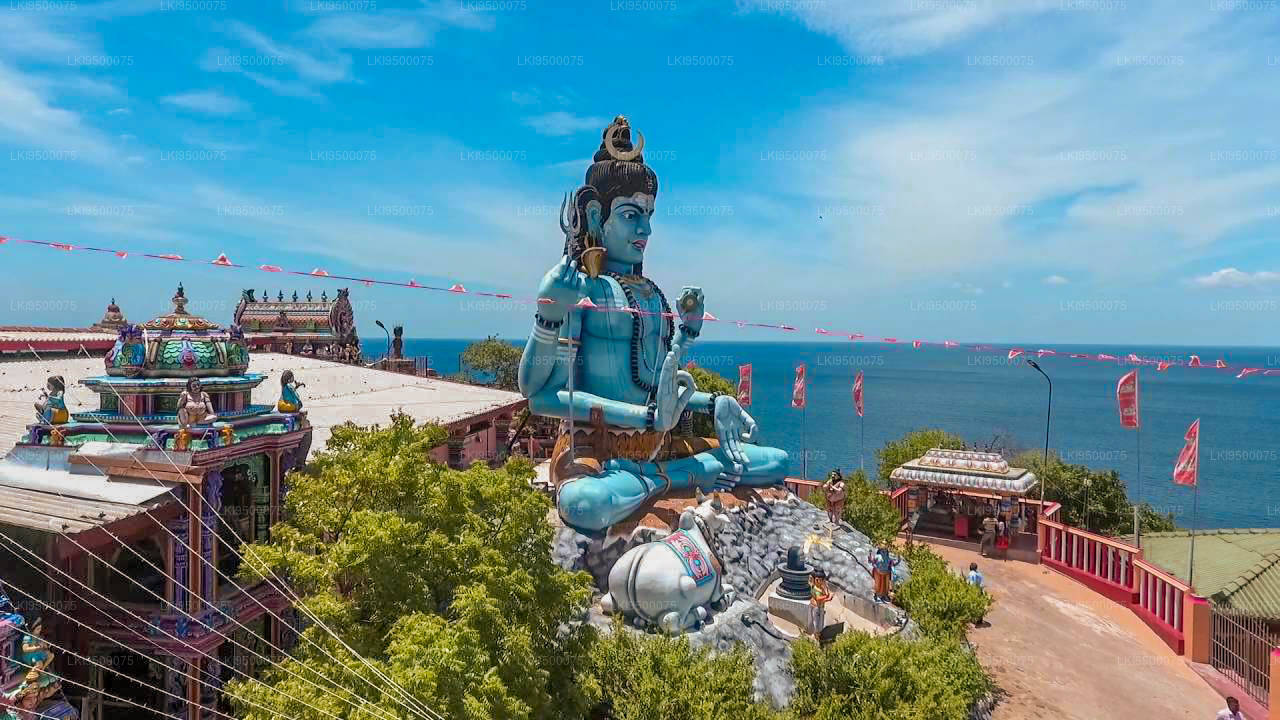
The bay's history intersects with nearly every era of Sri Lankan coastal trade and colonial rivalry. The deep-water channel that defines the harbour attracted the Portuguese in the sixteenth century, followed by the Dutch and then the British, who recognised Trincomalee as one of the finest naval ports in the Indian Ocean. Fort Frederick, built on the promontory overlooking the bay, still carries the layered stonework of successive colonial occupiers. At the tip of the same rocky headland stands the Koneswaram Temple, a Hindu shrine of considerable antiquity that draws pilgrims from across the Tamil-speaking world. Together, the fort and the temple frame the bay's western entrance and act as its most recognisable landmarks.

Local oral history and maritime records both note the bay's role in supporting fishing communities whose knowledge of its currents and seasonal fish migrations stretches back many generations. That continuity is part of what makes the area feel lived-in rather than merely touristic.

What marine life can you find in Koddiyar Bay?

The bay and its surrounding coastal waters host a varied marine ecosystem. Reef fish are abundant around the coral formations in the shallower sections, while green and hawksbill sea turtles are regularly encountered by divers and snorkellers. Spinner dolphins are a common sight, especially on calm mornings, and during the appropriate season — roughly May through November in these northeastern waters — blue and sperm whales pass through the deeper approaches to the harbour.

The coral reefs, though affected by historical bleaching events, still support healthy patches of hard and soft coral. Responsible snorkelling and diving remain feasible, and several local operators run guided trips from Trincomalee town. Pigeon Island, a protected marine reserve a short boat ride from the bay, offers some of the most intact coral coverage in Sri Lanka and is often included in the same day excursion.

What activities can visitors do at Koddiyar Bay?

The bay accommodates a range of water-based activities without feeling overcrowded. Key options include:

  • Boat tours: Half-day and full-day cruises through the bay offer a relaxed way to observe the coastline, visit smaller coves, and look for dolphins. Overnight cruises are available for those who want to experience the bay after the day visitors have left.
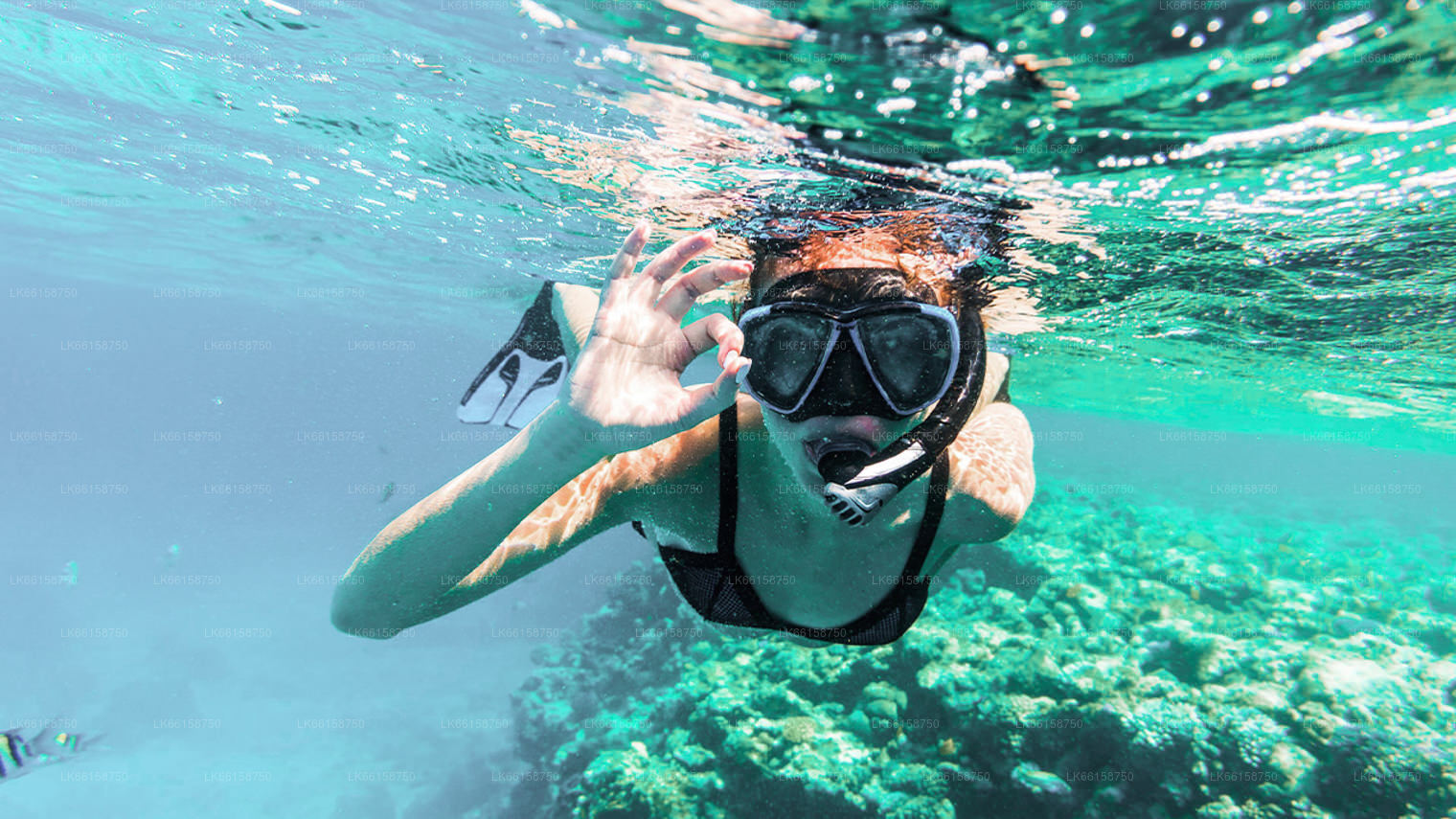
  • Snorkelling: The calmer months between March and September offer the clearest underwater visibility. Gear is rentable in Trincomalee town.
  • Scuba diving: Several wrecks and reef systems lie within accessible diving depth, making the bay a draw for recreational divers. Certification courses are available locally.
  • Whale and dolphin watching: Dedicated pelagic trips venture beyond the bay into deeper water during peak cetacean season. Sightings are not guaranteed, but encounter rates are generally high in favourable conditions.
  • Kayaking and stand-up paddleboarding: The sheltered inner bay is well suited to non-motorised water sports, particularly in the early morning when the surface is glassy.

On land, the area around the bay rewards exploration on foot or by tuk-tuk. The walk from Fort Frederick to the Koneswaram Temple complex takes under thirty minutes and passes through a mix of residential streets and coastal scrub.

When is the best time to visit Koddiyar Bay?

The northeastern coast of Sri Lanka has a climate pattern that differs from the south and west. Trincomalee's dry season runs roughly from March to September, coinciding with the southwest monsoon that brings heavy rain to the western and southern coasts. During these months, the bay is calm, the skies are generally clear, and marine activities are at their most accessible. Sea surface temperatures are comfortable for swimming and snorkelling throughout this window.

Between October and January the northeast monsoon delivers rain and occasionally rough seas to the bay, making water-based activities less predictable. Accommodation rates in Trincomalee are typically lower during this period, and the town itself remains navigable for cultural visits to the temple and fort. February marks a transitional period before conditions stabilise again.

Koddiyar Bay – Seasonal Quick Reference
Season Months Marine Activities Notes
Dry / Peak March – September Excellent Best visibility; whale season peaks May–Oct
Transitional February, October Variable Check conditions locally before booking
Northeast Monsoon November – January Limited Cultural visits remain viable; fewer crowds

How do you get to Koddiyar Bay from Colombo?

Trincomalee is connected to Colombo by rail and road. The train journey from Colombo Fort to Trincomalee takes roughly seven to eight hours and passes through some of the north-central dry zone, offering a scenic overland alternative to road travel. By road, the drive from Colombo via the A6 highway through Dambulla takes around five to six hours depending on traffic. A private transfer allows stops at ancient sites along the route.

Domestic flights between Colombo's Ratmalana Airport and Trincomalee's China Bay Airport operate periodically, though schedules change seasonally — confirm current availability before planning around this option. Once in Trincomalee, the bay is effectively part of the town itself; most piers and access points are within ten to twenty minutes of the main accommodation area.

What else can you visit near Koddiyar Bay?

The bay sits within easy reach of several worthwhile sites. Pigeon Island National Park, a marine sanctuary protecting black-tipped reef sharks and a healthy reef system, is a regular half-day excursion. The Koneswaram Temple on Swami Rock is one of the Paadal Petra Sthalams, the 276 Shiva temples celebrated in ancient Tamil hymns, and draws devotees as well as interested visitors year-round.

Further inland, the ancient city of Polonnaruwa is approximately two and a half hours by road, making it feasible as a day trip or an overnight extension for those combining Trincomalee with the Cultural Triangle. The freshwater tank at Kantalai, roughly an hour southwest of the bay, is known for birdwatching, particularly waders and raptors.

Practical information for visiting Koddiyar Bay

There is no dedicated entry fee for the bay itself. Charges apply for boat trips and any organised marine excursions, and prices vary by operator and activity type. Pigeon Island National Park carries a government-set entry fee payable at the departure point. The Koneswaram Temple requests modest dress — shoulders and knees covered — for visitors of all backgrounds.

Accommodation ranges from guesthouses in Trincomalee town to resort-style properties along the beaches to the south of the bay. The town centre has ATMs, pharmacies, and a small fresh market that operates in the early mornings. Mobile data coverage is generally reliable across the Trincomalee district.

Book this experience with Lakpura

Curated by our local team. Direct booking, instant confirmation.

Ask Lakpura® Agent