Batticaloa Dutch Fort

Batticaloa Dutch Fort Batticaloa Dutch Fort Batticaloa Dutch Fort

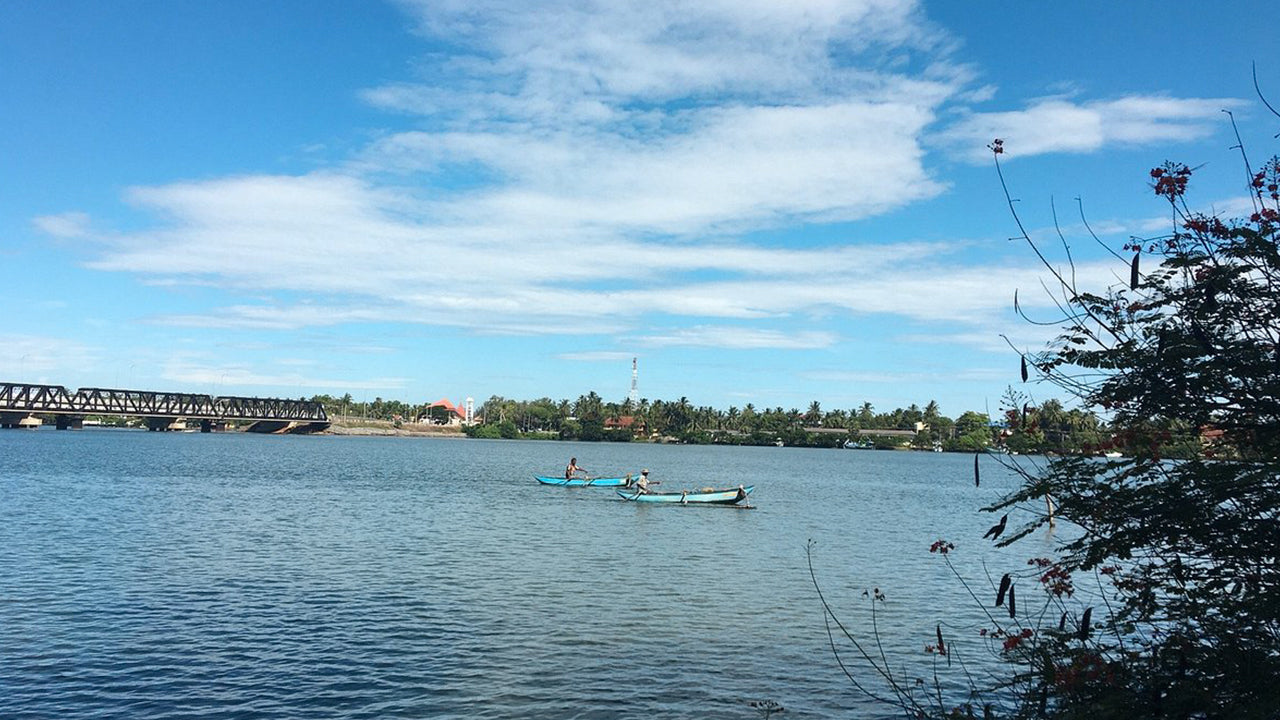
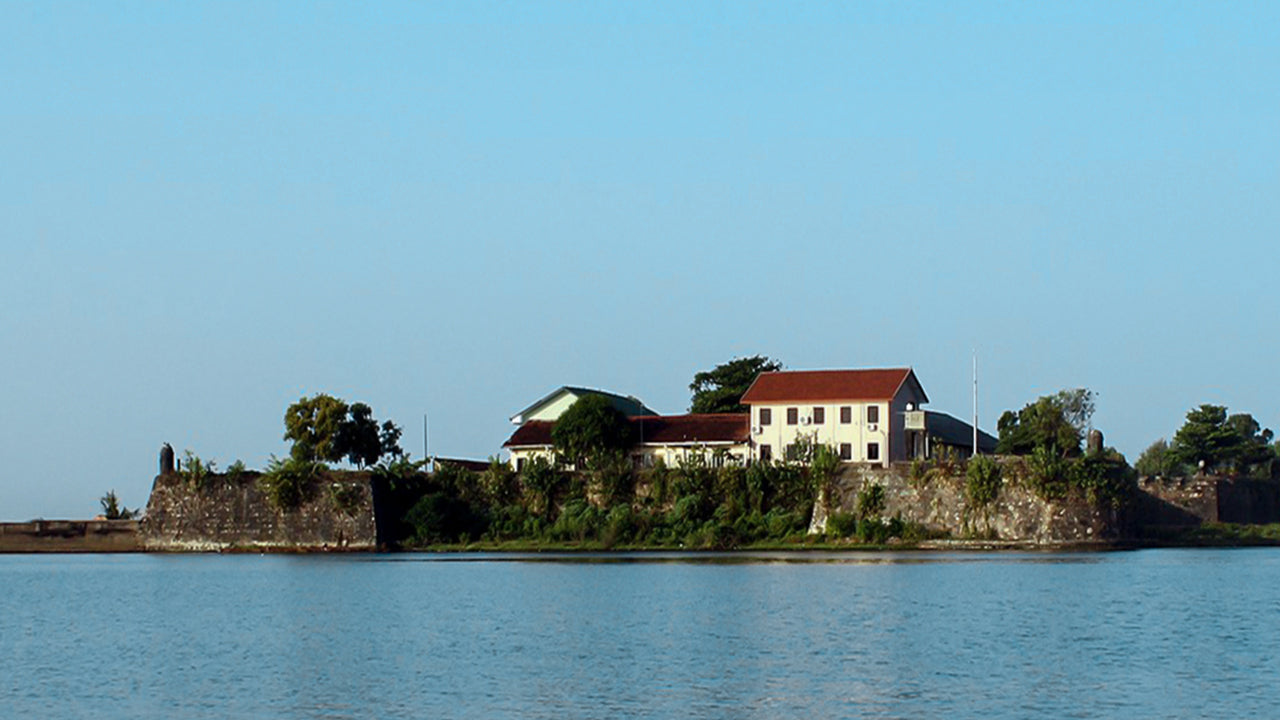
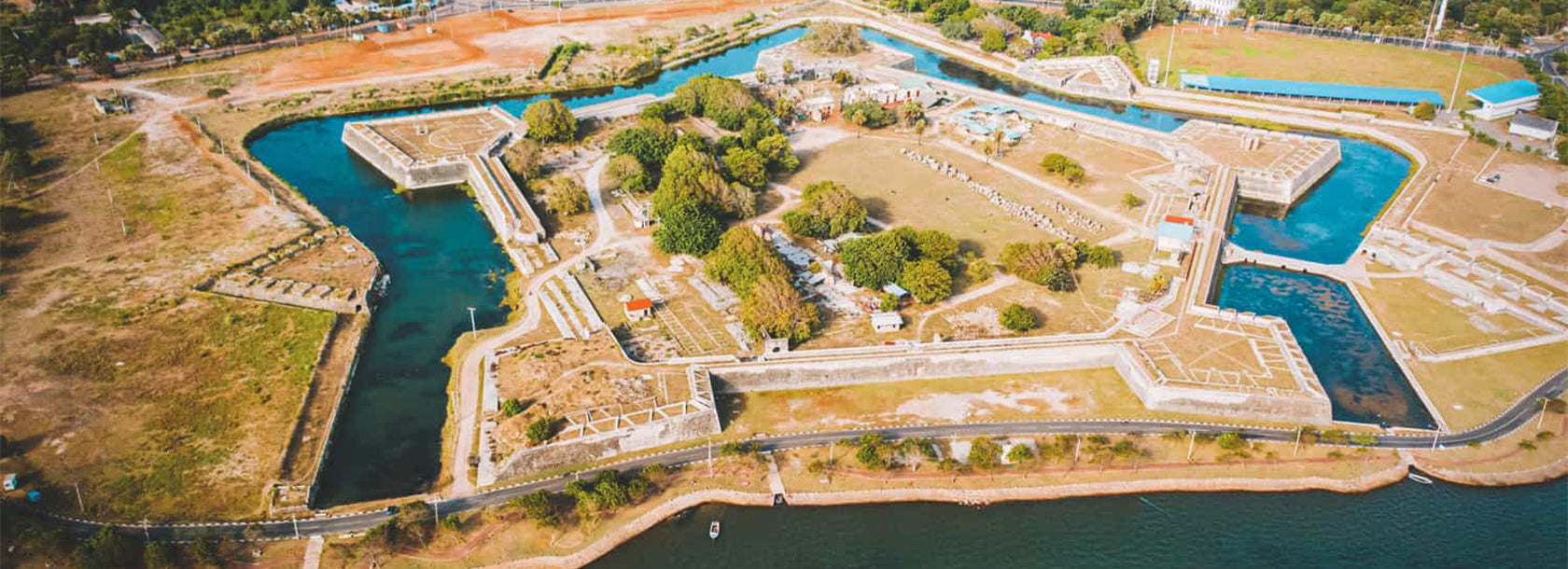
Originally a Portuguese settlement, the Fort of Batticaloa was first constructed in 1628 as a trading and administrative center. Set upon a small island, the fort protrudes into a swampy lagoon, surveying the brackish waters protected by the city’s outer banks. The Dutch had arrived in 1602, drawn to the prospects of trade and the abundance of pepper and cinnamon grown by the local community. However, it was not until King Rajasinghe in Kandy urged Dutch intervention that the European colonial power took action, capturing the fort in 1638 and establishing sovereignty in the region. Bordered by a moat on two sides and the lagoon on the others, the stone fort remained in Dutch hands for nearly two centuries before the British entered the country

in the late 18th century and took control of the Dutch fortifications. The site has significant religious implications dating back to the 1st century B.C., evidenced by a Buddhist stupa and shatra from the Ruhuna Kingdom that remains in the area. Sea erosion, insufficient funding, encroaching development, and the tsunami of 2004 have all conspired to damage the structure and its surrounding fortifications. Further, ethnic violence that has rocked the island for much of the last 30 years has prevented conservation efforts while dividing communities and threatening security in the area. However, plans to open the fort for public use can help unite the community and have the potential to further promote the fort as a religious and historic symbol.

Batticaloa-distriktet

Batticaloa er en by i den østlige provins i Sri Lanka. Batticaloa ligger på Sri Lankas østkyst på en flad kystslette omkranset af Det Indiske Ocean i øst og dækker den centrale del af det østlige Sri Lanka. Batticaloa ligger på østkysten, 314 km fra Colombo. Befolkningen på 515.707 består hovedsageligt af tamiler, maurere, singalesere, euro-asiatiske borgere (specifikt portugisiske borgere og hollandske borgere) og den indfødte vedda-befolkning.

Ris og kokosnødder er distriktets to hovedfødevarer, og dampskibe, der sejler rundt på øen, lægger regelmæssigt til ved havnen. Lagunen er berømt for sine "syngende fisk", der angiveligt er skaldyr, der afgiver musikalske toner. Distriktet har en rest af veddaer eller skovens vilde mænd. Byen har fire hovedområder. Pullianthivu: Sæde for mange regeringsafdelinger og kontorer, skoler, banker, religiøse steder, General Hospital, Weber Stadium og butikker. I dag er der også mange NGO-kontorer, herunder ICRC, FN, UNICEF, WORLD VISION osv.

Koddamunai: Skoler, banker, Sri Lankas regionale telekommunikationskontor for øst, butikker og mange regeringskontorer. To broer kaldet Perya Palam og Puthuppalam forbinder Pulianthivu-øen med Koddaminai-landmassen. Kallady: Her er der mange regeringsbygninger og private virksomheder, skoler, hospitaler og Eastern University Medical Faculty. Kallady Lady Manning-broen (den længste bro i Sri Lanka) forbinder Kallady og Arasay.

Østprovinsen

Østprovinsen er en af ​​de 9 provinser i Sri Lanka. Provinserne har eksisteret siden det 19. århundrede, men de havde ingen juridisk status før 1987, da den 13. ændring af Sri Lankas forfatning fra 1978 oprettede provinsråd. Mellem 1988 og 2006 blev provinsen midlertidigt fusioneret med den nordlige provins for at danne den nordøstlige provins. Provinsens hovedstad er Trincomalee. Den østlige provins havde en befolkning på 1.460.939 i 2007. Provinsen er den mest mangfoldige i Sri Lanka, både etnisk og religiøst.

Den østlige provins har et areal på 9.996 kvadratkilometer. Provinsen er omgivet af den nordlige provins mod nord, Bengalbugten mod øst, den sydlige provins mod syd og provinserne Uva, Central og North Central mod vest. Provinsens kyst er domineret af laguner, hvoraf de største er Batticaloa-lagunen, Kokkilai-lagunen, Upaar-lagunen og Ullackalie-lagunen.