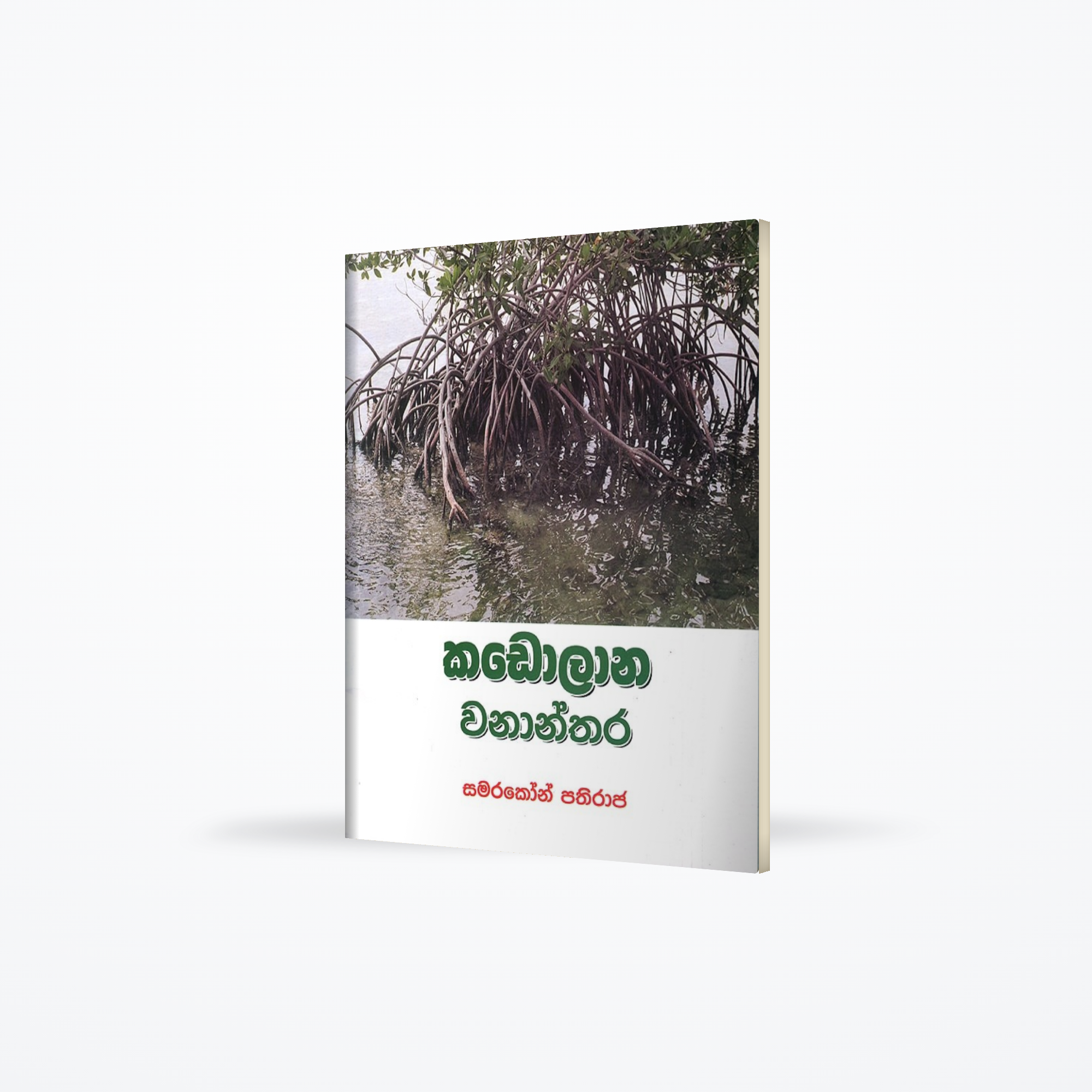
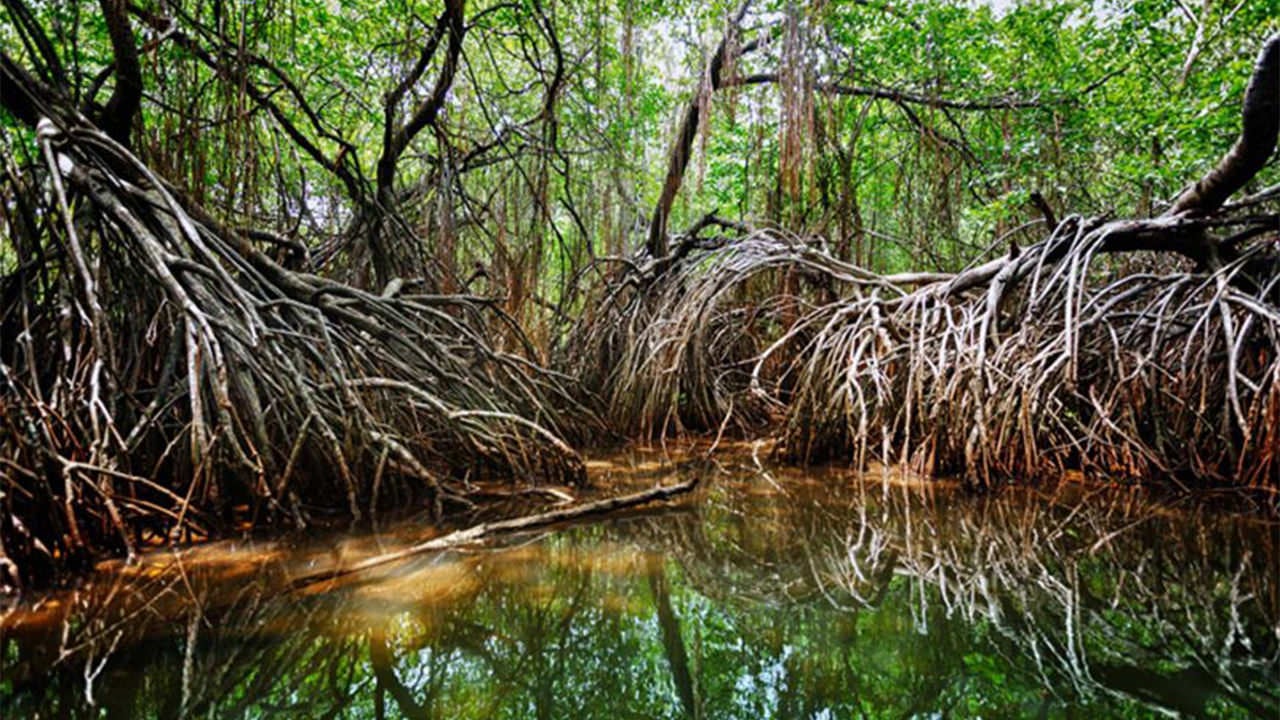
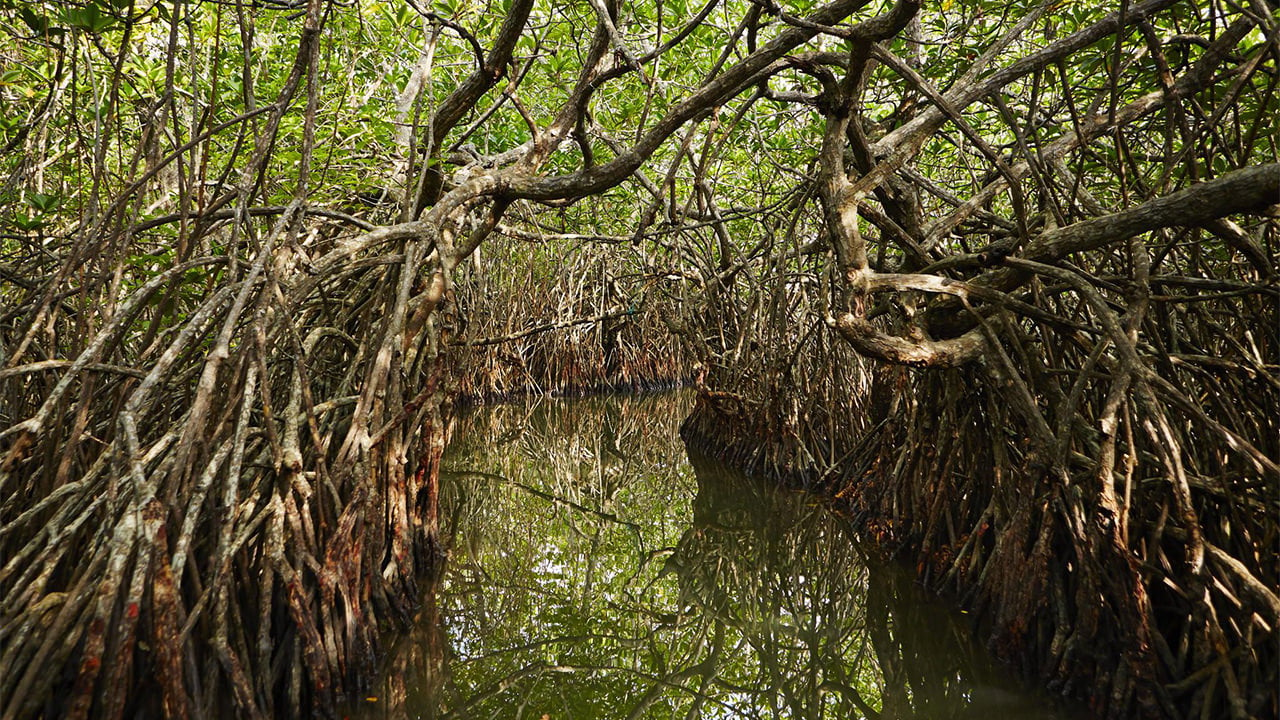

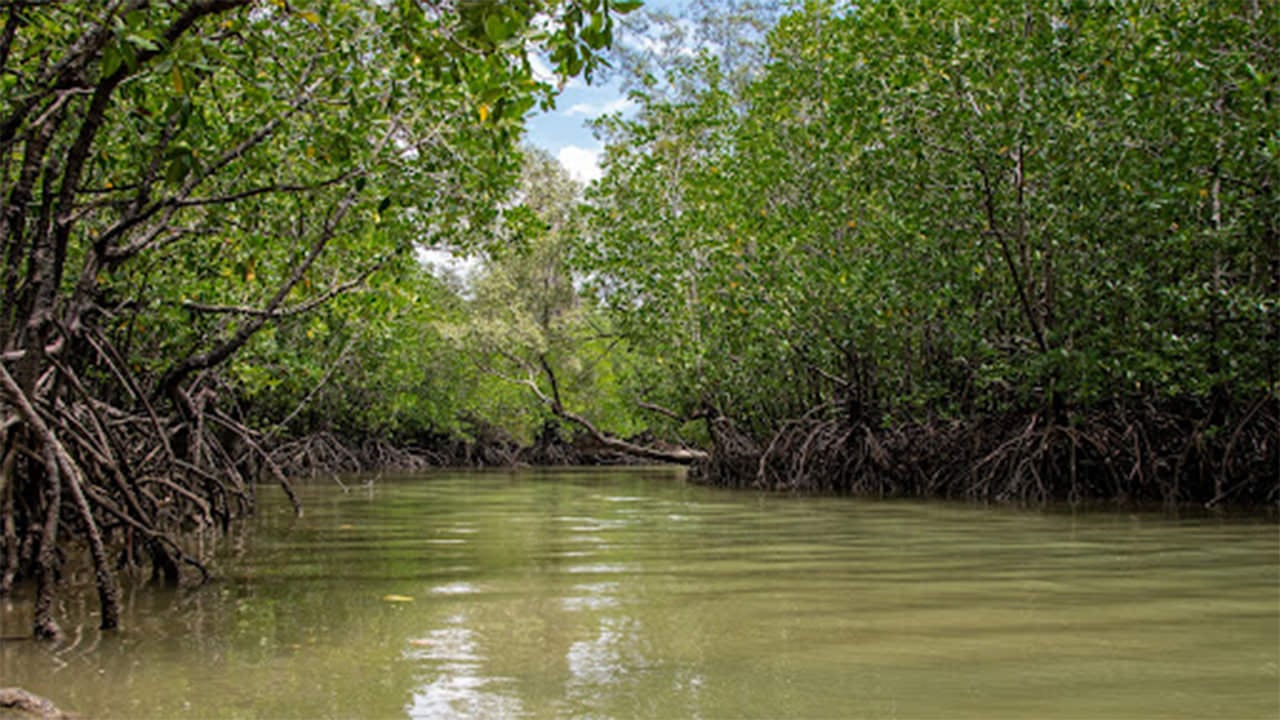
Kadolana is the Sinhala word for mangrove — and along the banks and islands of Madu Ganga, the term describes one of Sri Lanka's most quietly spectacular natural environments. Stretching inland from Balapitiya on the southwest coast, the Madu Ganga wetland system shelters a dense network of mangrove-covered islands, channels, and sandbanks that together form a protected Ramsar wetland of international importance. A slow boat through Kadolana is less a tourist excursion than a lesson in how a functioning coastal ecosystem looks and sounds up close.
What exactly is Kadolana, and why does it matter?
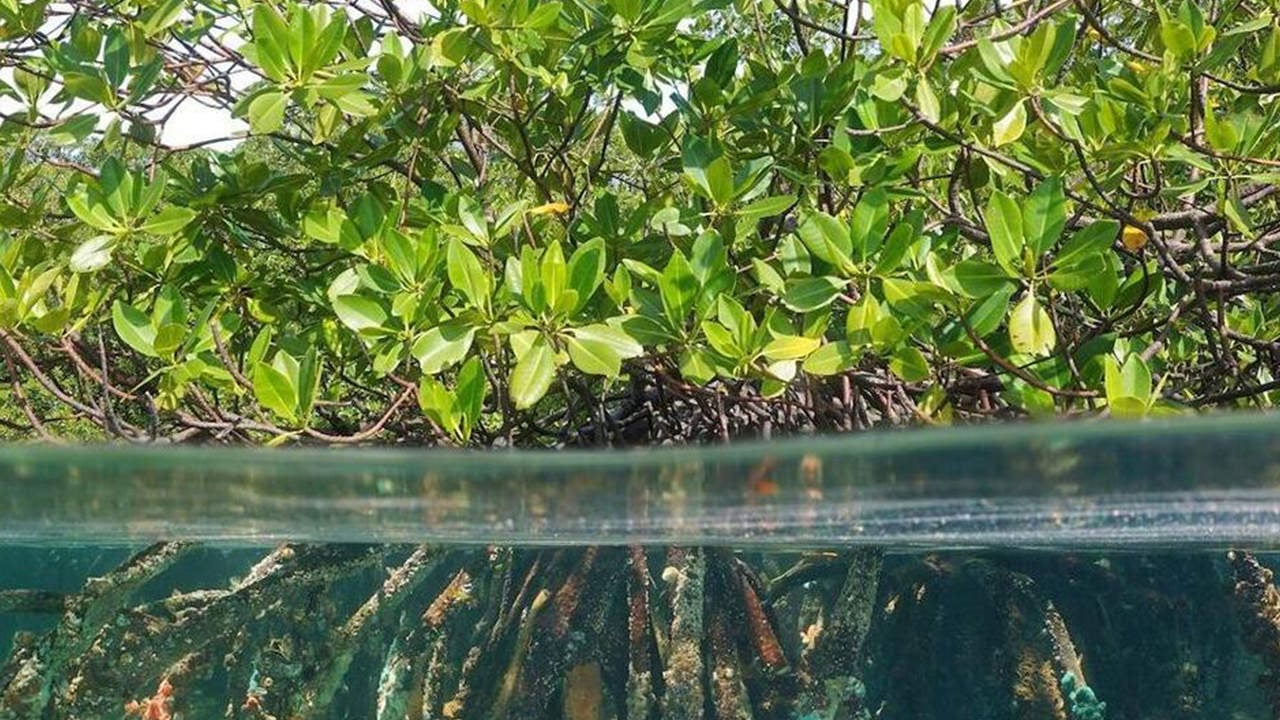
Mangroves are salt-tolerant trees and shrubs that colonise the brackish zones where rivers meet the sea. Their interlocking root systems stabilise shorelines, filter runoff, and provide nursery habitat for fish, crustaceans, and waterbirds. The Madu Ganga estuary hosts around 15 species of mangrove, making it one of the most species-diverse mangrove systems on the island. The ecosystem's importance was formally recognised when it was designated a Ramsar Wetland in 2003 — one of only three such sites in Sri Lanka.
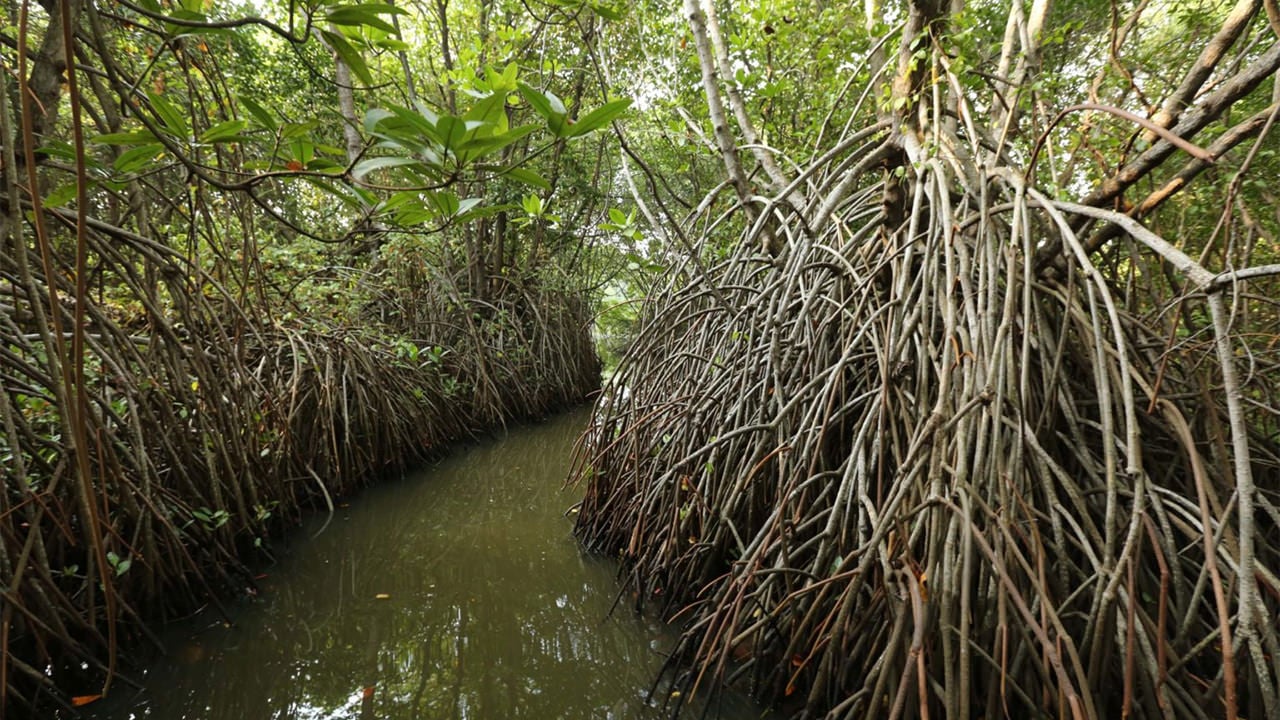
Beyond the ecological significance, Kadolana creates a landscape that feels genuinely ancient. Roots arch out of the water like buttresses, canopies knit together overhead, and the light that filters through takes on a deep green quality unlike anything on open coast.
What can you see on a Kadolana boat ride?
The standard route threads through roughly 64 islands scattered across the lagoon. Each island supports its own cluster of mangrove species, and local guides point out the subtle differences — the pencil-like pneumatophores of one species, the prop roots of another. Wildlife sightings along the way typically include:
- Water monitor lizards basking on exposed roots
- Purple-faced langurs moving through the canopy
- Kingfishers, herons, and cormorants along the water's edge
- Mud skippers in the shallower tidal flats
- Occasional crocodiles, particularly in quieter sections of the river
Some boat routes stop at a small cinnamon island where visitors can watch bark being peeled and dried — a reminder that Sri Lanka's spice heritage extends well beyond the highland interior. A visit to a Madu River Safari typically combines these natural and cultural stops into a two-hour circuit.
When is the best time to visit Kadolana?
The Madu Ganga wetland can be visited year-round, but conditions vary by season. The southwest monsoon (May to August) brings heavier rainfall and occasionally choppier water at the river mouth, though the mangrove channels themselves remain calm and navigable. The driest and most comfortable months tend to fall between December and April, when visibility is clearest and wildlife is easier to spot along the banks. Early morning departures are generally preferable — the light is better, the birds are more active, and boat traffic is lighter before the mid-morning rush.
How do I get to Kadolana from Colombo?
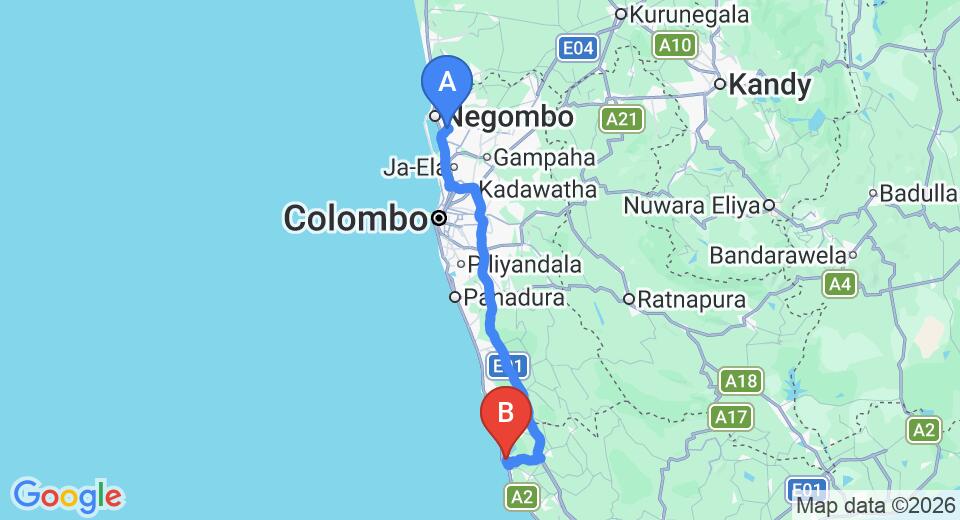
Balapitiya, the main departure point for Madu Ganga boat tours, sits approximately 90 kilometres south of Colombo on the coastal highway. By private car or taxi the journey typically takes around two hours, depending on traffic through Colombo and Galle. The coastal rail line also stops at Balapitiya station, roughly a 10-minute walk or short tuk-tuk ride from the river jetty. Visitors combining Kadolana with the broader southern coast often pair it with Galle, Unawatuna, or Hikkaduwa, all within easy reach.
Is the Madu Ganga mangrove system protected?
Yes. The Madu Ganga is gazetted as a sanctuary under Sri Lanka's Forest Ordinance and simultaneously designated under the Ramsar Convention on Wetlands. Boat operators are required to hold licences issued by the local authority, and there are restrictions on the number of vessels permitted on the water at any one time. Visitors should avoid purchasing wildlife products — including dried starfish, shells, or similar items sometimes sold on small stalls along the river — as collection from a protected wetland is illegal.
What is the difference between Kadolana and a standard river cruise?
The distinction is mostly one of emphasis. A river cruise tends to prioritise the journey itself — scenery passing by from a comfortable seat. A Kadolana experience centres on the ecosystem: the guide explains why the roots look as they do, identifies bird calls, and pauses the boat so passengers can watch a monitor lizard without disturbing it. The boats used are typically flat-bottomed fibreglass craft that can navigate shallow channels inaccessible to larger vessels, which means the most intimate parts of the mangrove forest are reachable in a way that a standard cruise would miss. For those particularly interested in crocodile watching, the quieter backchannels of Madu Ganga are among the more reliable spots on the southwest coast.
Are there accommodation options near Kadolana?
Several small eco-lodges and guesthouses operate in and around Balapitiya and the adjacent villages, some set directly on the riverbank. These tend to be intimate properties that position themselves as immersive nature stays rather than resort-style accommodation. Guests staying overnight often have the opportunity for a dawn paddle or an evening cruise when day-trippers have departed, which significantly changes the atmosphere on the water. Lakpura can arrange airport transfers to properties in the Balapitiya area as part of a broader southern coast itinerary.