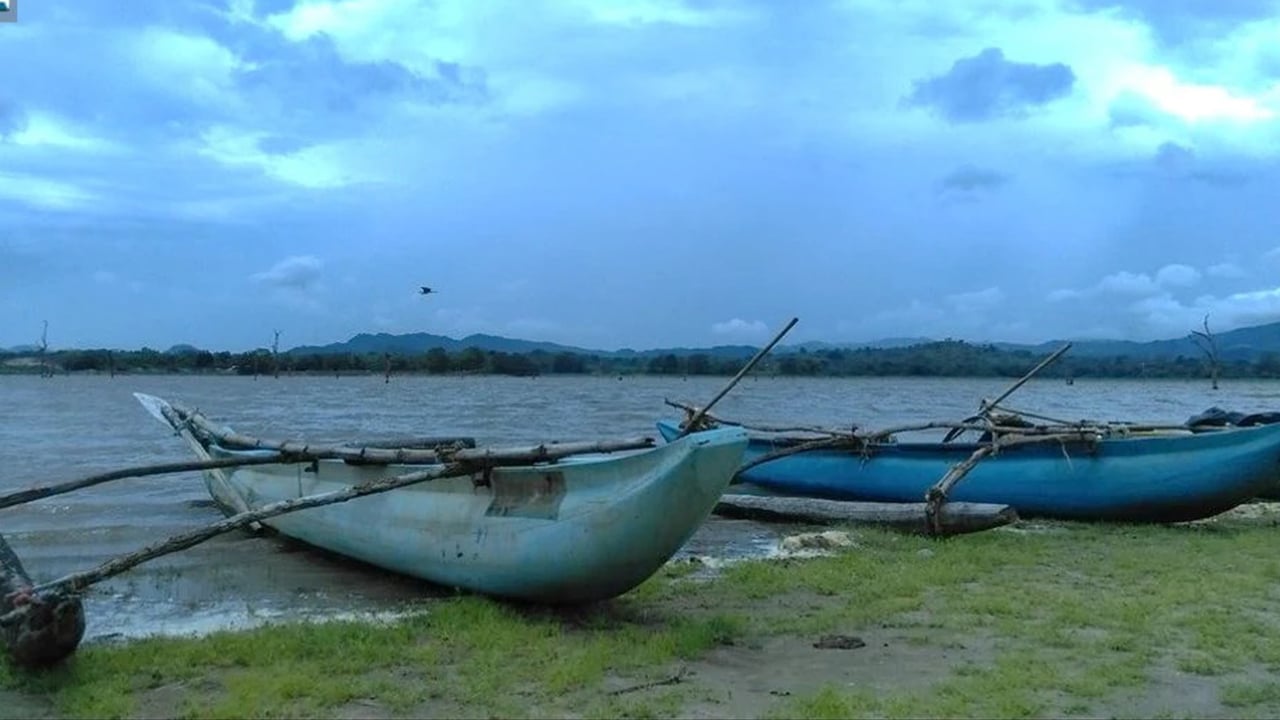

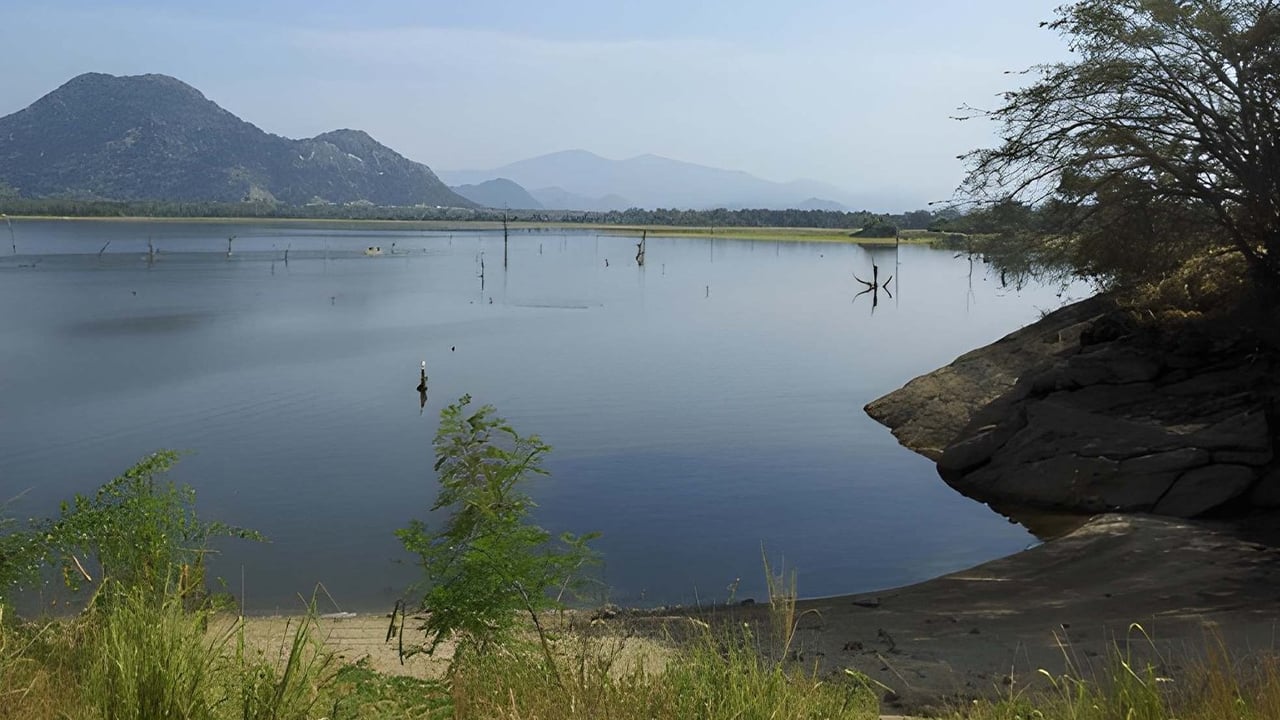

Handapanagala Reservoir sits quietly in the dry-zone lowlands of southeastern Sri Lanka, roughly 16 kilometres from Wallawaya town. Fed by the Kirindi Oya river, the reservoir holds water reliably throughout the year — a quality that makes it indispensable to local farmers, inland fishers, and, just as importantly, to the wildlife that depends on it during the island's long dry season.
Why do elephants gather at Handapanagala Reservoir?
The reservoir's permanent water supply draws large herds of Sri Lankan elephants, particularly in the late afternoon and early evening when the temperature drops and animals move from the surrounding scrub forests to drink and bathe. Groups of 20 or more elephants are not unusual during the dry months, and bulls in musth are sometimes seen moving independently along the shoreline. Because the terrain is relatively open — rocky plains give way to low thorn scrub — visibility is excellent without the need to enter dense forest.
This combination of reliable water, open sightlines, and minimal human disturbance makes Handapanagala one of the more rewarding elephant-watching locations outside a formal national park. Visitors often report quieter, more intimate encounters here than at more heavily visited reserves. If elephant welfare is a priority for you, the Elephant Transit Home near Udawalawe offers a complementary perspective on wild elephant conservation in the same region.
What birds can I see at Handapanagala Reservoir?
The reservoir and its fringing vegetation support a notable variety of waterbirds and dry-zone species. Painted storks, open-billed storks, purple herons, and various egret species are regularly recorded around the water's edge. Little cormorants and Indian darters roost and fish along the shallower margins. Raptors — including the crested serpent eagle and oriental honey-buzzard — hunt the surrounding scrub, while bee-eaters and rollers are frequently spotted on exposed perches near the bund.
Birders with an early morning arrival often find the reservoir particularly productive: light is good, temperatures are cool, and most species are most active before the midday heat sets in. The dry season (roughly May to September) concentrates both residents and migratory species around the water.
How does Handapanagala differ from nearby national parks?
Unlike Udawalawe National Park — which sits roughly 40 kilometres to the west and charges formal entry fees — Handapanagala Reservoir is not enclosed within a gazetted national park boundary. This means access is generally more informal, entry costs are lower, and crowds are considerably thinner. The trade-off is that facilities are minimal: there is no established visitor centre, no designated safari jeep route, and limited infrastructure around the bund road.
Visitors who prefer a structured wildlife experience with ranger support and defined circuits are better served by Udawalawe. Those who value solitude, local atmosphere, and flexibility will likely appreciate Handapanagala's unhurried character.
When is the best time to visit Handapanagala Reservoir?
The reservoir can be visited year-round because it remains full even during dry periods. That said, the optimal window for wildlife watching is the dry season between May and September, when animals are concentrated around water sources. Elephant sightings are most frequent and predictable during this period. The evenings — roughly an hour before sunset — consistently produce the best elephant activity.
The inter-monsoon months of March–April and October–November can bring short, heavy showers that briefly reduce visibility on the bund road; a light rain jacket is advisable. The northeast monsoon (December to February) brings moderate rainfall to this part of the country, but wildlife activity remains good.
How do I get to Handapanagala Reservoir from Ella?
Ella is the most convenient base for travellers visiting the reservoir, sitting approximately 20–25 kilometres away via Wellawaya. The drive from Ella follows a scenic route through the foothills before dropping into the flat southeastern lowlands, typically taking around 45 minutes by car. The nearby town of Ella offers a wide range of accommodation from guesthouses to boutique hotels, making it a practical overnight stop.
Public buses run between Ella and Wellawaya regularly, from where three-wheelers can be hired for the final stretch to the reservoir bund. However, given the limited public transport connectivity to the reservoir itself, a private vehicle or organised tour provides much more flexibility — especially useful if you want to time your arrival for the evening elephant hour.
What else can I do in the area?
The southeastern interior of Sri Lanka packs a great deal into a relatively compact area. The ancient ruins of Polonnaruwa lie further north and make a logical addition to a longer itinerary through the cultural and wildlife zones. Closer to the reservoir, the Buduruwagala rock sculptures — carved in the ninth century — are accessible within a short drive and offer an unexpected intersection of art history and natural landscape. The Kirindi Oya river basin, which feeds the reservoir, also supports crocodile-watching opportunities at various points along its lower reaches.
Is kayaking possible at Handapanagala Reservoir?
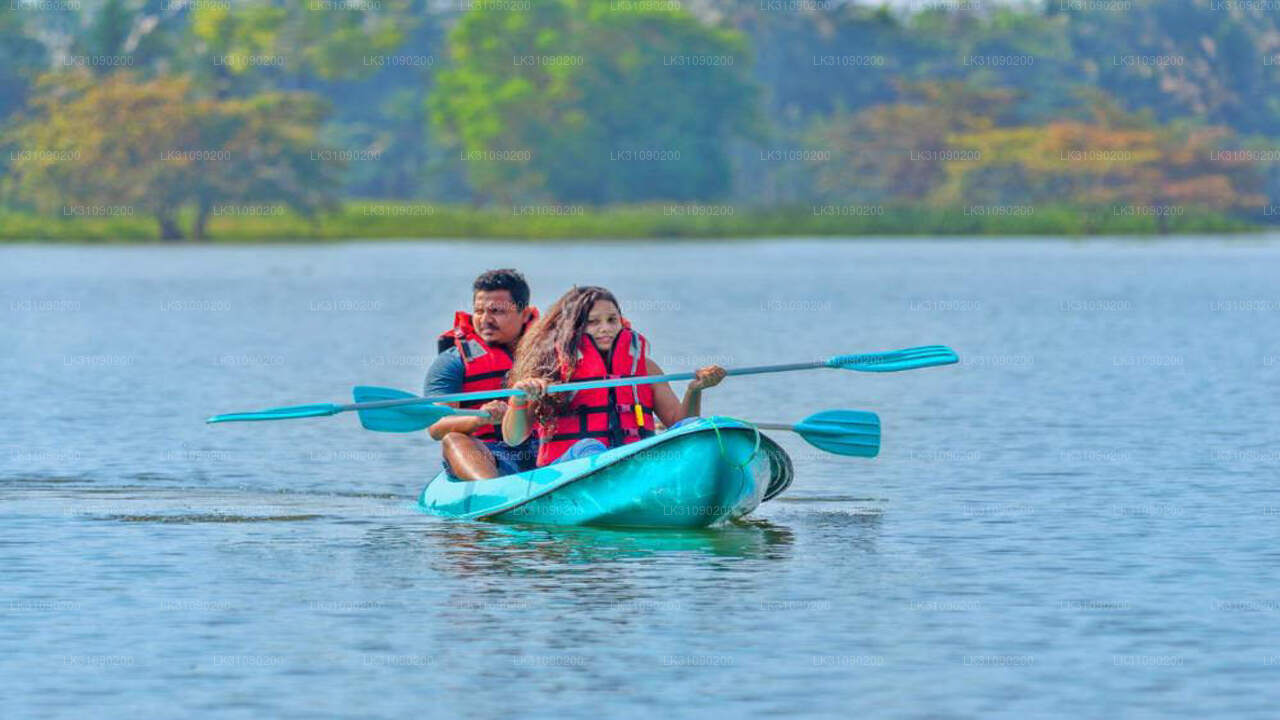
Kayaking on the reservoir has become an increasingly popular activity, particularly for visitors based in Ella. The calm, open water offers a different perspective on the surrounding landscape and a quieter way to observe waterbirds from the surface level. Organised kayaking excursions typically depart from Ella in the morning, combining the paddle with a return drive through the Wellawaya corridor. Conditions are generally calm and suitable for paddlers of most ability levels, though it is advisable to confirm current water levels and operator availability before booking, especially during heavier rainfall periods.
Practical information for visitors
- Distance from Ella: approximately 20–25 km via Wellawaya
- Distance from Wellawaya town: approximately 16 km
- Best time of day: early morning for birds; late afternoon for elephants
- Best season: dry season (May–September) for peak wildlife concentration
- Entry: no formal national park fee structure; standard rules of responsible wildlife observation apply
- Facilities: minimal — carry water, snacks, and any medication you may need
- Recommended clothing: neutral colours, light layers for early mornings and evenings