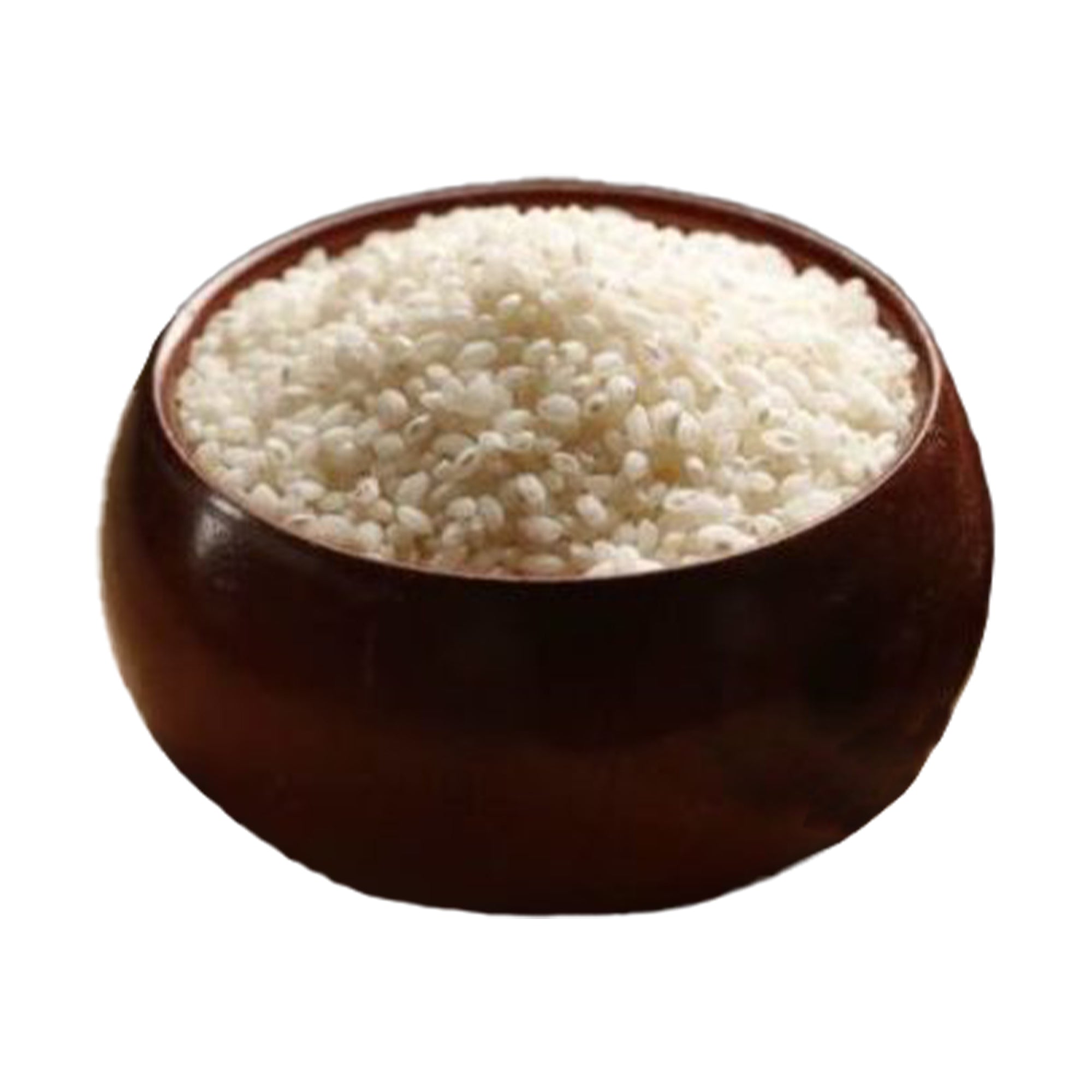
Rice is not merely a staple crop in Sri Lanka — it is a civilisational anchor. Cultivation records date to around 800 BC, and by 390 BC an elaborate network of irrigation reservoirs was already sustaining large-scale paddy farming across the island. For centuries Sri Lanka was called the Granary of the East, a title earned by an agricultural tradition so sophisticated that it supported roughly 2,000 indigenous rice varieties adapted to almost every ecological niche the island offered.
How many traditional rice varieties does Sri Lanka have?
At the start of the 20th century, researchers had documented around 567 traditional varieties still in active cultivation. These varieties evolved over millennia through natural selection and the quiet, cumulative knowledge of farming communities, fitting themselves to the island's diverse environments — from high-elevation wet-zone fields to lowland dry-zone paddies. Because each variety was shaped by a specific locale, Sri Lankan traditional rices are characterised by specific adaptability rather than broad, generalised performance.
The diversity that existed in those mixed-crop fields was both their strength and, under colonial neglect, a vulnerability. In the 1920s, scientists at the Department of Agriculture undertook a systematic purification programme, isolating pure lines from mixed stands and recommending them for cultivation. Most traditional varieties recognised today are descendants of those pure lines.
What makes traditional Sri Lankan rice different from modern varieties?
Several characteristics set traditional varieties apart from the high-yield modern cultivars that now dominate commercial farming:
- Maturity duration: Most traditional varieties take four to six months from seeding to harvest — considerably longer than modern varieties bred for quick turnover. Only a handful mature in two-and-a-half to three-and-a-half months.
- Grain colour: The majority have a red pericarp. White-grained traditional varieties exist but are comparatively rare, which is one reason red rice has become shorthand for heritage rice in Sri Lanka.
- Photoperiod sensitivity: Many varieties are highly sensitive to day length and will only flower when exposed to the short days of December. This limits them to the maha cultivation season (roughly October to March), a constraint that also ties traditional rice farming to the rhythms of the monsoon calendar.
- Plant architecture: Traditional varieties typically grow tall with relatively weak stems, making them prone to lodging. Their harvest index — the ratio of grain weight to total plant biomass — is generally below 0.3, meaning the plant puts considerable energy into stalks and leaves rather than the grain itself.
- Stress resistance: What traditional varieties lack in yield, many compensate for in resilience. Individual varieties often carry specific resistance to particular pests or diseases, as well as tolerance for abiotic stresses such as drought, waterlogging, and salinity — qualities increasingly relevant as climate patterns shift.
What are the health and nutritional benefits of traditional rice?
Sri Lanka's traditional knowledge systems — Ayurveda foremost among them — have long attributed therapeutic properties to specific rice varieties. These claims span a wide range: strengthening immunity and digestion, supporting urinary health, managing fever and diabetes, reducing cholesterol, and even treating snakebite intoxication. Modern nutritional science has begun catching up with some of these assertions.
Peer-reviewed research published in recent years has confirmed that Sri Lankan red rices, in particular, contain bioactive compounds with demonstrable effects on inflammation, oxidative stress, blood glucose regulation, cholesterol levels, and certain cancer-related pathways. The pigments responsible for the characteristic red or purple colour — primarily anthocyanins and proanthocyanidins — are the same compounds studied for their antioxidant capacity in berries and other deeply coloured plant foods.
The paddy field (kumbura) remains a living laboratory for these properties. Varieties such as Kalu Heenati, Suwadel, Madathawalu, and Kuruluthuda are among those most associated with both culinary tradition and nutritional research, though the full catalogue of traditional varieties provides far broader genetic material for future study.
Which traditional rice varieties are most widely known in Sri Lanka?
Among the hundreds of documented varieties, a smaller group has sustained cultural familiarity and is now seeing commercial revival:
- Suwadel — a fragrant, fine-grained white rice associated with ceremonial cooking and Ayurvedic preparations.
- Kalu Heenati — a dark red variety valued for its fibre content and low glycaemic profile; commonly prepared as a porridge.
- Madathawalu — a traditional red rice widely used in rural cooking and often recommended in post-partum dietary care.
- Kuruluthuda — a slender, aromatic grain associated with highland cultivation.
- Pachchaperumal — a red-grained variety with reported resistance to several rice diseases.
- Gonabaru — associated with dry-zone farming and known for drought tolerance.
The list extends into the hundreds, each variety carrying its own ecological niche, culinary character, and sometimes a medicinal reputation preserved through generations of oral tradition and Ayurvedic texts.
Why does conserving traditional rice matter today?
The shift to high-yield modern cultivars over the second half of the 20th century brought food security gains but also genetic erosion. When a variety disappears from active cultivation, the traits it carries — drought tolerance, pest resistance, unique nutritional compounds — are effectively lost unless preserved in gene banks. Sri Lanka's Department of Agriculture maintains a rice gene bank, but living conservation — farmers actively growing traditional varieties in real field conditions — is considered the most robust long-term strategy.
There is also a parallel economic argument. Global consumer interest in heritage grains, functional foods, and traceable agricultural products has grown substantially. Sri Lankan traditional rice, with its documented history stretching back over two millennia and its emerging nutritional research profile, is well positioned in that market. Reviving traditional rice cultivation can therefore serve food security, biodiversity conservation, and rural livelihoods simultaneously.
The ancient city of Polonnaruwa offers a vivid reminder of what a rice-centred civilisation looked like at its height: reservoirs, canals, and paddy land stretching across the dry-zone landscape, engineered to feed an empire. That infrastructure endures in part today, and the traditional varieties adapted to that landscape deserve the same continuity.
How is traditional rice farmed in Sri Lanka?
Traditional rice farming in Sri Lanka follows the rhythm of two cultivation seasons: maha (the major season, relying on the north-east monsoon) and yala (the minor season, fed by the south-west monsoon and irrigation). Most photoperiod-sensitive traditional varieties are restricted to the maha season.
Cultivation methods associated with traditional varieties tend to be lower-input than modern commercial paddy: hand transplanting from seedling nurseries, reliance on organic matter for soil fertility, and water management calibrated to the specific needs of each variety. Some farmers are returning to these practices deliberately, both for cost reasons and because traditional varieties frequently perform poorly with the high levels of synthetic fertiliser used by modern varieties.
Agro-tourism experiences now exist in several parts of the island where visitors can observe or participate in traditional paddy cultivation — from transplanting seedlings in the wet season to the harvest festivals that mark the end of the maha season. Sigiriya Village is one area where such experiences are available within easy reach of major cultural sites.
Where can you eat traditional rice in Sri Lanka?
Traditional rice varieties appear on menus ranging from village home kitchens to specialty restaurants in Colombo. Red rice is widely available as a daily staple in rural areas; Kalu Heenati porridge has become a popular breakfast option at wellness retreats and Ayurvedic centres. Kiribath — milk rice made with raw white rice — is prepared for festivals and auspicious occasions and often uses heritage varieties when available.
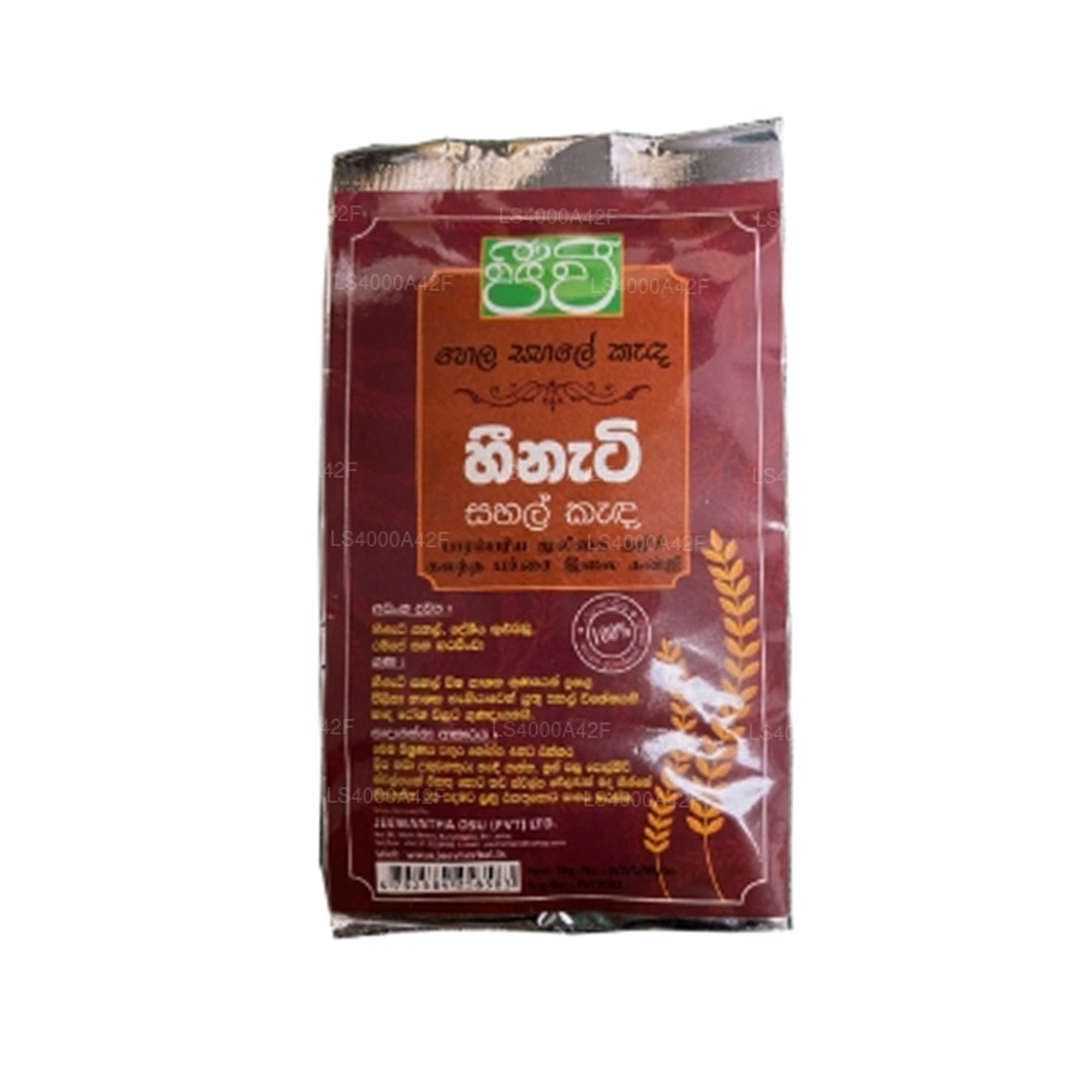
Several Sri Lankan food producers now package traditional varieties for retail and export, making it possible to source Suwadel, Kalu Heenati, and similar varieties for home cooking. Pairing traditional rice with accompaniments such as lunu dehi (salted lime pickle) or pani kadju (jaggery-glazed cashews) reflects the same culinary logic that shaped these varieties — diverse, complementary flavours built around a rice-centred meal.