Shaw's Sea Snake


Scientific Name: Laticauda laticaudata
Family: Elapidae
Common Name(s): Shaw's Sea Snake, Yellow-lipped Sea Krait
Overview:
Shaw's Sea Snake (Laticauda laticaudata) is a species of sea snake found in the warm coastal waters of the Indian Ocean, including the waters around Sri Lanka. Known for its distinctive appearance and venomous bite, it is one of the more recognizable species of sea snakes due to its broad, flattened body and brightly marked coloration. Unlike many sea snakes, Shaw’s Sea Snake is semi-aquatic, spending part of its time on land to rest and reproduce, making it an interesting subject of study among marine reptiles.
Physical Description:
- Size: Shaw's Sea Snake is relatively large, with adults typically measuring between 1.2 meters and 1.5 meters (about 4 to 5 feet) in length, although some individuals can grow longer.
- Coloration: The snake has a characteristic bright yellow or pale cream-colored throat and lips, which gives rise to its common name "Yellow-lipped Sea Krait." The body is typically dark, with a combination of black or dark gray coloration and lighter bands across the body, often in a pattern that helps it blend in with the sea floor.
- Tail: The tail is laterally flattened, making it well-suited for swimming. This adaptation allows Shaw's Sea Snake to move gracefully and efficiently through the water.
- Head: The head is small and flat, with large, round eyes that help it see clearly both underwater and when it comes up to the surface for air.
Habitat and Distribution:
- Geographical Range: Shaw's Sea Snake is found throughout the Indian Ocean, including the coastal waters of Sri Lanka, India, and the Maldives. It can also be found in Southeast Asia, particularly around Indonesia and the Philippines.
- Habitat: Shaw's Sea Snake primarily inhabits shallow coastal waters, coral reefs, and sandy or rocky shores, where it forages for food. It is typically found at depths of 10 to 20 meters but may dive deeper if necessary.
- Semi-Aquatic Lifestyle: Unlike fully aquatic sea snakes, Shaw’s Sea Snake spends time on land, where it often rests and lays eggs in sandy or rocky areas along the shore. This behavior makes it different from many other sea snakes, which are more exclusively marine.
Behavior and Diet:
- Feeding: Shaw's Sea Snake is a carnivorous predator that primarily feeds on fish, especially small fish and eels. It has specialized teeth that allow it to grasp slippery prey with ease. It hunts both on the sea floor and in the water column, using its excellent swimming ability to capture prey.
- Venom: Shaw's Sea Snake is venomous and has a potent neurotoxic venom, which it uses to subdue its prey. While the snake's venom is dangerous to fish and other small animals, it is not generally a threat to humans. However, a bite from this species can cause serious symptoms due to its potent venom, including paralysis or respiratory failure i
-
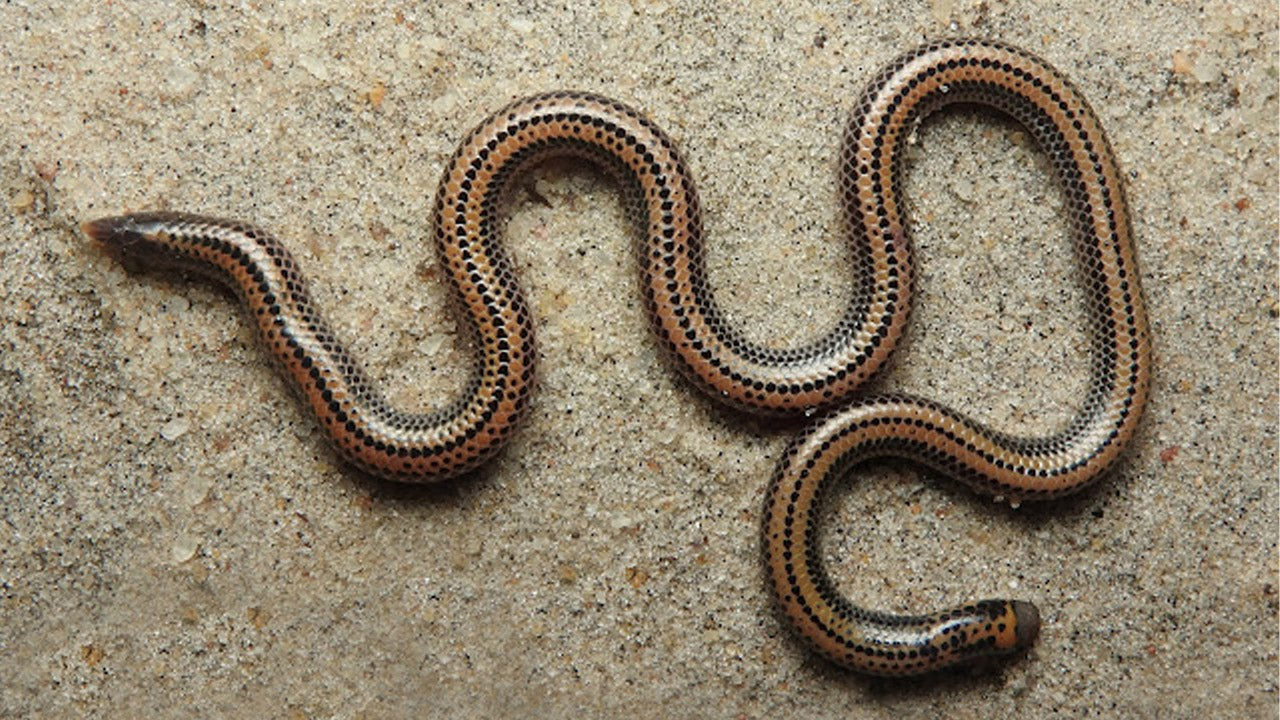 Muller's Shieldtail
Uropeltis mülleri
-
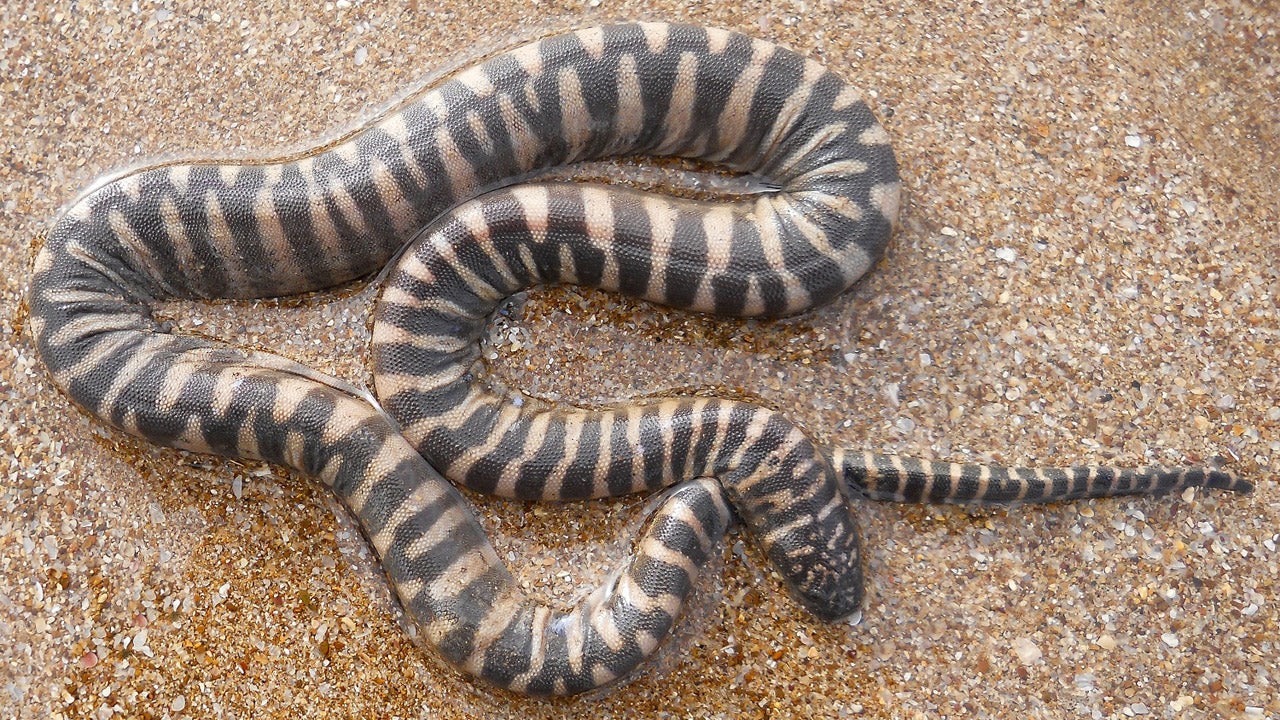 Wart Snake
Acrochordus
-
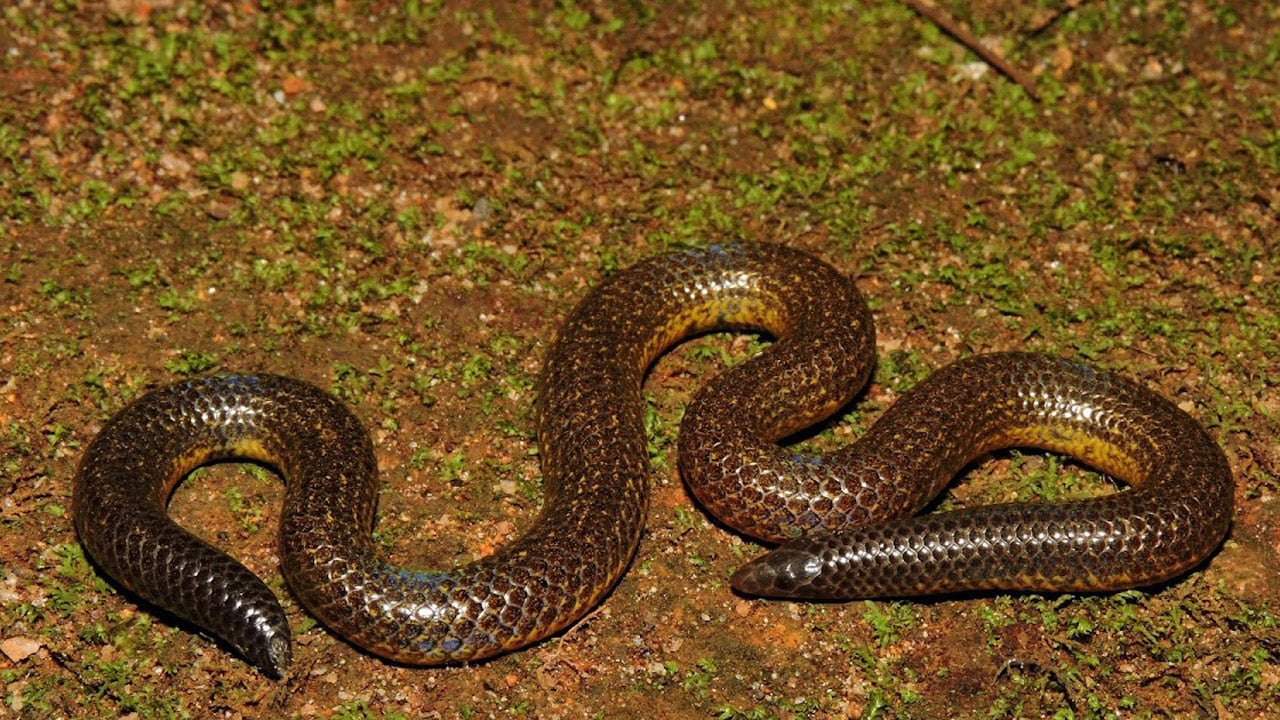 Drummond-Hay's Shieldtail
Rhinophis drummondhayi
-
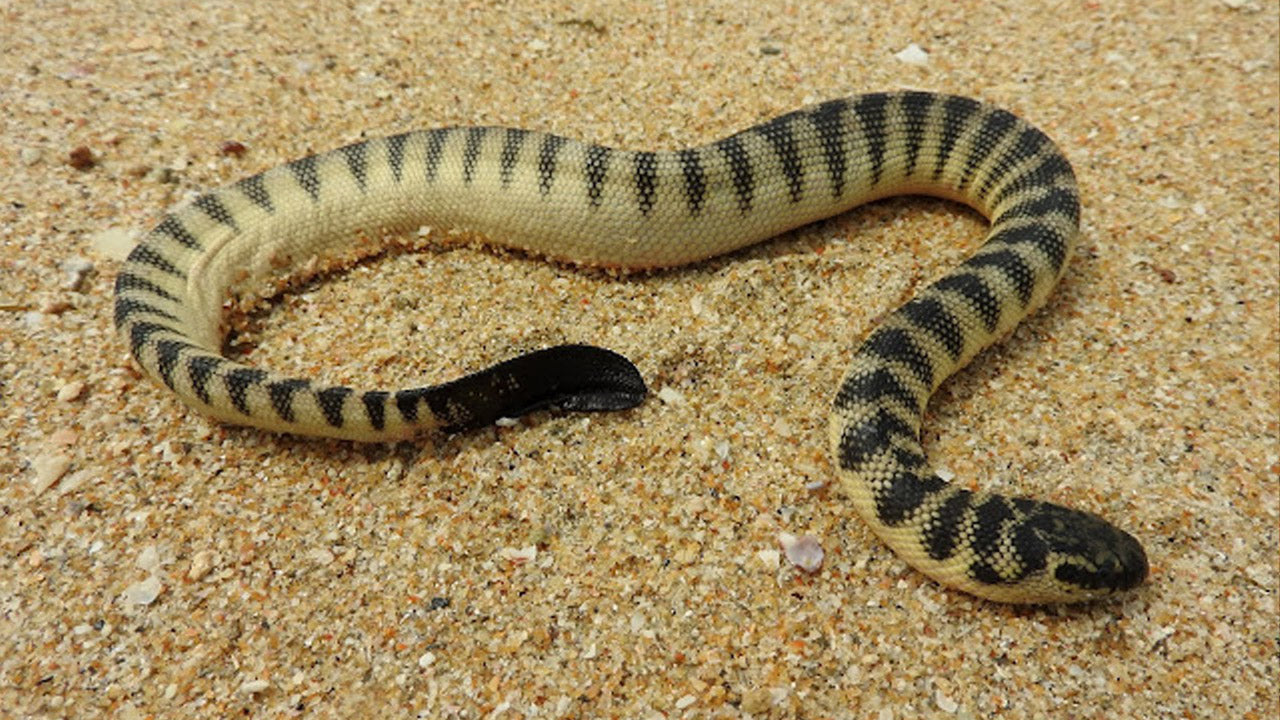 Shaw's Sea Snake
Hydrophis curtus
-
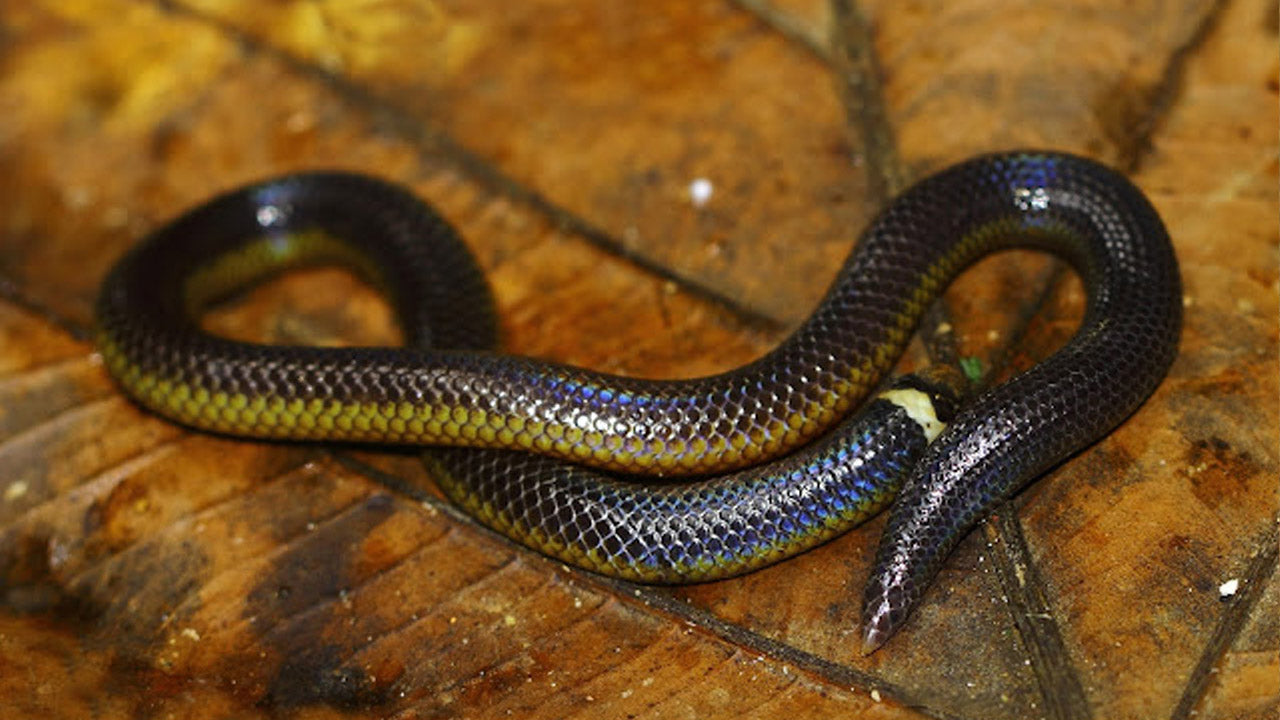 Deraniyagala's Shieldtail
Rhinophis tricoloratus
-
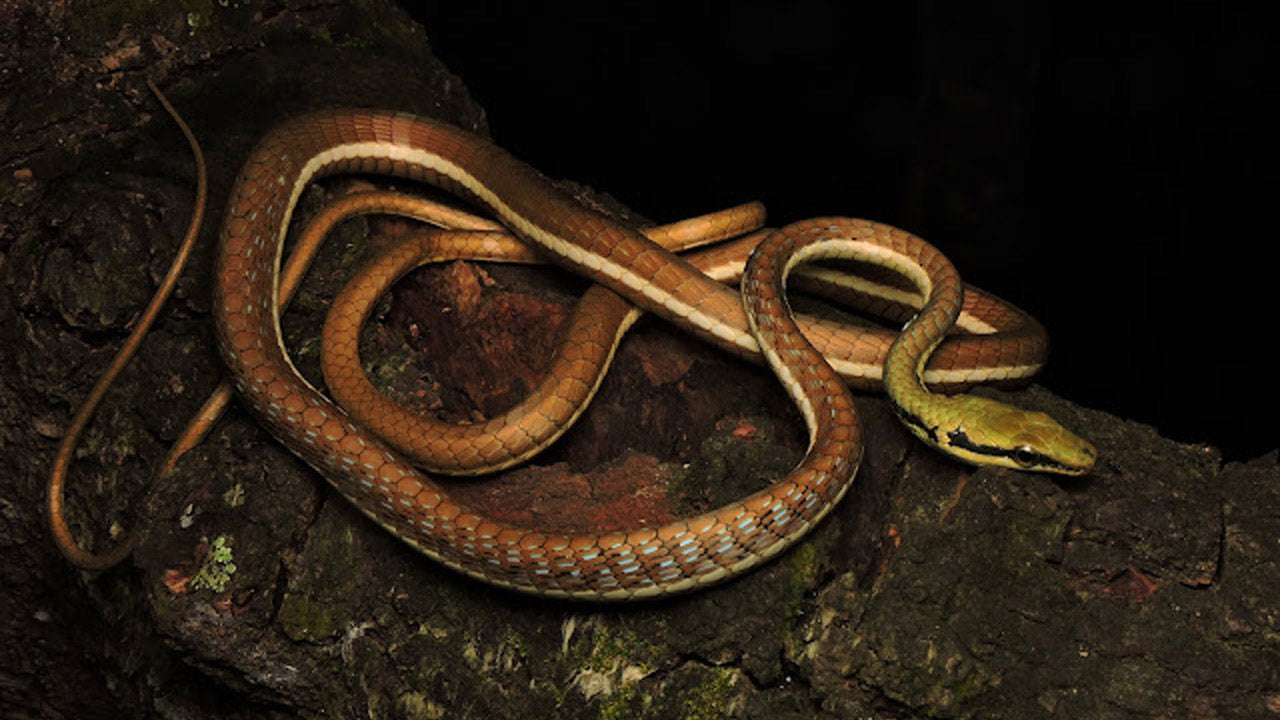 Wickramasinghe's Bronzeback
Dendrelaphis wickrorum
-
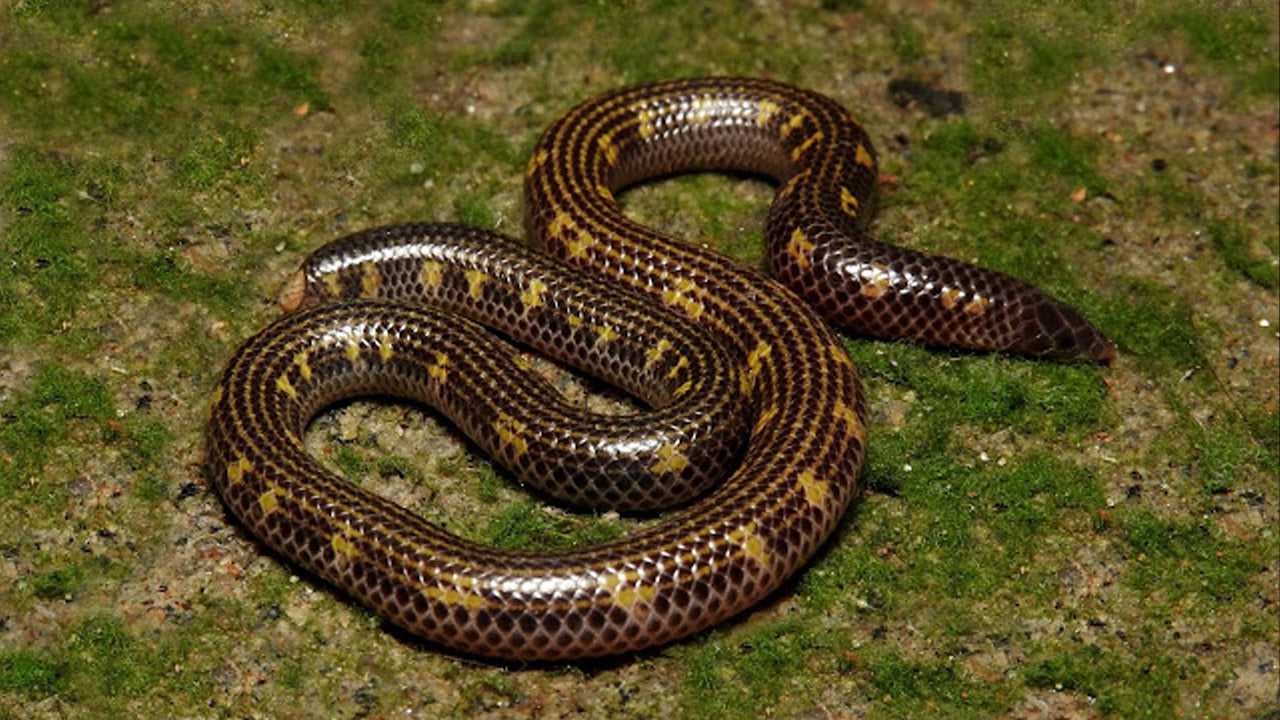 Phillip's Earth Snake
Rhinophis phillipsi
-
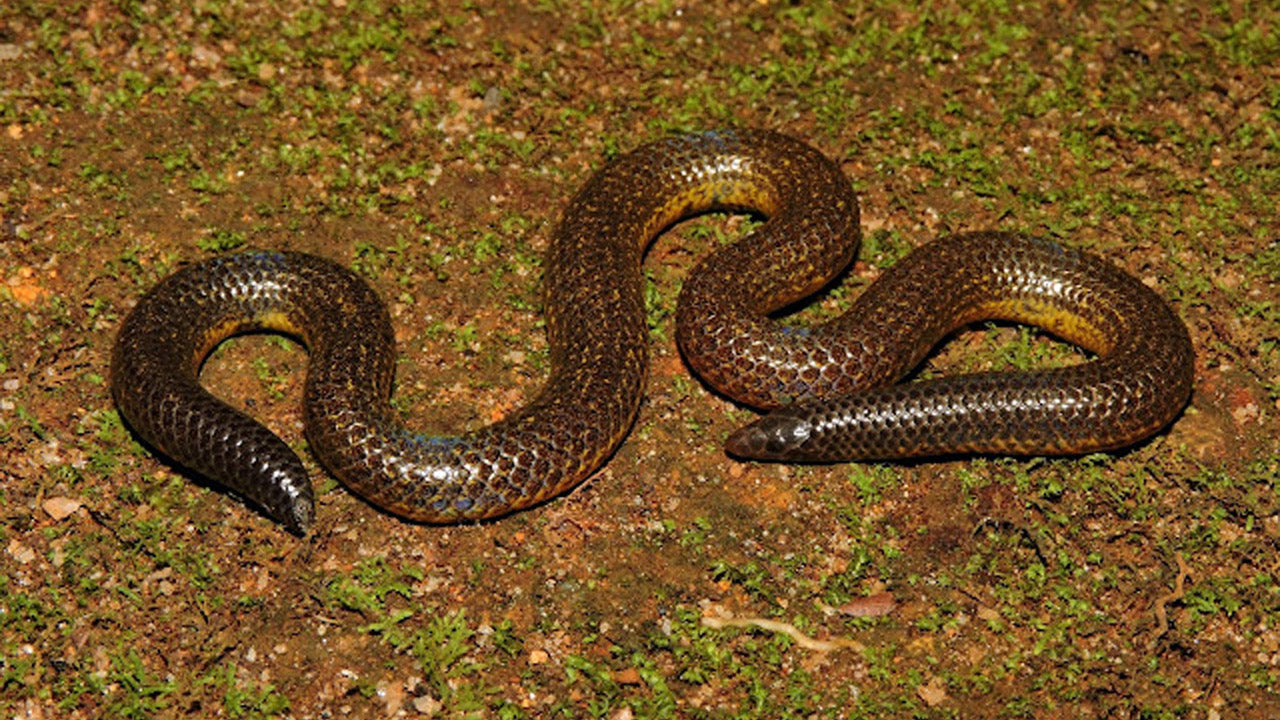 Gray's Earth Snake
Aparallactus grayi
-
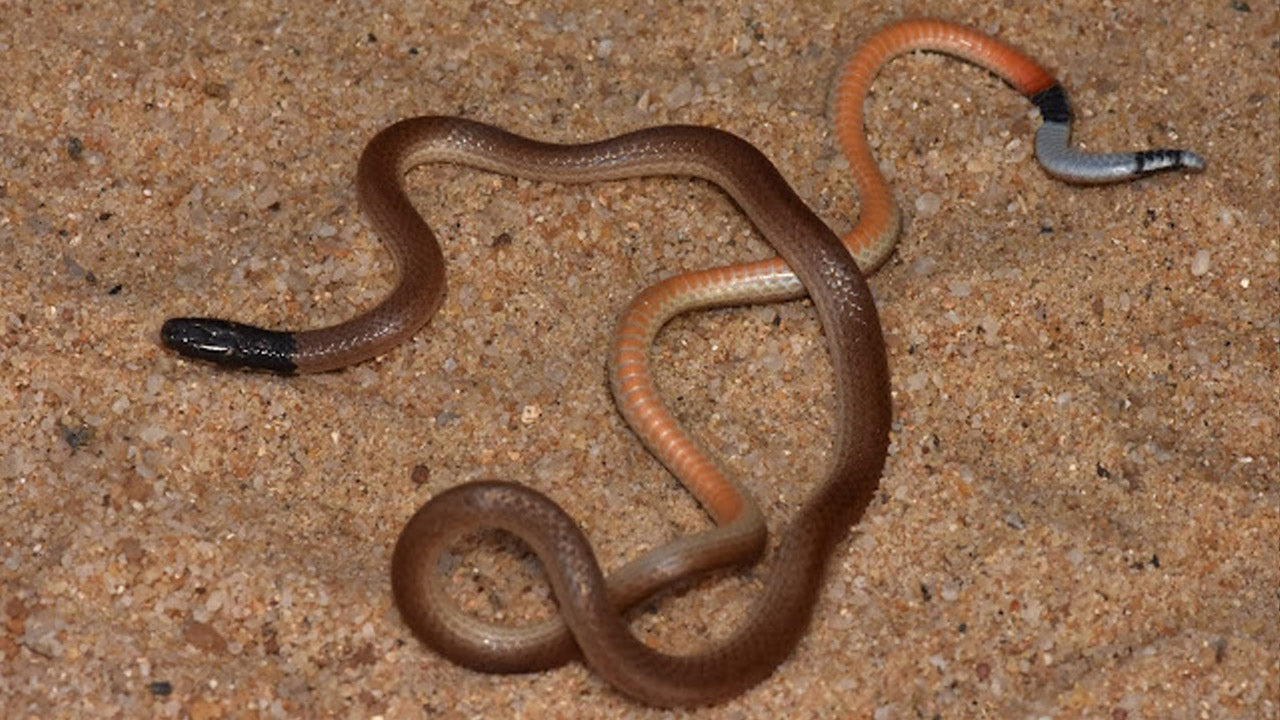 Slender Coral Snake
Calliophis Melanurus
-
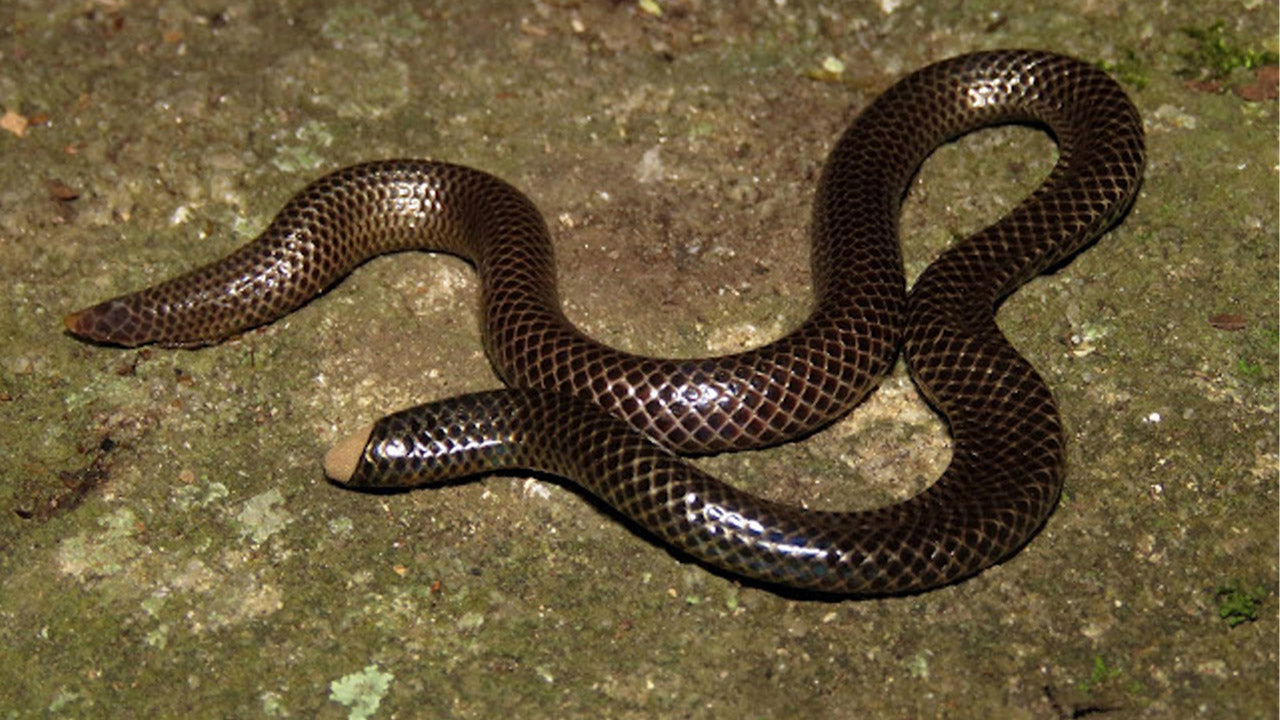 Cuvier's Shieldtail
Uropeltis ceylanica
-
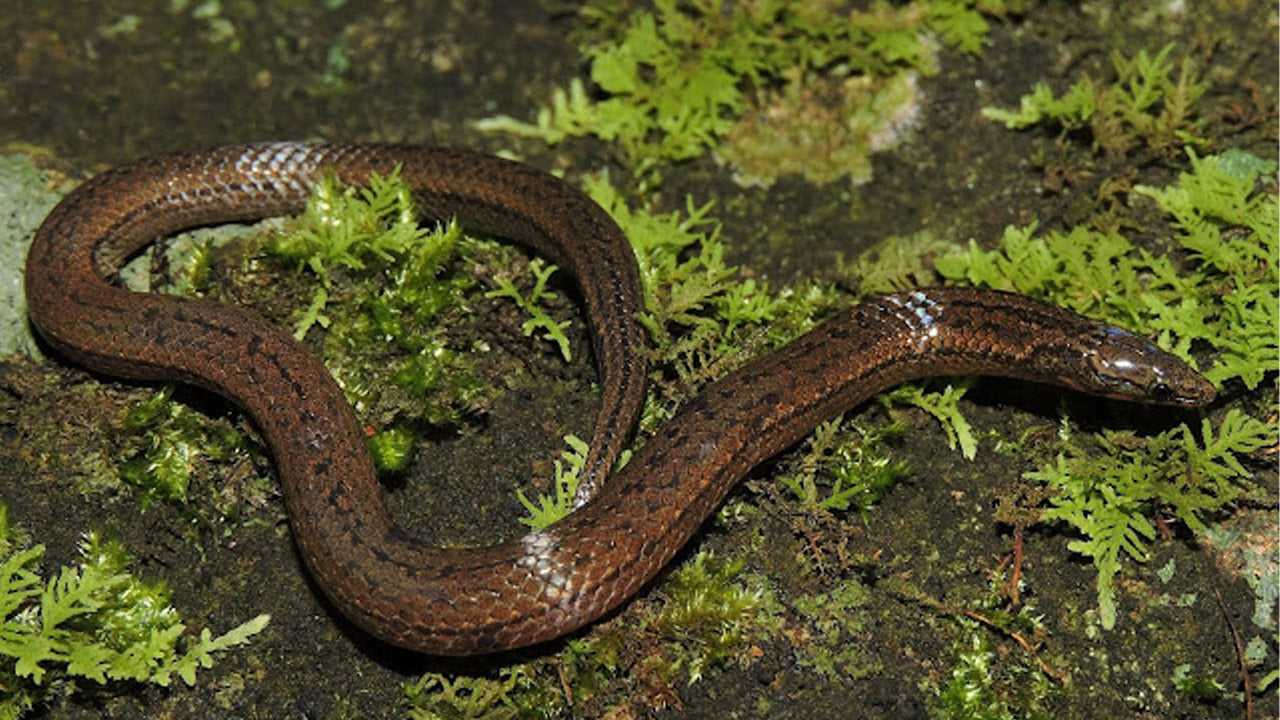 de Silva's Rough-sided Snake
Aspidura desilvai
-
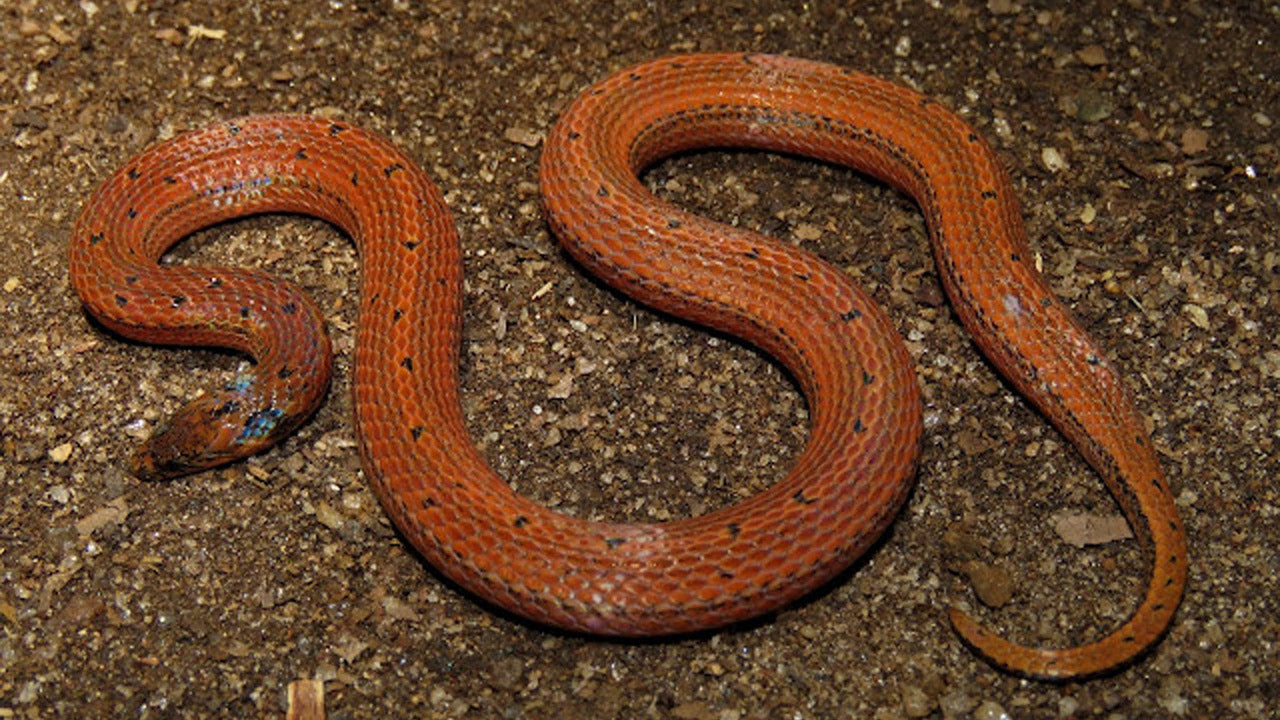 Boie's Rough-Sided Snake
Aspidura brachyorrhos
-
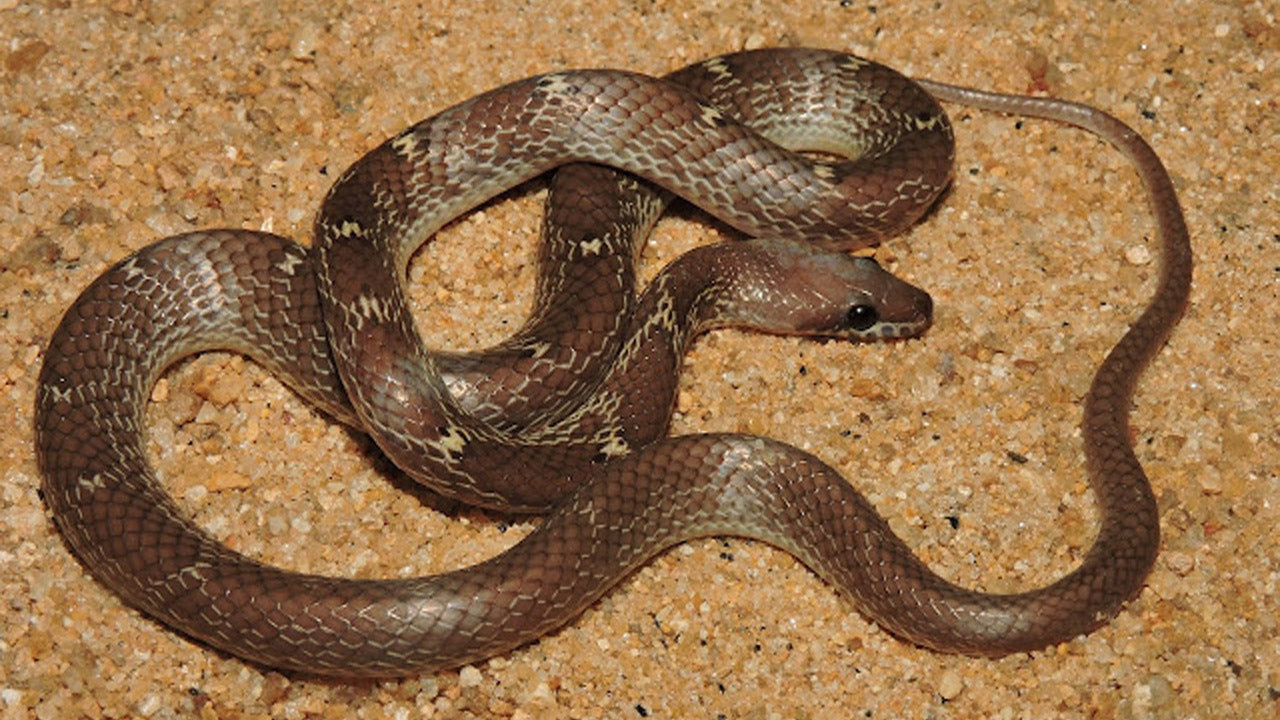 Flowery Wolf Snake
Lycodon anamallensis
-
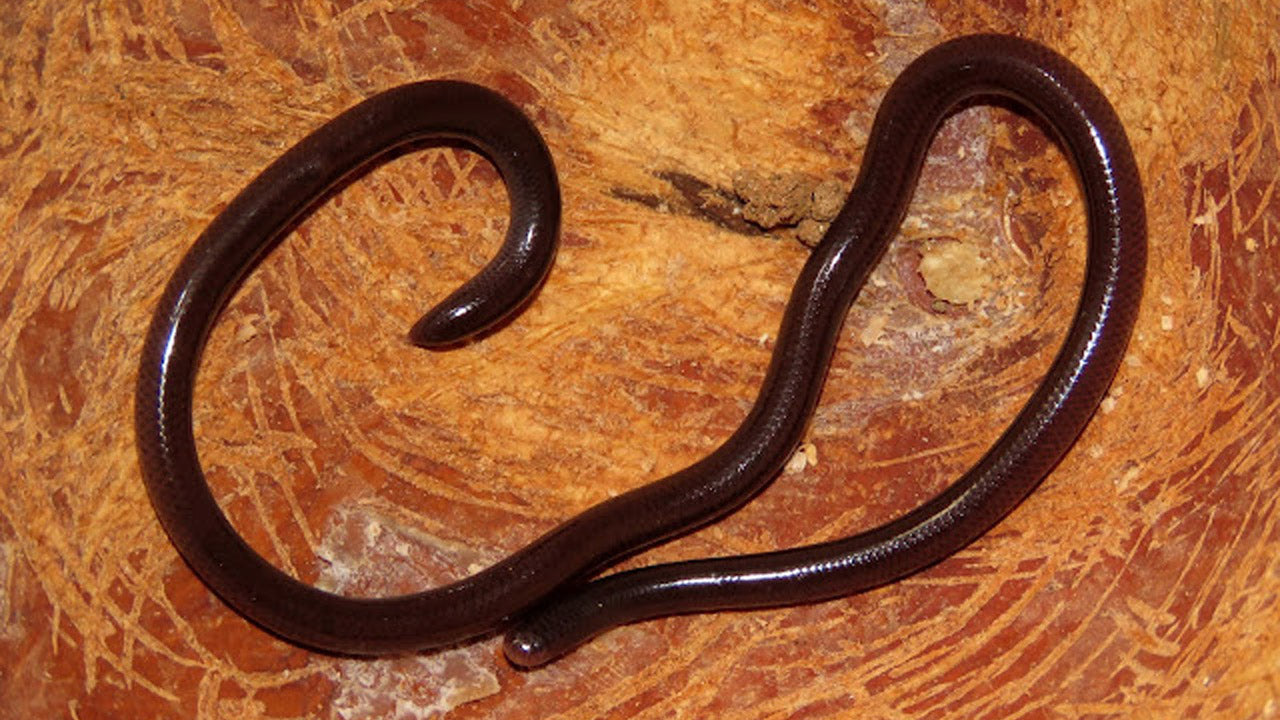 Brahminy Blind Snake
Indotyphlops braminus
-
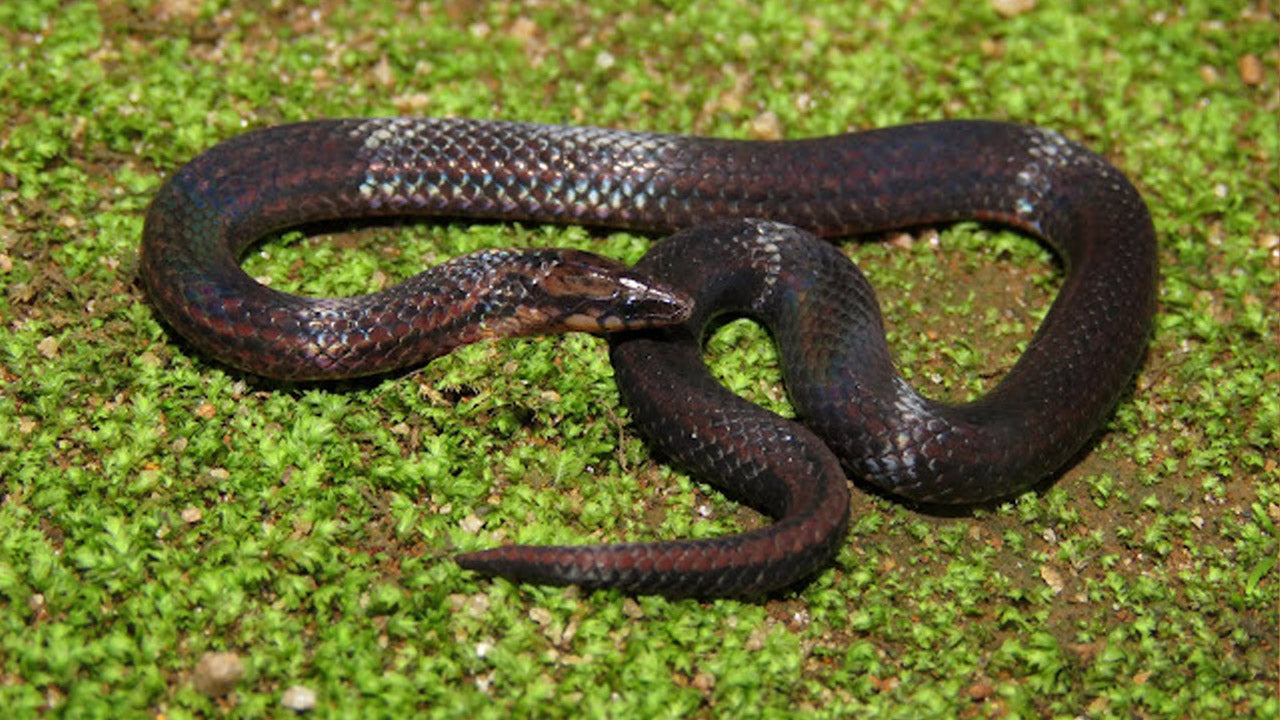 Common Rough-sided Snake
Aspidura trachyprocta
-
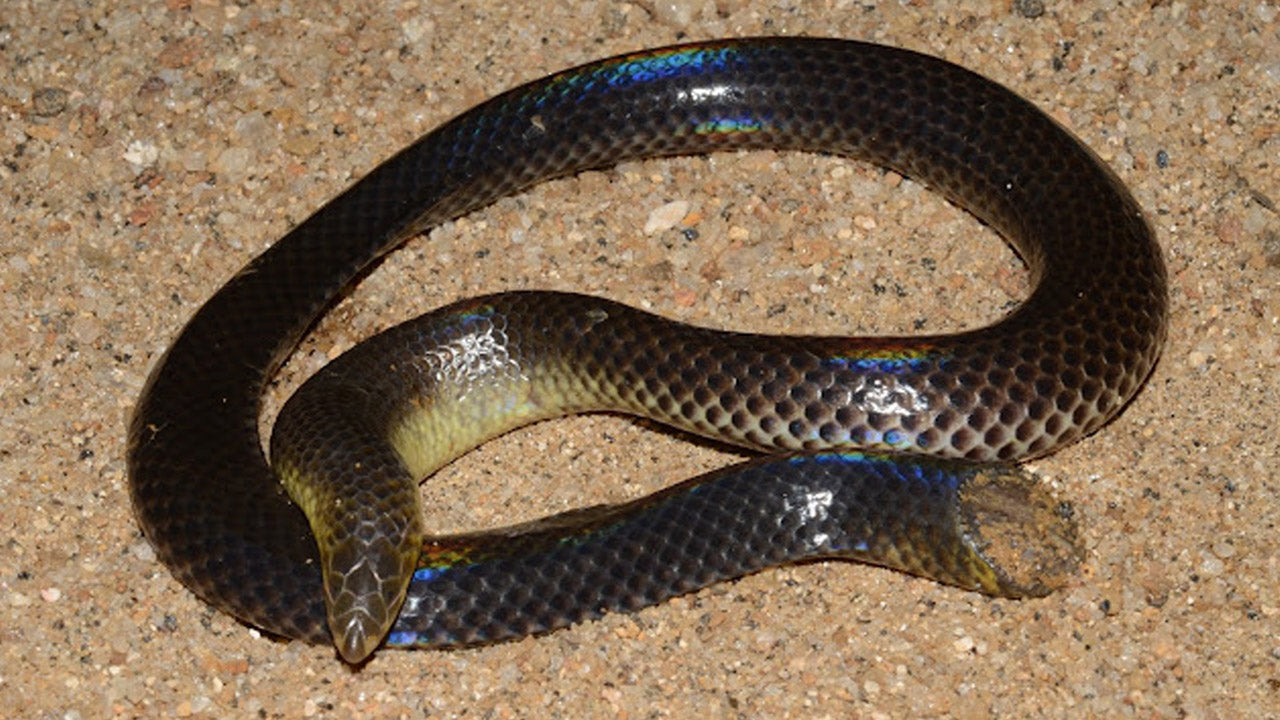 Large Shieldtail
Rhinophis saffragamus
-
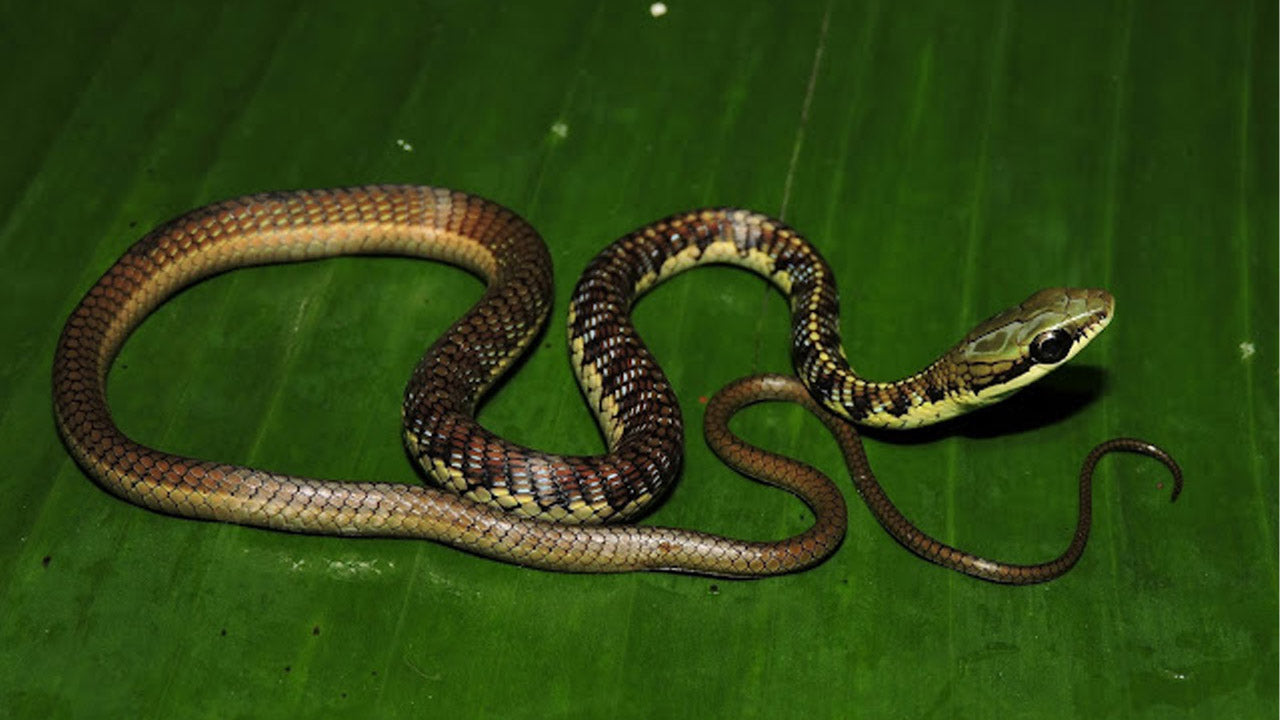 Schokar's Bronzeback
Schokar's bronzeback
-
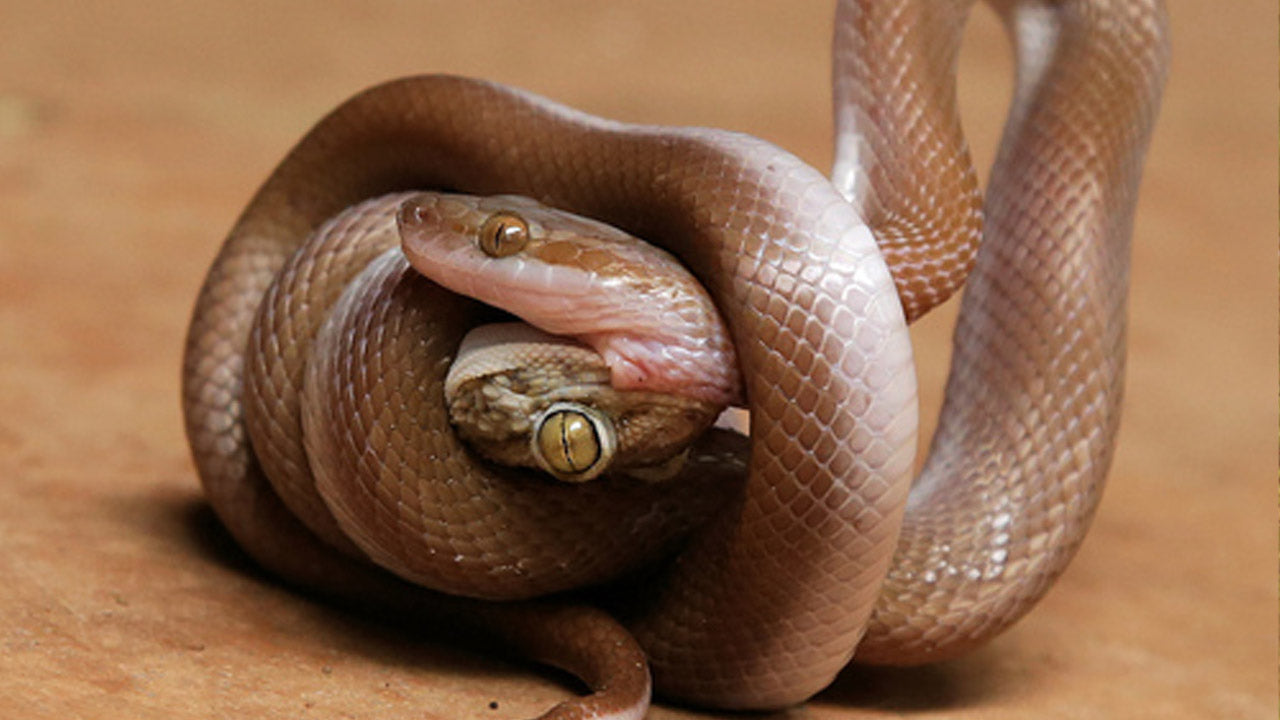 Jan's Worm Snake
Typhlops mirus
-
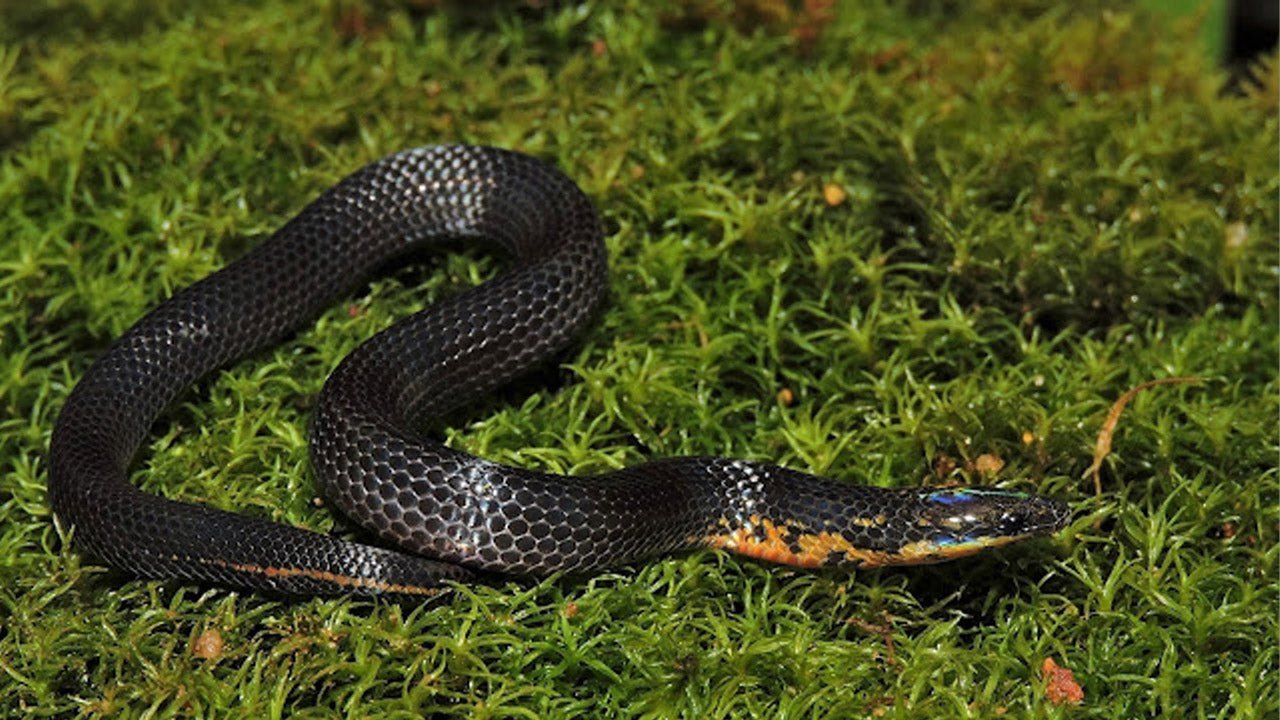 Ravana's Rough-sided Snake
Aspidura ravanai
-
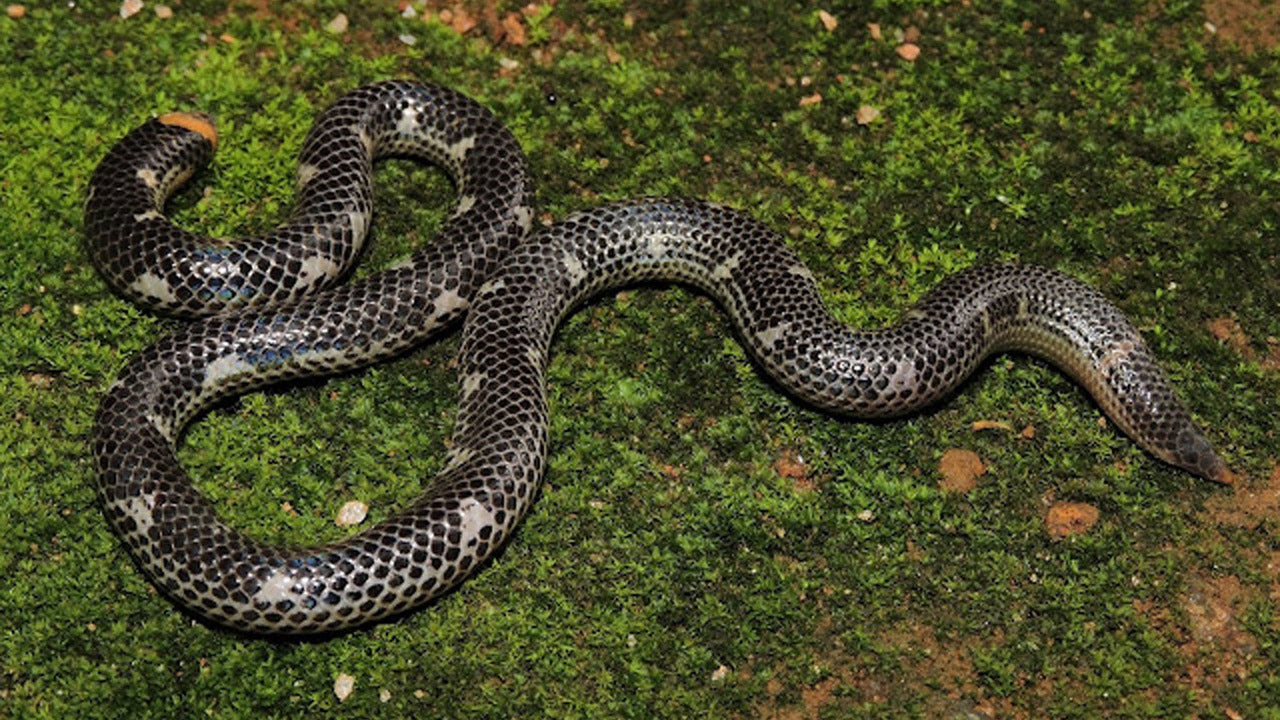 Hemprich's Shieldtail
Uropeltis hemprichii.
-
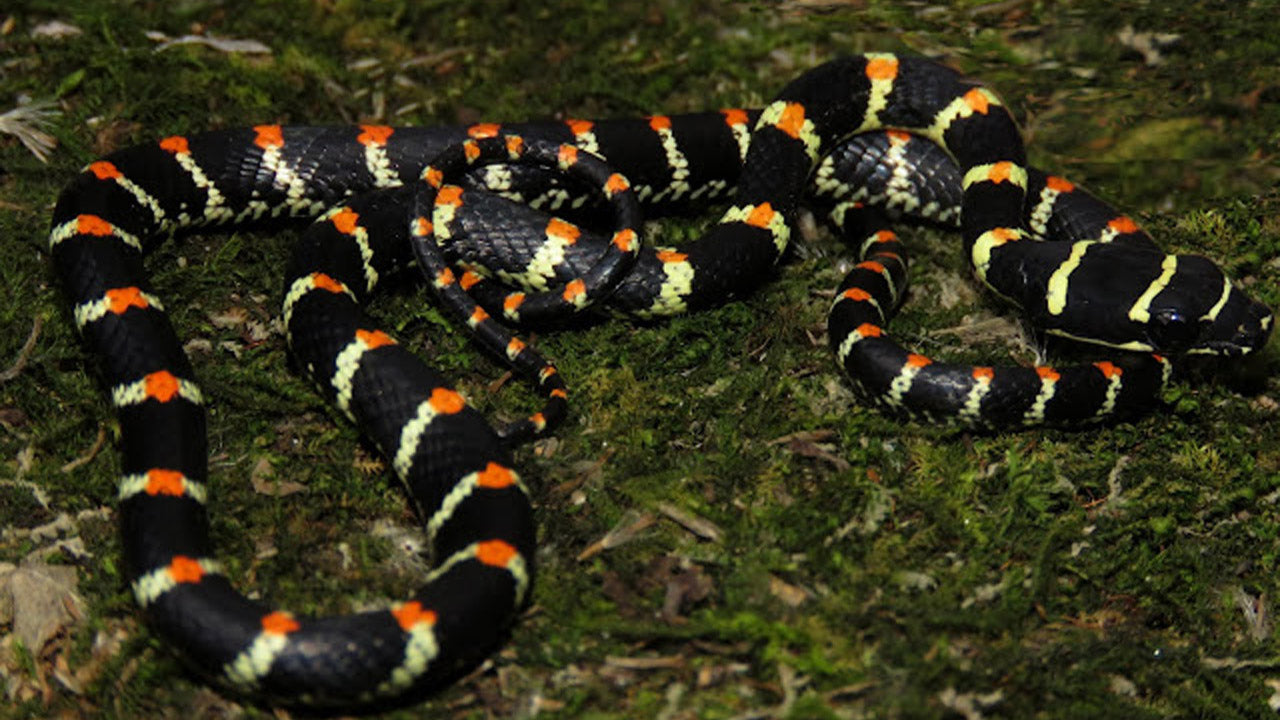 Ornate Flying Snake
Chrysopelea ornata
-
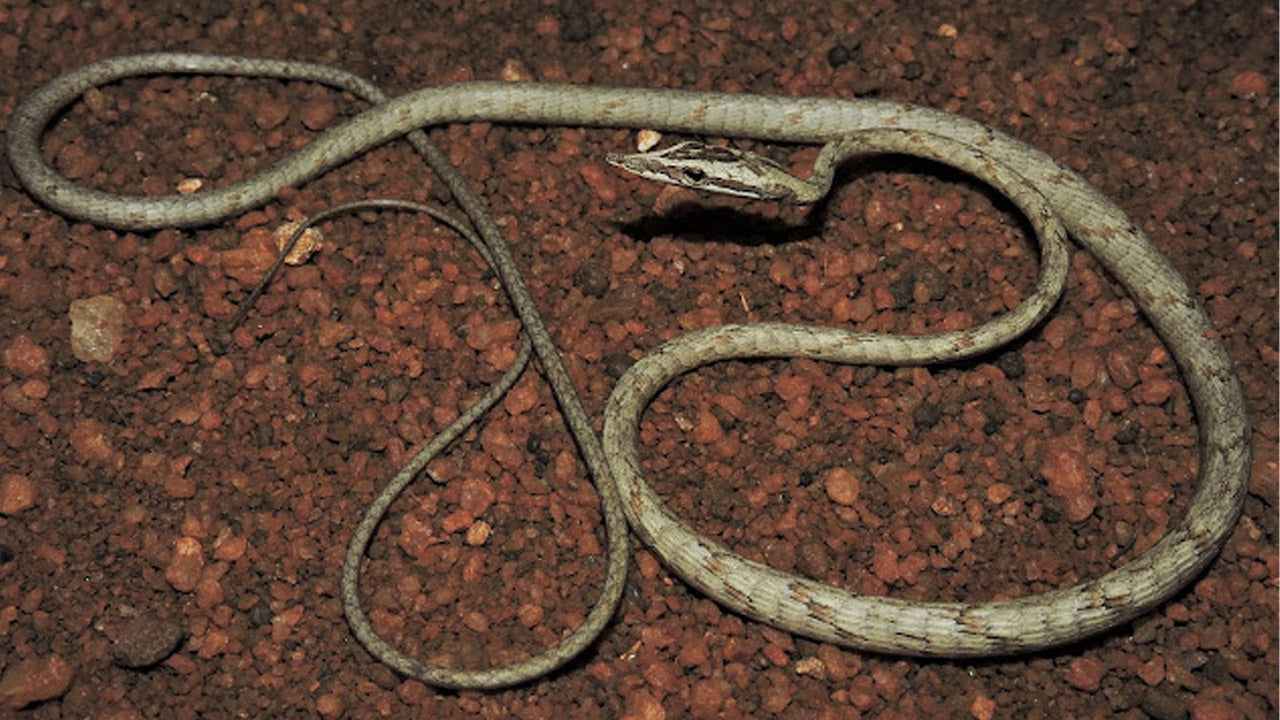 Brown Vine Snake
Ahaetulla pulverulenta
-
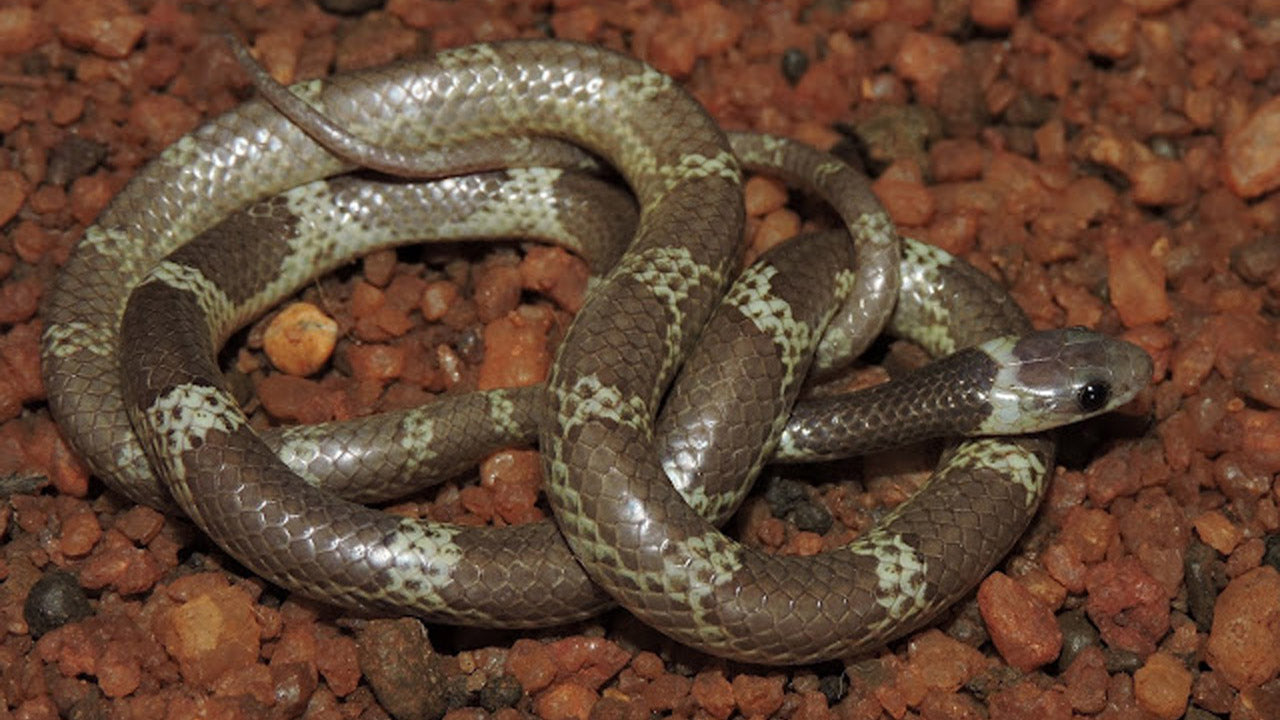 Common Bridal Snake
colubrid snake
-
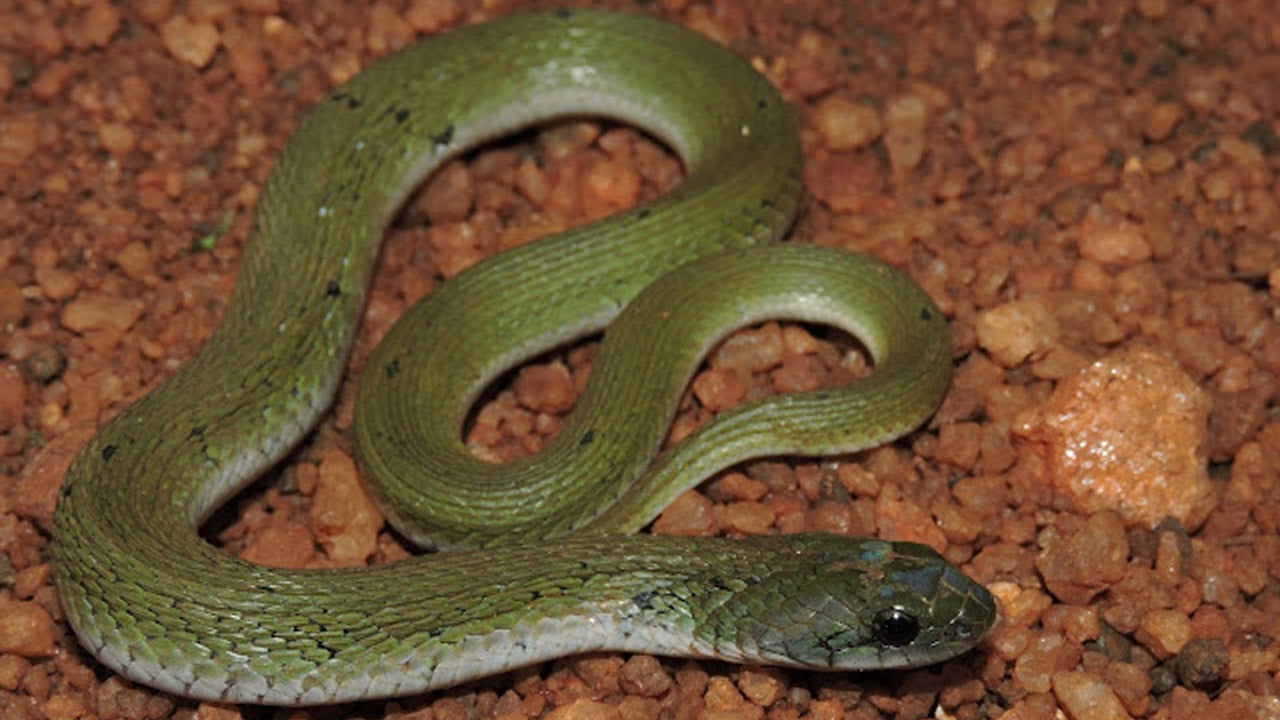 Green Keelback
Rhabdophis plumbicolor