Lakpura
Lakpura®

New Vithanakande

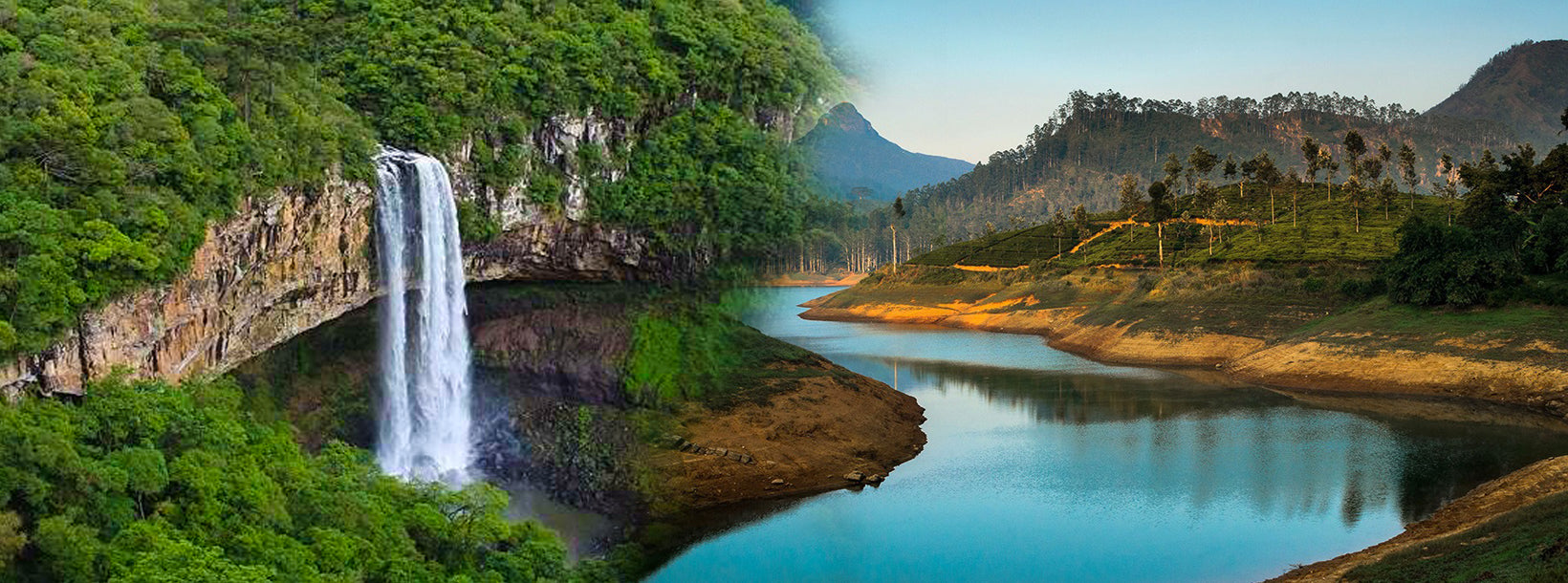
Perched on a hill in the gem-rich lowlands of Sabaragamuwa Province, New Vithanakande Tea Factory sits just outside Ratnapura at an elevation that places it squarely in Sri Lanka's low-grown tea belt. From its vantage point, the canopy of the Sinharaja Forest Reserve stretches across the valley below — a proximity that shapes both the microclimate and the flavour profile of every leaf processed here.

What makes New Vithanakande tea distinctive?

Low-grown Ceylon teas are processed at elevations below roughly 600 metres above sea level, where warm temperatures and high humidity encourage rapid leaf growth. The result is a liquor that is full-bodied and mellow rather than brisk, with a rich, rounded character that distinguishes it from the more astringent high-grown teas of Nuwara Eliya or Dimbula. New Vithanakande's position on the forest fringe, combined with the naturally moist air rolling in from Sinharaja, adds a subtle earthiness that tea buyers often describe as a hallmark of the estate.

The factory produces several orthodox grades. Its FBOPF EX SP (Flowery Broken Orange Pekoe Fannings Extra Special) and FBOP (Flowery Broken Orange Pekoe) grades are among the most sought after at Colombo tea auctions, prized by blenders who need a dependable, flavourful base from the low country.

What is the history of New Vithanakande Tea Factory?

Construction of the original factory began in the early 1940s, and the estate was brought into commercial production in 1947 by Punchi Bandara Herath Pilapitiya. After his death in 1954 the business passed through several phases of family management. In 1981 Navaratna Pilapitiya, the founder's youngest son, assumed sole ownership and set about modernising operations comprehensively.

The transformation was significant. When Navaratna Pilapitiya took over, the factory was handling around 1,500 pounds of green leaf per day. Decades of investment in machinery, withering troughs, and rolling equipment lifted that figure to an average of approximately 22,000 kilograms of green leaf per day — translating to around 140,000 kilograms of made tea each month. That scale places New Vithanakande among the more productive privately held factories in the Ratnapura district.

Where exactly is New Vithanakande located?

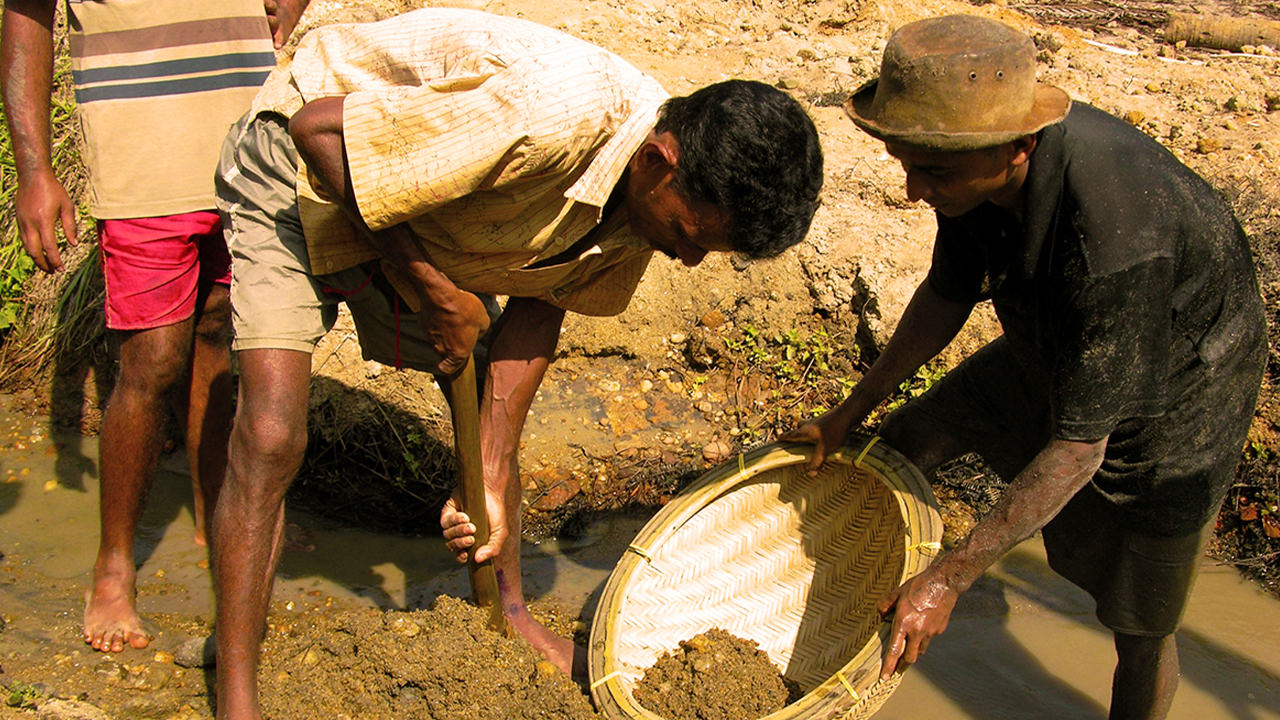
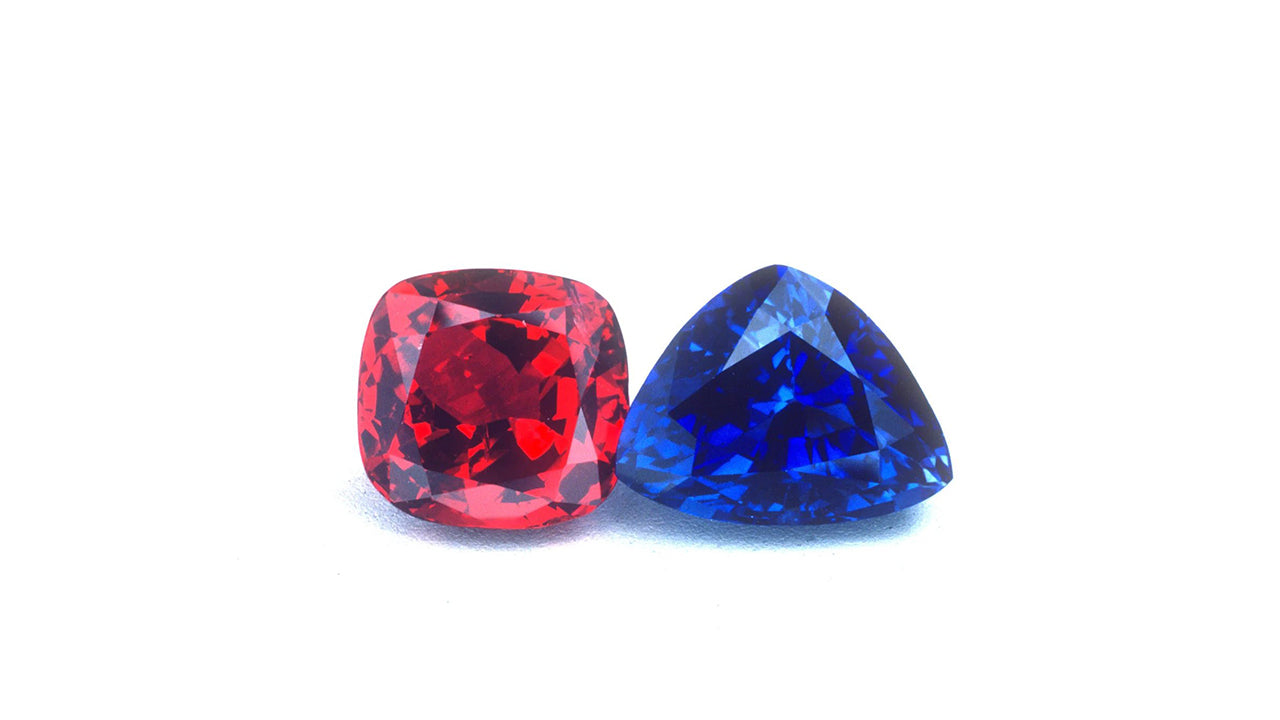
The factory lies in the Ratnapura District of Sabaragamuwa Province, the same region historically celebrated for its sapphires, rubies, and other precious stones. Ratnapura — whose name literally means "city of gems" in Sinhala — sits roughly 100 kilometres southeast of Colombo, accessible via the A4 highway through Avissawella. The surrounding landscape is a mix of rubber smallholdings, paddy terraces, and tea-covered hillsides, with Sinharaja's UNESCO-listed rainforest beginning a short distance to the south.

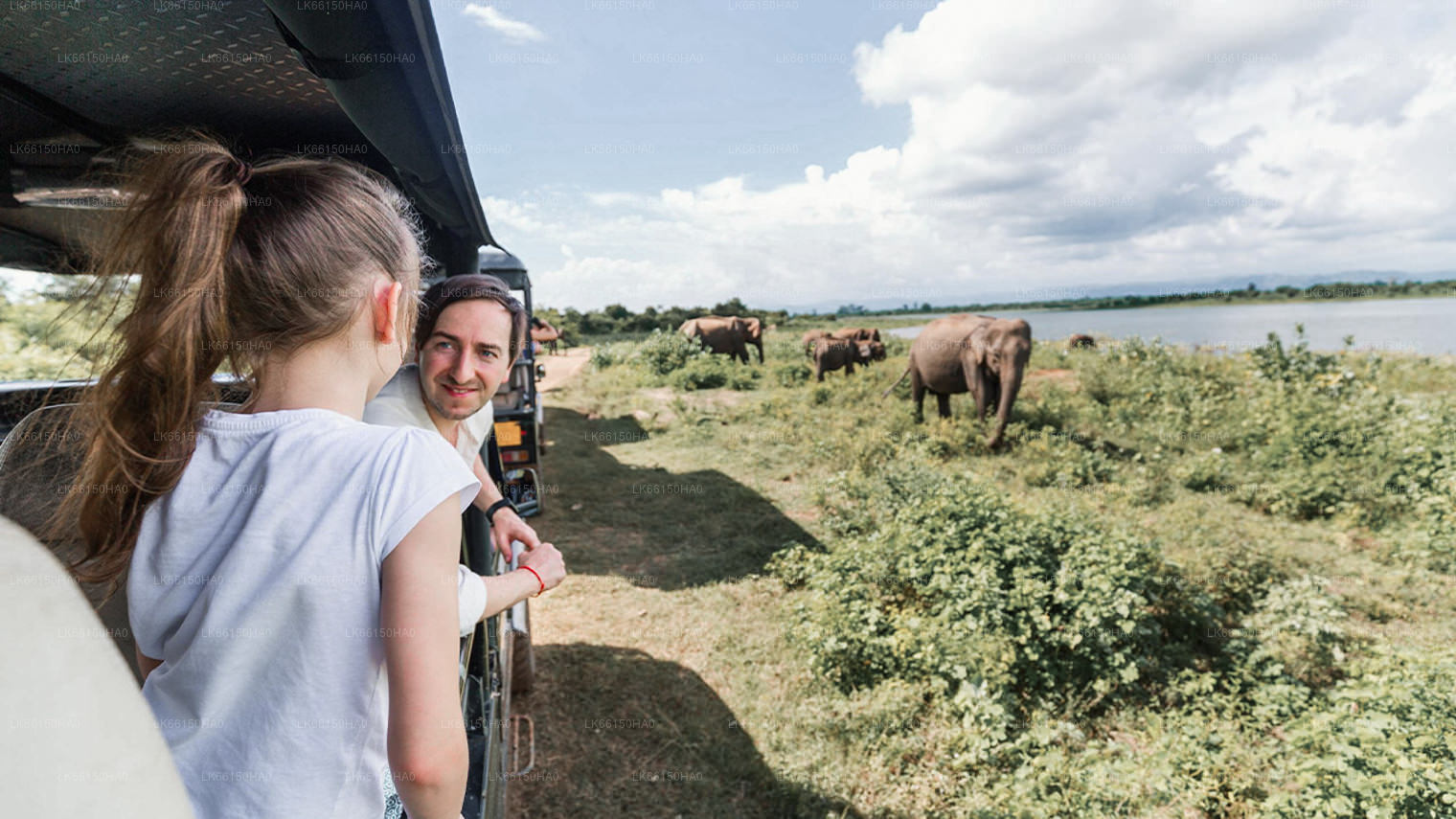
Visitors travelling between Ratnapura and the southern coast often pass through this corridor, making a factory visit a natural addition to a circuit that might also include the Elephant Transit Home at Udawalawe or a trek into Sinharaja itself.

Can visitors tour the New Vithanakande factory?

Tea factory visits in Sri Lanka typically follow a set sequence: green leaf reception and weighing, withering (which reduces moisture content in the fresh leaf), rolling or CTC cutting, oxidation (fermentation), drying in hot-air chambers, and final sorting and grading. New Vithanakande, as an orthodox factory, uses rolling rather than the cut-tear-curl process, which preserves the whole-leaf structure required for higher-grade teas.

Arriving mid-morning on a working day gives the best chance of seeing all stages in operation, since leaf intake typically runs from early morning through the afternoon. The factory compound also offers an unobstructed view towards Sinharaja, and on clear days the forest appears close enough to touch. Visitors interested in Ceylon tea production more broadly may also find Bluefield Tea Gardens, located in the hill country, a complementary experience.

What grades of tea does New Vithanakande produce?

Grade Style Character in the cup
FBOPF EX SP Orthodox fannings Bright, full-bodied, mellow finish
FBOP Orthodox broken Rich liquor, good colour, smooth

Both grades are suited to brewing without milk, though the full body holds up well with a small amount of dairy. Brewing at around 90–95 °C for two to three minutes extracts the characteristic mellow sweetness without bitterness.

How does the Sinharaja rainforest influence the estate?

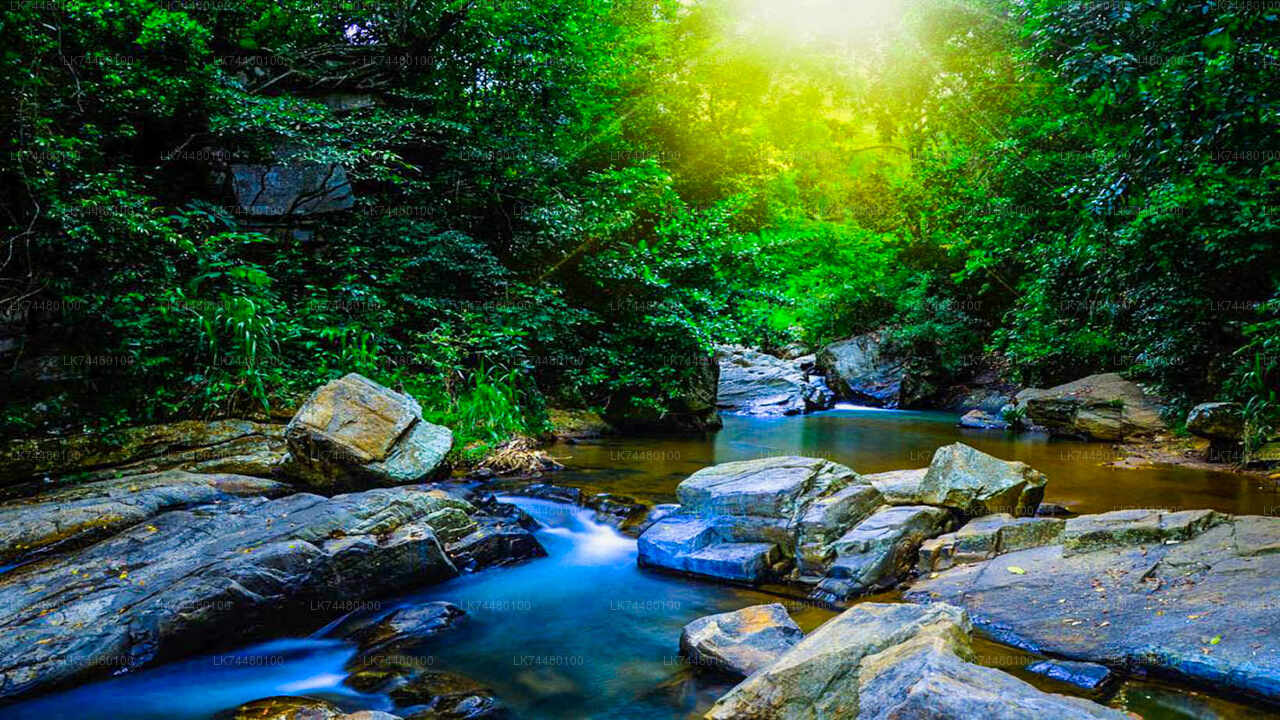
Sinharaja receives some of the highest annual rainfall in Sri Lanka, and the moisture-laden air that flows from the reserve keeps the surrounding hillsides perpetually humid. This sustained humidity slows the drying of the leaf surface between rainfall events, which in turn influences the rate of oxidation during processing and contributes to the softer, less tannic profile typical of New Vithanakande teas. The reserve's biodiversity also means the estate sits within a functioning ecosystem rather than an isolated monoculture, which has implications for soil health and, over the long term, for the flavour complexity of the leaf.

How do I get to New Vithanakande from Colombo?

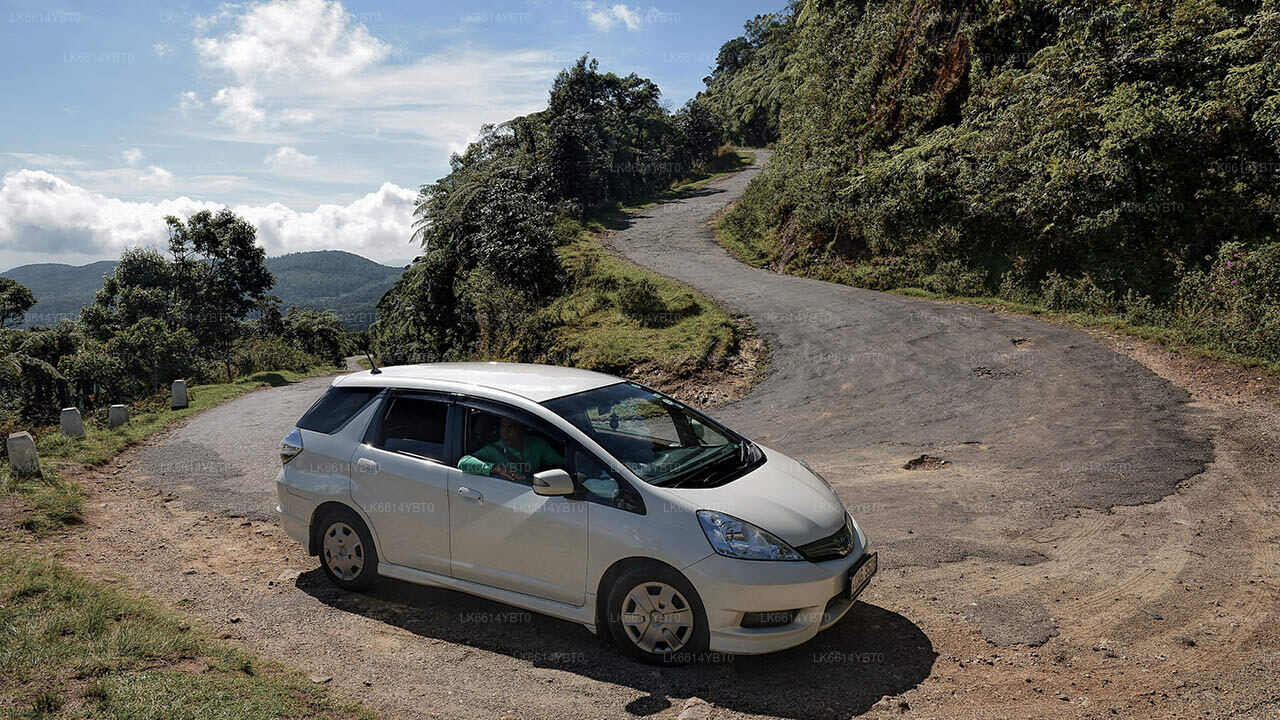
The most direct route from Colombo follows the A4 highway southeastward through Avissawella to Ratnapura — a journey of roughly two to two-and-a-half hours by private car under normal traffic conditions. From Ratnapura, the estate is a short drive into the surrounding hill terrain. Road surfaces in this district can be narrow and winding close to the factory, so a vehicle with reasonable ground clearance is advisable during the southwest monsoon season (typically May to September), when the low country receives heavy rain.

A private transfer arranged through Lakpura allows flexibility to combine a factory visit with other sites in the Ratnapura and Sinharaja corridor on the same day.

Book this experience with Lakpura

Curated by our local team. Direct booking, instant confirmation.

Ask Lakpura® Agent