Namal Uyana


Jathika Namal Uyana ve Srí Lance je největší les železného dřeva a růžový křemenný vrch v Asii. Strom železného dřeva je endemický pro Srí Lanku a zalesněná oblast se rozprostírá na více než 260 akrech. Podle archeologických výzkumů má růžový křemen v této historické oblasti historii více než 550 milionů let. Namal Uyana je velmi vzácný les, který byl zalesněn stromy železného dřeva v 8. století n. l., počínaje králem Devanampiyatissou a konče králem Dappulou IV. Namal Uyana byl během vlády krále Devanampiyatissy v 8. století útočištěm pro buddhistické mnichy. Později byl používán jako vězeňský tábor, kde trestem bylo sázení stromů Na. V období krále Dappuly byl vyhlášen za útočiště pro lidi. Tento unikátní přírodní místo bylo téměř před 15 lety přivedeno do pozornosti světa buddhistickým mnichem, Venerable Wanawasi Rahula Thero.
Jathika Namal Uyana se nachází 7 km od křižovatky Madatugama na dálnici Colombo-Anuradhapura ve Srí Lance. Les železného dřeva je unikátní les ve Srí Lance, kde stromy železného dřeva dominují vegetaci na 260 akrech lesa. Namal Uyana se nachází v oblasti suchých zón Srí Lanky. V lese stromů Na nebo Namal Uyana chrání silné sluneční světlo a poskytuje stín malým léčivým rostlinám, které v jeho stínu rostou, což vytváří pocit, že návštěvníci jsou v chladné oblasti, jako je nejchladnější místo ve Srí Lance. Botanicky je strom Na nazýván Mesua Ferara a v angličtině je znám jako Iron Wood Tree (strom železného dřeva). Celá část stromu Na se také používá pro bylinnou meditaci ve Srí Lance. Tento významný strom pochází ze Srí Lanky, Indie, Malajsie, Barmy, Thajska a Papua Nové Guiney. Byl označen za národní strom Srí Lanky. Pro buddhisty i jiné náboženské skupiny má strom Na velkou náboženskou hodnotu.
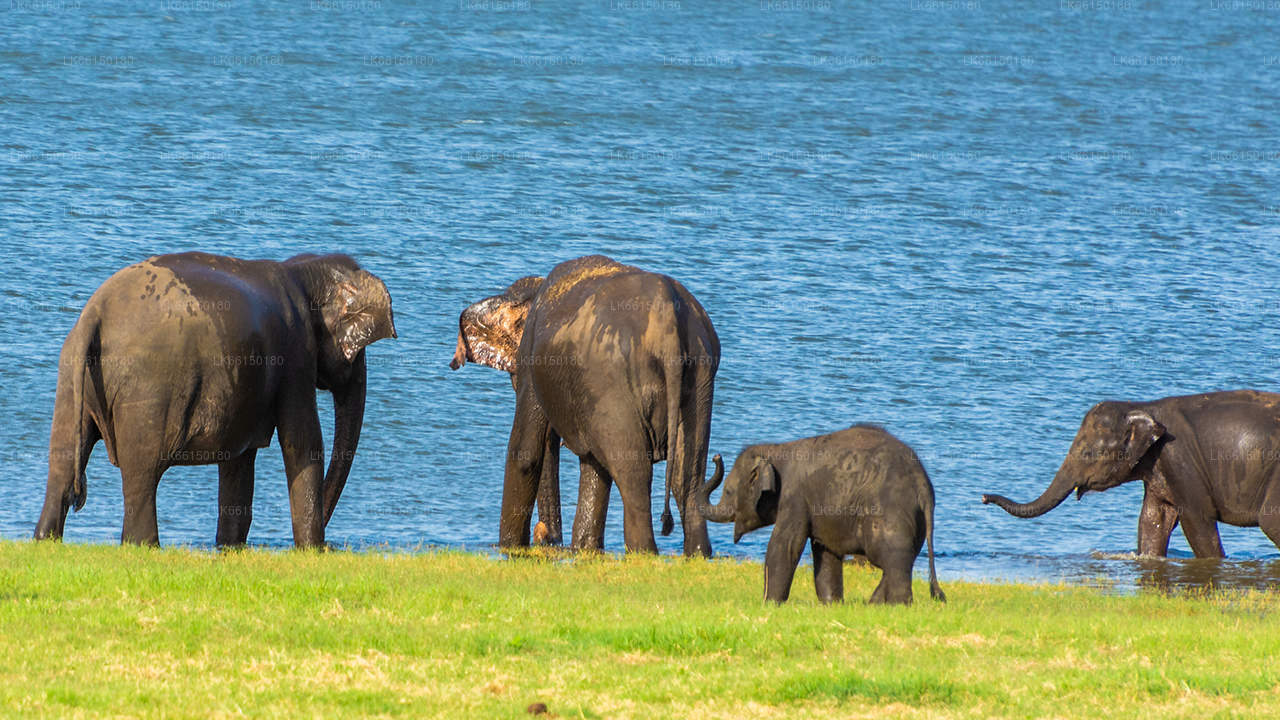
Podle biologů je důležitost Namal Uyana v tom, že zde roste 102 druhů tropických rostlin, z nichž 82 jsou léčivé rostliny, na 260 akrech zahrady a okolního lesa. V parku a jeho okolí žije 18 druhů ptáků a řada savců včetně slonů, leopardů, opic a jelenů.
Les Na a biodiverzita nejsou jediné zvláštnosti tohoto místa. Růžový křemenný horský řetěz v Namal Uyana je největší růžový křemenný horský řetěz v Asii. Ačkoli byl Namal Uyana nedávno prohlášen za národní památku pod správou Oddělení ochrany volně žijících zvířat (DWLC), v posledních letech se stal velmi populární mezi Srílančany. Řada 7 hor se nachází ve výšce 180 až 300 metrů nad mořem. Podle archeologických výzkumů má růžový křemen historii delší než 550 milionů let. Při celkovém pohledu se horní část jeví jako mlha a s růžovou barvou smíchanou s bílou mlhou poskytuje ohromující pohled, který tento horský řetěz odlišuje od ostatních. Pokud se vydáte hlubšími cestami a prozkoumáte rozmanitost tohoto horského řetězu, bude to úžasný zážitek.
Existují některá starobylá místa, která ukazují dlouhou historii Jathika Namal Uyana.
- Purana Namal Seya.
- Bodhigaraya.
- Pilimageya.
- Awasageya.
- Simamalakaya.
- Padhanagara.
- Galphana.
- Galpath