Lakpura
Lakpura®

Kingdom of Kotte

For roughly two centuries — from the late 14th century to the early 16th — the Kingdom of Kotte stood as the dominant political force in Sri Lanka. Positioned near what is today Sri Jayawardenepura Kotte, just east of Colombo, the kingdom shaped the island's administrative traditions, Buddhist scholarship, and literary culture during a period of remarkable intellectual flourishing. Understanding Kotte means understanding a pivotal chapter in Sri Lankan history, one that bridges the classical era of the ancient hydraulic kingdoms and the turbulent opening of the colonial age.

How did the Kingdom of Kotte come to power?

The Kingdom of Kotte emerged in the context of a slowly fragmenting political landscape. After the decline of Polonnaruwa and the gradual southward drift of Sinhalese political authority, a succession of smaller kingdoms competed for dominance across the island. Kotte consolidated its position through military strength, strategic alliances, and the administrative acumen of its rulers.

The kingdom's most celebrated monarch, Parakramabahu VI, who ruled during the 15th century, is credited with bringing the entire island under a single Sinhalese sovereign for the last time in pre-colonial history. His reign marked the zenith of Kotte's power — a period associated with territorial control, expanded trade, and an outpouring of literary and artistic production.

Why was Kotte's location strategically important?

The choice of Kotte as a royal capital was not arbitrary. The site was ringed by marshy lowlands and a network of waterways that served as a natural moat, making the inner citadel exceptionally difficult to assault. This defensive geography allowed the court to function with a degree of stability even during periods of regional unrest.

The surrounding lowlands also supported wet-zone agriculture — principally rice cultivation — providing a reliable food base for the capital's population. Proximity to the western coast meant access to maritime trade routes, connecting Kotte's merchants with South Indian ports and, eventually, with Arab and later Portuguese traders.

What cultural achievements defined the Kotte period?

The Kingdom of Kotte is remembered as one of the most productive eras in Sinhala literary history. The royal court actively patronised poets, monks, and scholars, and several landmark works of Sinhala literature were composed or compiled during this time. Among the most celebrated figures of the Kotte literary renaissance was Thotagamuwe Sri Rahula, a monk-scholar whose poetry and religious commentaries set standards that shaped Sinhala letters for generations.

Buddhist institutions flourished under royal patronage. Monasteries received land grants and endowments, and the tradition of pirith chanting, manuscript copying, and Dhamma education was carefully maintained. The stupa-building tradition continued, and temple art reflected an aesthetic confidence that drew on both local and South Indian influences.

Sandesa poetry — a genre in which a messenger bird carries news between distant lovers or between devotees and deities — reached its classical peak during the Kotte period. These poems are valued not only as literature but as historical documents describing the landscapes, towns, and customs of medieval Sri Lanka.

How did trade and economy function under Kotte's rule?

Kotte's economy rested on a combination of irrigated agriculture, internal taxation, and maritime commerce. The western coast offered natural harbours that attracted traders dealing in spices — including Ceylon black pepper — cinnamon, gems, and elephants. Elephants in particular were a prized export commodity, highly sought by rulers across South and Southeast Asia for ceremonial and military use.

Revenue from trade funded the court's patronage activities and helped maintain the military forces needed to defend the kingdom's extensive territories. The port towns along the western littoral served as nodes of exchange between the Sri Lankan interior and the broader Indian Ocean trading world.

What role did religion play in the kingdom?

Theravada Buddhism was the ideological and institutional backbone of the Kotte kingdom, as it had been for earlier Sri Lankan polities. Kings legitimised their rule through association with the sangha, the community of monks, and through the construction and renovation of sacred sites. Royal patronage of the higher ordination ceremony — the upasampada — was a visible demonstration of a ruler's commitment to the faith.

The relationship between the court and the sangha was mutually reinforcing: monks provided learning, moral authority, and textual legitimacy, while the crown provided land, resources, and protection. This symbiosis produced some of the finest religious scholarship in Sri Lankan history during the 15th and early 16th centuries.

How did the Kingdom of Kotte decline?

The kingdom's decline was driven by two intersecting forces: internal dynastic conflict and the arrival of Portuguese maritime power on Sri Lanka's western coast in the early 16th century. After the death of Parakramabahu VI, succession disputes fragmented royal authority, and rival claimants periodically plunged the kingdom into civil war. The unity that had defined Kotte's peak gave way to a patchwork of competing centers of power, including the rival kingdom of Sitawaka, which emerged as a serious challenger from the mid-16th century onward.

The Portuguese, who arrived at the western ports in 1505, initially sought trade agreements but steadily extended their political influence. They exploited Kotte's internal divisions, supporting particular claimants to the throne and establishing their own fortified positions along the coast. By the latter half of the 16th century, the Kingdom of Kotte had effectively ceased to function as an independent political entity, and the centre of Sinhalese resistance shifted to the hill country, eventually settling at Kandy.

What remains of the Kingdom of Kotte today?

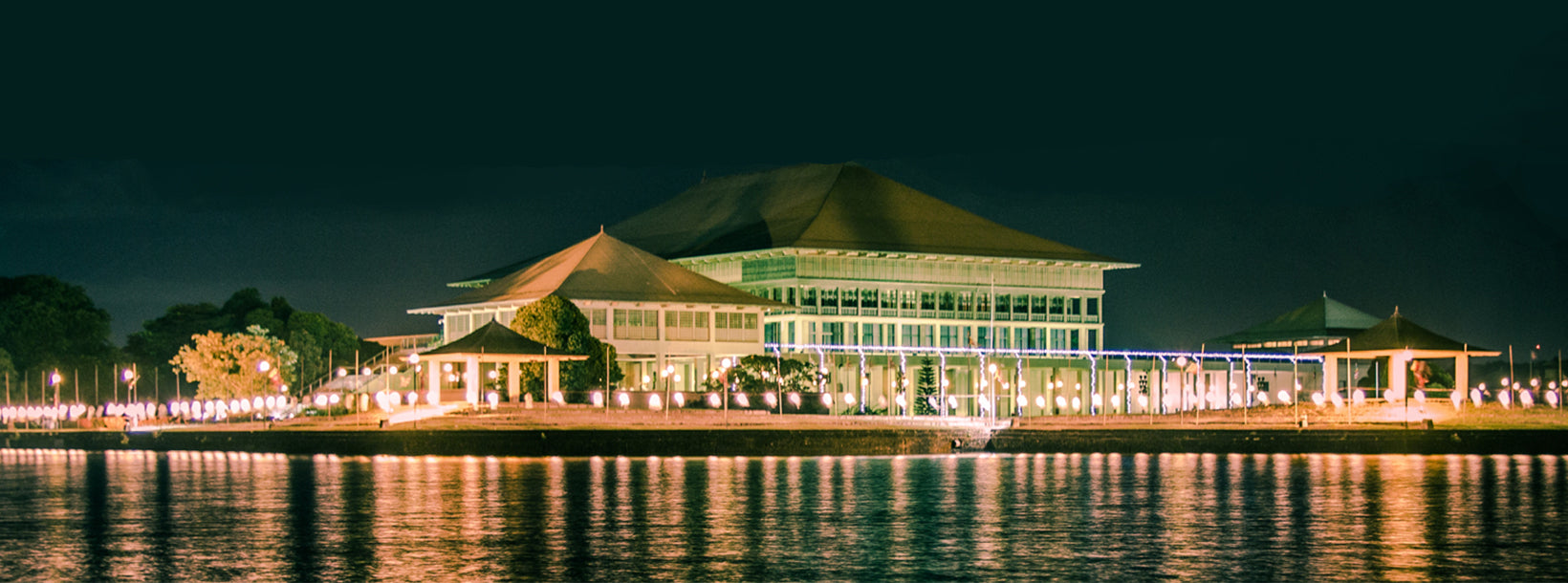
Sri Jayawardenepura Kotte is today the legislative capital of Sri Lanka, home to the Sri Lanka Parliament building — a deliberate echo of the historic significance of the site. The modern built environment has overlaid much of the medieval townscape, but archaeological investigations have occasionally uncovered structural remains, pottery, and inscriptions that attest to the site's royal past.

For visitors interested in Sri Lankan history, the area rewards a half-day Colombo city tour that combines the parliament precinct with nearby cultural sites. The National Museum of Colombo holds artefacts and manuscripts associated with the Kotte period, offering a tangible connection to the kingdom's intellectual and artistic legacy.

The broader legacy of the Kingdom of Kotte endures in the Sinhala literary canon, in Buddhist monastic traditions, and in Sri Lanka's continuing sense of historical continuity with its pre-colonial past. It remains an essential reference point for anyone seeking to understand how modern Sri Lanka came to be.

Book this experience with Lakpura

Curated by our local team. Direct booking, instant confirmation.

Ask Lakpura® Agent