Lakpura
Lakpura®

Dimbula Tea

Dimbula is one of Sri Lanka's most celebrated high-grown tea regions, producing black teas that are recognised globally for their brightness, body, and seasonal complexity. Sitting between roughly 3,500 and 5,000 feet above sea level in the central hill country, the Dimbula district has shaped the character of Ceylon tea for well over a century.

Where exactly is the Dimbula tea region?

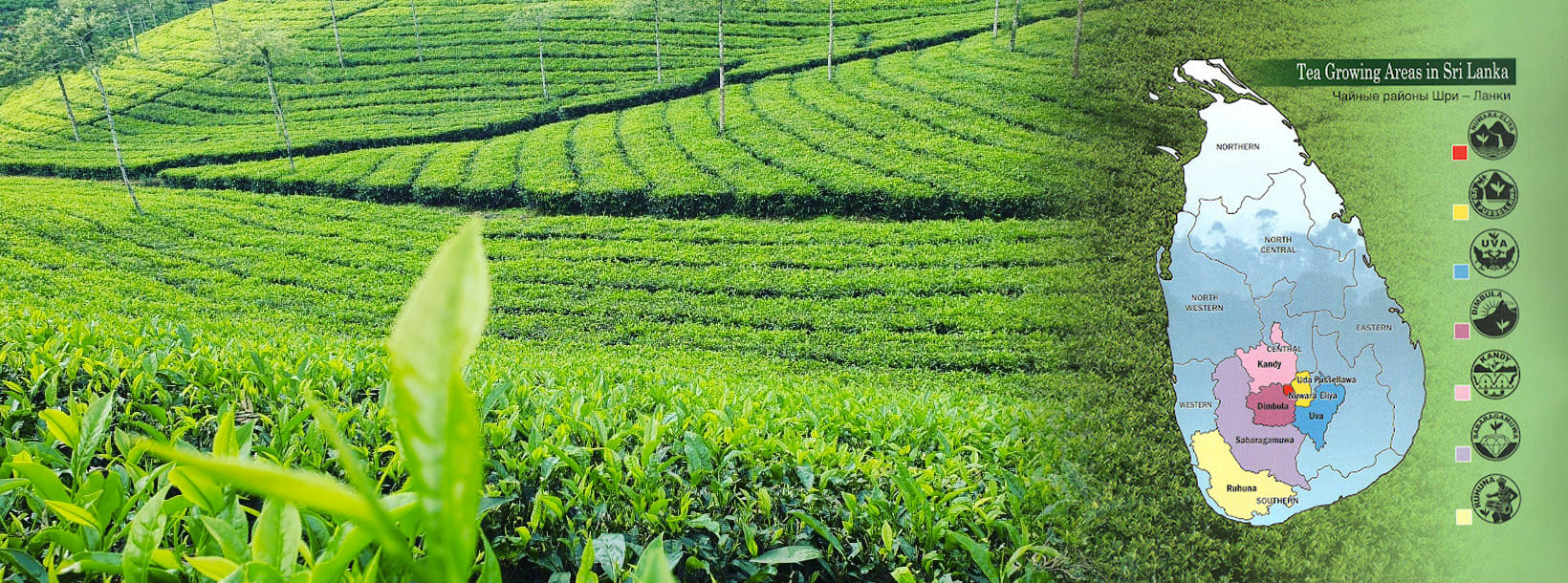
Dimbula lies in the western-facing slopes of Sri Lanka's central highlands, within what is broadly the Nuwara Eliya and Hatton belt. The wider district encompasses several sub-regions, each with subtly different growing conditions:

  • Golden Valley – the highest and perhaps most prized sub-district, where teas can show a distinctive golden-orange hue in the cup
  • Maskeliya – a cooler, mist-prone pocket producing teas with notable delicacy
  • Upper Kotmale – known for lighter, aromatic liquors
  • Ramboda – sits at a slightly lower elevation, contributing fuller-bodied teas
  • Dickoya – historically treated as a separate district and still regarded by many connoisseurs as producing a slightly lighter liquor than core Dimbula; the two regions were officially combined administratively in the 1970s

Together these sub-districts cover a landscape of steep ridges, mist-filled valleys, and colonial-era estates that remain largely intact today.

What does Dimbula tea taste like?

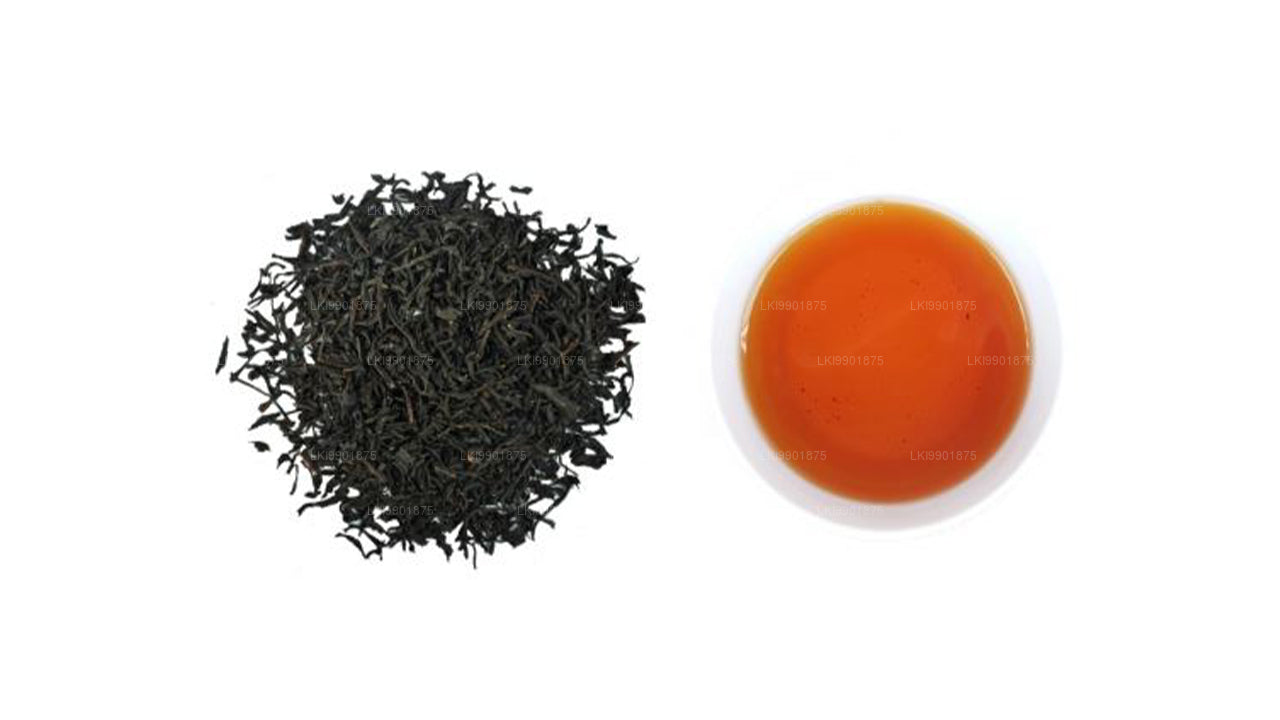
Dimbula teas are defined by their clarity. A well-made Dimbula produces a bright, brisk liquor with a clean, coppery-red colour and a lively astringency that is never harsh. The flavour sits somewhere between the robust intensity of Uva and the lighter elegance of Nuwara Eliya, making it a versatile base for both straight-cup drinking and blending.

During the peak quality season, a jasmine-like aromatic note often emerges, sometimes accompanied by a subtle hint of cypress or fresh green herbs. Teas from the Golden Valley sub-district are particularly prized for the faint golden-orange tint they lend to the infusion — a characteristic that experienced tasters can identify by sight alone.

In terms of grade, Dimbula estates produce a full range from whole-leaf orthodox teas (OP, Pekoe) through to broken grades (BOP, FBOP, BOPF) that form the backbone of popular English Breakfast and Irish Breakfast blends sold throughout Europe and the Middle East.

When is the Dimbula quality season?

Dimbula's finest teas emerge during what the industry calls the North-Western quality season, which runs roughly from February through May. During this period, cold dry winds from the north-west strip moisture from the leaves between flush cycles, concentrating the volatile aromatics that define a premium Dimbula.

The season peaks between March and May, when the interplay of monsoon-cleared skies, cooler nights, and low humidity produces teas described by tasters as full-flavoured yet clean. Outside this window, the south-west monsoon brings heavier rainfall that yields larger volumes of tea but with a softer, less defined character.

PeriodWeather influenceTea character
February – MayCold, dry north-west windsBright, brisk, aromatic — peak quality
June – AugustSouth-west monsoon rainsFuller body, softer liquor, higher volume
September – JanuaryInter-monsoon; variableModerate quality, reliable production

How does Dimbula compare with other Ceylon tea regions?

Ceylon tea is produced across several distinct high- and low-grown regions, each with its own geographic and climatic fingerprint. Dimbula sits in the high-grown category alongside Uva, Nuwara Eliya, and Uda Pussellawa, but each region yields a meaningfully different cup.

  • Uva – famously distinctive, with a menthol-like sharpness driven by the Cacchan wind; often darker in liquor than Dimbula
  • Nuwara Eliya – the lightest and most delicate of the high-growns, sometimes compared to a Darjeeling first flush
  • Uda Pussellawa – produces similar grade profiles to Dimbula and is often used as a blending partner; slightly lighter in some seasons
  • Dimbula – occupies a confident middle ground: bright and brisk enough for connoisseurs, robust enough for breakfast blends

This versatility is a key reason why Dimbula teas anchor so many commercially successful blends, including both English Breakfast and Irish Breakfast formulations sold by major European tea houses.

What tea grades are produced in Dimbula?

Dimbula estates produce orthodox-manufactured teas across a broad grade spectrum. The most common grades you will encounter are:

  • OP (Orange Pekoe) – long, wiry whole leaf; slow-releasing, subtle in the cup
  • Pekoe – shorter whole-leaf grade; slightly more body than OP
  • BOP (Broken Orange Pekoe) – the workhorse grade; quick-brewing, strong liquor, ideal for teapots and breakfast service
  • FBOP (Flowery Broken Orange Pekoe) – broken with golden tip inclusions; adds floral brightness to the cup
  • BOPF (Broken Orange Pekoe Fannings) – fine particle grade used in tea bags; fast extraction, bold colour

Broken grades from Dimbula are particularly sought after by blenders because the region's naturally bright liquor carries through the blending process without muddying the final cup colour.

Can you visit Dimbula tea estates?

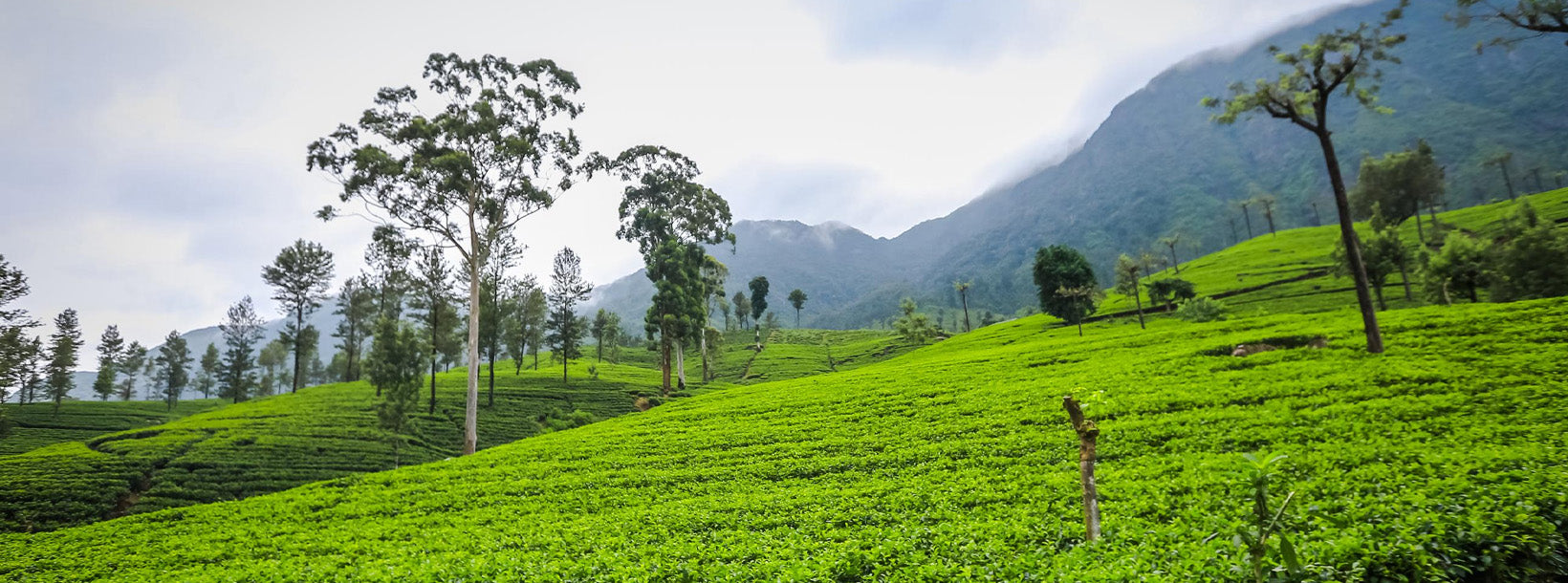
Several estates in the broader Dimbula area welcome visitors, and the region's scenery — rolling plucking fields framed by eucalyptus windbreaks and colonial bungalows — is worth the journey in its own right. The Hatton and Dickoya areas serve as natural bases; both are accessible by road from Kandy in a few hours, or by the celebrated hill-country railway line that winds through the tea country.

Estate visits typically include a guided tour of a working factory, where you can observe withering, rolling, fermentation, and drying at close quarters. Some estates pair the tour with a structured tea tasting that highlights the differences between grades and quality seasons. The Bluefield Tea Gardens in the broader hill-country belt is one well-regarded visitor destination that offers this experience.

If you are combining a Dimbula visit with broader hill-country exploration, Horton Plains National Park and the town of Ella are natural add-ons within a comfortable driving range.

How is Dimbula tea used in blending?

Dimbula's clean, bright character makes it a first-choice base for premium blends destined for Western markets. The region's BOP and BOPF grades are routinely combined with teas from other Ceylon regions and occasionally with Assam to build the reddish-brown colour and round body that consumers associate with a strong morning cup.

Specialty tea houses, particularly in the United Kingdom, Germany, and the Gulf, have long sourced Dimbula as a named single-origin offering rather than blending it away — a mark of the region's intrinsic quality. The distinction between a pure Dimbula and a blended Ceylon is most apparent in the cup's finish: Dimbula tends to leave a cleaner, brighter aftertaste with less of the dry tannin grip associated with lower-grown teas.

Book this experience with Lakpura

Curated by our local team. Direct booking, instant confirmation.

Ask Lakpura® Agent