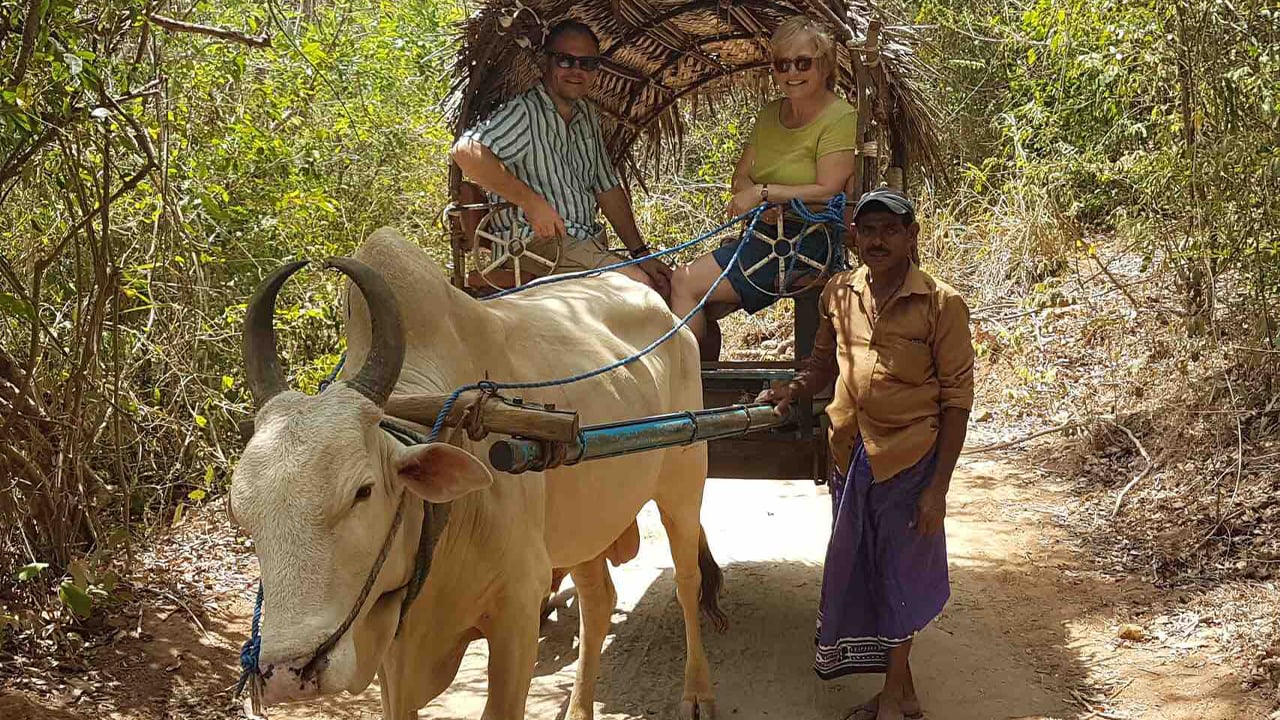
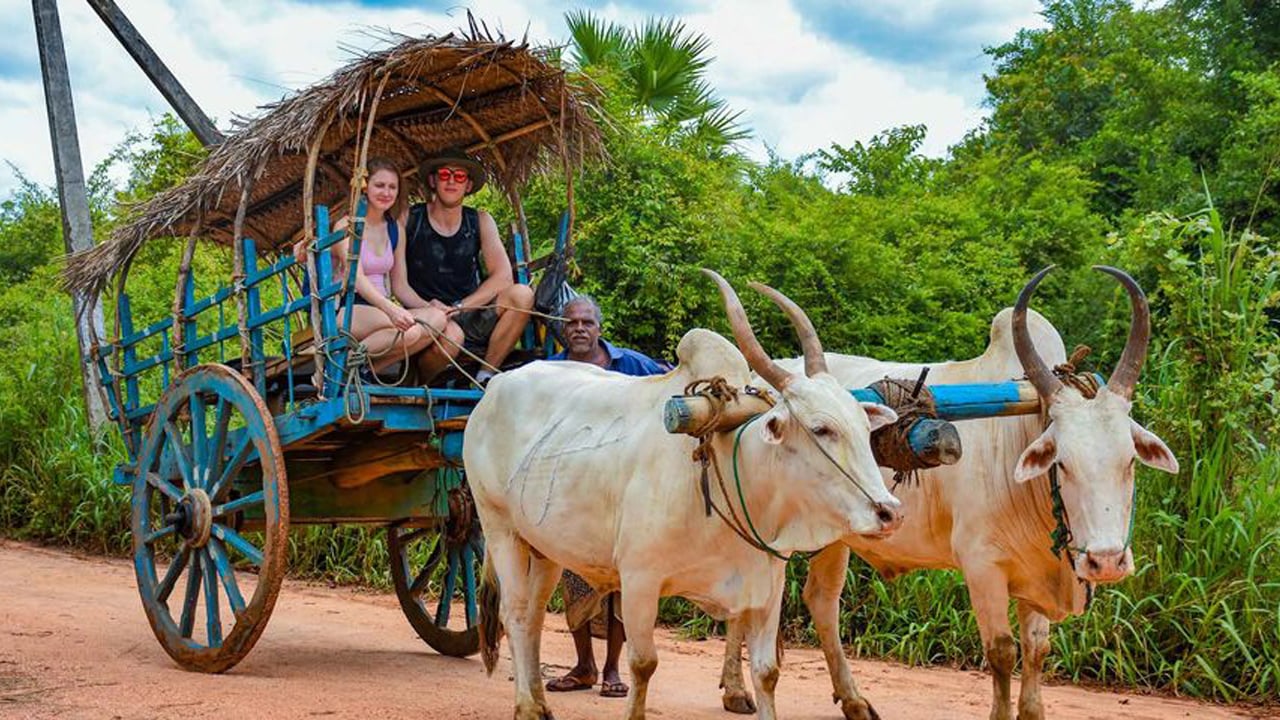
Few experiences slow time down quite like a bullock cart ride. Drawn by a pair of unhurried oxen along dirt tracks that wind through paddy fields and coconut groves, these rides offer a ground-level view of rural Sri Lanka that no air-conditioned vehicle can match. They are not a theme-park recreation — they remain a working part of village life in many parts of the island, which is precisely what makes them worth seeking out.
Where can you take a bullock cart ride in Sri Lanka?
Bullock cart experiences are most readily arranged in the Sigiriya Village area, where operators offer rides through the surrounding scrub forest and smallholder farms as part of broader village tours. The Cultural Triangle — taking in Sigiriya, Dambulla, and Polonnaruwa — has the highest concentration of operators, partly because the landscape of flat agricultural plains suits ox-cart travel naturally.
Coastal villages near Negombo and the southern lagoon belt also offer shorter cart rides as part of community-based tourism programmes. In the dry-zone interior, where bullock carts are still used for transporting harvests, the experience feels least staged and most connected to everyday life.
What does a bullock cart ride actually involve?
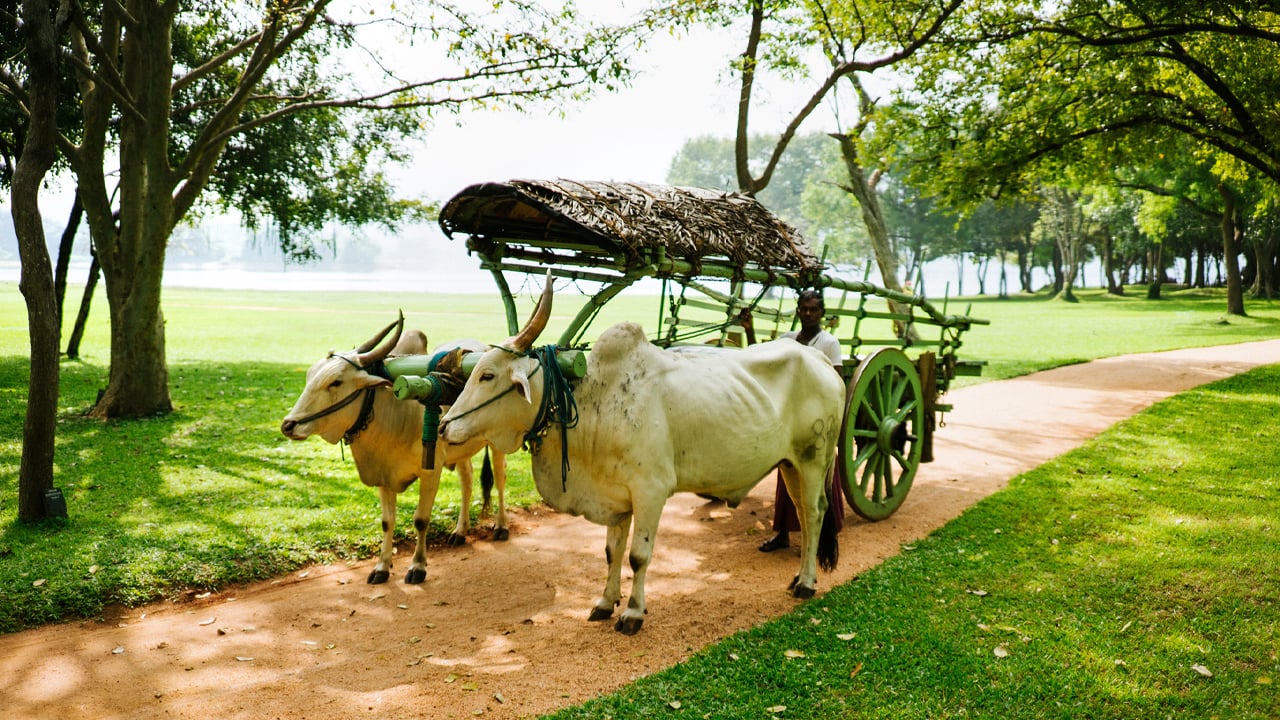
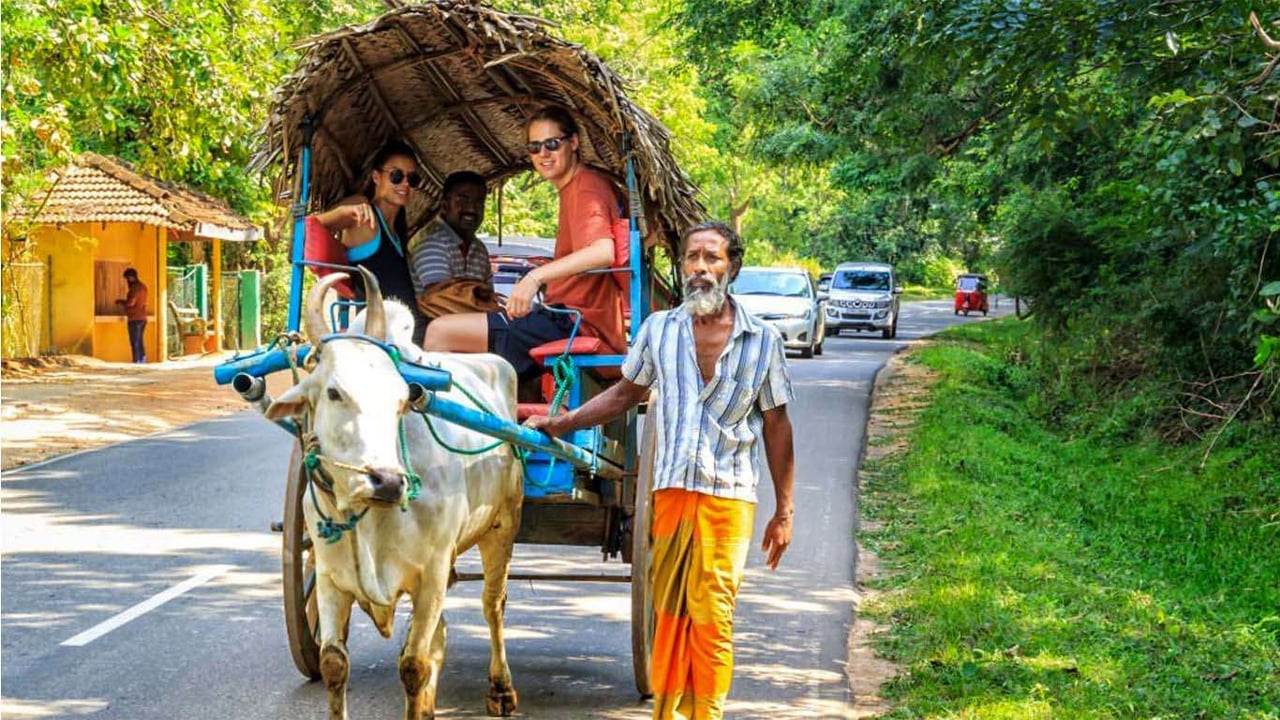
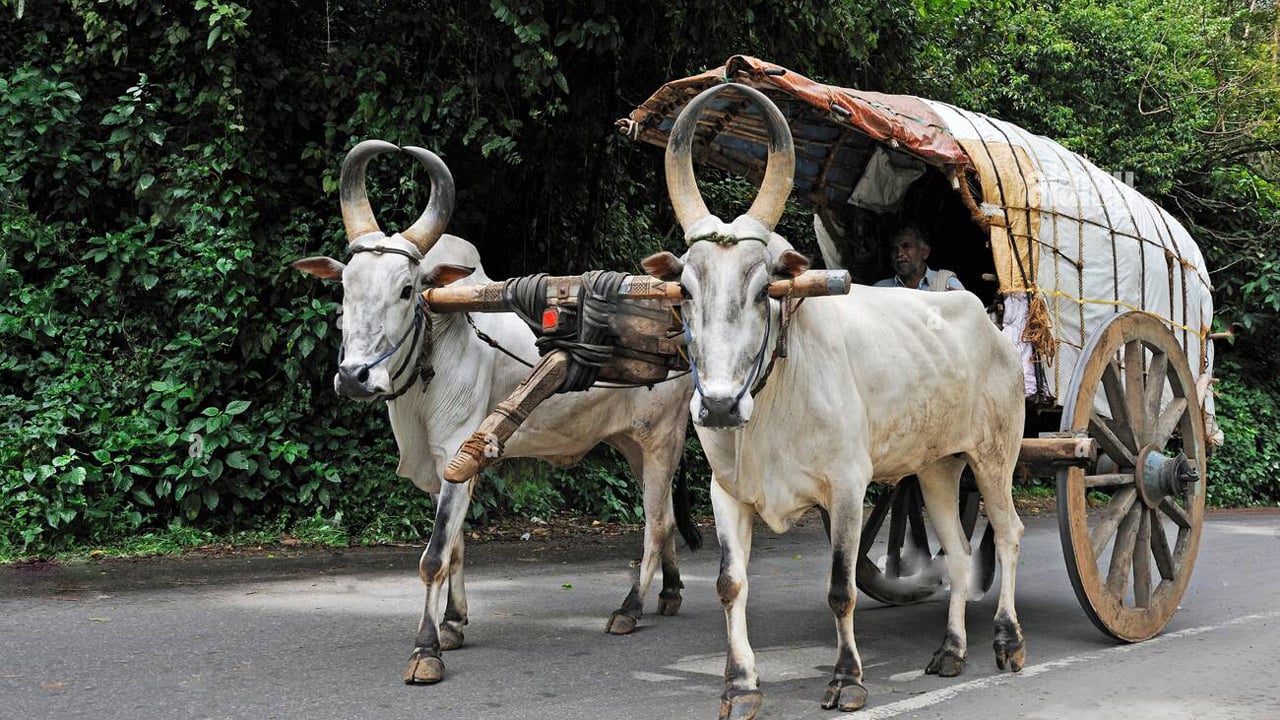
Most rides use a simple wooden cart with a low canopy or open frame, seating two to four passengers on wooden benches or cushioned boards. The cart is pulled by a pair of Zebu cattle — the compact, hump-shouldered breed common across South Asia — guided by a driver who walks alongside or sits at the front.
Rides typically last between 30 minutes and one hour. During that time you pass through a cross-section of rural scenery: paddy fields at various stages of the growing cycle, kitchen gardens, village tanks (reservoirs), and the occasional temple or shrine. Drivers are usually happy to pause at points of interest and explain what you are seeing — a conversation that tends to be more informative than any guidebook entry on local agriculture.
- Typical duration: 30 minutes to 1 hour
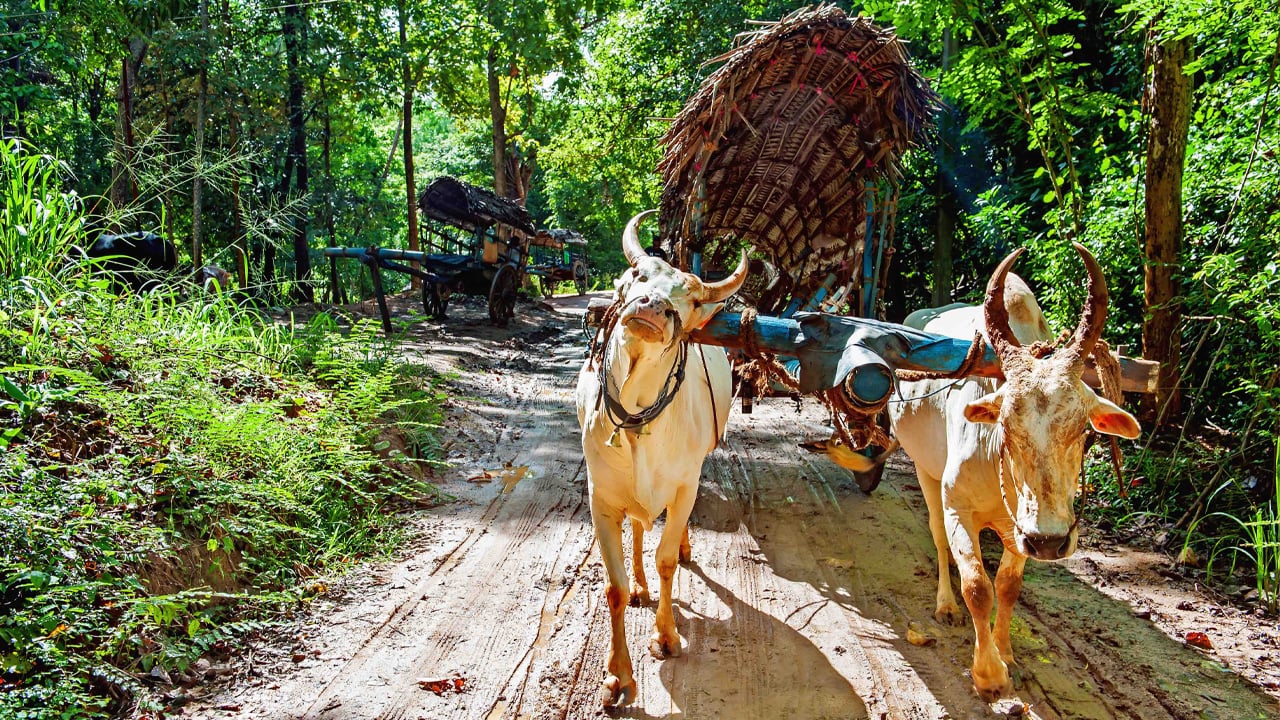
- Terrain: flat village tracks, farm paths, tank bunds
- Group size: usually 2–4 passengers per cart
- Physical requirements: minimal — suitable for most ages and fitness levels
- Best time of day: early morning or late afternoon, when light and temperature are both gentler
When is the best time of year for a bullock cart ride?
The dry season in the Cultural Triangle runs roughly from May to September, when tracks are firm and skies are clear. This is the most comfortable period for an open-air ride. The post-harvest months — typically February and March in the north-central region — are particularly atmospheric, with fields either golden with ripening grain or freshly ploughed and fragrant.
Rides are generally available year-round, but during the monsoon months (October to January in the north-central interior) some village tracks become muddy and impassable. If you are travelling in the wet season, confirm conditions with your operator in advance.
How does a bullock cart ride fit into a wider Sri Lanka itinerary?
A cart ride works best as part of a half-day village immersion rather than a standalone activity. Pair it with a walk through a working farm, a visit to a rural temple, or a cooking demonstration to build a fuller picture of village life. In the Cultural Triangle, it pairs naturally with a morning visit to the Sigiriya rock fortress or an afternoon at the Polonnaruwa ruins, giving the day a balance of structured heritage sightseeing and unhurried rural experience.
For travellers interested in combining multiple slow-travel experiences, a tuk-tuk safari through a different area of countryside complements a bullock cart ride well — each reveals a different texture of the same landscape at a different pace.
If you have an interest in Sri Lanka's agricultural heritage, consider combining your cart ride with a visit to a working spice garden, where crops like black pepper and green tea are cultivated using methods that have changed little over generations.
Is a bullock cart ride ethical and sustainable?
This is a reasonable question. In regions where ox carts remain a genuine working tool — used for transporting rice, firewood, and building materials — tourism rides add economic value to an existing practice without distorting it. The animals involved are typically well-acclimatised working cattle rather than animals kept solely for tourism purposes.
As with any animal-based activity, the key indicator is condition: well-fed, calm animals, appropriate harness fit, and a driver who moves at the animals' natural pace rather than urging them unnecessarily. Reputable operators in the Cultural Triangle generally meet these standards. If something feels off, it is always reasonable to decline the ride.
Bullock carts produce no emissions, require no fuel, and their operation puts income directly into the hands of village families — making them among the more environmentally and economically sound tourism activities available on the island.
What should you bring on a bullock cart ride?
- Sun protection: a hat and sunscreen are useful, particularly on open carts in the mid-morning heat
- Camera or phone: the eye-level perspective from a slow-moving cart produces unusually good photographs of everyday village scenes
- Small denomination cash: tips for the driver are customary and appreciated
- Light clothing: loose, breathable fabric suits the pace and the climate
- Insect repellent: useful if riding near paddy fields or standing water at dusk
How do bullock cart rides connect to Sri Lanka's rural heritage?
The ox cart — known in Sinhala as rathha or karaththaya — has been a fixture of Sri Lankan village life for centuries. Ancient chronicles describe carts transporting goods along the trade routes of the Anuradhapura and Polonnaruwa kingdoms. Today, in dry-zone farming communities, the cart remains a practical tool alongside modern machinery, used particularly on narrow bunds and soft soil where tractors are impractical.
Riding one connects you, however briefly, to a pace of life that pre-dates motorised transport by millennia. The rhythm of the wheels on a packed earth track, the sound of the harness bells, the unhurried forward motion — these are sensory details that stay with travellers long after other memories of a Sri Lanka trip have faded.