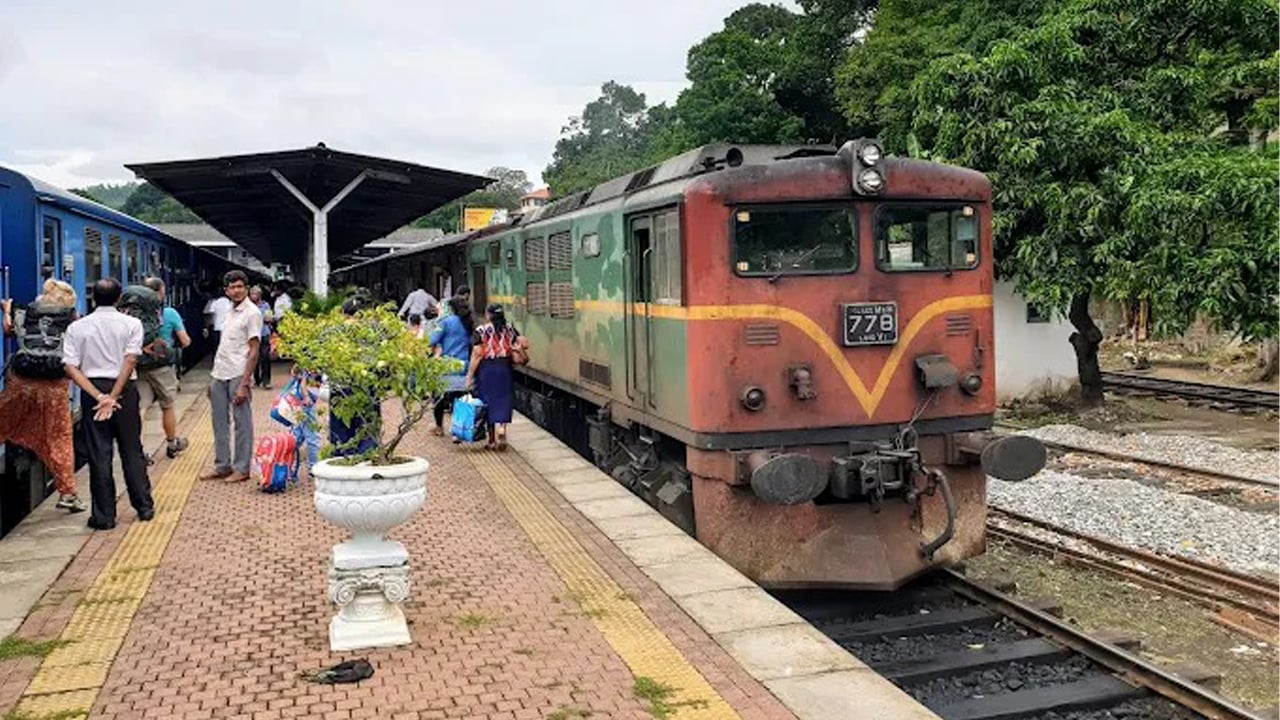

Kandy Railway Station stands at the heart of one of Sri Lanka's most storied cities, serving as the primary rail gateway to the central highlands. Operated by Sri Lanka Railways, it sits at the end of a branch off the Main Line and is the terminus of the Matale Line — making it a natural pivot point for travellers moving between Colombo, the hill country, and the cultural heartland of the island.
How did Kandy Railway Station come to exist?
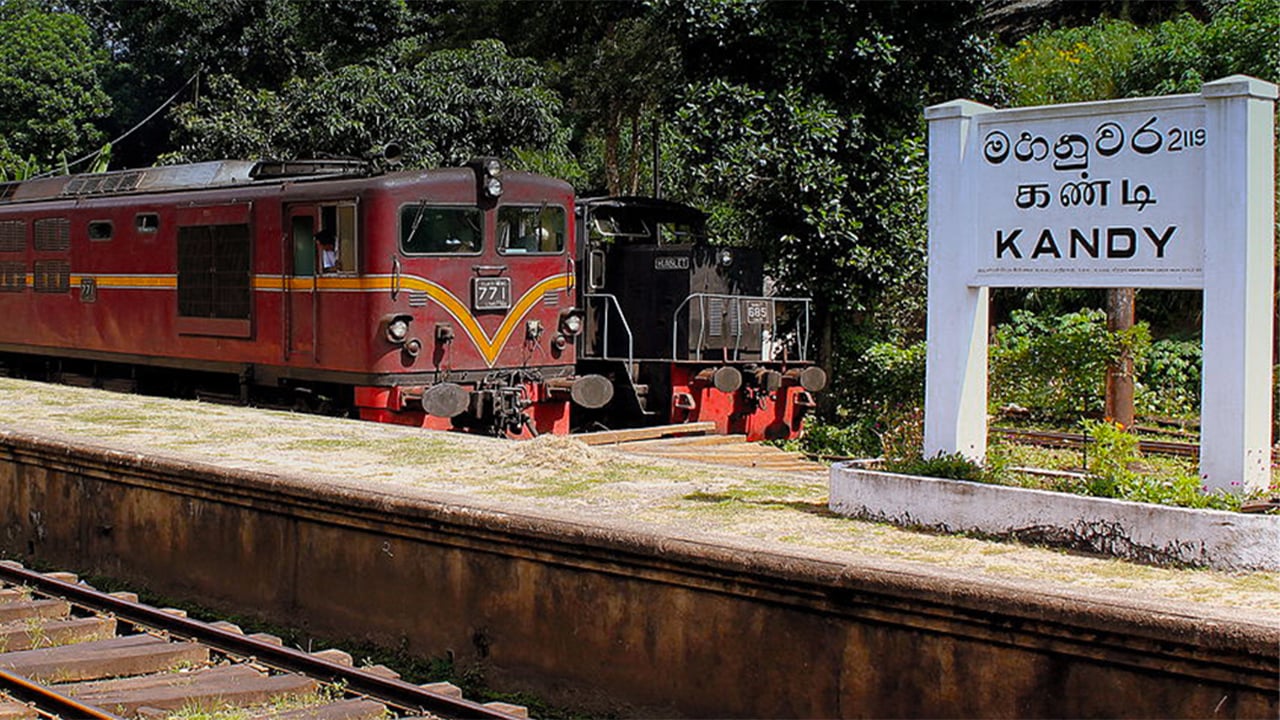
The railway push into the hills was a deliberate colonial project driven by the need to transport tea, rubber, and other commodities from the highlands to the coast. Construction of the Colombo–Kandy line advanced in stages: the first section reached Ambepussa in December 1864, and a second section extended the line to Polgahawela by November 1866. Bridging the Mahaweli Ganga and the Maha Oya presented the greatest engineering challenges. Once those crossings were complete, the final tracks were laid on 15 April 1867, and the very next day a steam engine made its inaugural entry into Kandy station.
The first goods service between Colombo and Kandy ran on 30 April 1867, followed by the inaugural passenger service on 1 August 1867. In those early days, two passenger and mail trains left each end of the line simultaneously at 7:00 am, with the full journey taking around four and a half hours. Today's express services cover the same route in roughly two and a half to three hours, a reminder of how much track engineering has changed over a century and a half.
What architectural style defines Kandy Railway Station?
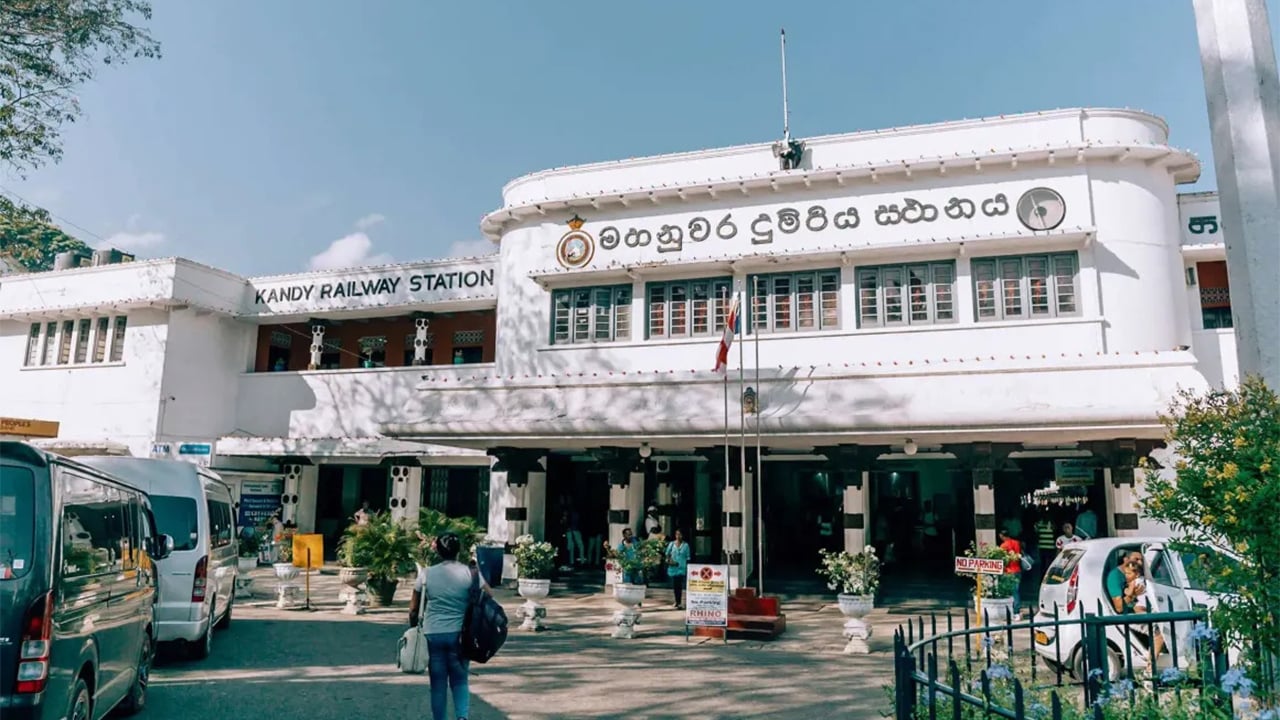
The station building is an architectural outlier in its surroundings. While Kandy's streetscape is largely shaped by traditional Kandyan craftsmanship and colonial-era ornament, the station itself is built in the Art Moderne style — a late offshoot of Modernism characterised by sweeping horizontal lines, curved forms, and restrained concrete massing. Its minimalist facades carry almost no decorative detail, creating a deliberate visual contrast with the more elaborately styled temples and civic buildings nearby.
This contrast is not a flaw but an interesting piece of architectural history: the station reflects the optimism of mid-twentieth-century design thinking, when clean geometry was seen as a progressive statement. Standing on the platform and looking back at the building, visitors get a compressed visual timeline of Kandyan urban development in a single glance.
What train routes operate from Kandy Station?
Kandy station is served by several key routes:
- Colombo Fort – Kandy (Main Line): The most frequently used route, with intercity express and slower stopping services running throughout the day. Intercity expresses are bookable in advance and recommended for visitors.
- Kandy – Matale (Matale Line): A short branch line heading north, useful for visitors wishing to explore the Aluvihare Rock Temple and the spice gardens around Matale.
- Kandy – Badulla (Upcountry Line): Arguably the most celebrated rail journey in Sri Lanka, this route climbs through tea estates, cloud forest, and mountain passes before descending to Ella and continuing to Badulla. The section between Kandy and Nanu Oya (for Nuwara Eliya) is particularly admired for its scenery.
Seats on the intercity express and the upcountry observation car can sell out weeks in advance during peak season (December to March and July to August). Booking through the Sri Lanka Railways online portal or a registered agent is strongly advised.
How do I get to Kandy Railway Station from Colombo?
The most straightforward route is to board a train at Colombo Fort station. Intercity express services run several times daily and typically take around two and a half to three hours. If you prefer road travel, the Colombo–Kandy expressway (E01/E03) has reduced drive times considerably, though traffic into Kandy city itself can add time. A private driver or taxi remains a popular choice for travellers with luggage or those arriving from outstations.
Once in Kandy, the station sits close to the city centre and is within walking distance of the lake and many hotels. Tuk-tuks are readily available outside the station for onward short trips.
What can I do near Kandy Railway Station?
The station's central position means most of Kandy's key attractions are accessible without transport. The Kandy city tour typically covers the Temple of the Tooth Relic (Sri Dalada Maligawa), Kandy Lake, the National Museum, and the bustling market district — all within a short radius of the station.
Visitors with more time can combine a train journey out of Kandy with stops at the Peradeniya Botanical Gardens (one stop west), or continue east toward Horton Plains National Park via the upcountry line. The Esala Perahera Festival, one of Asia's largest and oldest Buddhist pageants, is held in Kandy each July or August and draws visitors from around the world — rail travel to the city during this period requires advance planning.
Is Kandy Railway Station worth visiting as an attraction in itself?
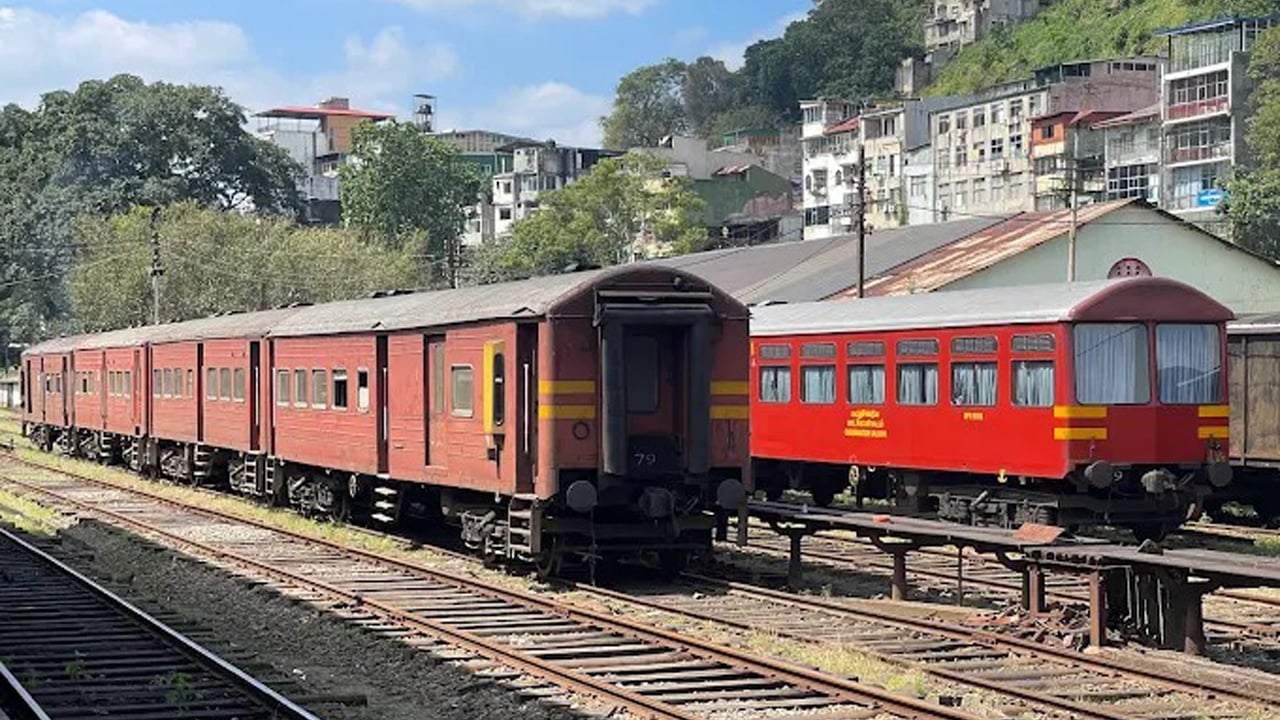
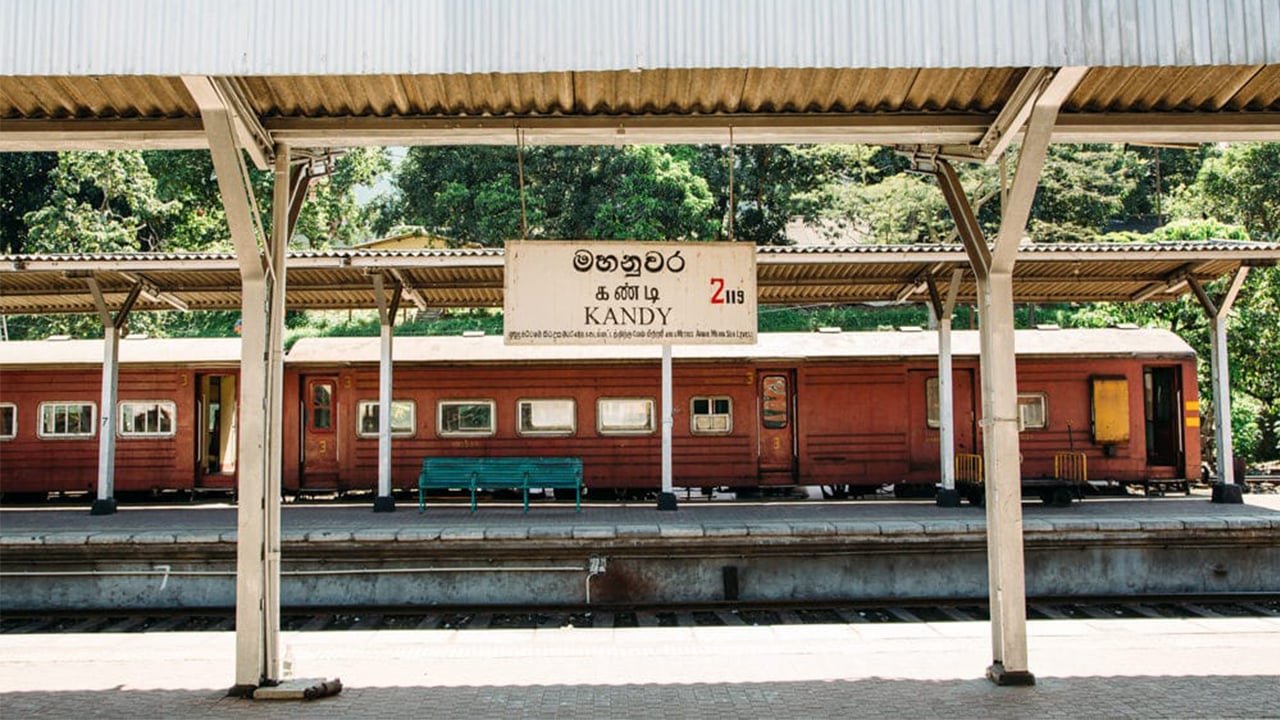
Beyond its functional role, the station offers genuine points of interest for architecture enthusiasts and railway history buffs. The contrast between the Art Moderne building and the surrounding colonial and traditional streetscape is photogenic and thought-provoking. The working platforms give a ground-level view of Sri Lanka's upcountry rail culture — vendors selling short eats, families heading to the hills, and the occasional goods wagon passing through on the Matale branch.
The Kandy Tourist Information Center is located nearby and can assist with maps, transport queries, and local guidance. For travellers who want to understand what they are seeing in the broader context of Kandyan history, a visit to the city's museums before or after the station is time well spent.
What practical information should I know before travelling through Kandy Station?
| Detail | Notes |
|---|---|
| Booking classes | First, second, and third class available. Observation saloon cars on upcountry trains offer panoramic windows and should be booked well in advance. |
| Facilities | Waiting rooms, ticket counters, and basic refreshment stalls are available on-site. |
| Peak travel periods | December–March and July–August; book tickets early, especially for the Kandy–Ella route. |
| Left luggage | A left-luggage facility is typically available at the station for a small fee — confirm on arrival. |
| Accessibility | Platform access involves steps; travellers with mobility needs should arrive early to seek staff assistance. |
Kandy railway station timetable
70 trains call at Kandy on a typical day.
Matale Line · 120.7 km from Colombo Fort · Central Province
Station telephone: 081-2222271
| Departs | Towards | Train | Runs |
|---|---|---|---|
| 01:30 am | Polgahawela · starts here | Daily | |
| 01:40 am | Peradeniya · starts here | Daily | |
| 02:47 am | terminates here · from Sarasaviuyana | Daily | |
| 03:35 am | Badulla · starts here | Daily | |
| 04:30 am | Colombo Fort · starts here | Daily | |
| 04:40 am | Matale · starts here | Daily | |
| 05:00 am | Colombo Fort · starts here | Sunday Only | |
| 05:00 am | Colombo Fort · starts here | Weekdays Only | |
| 05:00 am | Colombo Fort · starts here | Saturday and Sunday Only | |
| 06:04 am | terminates here · from Matale | Daily | |
| 06:08 am | terminates here · from Polgahawela | Daily | |
| 06:20 am | Colombo Fort · starts here | Daily | |
| 06:27 am | Nawalapitiya · starts here | Daily | |
| 06:56 am | terminates here · from Nawalapitiya | Daily | |
| 07:00 am | Matale · starts here | Daily | |
| 07:00 am | Pilimatalawa · starts here | Daily | |
| 07:45 am | Ella · starts here | Saturday and Sunday Only | |
| 07:47 am | terminates here · from Matale | Weekdays and Sunday Only | |
| 07:48 am | terminates here · from Nanuoya | Daily | |
| 07:52 am | Colombo Fort | Saturday Only | |
| 07:52 am | Peradeniya · starts here | Weekdays Only | |
| 08:27 am | terminates here · from Sarasaviuyana | Weekdays Only | |
| 09:18 am | terminates here · from Colombo Fort | Intercity | Saturday and Sunday Only |
| 09:37 am | terminates here · from Wattegama | Weekdays Only | |
| 09:38 am | terminates here · from Colombo Fort | Daily | |
| 09:45 am | Nawalapitiya · starts here | Daily | |
| 09:55 am | terminates here · from Wattegama | Daily | |
| 10:25 am | Matale · starts here | Daily | |
| 10:40 am | Colombo Fort | Daily | |
| 11:10 am | Badulla | Podi Menike | Daily |
| 11:43 am | terminates here · from Matale | Daily | |
| 11:50 am | terminates here · from Nawalapitiya | Daily | |
| 01:10 pm | Colombo Fort | Udarata Menike | Daily |
| 01:55 pm | terminates here · from Colombo Fort | Saturday and Sunday Only | |
| 02:00 pm | Matale | Weekdays Only | |
| 02:00 pm | Matale · starts here | Daily | |
| 02:07 pm | Nawalapitiya · starts here | Daily | |
| 02:15 pm | Polgahawela · starts here | Daily | |
| 03:17 pm | terminates here · from Matale | Daily | |
| 03:25 pm | Colombo Fort · starts here | Weekdays Only | |
| 03:25 pm | Colombo Fort · starts here | Saturday and Sunday Only | |
| 03:25 pm | terminates here · from Matale | Daily | |
| 04:00 pm | Colombo Fort | Daily | |
| 04:35 pm | Colombo Fort | Ella Odyssey | Sunday Only |
| 04:50 pm | Colombo Fort · starts here | Intercity | Saturday and Sunday Only |
| 04:58 pm | terminates here · from Sarasaviuyana | Weekdays Only | |
| 05:20 pm | Matale · starts here | Daily | |
| 05:20 pm | Nanuoya | Daily | |
| 06:06 pm | terminates here · from Colombo Fort | Intercity | Daily |
| 06:16 pm | terminates here · from Nawalapitiya | Daily | |
| 06:25 pm | Polgahawela · starts here | Saturday and Sunday Only | |
| 06:25 pm | Polgahawela · starts here | Weekdays Only | |
| 06:42 pm | terminates here · from Matale | Daily | |
| 07:00 pm | Matale · starts here | Daily | |
| 07:10 pm | Nawalapitiya · starts here | Saturday and Sunday Only | |
| 07:10 pm | Nawalapitiya · starts here | Weekdays Only | |
| 07:10 pm | Nawalapitiya · starts here | Daily | |
| 07:34 pm | terminates here · from Colombo Fort | Weekdays Only | |
| 07:43 pm | terminates here · from Colombo Fort | Saturday and Sunday Only | |
| 07:53 pm | terminates here · from Colombo Fort | Daily | |
| 08:11 pm | terminates here · from Ella | Saturday and Sunday Only | |
| 08:12 pm | terminates here · from Colombo Fort | Intercity | |
| 08:20 pm | terminates here · from Matale | Daily | |
| 08:37 pm | terminates here · from Badulla | Daily | |
| 08:55 pm | terminates here · from Colombo Fort | Daily | |
| 09:00 pm | Rambukkana · starts here | Daily | |
| 10:20 pm | Badulla | Daily | |
| 10:45 pm | Peradeniya · starts here | Daily | |
| 11:27 pm | terminates here · from Polgahawela | Daily | |
| 11:57 pm | terminates here · from Sarasaviuyana | Daily |
Timetable mirrored from published Sri Lanka Railways schedules, last checked 2026-09-28. Times can change without notice — confirm with the railway before travelling. See the whole network on the Sri Lanka railway station list.
Nearby places
13 places within about 25 km, nearest first.
- Kandyan Art Association Cultural Centreunder 1 km
- Kandy View Pointunder 1 km
- Bogambara Prisonunder 1 km
- Bambaragala Templeunder 1 km
- Central Provinceunder 1 km
- Maha Wahalkadaunder 1 km
- Oak Ray Wood Carving Centerunder 1 km
- Ranawana Purana Rajamaha Viharayaunder 1 km
- Bahirawakanda Vihara Buddha Statueunder 1 km
- Asgiri Viharaya - Adahana Maluwa Gedige Viharayaunder 1 km
- Asgiriya Chapterunder 1 km
- Asgiriya Maha Viharayaunder 1 km
- Asgiriya Maha Viharaunder 1 km
Related reading
7 pages on closely related subjects.