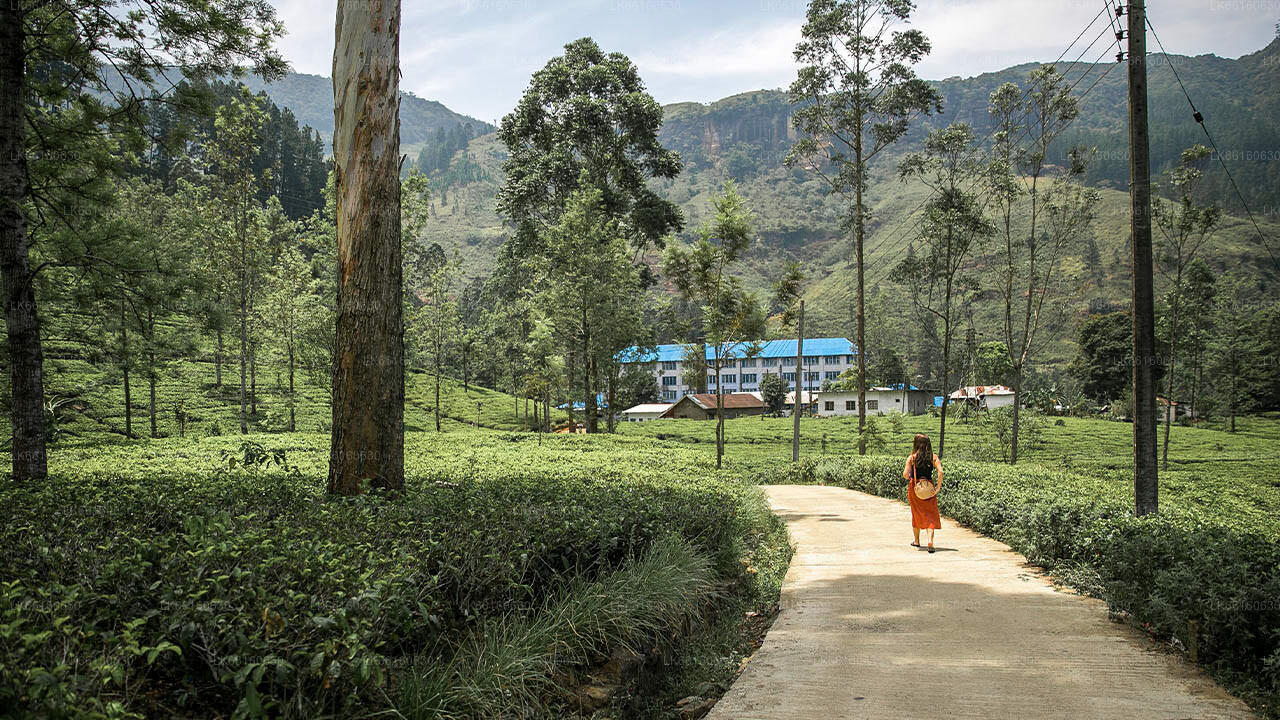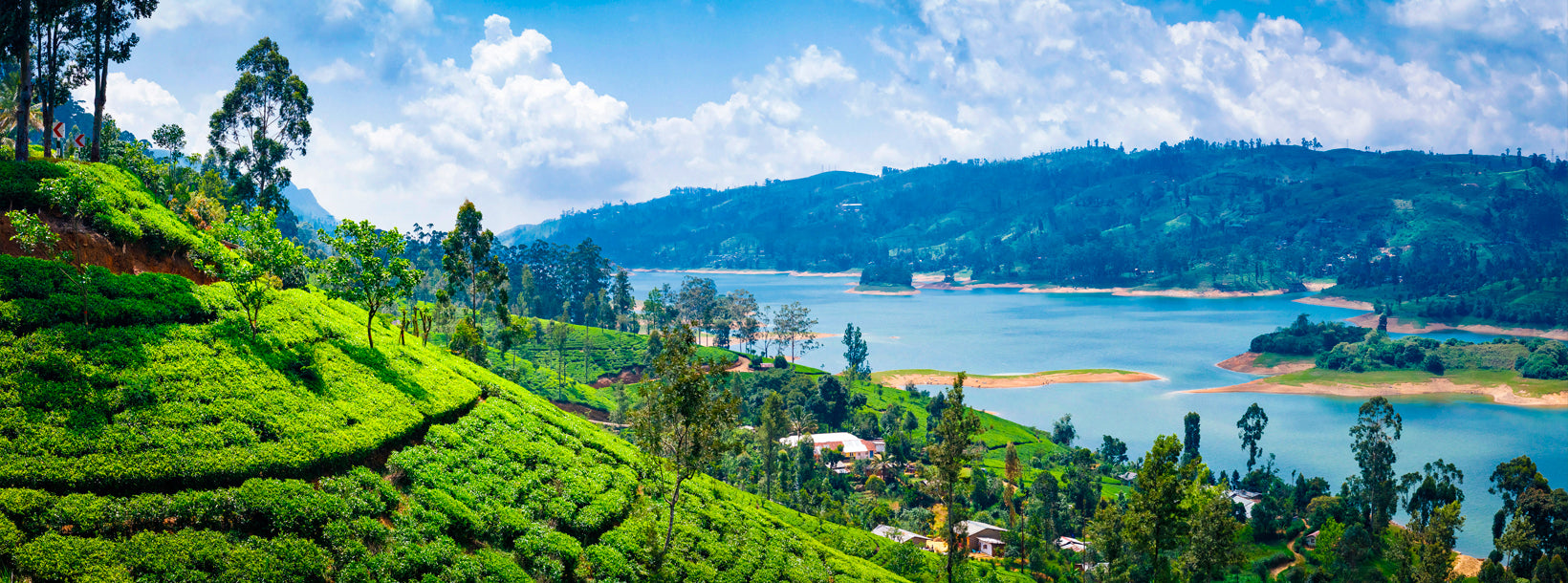
Perched just 3.5 km from the centre of Nuwara Eliya, Lover's Leap Estate sits at the heart of Sri Lanka's most celebrated high-grown tea country. At elevations that produce the delicate, light-bodied character that made Ceylon Tea famous worldwide, this working plantation offers visitors something increasingly rare: a chance to follow the entire journey of a single cup of tea, from the field to the finished leaf, inside one compact estate.
What is the history behind Lover's Leap Estate?
The estate is part of the wider Pedro Tea Estate complex, established in 1885. Its origins are closely linked to the earliest chapter of commercial tea cultivation in Sri Lanka — a period when pioneers such as James Taylor were refining cultivation and processing techniques across the Nuwara Eliya hills. What has made Lover's Leap particularly notable among tea connoisseurs is that the factory has retained orthodox manufacturing methods throughout its long history, staying true to the rolling, fermenting, and firing sequence that shaped Ceylon tea's global reputation in the late nineteenth century.
The name itself carries a local legend: two lovers are said to have leaped from the cliffs above the estate, giving both the waterfall and the plantation their evocative name. Whether you take the story literally or not, it lends the property a sense of narrative that lingers long after the visit.
What can you see and do at Lover's Leap Estate?
A typical visit to the estate moves through several distinct experiences, each offering a different perspective on the tea industry.
- Tea field walk: Guided walks through the manicured rows of tea bushes let you observe — and try — the two-leaves-and-a-bud plucking method that defines quality orthodox production. Skilled estate pluckers can pick several kilograms a day with a dexterity that takes years to develop.
- Factory tour: Inside the processing facility, you can watch the orthodox method in action — withering, rolling, oxidation, and firing — with staff on hand to explain each stage. Note that the factory observes a midday break and is typically closed between 12:00 pm and 2:00 pm, so plan your visit for the morning or mid-afternoon.
- Lovers' Leap Ethical Tea Boutique: Located just above the estate, this boutique tea room is where the visit comes together. Settle in with a fresh-brewed cup produced from leaves grown a few hundred metres below, and take in views across the surrounding green hills. The boutique also stocks teas to take home, from standard broken grades to specialty lots.
- Lover's Leap Waterfall: Accessible through the estate grounds, this waterfall rewards visitors willing to make the short hike. The combination of high-altitude scenery and the story attached to the falls makes it a genuinely worthwhile detour after the factory tour.
What tea grades are produced at Lover's Leap?
The estate produces several grades of black tea under the orthodox method. The most widely available include BOP (Broken Orange Pekoe), BOPF (Broken Orange Pekoe Fannings), BOPFSp (a specialist small-particle grade), OP (Orange Pekoe), and PEKOE. Each grade reflects a different particle size and, to a degree, a different cup character — PEKOE and OP tend toward a lighter, brighter infusion, while the broken grades produce a fuller, brisker cup suited to milk tea.
Nuwara Eliya teas as a category are often described as high-grown, with a pale golden liquor, delicate aroma, and a clean, slightly astringent finish. Lover's Leap single-estate lots are sought by blenders and specialty buyers alike because the elevation and cool climate produce a consistent flavour profile throughout the harvest season.
How does Lover's Leap compare to other Nuwara Eliya tea estates?
The Nuwara Eliya district is home to several estates that accept visitors, but Lover's Leap has a combination of attributes that make it stand out. The retained orthodox factory — rather than a modernised CTC plant — means the tour is genuinely educational about traditional methods. The Bluefield Tea Gardens, located in the same region, offers a similarly hands-on experience, so travellers with a deep interest in tea often pair both visits. What Lover's Leap adds uniquely is the waterfall trail and the estate boutique, which together extend a factory visit into a half-day excursion.
When is the best time to visit Lover's Leap Estate?
The estate is open year-round, but timing within the day matters more than the season. Arriving by 9:00 am or 10:00 am ensures you can complete both the field walk and the factory tour before the midday closure. The Nuwara Eliya highlands are cool throughout the year — temperatures often fall to single figures at night — so a layer is advisable even on a clear day. The first inter-monsoon period, roughly between February and April, brings some of the clearest skies and best light across the hill country, making the estate scenery particularly rewarding at that time.
How do I get to Lover's Leap Estate from Nuwara Eliya town?
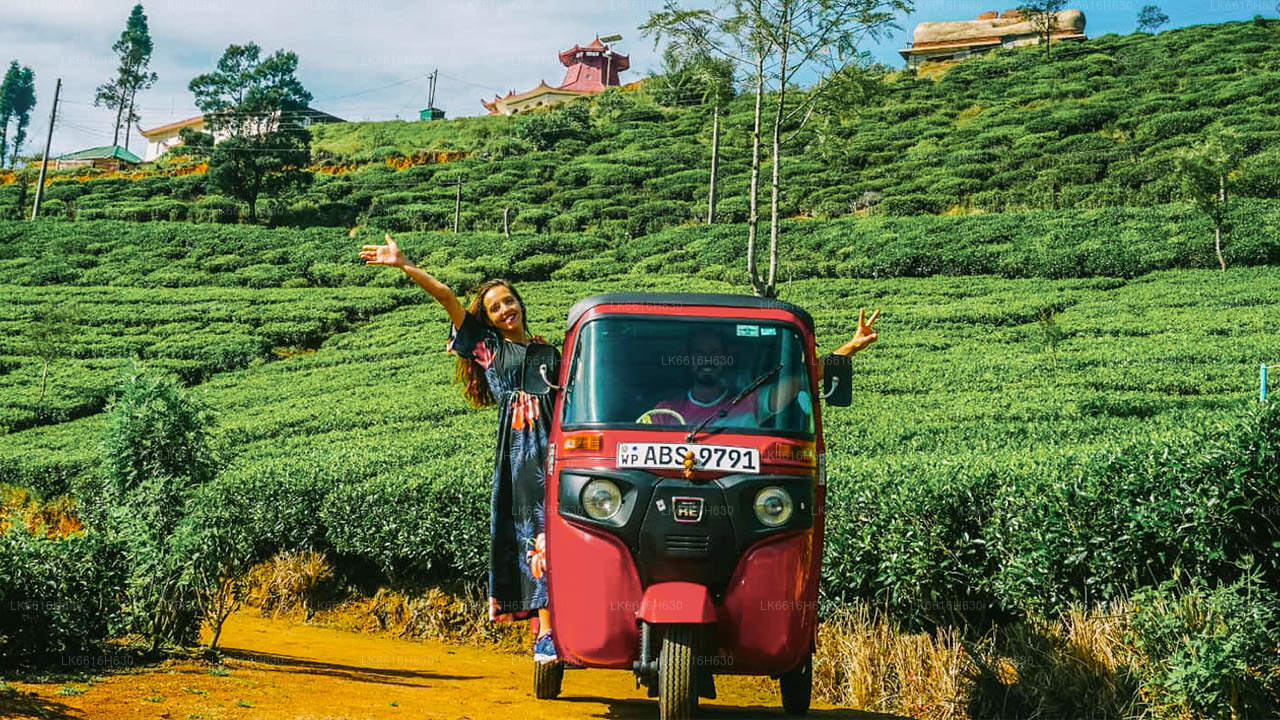
The estate sits approximately 3.5 km from Nuwara Eliya town centre and is accessible by tuk-tuk, taxi, or on foot along the main Pedro Estate road. Most accommodation in Nuwara Eliya can arrange a drop-off. If you are staying at The Grand Hotel or elsewhere in town, the drive takes around ten minutes. Parking is available at the estate entrance for self-drive visitors.
What else is near Lover's Leap Estate?
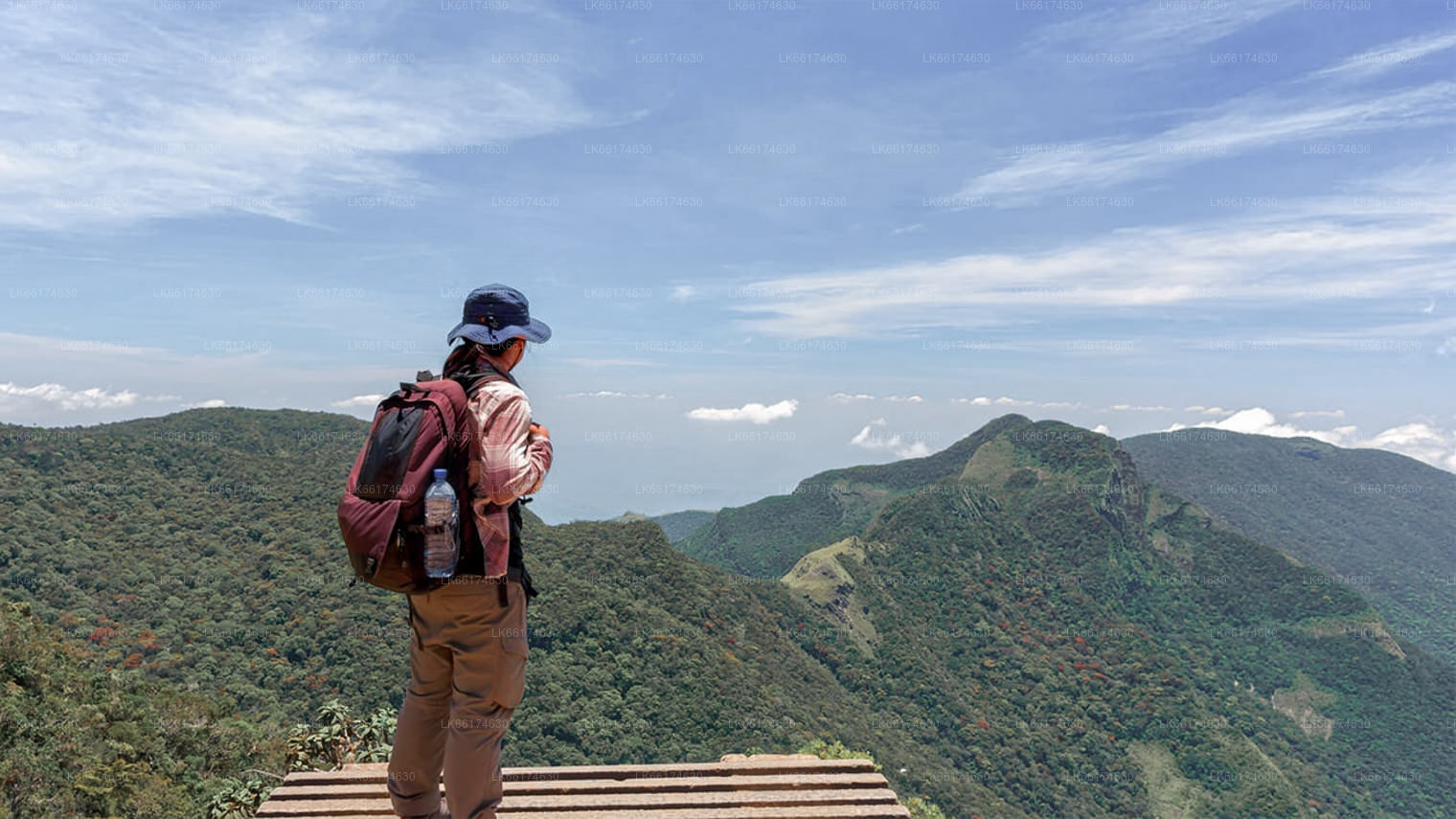
Nuwara Eliya's wider hill-country circuit pairs naturally with an estate visit. Horton Plains National Park, with its cloud-forest plateau and the famous World's End viewpoint, is around an hour's drive south and makes an excellent full-day addition. The mountain town of Ella lies further east along the scenic railway line — one of the most photographed train journeys in South Asia — and offers hiking trails, waterfalls, and a relaxed atmosphere that contrasts well with Nuwara Eliya's colonial formality.