
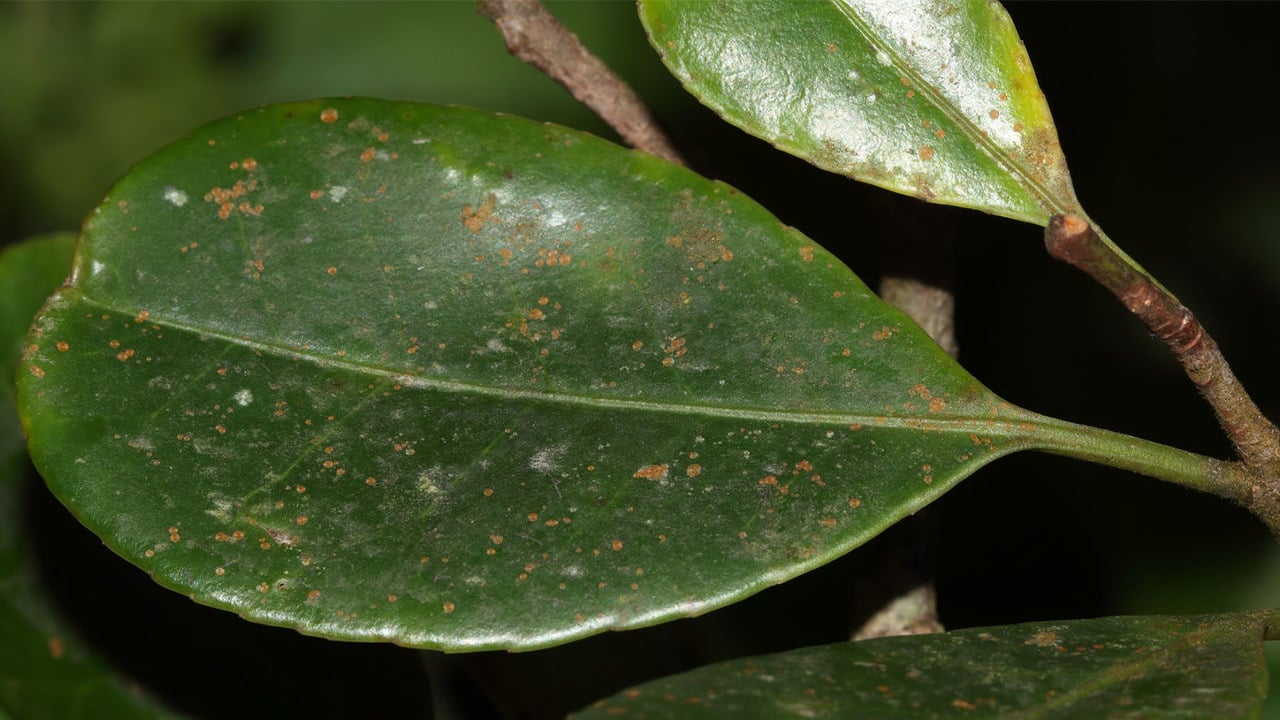
Kokoona zeylanica, known in Sinhala as කොකුන් (Kokun), is a large endemic tree native to Sri Lanka and one of the island's lesser-documented botanical treasures. Classified within the family Celastraceae — a genus previously placed under the now-defunct family Hippocrateaceae — it occupies a distinct ecological niche in Sri Lanka's wet and montane forests. Despite its relative obscurity outside botanical circles, Kokun carries genuine significance in traditional Sri Lankan medicine and forest ecology.
A note on naming: Kokoona zeylanica should not be confused with Kokum, a different plant with a similar-sounding Sinhala name. The two are entirely unrelated botanically and medicinally.
What does Kokoona zeylanica look like?
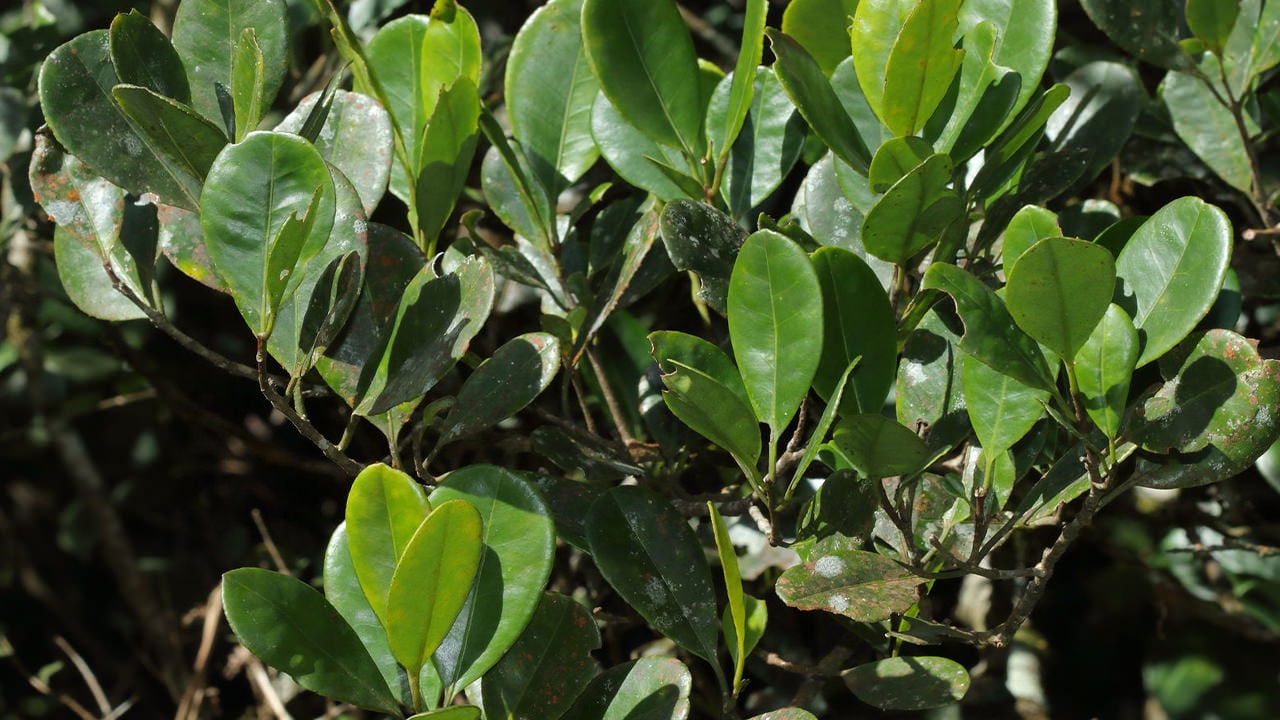
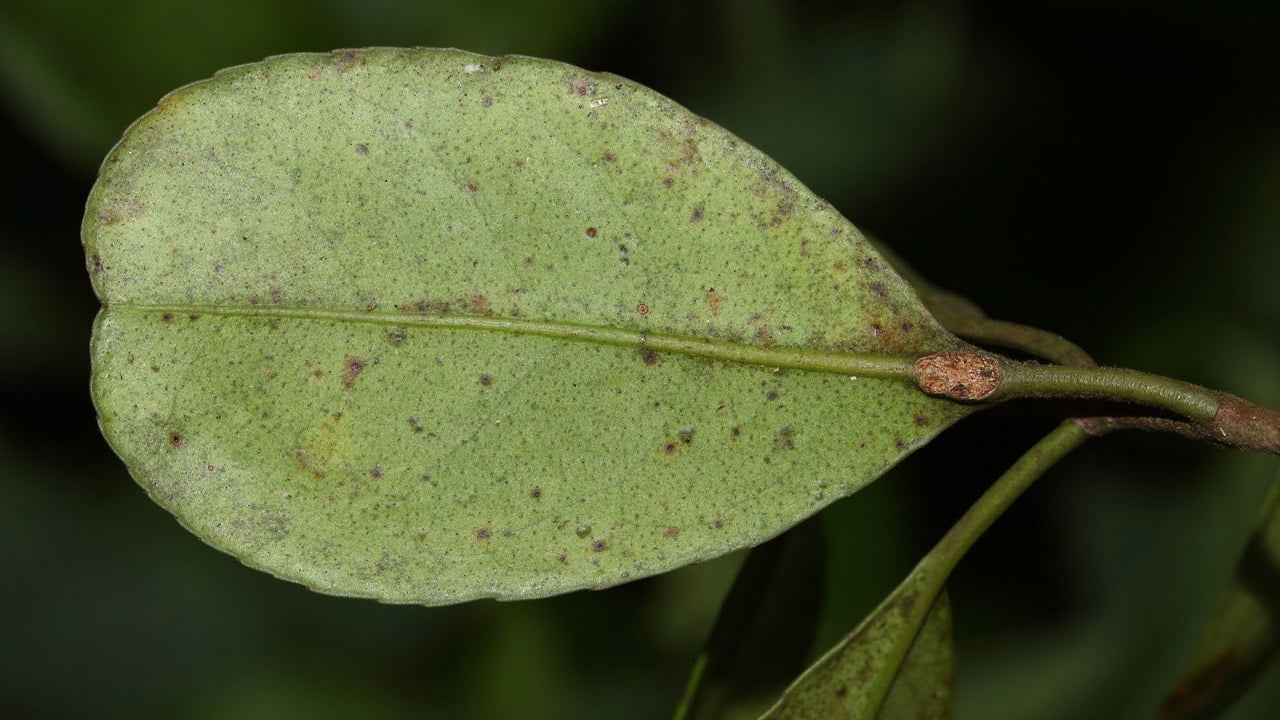
Kokun is a canopy-level tree, typically reaching between 20 and 35 metres in height. Its trunk is covered in a rough grey bark that becomes increasingly furrowed with age, giving mature specimens a distinctive weathered appearance. The leaves are relatively modest in size — measuring roughly 3.4 to 8.4 cm in length and 2.4 to 4.6 cm in width — with petioles around 8 to 10 mm long.
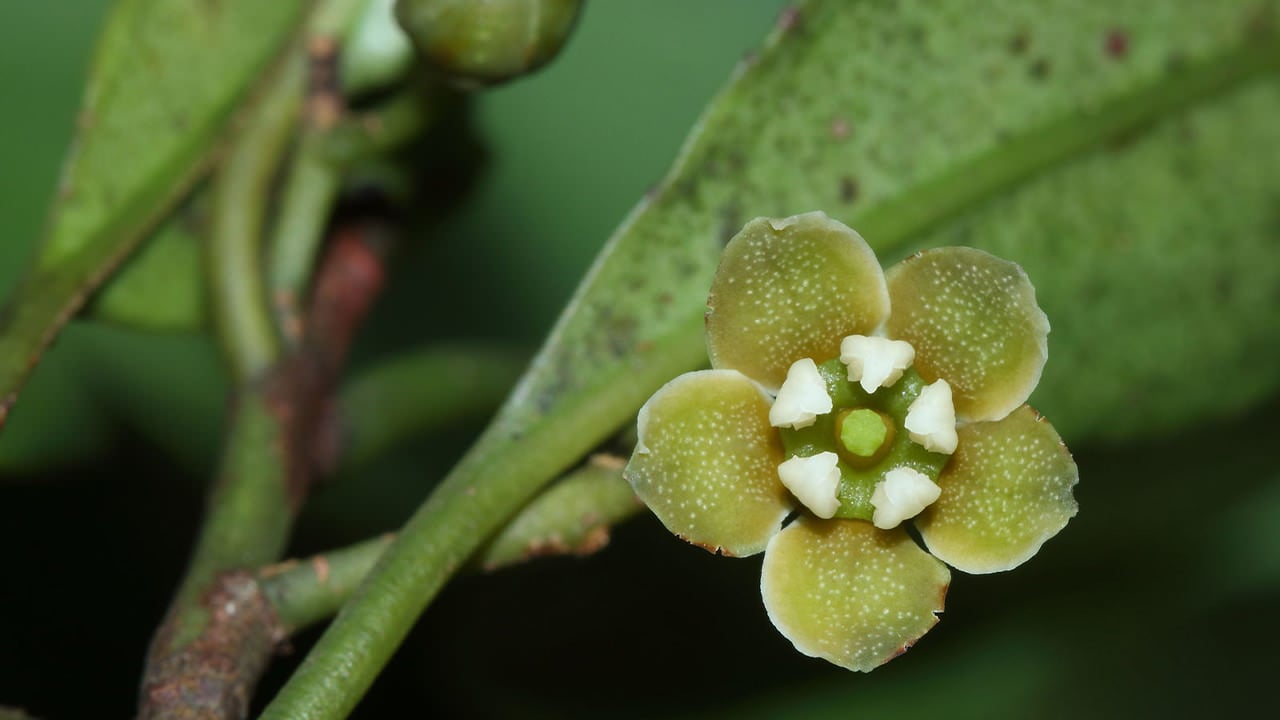
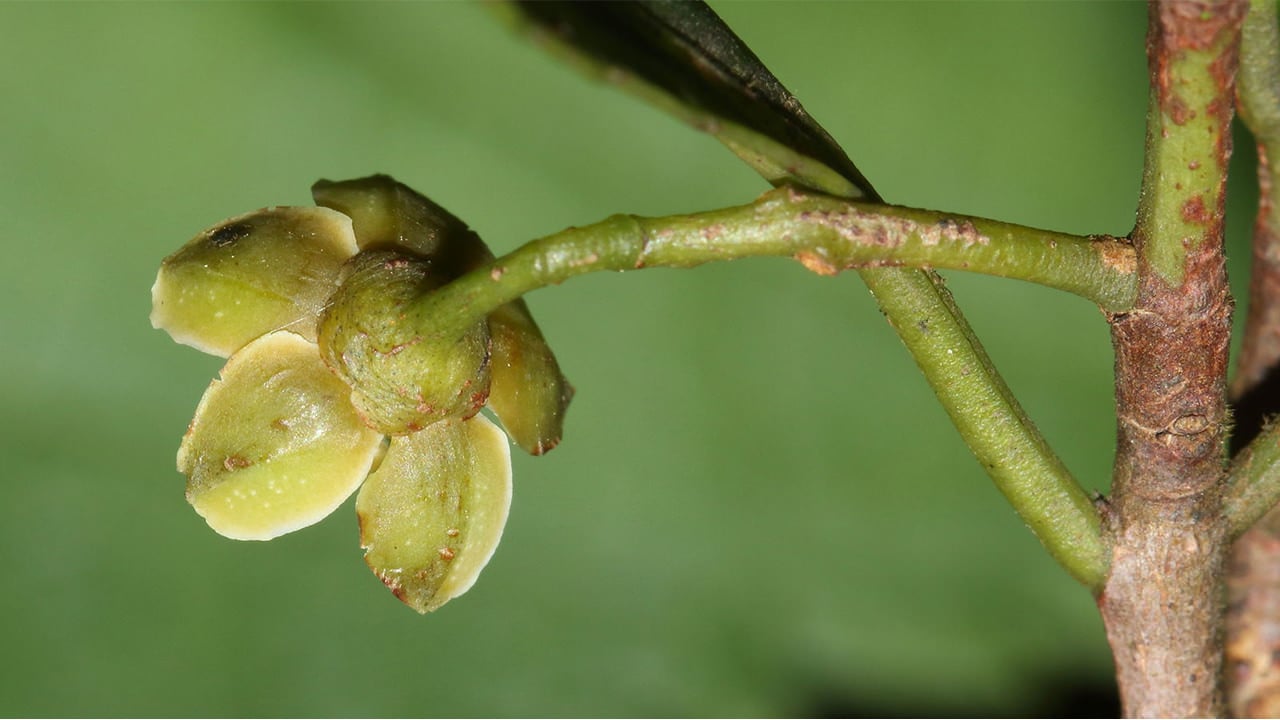
The flowers are small, around 6 to 8 mm in diameter, and carry a dull yellowish-brown colouring that makes them inconspicuous against the forest canopy. Fruiting produces elongated black capsules, approximately 10.2 cm long and 2 cm wide, each containing light brown seeds that range from 6.5 to 8.0 cm in length — proportionally large relative to the capsule.
Where is Kokoona zeylanica found in Sri Lanka?
As a species endemic to Sri Lanka, Kokoona zeylanica has a naturally restricted range. Two confirmed locations where the tree is known to be extant are the forests surrounding Adam's Peak (Sri Pada) and the Kanneliya forest reserve in the Southern Province. Both sites lie within Sri Lanka's wet zone, which receives high annual rainfall and supports some of the island's most biodiverse forest ecosystems.
Adam's Peak is a sacred mountain and a major pilgrimage site, but its surrounding forest harbours remarkable biodiversity largely unnoticed by visitors focused on the summit trail. Kanneliya, meanwhile, forms part of the Kanneliya-Dediyagala-Nakiyadeniya (KDN) forest complex — a reserve closely associated with the broader conservation landscape that includes the Sinharaja Forest Reserve, Sri Lanka's UNESCO-listed lowland rainforest.
Given the species' endemism and restricted habitat, Kokoona zeylanica is considered ecologically sensitive. The continued health of these wet-zone forests is directly tied to the survival of such narrowly distributed species.
What are the traditional and medicinal uses of Kokun?
Kokun has a documented place in traditional Sri Lankan medicine. The tree is listed in the official catalog of ayurvedic medicinal plants of Sri Lanka, reflecting centuries of indigenous knowledge about its therapeutic properties. While detailed pharmacological research on the species remains limited in the public domain, the tree has been used traditionally to address a range of conditions — though specific formulations are best confirmed through qualified ayurvedic practitioners.
One of the most practically noted properties of Kokoona zeylanica is the oil extracted from its seeds. Seed oil from Kokun is traditionally used as a leech repellent — a relevant application given that leeches are a well-known nuisance in Sri Lanka's wet-zone and montane forest trails, particularly during and after the monsoon season. Hikers navigating forest paths near Adam's Peak or lowland rainforests sometimes turn to plant-based remedies of this kind as an alternative to synthetic repellents.
| Feature | Detail |
|---|---|
| Family | Celastraceae (formerly Hippocrateaceae) |
| Common name (Sinhala) | කොකුන් (Kokun) |
| Tree height | 20–35 metres |
| Leaf size | 3.4–8.4 × 2.4–4.6 cm |
| Flower diameter | 6–8 mm, dull yellowish-brown |
| Fruit (capsule) | ~10.2 × 2.0 cm, black |
| Seed length | 6.5–8.0 cm, light brown |
| Endemic status | Endemic to Sri Lanka |
| Known locations | Adam's Peak, Kanneliya |
| Medicinal catalog | Ayurvedic medicinal plants of Sri Lanka |
How does Kokun fit into Sri Lanka's botanical heritage?
Sri Lanka's small landmass belies an extraordinary density of endemic plant species, the result of millions of years of geographic isolation combined with diverse micro-climates ranging from coastal lowlands to cloud forests above 2,000 metres. Kokoona zeylanica is one thread in this dense botanical fabric — a species that illustrates how even large canopy trees can have remarkably confined distributions.
The island's ayurvedic tradition, which has developed over more than 3,000 years, draws on this endemic flora extensively. Plants like Kokun, Pongamia pinnata, and Acacia chundra each contribute specific properties to traditional formulations, forming a living pharmacopoeia that contemporary researchers are still working to document and validate scientifically.
The inclusion of Kokoona zeylanica in Sri Lanka's official ayurvedic plant catalog is significant: it reflects government recognition of the species as part of the country's intangible cultural and medical heritage, and signals some degree of institutional interest in its continued study and conservation.
Why is Kokoona zeylanica ecologically important?
Endemic canopy trees serve critical roles in forest ecosystems. They provide fruiting and nesting resources for specialised wildlife, contribute to the structural complexity of the forest, and often support symbiotic relationships with fungi, insects, and other organisms found nowhere else on Earth. For Kokoona zeylanica, with its large seeds and tall canopy form, these ecological contributions are likely significant even if they remain under-studied.
The forests at Kanneliya and around Adam's Peak are also hydrological assets — their intact canopies regulate water flow into surrounding lowland areas. Protecting these forests means protecting the full suite of species within them, including less charismatic but ecologically essential trees like Kokun.
Visitors to Sri Lanka with an interest in forest ecology and endemic flora may encounter Kokun on guided nature walks through wet-zone reserves. The cloud forest habitats of the central highlands, including the montane zones around Adam's Peak, offer some of the best opportunities to observe the island's endemic tree flora in an intact setting.
Is Kokoona zeylanica threatened?
Given its status as an island endemic with confirmed presence at only a small number of locations, Kokoona zeylanica faces the inherent vulnerability of any narrowly distributed species. Habitat loss through deforestation, land conversion, and climate-related changes to rainfall patterns in the wet zone all pose long-term risks. While the species is not among the most prominently profiled of Sri Lanka's threatened flora, its limited range means that any significant disturbance to its known habitats could have outsized consequences for its survival.
Conservation of wet-zone forest patches — even those outside formally gazetted reserves — is therefore directly relevant to the future of species like Kokun. Sri Lanka's network of forest reserves, biosphere reserves, and national parks provides partial protection, but enforcement and community engagement remain ongoing challenges for forest authorities.