黑堡

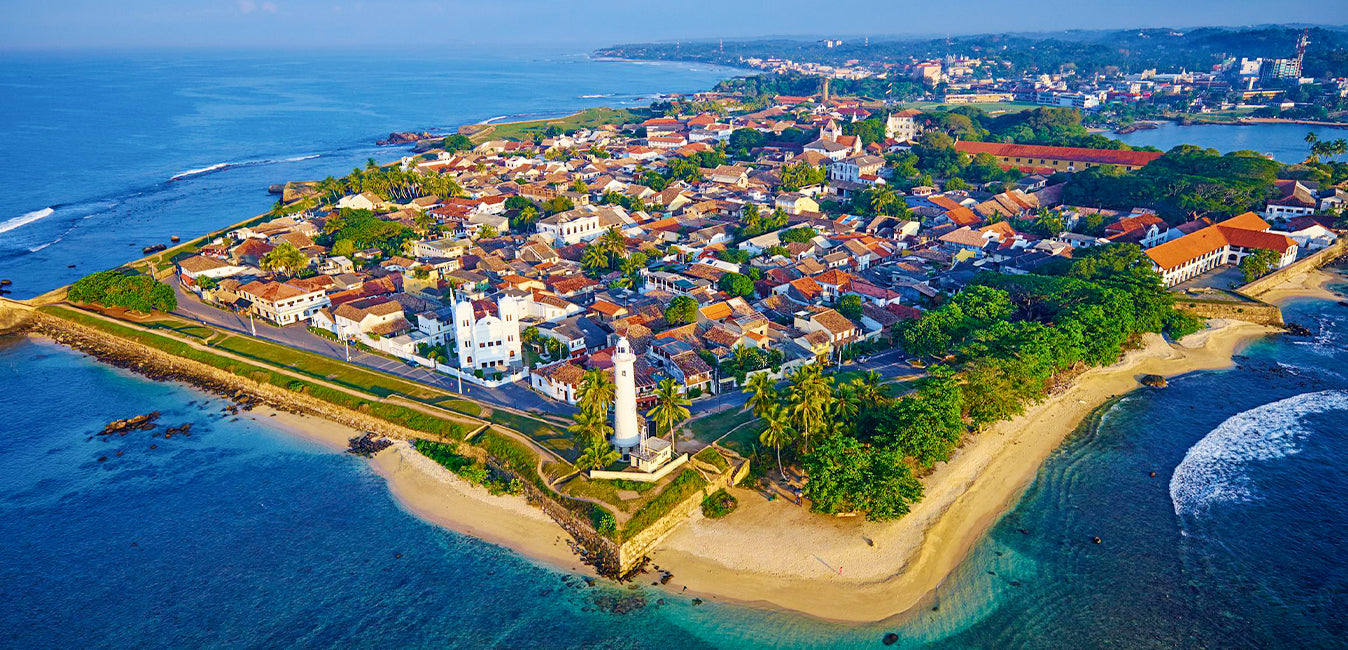
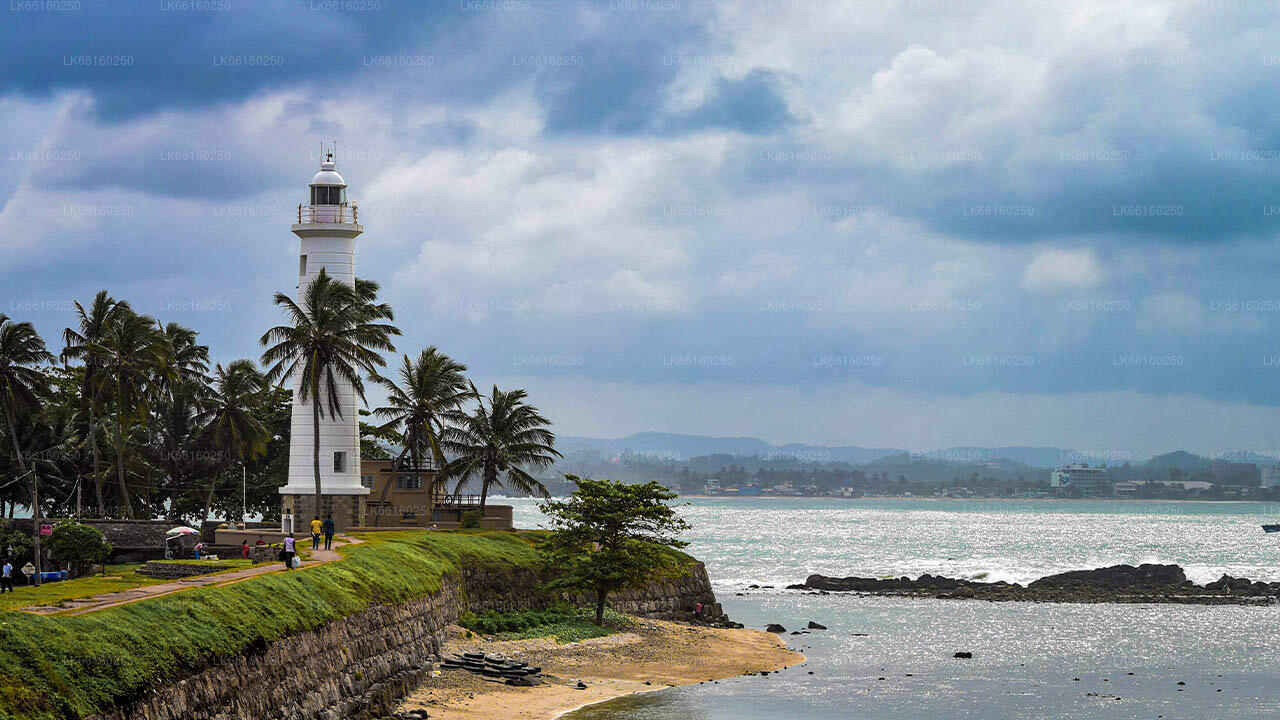
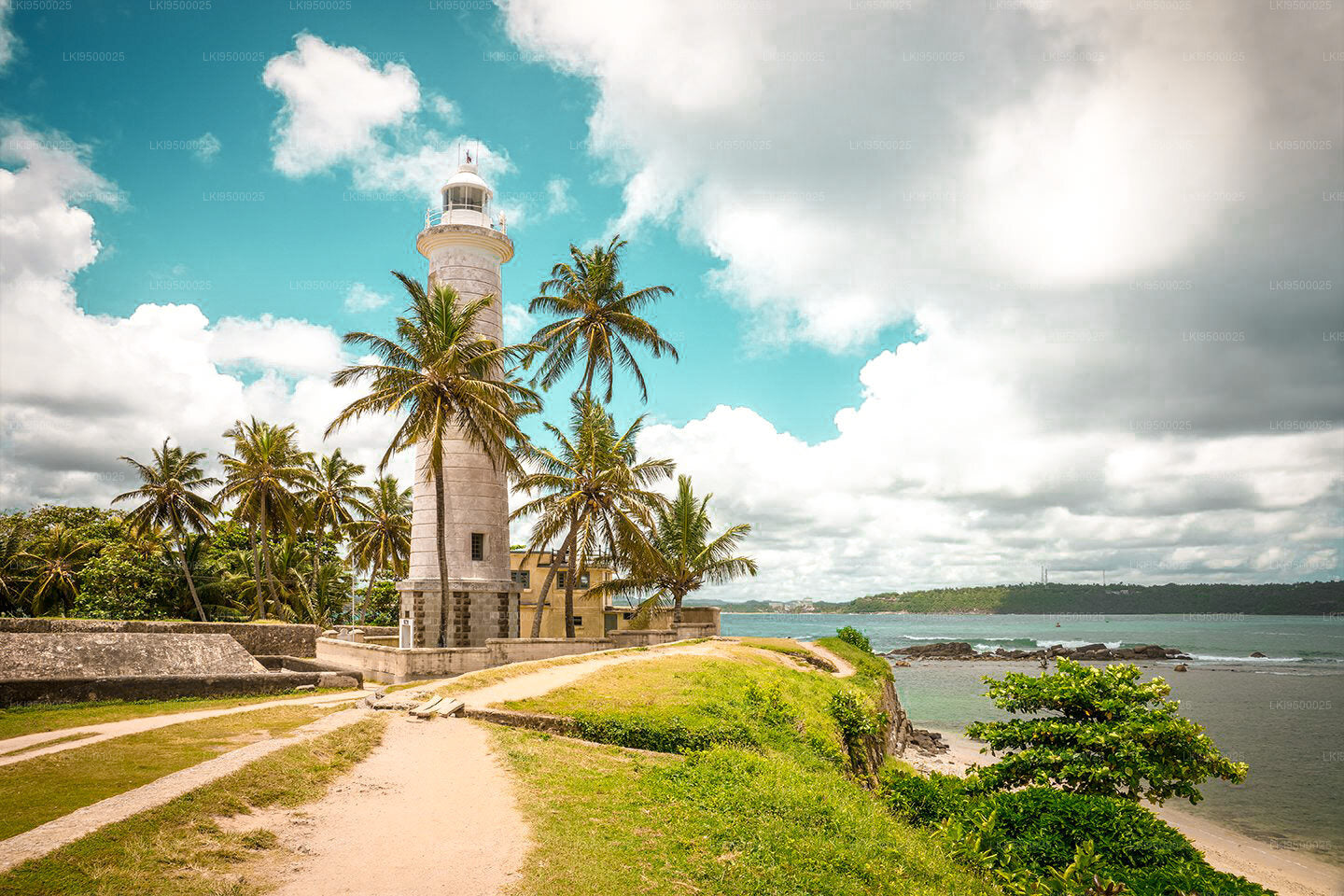
Zwart Bastion,通常被称为黑色堡垒,是位于著名加勒堡垒内的一座历史防御建筑,位于南部加勒。这个堡垒是一个广泛的海岸防御系统的一部分,这个系统在殖民时期保护了港口和周围的定居点。这个堡垒本身被广泛认为是亚洲最好的欧洲建造的防御城市之一。

Zwart Bastion的起源可以追溯到17世纪初,当时荷兰东印度公司在1640年从葡萄牙手中夺取该地区后,扩展和加强了防御工事。名字“Zwart”,在荷兰语中意为“黑”,据说指的是堡垒中使用的黑色石材外观,或者是曾经站立在那里的一些重型大炮。与堡垒内的其他防御点一样,它被战略性地安置,以保护海岸线和通往港口的路线,确保敌舰可以被发现并击退。

从建筑学角度来看,Zwart Bastion反映了荷兰殖民时代典型的军事工程技术。厚重的墙壁、倾斜的墙面和升高的射击位置使防守者能够监控陆地和海上的进攻。该堡垒还与堡垒周围的其他防御点相连接,形成了一个互联的保护网络。这些结构的设计不仅可以抵挡大炮的火力,还能最大化驻守在那里的士兵的防御能力。

1796年,在英国控制了斯里兰卡的海岸后,堡垒继续作为殖民地防御系统的一部分使用。然而,随着战争技术的发展和对海岸防御的需求减少,它的军事重要性逐渐下降。尽管如此,这个结构仍然是堡垒内一个重要的历史地标。

今天,Zwart Bastion是斯里兰卡分层殖民历史的象征,也提醒人们加勒作为一个海上中心的战略重要性。参观加勒堡垒的游客可以看到这个堡垒作为更大防御系统的一部分,反映了数百年融合了欧洲影响和本土文化的历史。保存这些结构有助于提升堡垒的历史和建筑价值,这也使得它被联合国教科文组织列为世界遗产。

About Galle District

Galle is a city situated on the southwestern tip of Sri Lanka, 119 km from Colombo.Galle is the best example of a fortified city built by Europeans in south and Southeast Asia, showing the interaction between European architectural styles and south Asian traditions. The Galle fort is a world heritage site and the largest remaining fortress in Asia built by European occupiers.

Galle is a sizeable town, by Sri Lankan standards, and has a population of 91,000, the majority of whom are of Sinhalese ethnicity. There is also a large Sri Lankan Moor minority, particularly in the fort area, which descend from Arab merchants that settled in the ancient port of Galle.

About Southern Province

The Southern Province of Sri Lanka is a small geographic area consisting of the districts of Galle, Matara and Hambantota. Subsistence farming and fishing is the main source of income for the vast majority of the people of this region.

Important landmarks of the Southern Province include the wildlife sanctuaries of the Yala and Udawalawe National Parks, the holy city of Kataragama, and the ancient cities of Tissamaharama, Kirinda and Galle. (Although Galle is an ancient city, almost nothing survives from before the Portuguese invasion.) During the Portuguese period there were two famous Sinhalese poets called Andare who was from Dickwella and Gajaman Nona who was from Denipitiya in Matara District, composing poems on common man.