Jaffna Lagoon stretches across roughly 400 square kilometres of shallow coastal water in Sri Lanka's Northern Province, spanning parts of both the Jaffna and Kilinochchi districts. Fed by tidal channels connecting to the Palk Bay, the lagoon shifts between brackish and near-marine conditions through the year — a dynamic that sustains an unusually rich ecosystem along one of the island's least-visited shorelines.
What makes Jaffna Lagoon ecologically significant?
The lagoon's shallow basin supports an interlocking mosaic of habitats: extensive mudflats exposed at low tide, dense seagrass meadows, and a fringing belt of mangroves that stabilise the shoreline and serve as nursery grounds for fish and crustaceans. This combination makes the lagoon a critical node in the migratory flyway that crosses the Palk Strait between India and Sri Lanka.
Resident and migratory waterbirds use the mudflats and seagrass shallows intensively, particularly between October and March when northbound migrants arrive. Flamingos, several species of tern and gull, painted storks, pelicans, and a variety of wading shorebirds have all been recorded here. The lagoon also sustains significant populations of grey mullet, sea bass, and prawns — species that underpin the livelihoods of fishing communities along its shores.
Inland from the water's edge, the landscape is framed by coconut groves and tall palmyra palms — the iconic tree of the Jaffna Peninsula — interspersed with rice paddies that have been cultivated here for centuries.
What can visitors see and do at Jaffna Lagoon?
Birdwatching is the primary draw for most visitors. The flamingo flocks that gather on the lagoon's northern shallows are among the most photographed wildlife spectacles in Sri Lanka's north, and early-morning boat excursions offer close views without disturbing the birds. Guides familiar with the local waterways can navigate the mangrove channels and open mudflats to find feeding concentrations of waders and terns.
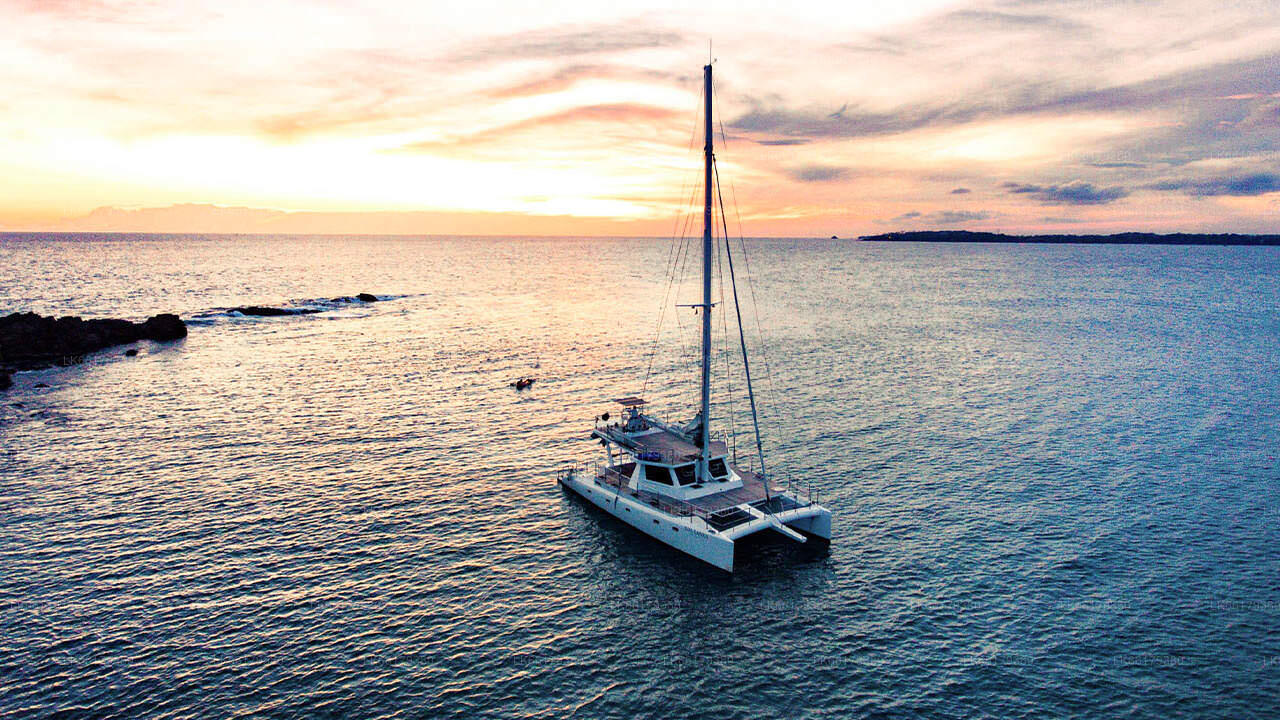
Beyond birdwatching, the lagoon rewards slower exploration. A boat journey through the mangrove fringes reveals intricate root systems sheltering juvenile fish and crabs, while the open water provides long, unobstructed views across to the flat northern horizon. For those interested in traditional livelihoods, watching local fishermen tend their nets and traps at dawn is a quiet but genuine cultural experience.
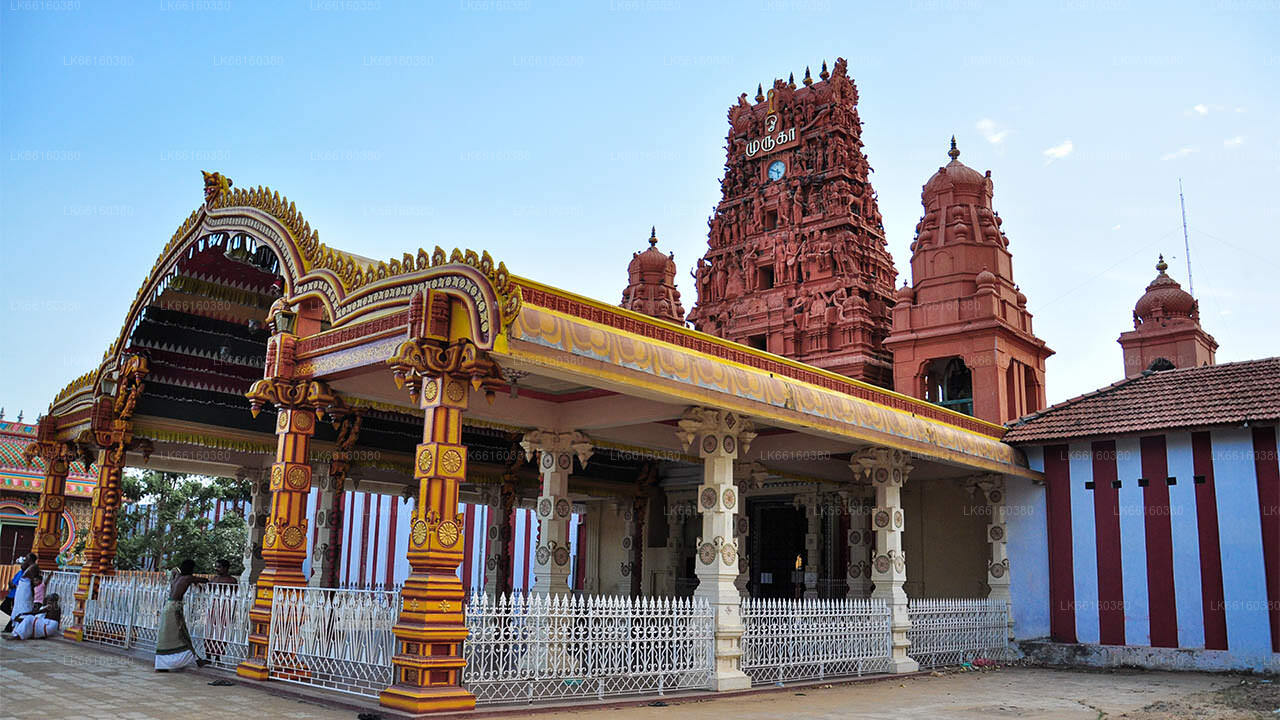
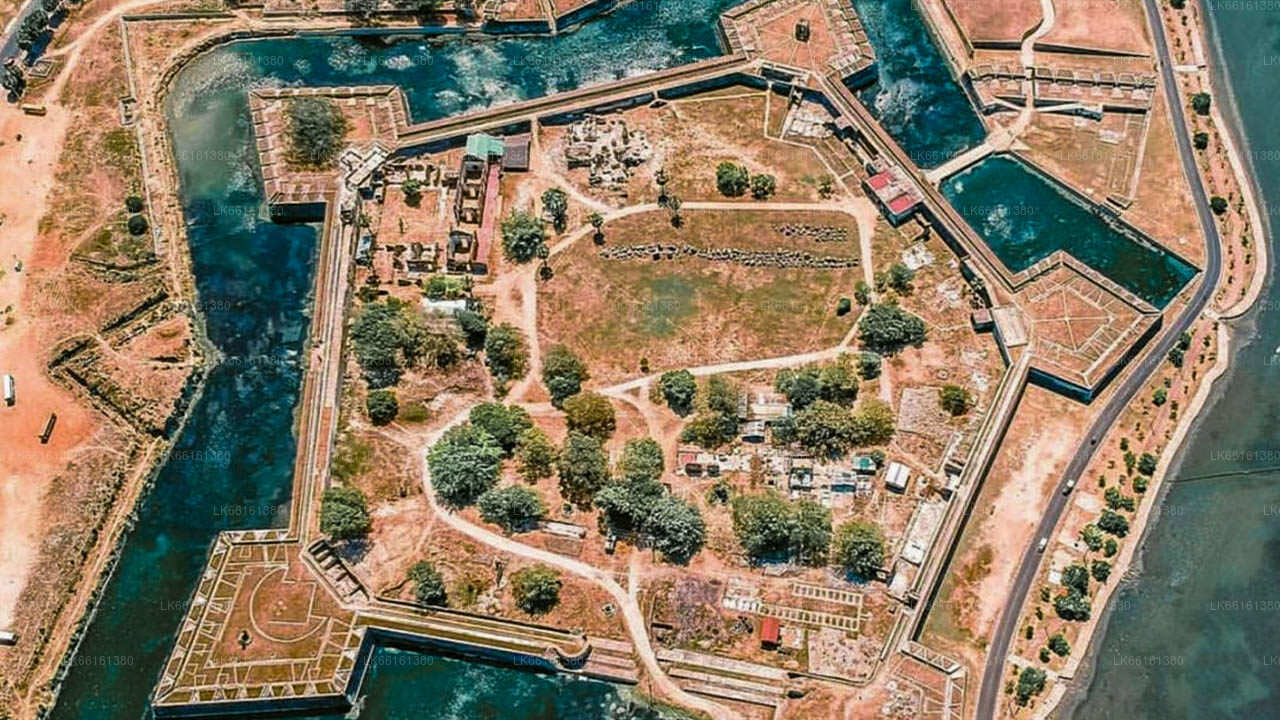
The surrounding peninsula offers complementary stops: the historic Nallur Kandaswamy temple, the Dutch Fort in central Jaffna town, and the causeway-linked islands of Kayts and Karaitivu all lie within a comfortable drive of the lagoon shore.
When is the best time to visit Jaffna Lagoon?
The dry season between May and September, when the southwest monsoon largely bypasses the north, offers the most settled conditions for boat travel and photography. However, birdwatching peaks in the cooler months from October through February, when migratory species swell the resident populations. January and February typically produce the highest flamingo concentrations on the northern mudflats.
Visiting between November and January requires some flexibility — the northeast monsoon can bring short, heavy showers that make open-water boat trips uncomfortable, though they rarely last long enough to cancel a full day's excursion.
How do I get to Jaffna Lagoon from Colombo?
Jaffna is around 400 kilometres north of Colombo. The most practical options are a domestic flight from Bandaranaike International Airport to Jaffna Airport (around an hour), or the overnight intercity train from Colombo Fort to Jaffna — a scenic journey of roughly 7–8 hours that passes through the Vanni's flat scrubland. Private transfers by road are possible but the drive takes 5–6 hours on the A9 highway.
Once in Jaffna town, the lagoon's main access points are a short tuk-tuk or car ride away. Boat operators typically launch from Ariyalai and several points along the eastern and northern shores.
What is the history of Jaffna Lagoon?
For centuries the lagoon has been the economic lifeblood of the Jaffna Peninsula, providing protein through fisheries and a navigable waterway connecting the scattered islands of the district. Colonial-era maps from the Dutch and British periods show it as a major feature of the northern coastline, used for inter-island transport of produce and trade goods.
During the Sri Lankan Civil War, which affected the north most severely, the lagoon became a contested transit route. It was used for moving supplies and people under cover of darkness, and several naval engagements took place in its channels. Post-war recovery has been substantial: demining operations cleared shoreline areas, fishing communities returned to their traditional grounds, and government and NGO programmes have supported both livelihoods and early ecotourism infrastructure in the region.
Is Jaffna Lagoon safe for tourists today?
The Northern Province has been open to domestic and international tourists since 2009, and the Jaffna area in particular has seen a steady growth in visitor numbers over the past decade. Roads, accommodation, and transport links have improved significantly. Standard travel precautions apply — respect local customs, confirm boat operator credentials before excursions, and check current weather forecasts during the northeast monsoon season.
The lagoon itself presents no inherent safety concerns beyond typical open-water precautions: wear a life jacket on boat trips and apply sun protection, as there is little shade on the open water.
What conservation efforts are in place?
The lagoon and its mangrove systems fall under the purview of the Department of Wildlife Conservation and the Department of Fisheries, both of which regulate fishing activity and prohibit collection of certain species. Several NGOs have worked with local communities on mangrove restoration and sustainable fishing practices since the end of the conflict. Responsible ecotourism — particularly guided birdwatching with accredited local operators — is increasingly recognised as a mechanism for funding ongoing conservation work while distributing income to communities that depend on the lagoon.
Visitors can contribute by choosing licensed guides, avoiding disturbance to nesting or feeding birds, and refraining from collecting shells, coral fragments, or any biological material from the lagoon's shores.