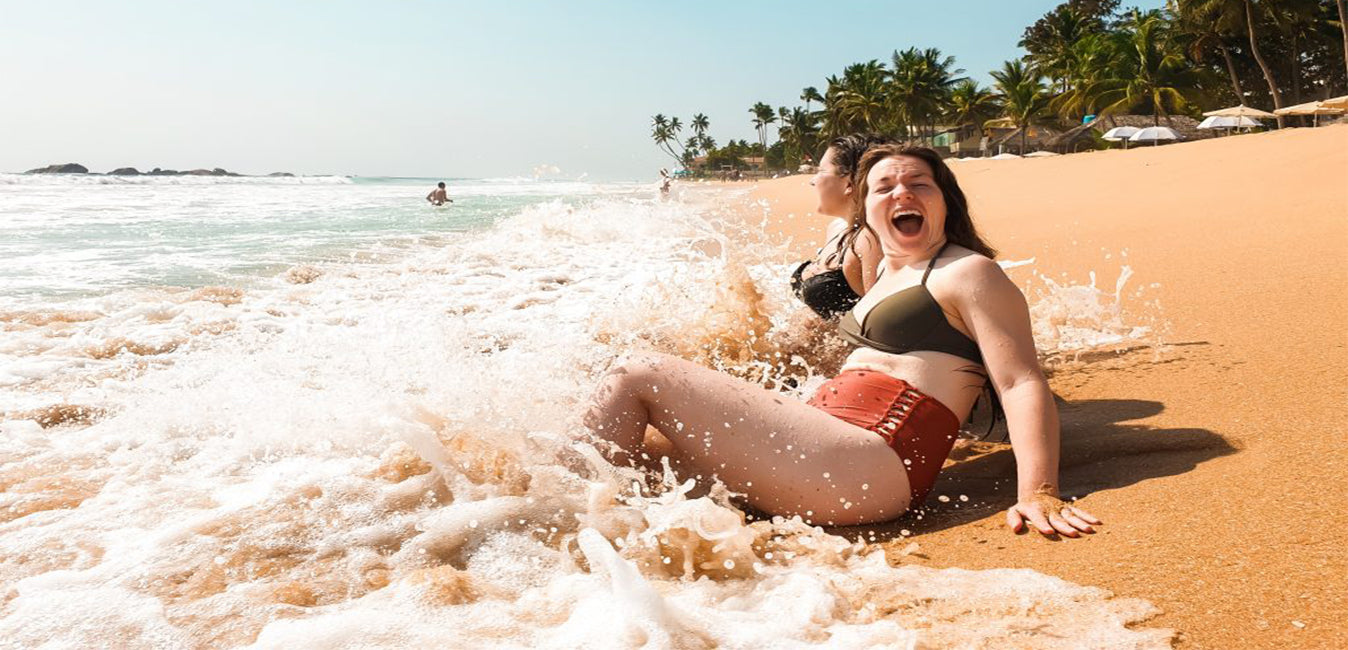
Hikkaduwa Coral Sanctuary sits just a few hundred metres offshore from Hikkaduwa beach, making it one of the most accessible marine protected areas in Sri Lanka. The reef draws snorkellers, glass-bottom-boat riders, and marine-life enthusiasts from across the world, not because it is the largest reef in the country, but because it is unusually easy to reach and the water stays shallow enough for almost anyone to enjoy it safely.
What will I see at Hikkaduwa Coral Sanctuary?
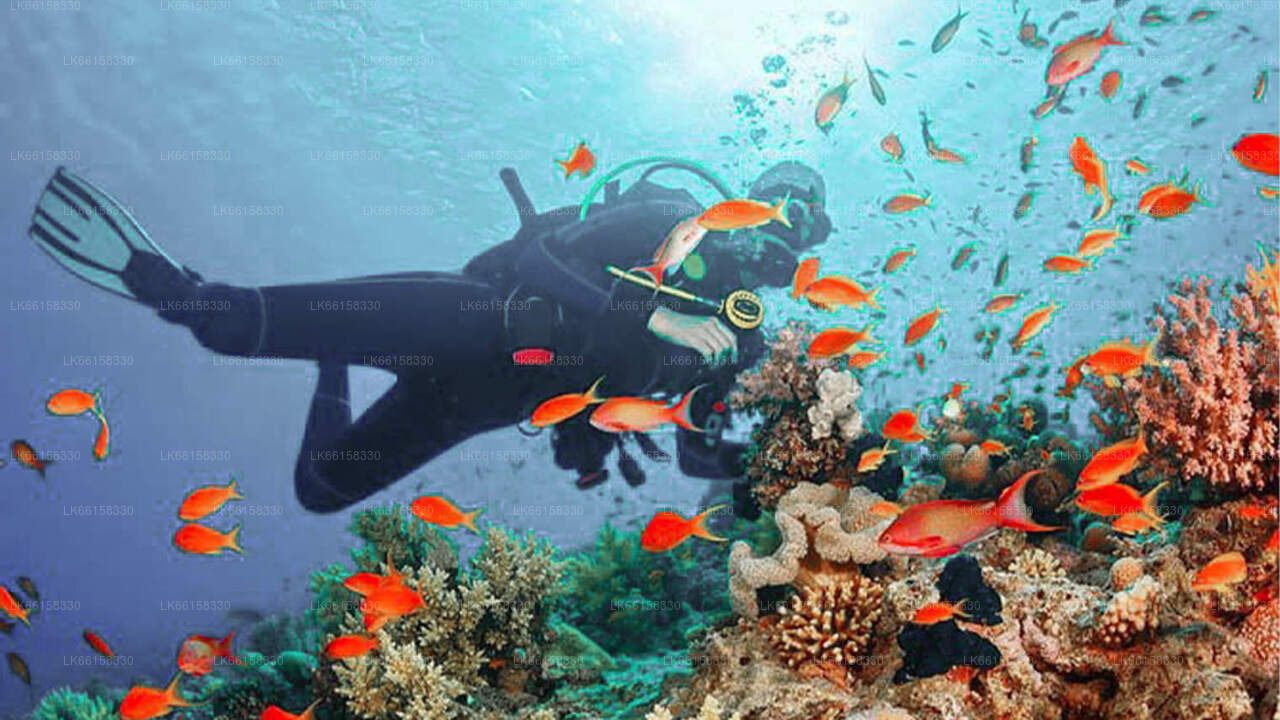
The sanctuary shelters around 70 varieties of hard and soft corals in a broad palette of colours — table corals, brain corals, and branching staghorn formations are among the most common. Weaving between them are dozens of species of reef fish: parrotfish, surgeonfish, pufferfish, and the occasional green sea turtle that treats the reef as a regular feeding ground.
Water depth across most of the reef rarely exceeds three to four metres, so visibility is good on calm days and even non-swimmers can peer down through a glass-bottom boat hull and see the reef clearly. The shallower sections practically border the beach, meaning the transition from sand to reef can happen within a few fin-kicks of shore.
How do I explore the reef — snorkelling or glass-bottom boat?
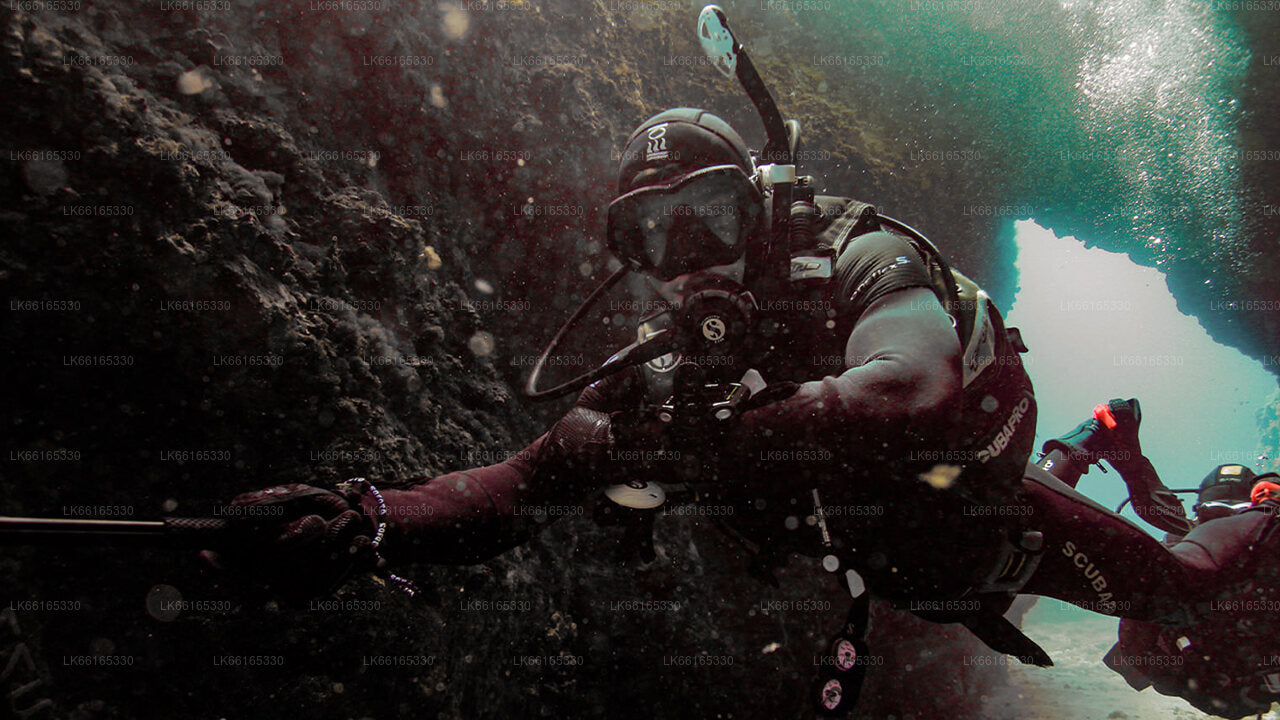
Both options are readily available directly on Hikkaduwa beach. Equipment rental stalls along the shoreline offer masks, snorkels, and fins at modest rates, and you can enter the water independently from the beach. The reef is protected, so touching or standing on corals is prohibited — guides hired locally will reinforce this.
- Snorkelling — best for swimmers comfortable in open water; provides a close-up, immersive view of the coral and fish.
- Glass-bottom boat — ideal for families with young children or non-swimmers; operators typically run short circuits over the main reef sections.
- Guided snorkel tours — local guides know which sections of the reef are most active and can point out species that are easy to miss.
When is the best time to visit Hikkaduwa Coral Sanctuary?
The southwest coast of Sri Lanka enjoys its calmest seas roughly between November and April, when the northeast monsoon keeps the southern shoreline sheltered. During this window the water is clearest and surface chop is minimal, making snorkelling conditions most comfortable. The southwest monsoon (typically May through September) brings stronger swells and reduced visibility, and the sanctuary operators may limit or suspend boat tours on rough days.
Early morning visits — before the beach gets busy — tend to offer calmer surface conditions and fewer boats over the reef, which makes for a more relaxed experience.
How does Hikkaduwa compare to other Sri Lankan reef sites?
Sri Lanka has several notable reef destinations. Pigeon Island off Nilaveli on the east coast is considered one of the country's most pristine reef reserves and sees fewer visitors, but it requires a longer journey from the main tourist circuit. Bar Reef Marine Sanctuary near Kalpitiya in the northwest is the largest coral reef in Sri Lanka and largely unexplored, accessible by boat from Kalpitiya. Hikkaduwa's advantage is pure convenience — it is roughly two hours south of Colombo by road and sits immediately in front of a well-served tourist hub with plentiful accommodation.
| Site | Location | Approx. depth | Best season |
|---|---|---|---|
| Hikkaduwa Coral Sanctuary | Southern coast | 1–4 m | Nov–Apr |
| Pigeon Island | East coast (Nilaveli) | 2–10 m | Apr–Sep |
| Bar Reef Marine Sanctuary | Northwest (Kalpitiya) | Varies | Nov–Apr |
What else is there to do around Hikkaduwa?
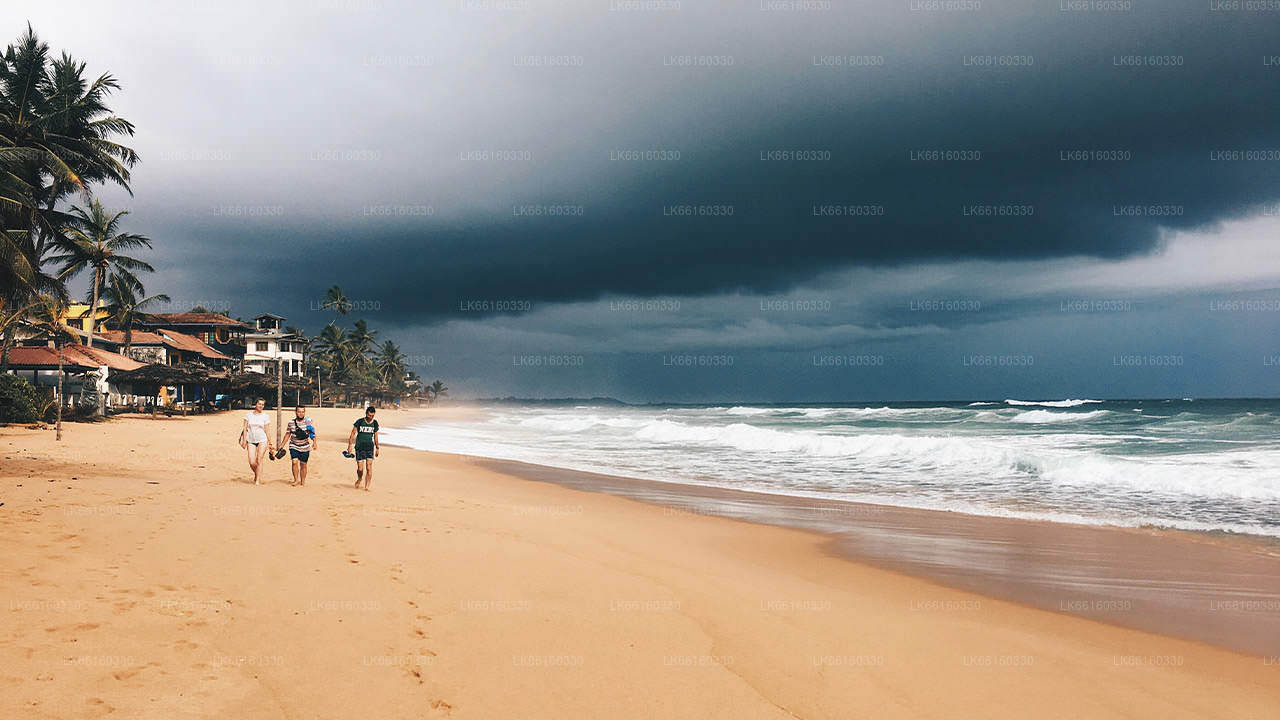
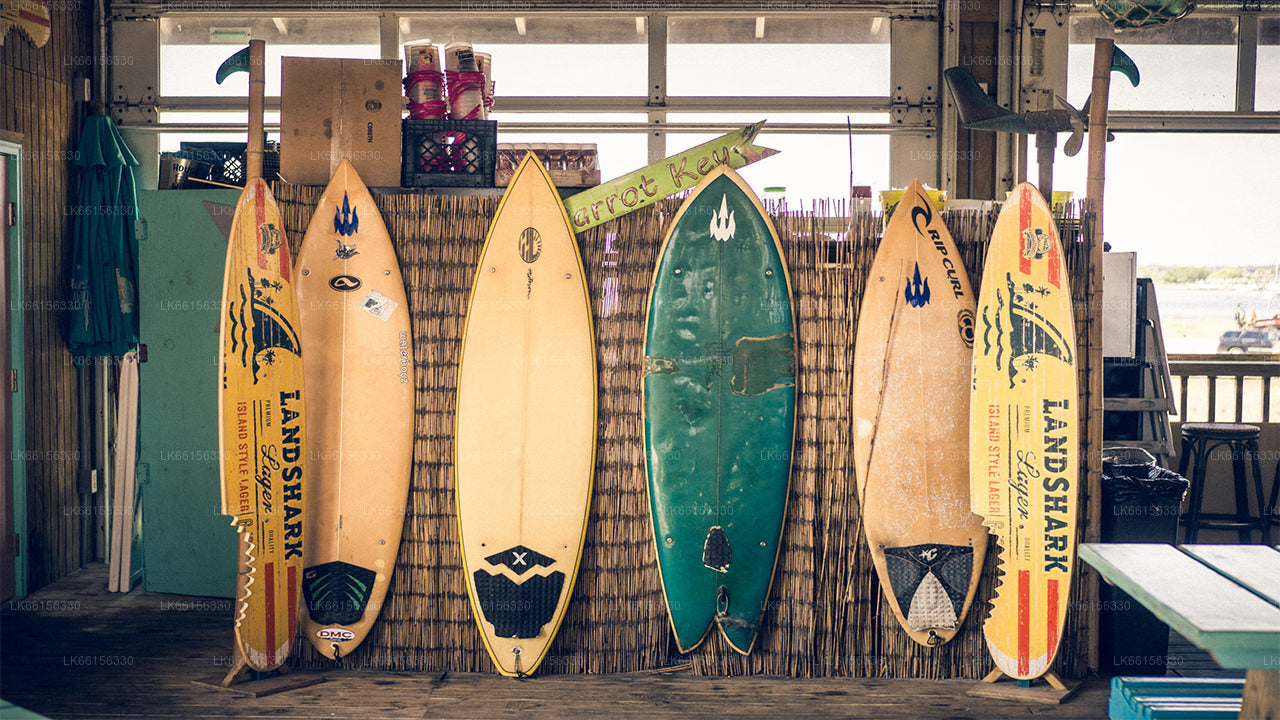
Hikkaduwa beach is well-regarded by the surf community and is often cited as one of Sri Lanka's top surfing spots, with a reef break that suits intermediate surfers during the southwest swell season. The town itself has a relaxed strip of restaurants, guesthouses, and dive shops catering to long-stay visitors.
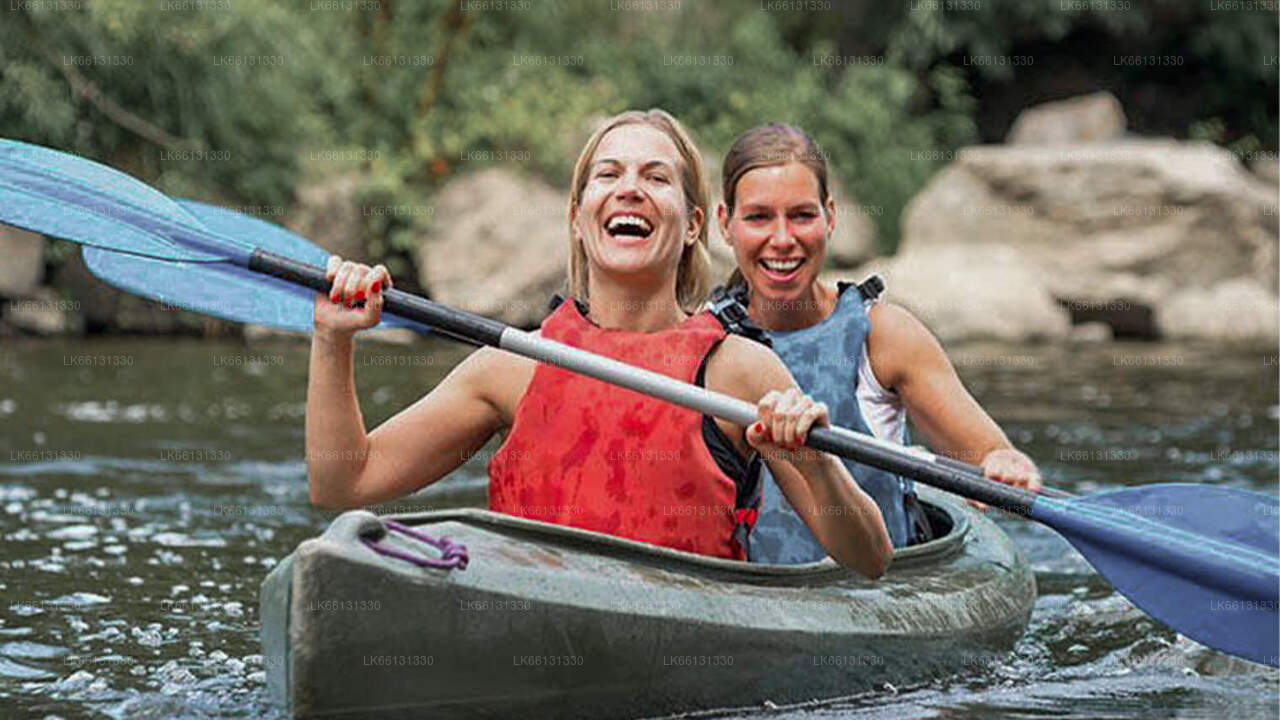
A short drive up the coast, the Hikkaduwa Turtle Hatchery offers a close look at sea turtle conservation efforts, with several species of hatchlings typically on view. Further along the southern coastal road, the Madu River Safari provides a very different aquatic experience — a boat journey through a mangrove estuary teeming with birdlife and monitor lizards.
Those who want to combine reef exploration with a full southern itinerary often pair Hikkaduwa with a Galle city tour, as the UNESCO-listed Dutch Fort is only around 20 kilometres to the south.
How do I get to Hikkaduwa from Colombo?
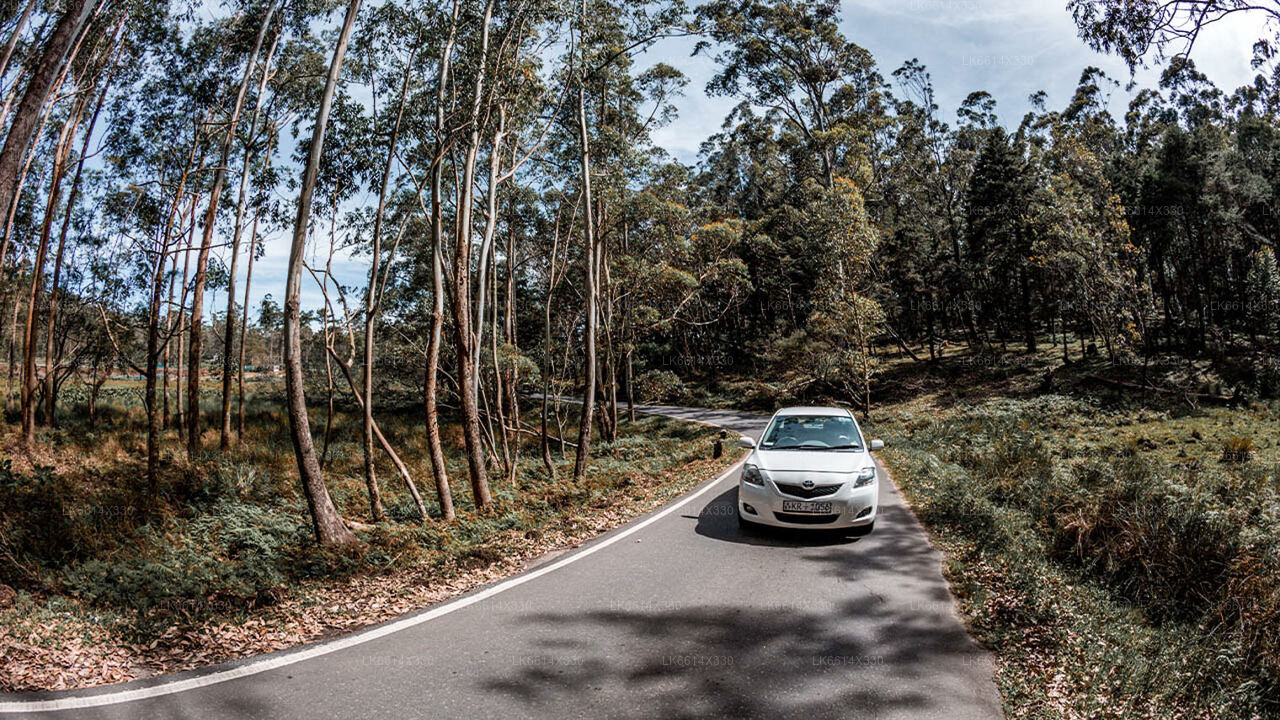
Hikkaduwa is approximately 100 kilometres south of Colombo along the Southern Expressway (E01) and the coastal A2 highway. By private car or taxi the journey typically takes around two hours, depending on traffic leaving Colombo. The intercity train from Colombo Fort to Hikkaduwa is a popular option — the coastal rail line runs close to the shore and the journey takes roughly two to two-and-a-half hours. There is no airport in Hikkaduwa; the nearest international gateway is Bandaranaike International Airport (CMB) in Katunayake, north of Colombo.
Conservation and reef etiquette
Hikkaduwa Coral Sanctuary is a protected marine reserve under Sri Lankan law. Visitors are expected to follow a short list of conduct rules that reef operators and the Department of Wildlife Conservation enforce:
- Do not touch, stand on, or collect corals or shells.
- Do not feed the fish — it alters natural behaviour and can introduce pollutants.
- Apply reef-safe (non-oxybenzone) sunscreen before entering the water, or wear a rash guard.
- Keep boat anchors off the coral — responsible operators use mooring buoys.
The reef has faced pressure from both tourism and climate-related bleaching events over the years, but active monitoring and visitor management have helped stabilise conditions. Choosing operators who follow the guidelines directly supports the long-term health of the sanctuary.