Ratnapura — literally "City of Gems" in Sinhala — sits around 103 km south-east of Colombo in the Sabaragamuwa Province, cradled by the valleys of the Kalu Ganga river. Sri Lanka has been known as Ratna Deepa (Island of Gems) for millennia, and Ratnapura is the reason why. The town and its surrounding villages have yielded some of the world's finest sapphires, rubies, cat's-eyes, and spinels for at least 2,000 years, and the trade remains the pulse of daily life here.
What makes Ratnapura the gem capital of Sri Lanka?
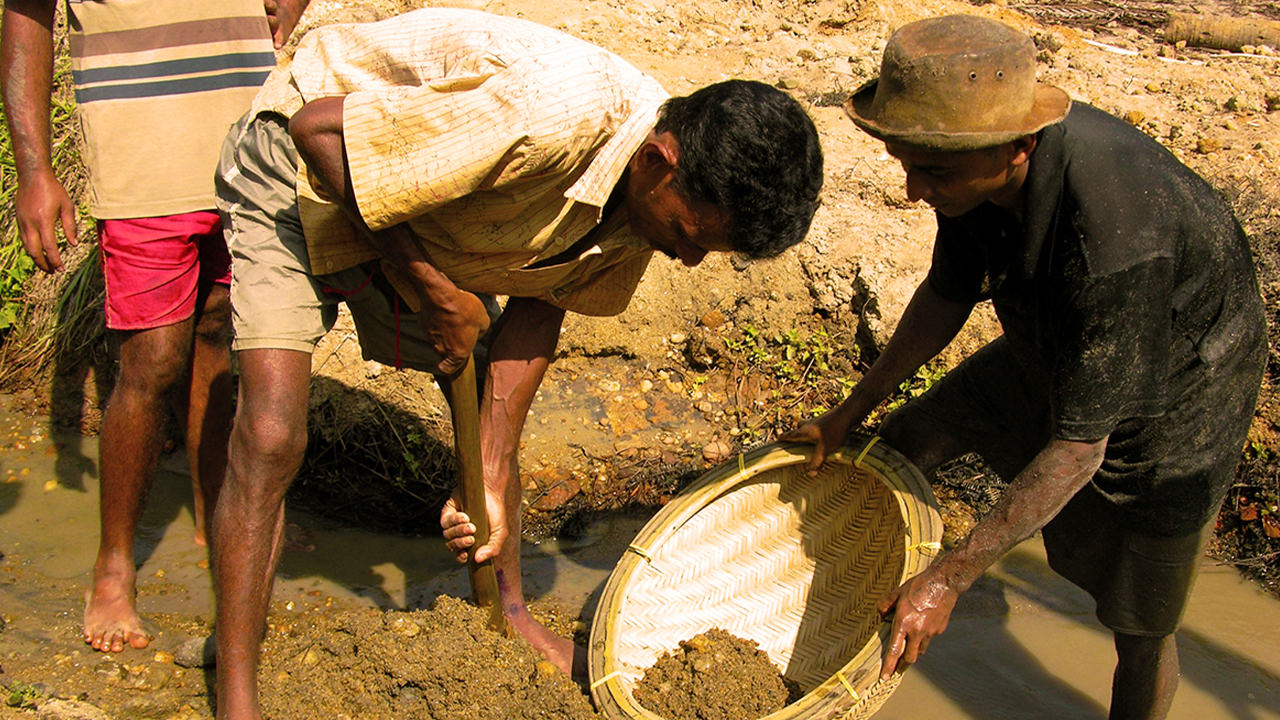
The geological conditions around Ratnapura are extraordinarily rare. Alluvial deposits carried down from the central highlands by the Kalu Ganga have concentrated gem-bearing gravels — called illam — in the valley floors. Because mechanised mining is banned in Sri Lanka, miners still use hand tools and traditional wicker baskets to sift gravel under running water, a method unchanged for centuries.
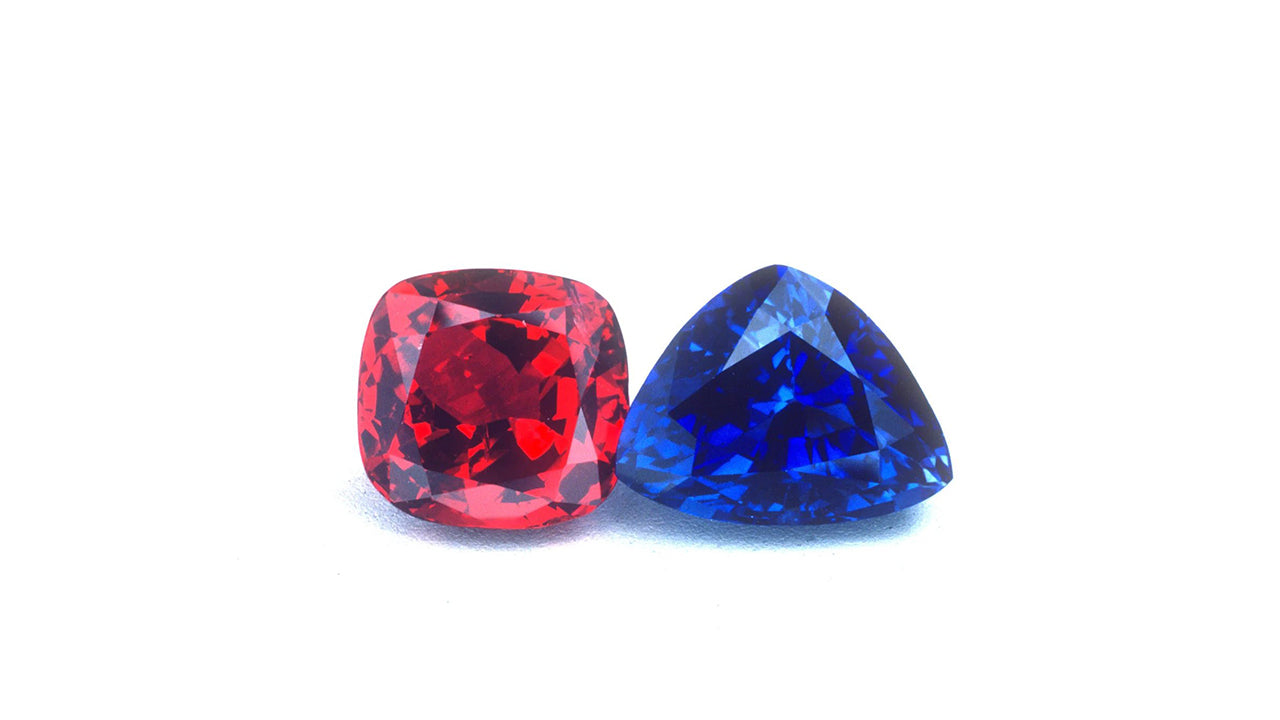
Ratnapura district produces an exceptional variety of stones. Sapphire appears in every shade of blue, as well as yellow, pink, violet, green, and the highly prized pinkish-orange padparadscha. Other notable gems include:
- Spinel — brown, green, blue, purple, and red varieties
- Chrysoberyl cat's-eye — the stone Sri Lanka is most famous for among collectors
- Moonstone — a translucent white microcline with a distinctive blue sheen
- Zircon — found in brown, yellow, orange, green, and colourless forms (locally called "Matara diamond")
- Topaz, tourmaline, almandine, pyrope, and spessartine garnet
- Rare collector minerals including kornerupine, sillimanite, and diopside
Among the most celebrated stones ever recovered here are the Blue Giant of Orient (466 carats), the Logan Blue Sapphire (423 carats), the Blue Belle of Asia (400 carats), and the Rossar Reeves Star Ruby (138.7 carats). The Star of Lanka and the Ray of Treasure cat's-eye are now held by the National Gem and Jewellery Authority of Sri Lanka.
Where can visitors watch gem mining and buy stones in Ratnapura?
Several working mines around the villages of Kuruvita, Opanayake, Rakwana, Kahawatte, Eheliyagoda, and Pelmadulla (especially Ganegama) welcome observers. Watching miners descend shallow shafts and winnow gravel is a genuinely absorbing half-day activity — no specialist knowledge is required.
For buying, Saviya Mawatha — roughly 150 m east of the town's clock tower — is the traditional street market where dealers trade uncut stones daily. Prices vary enormously by quality and size; unless you have gemological experience, it is worth visiting the National Gem and Jewellery Authority's office in Colombo before purchasing anything significant, as they offer appraisal services.
The Ratnapura National Museum (Ehelepola Walauwa) also holds an excellent collection of local gemstones and explains the geology and history of mining in the district.
What natural attractions are near Ratnapura?
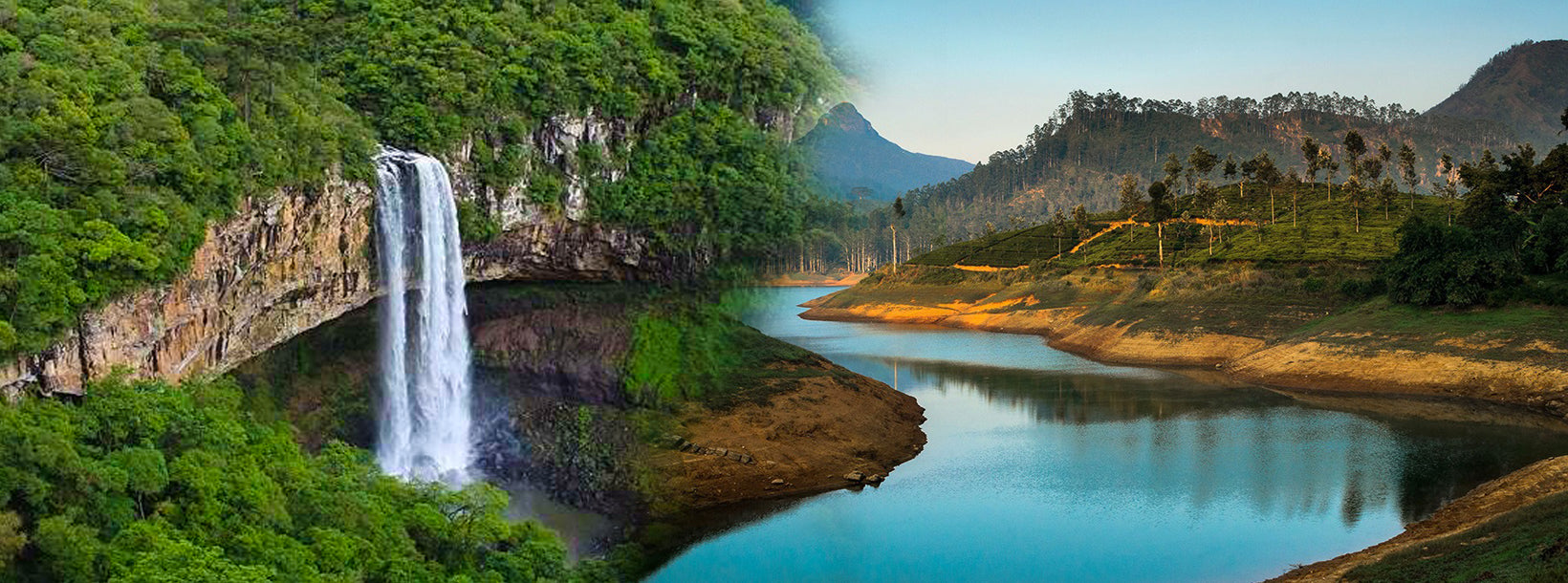
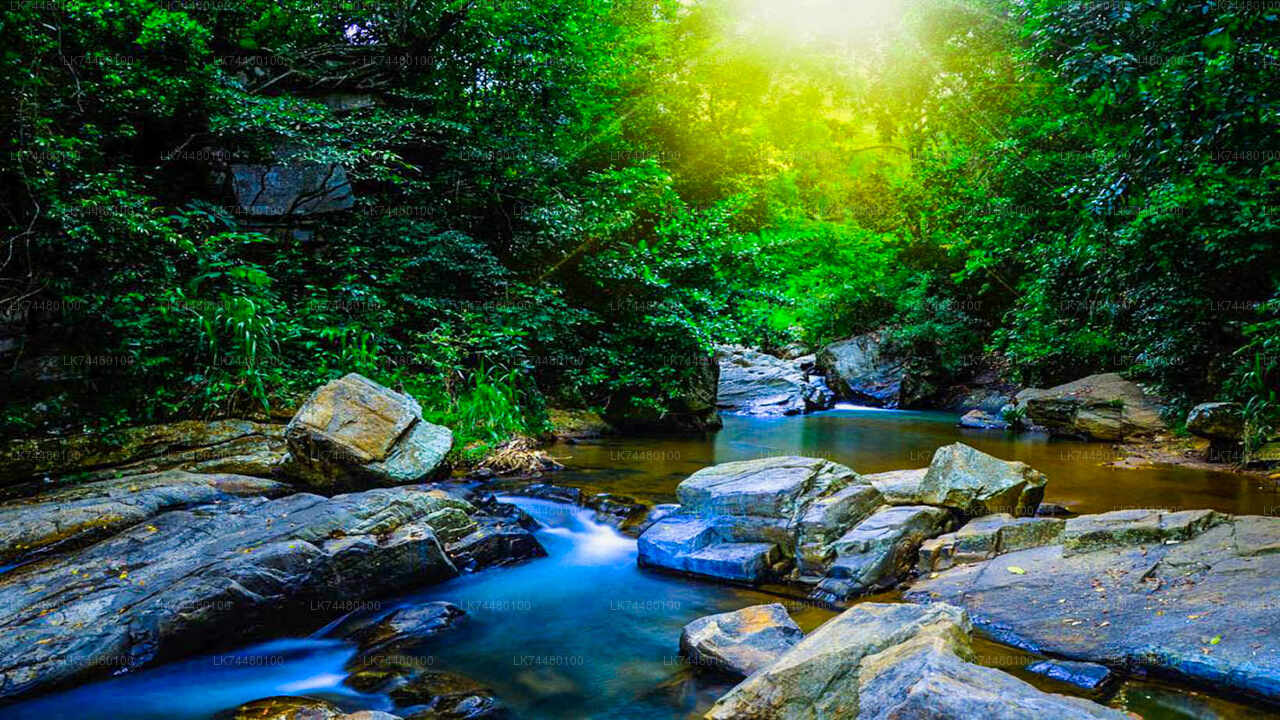
The high annual rainfall — typically 4,000–5,000 mm — produces lush, layered vegetation and a series of photogenic waterfalls within easy reach of the town.
- Bopath Ella Falls — near the village of Kuruvita, shaped roughly like the leaf of a bo tree when in full flow; one of the most visited falls in the country
- Katugas Ella Falls — in Mahawelawatta village, quieter and less commercialised
- Kirindi Ella Falls — further into the hills, requiring a short hike
On clear mornings, the silhouette of Adam's Peak (Sri Pada) dominates the horizon to the north-east. The sacred mountain draws pilgrims from across the island during the season that runs roughly from December to May, and Ratnapura is one of the traditional starting points for the climb via the Palabaddala trail — a longer but less crowded route than the Nallathanniya path.
The southern boundary of the Sinharaja Forest Reserve, a UNESCO World Heritage Site and one of Asia's last intact lowland rainforests, lies within the Ratnapura district. Day visits from the town are feasible; guided walks inside the reserve offer sightings of endemic birds, purple-faced langurs, and rare amphibians.
How do I get to Ratnapura from Colombo?
The A4 Highway is the primary route, connecting Colombo to Ratnapura in roughly 2.5–3 hours by road depending on traffic. The A8 Highway links the town to Panadura on the western coast, making it accessible as part of a loop itinerary that includes the southern beaches or the hill country.
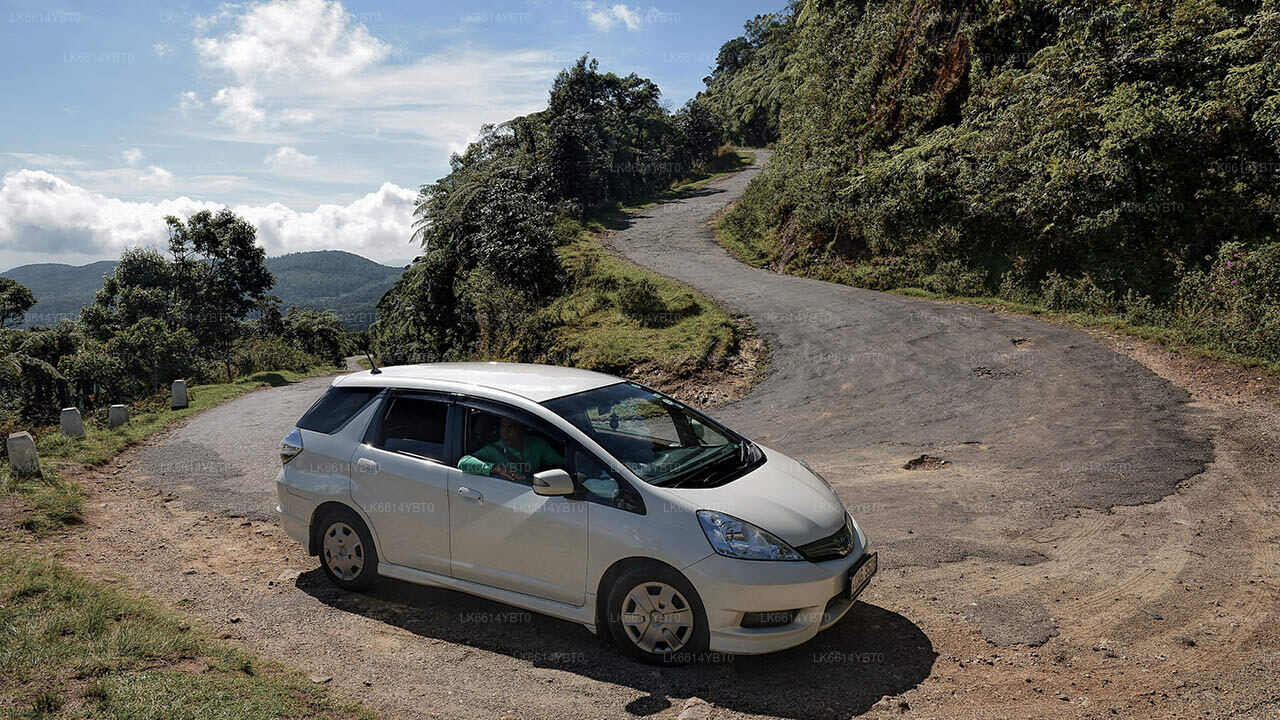
Public buses from Colombo Fort depart frequently. Hiring a private vehicle through a registered driver is more comfortable and allows stops at waterfalls or gem villages along the way — particularly useful if you are combining Ratnapura with Udawalawe or the hill country.
| Destination | Distance | Typical drive time |
|---|---|---|
| Colombo | ~103 km | 2.5–3 hrs |
| Panadura (A8) | ~60 km | 1.5–2 hrs |
| Udawalawe National Park | ~60 km | 1.5–2 hrs |
| Ella | ~100 km | 3–3.5 hrs |
| Sinharaja (Kudawa entrance) | ~35 km | 1–1.5 hrs |
When is the best time to visit Ratnapura?
Ratnapura lies in Sri Lanka's Wet Zone and receives rain in most months, so there is no sharply defined dry season. The inter-monsoon months of January to April tend to offer the most settled mornings, clearer views of Adam's Peak, and better conditions for hiking to waterfalls. If the Adam's Peak pilgrimage season (December–May) coincides with your trip, the town becomes noticeably busier.
The high humidity is a defining characteristic of the place — one 19th-century traveller compared the climate to a Turkish bath. That same moisture is precisely what makes the surrounding vegetation so dense and the landscape so atmospheric. Lightweight, breathable clothing and good rain gear are advisable year-round.
What else should I know about Ratnapura's history and culture?
The gem trade here predates written records. The Mahavamsa, Sri Lanka's ancient Pali chronicle, references gems and jewellery on multiple occasions, and Arab, Roman, and Chinese traders came to the island specifically for its stones. Sri Lanka's gems are mentioned in the writings of Marco Polo, who reportedly appealed to Kublai Khan to acquire the great ruby of Ceylon.
Today, a substantial part of the town's population is directly or indirectly involved in the gem industry — mining, cutting, polishing, or trading. Walking the back streets of Ratnapura, it is common to see small groups of men examining stones on white cloth in doorways, the same scene that has played out here for generations.
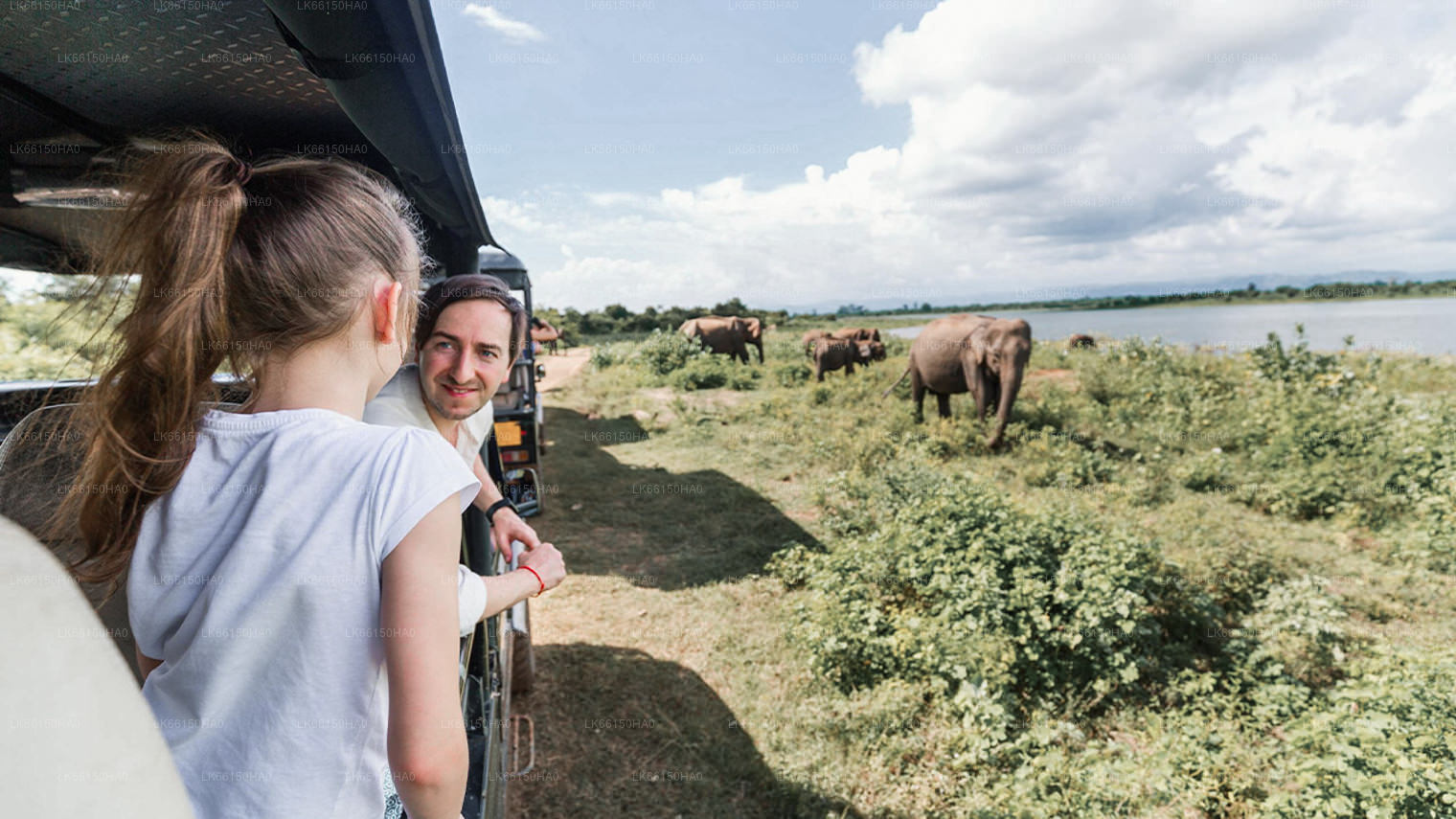
Visitors interested in the broader cultural landscape of the Sabaragamuwa Province can also explore the Udawalawe National Park to the south, known for its large elephant herds, or connect northward to the hill country towns of Ella and Nuwara Eliya.