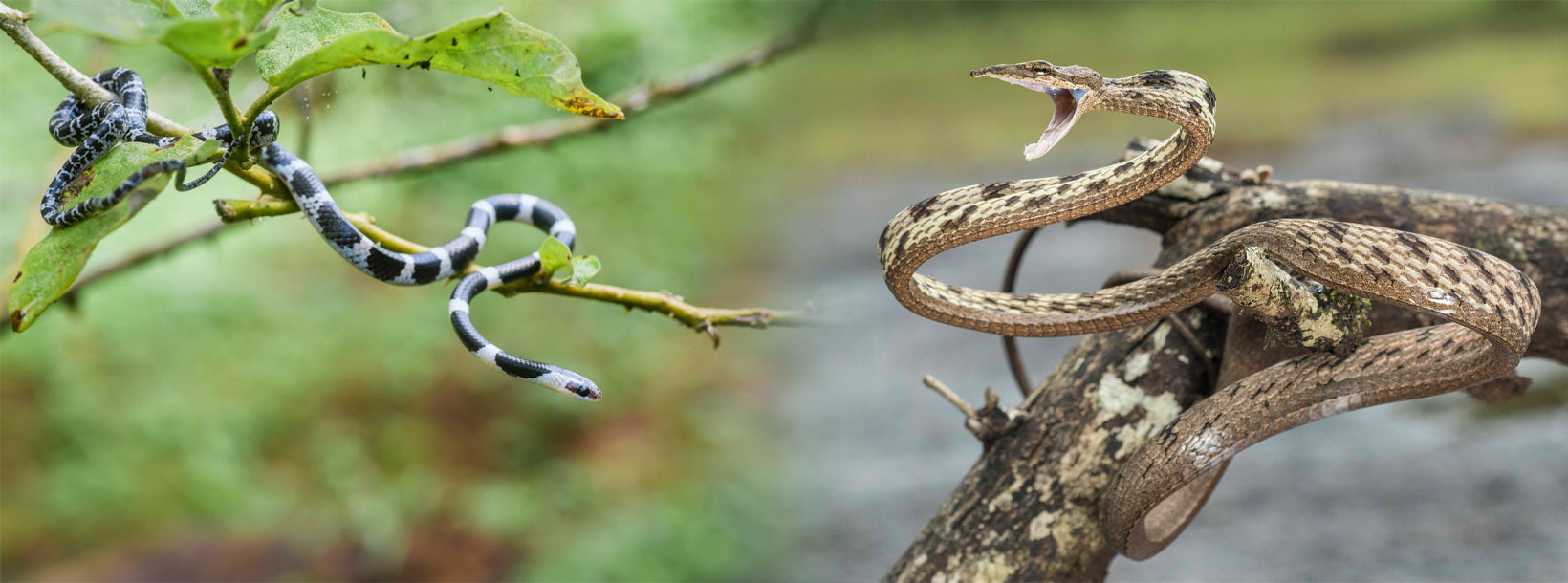
Brahminy Blind Snake


Scientific Name: Indotyphlus battersbyi
Family: Typhlopidae (Blind snakes)
Common Name(s): Brahminy Blind Snake, Battersby’s Blind Snake, Indian Blind Snake
Overview:
The Brahminy Blind Snake is part of the family Typhlopidae, a group of snakes commonly referred to as blind snakes due to their underdeveloped eyes. These snakes are burrowing, fossorial, and non-venomous, spending much of their time underground. They are commonly found in areas with loose, moist soils, including gardens, forests, and agricultural areas. Despite their name, they are not entirely "blind" but have very small, poorly developed eyes that offer limited vision.
Physical Description:
- Size: Brahminy Blind Snakes are small and typically range from 15 cm to 25 cm (approximately 6 to 10 inches) in length, although some individuals can reach up to 35 cm (about 14 inches).
- Coloration: These snakes have a shiny, smooth body that is typically dark brown, dark purple, or black, with lighter markings or a slightly lighter underside. Their coloration helps them blend into the soil and leaf litter in which they burrow.
- Head and Eyes: The head is small and blunt, with tiny, vestigial eyes that are mostly covered by scales. The eyes are barely functional, and the snake relies more on vibrations and smell to navigate. The lack of functioning eyesight is a typical trait of burrowing snakes.
- Tail: The tail is short and tapering, and the snake often burrows with its tail directed backward as it moves through soil.
- Scales: The scales are smooth and shiny, which gives the snake a slippery texture, making it easier for the animal to glide through loose soil.
Habitat and Distribution:
- Geographical Range: The Brahminy Blind Snake is found primarily in India, Sri Lanka, and parts of Southeast Asia. It is commonly encountered in lowland and foothill areas, where loose, moist soil provides ideal conditions for burrowing.
- Habitat: These snakes are fossorial, meaning they live primarily underground in loose soil, garden beds, agricultural fields, and decaying leaf litter. They are often found under rocks, fallen leaves, and in the soil of tropical and subtropical forests. They can also be present in urban gardens, where they have access to moist soil and decaying organic matter.
- Lifestyle: The Brahminy Blind Snake spends most of its time buried in the ground or in rotting wood, only emerging occasionally to find mates or to forage. It is largely solitary and does not venture out into the open unless necessary.
Diet and Feeding
- Feeding: Brahminy Blind Snakes are insectivores and feed on small invertebrates, particularly ants, termites, and other soil-dwelling insects. They use their sensitive, heat-detecting pits and vibrations to locate prey, as their vision is limited. The snake is adept at slithering through the soil to find its prey, feeding on small creatures in the topsoil layer.
-
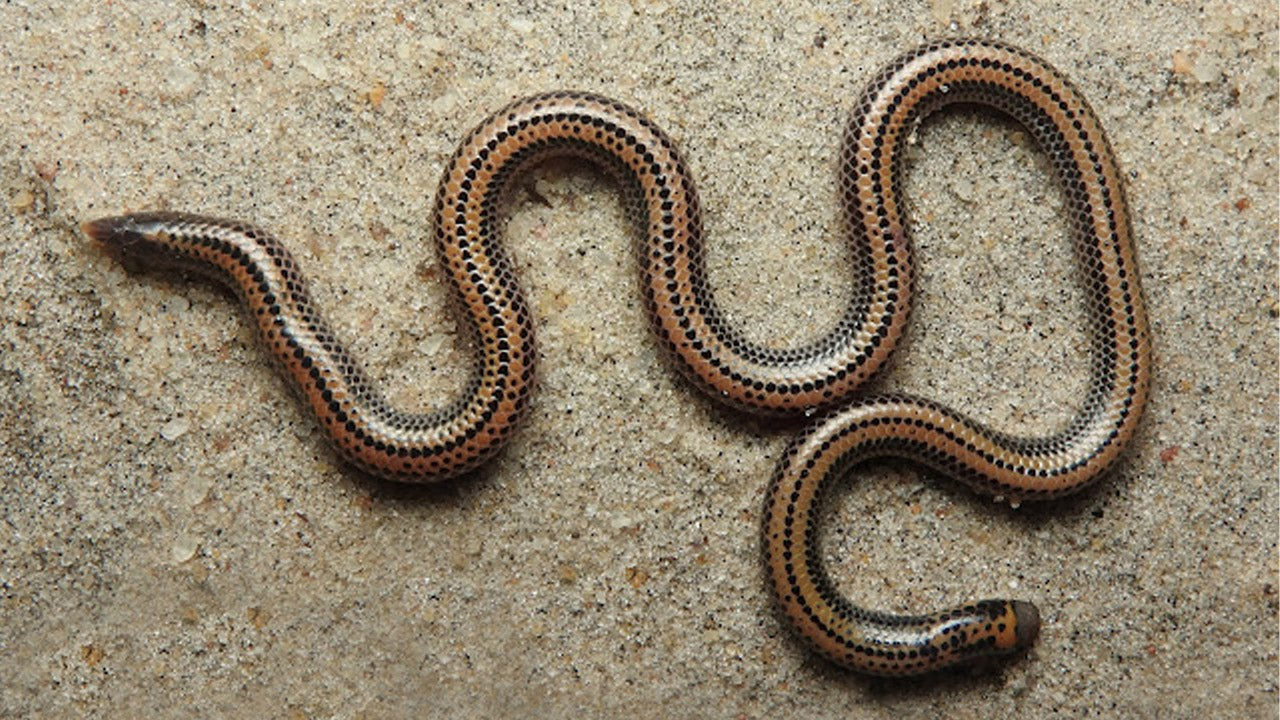 Muller's Shieldtail
Uropeltis mülleri
-
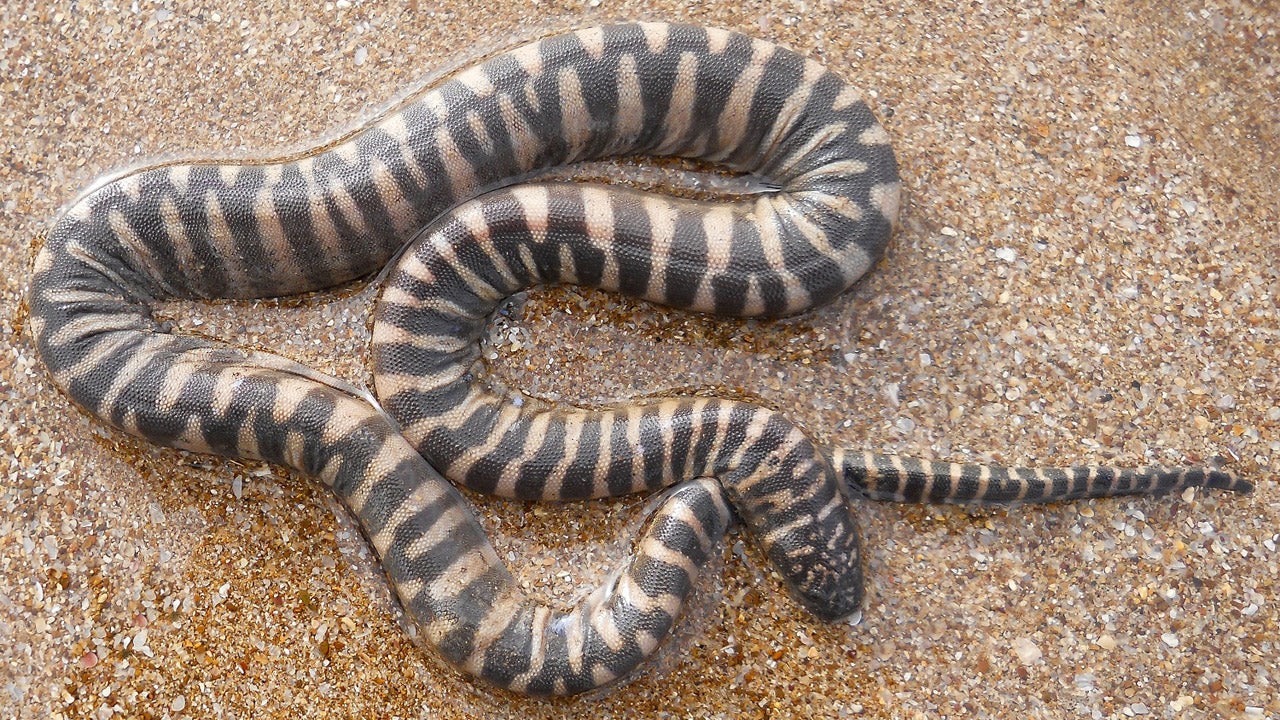 Wart Snake
Acrochordus
-
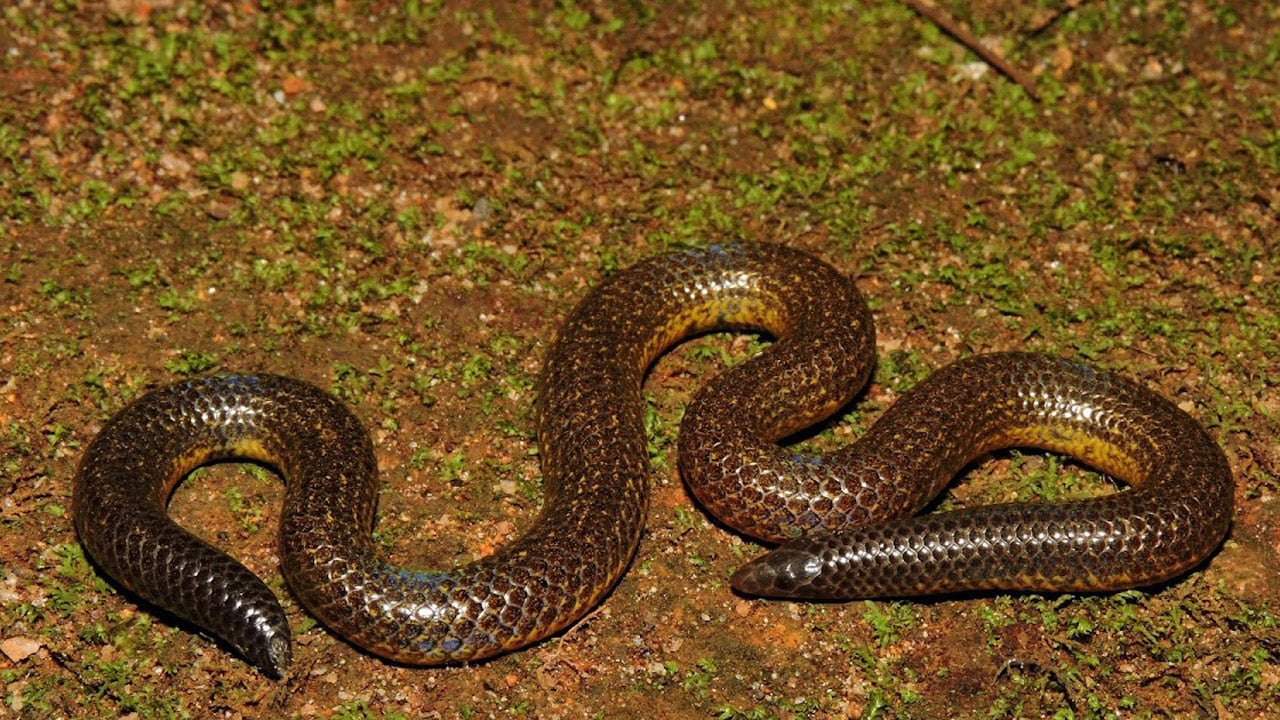 Drummond-Hay's Shieldtail
Rhinophis drummondhayi
-
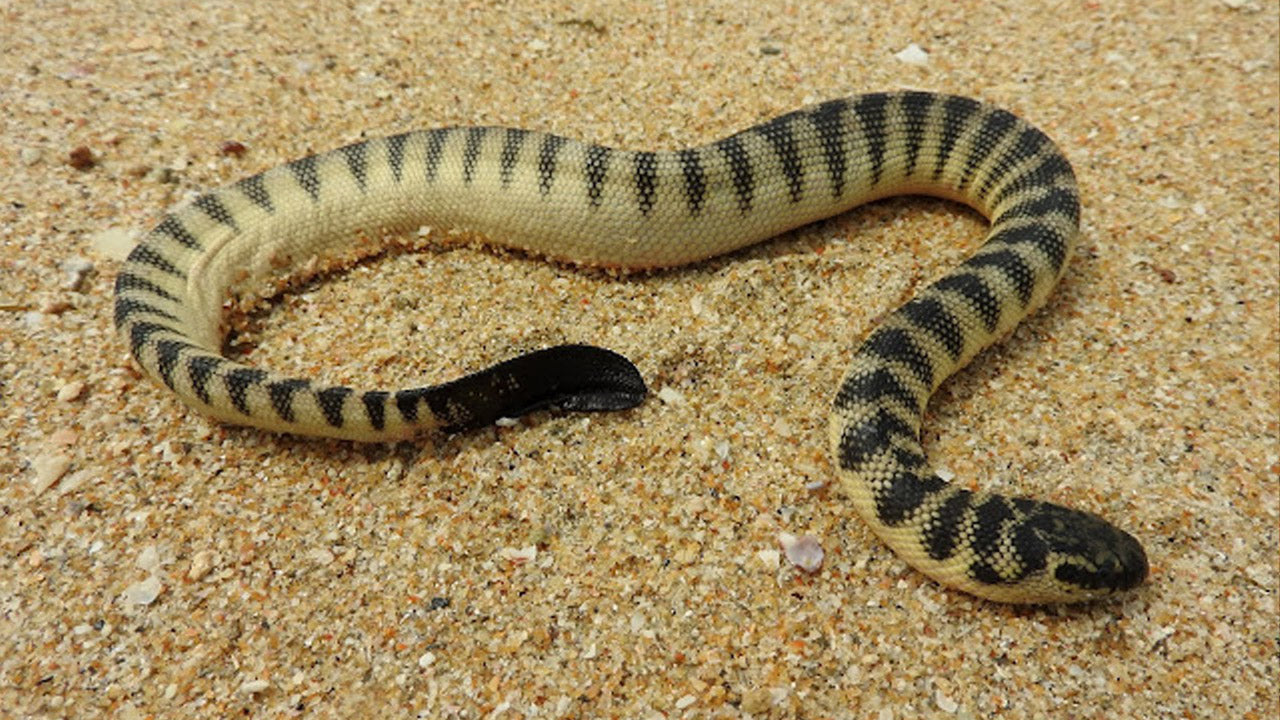 Shaw's Sea Snake
Hydrophis curtus
-
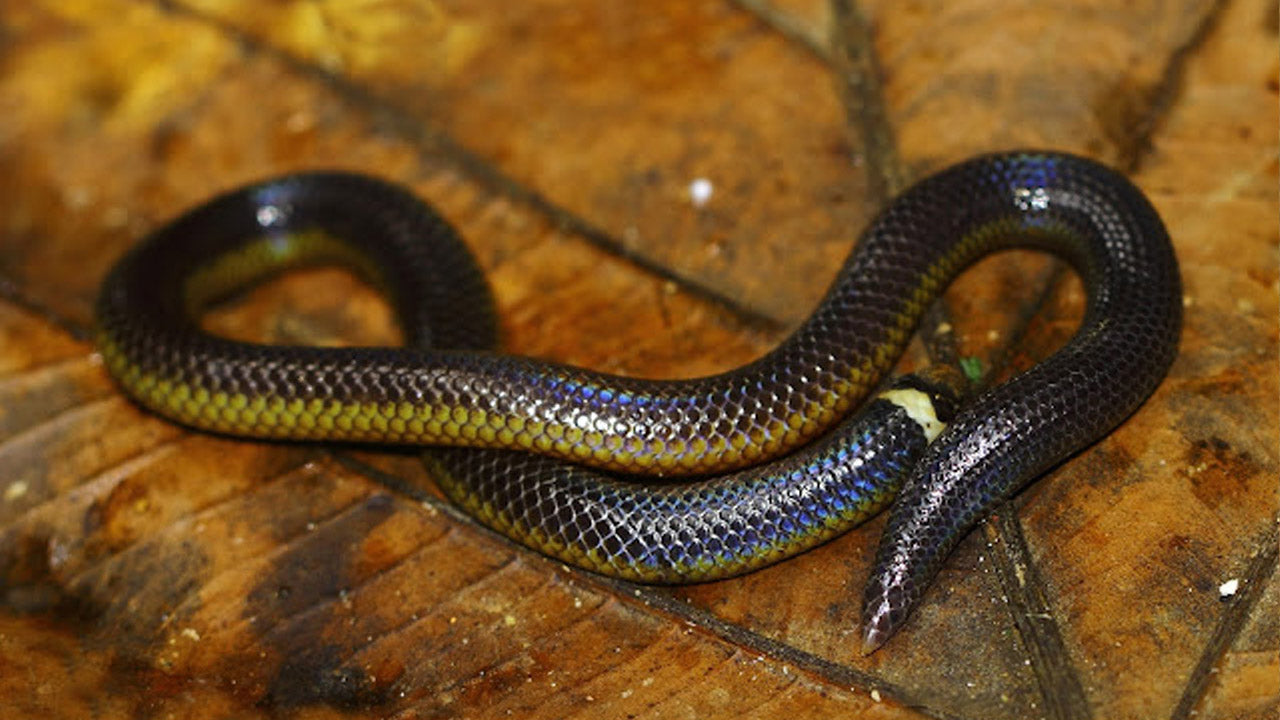 Deraniyagala's Shieldtail
Rhinophis tricoloratus
-
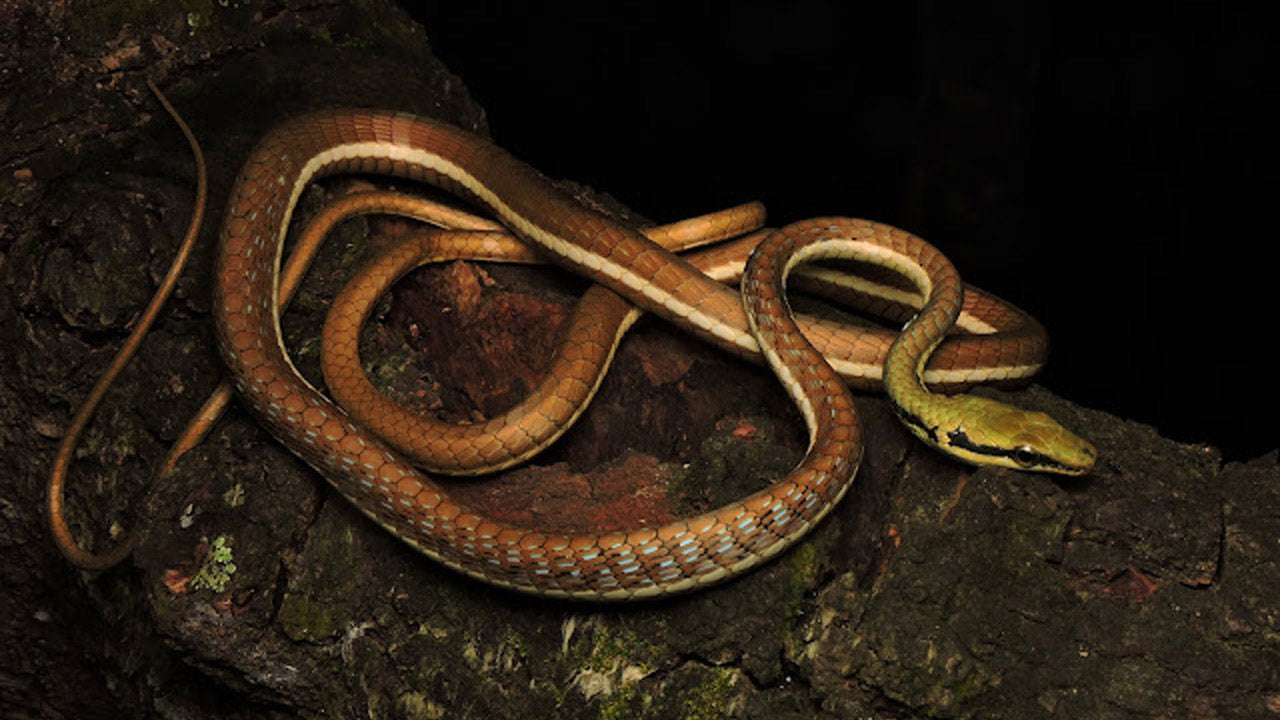 Wickramasinghe's Bronzeback
Dendrelaphis wickrorum
-
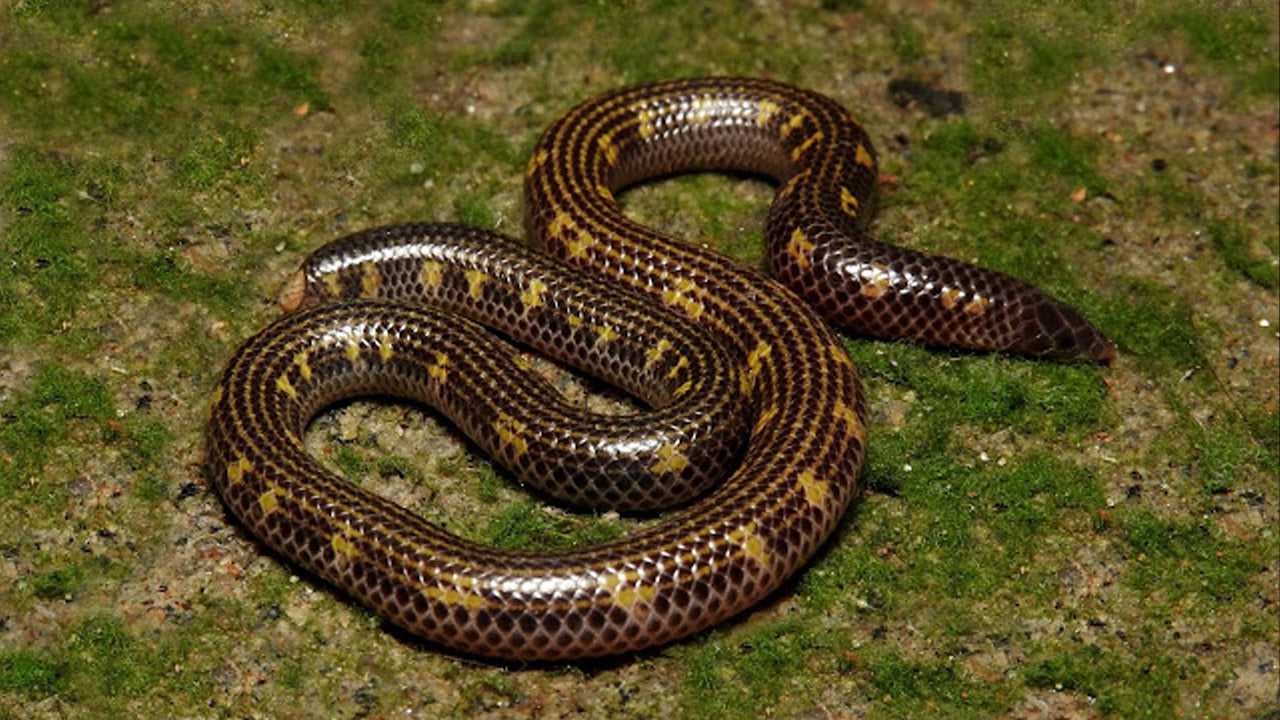 Phillip's Earth Snake
Rhinophis phillipsi
-
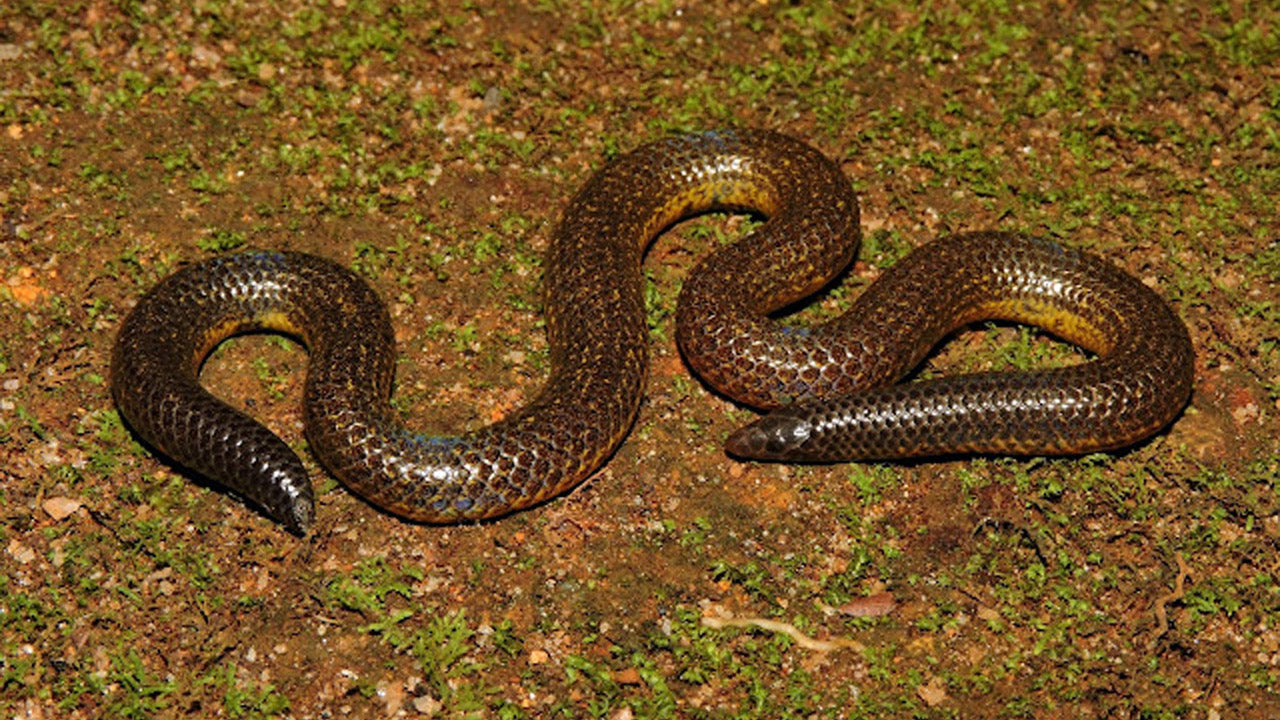 Gray's Earth Snake
Aparallactus grayi
-
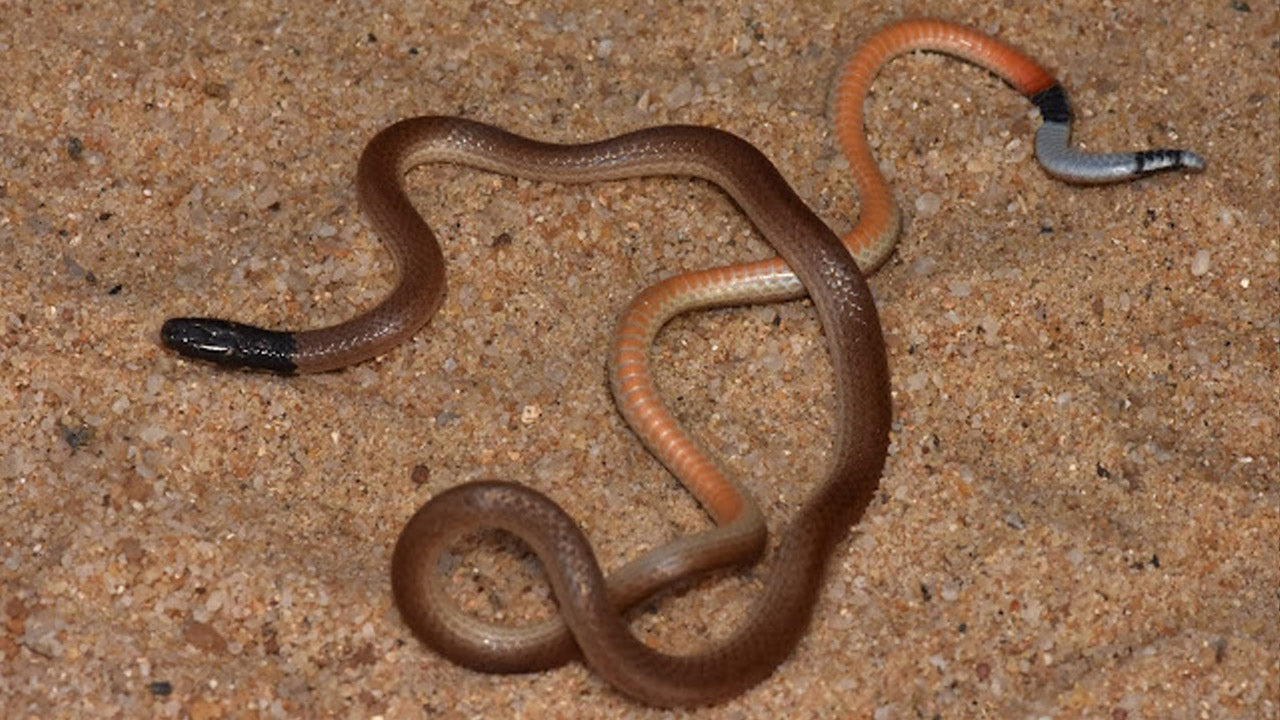 Slender Coral Snake
Calliophis Melanurus
-
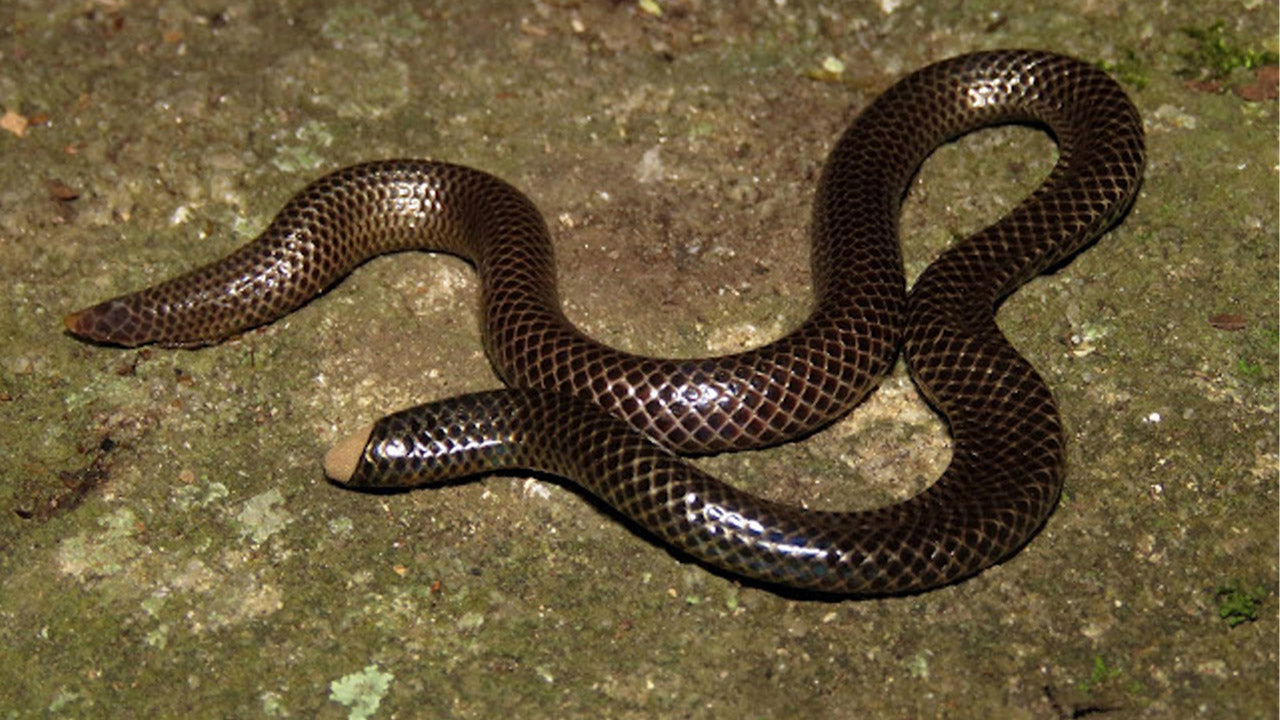 Cuvier's Shieldtail
Uropeltis ceylanica
-
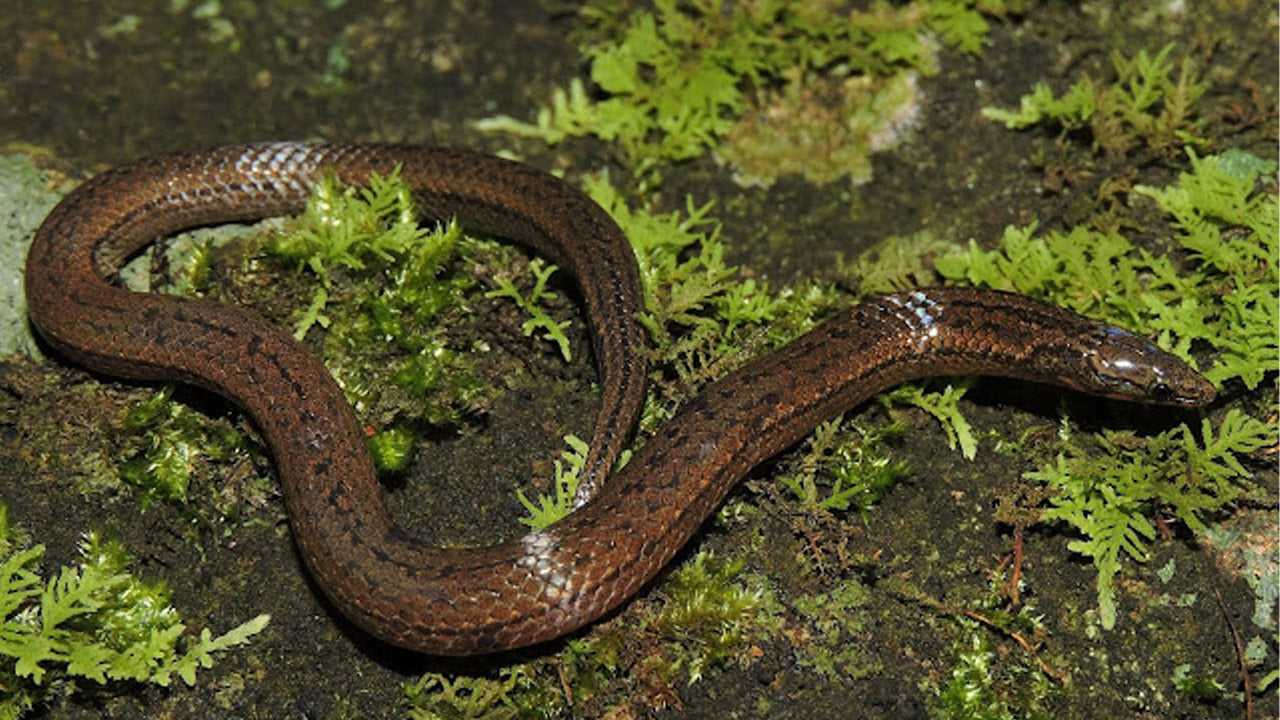 de Silva's Rough-sided Snake
Aspidura desilvai
-
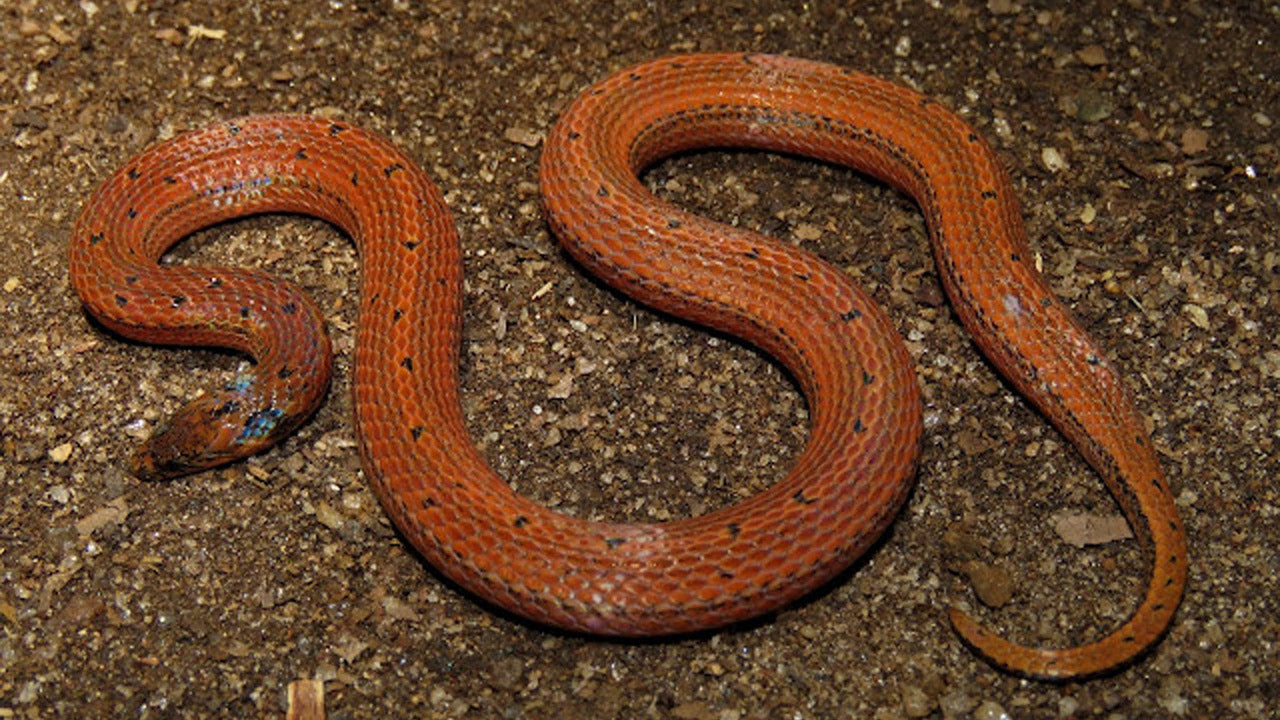 Boie's Rough-Sided Snake
Aspidura brachyorrhos
-
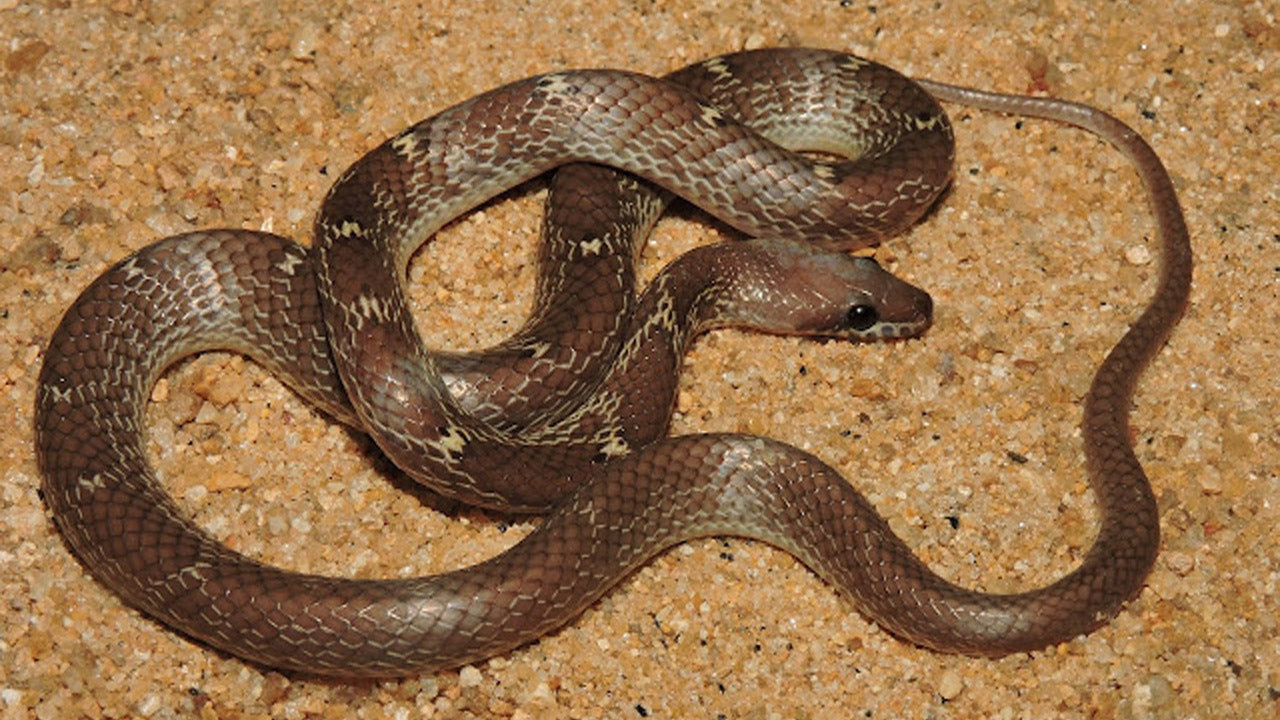 Flowery Wolf Snake
Lycodon anamallensis
-
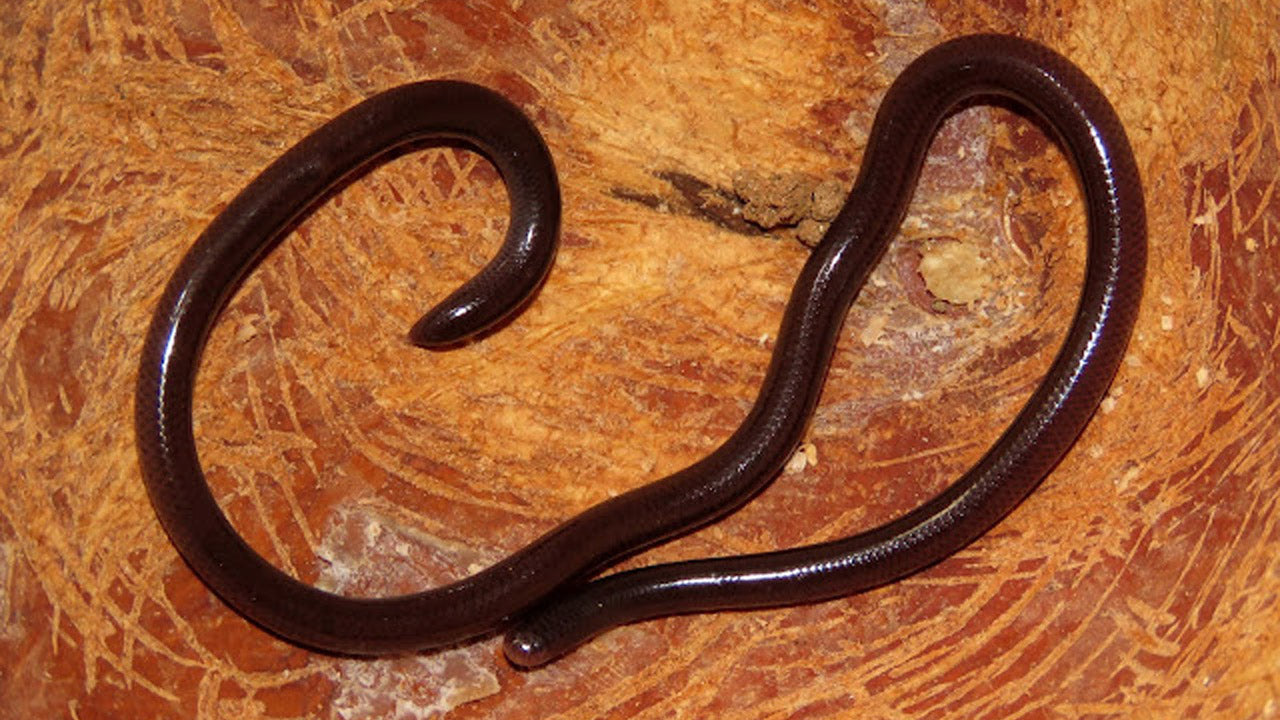 Brahminy Blind Snake
Indotyphlops braminus
-
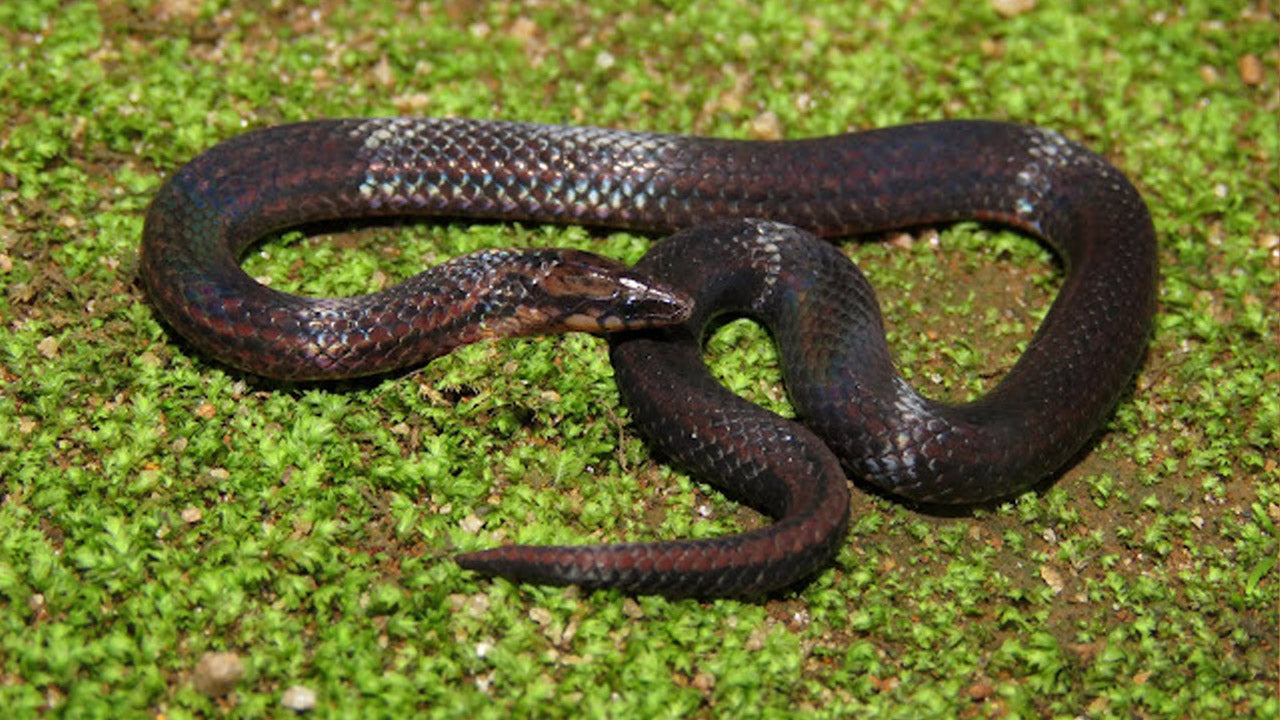 Common Rough-sided Snake
Aspidura trachyprocta
-
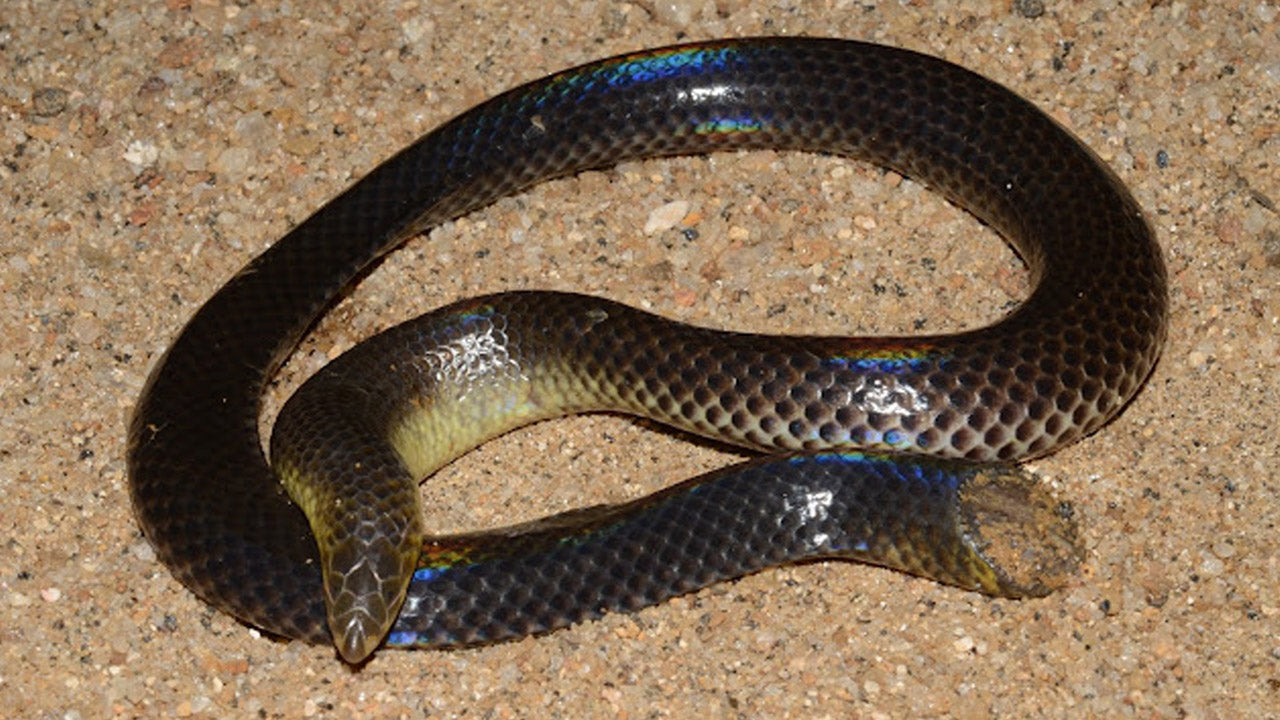 Large Shieldtail
Rhinophis saffragamus
-
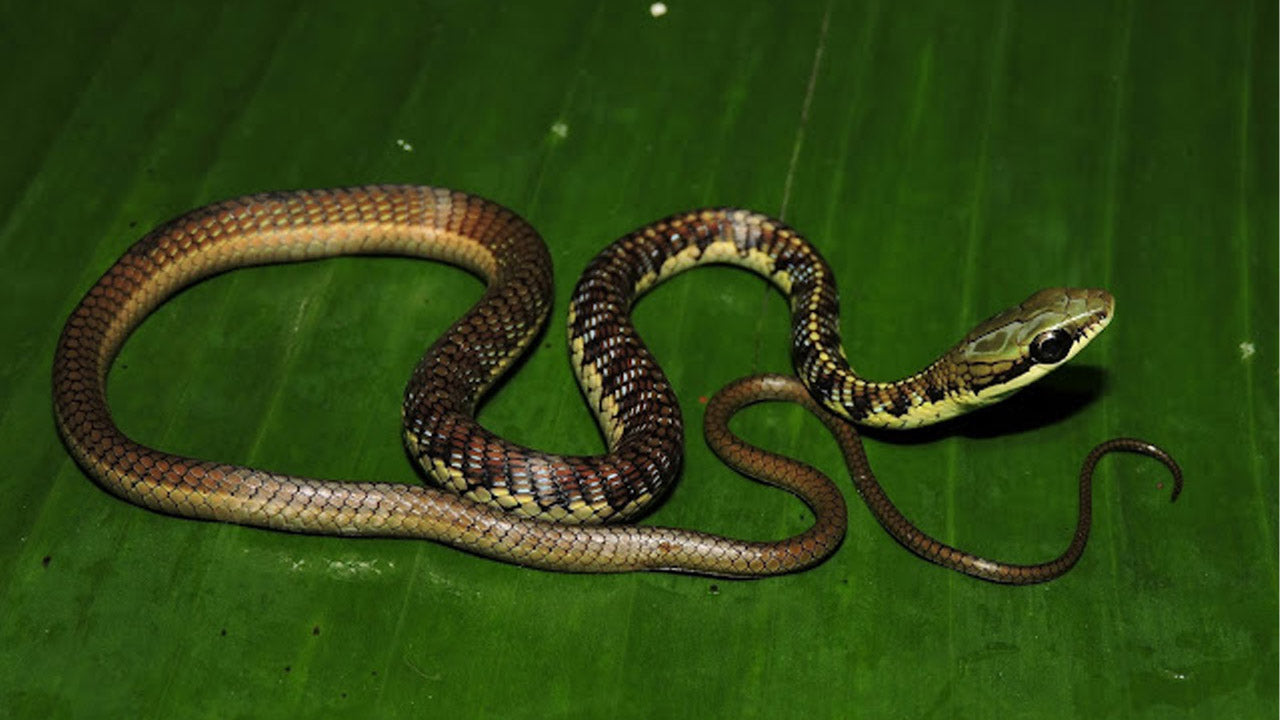 Schokar's Bronzeback
Schokar's bronzeback
-
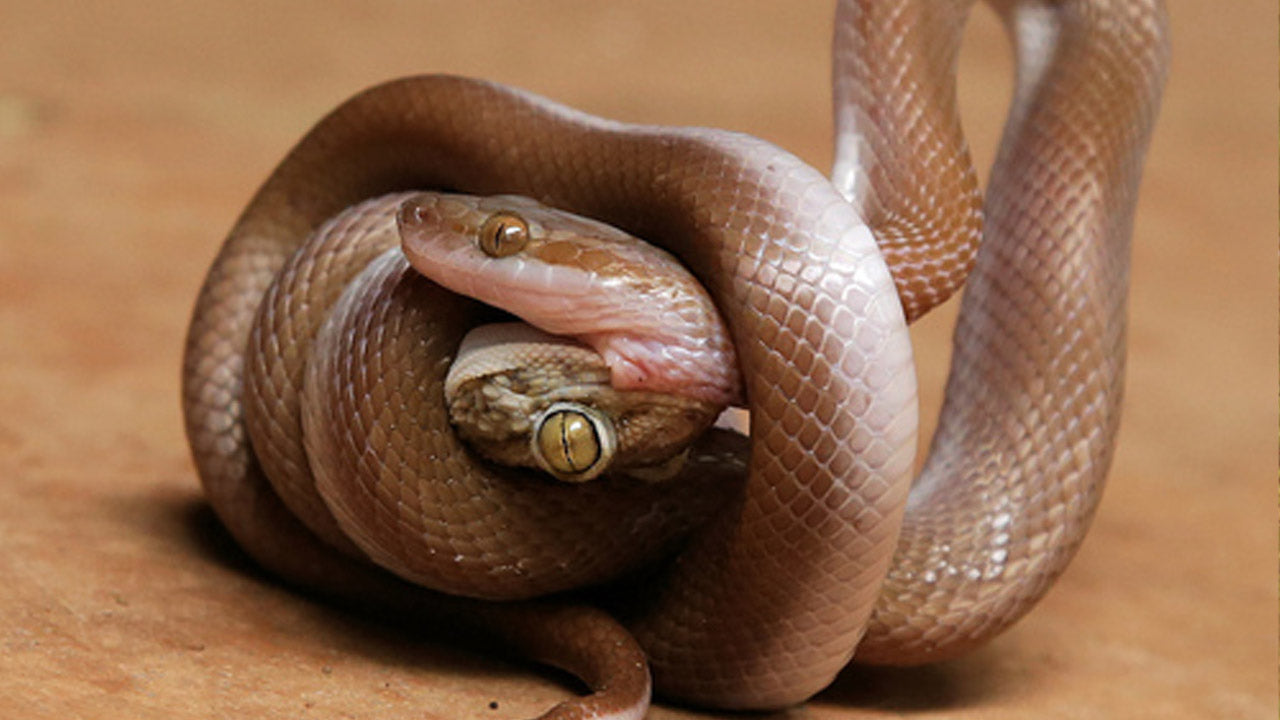 Jan's Worm Snake
Typhlops mirus
-
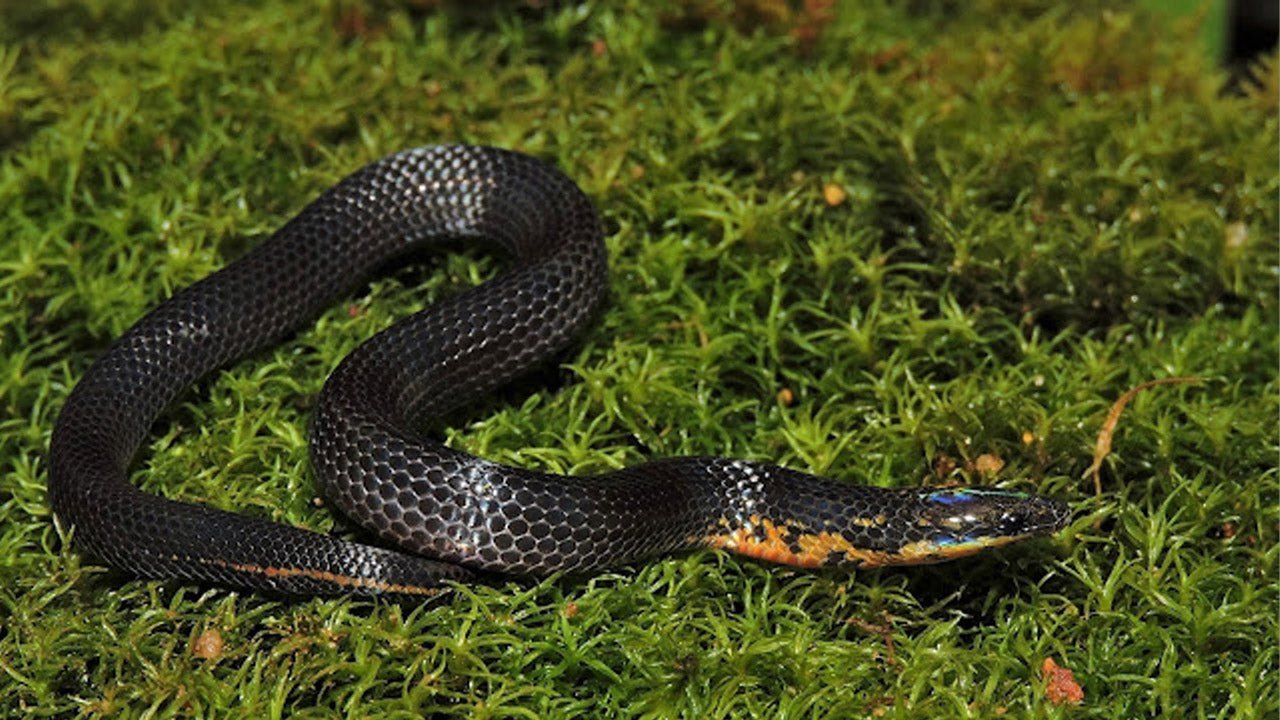 Ravana's Rough-sided Snake
Aspidura ravanai
-
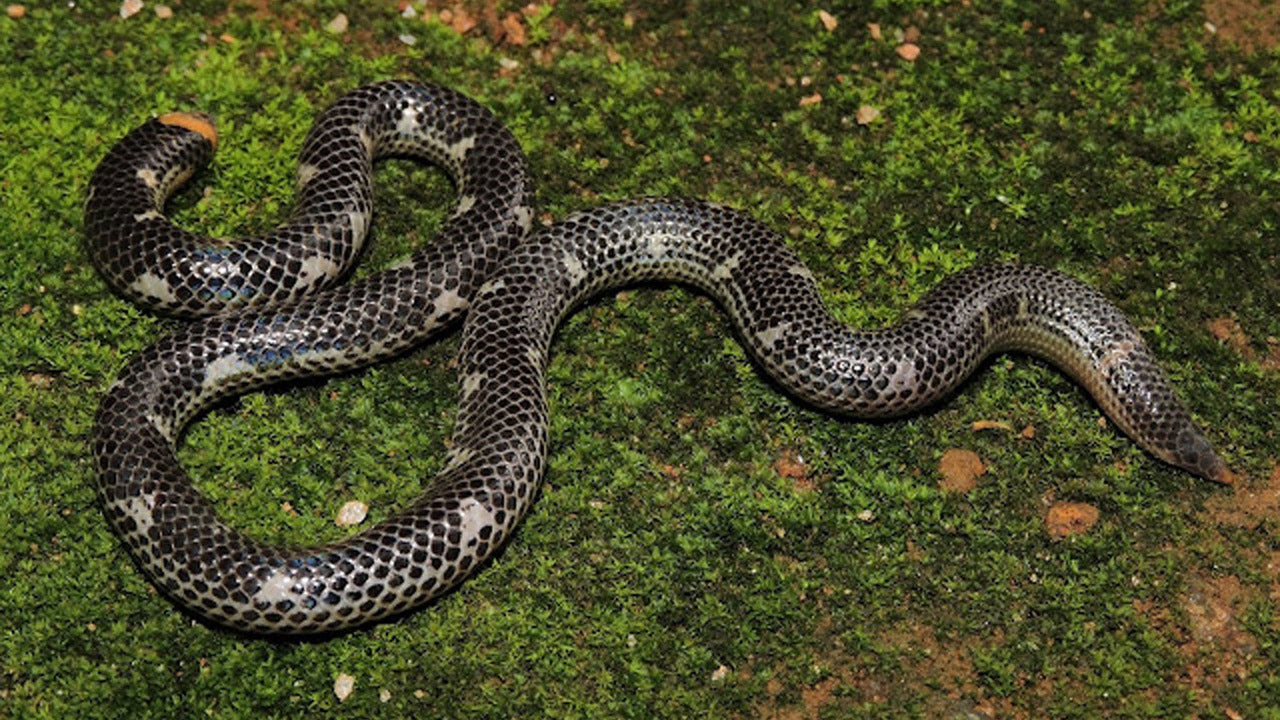 Hemprich's Shieldtail
Uropeltis hemprichii.
-
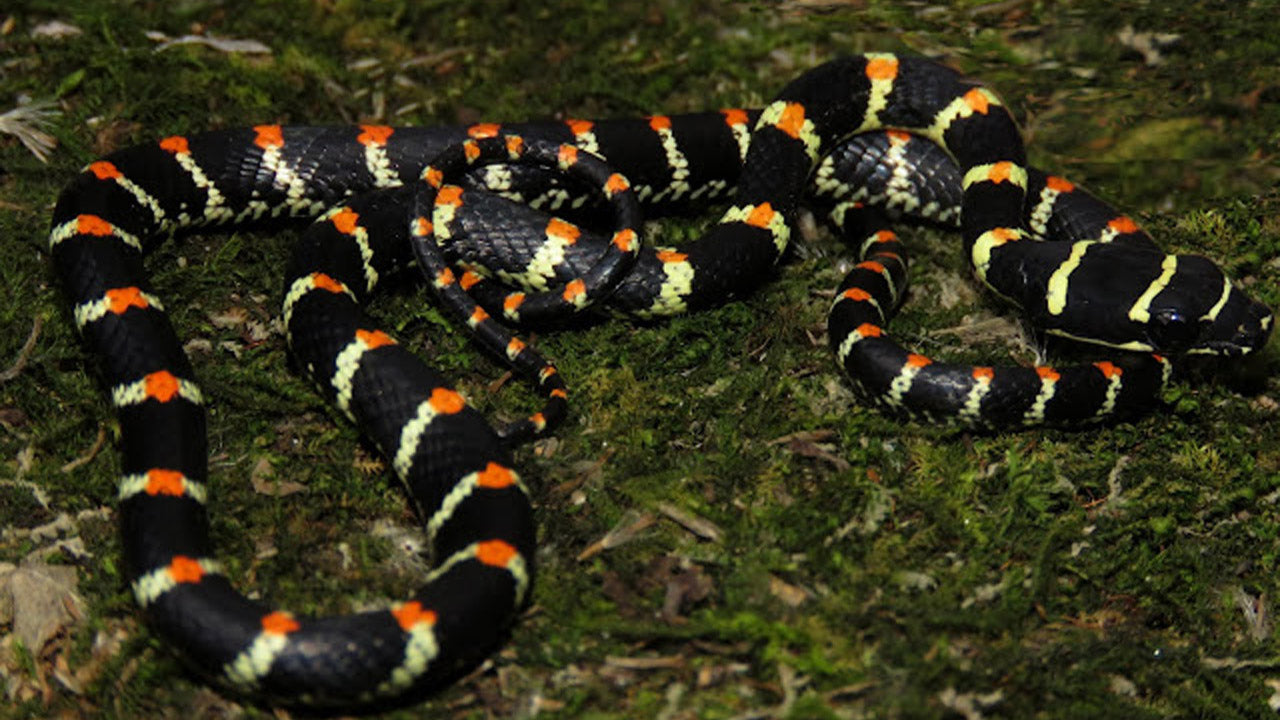 Ornate Flying Snake
Chrysopelea ornata
-
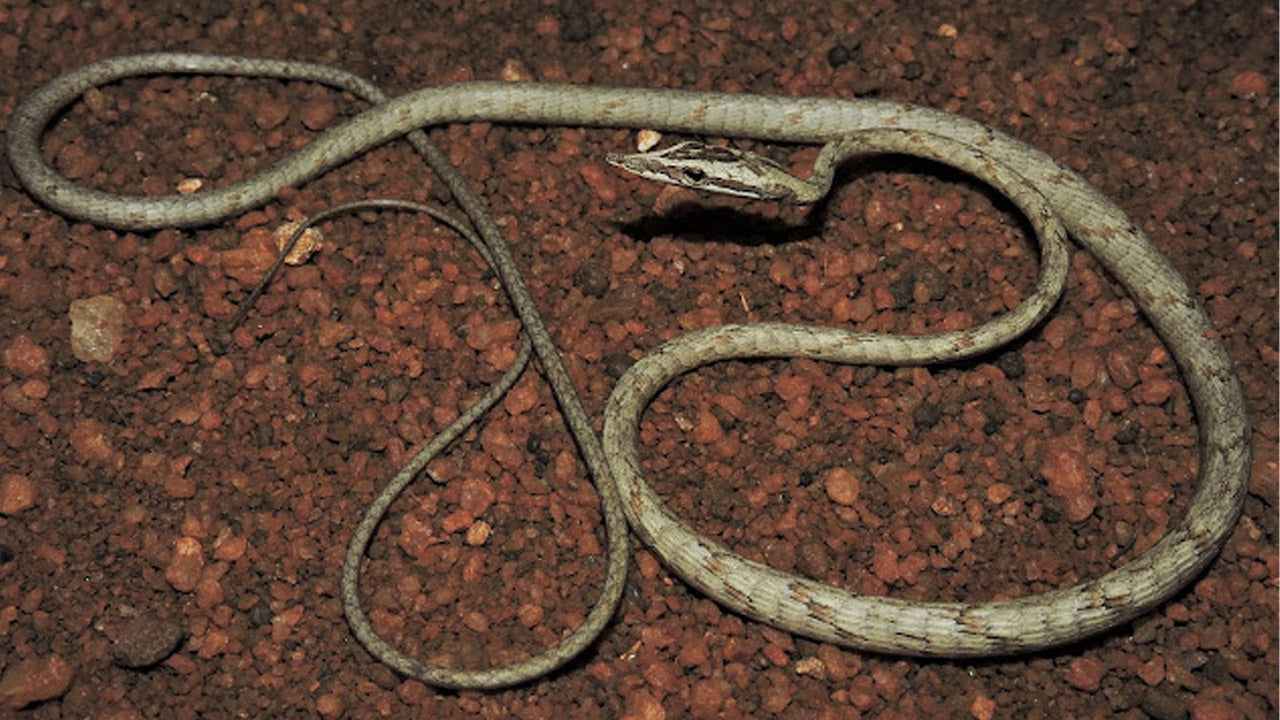 Brown Vine Snake
Ahaetulla pulverulenta
-
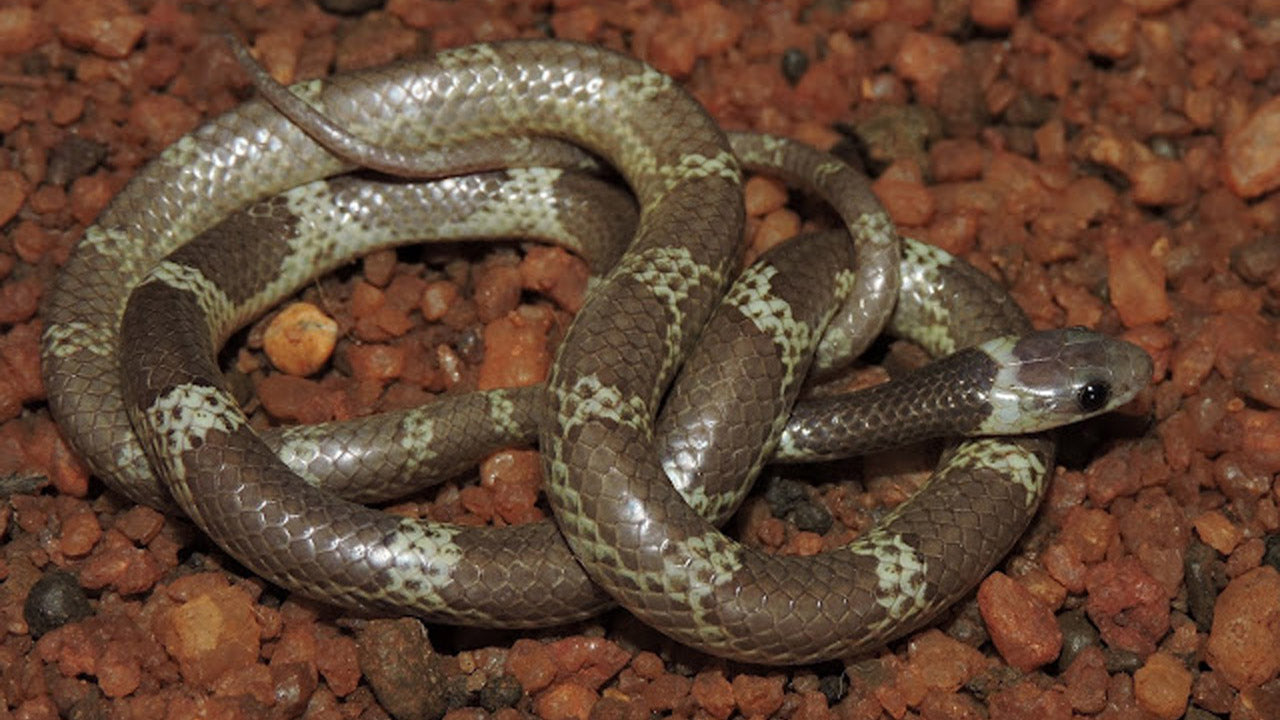 Common Bridal Snake
colubrid snake
-
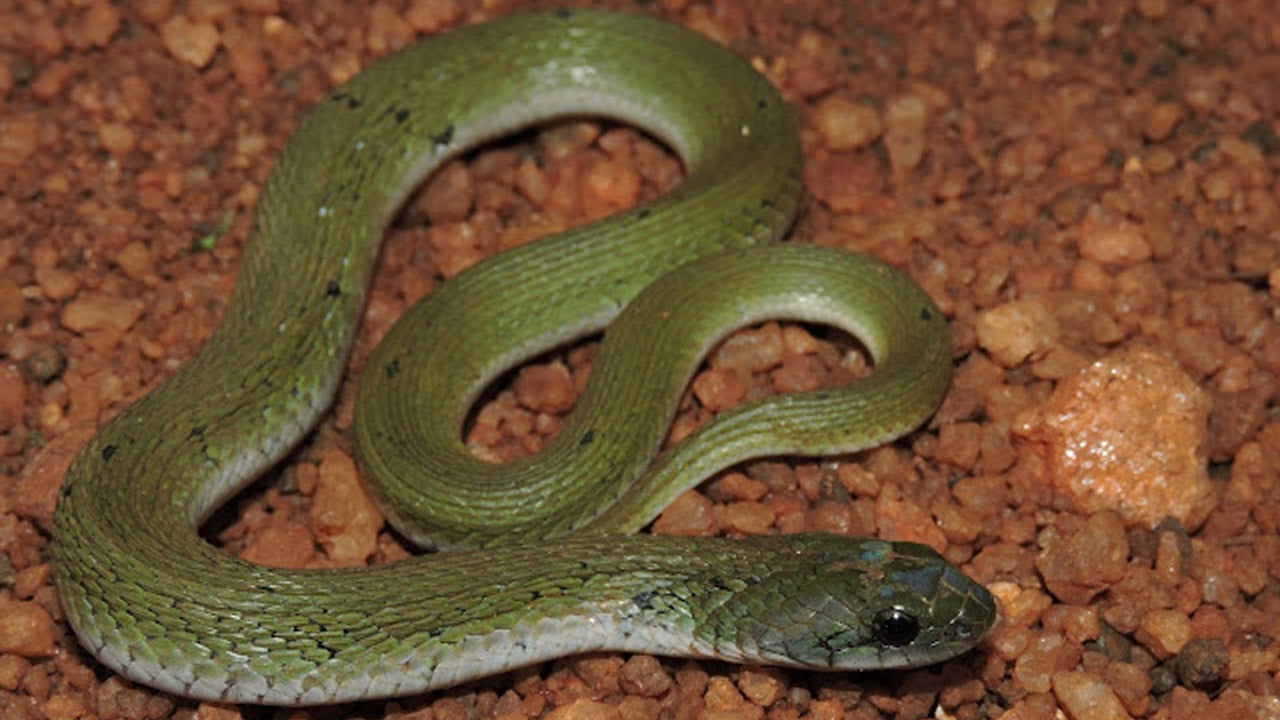 Green Keelback
Rhabdophis plumbicolor