Bandaranaike Memorial International Conference Hall

The Backstory

Over half a century ago, Solomon West Ridgeway Dias Bandaranaike (most commonly known as SWRD Bandaranaike) oversaw Sri Lanka as its fourth Prime Minister from 1956 until his assassination in 1959. He brought into effect several new laws. However, his most famous achievement is the foreign policy that he created.

During his career in politics, in 1953 even before he came to power, Mr. Bandaranaike stated that “I say, for heaven’s sake, be friendly with England or America or anybody else, but do not commit yourself to any one of them…….. As far as I can see, the wisest foreign policy that is being followed in the world today by any leading statesman is that of Pandith Jawaharlal Nehru….”. His views continued as he rose into his seat of power. His very first policy change as the Prime Minister of Ceylon, which was read by the Governor-General on April 20, 1956, stated that: “In its foreign policy, my Government will not align with any power blocs. The position of bases at Katunayake and Trincomalee will be reviewed…… consideration will be given to exchange of diplomatic representatives with countries in which Ceylon is not at present represented”. The policy change was not in words only, and over the next three years, the actions of the Prime Minister reflected how such a policy could be achieved. On his death, many foreign countries grieved the loss of such a brilliant personality.

The Construction

In 1970, approximately 10 years after his passing; his wife Sirimavo Bandaranaike, who had gone on to become the first stateswoman in the world, was then in her second term of office as Prime Minister. At that time she decided to honor her late husband, Prime Minister SWRD Bandaranaike, for the excellent foreign policy that he had created which in turn helped protect Sri Lanka and bring it into the international arena. A decision was reached that any monument constructed in honor, should have a direct connection to International Relations. As no conference halls were available in Sri Lanka at the time with international level facilities, this was taken up as the project.

The People’s Republic of China donated LKR 35 Million towards the construction of BMICH as a gift to the people of Sri Lanka. A land of over 40 acres was identified for the construction, right in the center of Colombo. With everything ready and set to go, the construction of BMICH was initiated at 4 pm on November 24th, 1970 under the patronage of the Prime Minister at the time – Mrs. Sirimavo Bandaranaike, Minister of Housing – Mr. Peter Keuneman, and the Ambassador of China. As the construction costs were donated by China; the crew consisted of a joint Sri Lankan and Chinese workforce of 2000 people, with a considerable portion of the building materials being imported from China.

On 17th May 1973, the construction was completed and entrusted to the Sri Lankan Government. It became an iconic landmark in the heart of the city; stretched across a lush plantation of 40 acres with a monumental Convention Centre with the best international facilities in South Asia, beautifully decorated with water fountains and colorful floral gardens.

The Rise of BMICH

Over the years a number of iconic international events were held at the Band

Colombo Bölgesi Hakkında

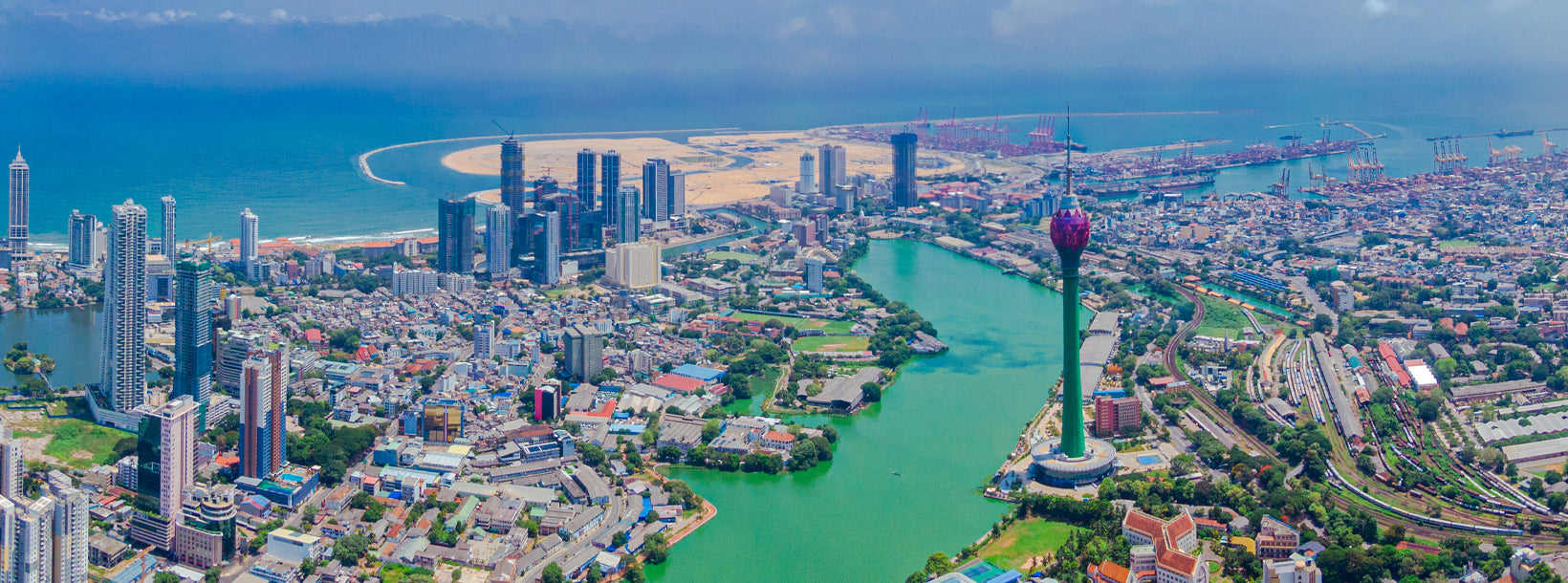
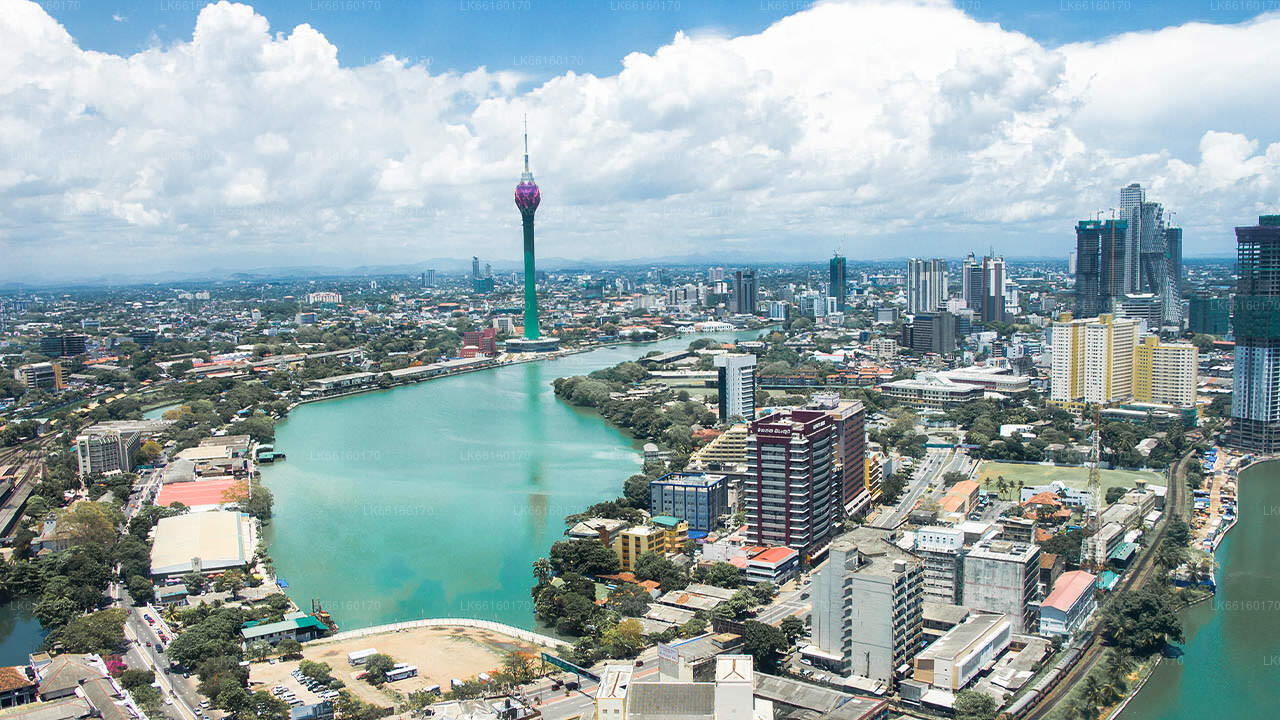
Kolombo, Sri Lanka'nın en büyük şehri ve ticari başkentidir. Adanın batı kıyısında, Sri Lanka'nın başkenti Sri Jayewardenepura Kotte'nin bitişiğinde yer alır. Kolombo, modern yaşam ile sömürge dönemi binaları ve kalıntılarının bir karışımı olan hareketli ve canlı bir şehirdir ve şehir nüfusu 647.100'dür. Kolombo, Gampaha ve Kalutara ilçelerinden oluşan Kolombo Metropol Bölgesi'nin tahmini nüfusu 5.648.000'dir ve 3.694,20 km²'lik bir alanı kaplar. Kolombo, çok etnikli ve çok kültürlü bir şehirdir. Şehir sınırları içinde yaşayan 642.163 kişiyle Sri Lanka'nın en kalabalık şehridir. Kolombo'nun nüfusu, çoğunlukla Sinhalese, Mağribi ve Tamil olmak üzere çok sayıda etnik grubun bir karışımıdır. Şehirde ayrıca Çinli, Portekizli, Hollandalı, Malay ve Hint kökenli küçük toplulukların yanı sıra çok sayıda Avrupalı ​​göçmen de yaşıyor. Sri Lanka şirketlerinin büyük çoğunluğunun merkez ofisi Kolombo'da bulunuyor. Bazı sektörler arasında kimyasallar, tekstil, cam, çimento, deri ürünleri, mobilya ve mücevher yer alıyor. Şehir merkezinde, Güney Asya'nın en yüksek ikinci binası olan Dünya Ticaret Merkezi yer alıyor.

Batı Bölgesi Hakkında

Batı Bölgesi, Sri Lanka'nın en yoğun nüfuslu bölgesidir. Yasama başkenti Sri Jayawardenepura Kotte'nin yanı sıra ülkenin idari ve iş merkezi olan Kolombo'ya da ev sahipliği yapar. Batı Bölgesi, Kolombo (642 km²), Gampaha (1.386,6 km²) ve Kalutara (1.606 km²) olmak üzere 3 ana bölgeye ayrılmıştır. Sri Lanka'nın ekonomik merkezi olan şehirde, tüm büyük yerel ve uluslararası şirketlerin yanı sıra tüm büyük tasarımcı ve ana cadde perakendecileri de bulunmaktadır. Bu nedenle, Batı Bölgesi'nde alışverişin tadını çıkarmaya hazır olun. Tüm eyaletler arasında en yüksek nüfusa sahip olan Batı Bölgesi'nde, adanın neredeyse tüm önde gelen eğitim kurumları bulunmaktadır. Eyaletteki üniversiteler arasında Kolombo Üniversitesi, Sri Jayewardenepura Üniversitesi, Kelaniya Üniversitesi, Sri Lanka Açık Üniversitesi, Sri Lanka Budist ve Pali Üniversitesi, General Sir John Kotelawala Savunma Üniversitesi ve Moratuwa Üniversitesi bulunmaktadır. Batı eyaleti, ulusal, il, özel ve uluslararası okulları içeren ülkedeki en fazla okula sahiptir.