Lakpura
Lakpura®

Sanni Masks

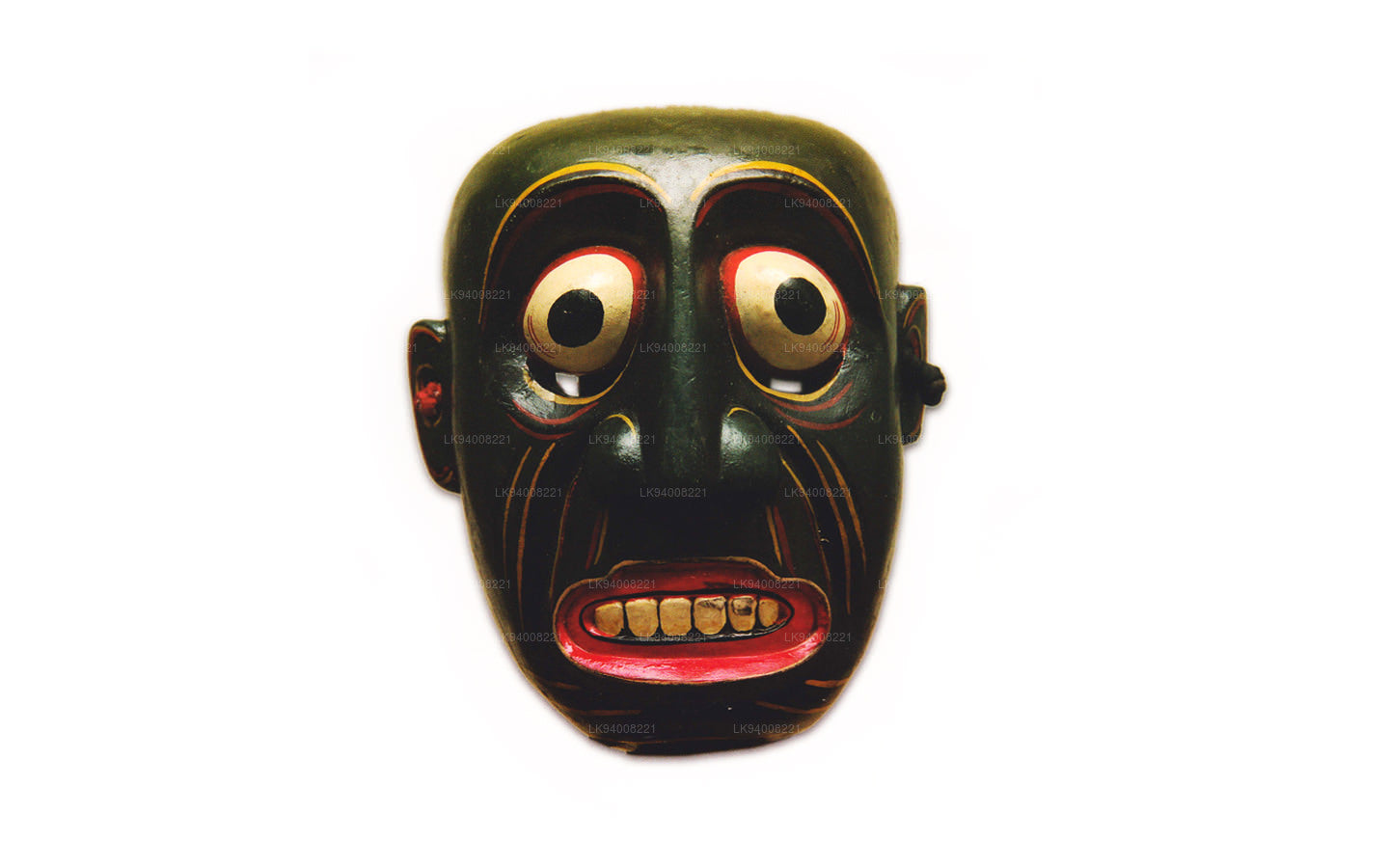
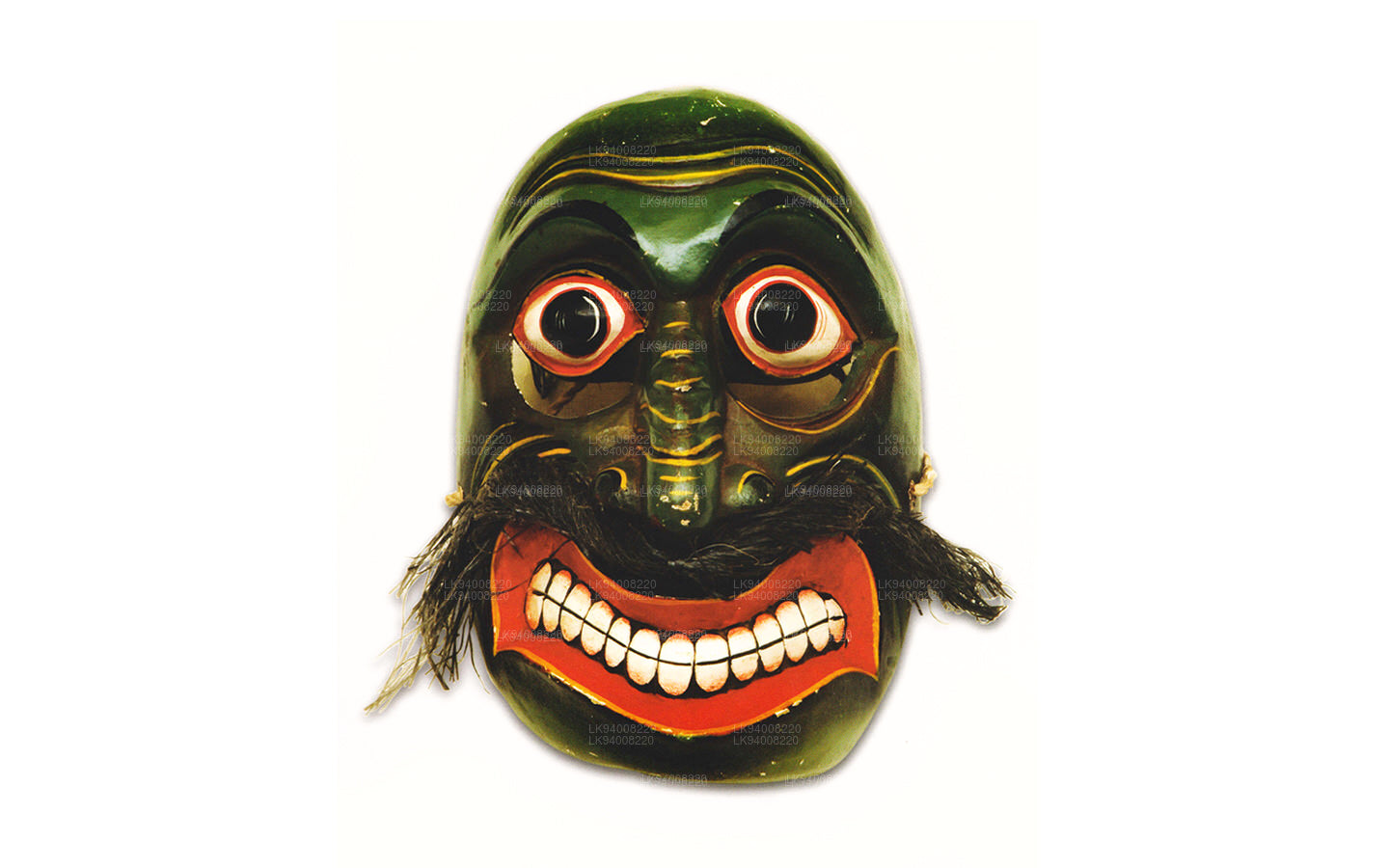
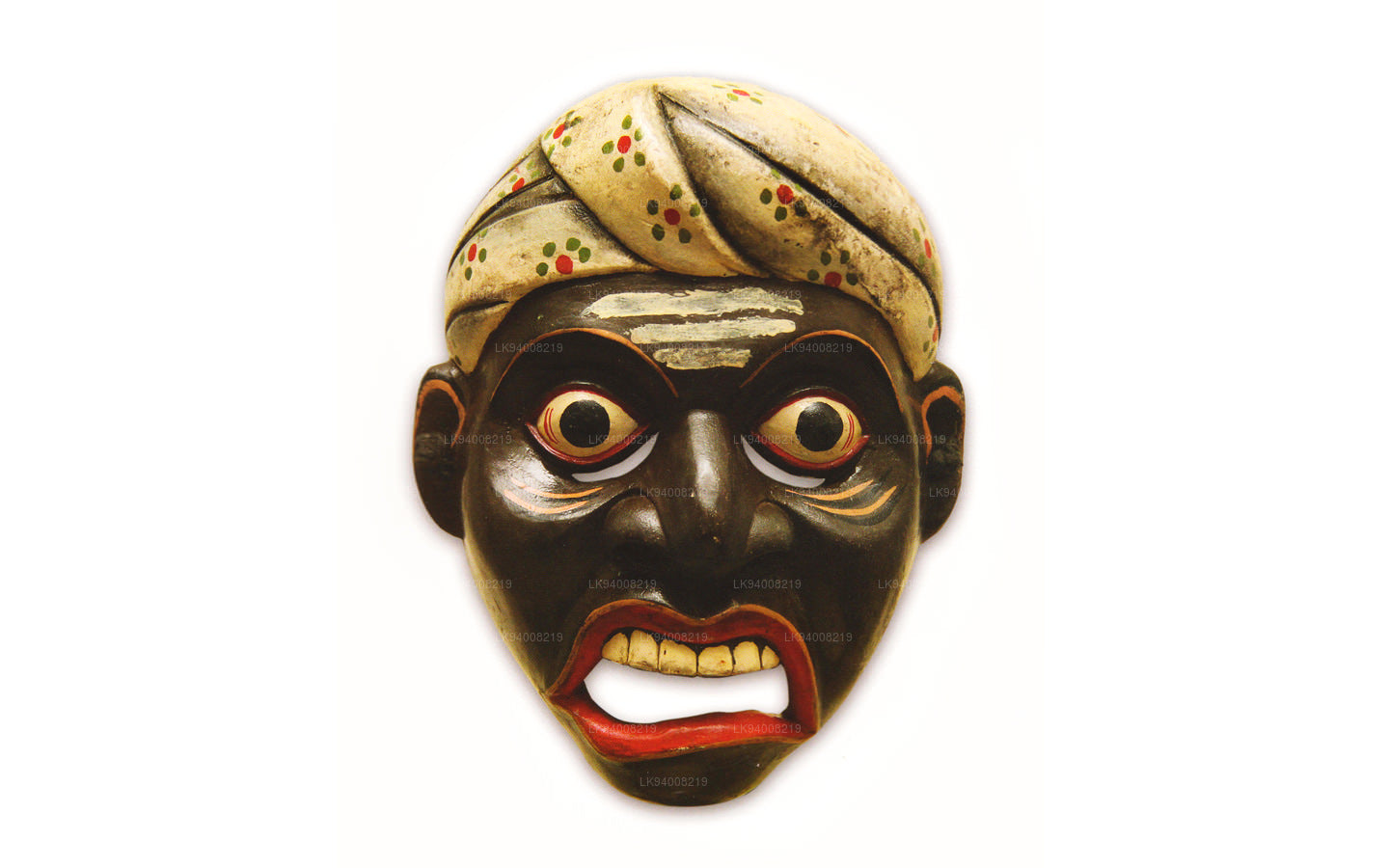
Among the most distinctive artefacts in Sri Lankan folk tradition, Sanni Masks are carved wooden masks worn during a specific healing ceremony called Sanni Yakuma. Each of the eighteen masks represents a demon believed to cause a particular illness or ailment, and together they form the centrepiece of one of the oldest ritual healing practices still performed in the country.

What is the Sanni Yakuma ritual?

Sanni Yakuma — sometimes written as Daha Ata Sanniya, meaning the eighteen diseases — is a traditional Sinhalese exorcism ceremony classified within the broader category of rituals known as tovil. The name draws directly from the Sinhala language: sanniya means disease or ailment, and yakuma means demon ritual.

The ceremony belongs to the Pahatharata, or low-country, dance tradition, one of three principal classical dance forms of Sri Lanka. It has been practised in the southern and western coastal regions since ancient times, though the precise date of its origin is unknown. The ritual typically runs from dusk to dawn, and its structure divides into two main stages: the Ata Paliya and the Daha Ata Sanniya.

Central to the ceremony is the belief that illness is caused by demonic influence. The ritual does not simply appeal to supernatural forces — it summons the responsible demon, confronts and humiliates it through comic and sometimes provocative dialogue, then banishes it back to the demon realm. Observers and participants understand the event simultaneously as religious ceremony, theatrical performance, and medical intervention.

Who performs the ceremony — and how?

The lead practitioner is known as the edura or yakadura, a shaman-healer whose role is deeply embedded in the fishing and farming communities of the coast. Before the ritual begins, the yakadura assesses whether the patient's condition is indeed the result of demonic affliction and selects an auspicious time for the ceremony — always at night, running until dawn.

Performers wear elaborate, vividly coloured costumes and the distinctive carved masks. The dance sequences are physically demanding, involving rapid, complex footwork and spinning movements performed to the rhythm of continuous drum patterns. Throughout the performance, scripted comic exchanges occur between the drummer and the masked dancer playing the demon — an element that serves both entertainment and a ritual function: humiliating the demon strips it of its power over the patient.

The ceremony blends animist folk belief with Buddhist cosmology. It is not considered antithetical to Buddhist practice; rather, it occupies a recognised space within the broader spiritual landscape of Sinhalese village life, in much the same way that the Esala Perahera Festival in Kandy weaves Brahminic and Buddhist ceremony together.

What are the eighteen Sanni demons?

Each of the eighteen masks corresponds to a named demon (sanniya) associated with a specific illness or group of symptoms. The classification is remarkable: academic researchers, including Mark S. Bailey and H. Janaka de Silva, have noted that the eighteen conditions map loosely onto recognisable disease categories, suggesting the system encodes empirical medical observation within a mythological framework.

The demons range across physical and psychological conditions. Some examples that appear consistently in historical accounts include:

  • Kola Sanniya — the progenitor demon, associated with madness and violent behaviour
  • Maru Sanniya — associated with death-like states or near-fatal illness
  • Bihiri Sanniya — linked to deafness and hearing loss
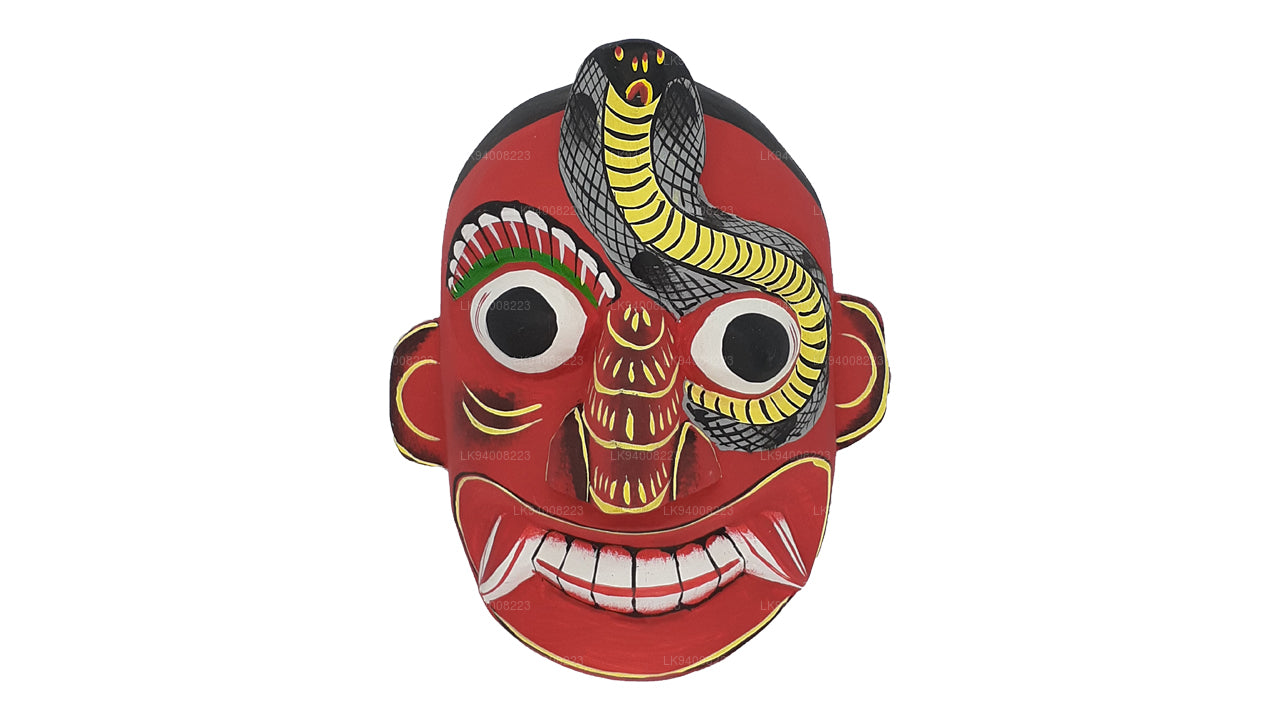
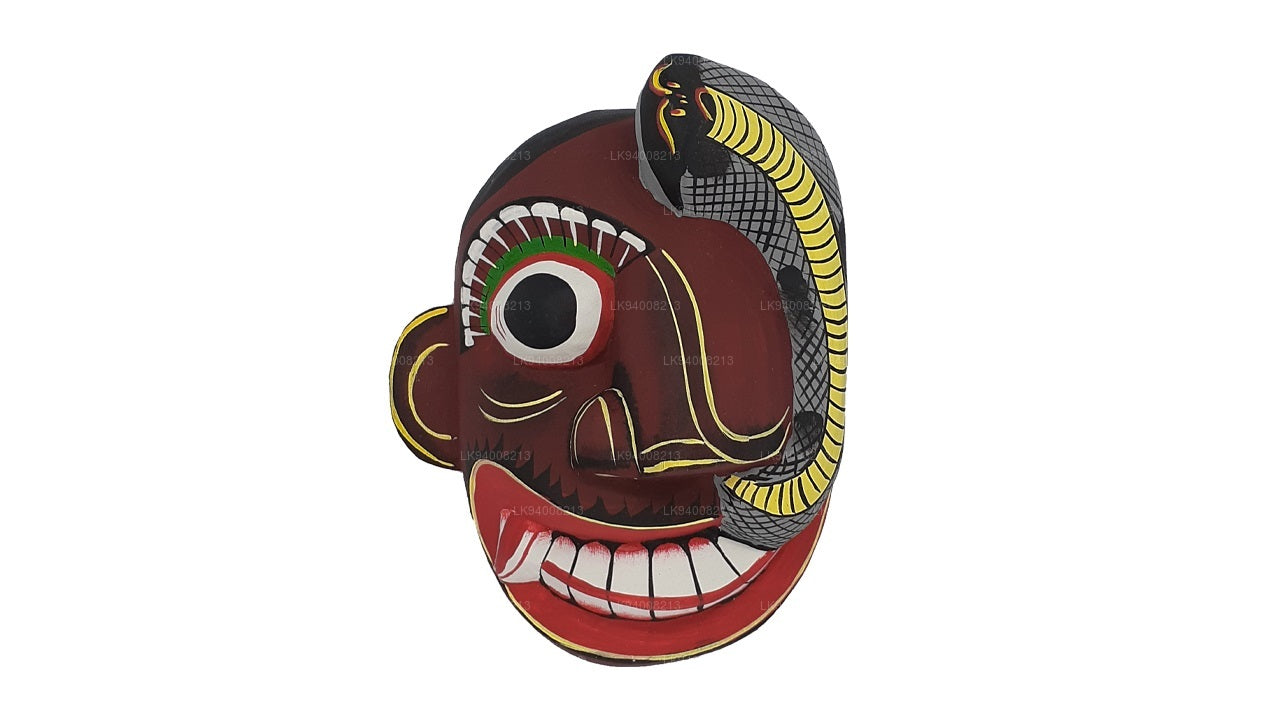
  • Naga Sanniya — connected to snakebite or skin afflictions
  • Deva Sanniya — associated with fever
  • Kana Sanniya — linked to eye disease or blindness
  • Gini Jala Sanniya — associated with burning sensations and thirst
  • Selesma Sanniya — connected to mucus and respiratory illness

The remaining demons cover conditions including vomiting, paralysis, trembling, and gastric illness. The full list of eighteen has been documented in academic literature, though the precise names and associated illnesses vary slightly between regional traditions.

What is the origin story of the Sanni demons?

The founding legend of the Sanni Yakuma is narrated in elaborate ceremonial verse at the start of the ritual. According to the tradition, the eighteen demons trace their origin to an episode in ancient India, set during the time of the Buddha.

The king of the Licchavis of Vaishali suspected his queen of adultery and ordered her execution. She was killed while pregnant; her son, born at the moment of her death, grew up beside her corpse and became known as Kola Sanniya, the demon of madness. Driven by grief and rage against his father, Kola Sanniya sought vengeance. He fashioned eighteen lumps of poison and transformed them through sorcery into eighteen demons, which he directed against the city. Together they brought destruction, killing thousands daily, until the Buddha intervened, taming the demons and compelling them to agree to harm humans only when summoned by proper ritual — and to release those over whom the correct ceremonies were performed.

This narrative provides the theological justification for the ritual: the demons are bound by an agreement, and the ceremony invokes that agreement to compel their withdrawal.

How are Sanni Masks made — and what do they look like?

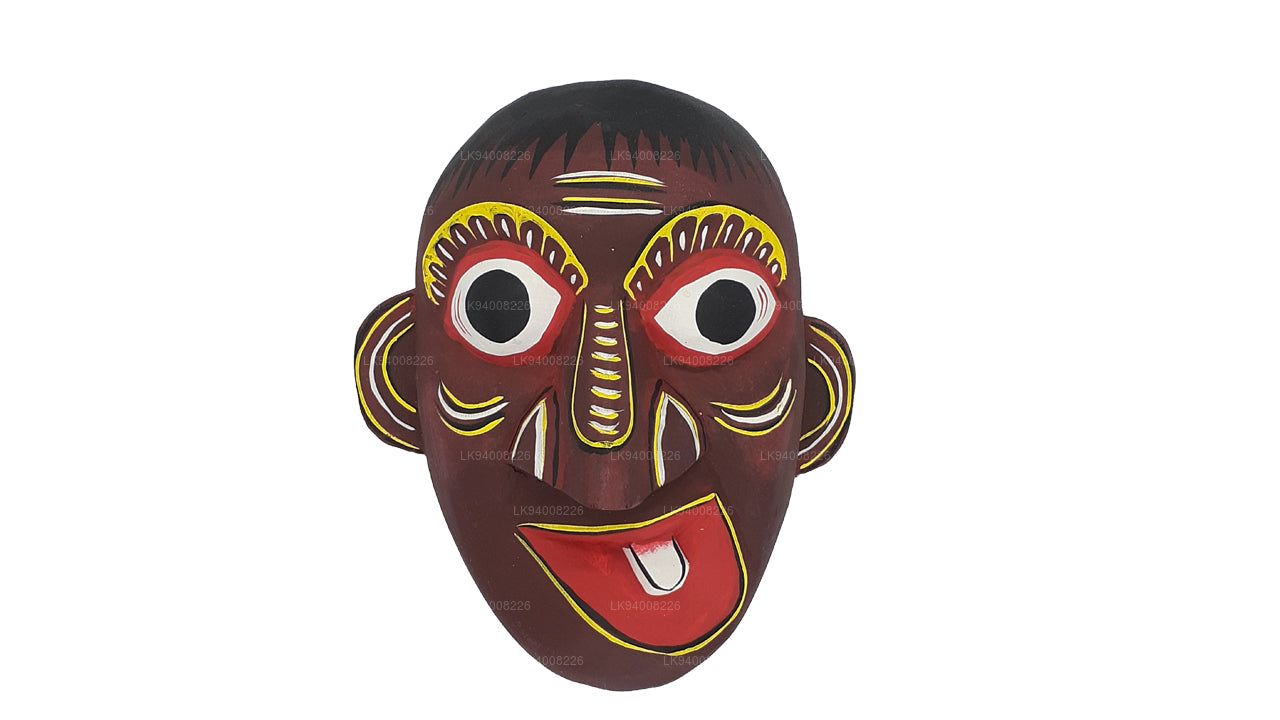
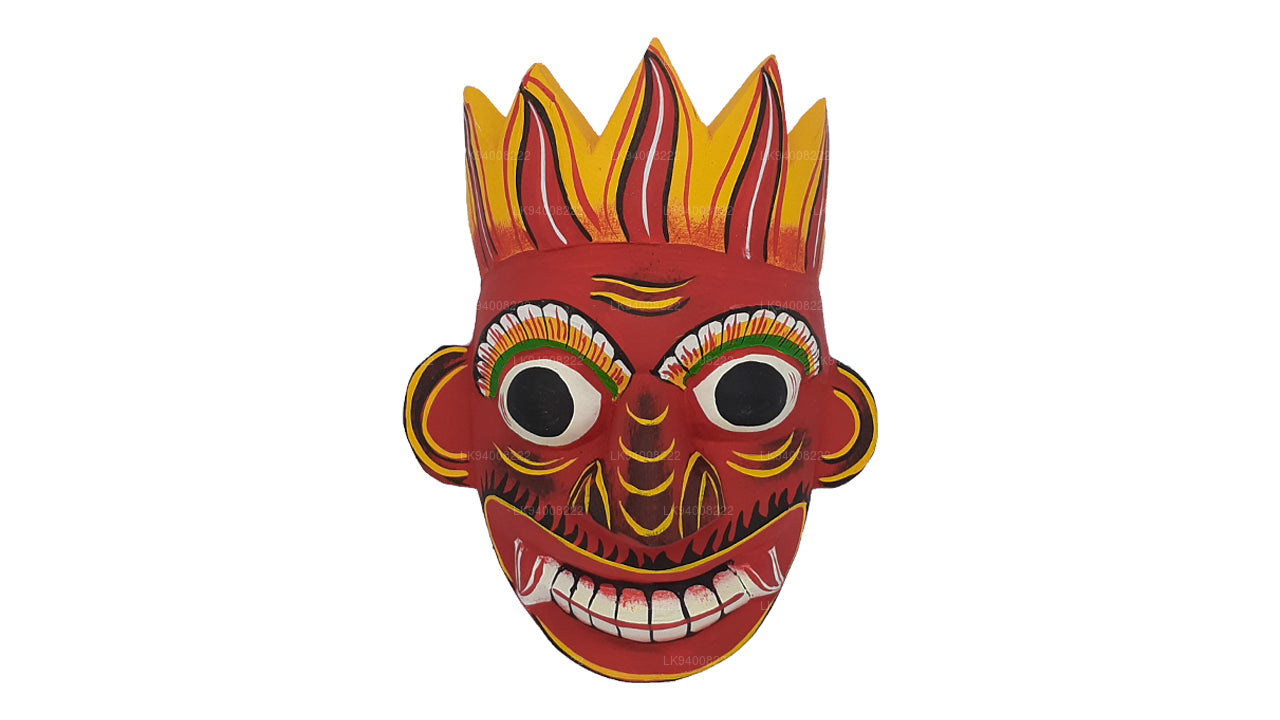
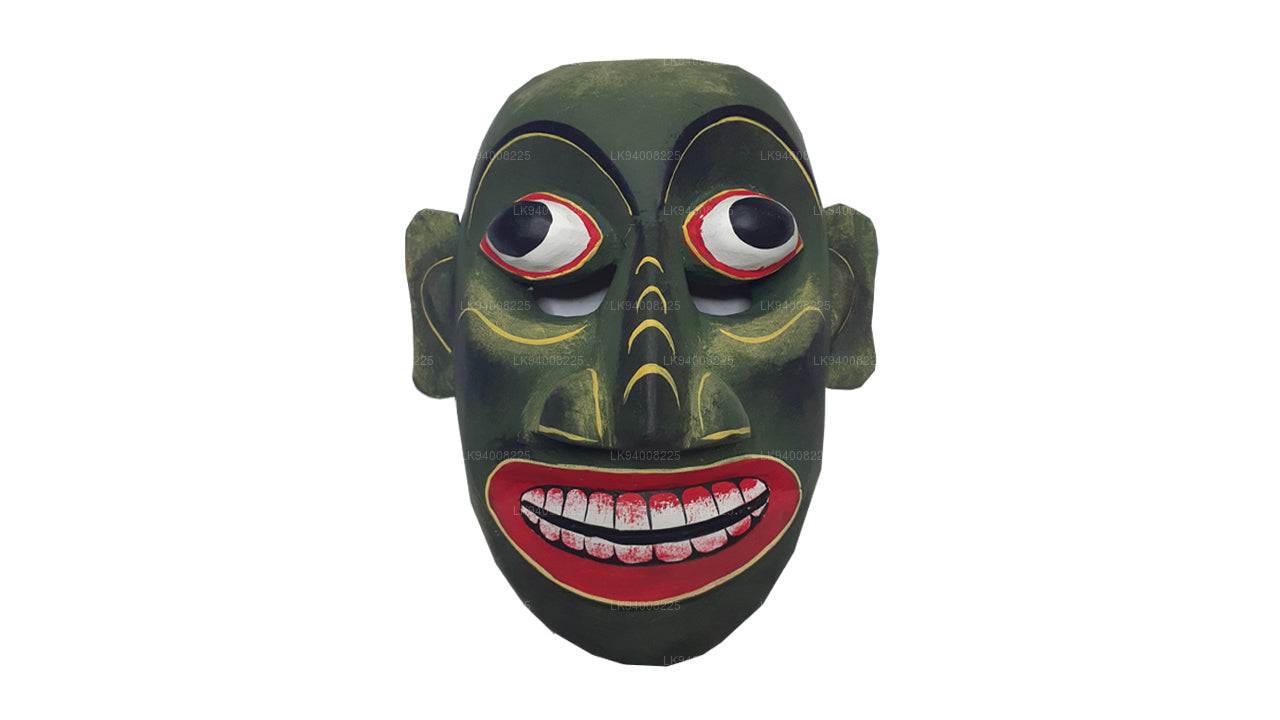
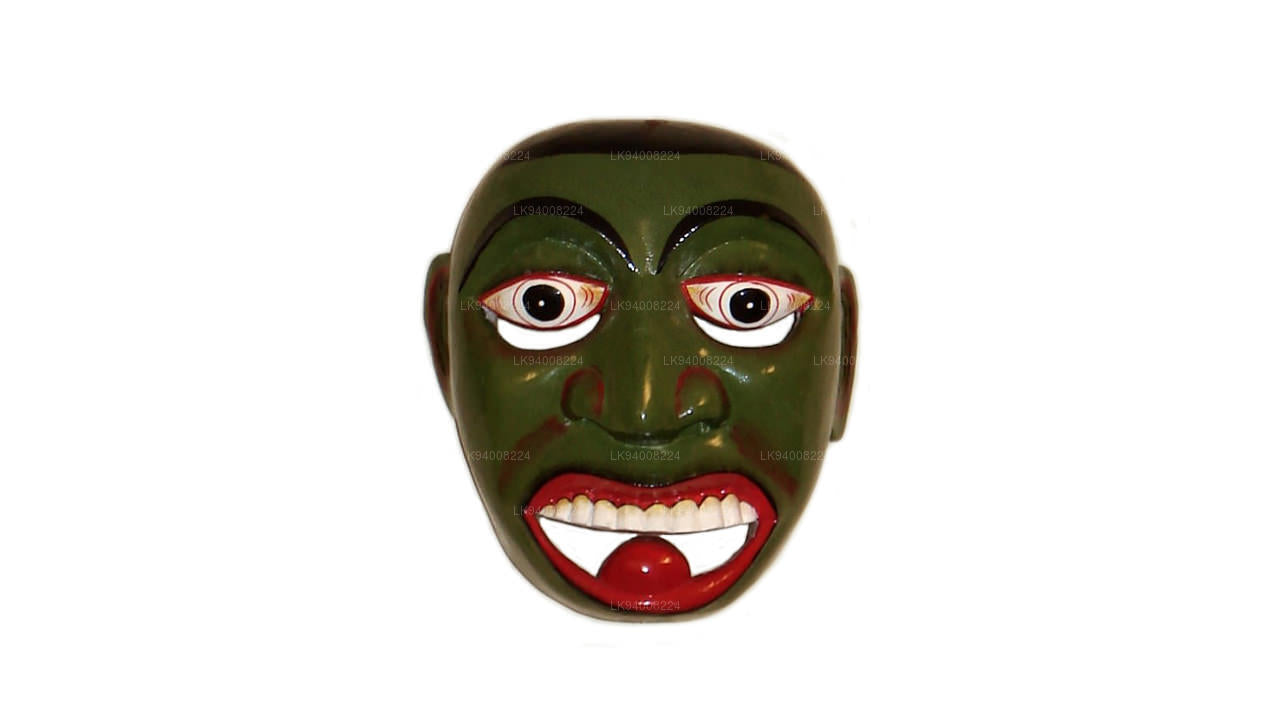
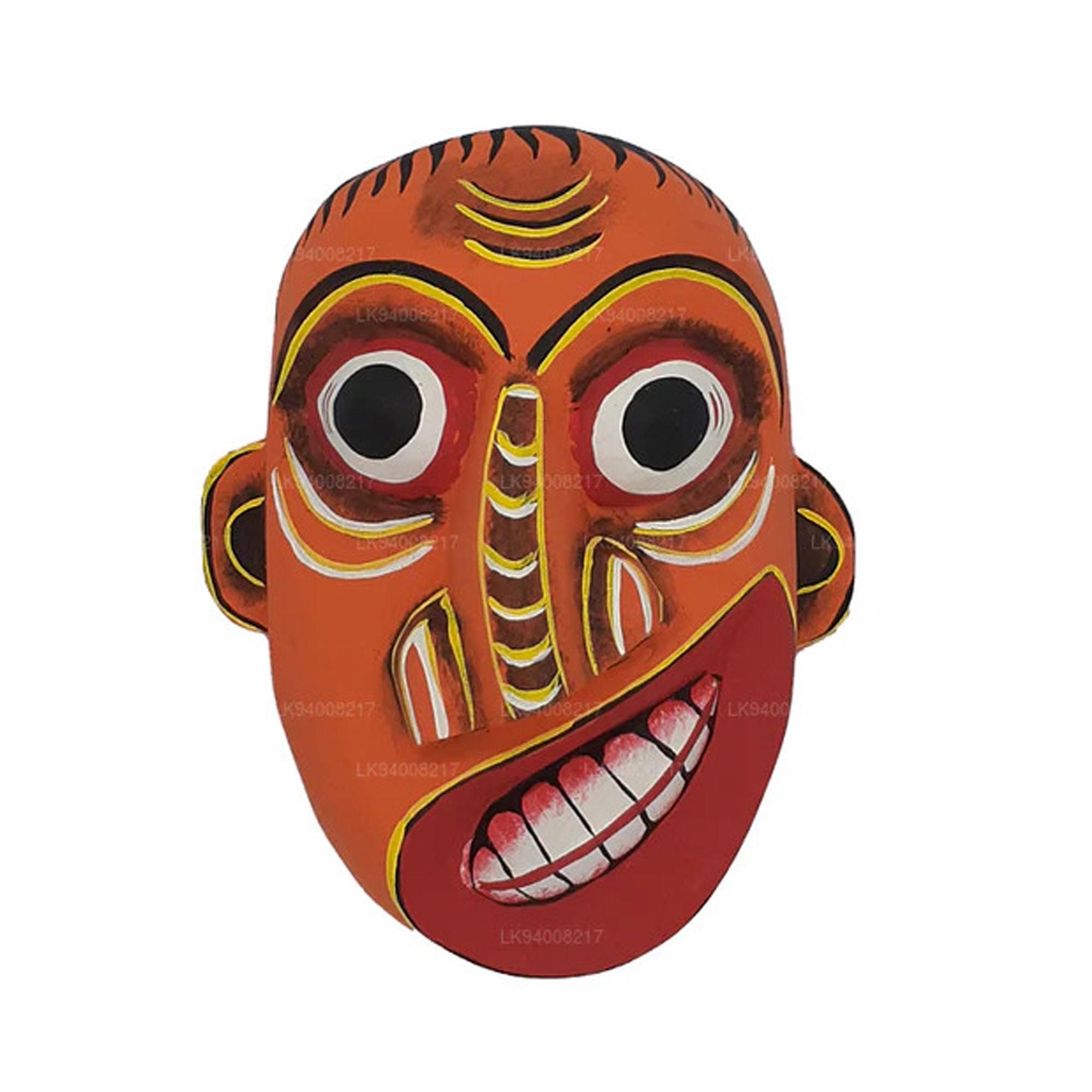
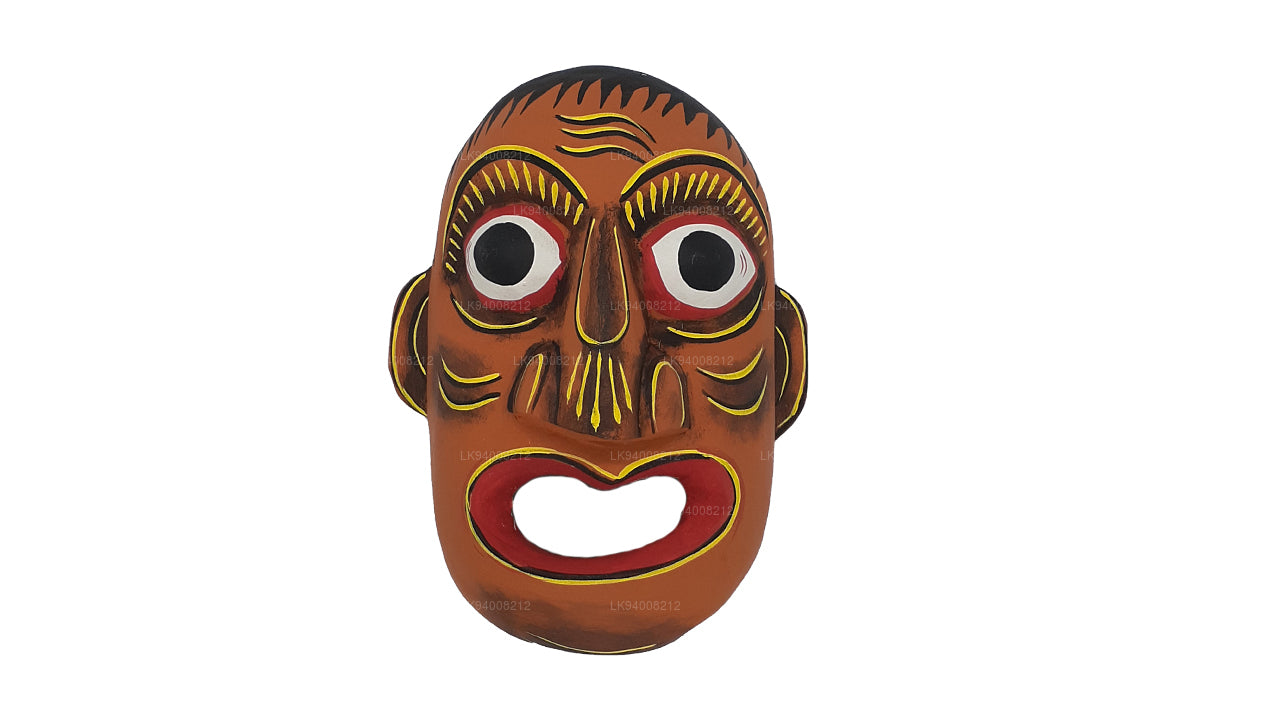
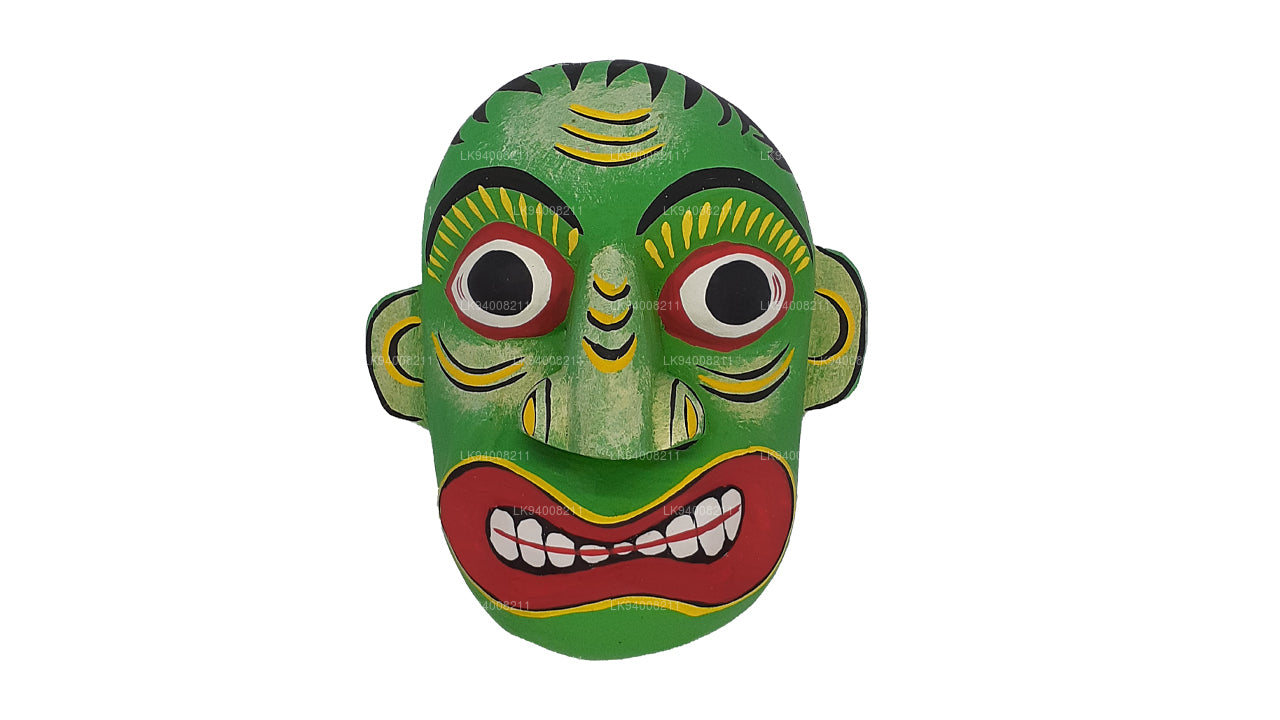
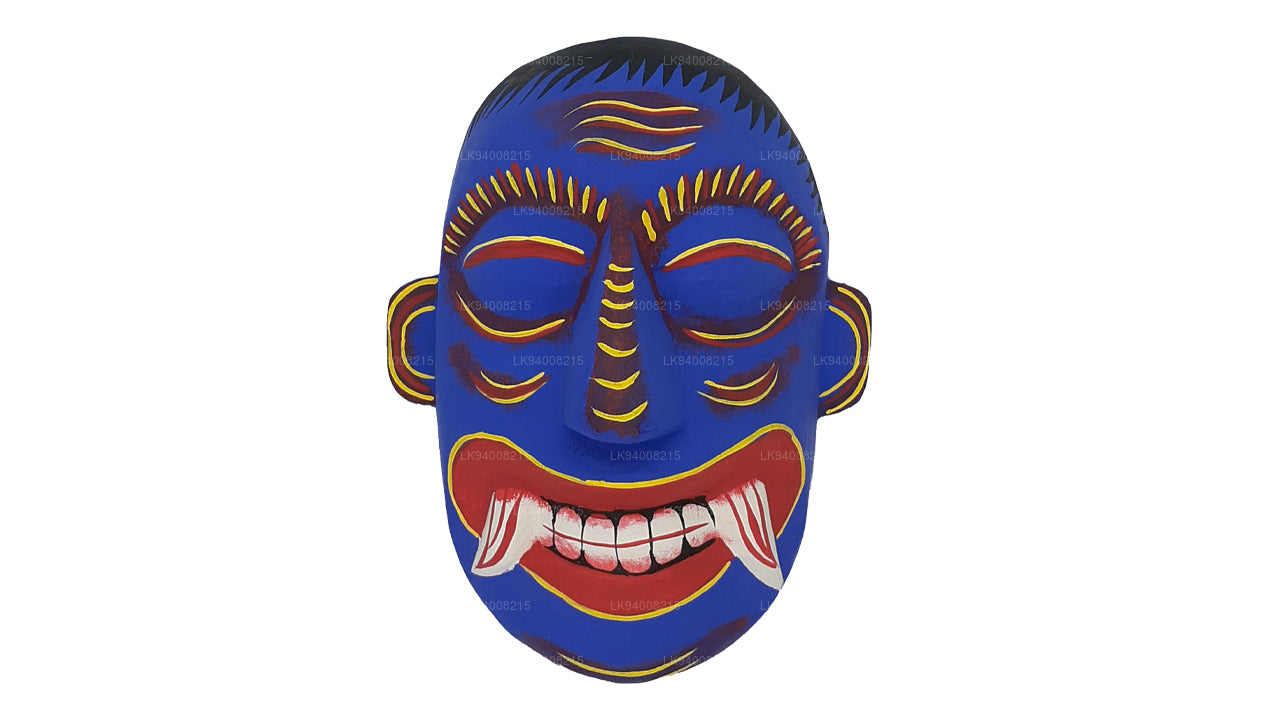
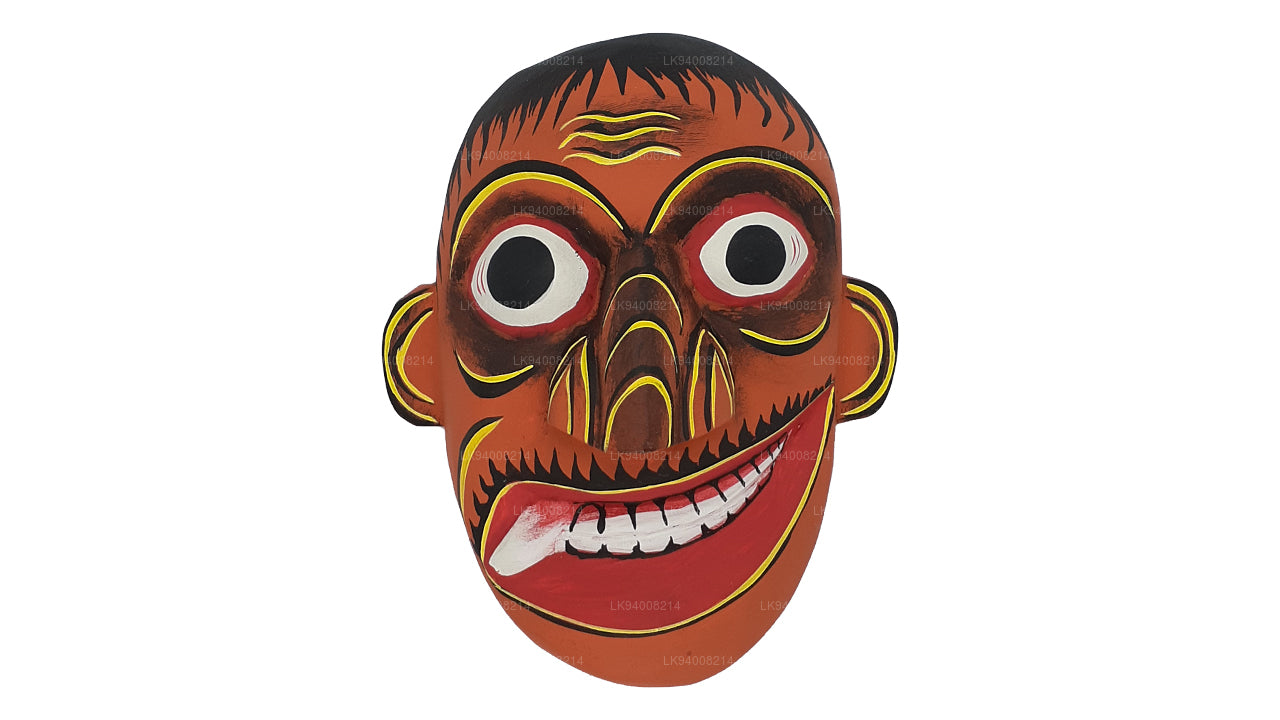
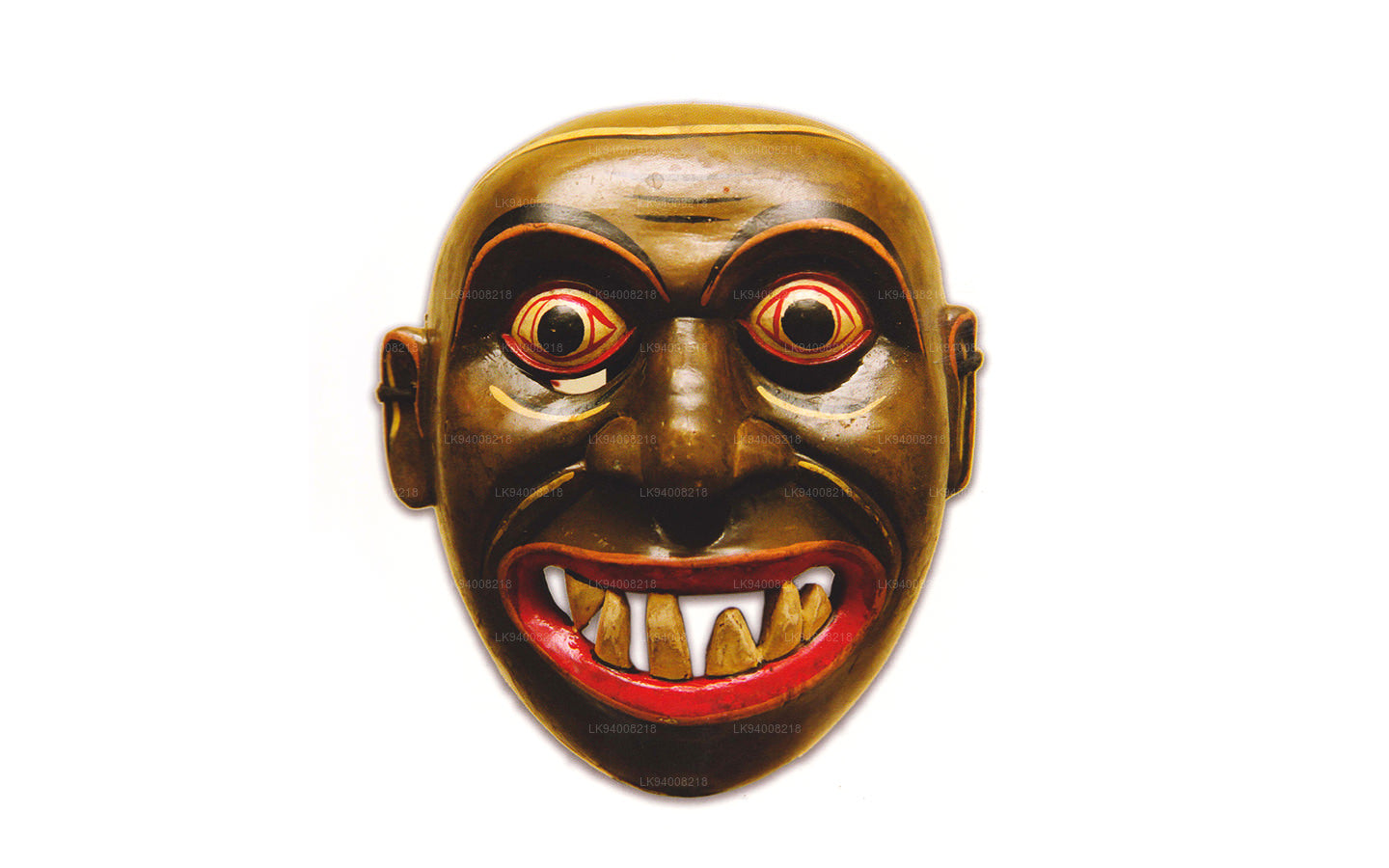
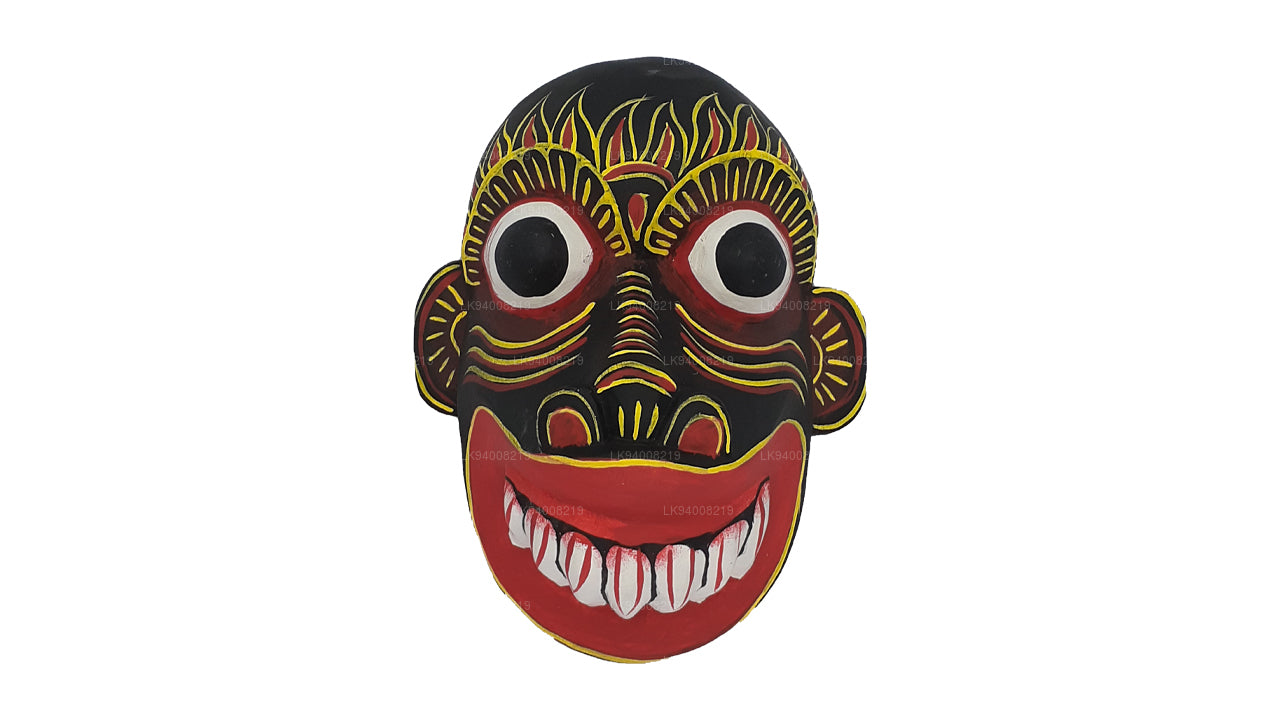
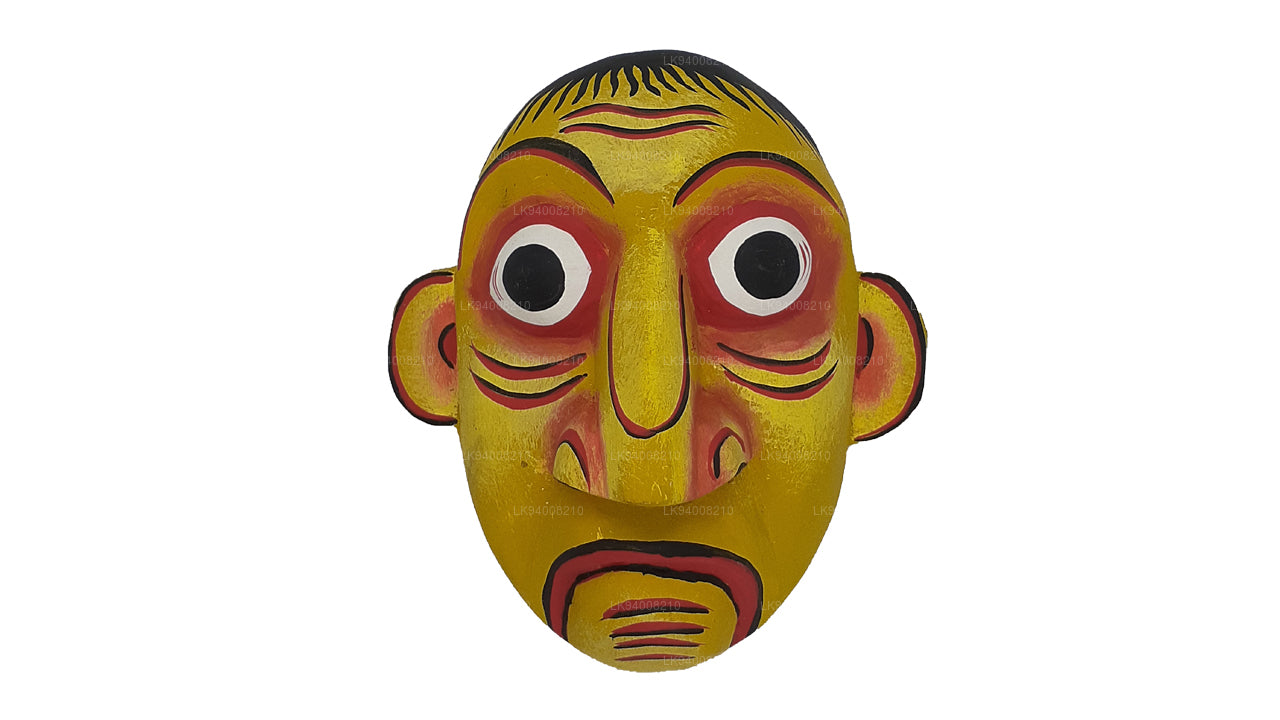
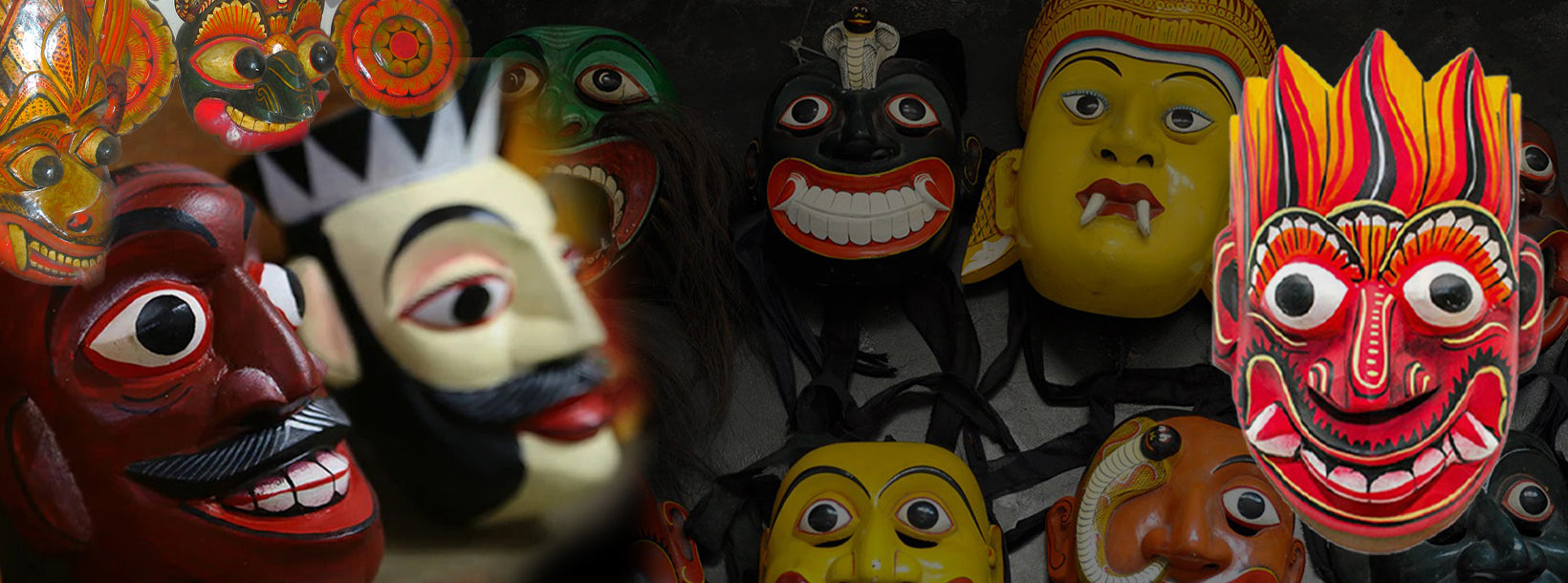
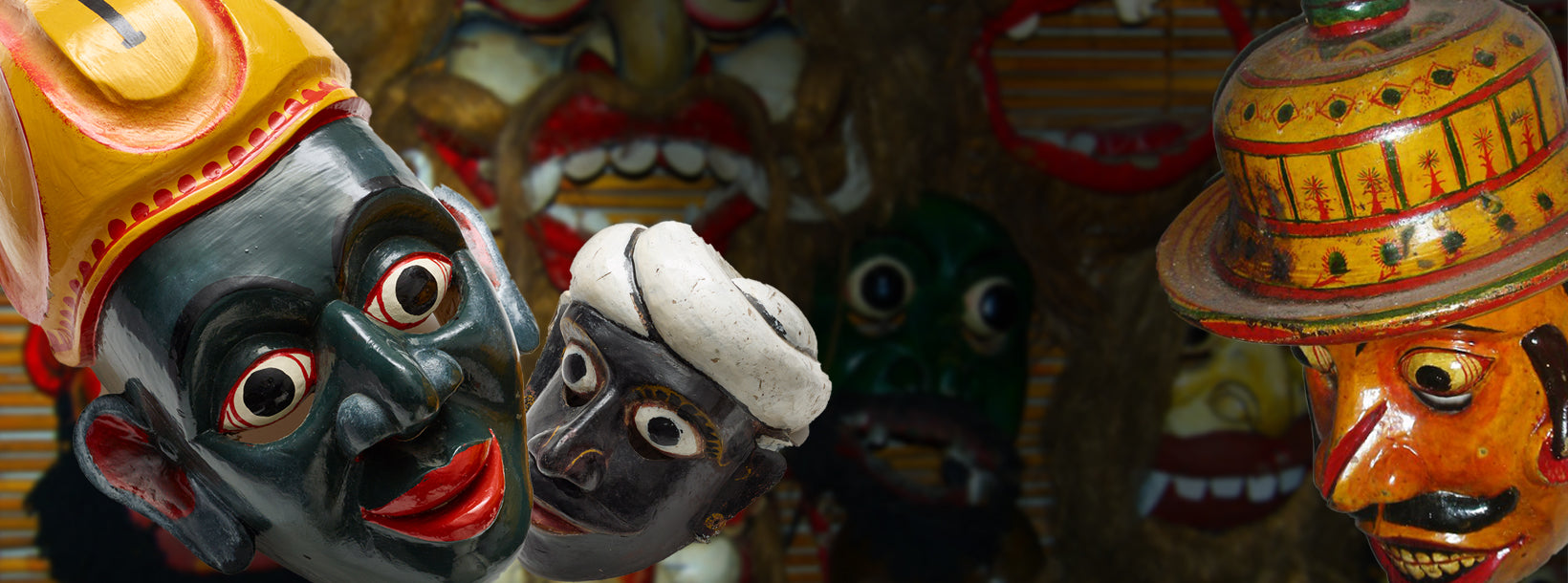
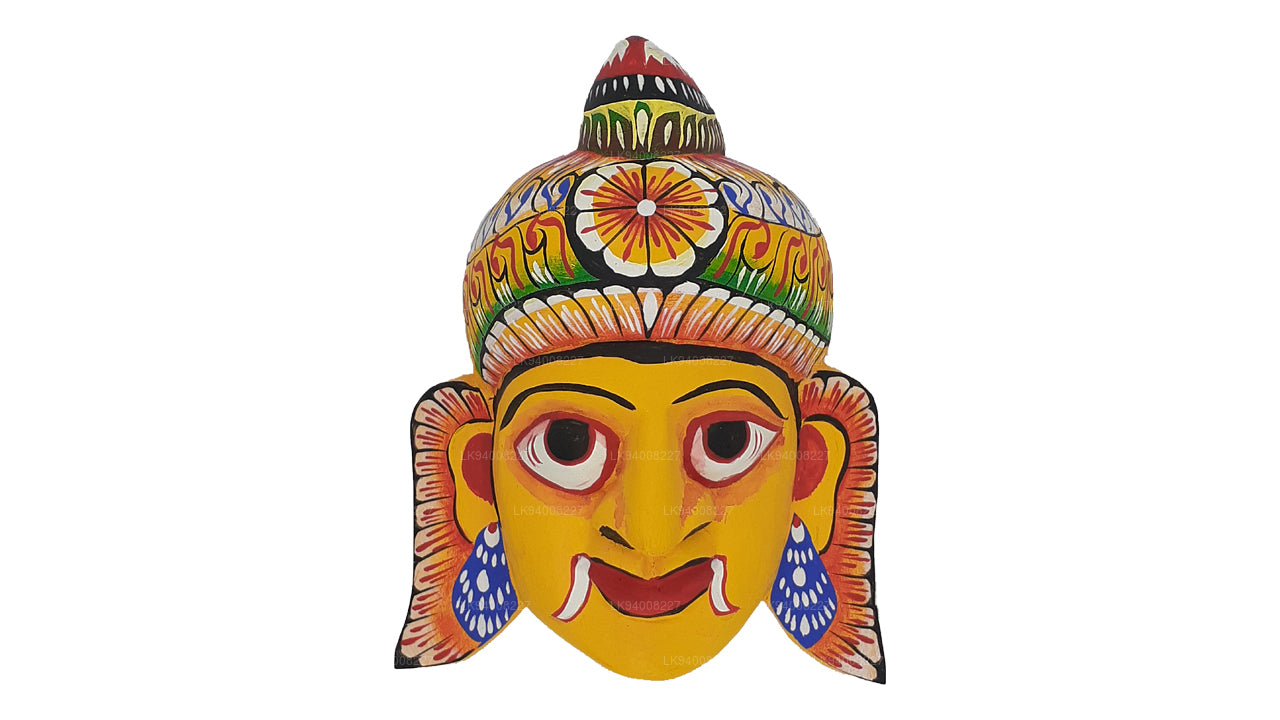
Sanni Masks are carved from light timber — traditionally kaduru wood — which is easy to work and light enough to wear during sustained dancing. Each mask is painted in bold, contrasting colours. The faces are almost always exaggerated and grotesque: bulging eyes, protruding teeth, gaping mouths, and distorted features that immediately signal the demonic identity of the character.

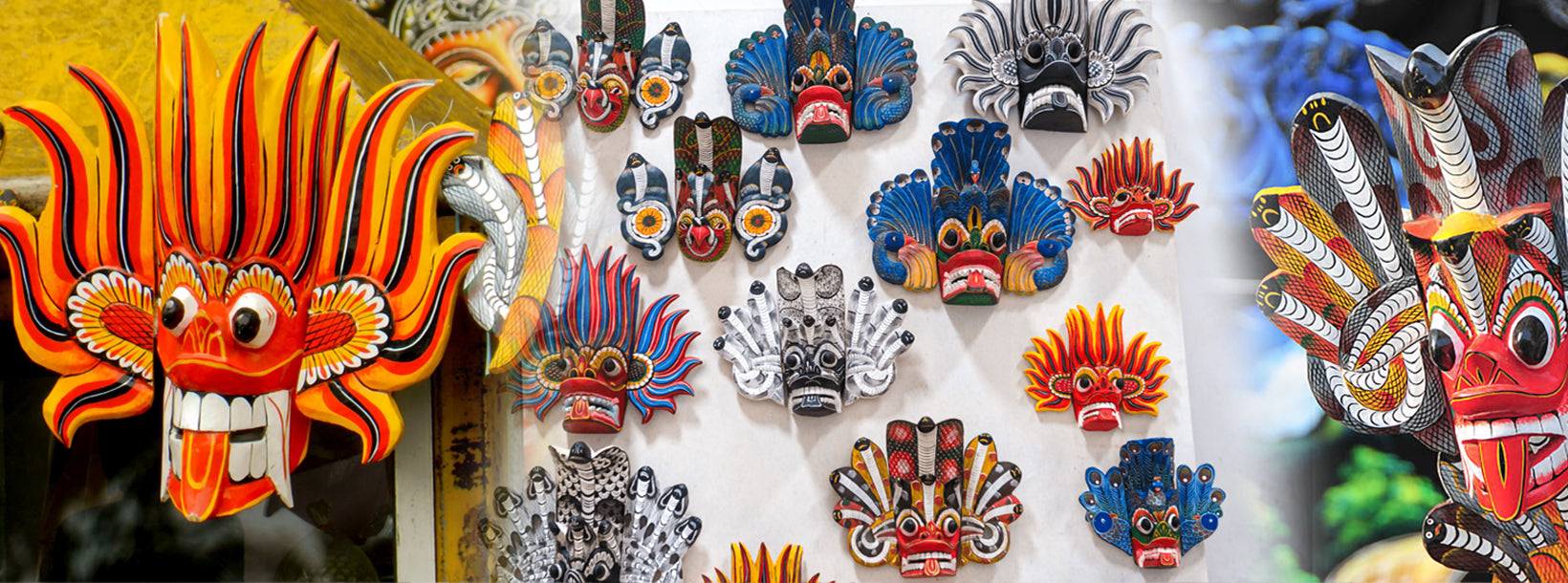
The mask of Kola Sanniya, the chief demon, is the most elaborate and often appears with multiple faces arranged in a composite design — some versions show eighteen smaller faces arrayed around a central one. Individual masks for the remaining seventeen demons are typically single-faced but each carries identifying visual markers: Bihiri Sanniya may feature blocked or distorted ears; Naga Sanniya often incorporates cobra imagery.

Beyond their ritual use, Sanni Masks have become one of the most recognisable forms of Sri Lankan craft. They are produced in workshops along the southern coast, particularly around Ambalangoda, which is considered the centre of Sri Lankan mask-making. Museums in Ambalangoda and Colombo hold significant collections, and the masks are widely documented in studies of traditional Sri Lankan material culture.

Where can you see Sanni Masks and Sanni Yakuma in Sri Lanka?

The Ambalangoda Mask Museum on the southern coast houses one of the most comprehensive collections of traditional Sri Lankan masks, including the full set of eighteen Sanni Masks with contextual explanations. Mask-carving workshops in the same town offer the opportunity to observe the craft process.

Actual Sanni Yakuma ceremonies are private ritual events, performed at the request of a family for a sick household member, and are not tourist performances. However, cultural centres in Colombo and the southern coast occasionally stage educational demonstrations of the dance sequences and mask traditions for visitors.

The southern and western provinces — where the low-country dance tradition is strongest — are the most likely regions in which to encounter the living ritual context. A Galle city tour combined with a visit to Ambalangoda provides a practical southern coastal itinerary that includes the mask-carving heritage.

Why do Sanni Masks matter beyond ritual?

The Sanni system represents an intersection of multiple disciplines: it is simultaneously an expression of folk religion, an oral literary tradition, a classification of illness, a performing art, and a craft tradition. Researchers in medical anthropology have noted that the eighteen-category disease taxonomy embedded in the ritual shows a sophisticated, if pre-scientific, understanding of different types of bodily suffering.

As a performing art, the Daha Ata Sanniya is formally recognised as one of the major low-country dance traditions of Sri Lanka. The combination of mask, costume, improvised dialogue, and percussive accompaniment makes it one of the more theatrically complex ritual forms in the region.

The masks themselves have influenced Sri Lankan visual art and commercial craft for generations. Their bold graphic language — distortion, vivid colour, symbolic form — continues to be referenced in contemporary Sri Lankan design and artisanal production.

Ask Lakpura® Agent