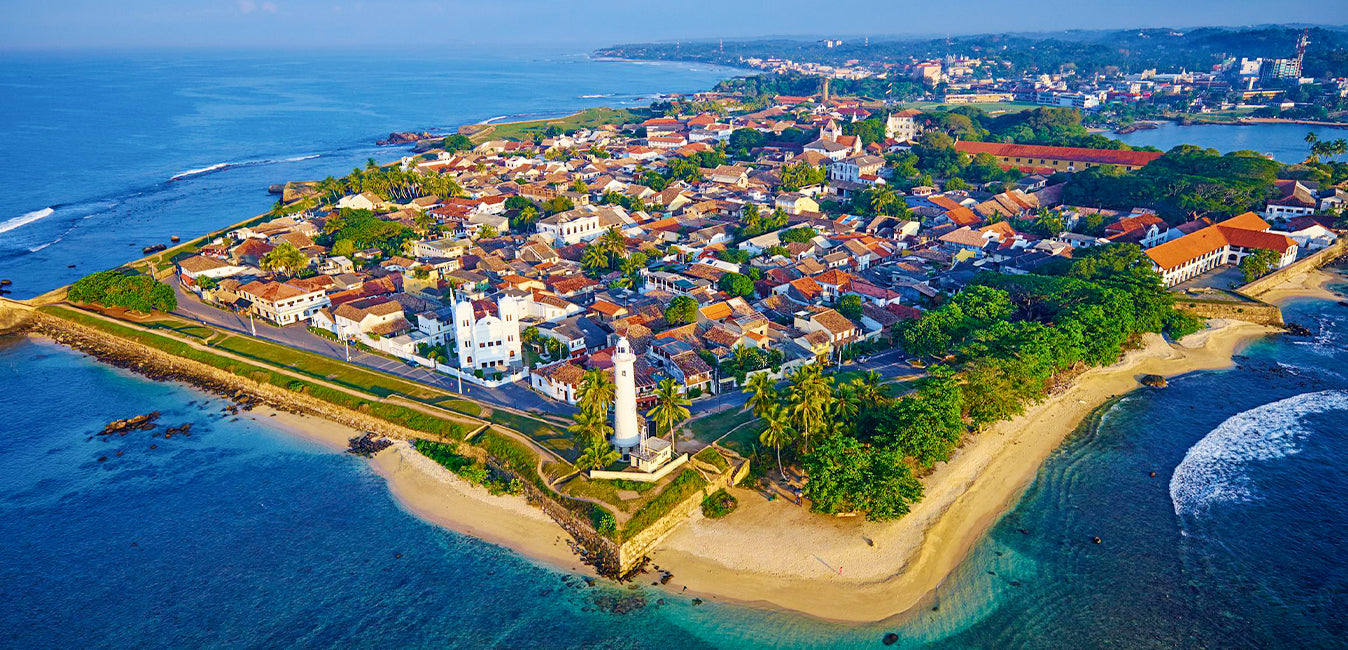
Set within the thick stone walls of a Dutch East India Company warehouse built in 1671, the National Maritime Museum of Galle offers one of Sri Lanka's most atmospheric museum experiences. The building itself is as much the exhibit as anything inside it — heavy timber beams, whitewashed walls, and a centuries-old floor plan that once stored spices, textiles, and trade goods bound for Europe. Today it holds a carefully assembled collection of nautical instruments, marine specimens, model vessels, and artefacts recovered from the seabed around Sri Lanka's coastline.
What is the history behind the National Maritime Museum?
Galle's strategic position roughly midway along the Indian Ocean trade routes made it a port of consequence long before European ships arrived. Arab, Chinese, and Indian merchants all called here, drawn by the harbour's natural shelter and the island's exports — cinnamon, black pepper, gems, and elephant ivory.
Portuguese forces seized Galle in the early 16th century and held it for roughly a hundred years, using the harbour primarily as a staging post for their wider Asian ambitions. They were displaced in 1640 by the Dutch East India Company (VOC), an organisation that approached colonial control with the precision of a corporation rather than the fervour of a crusading empire. The Dutch fortified Galle systematically, constructing a stone rampart system with three protective bastions and an imposing main gatehouse on the western face.
Immediately inside that gatehouse they erected a row of spacious warehouses in 1671. These structures were built to receive the cargo flowing through one of the VOC's busiest Indian Ocean entrepôts. Ceylon sat at the commercial centre of a network that stretched from the Cape of Good Hope to Japan, and Galle was the island's principal port during this era. The warehouses handled goods arriving and departing on VOC fleets — a constant procession of heavy-laden ships whose anchors, cannons, and personal effects now form a significant part of the museum's collection.
When the British displaced the Dutch in 1796 and later consolidated control over the entire island, they shifted their administrative and commercial focus to Colombo. Galle declined as a major port, though it never became entirely dormant. The old Dutch warehouses passed through various uses — military stores, a prison at one point — before being recognised as a heritage asset worth preserving. The Sri Lanka Ports Authority eventually oversaw the conversion of one warehouse block into the National Maritime Museum, which opened to the public and has since become an integral part of any Galle city tour.
What can you see inside the National Maritime Museum?
The collection is organised around three broad themes: maritime history, marine biology, and the archaeology of shipwrecks found in Sri Lankan waters.
- Navigational instruments: Sextants, compasses, telescopes, and charts spanning several centuries of Indian Ocean seafaring, including examples from the Dutch and British colonial periods.
- Model vessels: Scale models of traditional Sri Lankan outrigger fishing boats (oruwa), colonial-era trading vessels, and early steam-powered ships that called at Galle.
- Underwater archaeology: Artefacts retrieved from shipwrecks in Sri Lankan territorial waters — anchors, cannons, ceramic cargo, and personal items — accompanied by contextual information on the wrecks themselves.
- Marine biology exhibits: Preserved specimens of fish, coral, shells, and other organisms native to the seas surrounding the island, giving visitors a sense of the underwater environment that surrounds the historic port.
- The building itself: Interpretive panels explain the warehouse's original construction, its role in the VOC trade network, and the broader architectural heritage of Galle Fort, which is inscribed on the UNESCO World Heritage List.
The layout is modest in scale — a focused visit takes around 45 to 60 minutes — but the quality of presentation is well above average for a regional Sri Lankan museum.
Where is the National Maritime Museum located?
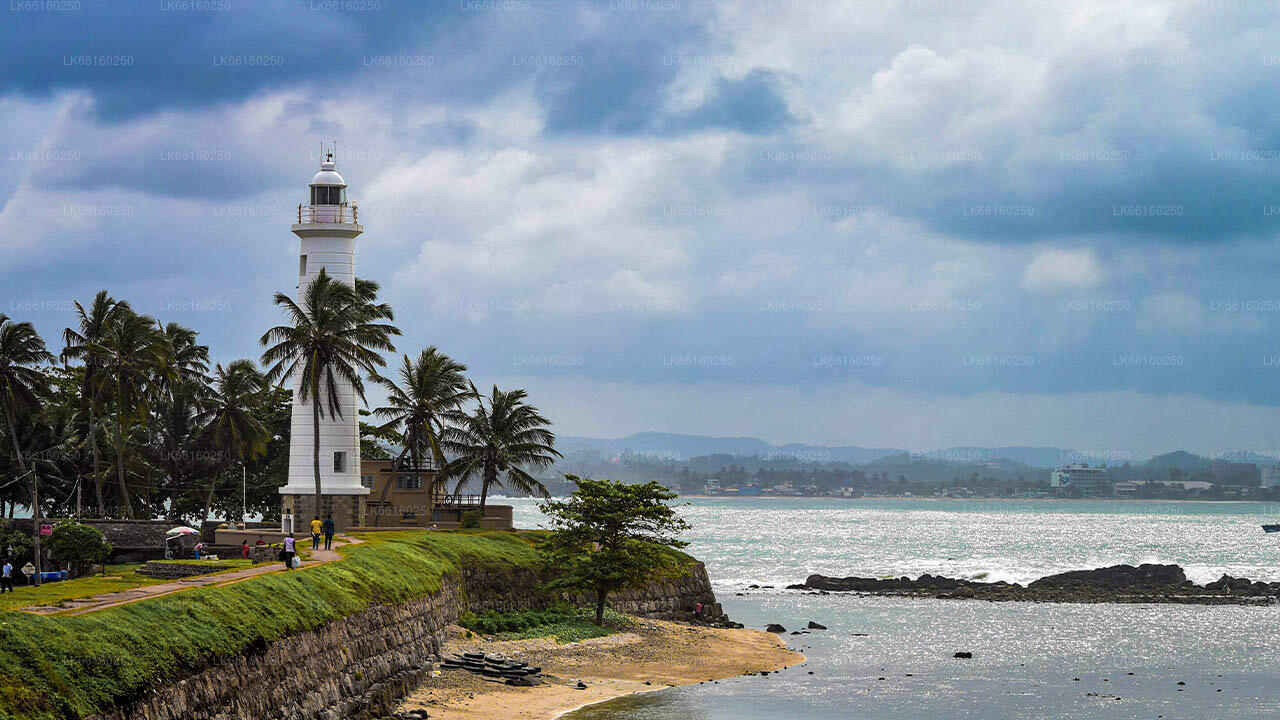
The museum sits on Queen Street inside Galle Fort, close to the main entrance gate and within easy walking distance of the fort's other key landmarks: the Dutch Reformed Church, the Groote Kerk Clock Tower, and the rampart promenade overlooking the Indian Ocean. Galle Fort itself is a compact area, and the museum is signposted clearly from the gatehouse.
Galle is approximately 120 km south of Colombo, typically a two-hour drive along the Southern Expressway (E01). Trains from Colombo Fort station also serve Galle, with scenic views of the coastline for much of the journey. From Galle railway station, the fort is a short three-wheeler ride or a walkable distance for those inclined.
When is the best time to visit the National Maritime Museum?
The museum is open most days except on national public holidays, though it is always worth confirming current opening hours with local contacts before arriving. Morning visits tend to be quieter, allowing more comfortable viewing of the exhibits before the midday tour groups arrive.
Galle and the Southern coast are driest and most accessible between November and April, when the southwest monsoon has retreated. The fort itself, however, can be visited year-round — the thick Dutch walls provide shade, and the museum interior is cool even on humid days.
How does the museum fit into a broader Galle visit?
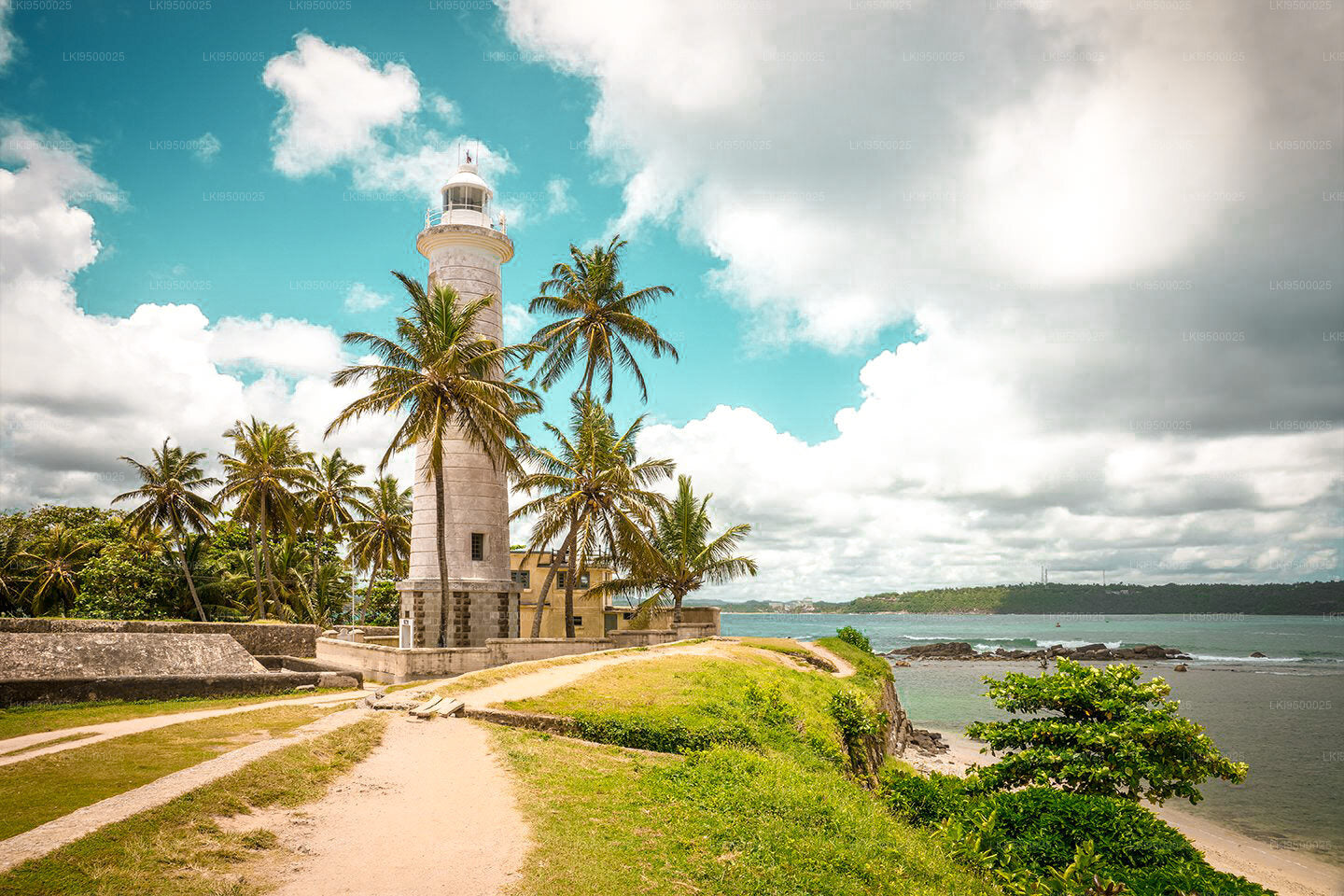
The National Maritime Museum pairs naturally with a walk along Galle Fort's ramparts, which offer wide views across the harbour and, on clear days, southward toward open ocean. Visitors with more time can combine the museum with a boat excursion on the Madu River, located roughly 30 km north of Galle, or with a visit to the Koggala Sea Turtle Conservation Project, which links thematically to the museum's marine biology exhibits.
For travellers on a Southern Sri Lanka circuit, Galle is also a practical base for day trips to Unawatuna, Mirissa, and the whale-watching departure points near Mirissa harbour — all experiences that resonate with the maritime story told inside the museum.
Is the National Maritime Museum suitable for children?
The combination of shipwreck artefacts, model boats, and preserved marine creatures tends to engage younger visitors more readily than purely art-based museums. The exhibits are accessible — most displays use plain descriptive language alongside the artefacts, and the scale models in particular hold children's attention. The surrounding fort environment, with its wide rampart walls and harbour views, also gives families room to explore after the museum visit.
What else should visitors know before going?
Photography is generally permitted inside the museum, though it is courteous to check on arrival. Dress modestly — while this is not a religious site, the fort contains active places of worship nearby. Comfortable walking shoes are advisable given the cobblestone streets of the fort. There are cafes and small restaurants within the fort walls for refreshments before or after the visit.