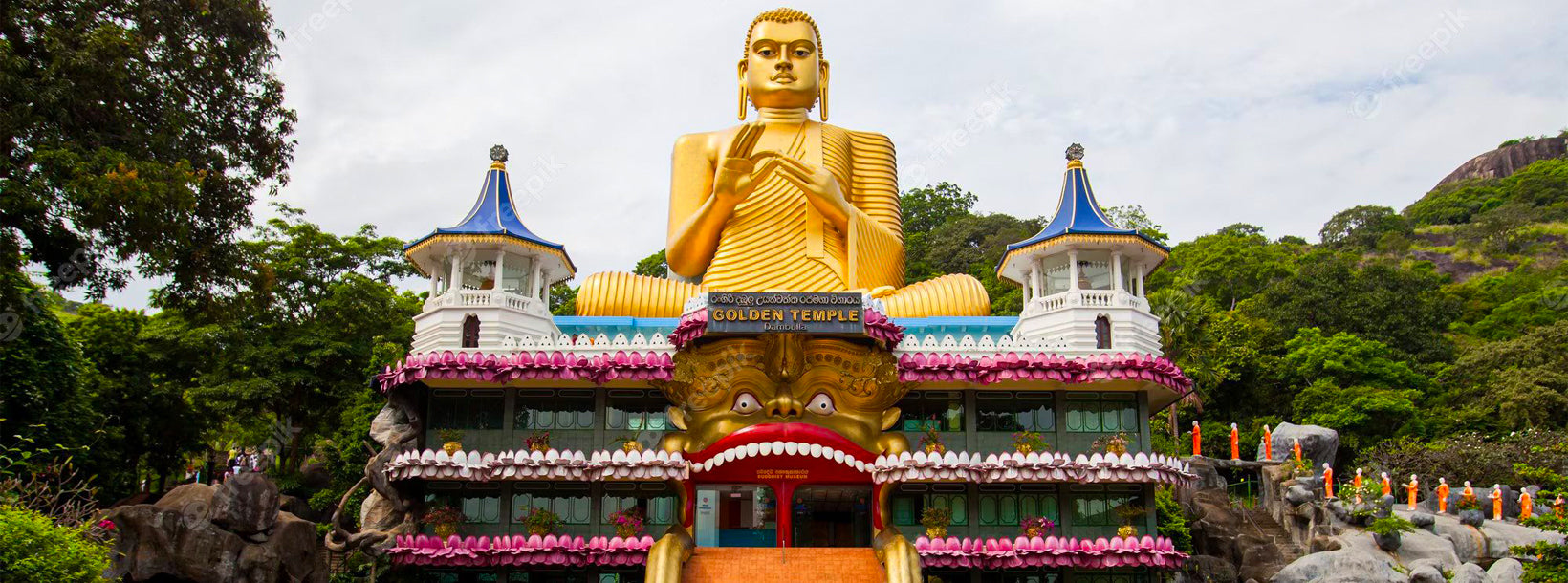
Rangiri Dambulla International Stadium (Dambulla)

Rangiri Dambulla International Stadium Dambulla Rangiri Dambulla International Stadium Dambulla Rangiri Dambulla International Stadium Dambulla

The Rangiri Dambulla International Stadium is significant cricket grounds. The ground is expanded across 60-acre land leased from the Rangiri Dambulla Temple. The idea behind building the ground was to provide a venue to conduct one-day matches throughout the year. The construction took only 167 days, and the ground officially opened its gates in 2000.

History
Construction was funded by the Board of Control for Cricket in Sri Lanka (BCCSL) and championed by the then BCCSL President, Thilanga Sumathipala. Construction took only 167 days. After construction and the inaugural match it sat idle due to complications with the lease and the contractors. International cricket finally returned in May 2003, the venue staging all seven matches of the tournament because of monsoon rains in the south.

  • The inaugural One Day International (ODI) match was played between Sri Lanka and England in March 2001.
  • Floodlights were installed in 2003.
  • This stadium hosted all the matches of the Asia Cup 2010, due to renovation of other grounds for the 2011 Cricket World Cup.
  • The stadium hosted only day matches from 2013 until late 2016.

Location
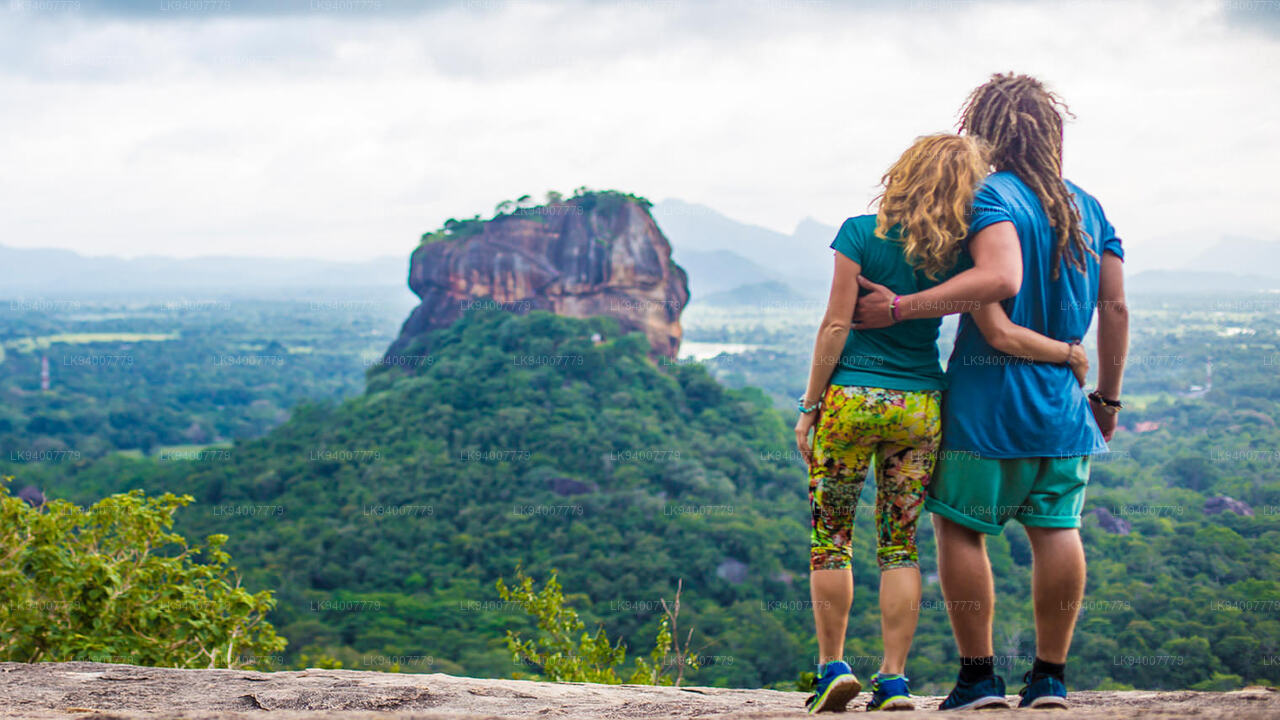
The Rangiri Dambulla International Stadium is situated in the North Central Province of Sri Lanka, near Dambulla.The ground is situated in the dry zone. It overlooks the Dambulla Tank (reservoir) and the Dambulla Rock. It comes under the dry zone of the country.

About The Pitch
The ground's pitch is considered as the first choice of bowlers as it provides soothing soil to seamers in the morning with a high water table and to spinners in the afternoon when it can crumble.

Rangiri Dambulla International Stadium Dambulla Rangiri Dambulla International Stadium Dambulla Rangiri Dambulla International Stadium Dambulla

මාතලේ දිස්ත්‍රික්කය ගැන

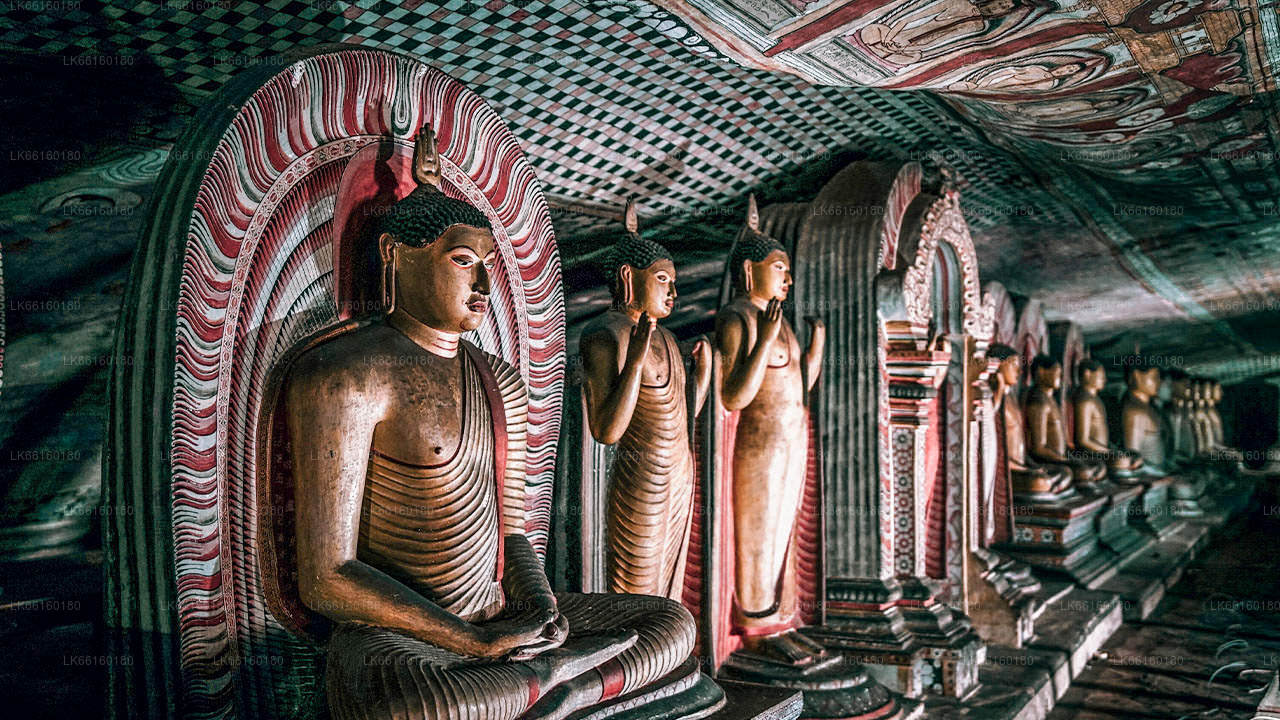
මාතලේ යනු ශ්‍රී ලංකාවේ කඳුකර ප්‍රදේශයක පිහිටි නගරයකි. නකල්ස් කඳු වැටිය මාතලේහි විශේෂ සන්ධිස්ථානයකි. මාතලේ පරිපාලන දිස්ත්‍රික්කයේ ඓතිහාසික සීගිරි පාෂාණ මාලිගාව, අළුවිහාරේ පන්සල සහ දඹුල්ල ගුහා පන්සල ද අඩංගු වේ. නගරය වටා විල්ට්ෂයර් ලෙස හඳුන්වන නකල්ස් කඳු පාමුල පිහිටා ඇත. එය ප්‍රධාන වශයෙන් කෘෂිකාර්මික ප්‍රදේශයක් වන අතර, තේ, රබර්, එළවළු සහ කුළුබඩු වගාව ප්‍රමුඛ වේ.

නගරයේ උතුරු පැත්තේ ඇති අළුවිහාරේ පන්සල, පාලි ත්‍රිපිටකය මුලින්ම ඔලා (තල්) කොළ මත සම්පූර්ණයෙන්ම පෙළෙහි ලියා ඇති ඓතිහාසික ස්ථානයයි. අළුවිහාරේ අසල පිහිටා ඇති ආරාම ගුහා රාශියක් ඇති අතර, ඒවායින් සමහරක් සියුම් බිතුසිතුවම් ප්‍රදර්ශනය කරයි.

මධ්‍යම පළාත ගැන

ශ්‍රී ලංකාවේ මධ්‍යම පළාත ප්‍රධාන වශයෙන් කඳුකර භූමි ප්‍රමාණයකින් සමන්විත වේ. පළාතේ භූමි ප්‍රමාණය කිලෝමීටර් 5,674 ක් වන අතර ජනගහනය 2,421,148 කි. මහනුවර, ගම්පොල (24,730), නුවරඑළිය සහ බණ්ඩාරවෙල සමහර ප්‍රධාන නගර අතර වේ. ජනගහනය සිංහල, දෙමළ සහ මුවර්ස් මිශ්‍රණයකි.

කඳුකර අගනුවර වන මහනුවර සහ නුවරඑළිය නගරය යන දෙකම මධ්‍යම පළාත තුළ මෙන්ම ශ්‍රී පාදය තුළ පිහිටා ඇත. පළාතේ සියලුම කෝපි වගාවන් විනාශකාරී රෝගයකින් විනාශ වීමෙන් පසු 1860 ගණන්වල බ්‍රිතාන්‍යයන් විසින් වගා කරන ලද ප්‍රසිද්ධ ලංකා තේ වලින් වැඩි ප්‍රමාණයක් මෙම පළාත විසින් නිෂ්පාදනය කරනු ලැබේ. මධ්‍යම පළාත බොහෝ සංචාරකයින් ආකර්ෂණය කර ගන්නා අතර, මහනුවර, ගම්පොල, හැටන් සහ නුවරඑළිය වැනි කඳුකර නගර ඇත. පන්සල් දළදා මාලිගාව යනු සෙන්ට්‍රල් පළාතේ ප්‍රධාන පූජනීය ස්ථානයයි.

දේශගුණය සිසිල් වන අතර මීටර් 1500 ක් පමණ උසින් පිහිටි බොහෝ ප්‍රදේශ බොහෝ විට සීතල රාත්‍රීන් ඇත. බටහිර බෑවුම් ඉතා තෙත් වන අතර සමහර ස්ථානවල වසරකට මිලිමීටර් 7000 කට ආසන්න වර්ෂාපතනයක් ලැබේ. නැගෙනහිර බෑවුම් මධ්‍යම වියළි කලාපයේ කොටස් වන අතර එයට ඊසානදිග මෝසමෙන් පමණක් වර්ෂාව ලැබේ. උෂ්ණත්වය මහනුවර 24°C සිට මුහුදු මට්ටමේ සිට මීටර් 1,889 ක් ඉහළින් පිහිටි නුවරඑළියේ 16°C දක්වා පරාසයක පවතී. ශ්‍රී ලංකාවේ උසම කඳු පිහිටා ඇත්තේ මධ්‍යම පළාතේය. භූමි ප්‍රදේශය බොහෝ දුරට කඳුකර වන අතර ගැඹුරු නිම්න එයට කපා ඇත. ප්‍රධාන කඳු කලාප දෙක වන්නේ මධ්‍යම කඳු පන්තිය සහ මහනුවරට නැගෙනහිරින් පිහිටි නකල්ස් පරාසයයි.