Cassia senna, known in Sinhala as Senehe Kola and in Tamil as Nila Verai, is a small medicinal shrub belonging to the family Leguminosae (Fabaceae). Widely recognised across South and Southeast Asia, this plant has been integral to traditional healing systems — including Sri Lankan Ayurveda and Unani medicine — for centuries. Its leaves, pods, and flowers each carry therapeutic properties that practitioners continue to draw on today.

What does Cassia senna look like?
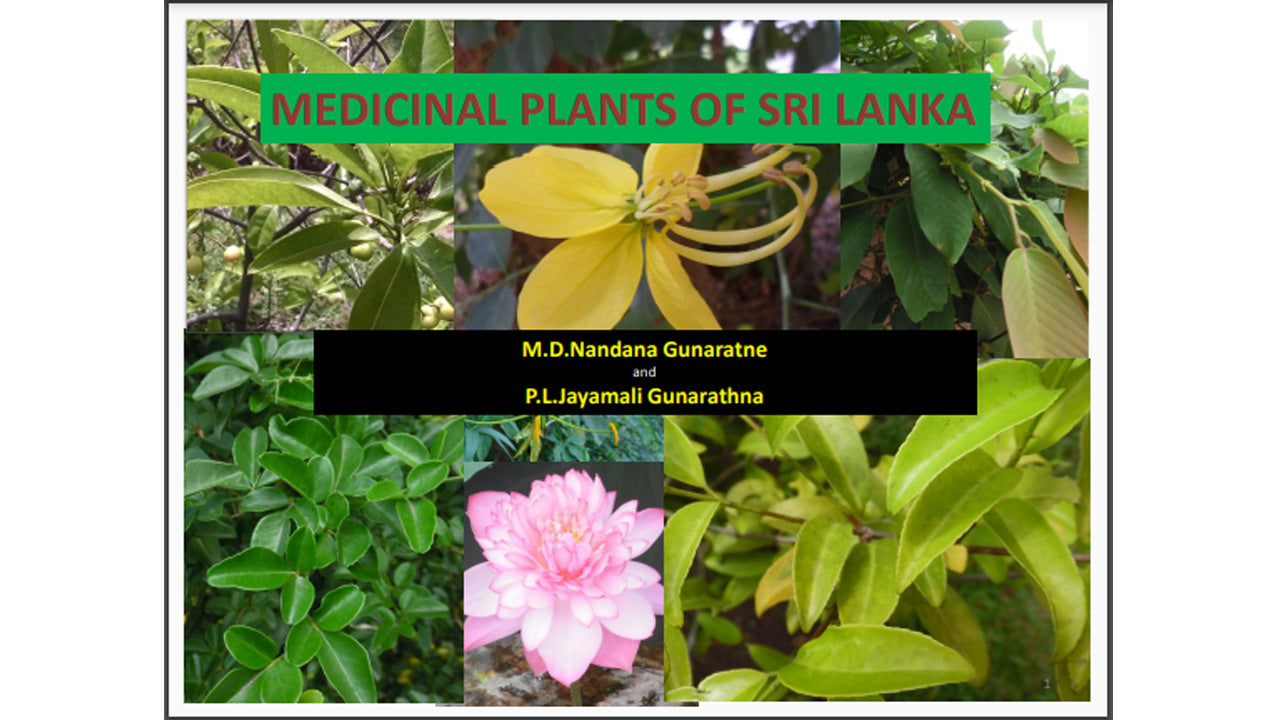
Cassia senna grows as a compact, erect shrub, typically reaching around one metre in height under favourable conditions. Its leaves are compound (pinnate), with paired leaflets roughly 2–3 cm long and about 1 cm wide, tapering to a pointed tip. The leaflets are pale to mid-green, smooth, and arranged symmetrically along a central stalk.
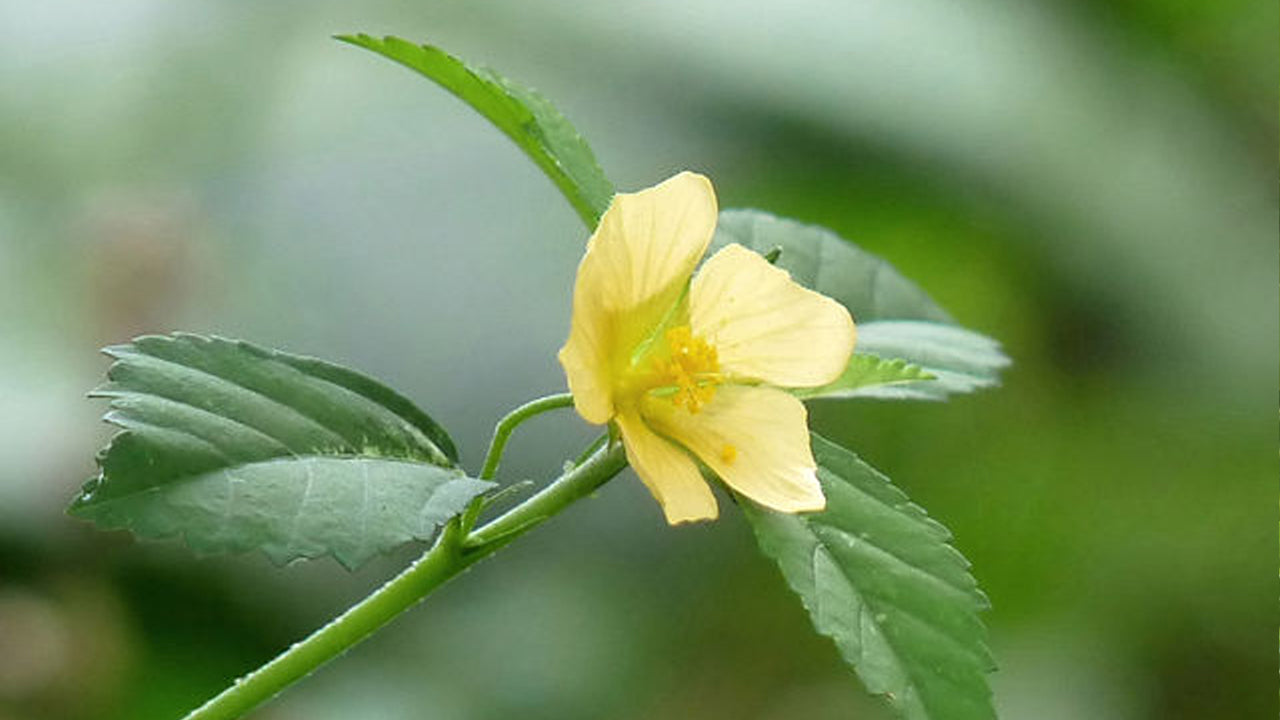
The flowers are a clear, warm yellow and appear as upright clusters (racemes) near the top of the plant — making it visually distinctive among roadside and garden shrubs. The seed pods are flat, elongated, and dark brown when mature, containing several seeds that are also used in traditional preparations.
Where does Cassia senna grow in Sri Lanka?
In Sri Lanka, Cassia senna grows across the dry and intermediate zones, often found along roadsides, field margins, and scrubland. It tolerates well-drained, sandy soils and thrives in areas with a pronounced dry season. The plant is cultivated in home gardens for medicinal use and is also found growing semi-wild in the Northern, North-central, and Eastern provinces.
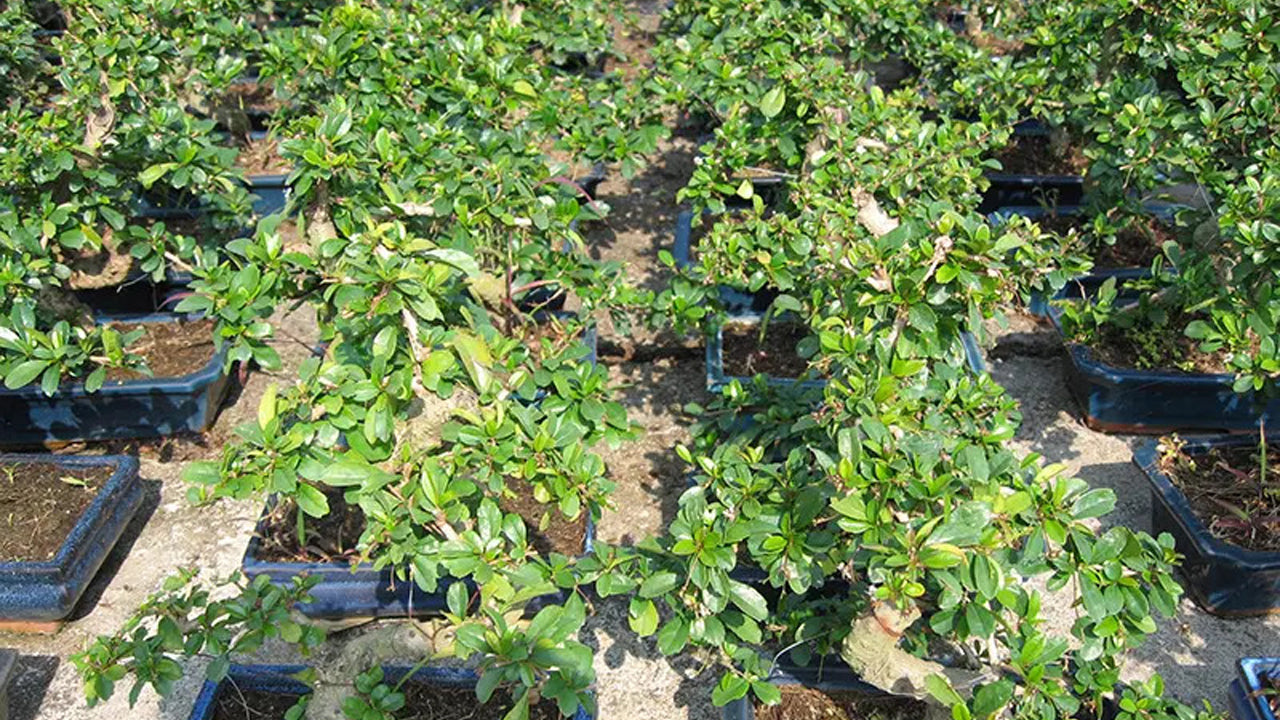
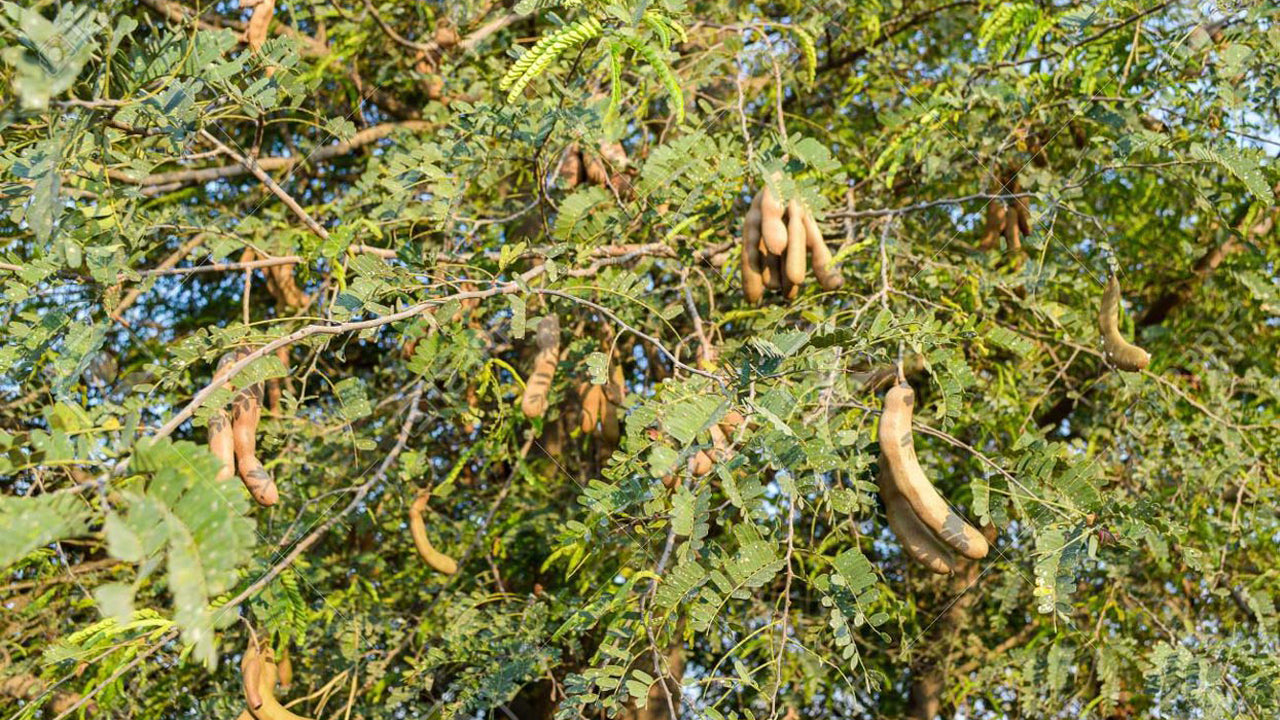
Related species such as Acacia chundra share similar dry-zone habitats and are likewise valued in traditional Sri Lankan medicine, reflecting the richness of the island's native botanical heritage.
What are the traditional medicinal uses of Senehe Kola?
Cassia senna is best known as a natural laxative and purgative. Ayurvedic practitioners have long used it to manage constipation, stimulate bowel movement, and cleanse the digestive tract before other treatments. The active compounds responsible — known as sennosides — work by stimulating the muscles of the colon wall.
Beyond digestive health, traditional formulations involving Senehe Kola are used for a broad range of conditions, including:
- Loss of appetite and indigestion
- Enlargement of the liver (hepatomegaly) and spleen (splenomegaly)
- Skin diseases, including itchy lumps and eruptions
- Jaundice and anaemia
- Fever associated with malaria
For topical skin complaints, traditional practice involves grinding the fresh leaves with pure coconut vinegar and applying the paste to the affected area, sometimes combined with honey or beeswax preparations. Such plant-based topical remedies remain common in rural Sri Lankan households.
How is Cassia senna used in Ayurvedic preparations?
In Sri Lankan and Indian Ayurveda, Cassia senna leaves and pods are used in a variety of formulations — from simple leaf infusions and decoctions to compound herbal preparations. The dried leaves are the most commonly traded part of the plant commercially, and Sri Lanka has historically been a source of quality senna leaf for both domestic use and export.
Sennosides A and B, the primary bioactive glycosides, are concentrated mainly in the leaves and pods. These are standardised in many modern pharmaceutical laxative products, bridging traditional use and contemporary medicine. Herbal teas made from Cassia senna flowers offer a gentler preparation, often consumed to support mild digestive discomfort rather than as a strong purgative.
As with any potent botanical remedy, prolonged or unsupervised use is not recommended. Traditional practitioners typically prescribe senna in short courses and often combine it with carminative herbs to minimise cramping.
How does Cassia senna relate to other Sri Lankan medicinal plants?
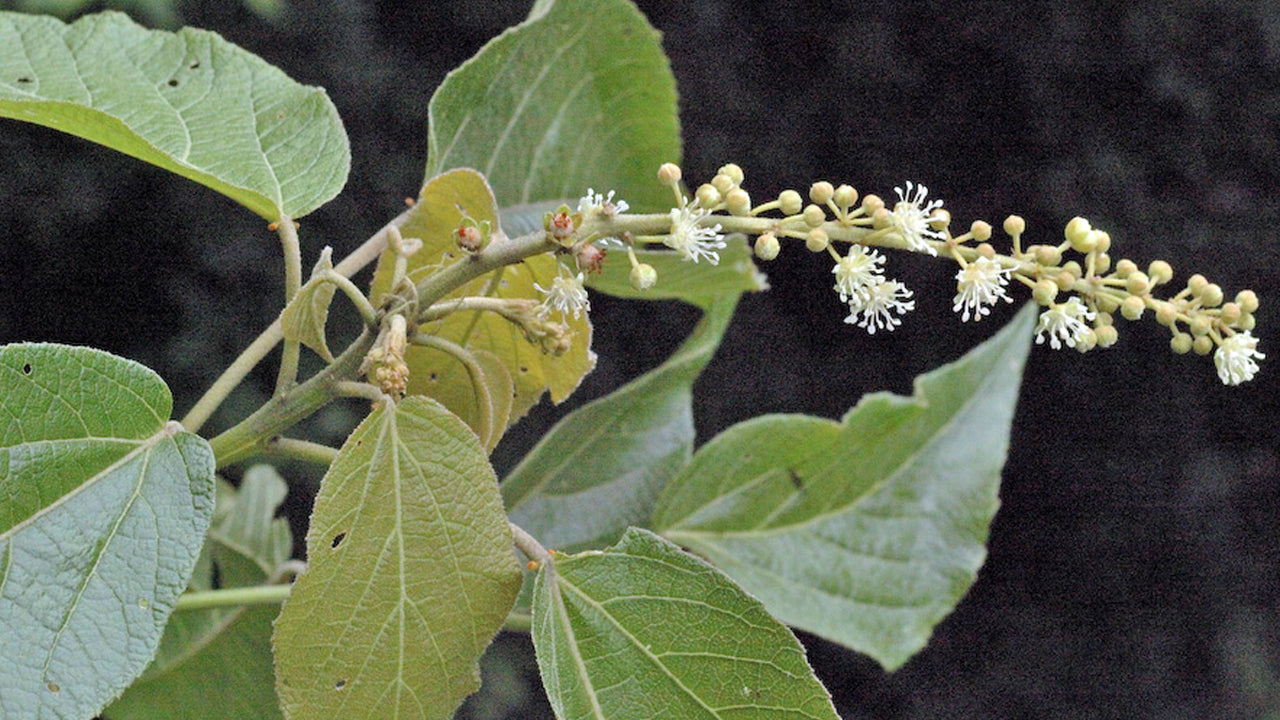
Sri Lanka's pharmacopoeia of traditional medicinal plants is remarkably diverse. Cassia senna sits within a broader ecosystem of leguminous and shrubby medicinal species used in local healing traditions. Pongamia pinnata, for example, is another native tree in the Leguminosae family whose bark, seeds, and oil are used in Ayurvedic skin and joint treatments — illustrating the depth of medicinal knowledge embedded in Sri Lankan botanical traditions.
The island's wet-zone forests, dry-zone scrublands, and home gardens together form a living pharmacopoeia, with plants such as Cassia senna serving as an accessible, low-cost remedy for communities across all regions.
Is Cassia senna safe to use?
Cassia senna is generally considered safe when used for short periods in appropriate doses. International health authorities, including the European Medicines Agency, have reviewed its use as a short-term laxative and found it acceptable for adults and children over twelve. However, it is not recommended during pregnancy, for those with bowel obstruction, or for extended daily use, as dependency on stimulant laxatives can develop over time.
Anyone with an underlying health condition should consult a qualified Ayurvedic or conventional medical practitioner before using senna preparations. In Sri Lanka, registered Ayurvedic physicians (through the Department of Ayurveda) can provide guidance on appropriate dosage and preparation methods.
Where can I find Cassia senna products in Sri Lanka?
Dried Cassia senna leaves and standardised preparations are widely available at Ayurvedic pharmacies (called weda maduwa), herbal shops, and larger supermarkets across Sri Lanka. Senna flower teas have also entered mainstream wellness retail in recent years, offering a convenient and milder format for travellers interested in exploring traditional herbal wellness. Online platforms, including Lakpura, stock a range of senna-based and related herbal products sourced from reputable Sri Lankan producers.