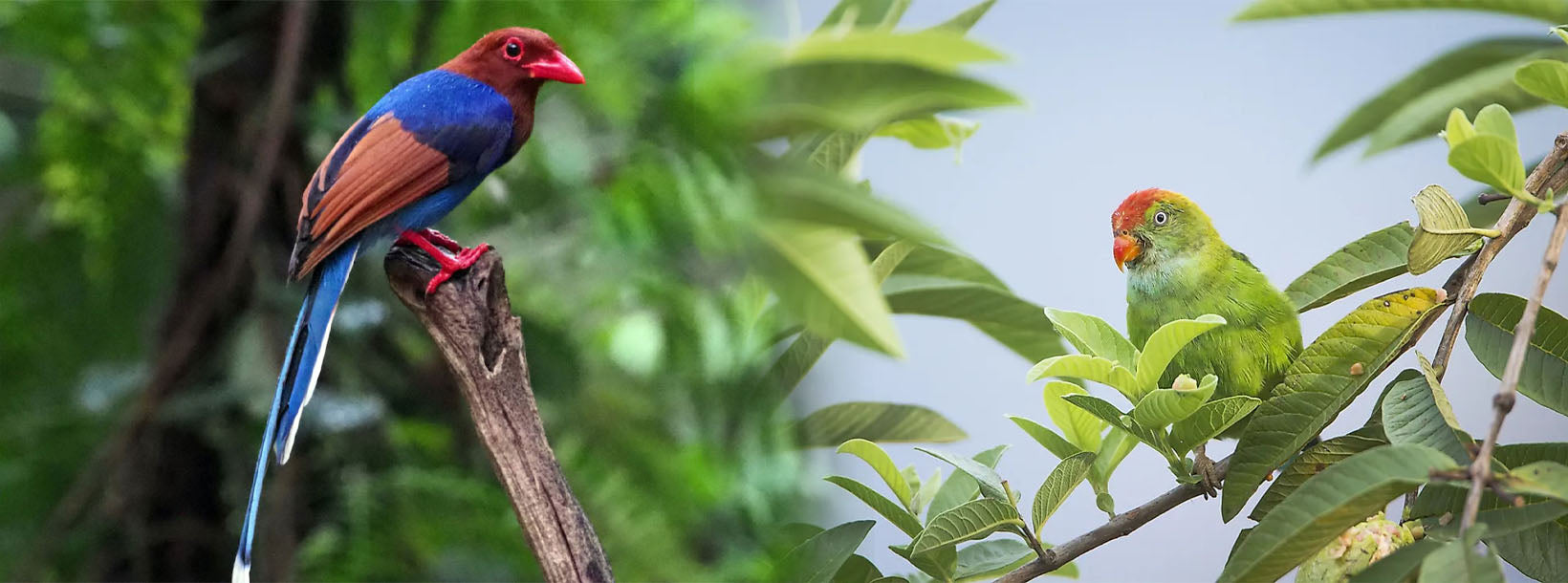
Red Faced Malkoha


Red-faced Malkoha "Phaenicophaeus pyrrhocephalus" (Pennant, 1769)
These exceedingly shy birds move about only among topmost branches of the forest, coming lower down very rarely indeed. When moving between trees they flit rapidly from the mid-canopy, from one branch to another, and then scuffle almost immediately into the cover of the foliage to begin feeding. Three or four birds generally move around together, and the species is known to be part of the multi-species feeding flocks observed in the Sinharaja Forest. The birds feed on fruits and insects in the forest canopy. When about to move between trees, the birds move up into the higher branches before gliding away to the next tree.
The red face, white belly, long tail, and white tail tip are the best marks for rapid identification of this bird, a large specimen that could reach 46 cm in length. Their call, which is a soft krrrr, times emitted together with clicks of the bill and hisses, when excited, is very rarely heard.
Red-faced Malkoha — Phaenicophaeus pyrrhocephalus
Male malkohas are smaller than the females. The male’s iris is brown, whereas that of the female is white. As y, they are entirely confined to undisturbed tall forest patches in the wet zone, scattered tall forests and riverine vegetation of the dry zone, and also some parts of the central hills up to about 1,300 meters altitude.
A very few red-faced malkoha nests have been recorded. The nest is a shallow cup made of twigs, grass, roots, and leaves, put together on a tree fork. The breeding season is believed to be around May, a clutch of two or three eggs being laid. The eggs are broad ellipses, 35.8×27 mm in size, white, with a chalky surface often stained with nesting material.


-
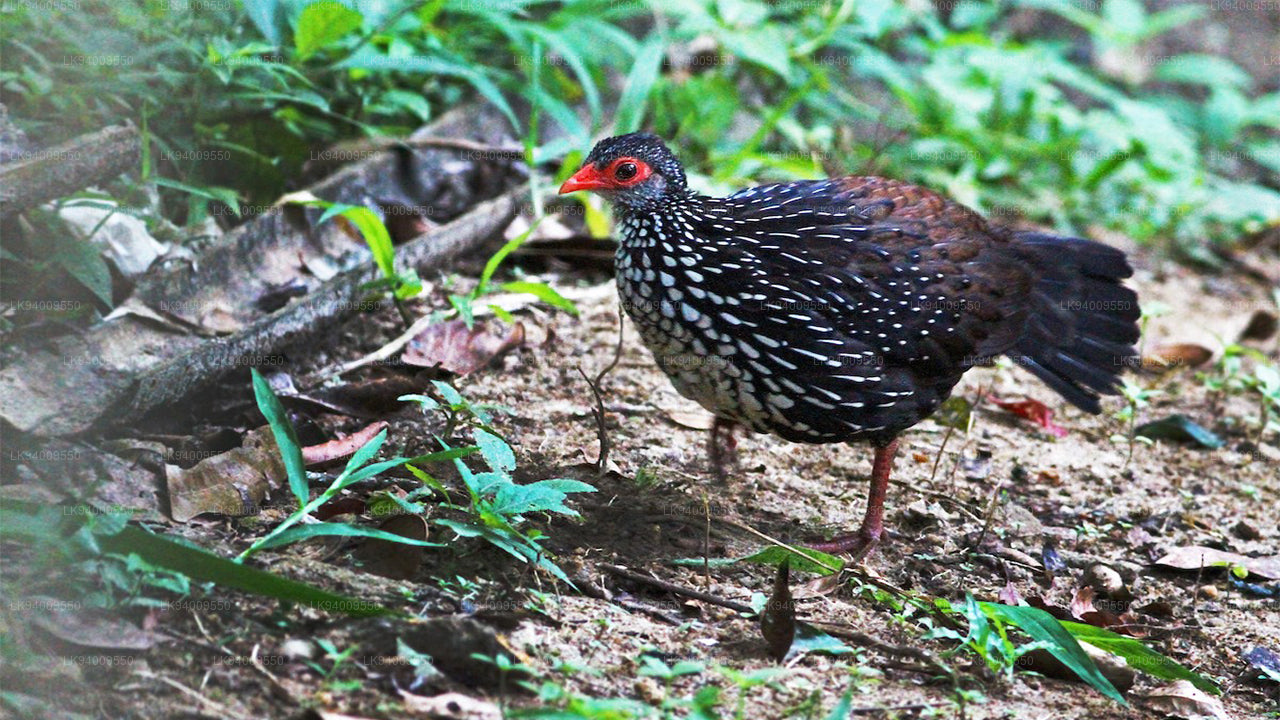 Ceylon Spurfowl
Galloperdix bicalcarata
-
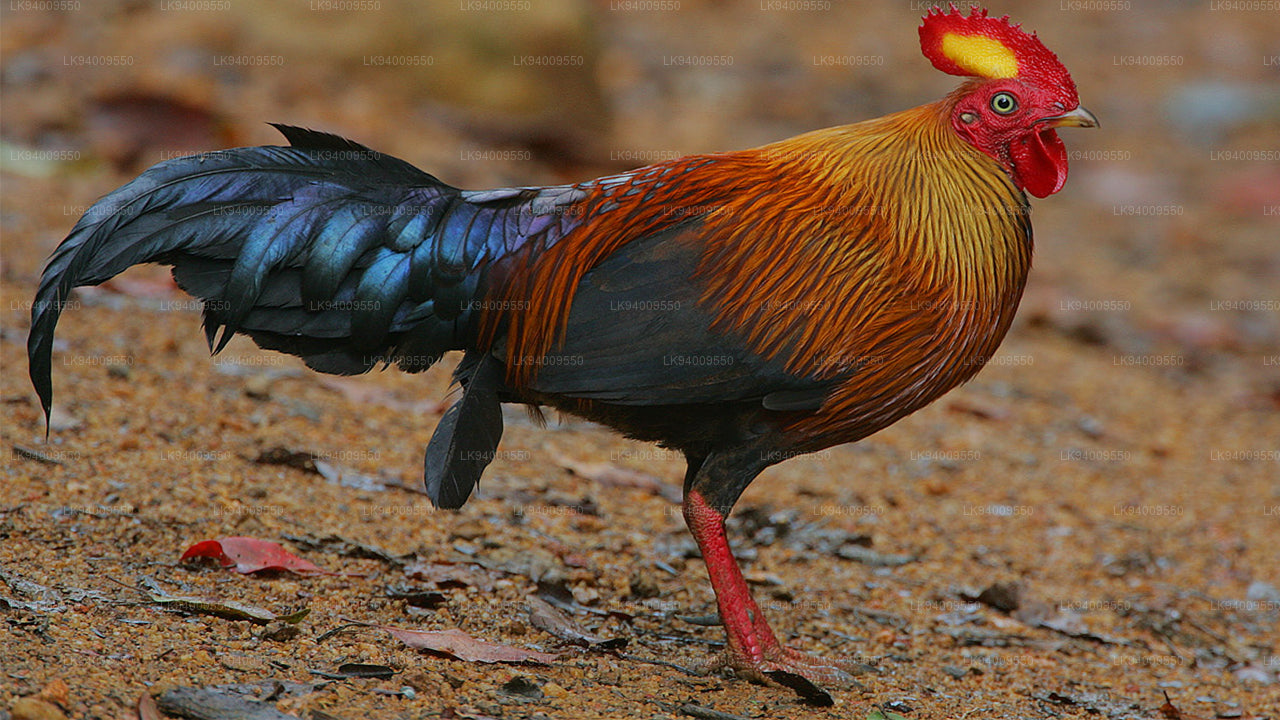 Junglefowl
Gallus lafayetii
-
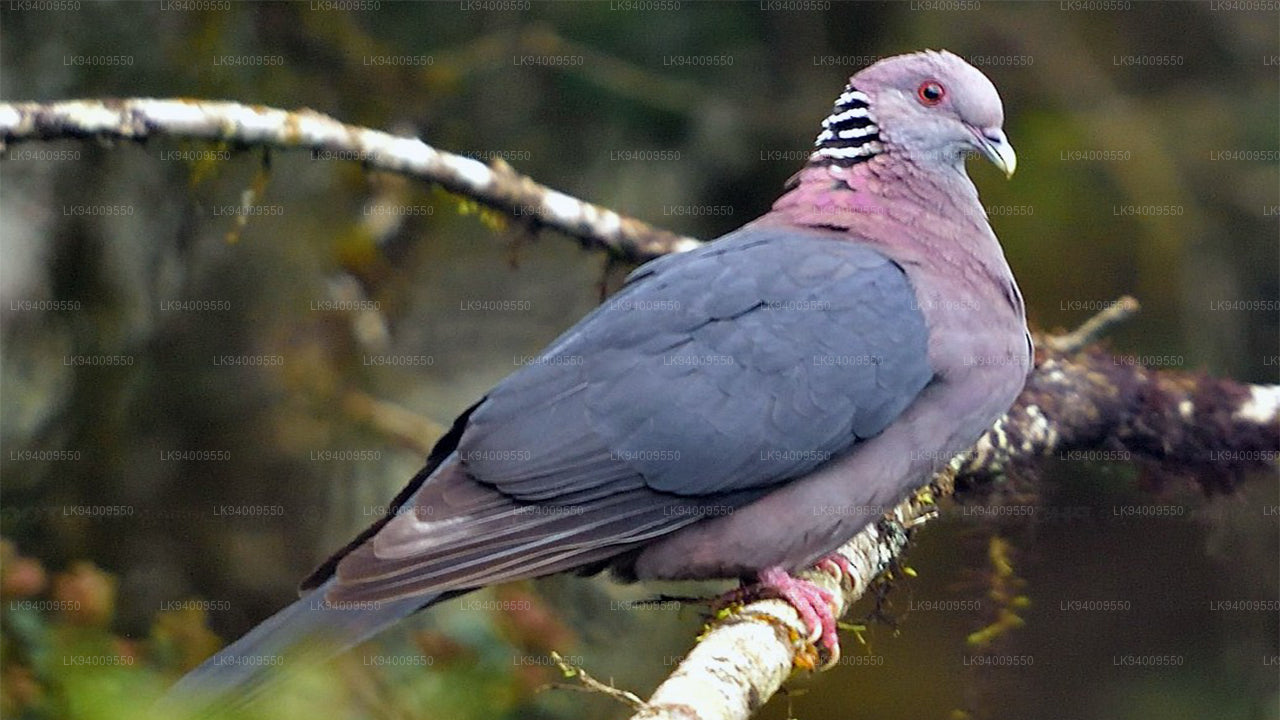 Ceylon Woodpigeon
Columba torringtoniae
-
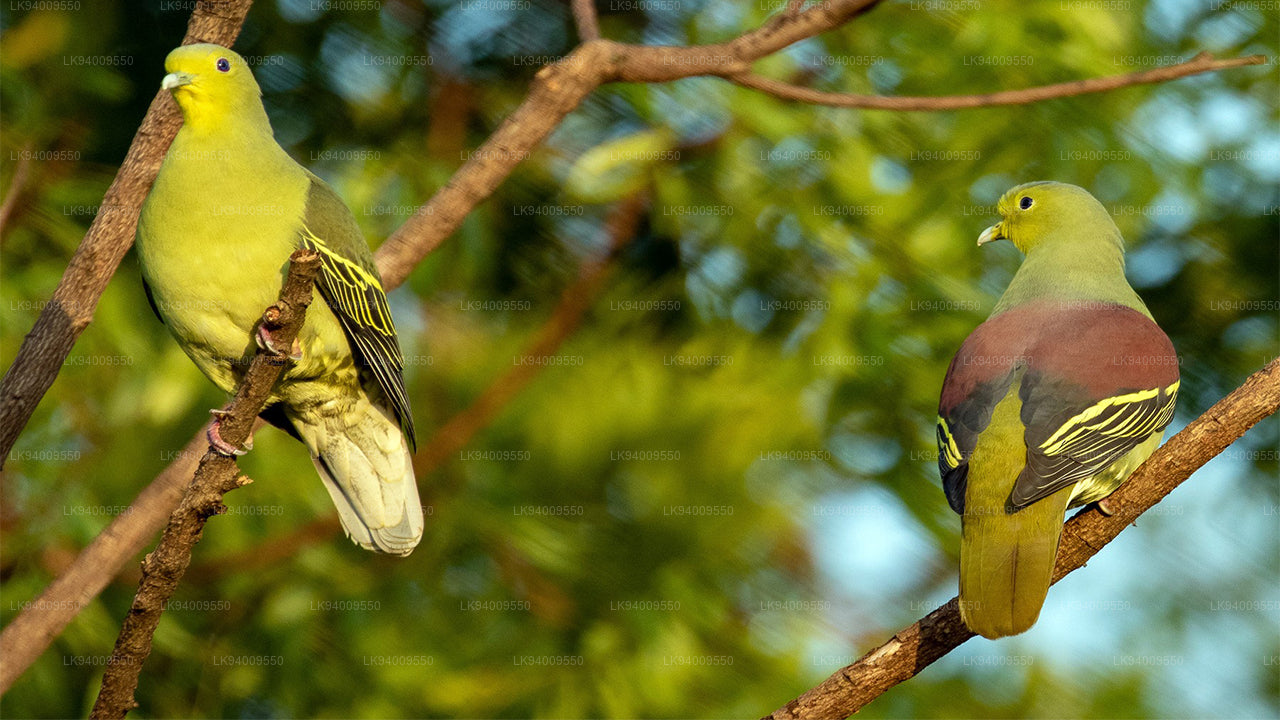 Ceylon Green Pigeon
Treron pompadora
-
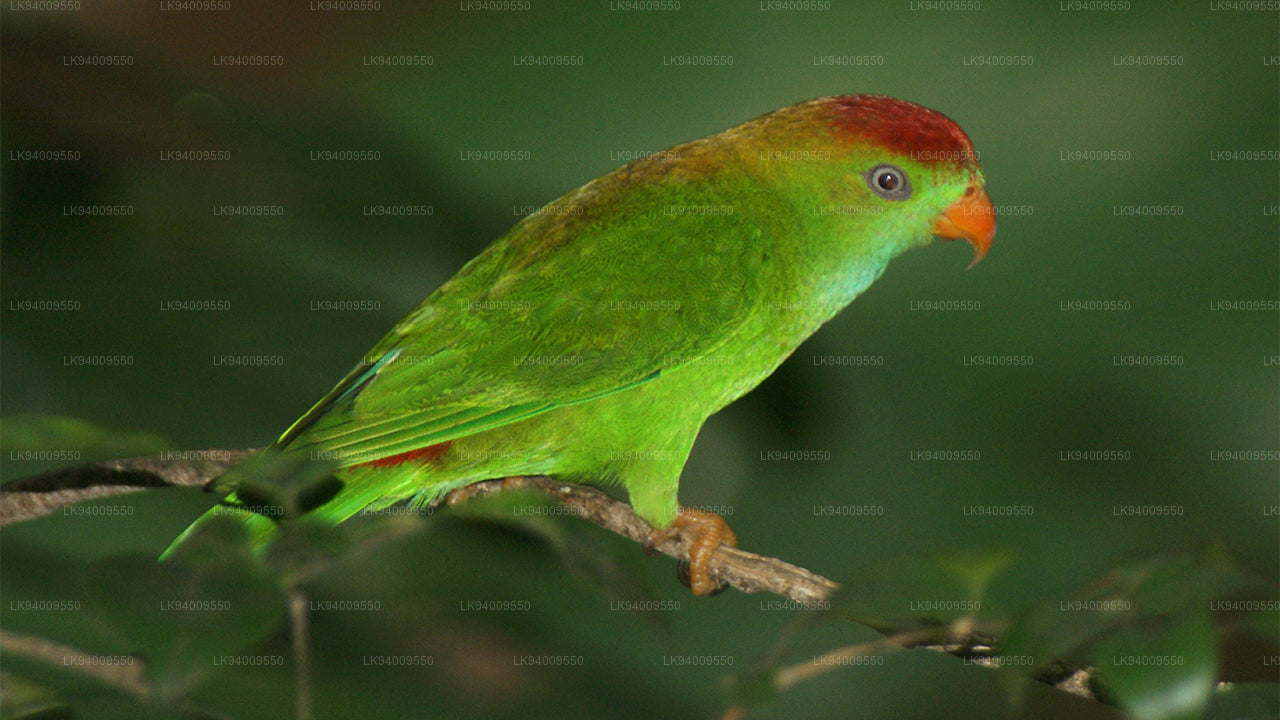 Ceylon Hanging Parrot
Loriculus beryllinus
-
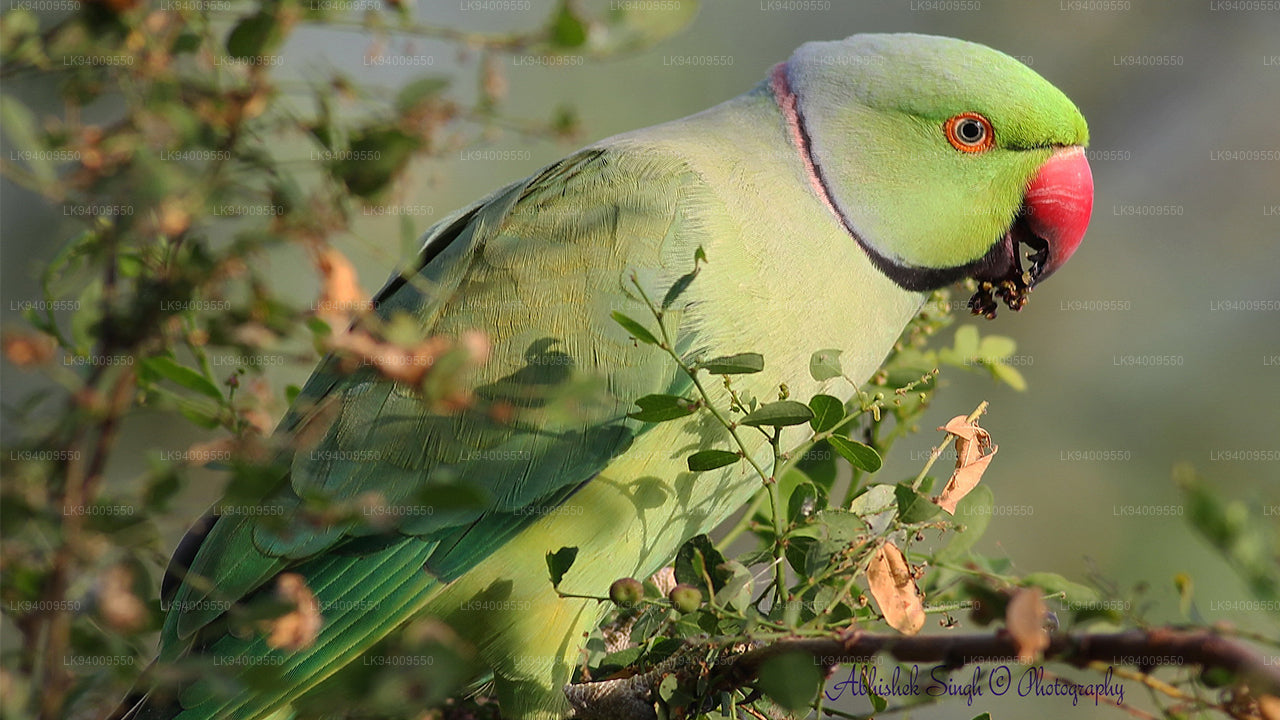 Layard’s Parakeet
Psittacula calthrapae
-
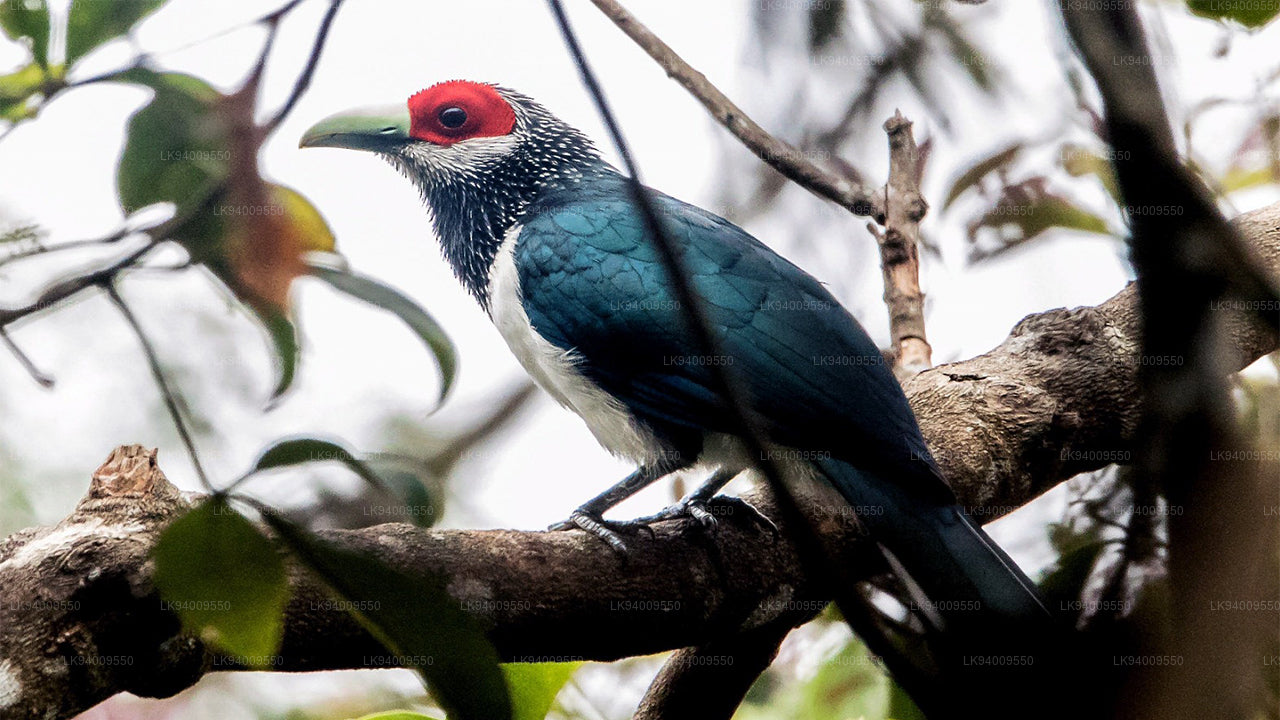 Red Faced Malkoha
Phaenicophaeus pyrrhocephalus
-
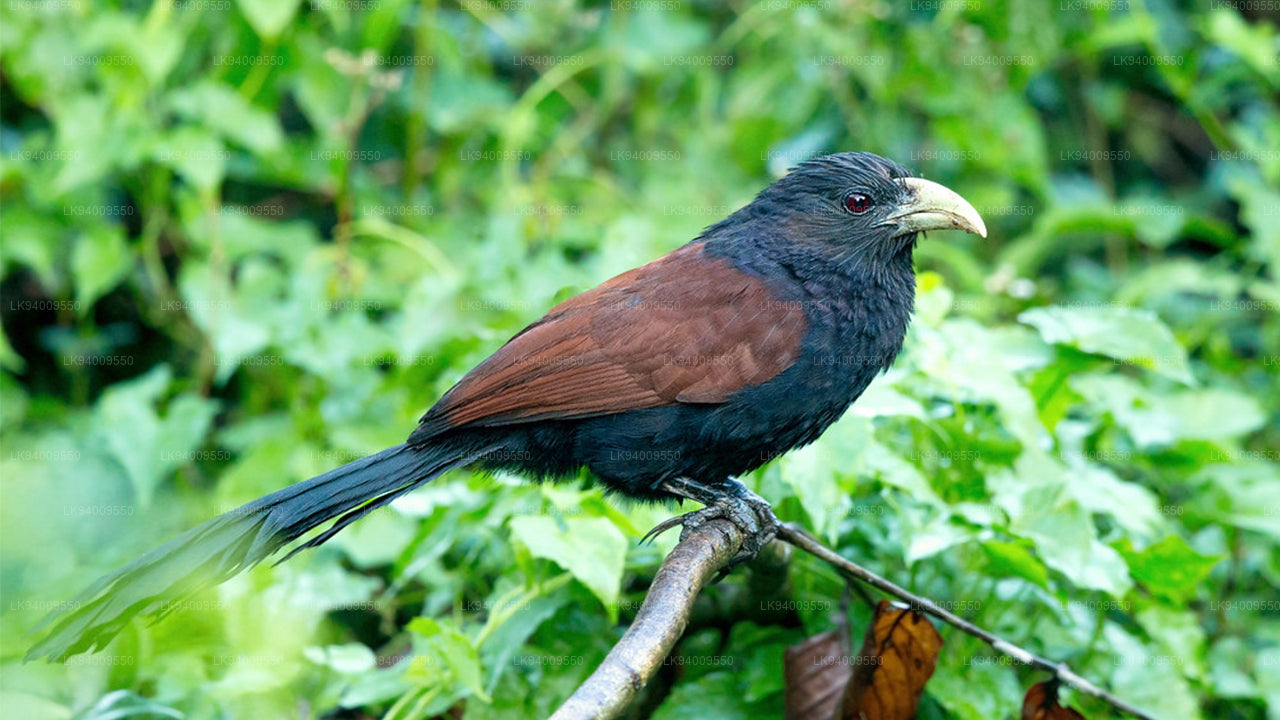 Green Billed Couca
Centropus chlororhynchos
-
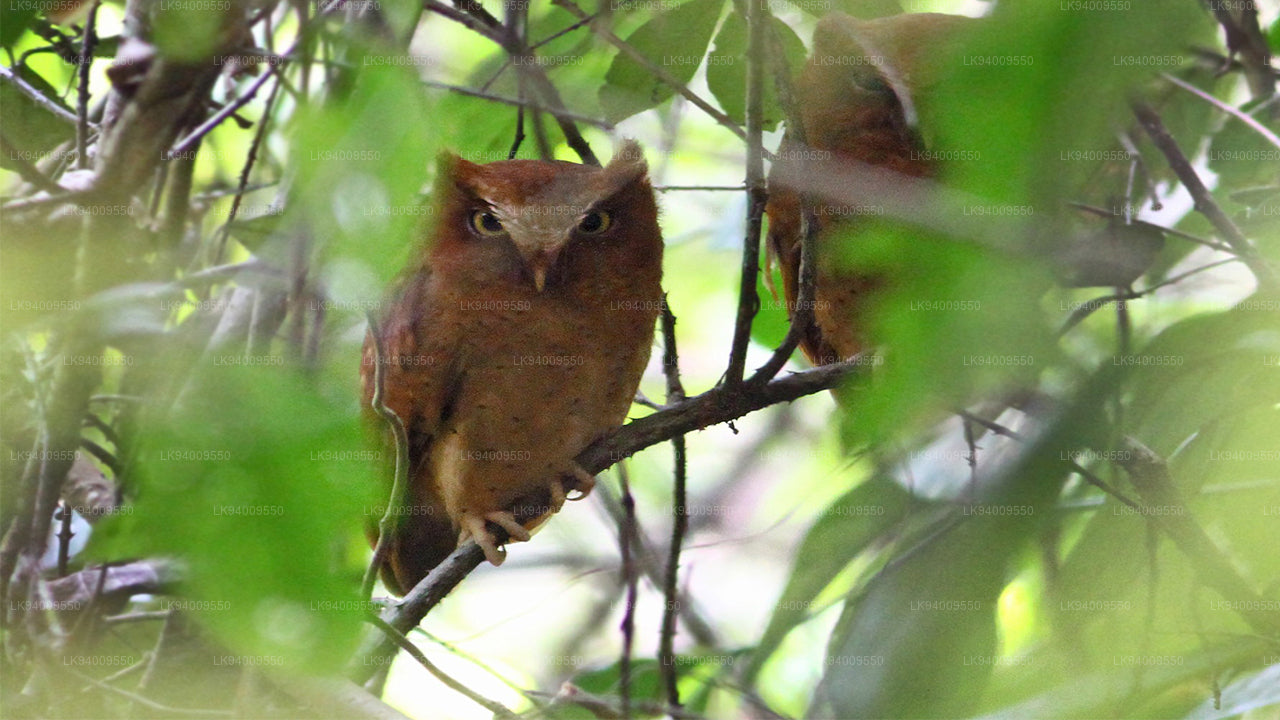 Serendib Scops Owl
Otus thilohoffmanni
-
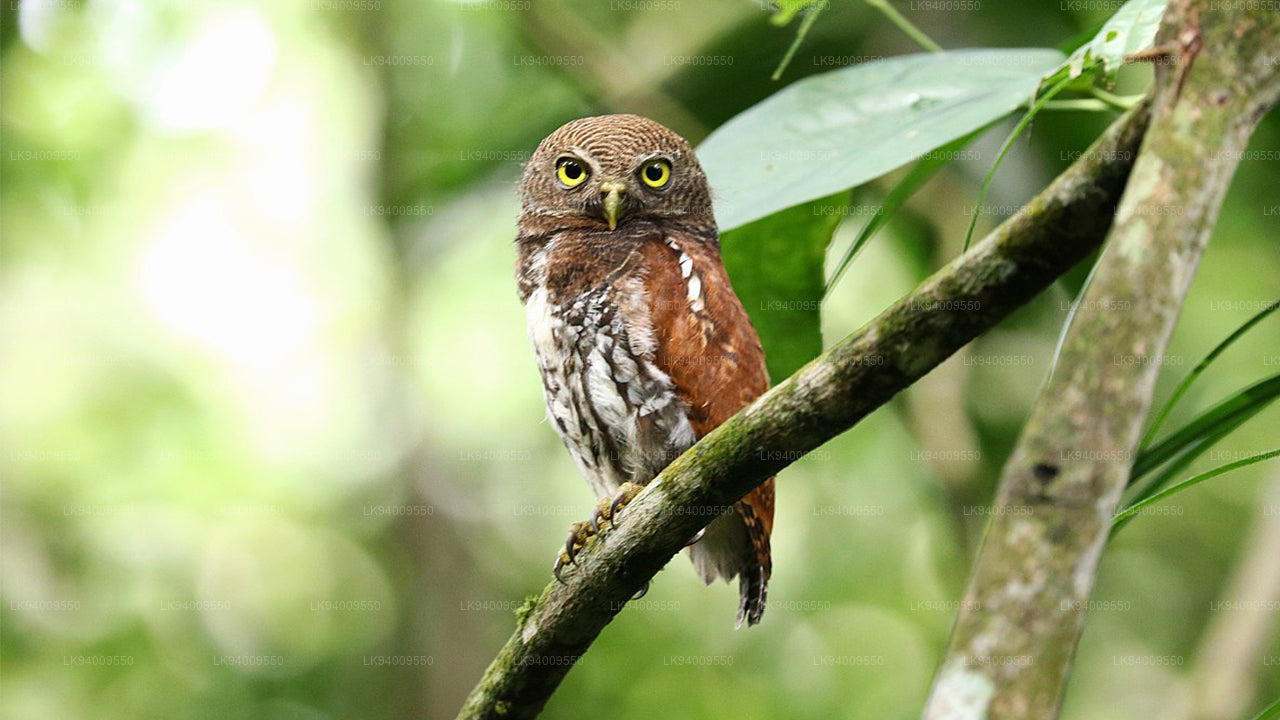 Chestnut Backed Owlet
$Glaucidium castanotum
-
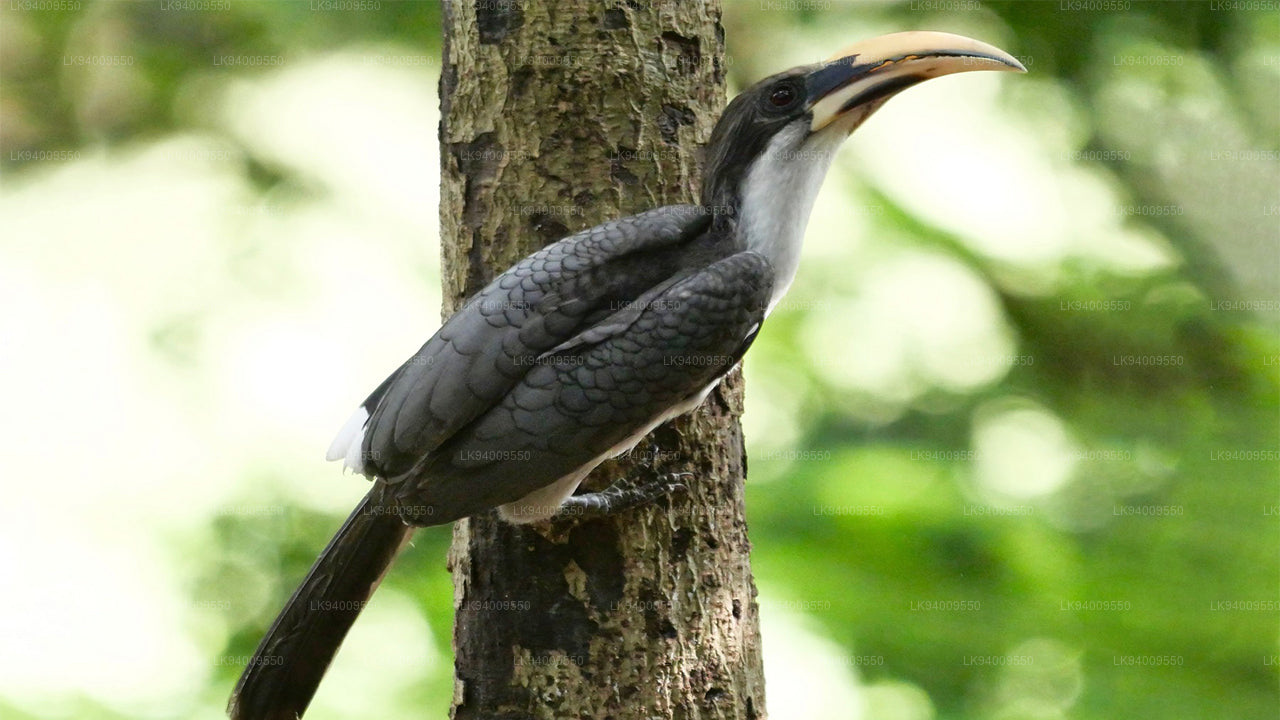 Ceylon Grey Hornbill
Ocyceros gingalensis
-
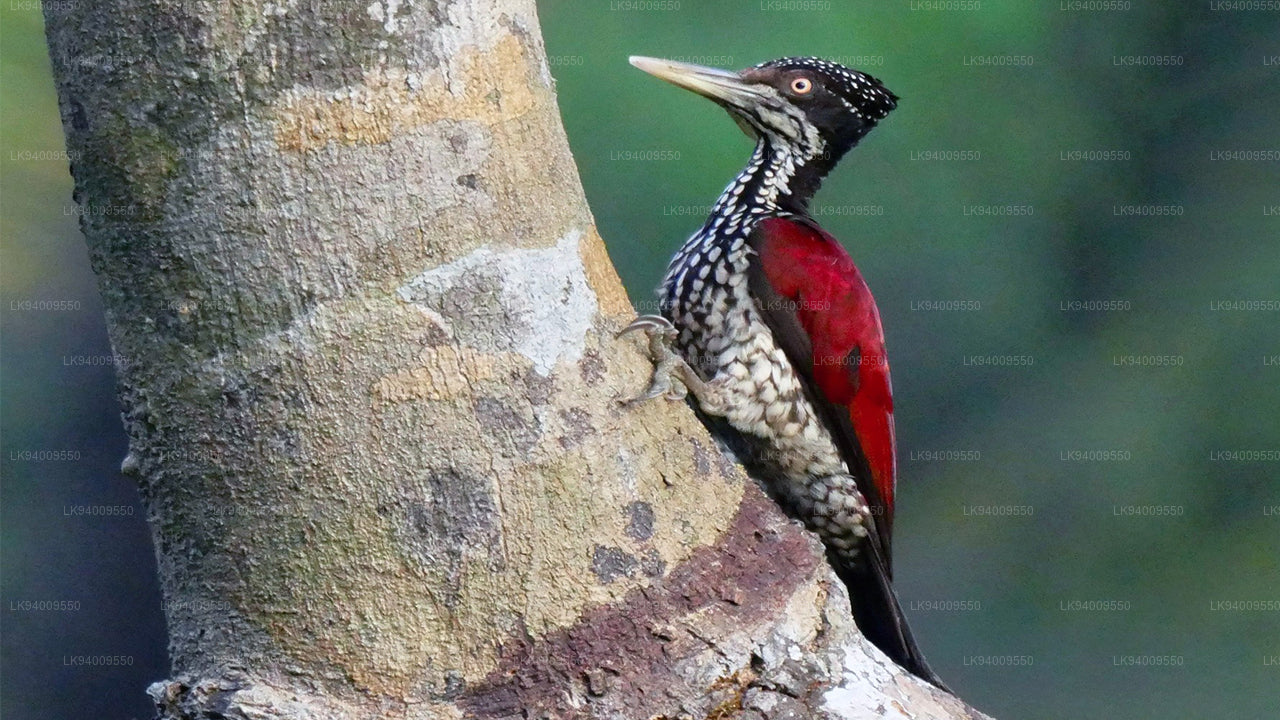 Crimson Backed Flameback
Chrysocolaptes stricklandi
-
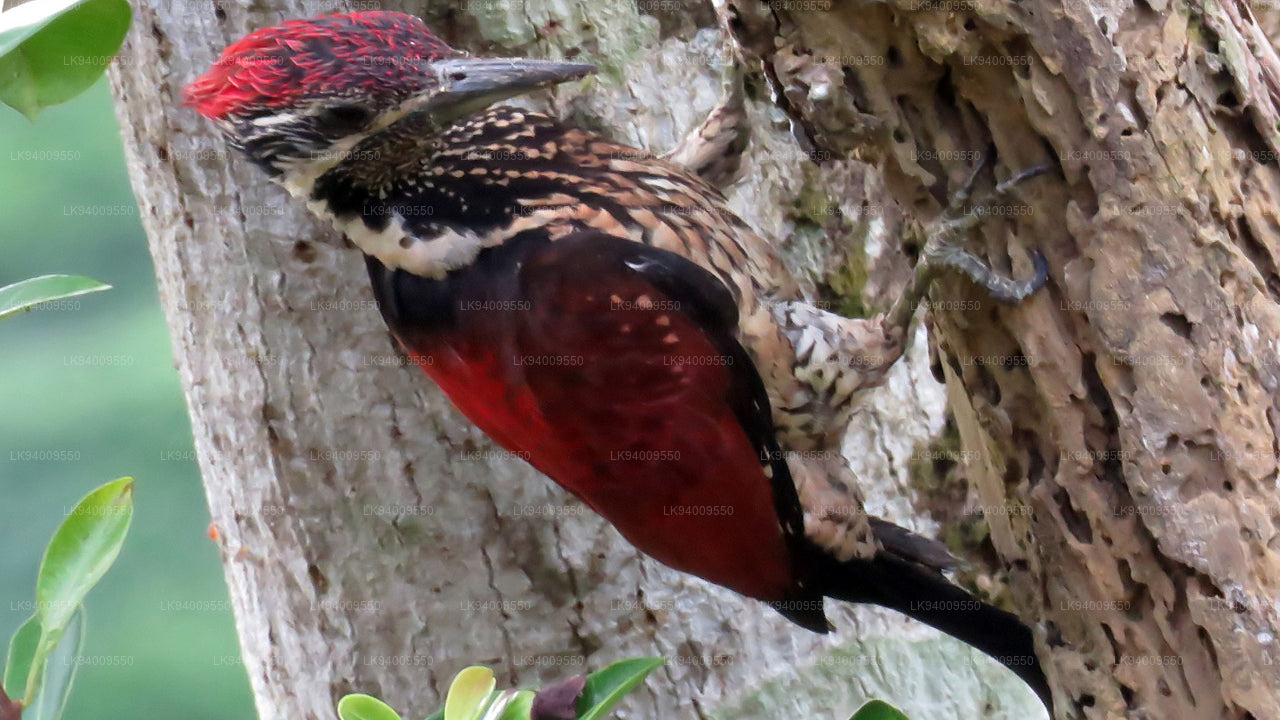 Red backed flameback
Dinopium psarodes
-
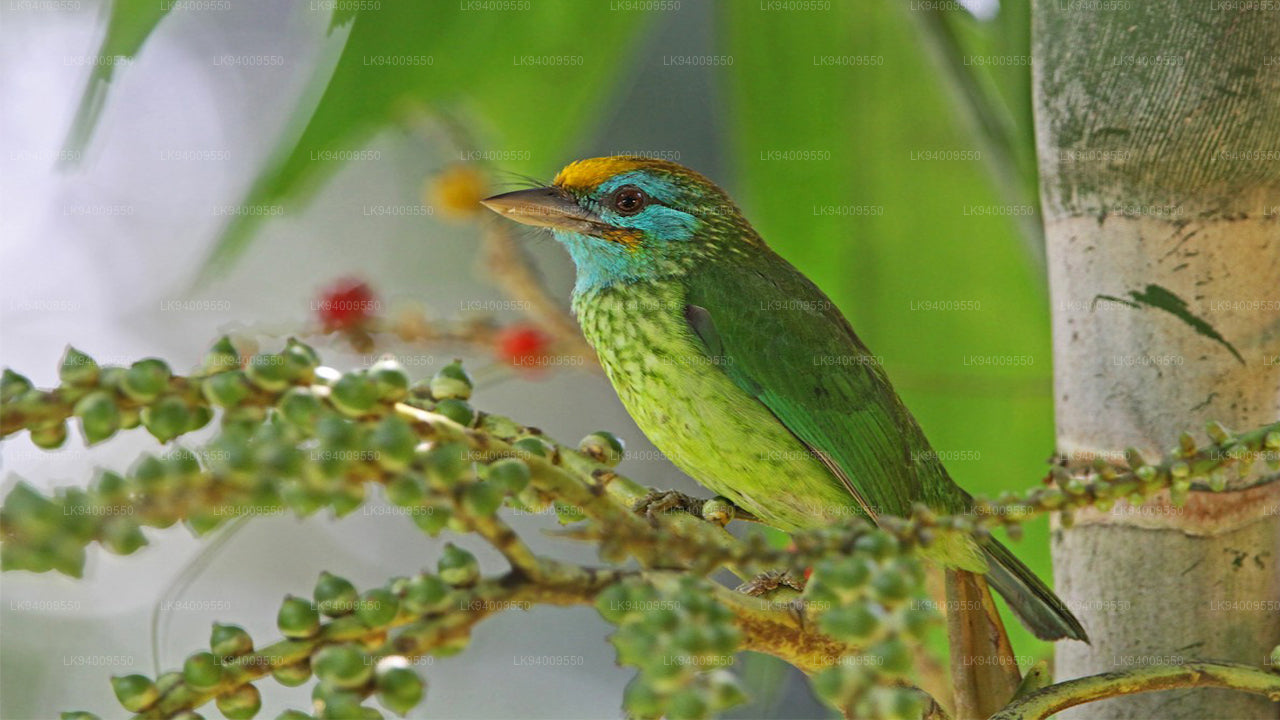 Yellow Fronted Barbet
Psilopogon flavifrons
-
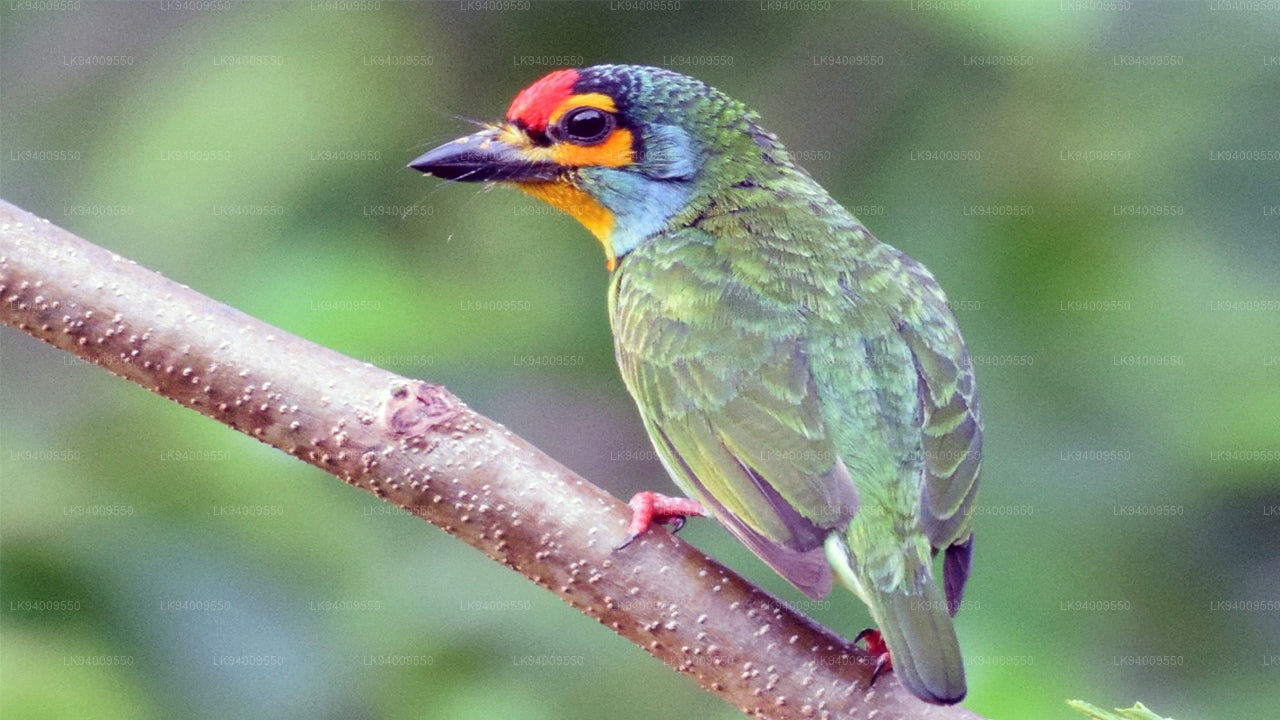 Crimson Fronted Barbet
Psilopogon rubricapillus
-
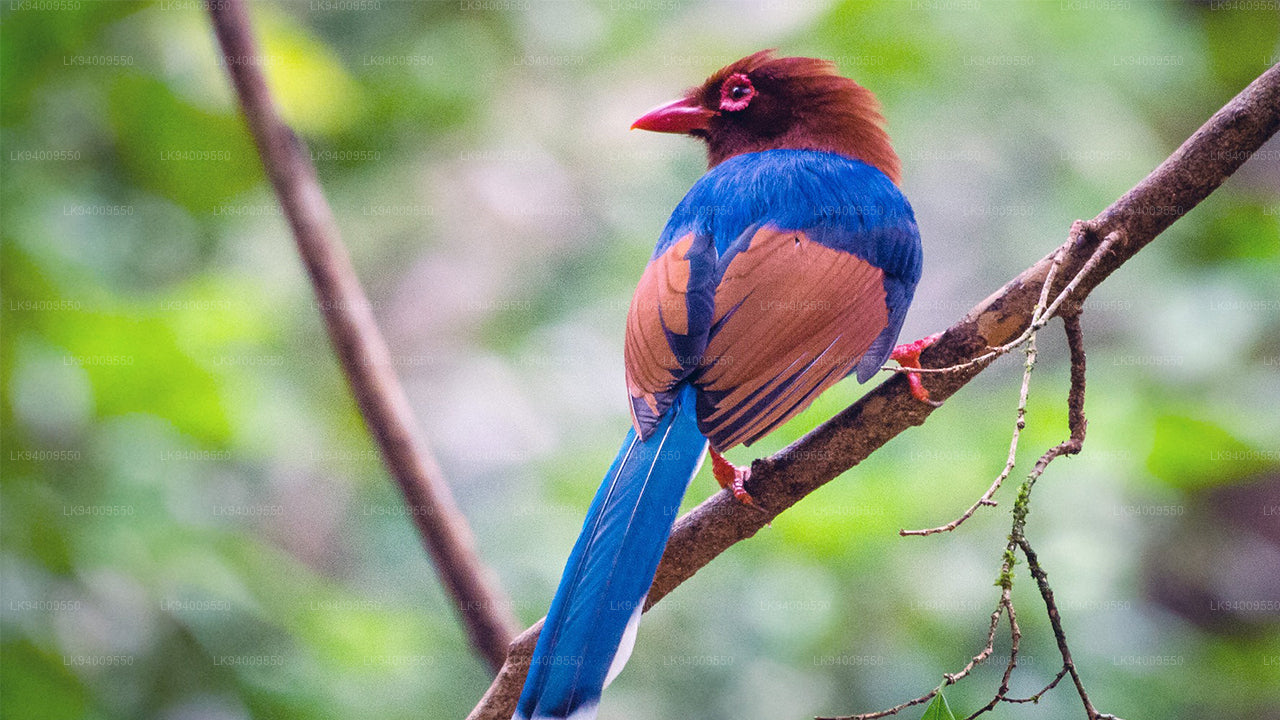 Ceylon Blue Magpie
Urocissa ornata
-
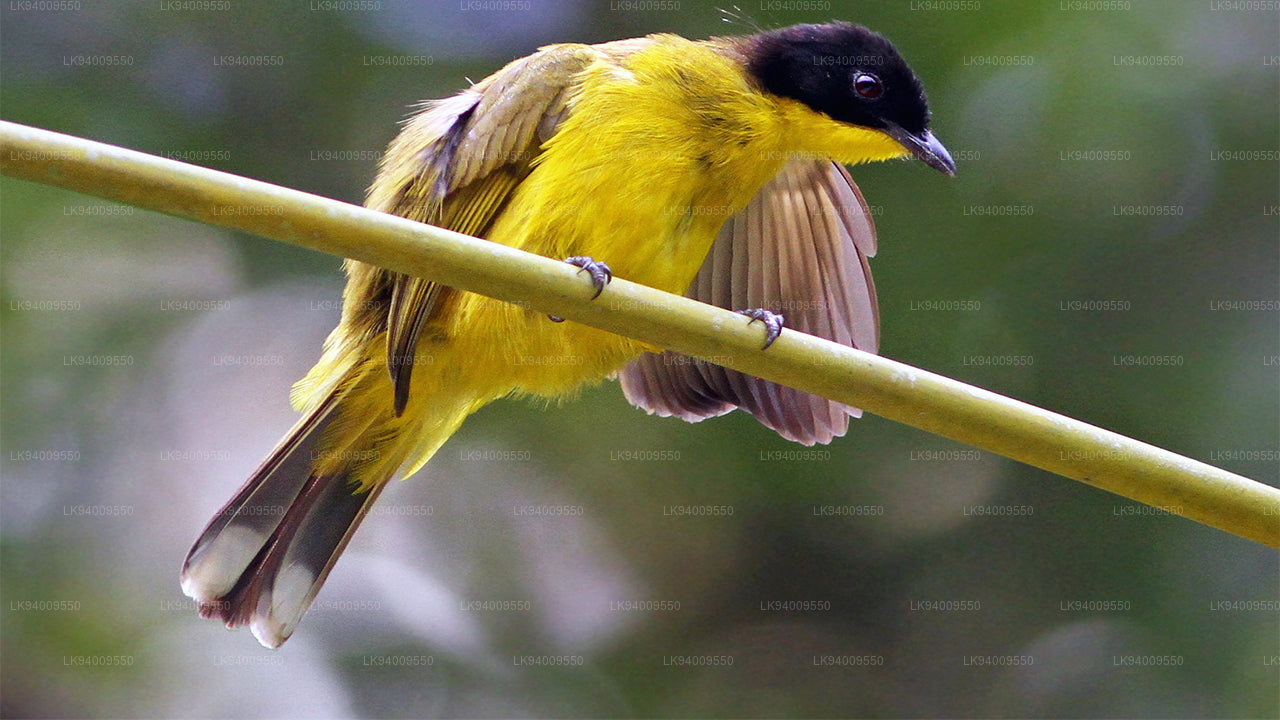 Black Capped Bulbul
Rubigula melanictera
-
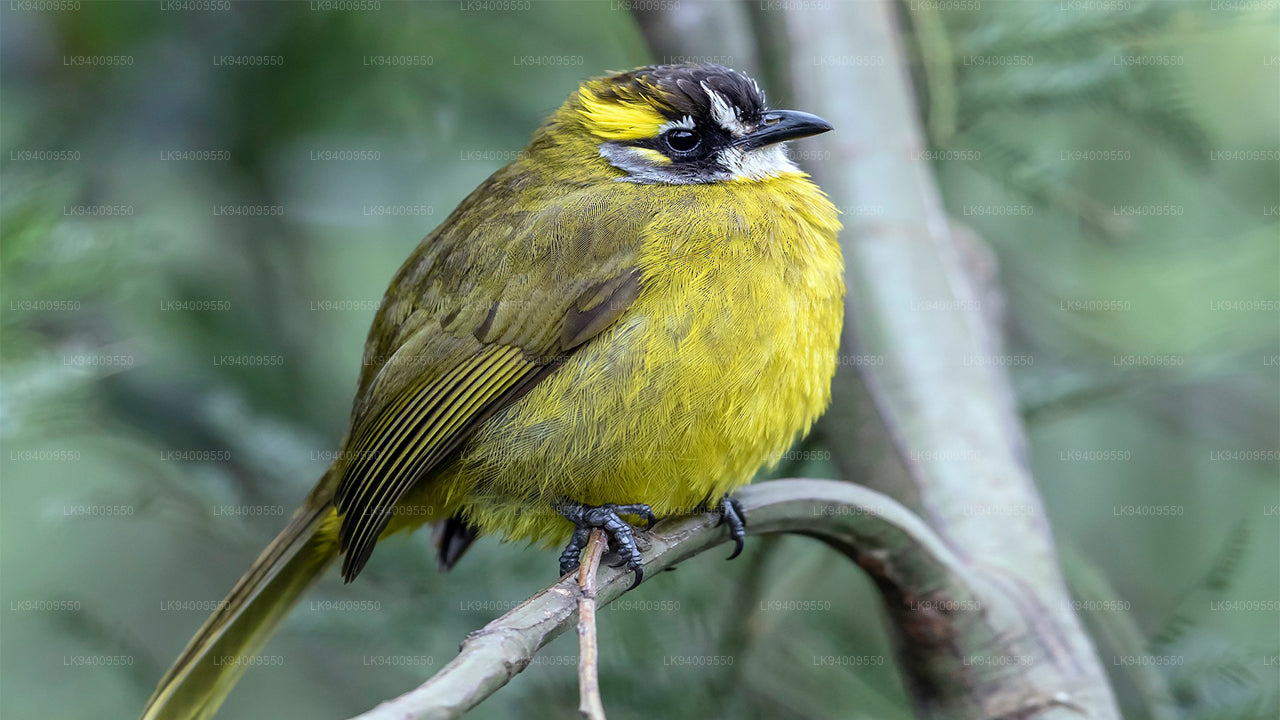 Yellow Eared Bulbul
Pycnonotus penicillatus
-
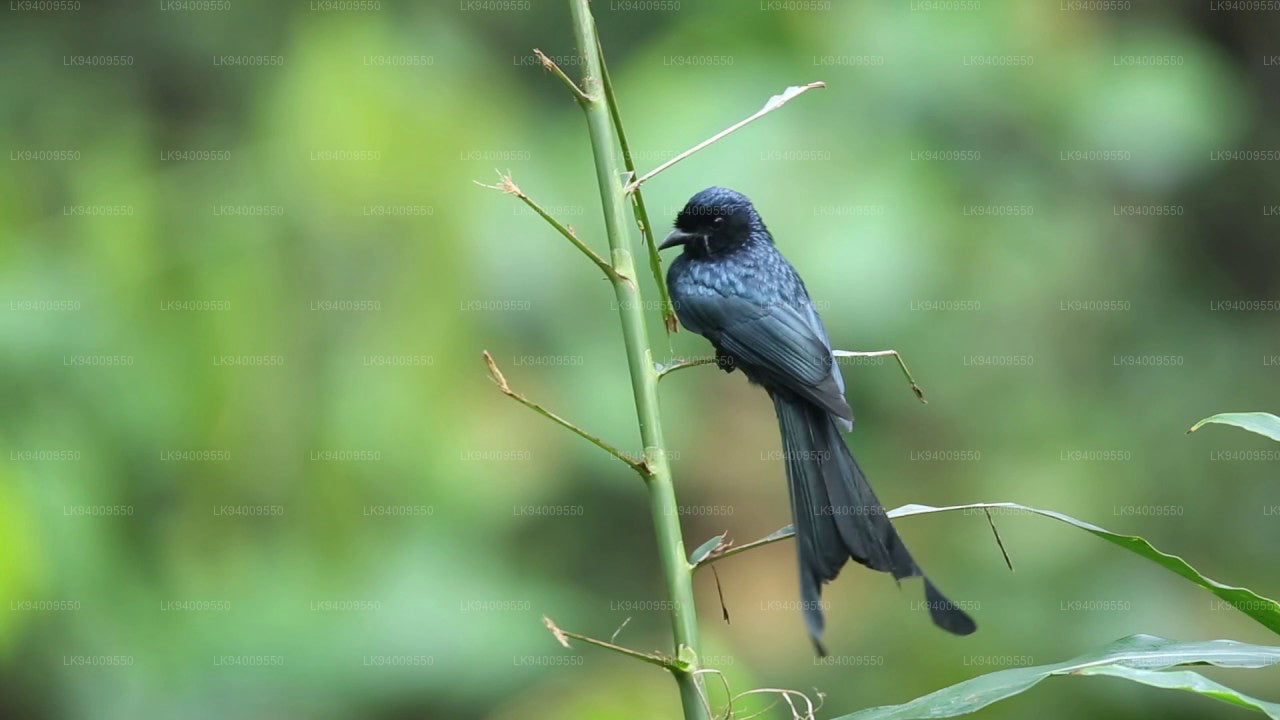 Ceylon Crested Drongo
Dicrurus lophorinus
-
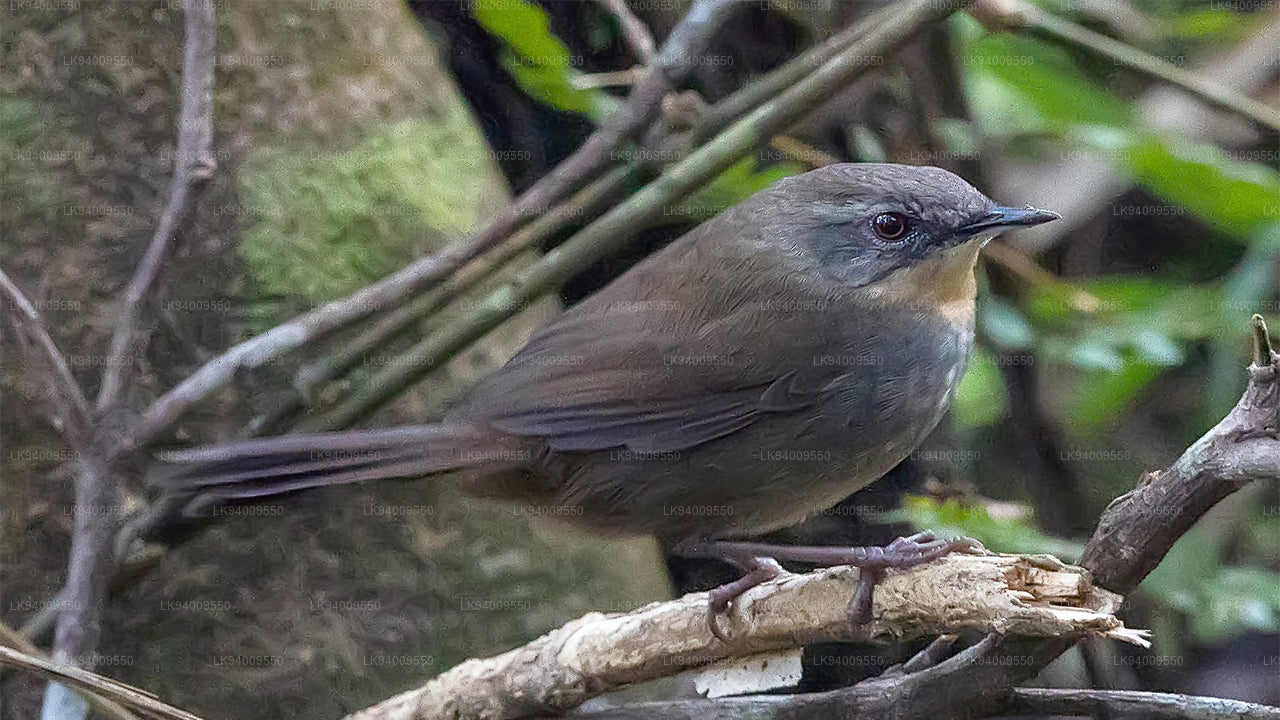 Ceylon Bush Warbler
Elaphrornis palliseri
-
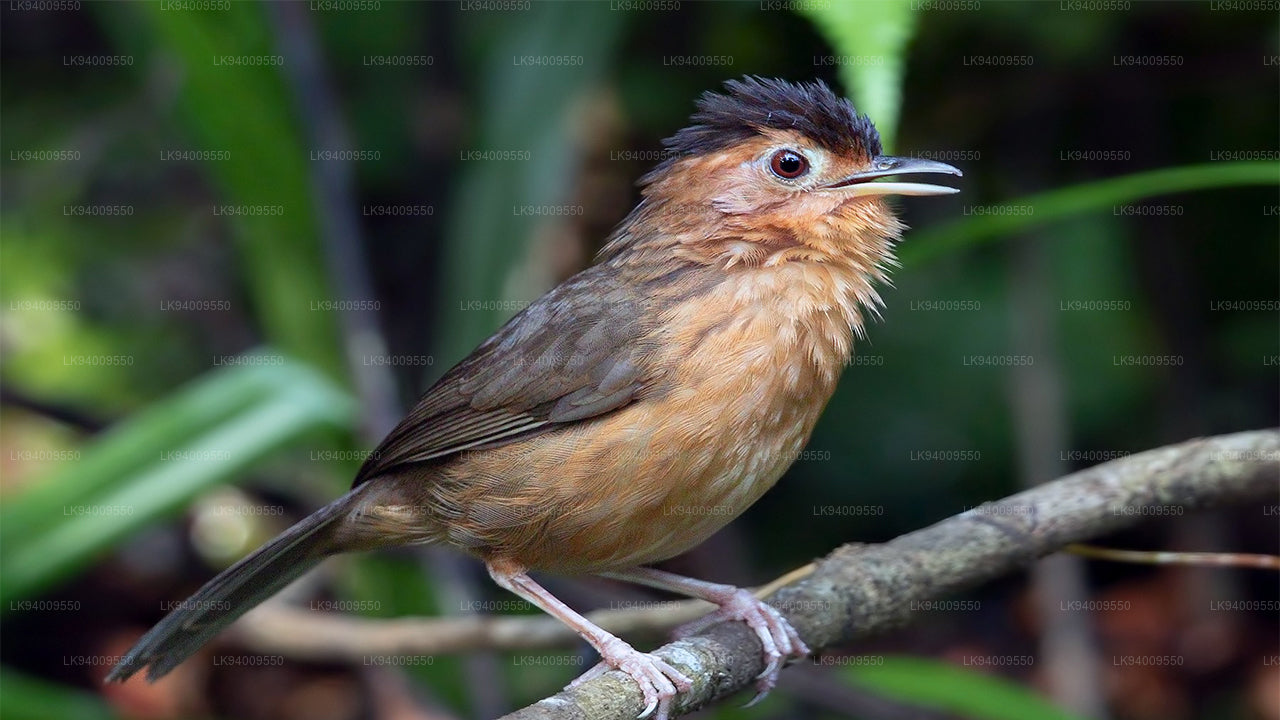 Brown Capped Babbler
Pellorneum fuscocapillus
-
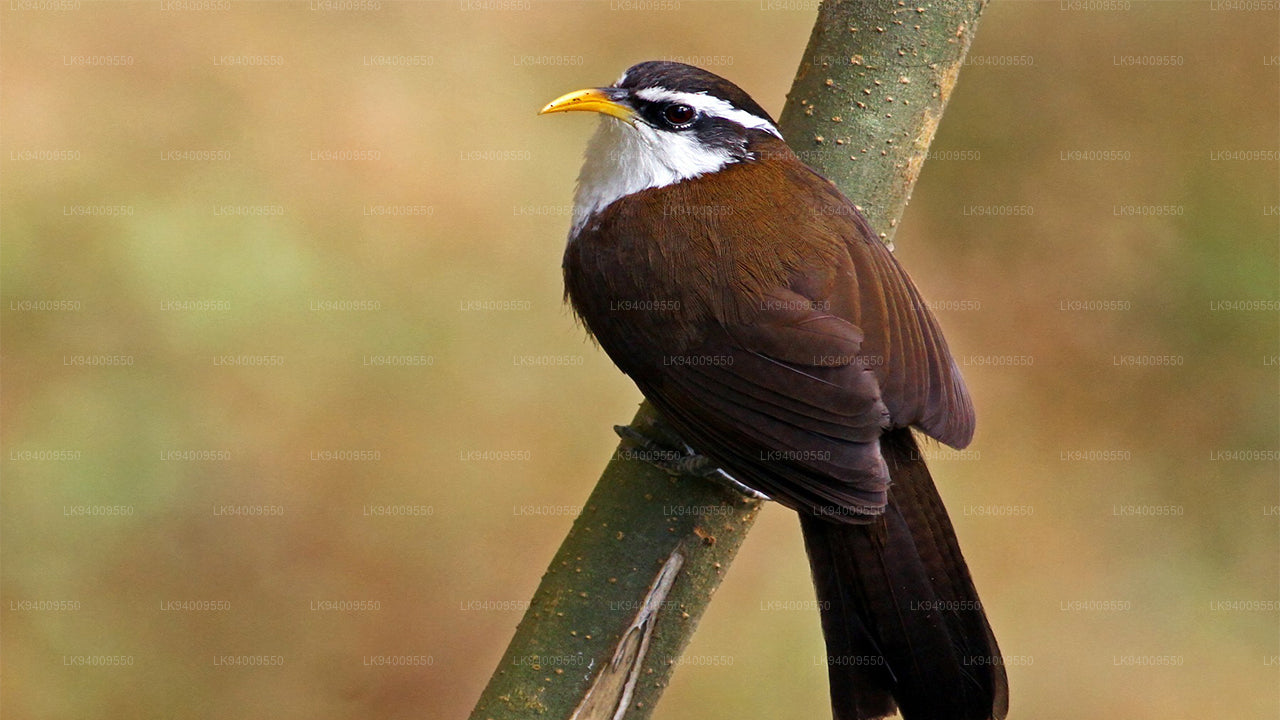 Ceylon Scimitar Babbler
Pomatorhinus melanurus
-
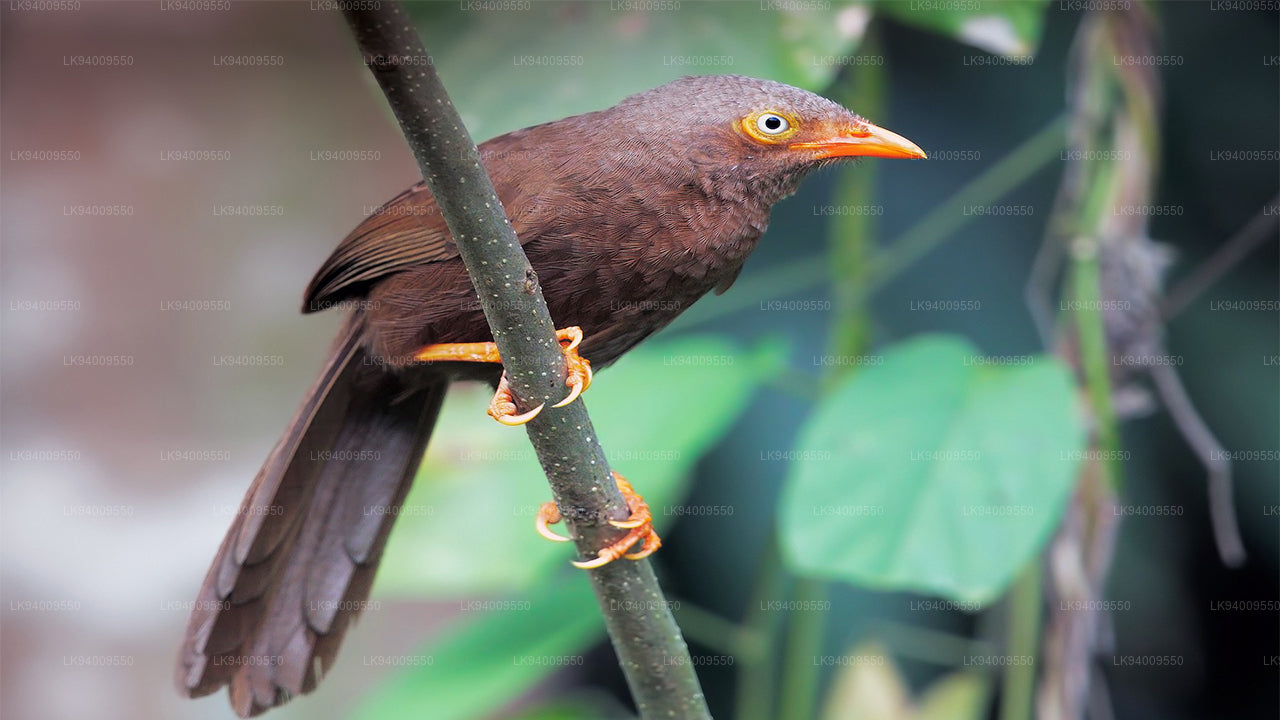 Ceylon Rufous Babbler
Argya rufescens
-
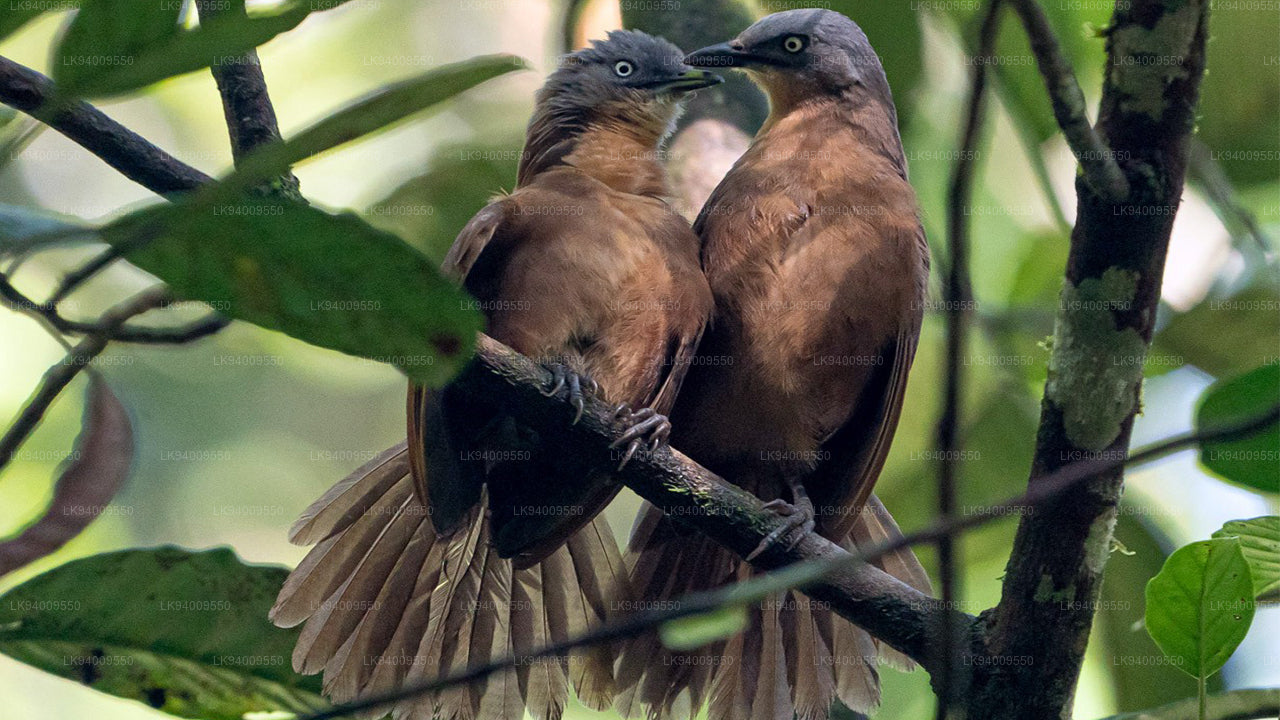 Ashy Headed Laughingthrush
Argya cinereifrons
-
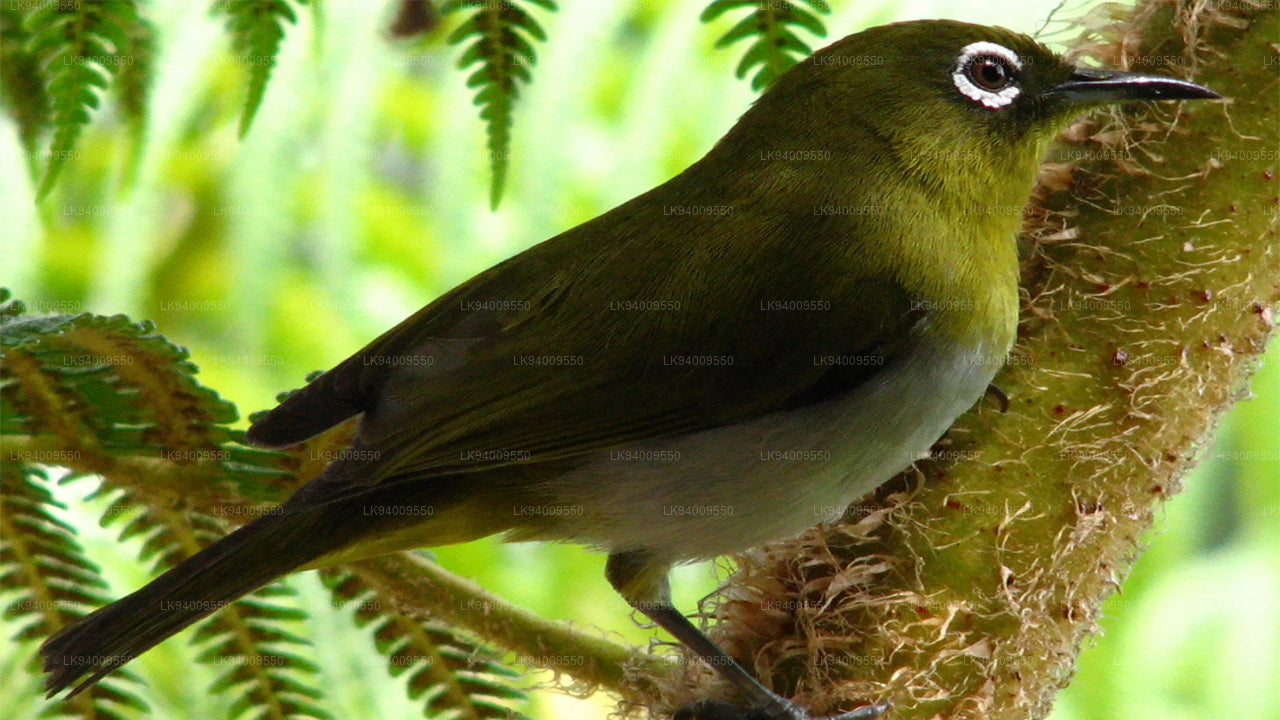 Ceylon White Eye
Zosterops ceylonensis
-
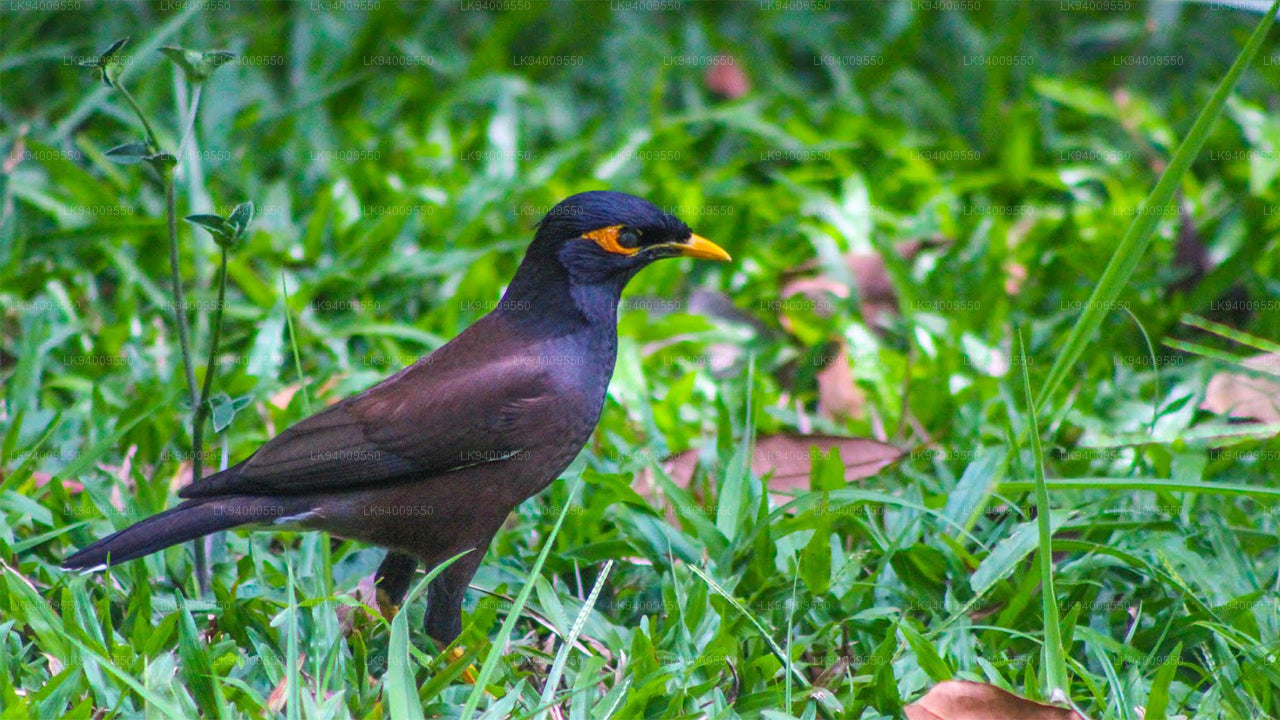 Ceylon Hill Myna
Gracula ptilogenys
-
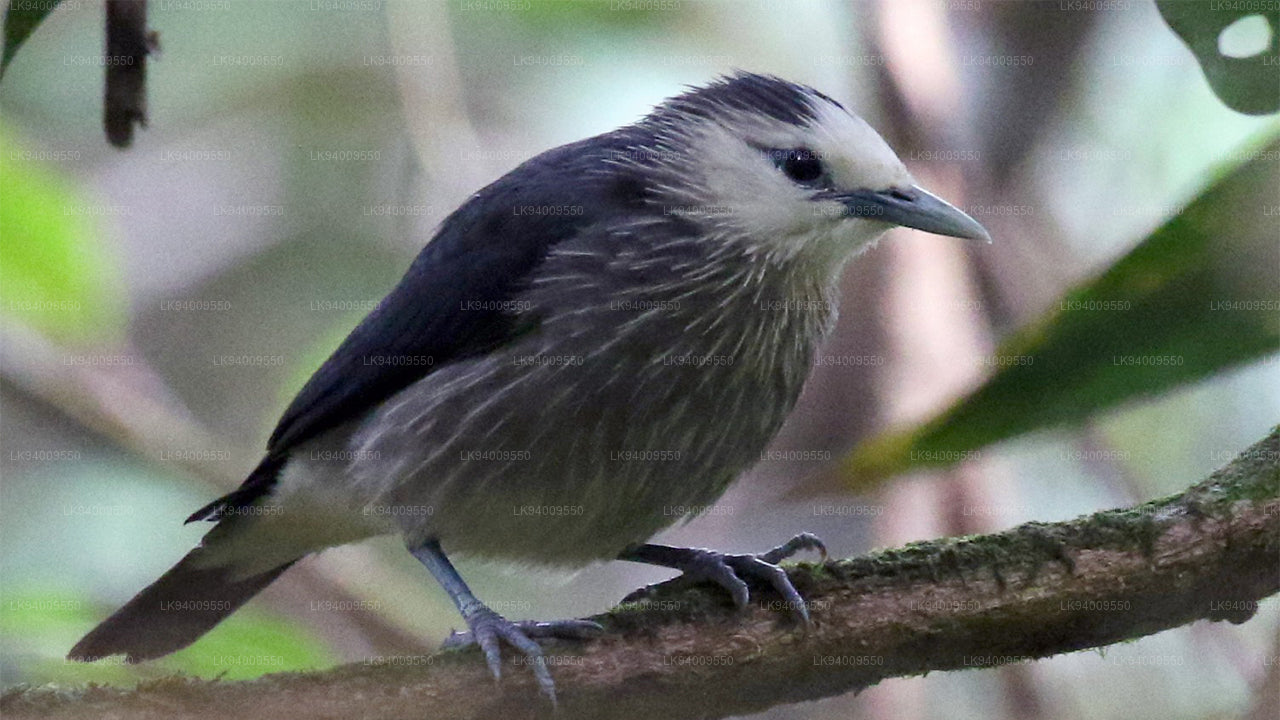 White Faced Starling
$Sturnornis albofrontatus
-
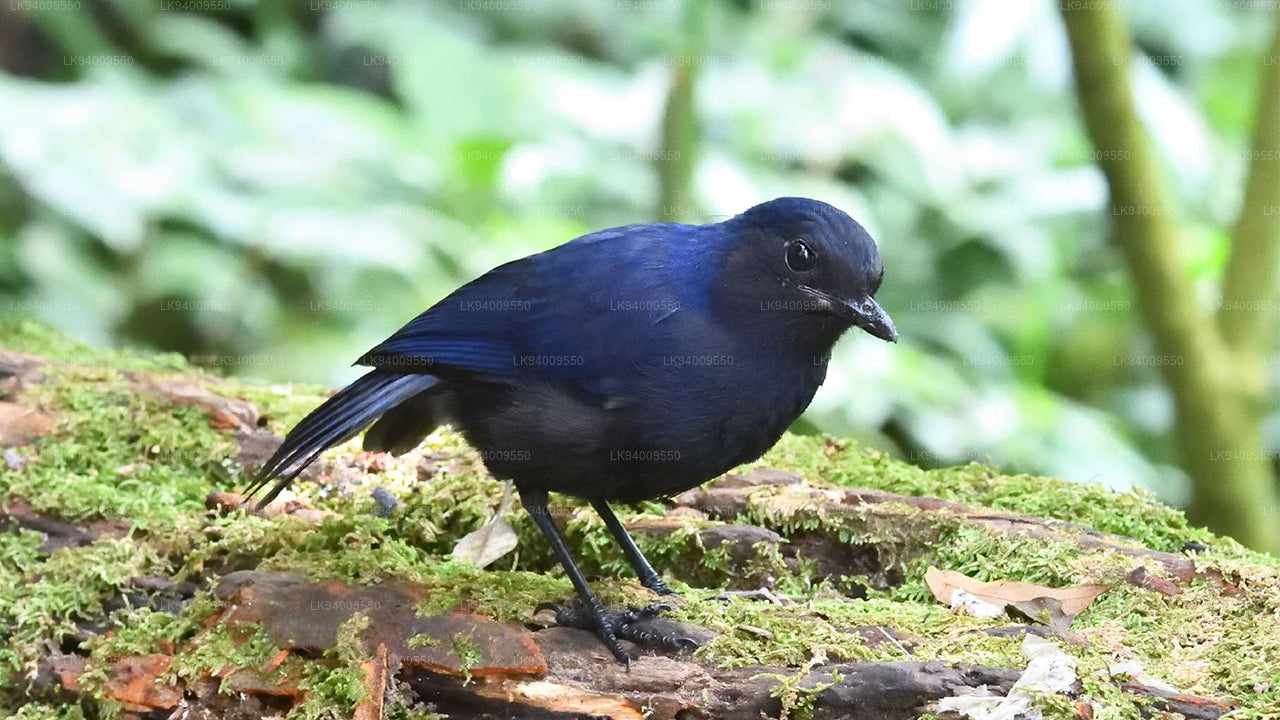 Ceylon Whistling Thrush
Myophonus blighi
-
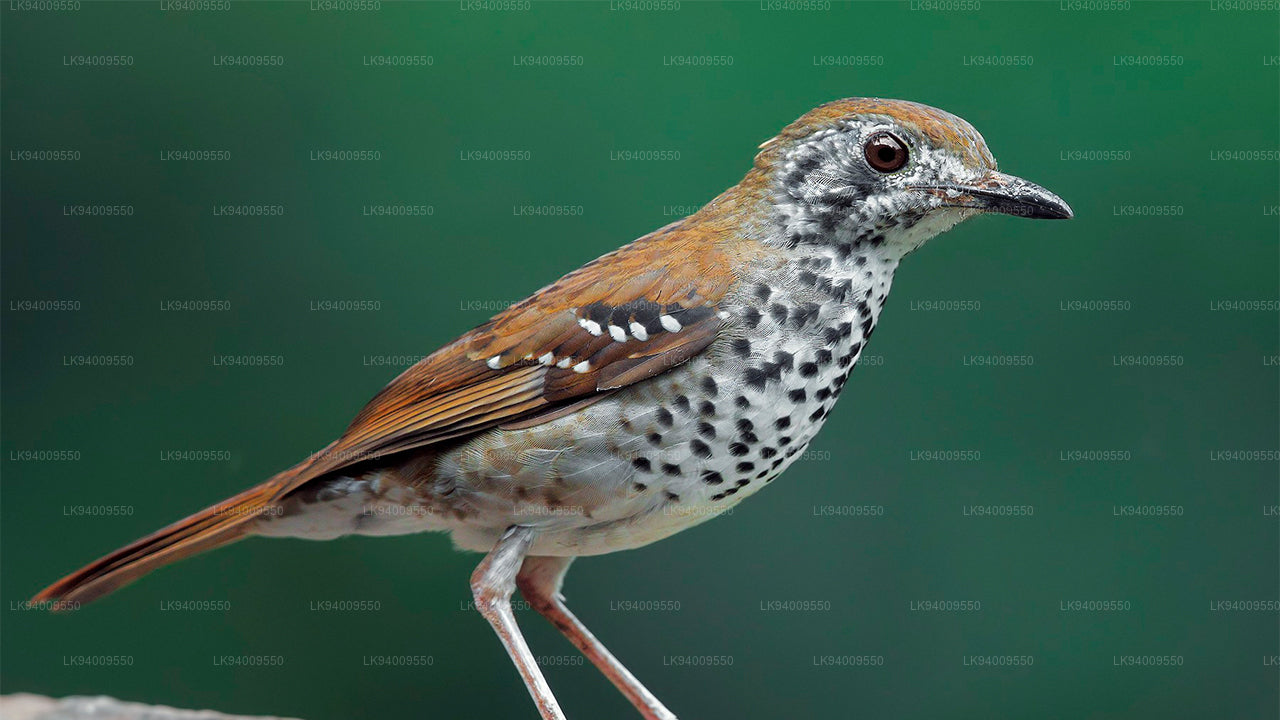 Spot Winged Ground Thrush
Geokichla spiloptera
-
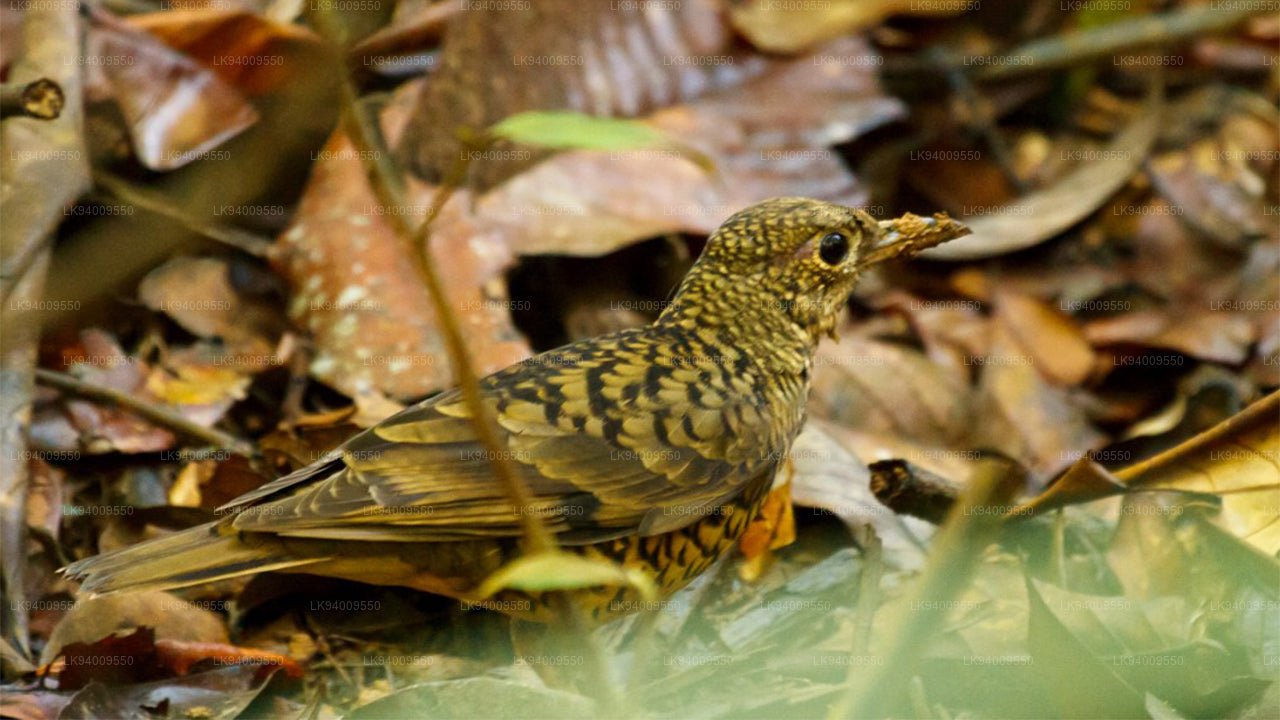 Ceylon Scaly Thrush
Zoothera imbricata
-
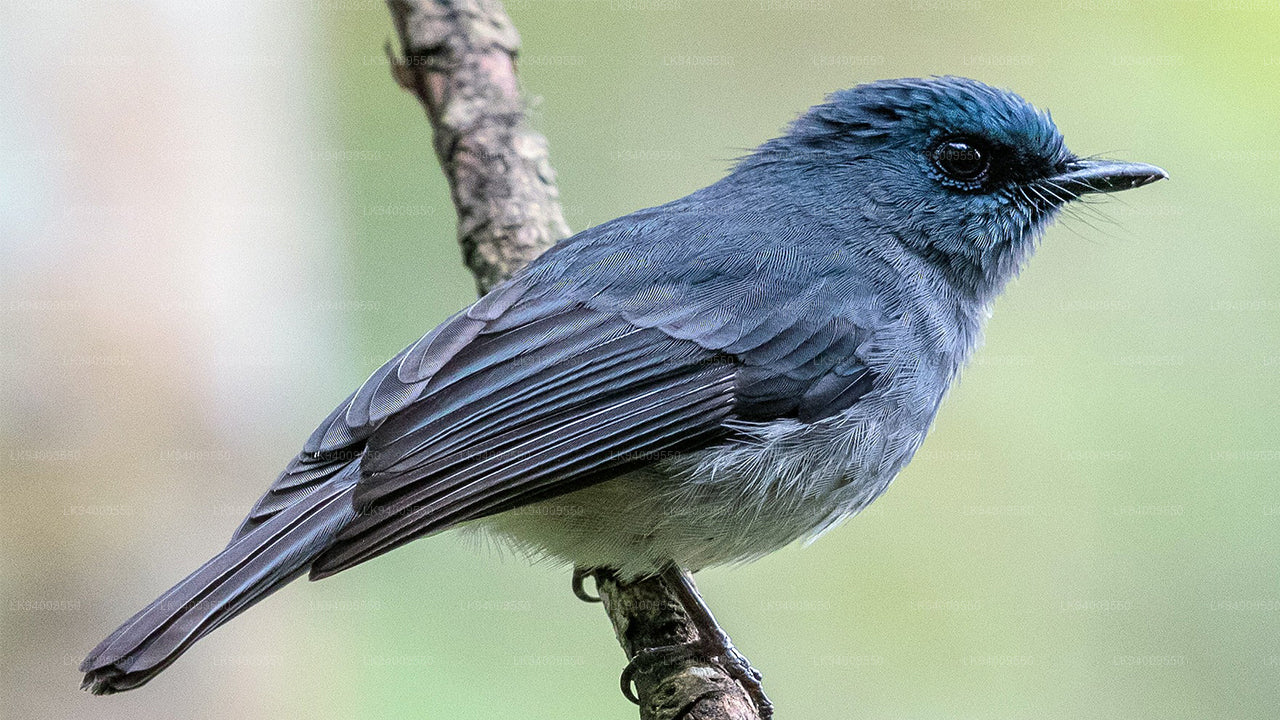 Dusky Blue Flycatcher
Eumyias sordidus
-
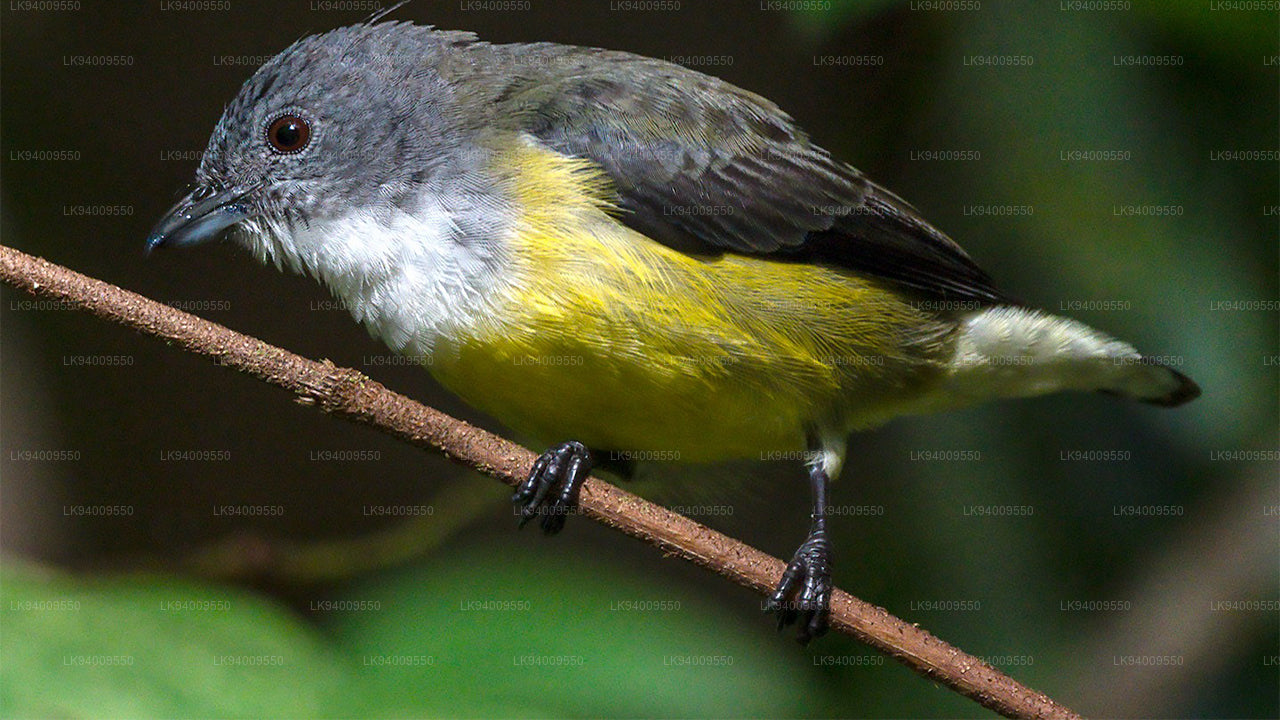 Legge's Flowerpecker
Dicaeum vincens
-
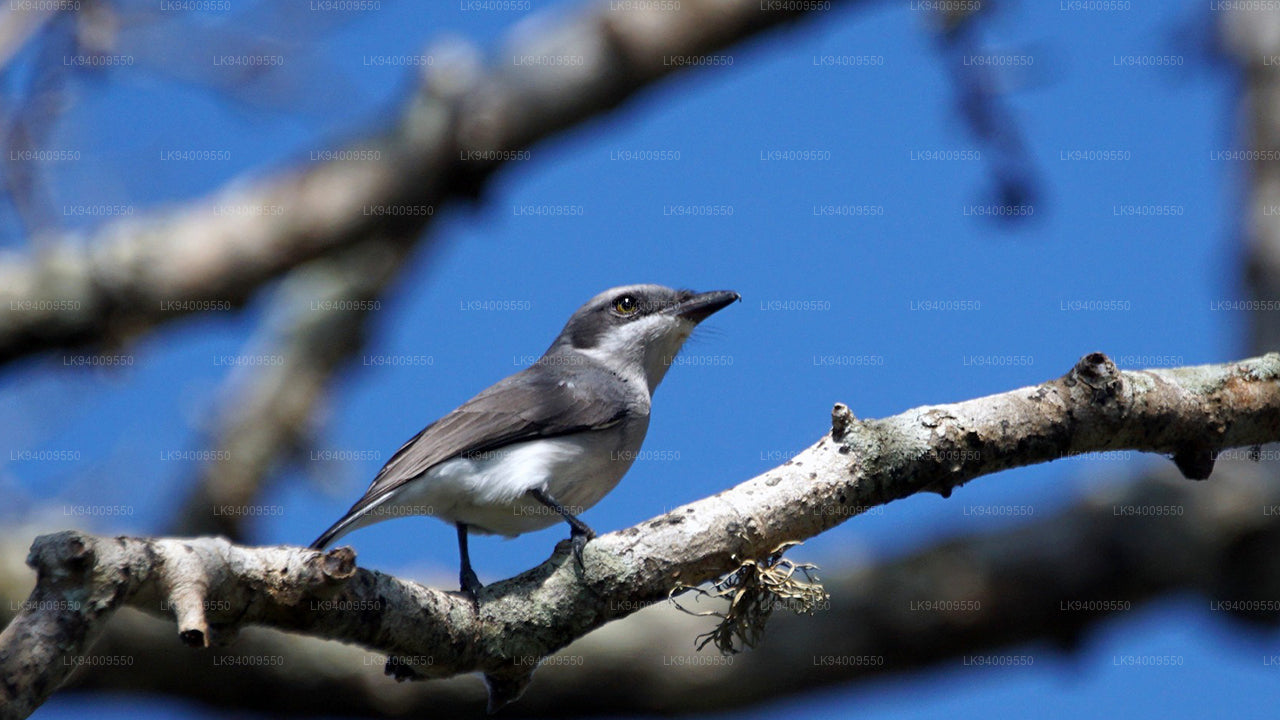 Ceylon Woodshrike
Tephrodornis affinis
-
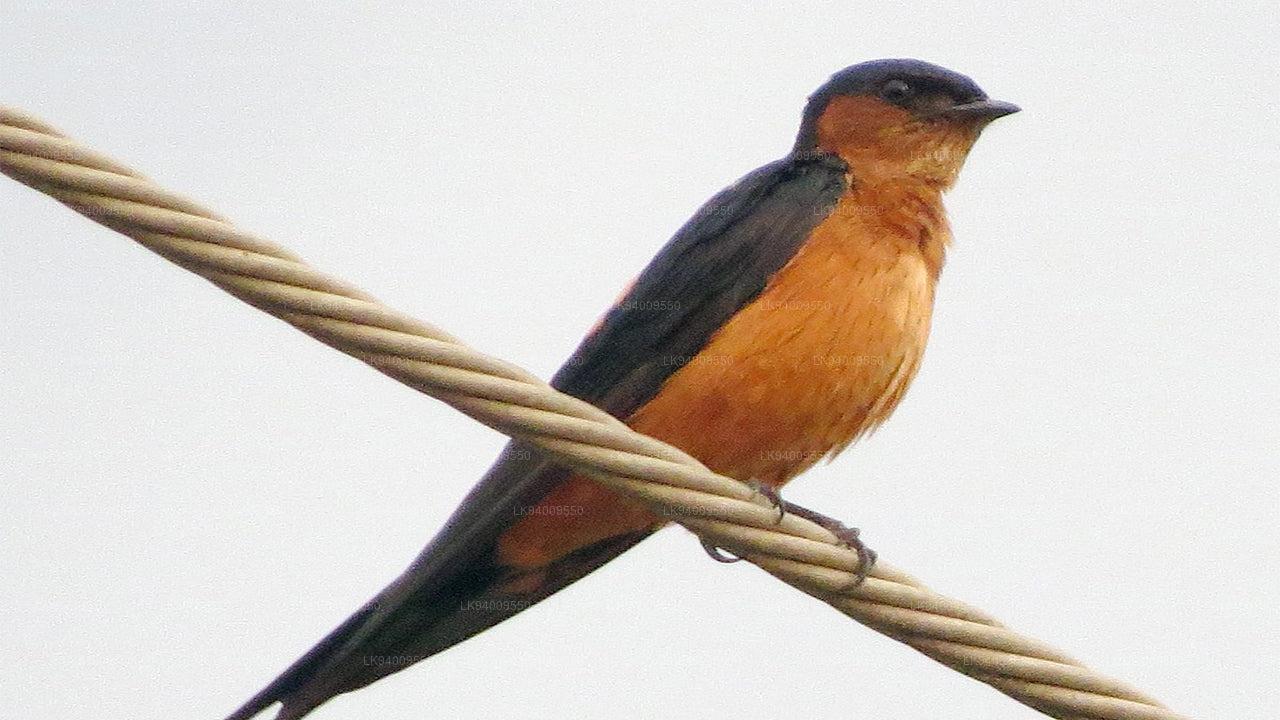 Ceylon Swallow
Cecropis hyperythra