Cidade de Jaffna
Джафна — главный город полуострова Джафна, расположенного в самом северном районе Шри-Ланки. Комфортабельные междугородние автобусы из Коломбо доставляют в Джафну за 10-12 часов.
Nallur Kandaswamy Kovil
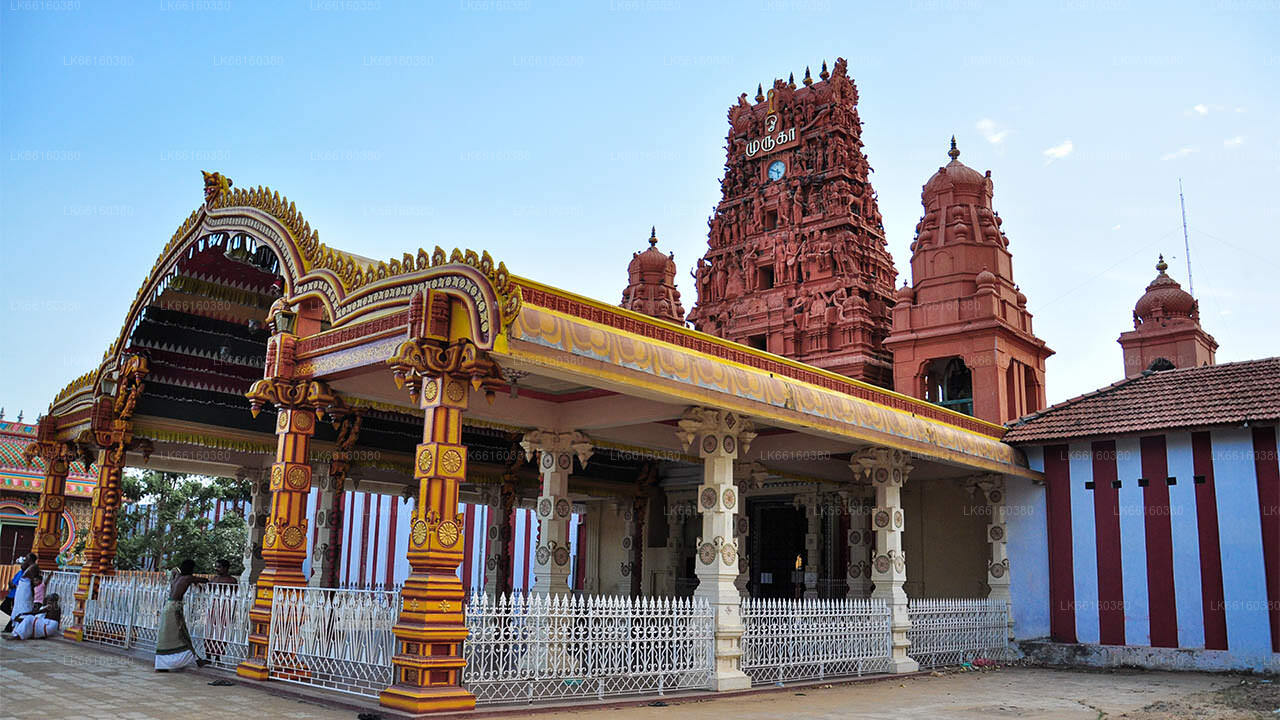
In the hot arid lands of Nallur, in Jaffna, rises the majestic Hindu temple for Skanda/ Murugan – the god of love, war and beauty. It has reigned over the land for centuries, attracting devotees from various walks of life. The temple itself embodies a kind of peace that can only be felt in the most divine of places.
History
The temple was originally founded in 948 AD. However, it reached fame when it was rebuilt in the 13th century by Puvaneka Vaahu, a minister of the Jaffna King Kalinga Maha. The Nallur Kandaswamy Temple was built for a third time by Senpaha Perumal (a.k.a Sapumal Kumaraya) who was the adopted son of the Kotte king. Nallur served as the capital of the kings of Jaffna, and was a highly defensive fort and city. There were courtly buildings, the palaces, businesses and much more.
The third built temple was destroyed by the Portuguese in 1624 AD; and many churches built over the ruins. The location of the original temple is now covered by the St James Church, Nallur. Part of the original Sivalingam from the temple remained in the vicarage, but was destroyed during the recent civil war. Now only the platform where it was mounted remains.
The current temple was built in 1734 AD by Don Juan. However, the ‘Golden Era’ of the Nallur Temple began in the latter 1890s with the takeover of the temple administration by Arumuga Maapaana Mudaliyar; who started renovating it to bring it back to its earlier magnificence.
Design
Created in the ways of the ancient temple cities of Madura and Padaliputra in India; the town of Nallur too revolves around this temple.
- The cities had four entrances with temples at each gate.
- There were outer circles where the commoners resided and businesses flourished, inner circles where highly placed nobles resided.
- The walls of the temple then rose, resembling the towers (in this case kopurams) and palisades of a fort.
- Within these walls were the outer courtyard, the holy bathing well (theertha keni), the residences of the priests, the inner temple, and smaller shrines for lesser deities.
- The inner temple itself was large; and contained the inner courtyard, the central shrine or mulasthanam, shrines for other major gods and goddesses, the dance hall, the conference hall, and many other such elements.
While the original Nallur Kandaswamy Temple was on this same grand scale; the current temple is on a much smaller scale when considering area, whilst still being one of the largest and historically accurate temples still existing in Sri Lanka. The temple has four kopurams, a rarity nowadays; including a massive golden-ochre Rajakopuram standing approximately seven stories (22-25m) tall. Some of the kopurams were built within the last decade. The inner and outer circles usually function as normal roads; except during the temple’s elaborate festival. With beautiful sculptures and architecture created by architects brought in from India; the temple is a visual delight that is best seen directly.
Guidelines on visiting the Nallur Kandaswmy Temple.
- The temple has a large courtyard; don’t forget remove your shoes and wash your feet at the outer well before you enter.
- You bring items such as flowers, fruits, camphor and such to offer to the shrines. These can be bought from shops opposite the temple; but everything except camphor and incense must be washed outside before offering.
- Men are not allowed to wear any other garments above waist level within the temple, as has been the Hindu custom from ancient d
О районе Джафна
Джафна — столица Северной провинции Шри-Ланки. 85% населения округов Джафна и Килиноччи составляют индуисты. Индуисты исповедуют шиваитскую традицию. Остальные — в основном католики или протестанты, некоторые из которых являются потомками колониальных поселенцев, известных как бюргеры. Тамилы разделены по кастовому признаку, большинство составляют крестьяне из касты Веллалар. Основными товарами в Джафне являются морепродукты, красный лук и табак.
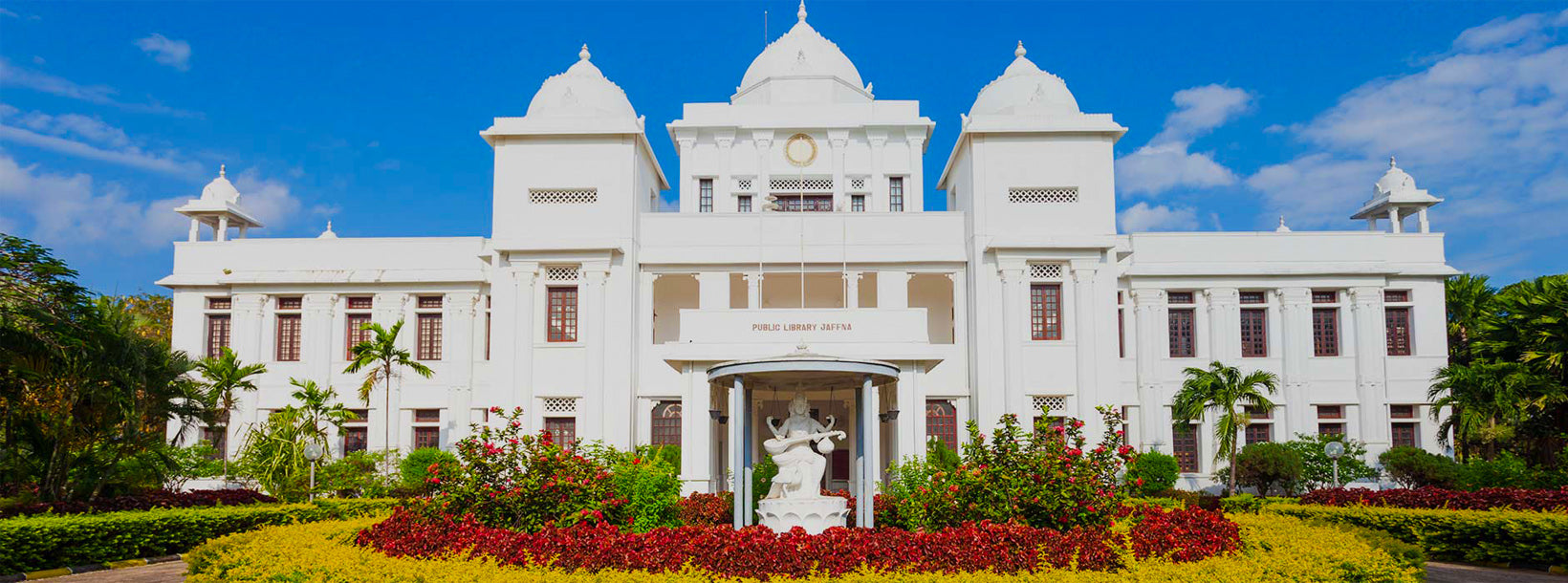
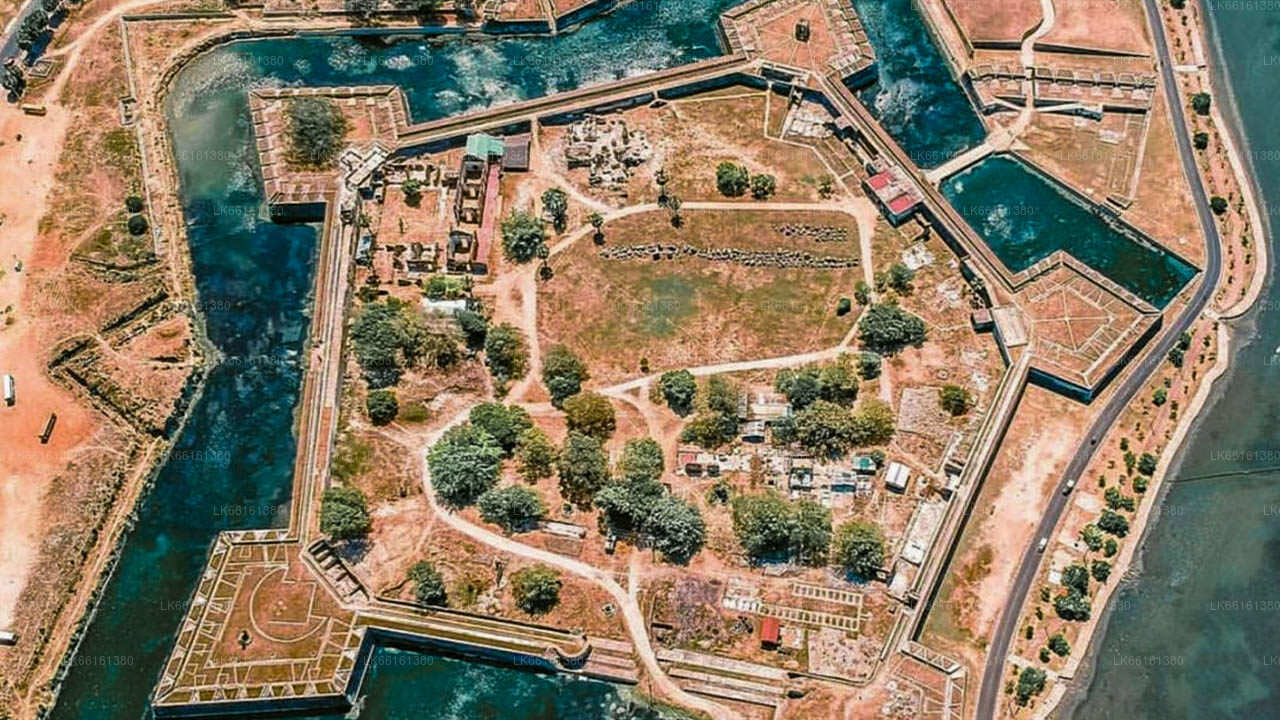
Джафна славится своими прекрасными индуистскими храмами. Хорошо сохранившийся старый голландский форт, внутри которого находится старинная церковь, является ярким примером голландской архитектуры. Еще один образец голландской архитектуры – королевский дом. Ни одно посещение Джафны не будет полным без дегустации изысканного манго, известного своей сладостью. Примерно в 3 км находится величественный храм Наллур Кандасвами, где проводится крупнейший религиозный фестиваль в Джафне. Гавань Кайтс – это древнее место стоянки кораблей в регионе Джафна.
О Северной провинции
Северная провинция — одна из девяти провинций Шри-Ланки. Провинции существуют с XIX века, но не имели юридического статуса до 1987 года, когда 13-я поправка к Конституции Шри-Ланки 1978 года учредила провинциальные советы. В период с 1988 по 2006 год провинция была временно объединена с Восточной провинцией, образовав Северо-Восточную провинцию. Столица провинции — Джафна.
Северная провинция расположена на севере Шри-Ланки, всего в 35 км от Индии. Провинция окружена заливом Маннар и Палкским заливом с запада, Палкским проливом с севера, Бенгальским заливом с востока и Восточной, Северо-Центральной и Северо-Западной провинциями с юга. В провинции находится множество лагун, крупнейшими из которых являются лагуна Джафна, Нанти Кадал, лагуна Чундиккулам, лагуна Вадамарачи, лагуна Уппу Ару, лагуна Коккилай, лагуна Най Ару и лагуна Чалай. Большинство островов вокруг Шри-Ланки расположены к западу от Северной провинции. Крупнейшие острова: Кайтс, Недунтиву, Караитиву, Пунгудутиву и Мандативу.
Население Северной провинции в 2007 году составляло 1 311 776 человек. Большинство населения составляют шри-ланкийские тамилы, а меньшинство — шри-ланкийские мавры и сингалы. Шри-ланкийский тамильский язык является основным языком, на котором говорит подавляющее большинство населения провинции. Другой язык — сингальский, на котором говорит 1% населения. Английский язык широко распространен и понятен в городах.