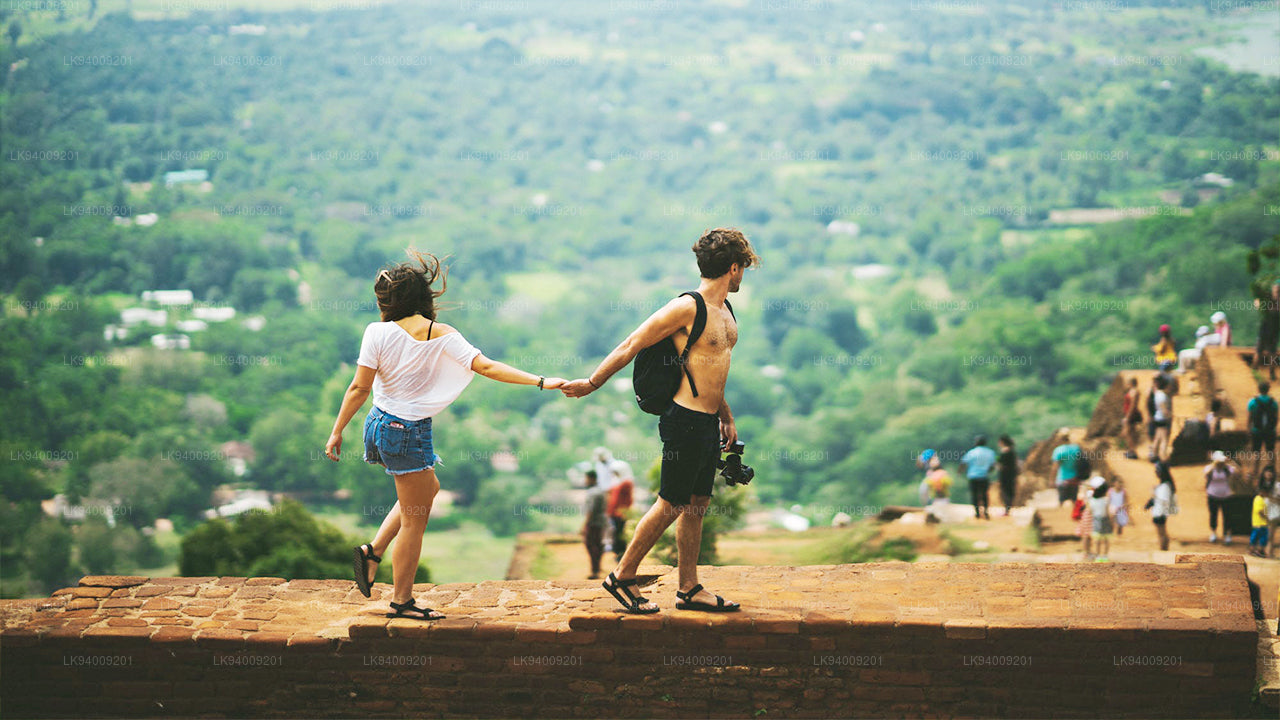
Мутиянгана Раджа Маха Вихара


Мутийанганая Раджа Маха Вихара находится в центре города Бадулла. История этого храма восходит ко времени Будды, но эта область вокруг Бадуллы (особенно провинция Ува) имеет историю, которая уходит в XIX-XVIII века до н. э. Император Равана правил этой страной, а Бадулла была его столицей. Также считается, что война между Рамой и Раваной произошла в этом районе. Существует множество мест и названий, которые идентифицируют эту область как одну из столиц Раваны; Сита Элия, Сита Котува и Равана Элла, как описано в Рамаяне. Говорят, что Равана в конечном итоге проиграл войну, и его предательский брат Вибишана перенес столицу в Келанию, и Ува постепенно исчезла из истории до V века.
Будда и 500 архатов посетили этот остров в третий раз по приглашению короля Наги Маниаккхиты в Келанию. Во время этого визита Будда прибыл в Бадуллу по приглашению короля Индакы (который был вознесен в статус бога), правителя горного хребта Намуникула. Король Индака построил ступу, в которой хранились некоторые волосы Будды и Муктака Дату (капли пота, которые превратились в жемчуг) в том месте, где Будда проводил свои проповеди. Это стало началом Мутийанганая Ступы. С тех пор эта ступа и храм были расширены, реконструированы и отремонтированы многими королями.
Торана с уникальным дизайном из шести уровней на входе в храм относится к неизвестному периоду. Первый уровень включает главный вход, а выше на втором уровне находится типичная голова Макара (дракон). По бокам головы расположены две фигуры охранников, а в углах — две фигуры львов. На третьем уровне находятся две фигуры Вамана, а по краям — два животных, вероятно, львы. Эти фигуры не так четки, как фигуры львов на втором уровне. В центре третьего уровня находится высокая подставка, которая продолжается до четвертого уровня, на котором расположены два быка, и их особенность заключается в том, что они украшены и имеют большие горбы. Такие быки являются характерной чертой индуизма, и эта особенность указывает на влияние индуизма в строительстве этой структуры. Наконец, на вершине пятого уровня расположена сидящая статуя Будды. Пятый уровень посвящен статуе Будды. Павлины на шестом уровне завершают контур структуры. У входа находится красочный Макара Торана. Прямо над входом и под головой дракона находится фигура Майтрея Бодхисаттвы. С правой стороны дома изображений находится статуя бога Индаки, защитника священной земли Мутийанганая и горного хребта Намуникула. Справа находится статуя Майтрея Бодхисаттвы. Пройдя через Дом Изображений, вы доходите до самой святой структуры храма — ступы, в которой хранятся волосы Будды и Муктака Дату. Первая ступа, построенная богом Индакой в V веке до н. э., была расширена королем Деванампиятиссой (150-210 гг. до н. э.) из Эры Анурадхапуры.


Special places in Badulla
-
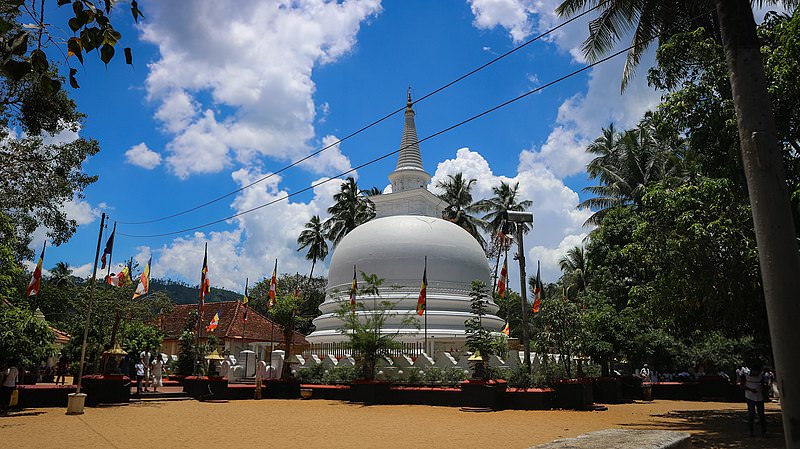 Muthiyangana Raja Maha Vihara
Muthiyanganaya Raja Maha Viharaya lies in the centre of the city of Badulla. The History of this temple goes back to the time of Buddha but this area around Badulla goes way back in to the time of 19th -18th century BCE.
-
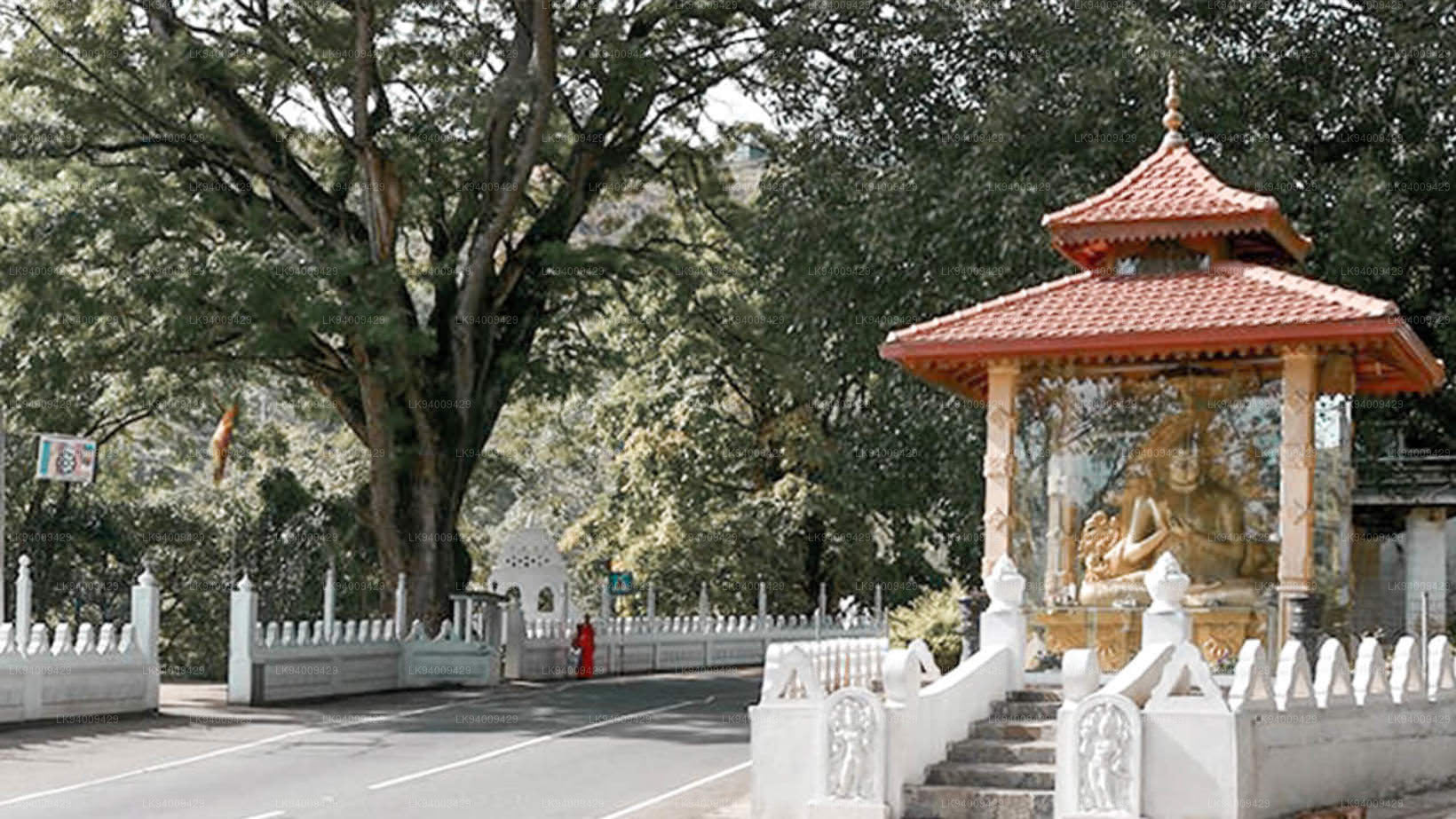 Dowa Raja Maha Viharaya
Dowa Raja Maha Viharaya (Dowa Cape Temple) lies few kilometres away from the Bandarawela town on the Bandarawela – Badulla Road. This temple is thought to be done by King Walagamba in the in first century BC.
-
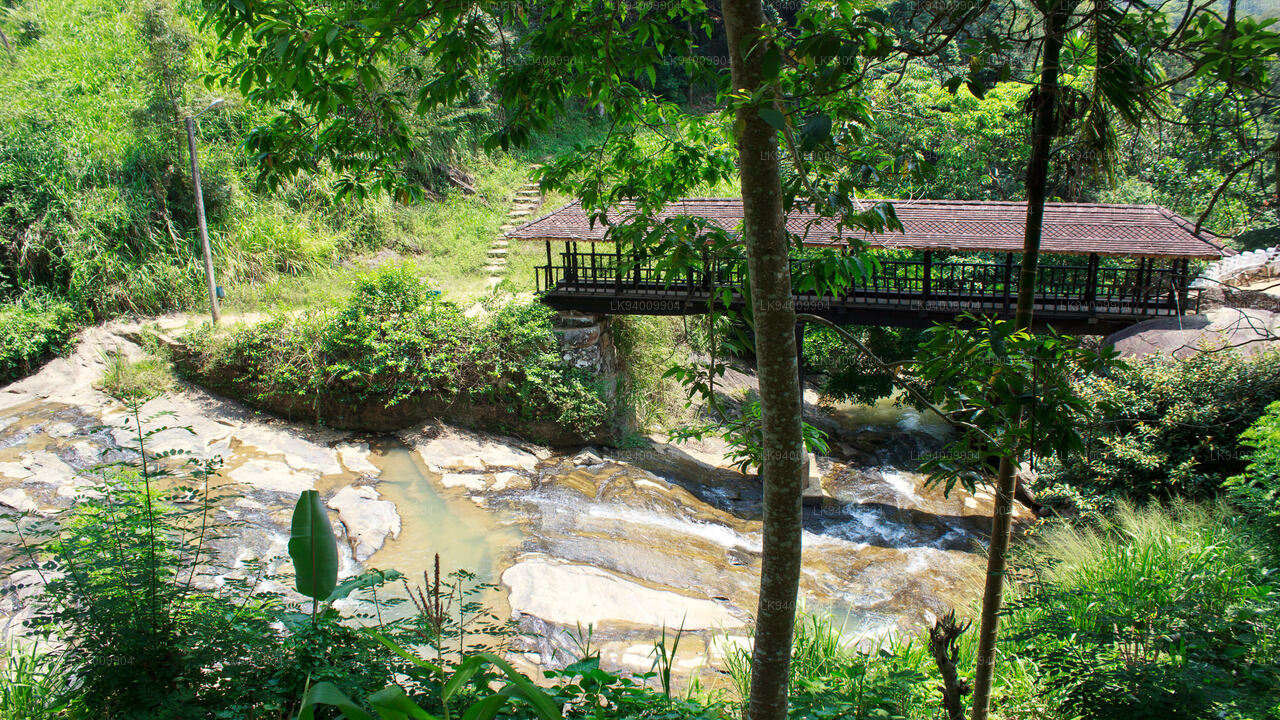 Bogoda Wooden Bridge
The Bogoda Wooden Bridge was built in the 16th century during the Dambadeniya era. This is said to be the oldest surviving wooden bridge in Sri Lanka. The bridge is situated at 7 kilometres (4.3 mi) west of Badulla.
-
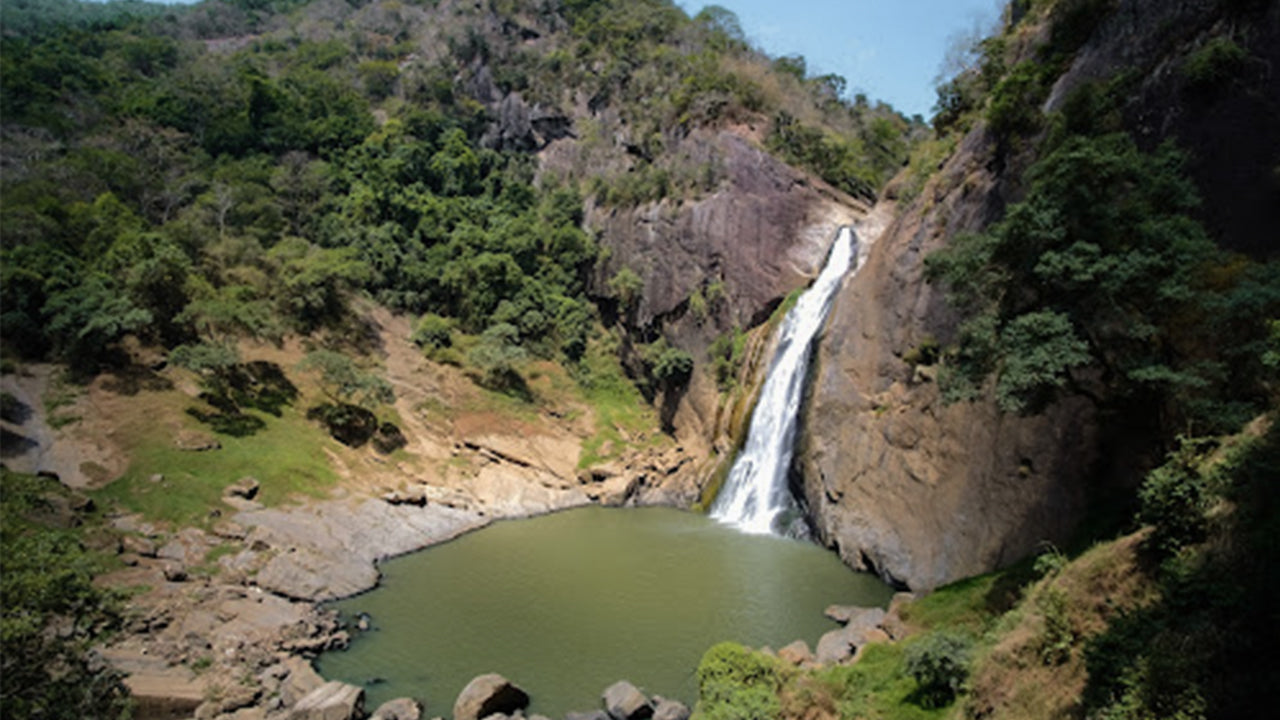 Dunhinda Falls
Dunhinda Falls is situated about 5 km away from Badulla town. It is 63 meters high and is considered to be one of the most beautiful waterfalls in Sri Lanka. The falls gets its name dew to the smoky dew drops spray.