Lakpura
Lakpura®

Gems and Jewellery

Few countries carry the weight of gem history that Sri Lanka does. For more than two thousand years, traders, kings, and collectors have sought out the island's precious stones — and today Sri Lanka remains one of the world's most significant sources of coloured gemstones. Whether you are a serious collector, a curious traveller, or someone searching for a meaningful souvenir, understanding the island's gem and jewellery landscape transforms what might otherwise be an ordinary shopping trip into a genuinely memorable cultural encounter.

Why Is Sri Lanka Famous for Gemstones?

Sri Lanka's geological good fortune stems from the island's ancient Precambrian rock formations, which are exceptionally rich in the minerals that produce gemstones. The country yields an unusually wide variety of precious and semi-precious stones from a relatively small landmass — a diversity that few other gem-producing nations can match.

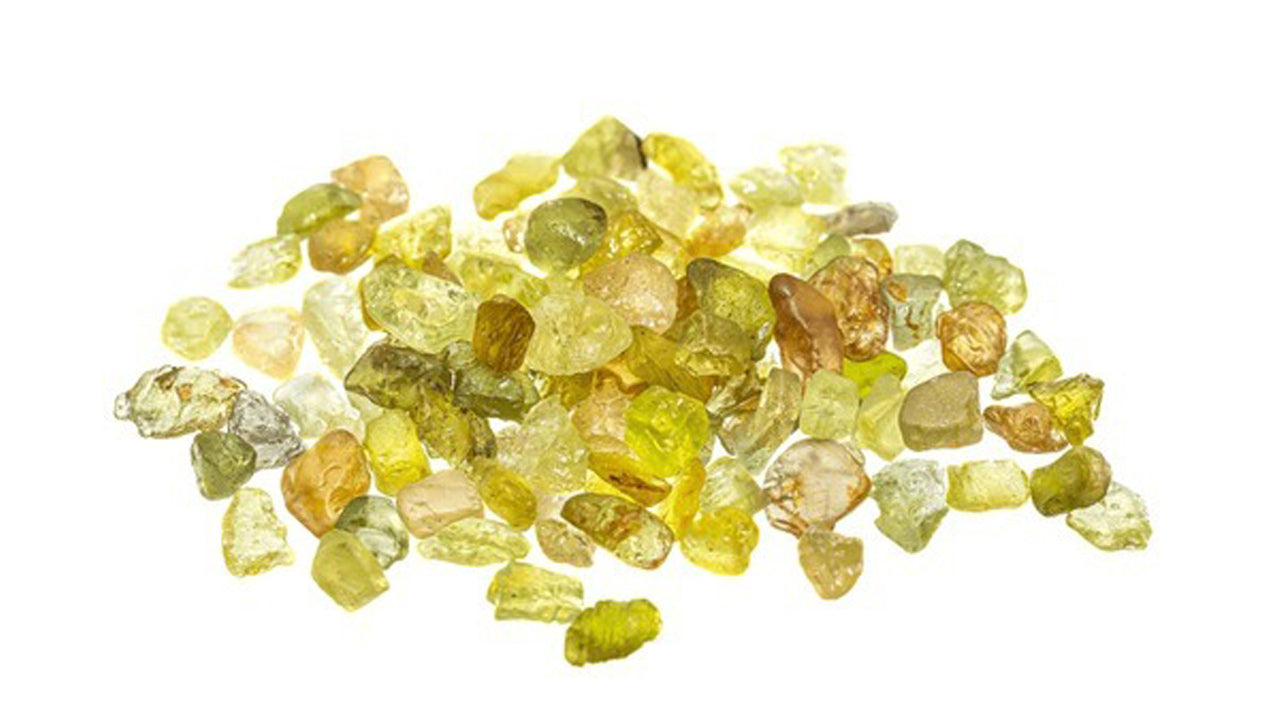
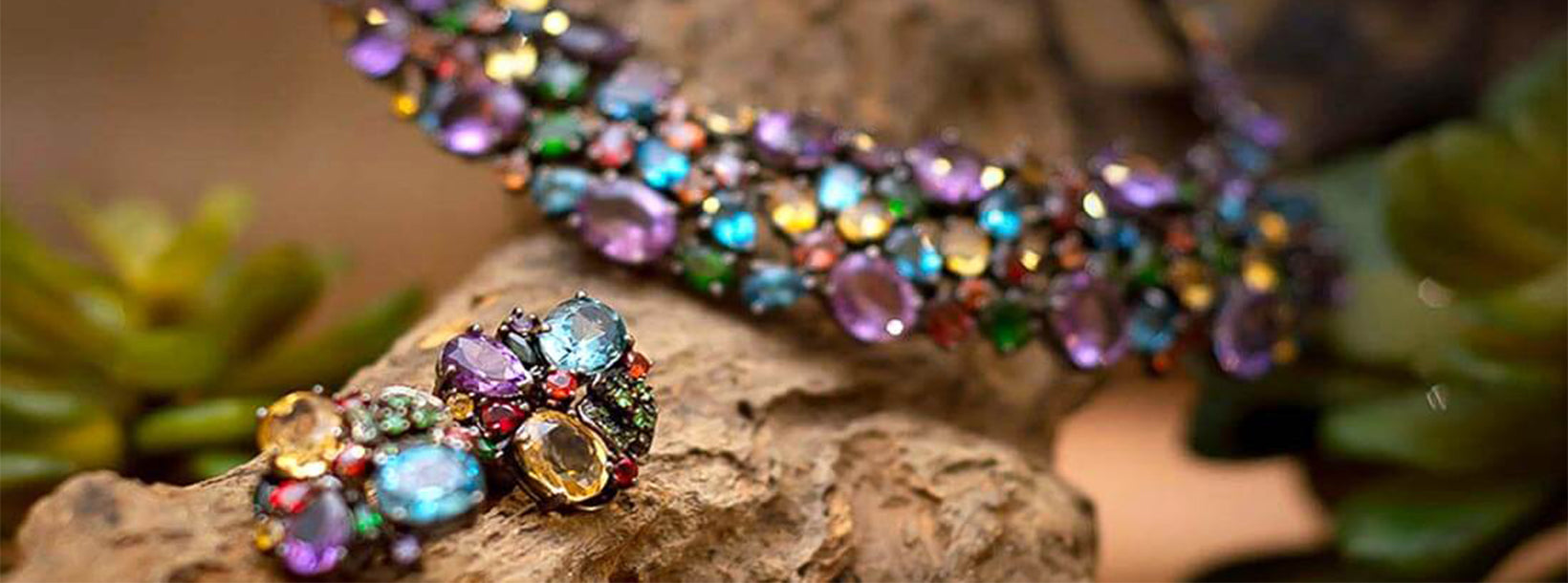
Among the stones found here are blue, pink, and yellow sapphires; rubies; alexandrite; chrysoberyl; spinel; topaz; tourmaline; moonstone; garnet; and zircon. The Ceylon blue sapphire is the most internationally recognised, prized for a characteristic cornflower-blue tone and exceptional clarity. Marco Polo wrote admiringly of the island's rubies and sapphires; they were described in medieval Arab trading records long before that. Sri Lanka's sapphires appear in the British Imperial State Crown and have featured in some of the world's most celebrated jewellery commissions.

Where Are Gems Mined in Sri Lanka?

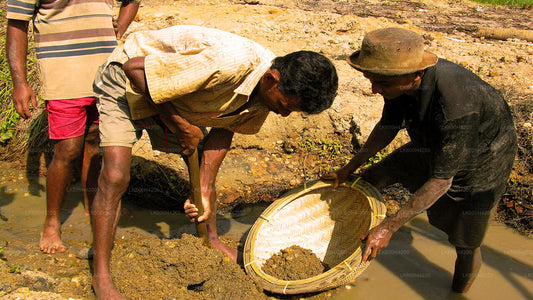
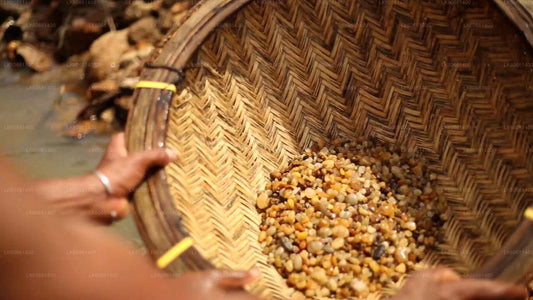
Ratnapura — whose name translates literally as "City of Gems" — is the undisputed centre of Sri Lanka's gem industry and sits roughly 100 kilometres south-east of Colombo in Sabaragamuwa Province. The town and its surrounding valleys sit atop alluvial deposits carried down from the central highlands over millennia. Miners work shallow pits sunk into riverbed gravel, extracting gem-bearing sediment (known locally as illam) and sorting it by hand in sluiced troughs — a method that has changed remarkably little over centuries.

Beyond Ratnapura, gem-bearing deposits are found across much of the south and central regions: Elahera, Okkampitiya, Balangoda, and areas around Matara all contribute to the national output. The Galle area in the Southern Province also supports a cluster of established gem merchants and workshops, making it a practical place to both observe and purchase.

What Types of Gemstones Should You Look For?

  • Ceylon Sapphire: The signature stone. Colours range from pale cornflower blue to deep royal blue, as well as padparadscha (a rare pinkish-orange variety highly valued by collectors) and colourless white sapphire.
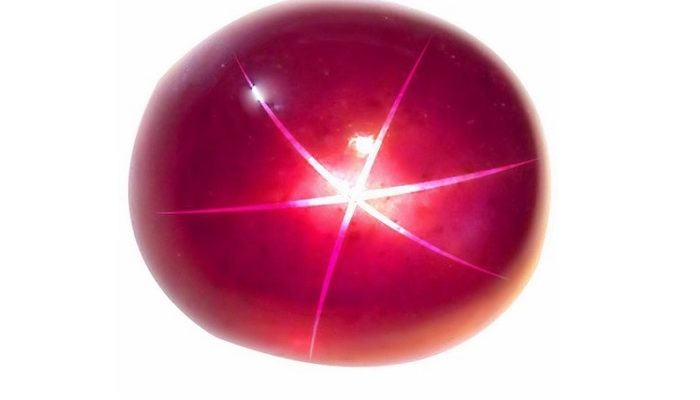
  • Ruby: Sri Lankan rubies tend toward lighter, pinker tones compared with Burmese stones, and are valued for their transparency.
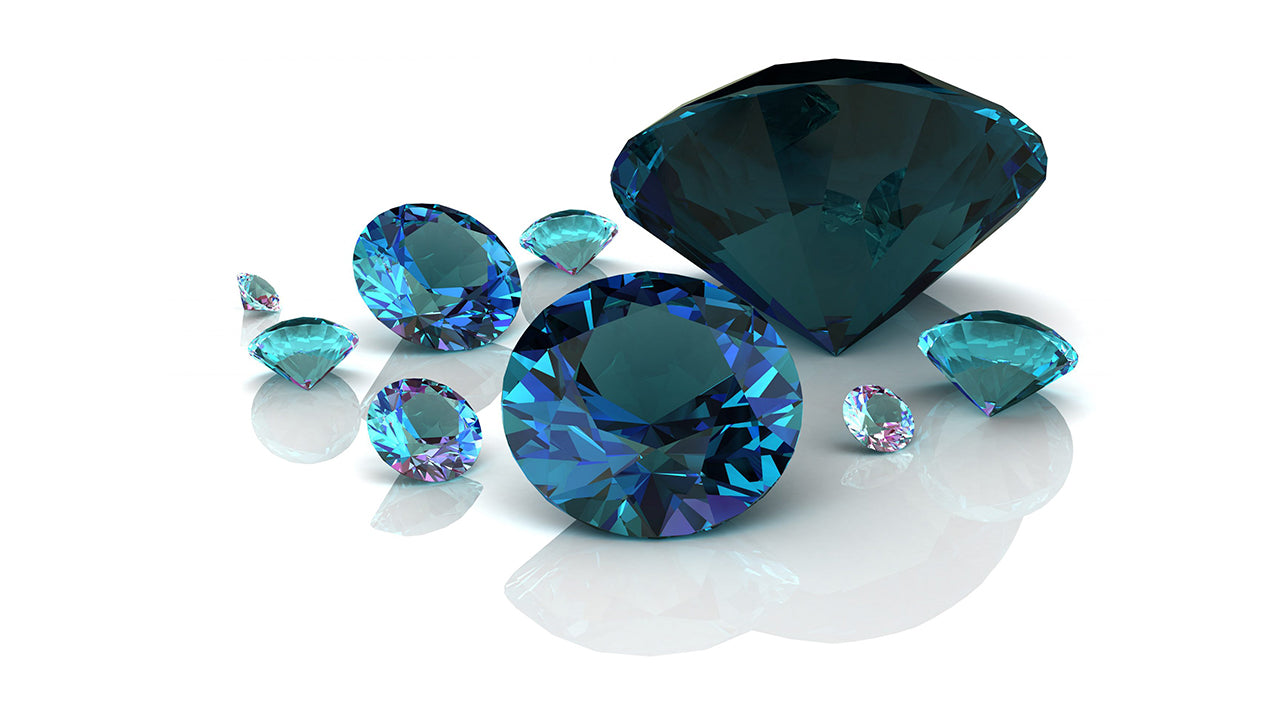
  • Alexandrite: A colour-change chrysoberyl that appears green in daylight and red under incandescent light — one of the rarest gems Sri Lanka produces.
  • Moonstone: Sri Lanka is among the world's foremost sources of blue moonstone, displaying a distinctive adularescent glow. Meetiyagoda in the Southern Province is the primary mining area.
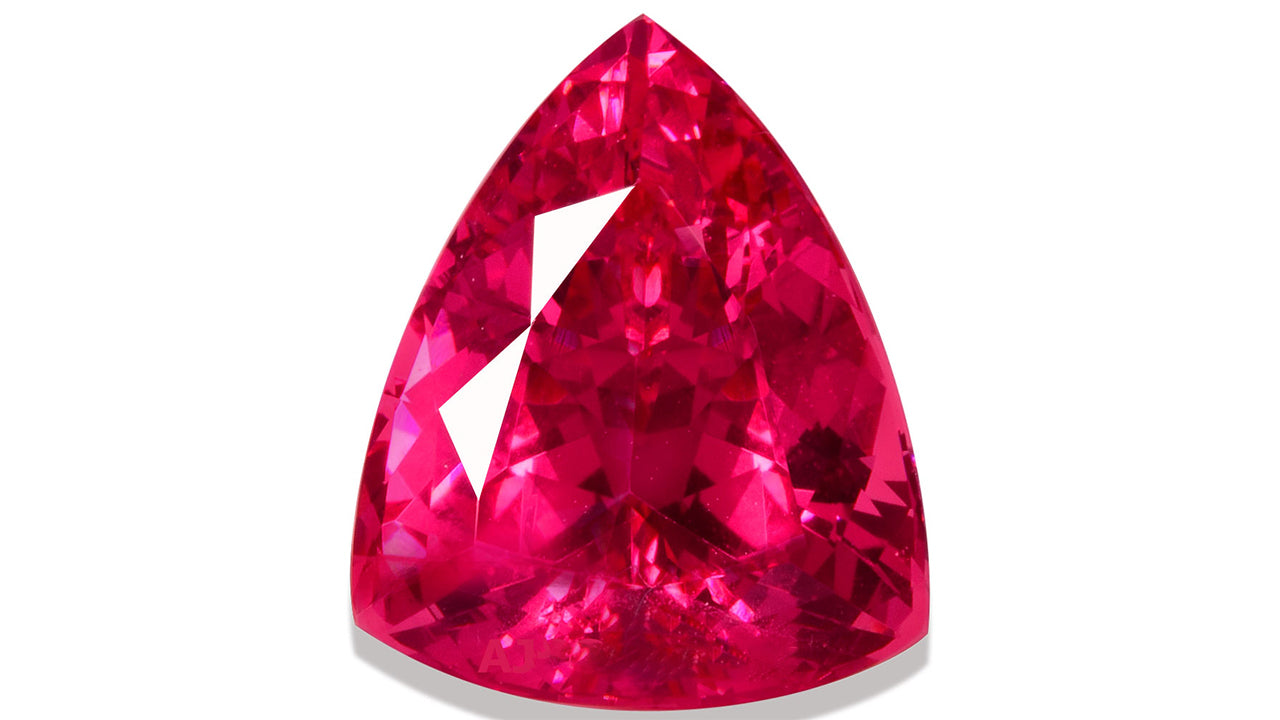
  • Spinel: Historically confused with rubies, fine red and pink spinels from Sri Lanka are increasingly prized in their own right.
  • Tourmaline and Topaz: Available in a range of colours, often at more accessible price points than the primary precious stones.

How Is Gem Cutting and Jewellery Making Done in Sri Lanka?

After extraction, rough stones pass through a grading process before reaching specialist cutters. Sri Lankan gem cutters traditionally favour a mixed cut — a combination of brilliant and step-cut facets — designed to maximise the colour saturation of each individual stone rather than optimising for a standardised shape. This approach reflects centuries of accumulated knowledge about how light behaves in these particular mineral structures.

Jewellery workshops, concentrated in Ratnapura, Kandy, and Galle, employ goldsmiths and silversmiths trained in techniques passed down through generations. Common design motifs draw on Kandyan heritage: lotus flowers, the flame motif (punkalasa), and paired fish are recurring elements in traditional pieces. Contemporary workshops also produce cleaner, modern settings for export and international clientele.

Hands-on workshops — where visitors can observe cutting, polishing, and setting — are available in several coastal and hill-country towns, offering a grounded way to understand the craft before making a purchase.

How Do You Buy Gems Safely in Sri Lanka?

The Sri Lanka Gem and Jewellery Authority (SLGJA), a government body, operates a gem-testing laboratory and issues certificates for stones submitted for analysis. Buying a certified stone — or requesting certification before purchase — is the most reliable safeguard against misrepresentation.

Established gem dealers in Ratnapura, Colombo's Pettah market, and the Galle Fort area tend to have verifiable reputations and can provide documentation. Avoid purchasing loose stones from informal street vendors or from anyone who approaches you unsolicited at tourist sites — a common pressure-sale tactic. Reputable shops will not object to independent valuation or a certificate request.

When comparing prices, keep in mind that colour, clarity, cut quality, and carat weight all affect value significantly. A mid-sized sapphire of exceptional colour and clarity will cost considerably more than a larger stone with visible inclusions. If you are making a significant purchase, take time to compare across two or three established dealers.

What Is the Best Time to Visit for Gems and Jewellery Shopping?

Gem shops and workshops operate year-round, so there is no single optimal season for this interest alone. That said, the dry season from roughly December to April brings the heaviest tourist traffic to the southern and western coasts, meaning shops in Galle and Colombo are well-stocked and competitive. Ratnapura, lying in a wetter interior zone, can be visited at almost any time of year, though road conditions in the hills are more comfortable during drier months.

The Esala Perahera Festival in Kandy, held in July or August, draws large numbers of visitors to the central region and coincides with peak activity at Kandy's gem and jewellery dealers — a convenient combination if you are touring the hill country.

Where Can You Experience the Gem Trade Beyond Shopping?

Ratnapura's National Museum of Sri Lanka (Ratnapura branch) holds a notable collection of gem specimens and mining equipment that provides helpful context before exploring the market. Several family-run gem mines outside Ratnapura welcome visitors to observe traditional pit-mining and washing operations — a practical way to understand the labour involved before engaging with price negotiations later.

The Sinharaja Forest Reserve, roughly an hour's drive from Ratnapura, makes a worthwhile combined day trip for travellers interested in both the gem-producing landscape and the broader ecology of the southern interior. Gem-bearing geology and exceptional biodiversity sit side by side in this part of the island.

Caring for Sri Lankan Gemstones After Purchase

Sapphires, rubies, and spinel are among the hardest minerals in the world and are suitable for everyday jewellery. Moonstone, by contrast, scores lower on the Mohs hardness scale and is better suited to earrings or pendants than rings subject to daily abrasion. Store pieces individually to prevent scratching, avoid prolonged exposure to household chemicals, and have settings checked periodically if stones are used regularly. A reputable seller will advise on the specific properties of whatever stone you purchase.

Book this experience with Lakpura

Curated by our local team. Direct booking, instant confirmation.

Ask Lakpura® Agent