Standing quietly on a side street within the ramparts of Galle Fort, the Dutch Reformed Church — known historically as the Groote Kerk — is one of the oldest Protestant churches still in active use in Sri Lanka. Built in 1755 during the height of Dutch colonial rule, the building carries nearly three centuries of layered history across its thick lime-plastered walls, worn flagstone floor, and a congregation that has outlasted empires.
What is the history of the Dutch Reformed Church in Galle?
The present church is believed to be the third building on the Dutch Fort site to serve the Dutch Reformed congregation. The first stood near what is now the Galle Clock Tower; the second, a more elaborate structure, was erected opposite the current building. Of that second church, only the belfry survives today, still visible from the surrounding streets. The current building is said to occupy the footprint of an earlier Portuguese Capuchin convent — a reminder that the site itself predates Dutch occupation of the fort.
The Galle City Tour traces exactly this kind of layered colonial history, moving between Portuguese, Dutch, and British-era landmarks within the same walled precinct.
What architectural features make the church worth visiting?
The interior is relatively austere by European church standards, reflecting the Reformed tradition's preference for simplicity over ornament. Yet a number of additions made under British administration give the building considerable visual interest. Around 1830, a stained glass window was inserted into the west façade — one of the earliest such windows in Sri Lanka. A canopy was later built above it, around 1890, to protect the glass from rain seeping through the masonry. A communion rail was installed in the south wing during the same British period, and at the turn of the 20th century a small pipe organ was placed there as well.
The floor is particularly striking: it is laid with the original Dutch grave slabs of prominent VOC (Dutch East India Company) officers and their families, inscribed in Dutch and Latin. Walking through the nave means walking across the burial records of an entire colonial administration.
Where exactly is the Dutch Reformed Church inside Galle Fort?
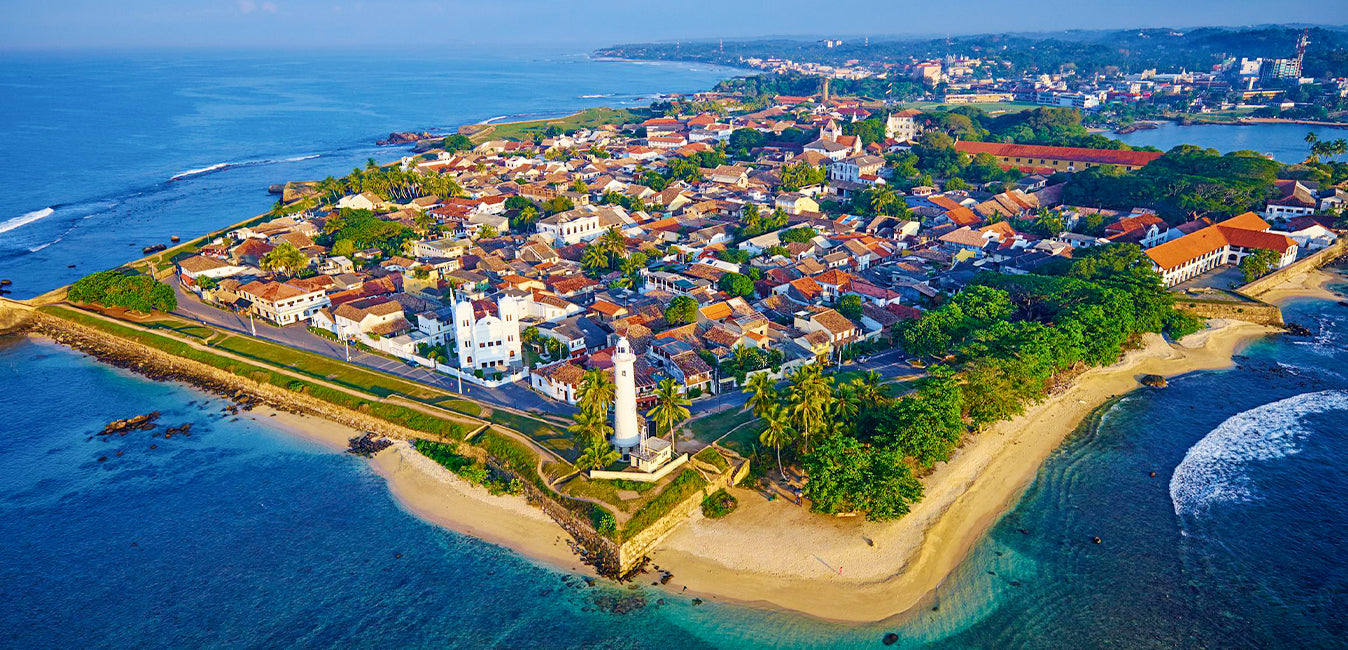
The church sits on Church Street, close to the main entrance to the fort near the old gate. It is within easy walking distance of the Galle Fort ramparts, the National Museum Galle, and the former Dutch Governor's residence. The fort itself is a UNESCO World Heritage Site, and the church forms one of the most historically significant nodes within it.
The belfry of the earlier (second) Dutch Reformed Church stands directly opposite and is worth examining alongside the present building to understand how the congregation's place of worship evolved across the colonial period.
When is the best time to visit the Dutch Reformed Church?
The church is generally open to visitors during daylight hours on most days of the week, though services still take place on Sundays. Visiting on a weekday morning tends to offer the quietest experience, as the fort's main tourist foot traffic typically peaks in the afternoon. The climate inside Galle Fort is coastal and can be warm; the church's thick walls provide noticeable relief from the heat, making it a welcome stop midway through a longer walk along the ramparts.
Galle receives some of its heaviest rainfall during the south-west monsoon (typically May to September), so if you plan to spend time on the fort's exposed ramparts, a morning visit in the dry season (December to March) is more comfortable.
How does the Dutch Reformed Church fit into the broader Dutch heritage of Galle?
The Dutch occupied Galle from 1640 until the British took control in 1796, and in that century and a half they rebuilt the fort almost entirely, laid out the street grid that still defines the fort's interior, and constructed a number of civic and religious buildings. The Dutch Reformed Church is the most intact religious survival from that era. Other Dutch-era elements within the fort include the gate itself, sections of the rampart wall, and the VOC warehouse that now serves as the National Museum.
Beyond Galle, Dutch colonial influence in Sri Lanka is visible at sites such as the Dutch Fort in Negombo, though no other single building in the country concentrates as much Dutch Reformed ecclesiastical history as the Groote Kerk.
Is the Dutch Reformed Church still an active congregation?
Yes. The church continues to hold services and maintains an active congregation, making it a functioning place of worship rather than a museum exhibit. Visitors are welcome to enter outside service times, and the combination of historical graveslabs, colonial-era furnishings, and a genuinely working community gives the space a character that purely museumified heritage sites rarely have. Respectful dress — covered shoulders and knees — is appropriate when entering.
What else is there to see near the Dutch Reformed Church?
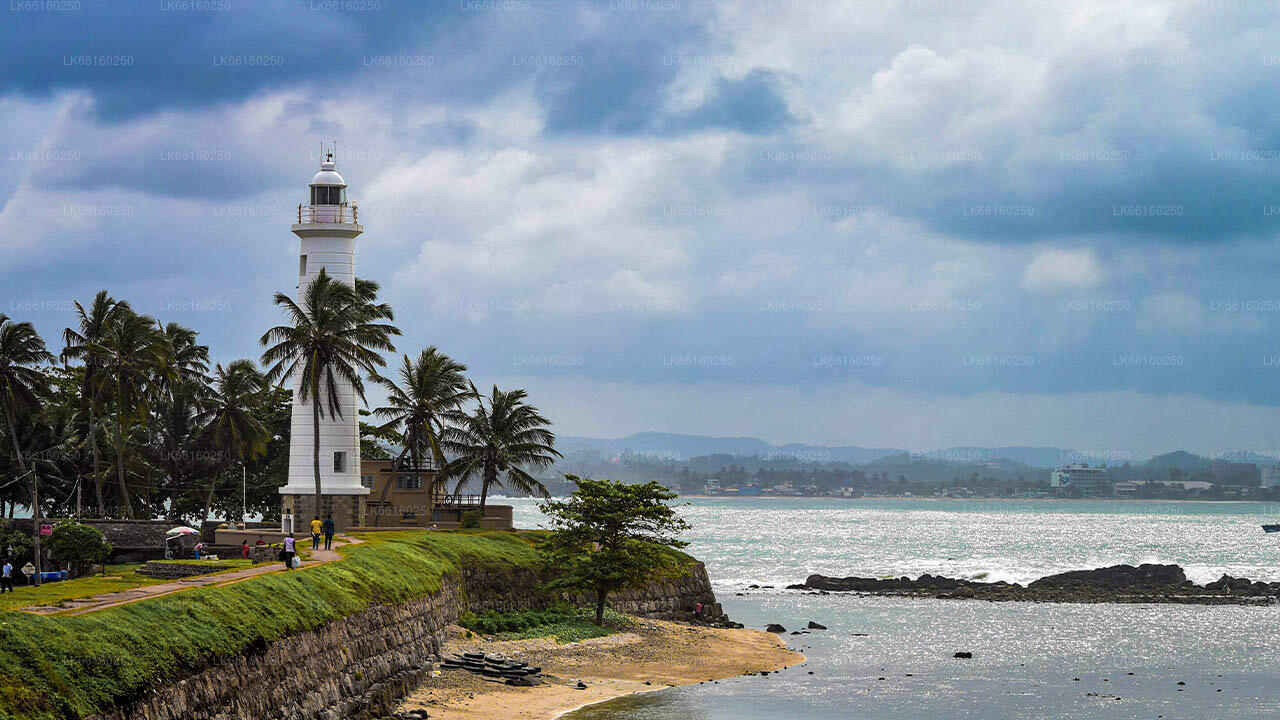
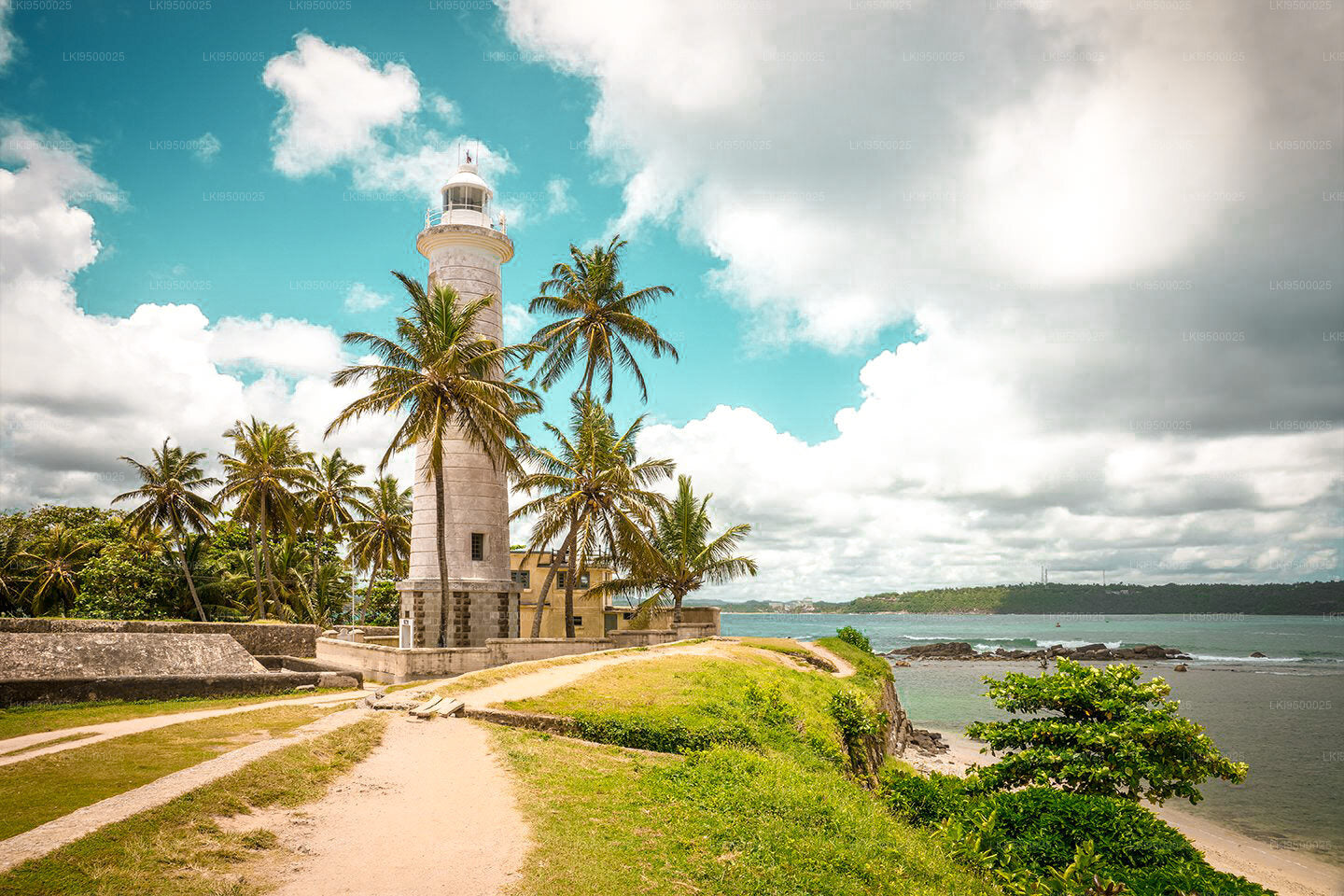
The fort's compact layout means that most of its main landmarks are within a short walk. The Galle Fort Lighthouse, the Dutch Hospital shopping precinct (a restored VOC-era building), the rampart walk with views over the Indian Ocean, and several small museums are all accessible on foot. The fort also has a concentration of independent cafes, boutique guesthouses, and small galleries that have opened in restored Dutch-period buildings over the past two decades, making it one of the most atmospheric walking precincts in Sri Lanka.