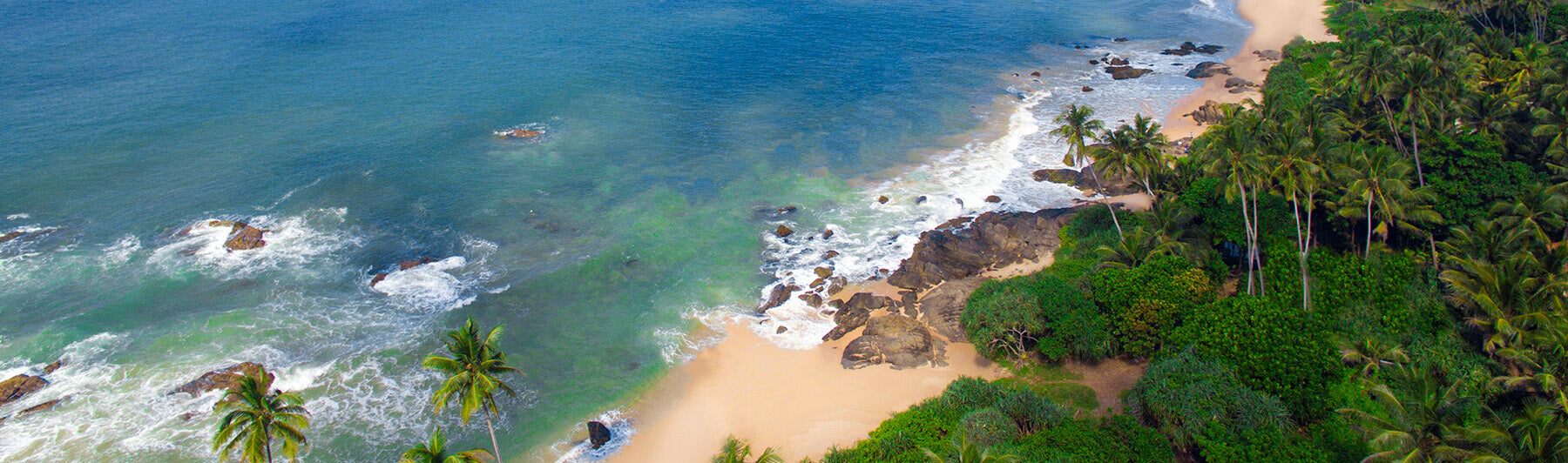
Rzeka Miodowa

Madu River Madu River Madu River

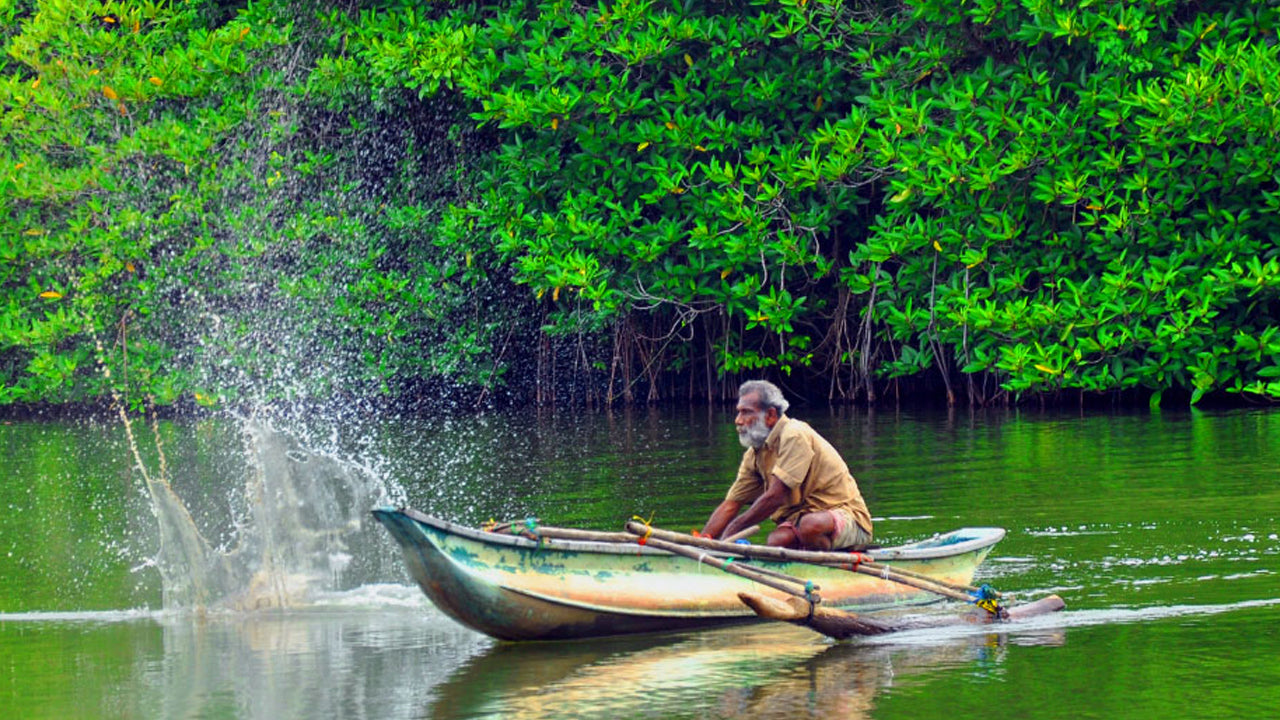
Rzeka Madu to malownicza droga wodna położona w południowo-zachodnim regionie Sri Lanki, w pobliżu Balapitiya. Znana ze spokojnych wód i bogatej bioróżnorodności, rzeka stanowi część złożonego ekosystemu terenów podmokłych, składającego się z lasów namorzynowych, małych wysp oraz połączonych ze sobą dróg wodnych.

Rzeka i otaczające ją tereny podmokłe wspierają szeroką różnorodność dzikiej przyrody, w tym ryb, gadów, ptaków oraz roślin wodnych. Lasy namorzynowe odgrywają kluczową rolę w ochronie środowiska przybrzeżnego, jednocześnie zapewniając schronienie wielu gatunkom, które rozwijają się w tym delikatnym ekosystemie.

Odwiedzający rzekę Madu mogą zwiedzać okolicę podczas relaksujących safari łodzią, które prowadzą przez tunele namorzynowe i wokół małych wysp. Te wycieczki oferują możliwość obserwowania lokalnej dzikiej przyrody, odwiedzenia tradycyjnych miejsc przetwarzania cynamonu oraz doświadczenia spokojnego naturalnego piękna środowiska terenów podmokłych.

Najlepszy czas na odwiedzenie rzeki Madu przypada na suche miesiące od grudnia do kwietnia, kiedy warunki pogodowe są idealne do rejsów łodzią i odkrywania przyrody na świeżym powietrzu. Rzeka jest łatwo dostępna z nadmorskich miejscowości, takich jak Balapitiya i Bentota, oferując spokojne doświadczenie natury wzdłuż Sri Lanki południowego wybrzeża.

Madu River Madu River Madu River

About Galle District

Galle is a city situated on the southwestern tip of Sri Lanka, 119 km from Colombo. Galle is the best example of a fortified city built by Europeans in south and Southeast Asia, showing the interaction between European architectural styles and south Asian traditions. The Galle fort is a world heritage site and the largest remaining fortress in Asia built by European occupiers.

Galle is the best example of a fortified city built by Europeans in south and Southeast Asia, showing the interaction between European architectural styles and south Asian traditions. The Galle fort is a world heritage site and the largest remaining fortress in Asia built by European occupiers.

Galle is a sizeable town, by Sri Lankan standards, and has a population of 91,000, the majority of whom are of Sinhalese ethnicity. There is also a large Sri Lankan Moor minority, particularly in the fort area, which descend from Arab merchants that settled in the ancient port of Galle.

About Southern Province

The Southern Province of Sri Lanka is a small geographic area consisting of the districts of Galle, Matara and Hambantota. Subsistence farming and fishing is the main source of income for the vast majority of the people of this region.

Important landmarks of the Southern Province include the wildlife sanctuaries of the Yala and Udawalawe National Parks, the holy city of Kataragama, and the ancient cities of Tissamaharama, Kirinda and Galle. (Although Galle is an ancient city, almost nothing survives from before the Portuguese invasion.) During the Portuguese period there were two famous Sinhalese poets called Andare who was from Dickwella and Gajaman Nona who was from Denipitiya in Matara District, composing poems on common man.