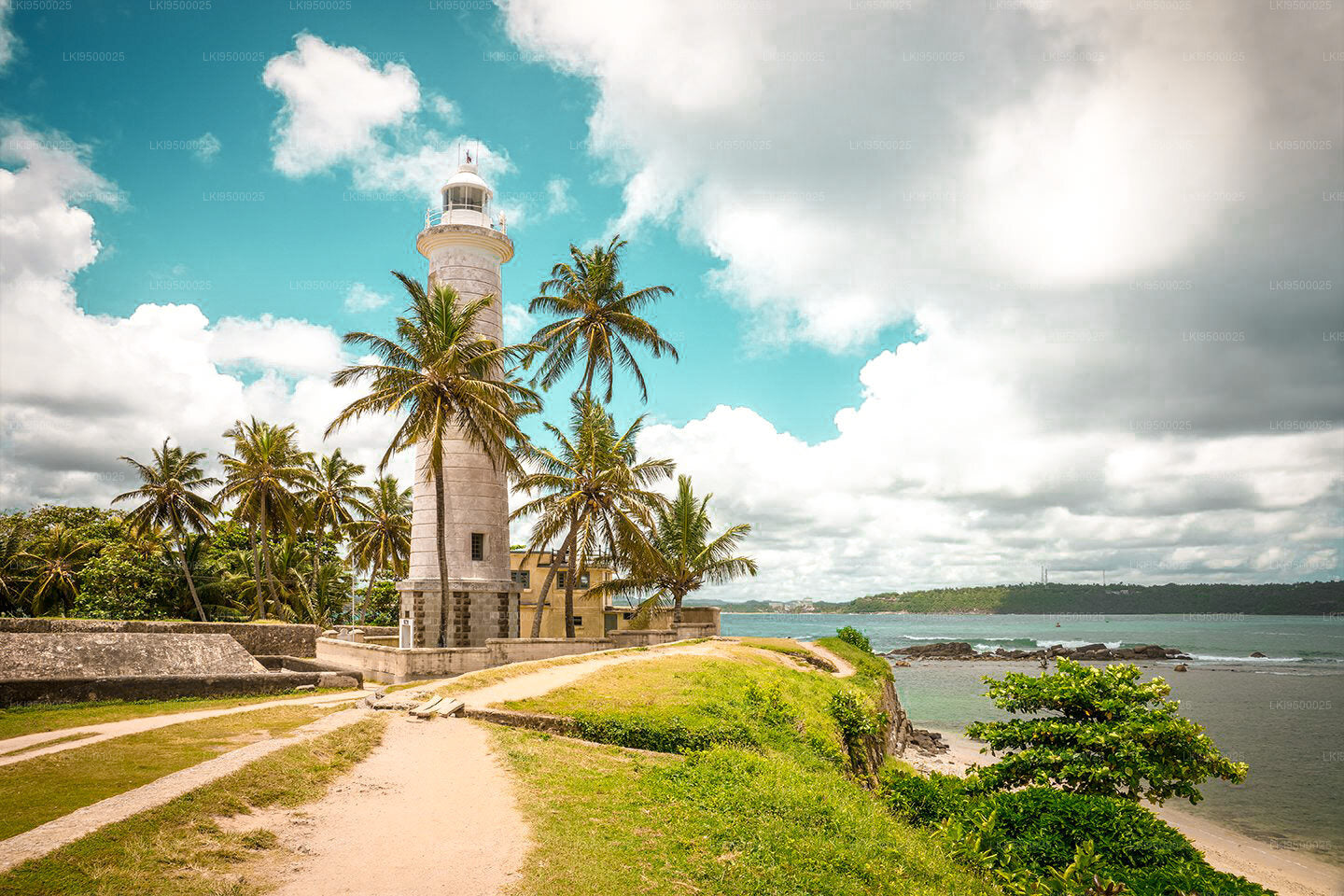
Plaża Galle
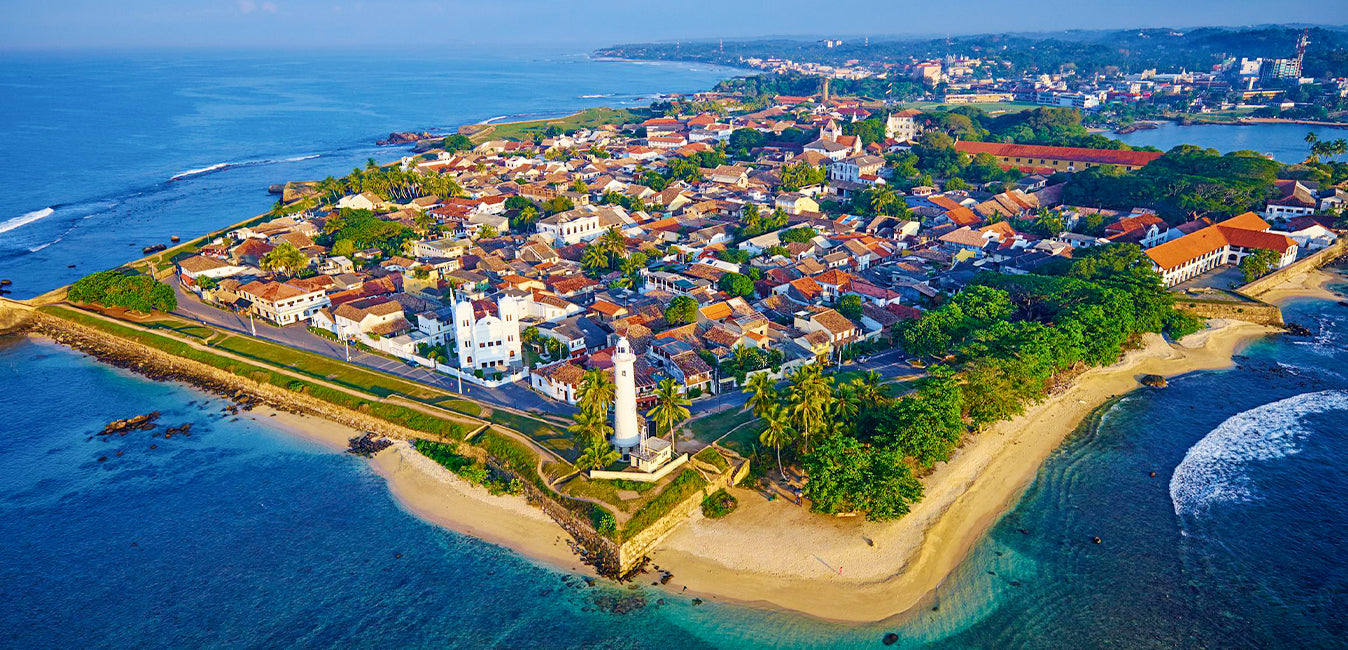
Plaża Galle, położona na południowo-zachodnim wybrzeżu Sri Lanki, jest urokliwym i historycznym miejscem znanym ze swojej malowniczej urody i kolonialnego dziedzictwa. Położona w pobliżu historycznej twierdzy Galle, ta plaża oferuje mieszankę atrakcji kulturalnych, relaksujących doświadczeń nadmorskich oraz żywego lokalnego życia.
Malownicze krajobrazy wybrzeża
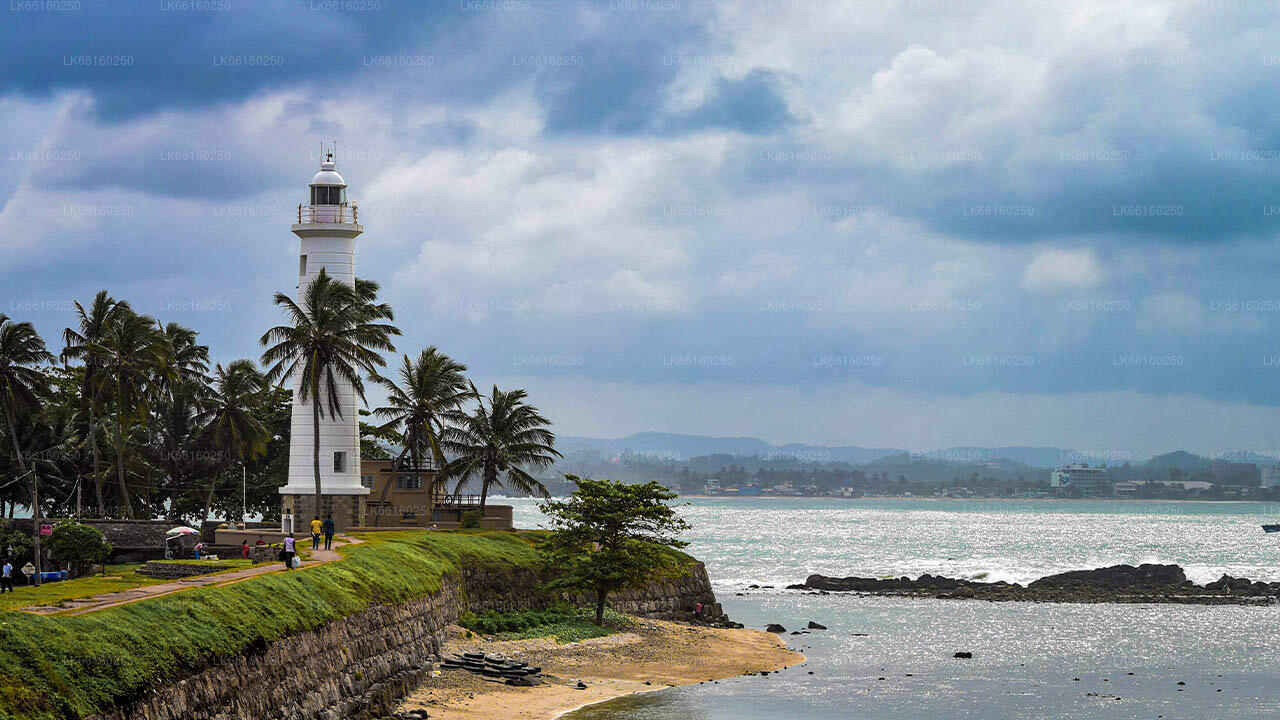
Plaża Galle oferuje wspaniały pas złotego piasku i czystej, niebieskiej wody, idealną do opalania, pływania i spacerów po plaży. Piękno krajobrazu plaży, w połączeniu z tłem historycznej twierdzy Galle, tworzy malownicze otoczenie do relaksu i wypoczynku.
Twierdza Galle
Zaledwie krótki spacer od plaży znajduje się twierdza Galle, która jest wpisana na listę Światowego Dziedzictwa UNESCO i ma bogatą historię, sięgającą XVI wieku. Została pierwotnie zbudowana przez Portugalczyków, a następnie rozszerzona przez Holendrów. Twierdza jest fascynującym miejscem do zwiedzania, z dobrze zachowaną kolonialną architekturą, wąskimi uliczkami oraz urokliwymi kawiarniami i butikami.
Aktywności morskie
Plaża Galle oferuje możliwości uprawiania różnych sportów wodnych, w tym snorkelingu, surfingu i nurkowania. Sąsiednie rafy koralowe oferują doskonałe doświadczenia w snorkelingu z kolorowym życiem morskim, a łagodne fale sprawiają, że jest to doskonałe miejsce dla początkujących surferów.
Lokalne rynki i kuchnia
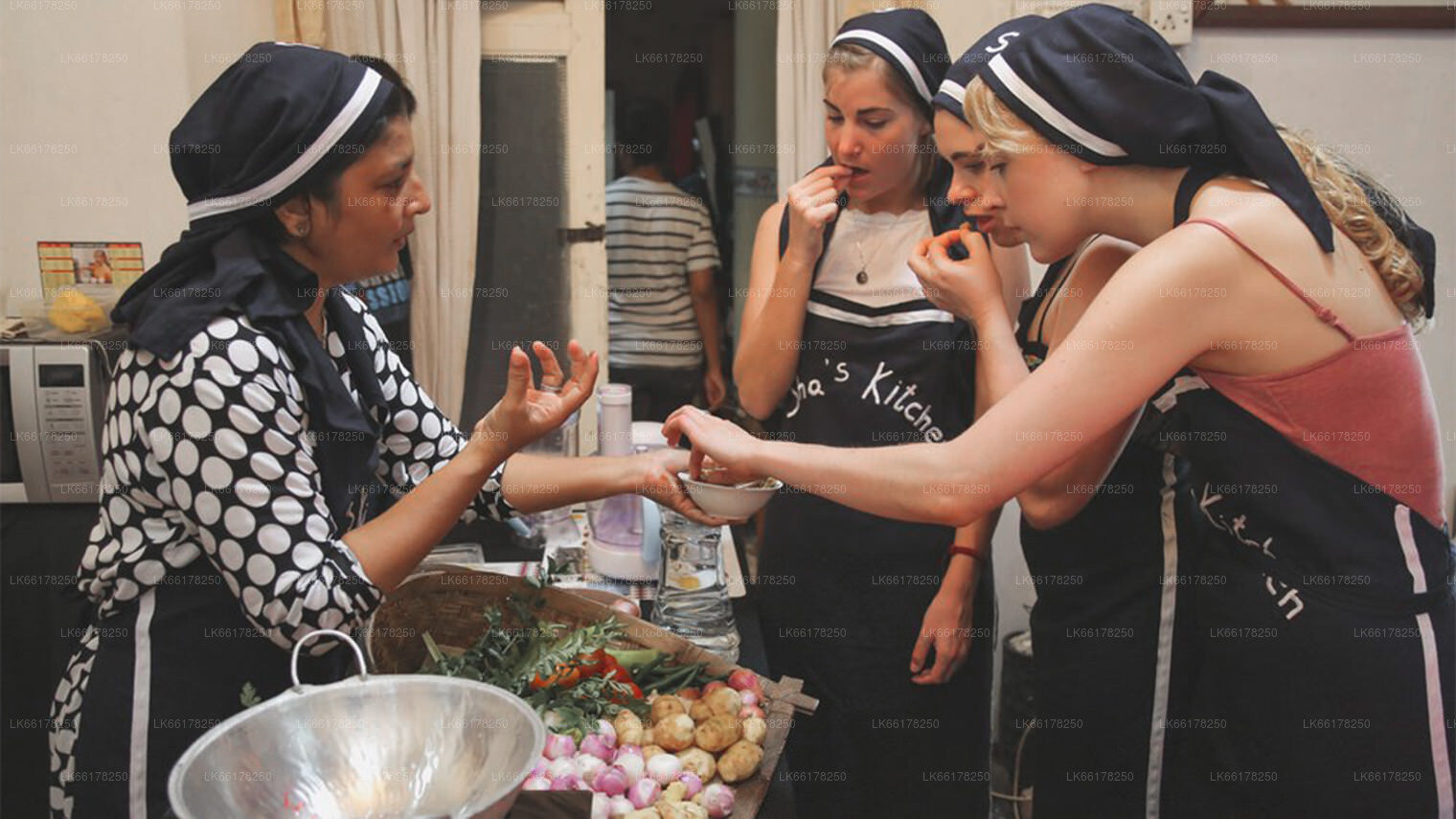
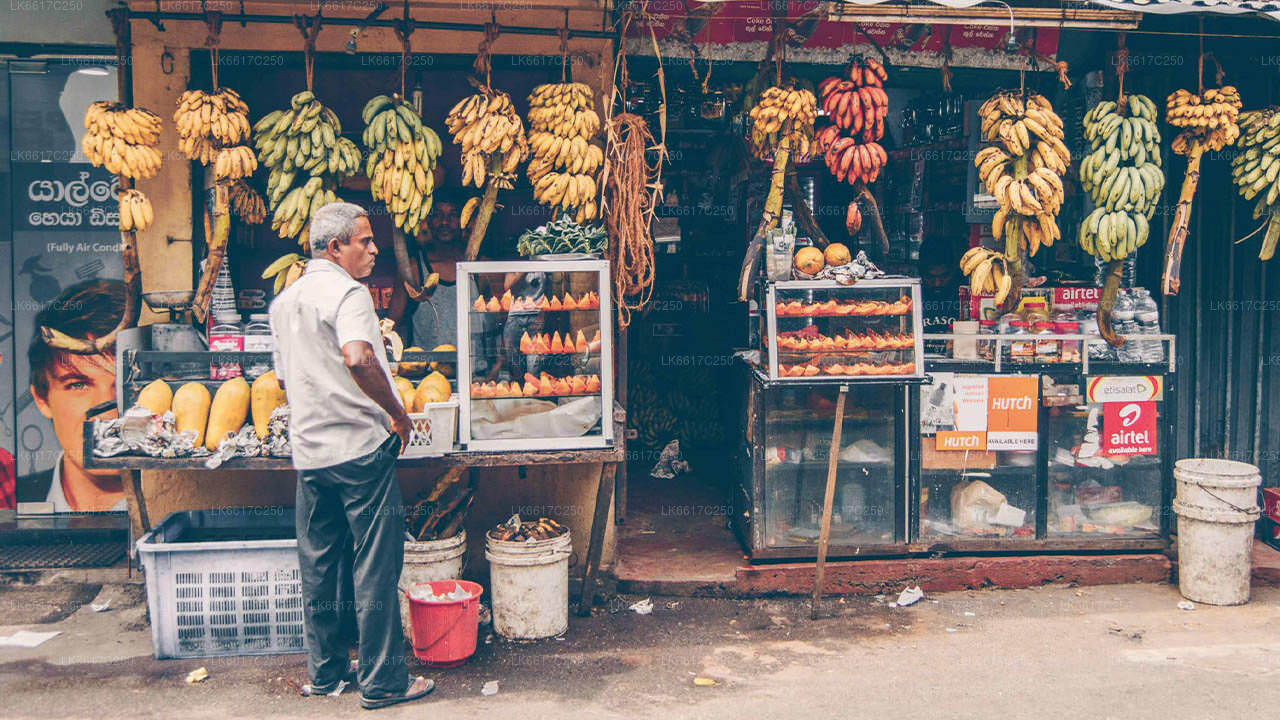
Okolica wokół plaży Galle jest żywa dzięki lokalnym rynkom i restauracjom. Możesz odwiedzić Galle Dutch Hospital, historyczny budynek, który obecnie mieści różne restauracje i sklepy, w których możesz cieszyć się szeroką gamą potraw ze Sri Lanki i międzynarodowych. Lokalne rynki oferują świeże owoce morza, tropikalne owoce i tradycyjne słodycze.
Doświadczenia kulturalne
Galle jest znane z bogatego dziedzictwa kulturowego, a odwiedzający mogą eksplorować tradycyjne rzemiosło, galerie sztuki oraz wydarzenia kulturalne w mieście. Galle National Museum oferuje wgląd w historię i kulturę regionu, prezentując artefakty i wystawy z okresu kolonialnego.
Obserwacja wielorybów
Galle jest także bramą do wycieczek obserwacji wielorybów, zwłaszcza w sezonie od listopada do kwietnia. Te wycieczki oferują możliwość zobaczenia wielorybów błękitnych, wielorybów kaszalotów i innych morskich gigantów w ich naturalnym środowisku.
Najlepszy czas na wizytę:
Najlepszy czas na odwiedzenie plaży Galle to od listopada do kwietnia, kiedy pogoda jest sucha, a morze spokojne. Okres ten jest idealny do cieszenia się plażą, aktywnościami wodnymi oraz zwiedzaniem atrakcji kulturalnych i historycznych w Galle i okolicach.