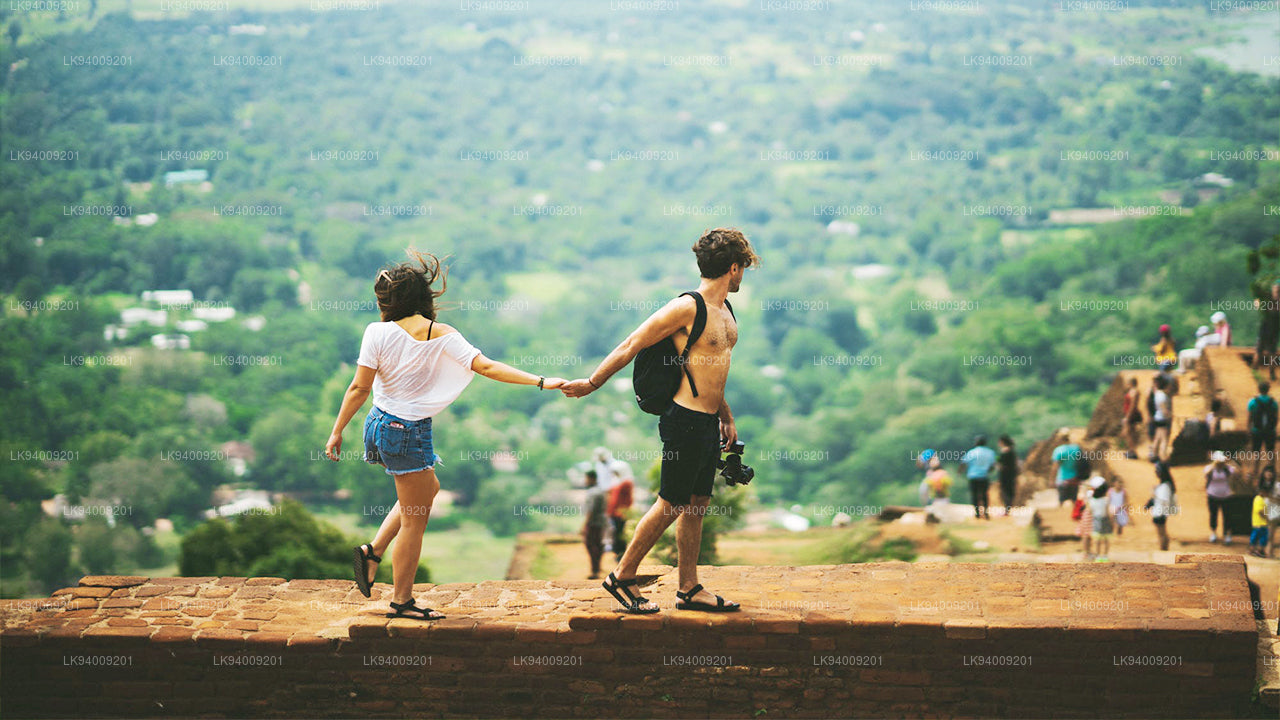
Yoga is one of the world's oldest mind-body disciplines, with roots reaching back at least 5,000 years to the Vedic period of South Asia. The word itself derives from the Sanskrit root yuj, meaning "to unite" or "to yoke" — a reference to the union of body, breath, and mind that sits at the heart of every style of practice. Today, yoga has spread across the globe, but returning to South Asia to practise it carries a particular resonance, especially in Sri Lanka, where a gentler pace of life, a rich Ayurvedic heritage, and a landscape of mountains, forests, and coastline provide a natural complement to the discipline.
What is the relationship between yoga and Ayurveda?
Yoga and Ayurveda are often described as sister sciences. Both emerged from the same philosophical tradition and share a foundational interest in the relationship between the mind and the body. Where Ayurveda focuses primarily on the health of the physical body — using diet, herbs, and therapeutic treatments to maintain or restore balance — yoga approaches wellbeing through movement, breath, and meditation.
In practice, the two disciplines are deeply complementary. Specific yoga postures (asanas) and breathing techniques (pranayama) can support Ayurvedic treatments by improving circulation, stimulating the lymphatic system, and calming the nervous system. For travellers already planning an Ayurvedic retreat in Sri Lanka, adding a morning yoga session is a natural extension of the same healing philosophy.
How does yoga work on the body and mind?
The physiological effects of a consistent yoga practice are well documented. By holding the body in steady postures and coordinating movement with breath, practitioners encourage the release of tension held in connective tissue, improve joint mobility, and support healthy endocrine function. Controlled breathing techniques activate the parasympathetic nervous system, shifting the body away from a stress response and toward rest and recovery.
From a traditional perspective, yoga posits that the body contains a network of energy channels (nadis) and centres (chakras). When these become blocked through stress, poor posture, or emotional strain, the flow of vital energy (prana) is disrupted. A well-sequenced practice works to open these pathways, contributing to greater physical vitality and mental clarity.
- Physical benefits: improved flexibility, muscle tone, posture, and balance.
- Neurological benefits: reduced cortisol levels, better sleep quality, and enhanced concentration.
- Psychological benefits: lower levels of anxiety and stress, improved mood regulation.
- Complementary benefits: support for Ayurvedic treatments and other holistic therapies.
What styles of yoga are practised in Sri Lanka?
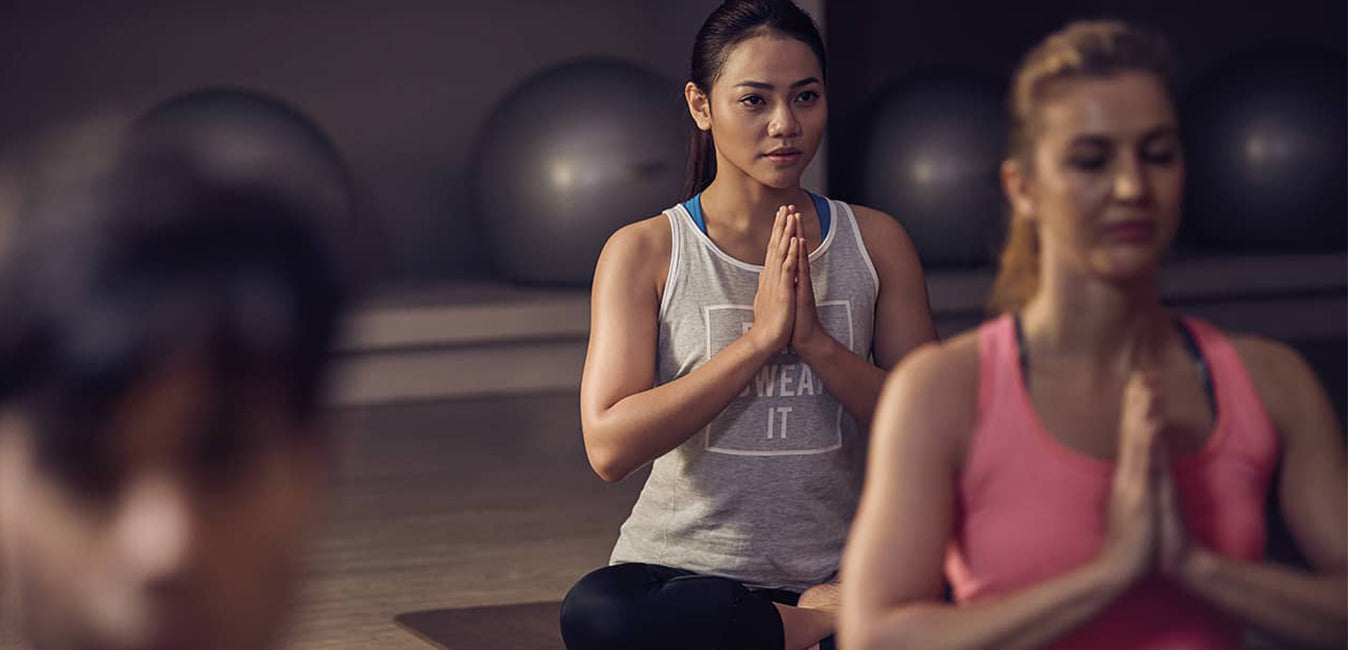
Sri Lanka's wellness scene has grown steadily over the past two decades, and most established retreat centres offer a range of yoga styles to suit different needs and experience levels. Hatha yoga — the classical system of postures and breathwork — remains the most widely taught style and is well suited to beginners. Vinyasa flow classes link movement to breath in a more dynamic sequence and are popular with travellers who already have a regular practice at home.
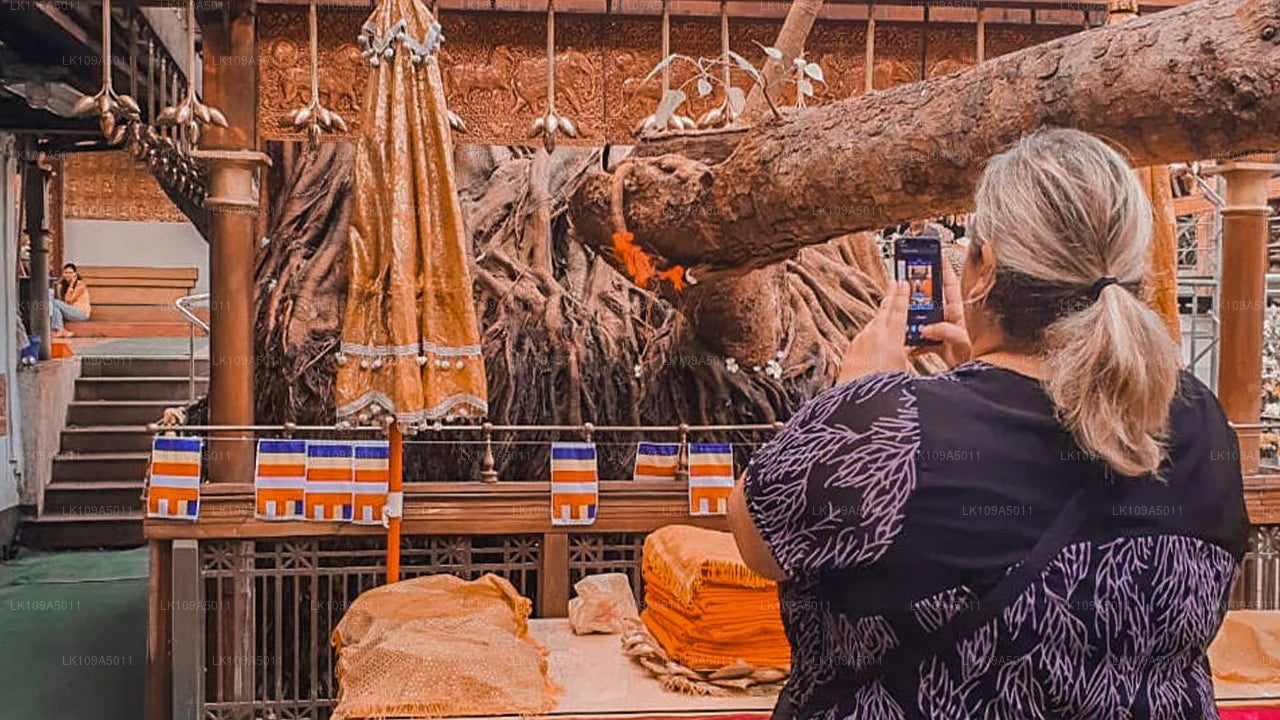
Restorative and yin yoga sessions, which use long-held passive postures to release deep connective tissue, are increasingly available at Ayurvedic resorts and wellness hotels, particularly in the hill country and along the southern coast. Meditation retreats, sometimes taught within the broader framework of yoga philosophy, draw on Sri Lanka's living Buddhist tradition as an additional layer of practice.
- Hatha: foundational postures held for several breaths; ideal for beginners.
- Vinyasa: flowing sequences synchronised with the breath; suits intermediate practitioners.
- Yin/Restorative: passive, long-held poses targeting deep tissue; excellent for recovery.
- Meditation: seated and walking practices drawing on both yogic and Buddhist traditions.
Where are the best places to practise yoga in Sri Lanka?
The setting matters. Sri Lanka offers an unusually varied landscape for wellness travel, and the right location can deepen a yoga experience considerably.
The southern coast — particularly the stretch between Galle and Tangalle — has a concentration of boutique wellness retreats and surf-and-yoga camps. Ocean breezes, sunrise sessions on open-air decks, and access to the sea make this a popular choice for travellers combining yoga with beach time.
The hill country around Ella and the surrounding highlands offers a cooler climate, forest surroundings, and a stillness that suits longer, more contemplative retreats. Practising at altitude, with mist moving through tea-covered slopes, is a markedly different experience from coastal sessions. A dedicated yoga tour through the hill country can be arranged to include both retreat time and cultural visits.
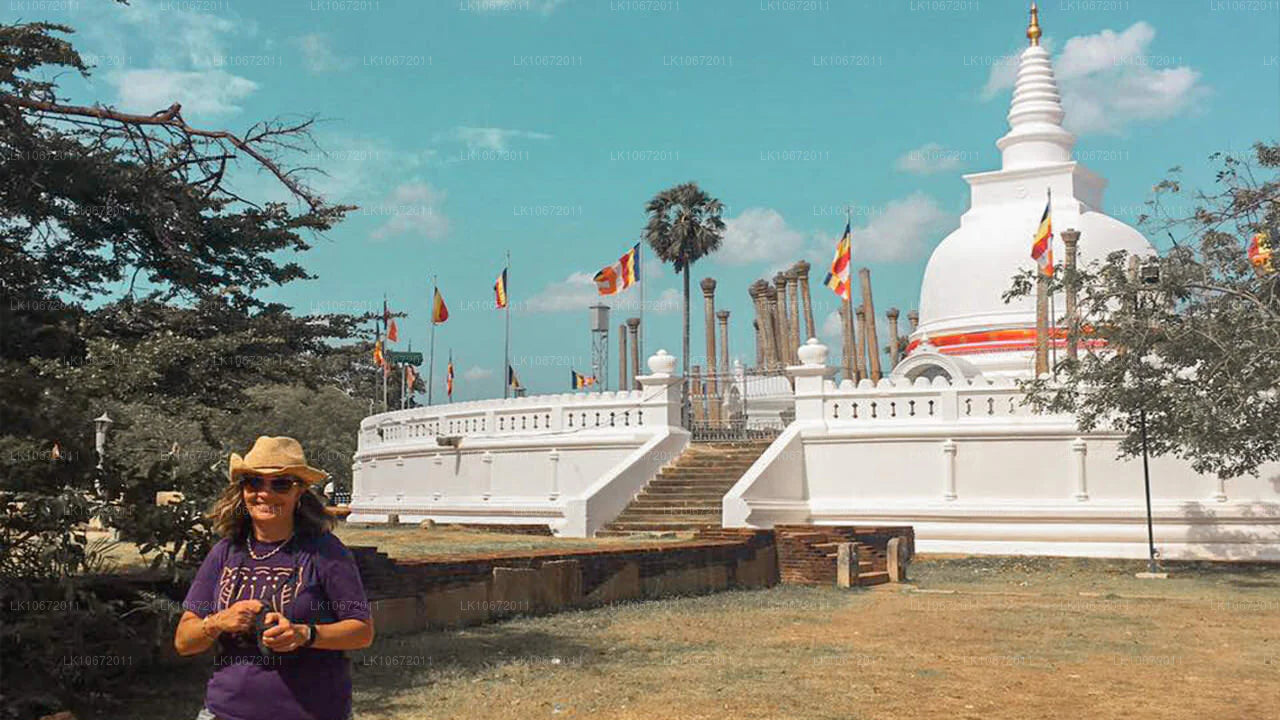
The cultural triangle — the broad central-northern region that includes ancient cities and forested reserves — offers fewer dedicated retreat centres, but some heritage properties in the area have introduced wellness programmes that pair morning yoga with guided historical excursions.
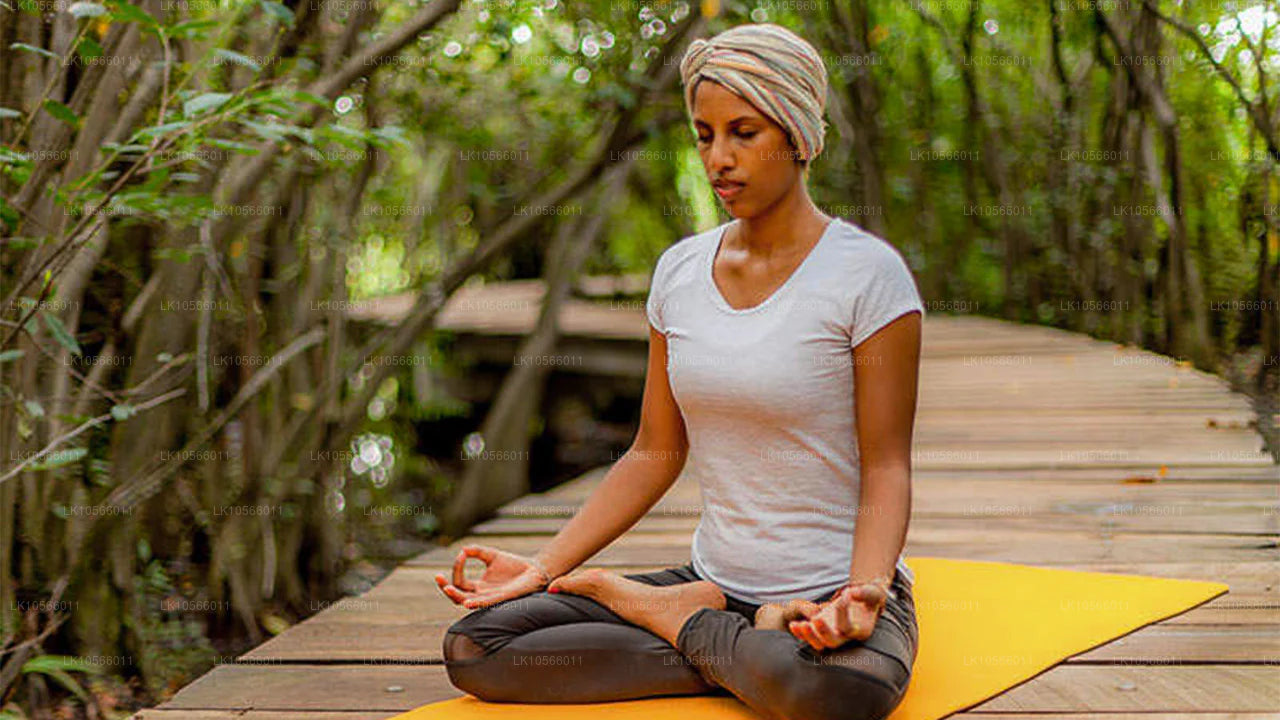
For a particularly memorable outdoor experience, the waterfalls and jungle pools near Bandarawela in the Uva Province provide a striking natural setting for yoga practice, combining the meditative quality of moving water with the cool air of the highlands.
When is the best time to visit Sri Lanka for a yoga retreat?
Sri Lanka has two distinct monsoon seasons affecting different coasts, so timing depends partly on where you plan to practise. The southwest coast and hill country are at their driest and clearest between roughly December and March — an excellent period for southern coastal retreats and hill-country programmes. The east coast and the cultural triangle tend to be driest from May to September.
Many practitioners find that the shoulder seasons — April and October — offer a balance of fewer crowds and reasonable weather, with the added benefit that retreat centres are less booked up. The humidity during the wet season can actually enhance certain styles of practice, particularly those focused on detoxification, but outdoor sessions become less predictable.
How does yoga fit into a broader Sri Lanka itinerary?
One of the strengths of Sri Lanka as a yoga destination is the ease with which a wellness focus can be woven into a wider cultural or adventure itinerary. A two-week trip might open with an Ayurvedic consultation and daily yoga sessions at a coastal retreat, transition to a few days walking the Horton Plains National Park or exploring the forest reserves of the interior, and close with a night or two in a heritage city before departure.
Sri Lanka's relatively compact geography — the island is around 430 kilometres from north to south — means that travel times between regions are manageable, and it is realistic to combine meaningful retreat time with sightseeing, wildlife safaris, and cultural experiences without feeling rushed. Lakpura's team can design bespoke itineraries that integrate structured yoga programmes with the rest of a Sri Lanka journey.
What should I bring or prepare for a yoga retreat in Sri Lanka?
- Lightweight, breathable clothing — Sri Lanka's humidity means natural fabrics are more comfortable.
- A personal yoga mat if you have strong preferences, although most retreat centres provide mats.
- A light shawl or layer for meditation sessions in air-conditioned spaces or cool hill-country mornings.
- An open attitude to complementary practices — many centres incorporate pranayama, meditation, or Ayurvedic consultations alongside asana sessions.
- Any personal Ayurvedic supplements or herbal preparations you use regularly at home.
It is worth contacting your chosen retreat in advance to understand the daily schedule, dietary approach (most wellness centres serve vegetarian or plant-forward menus), and any prerequisite experience level for the classes offered.