Lakpura
Lakpura®

Kataragama Temple

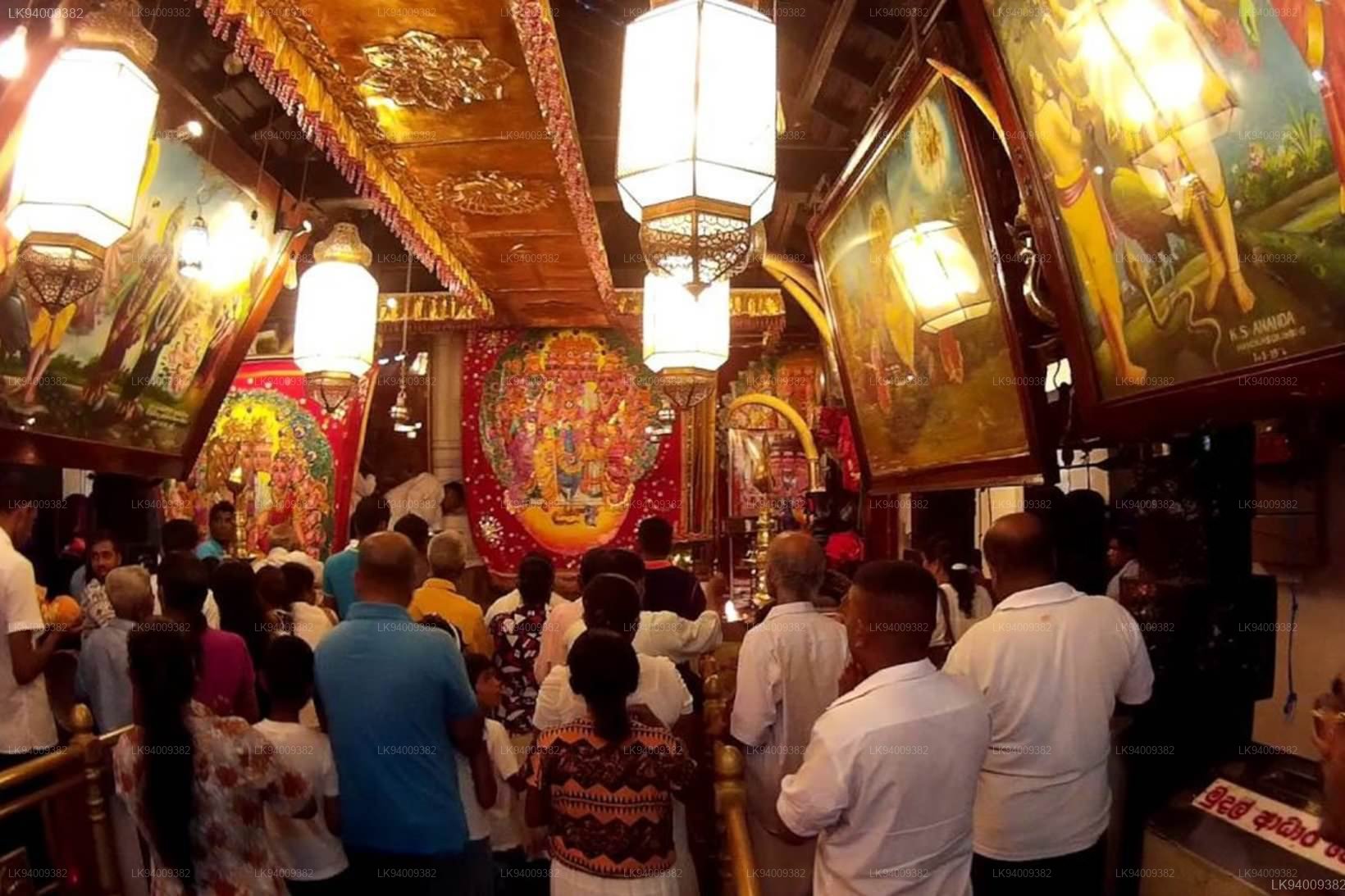
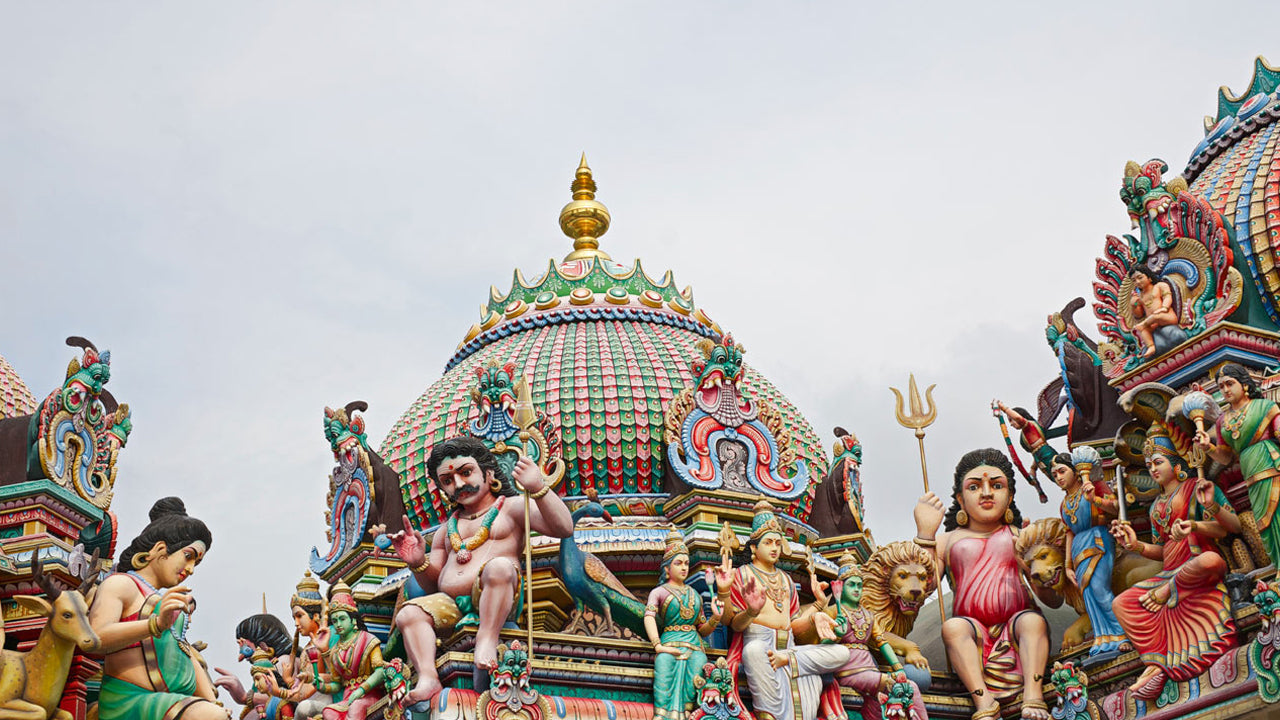
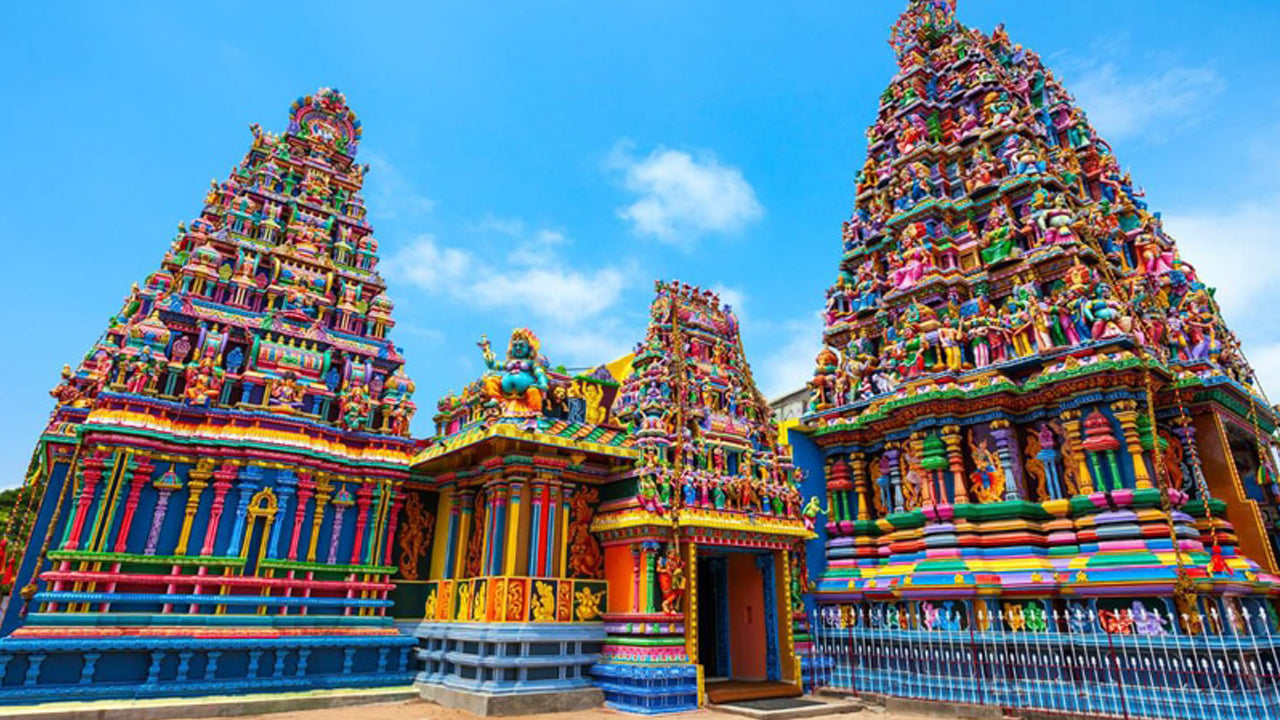
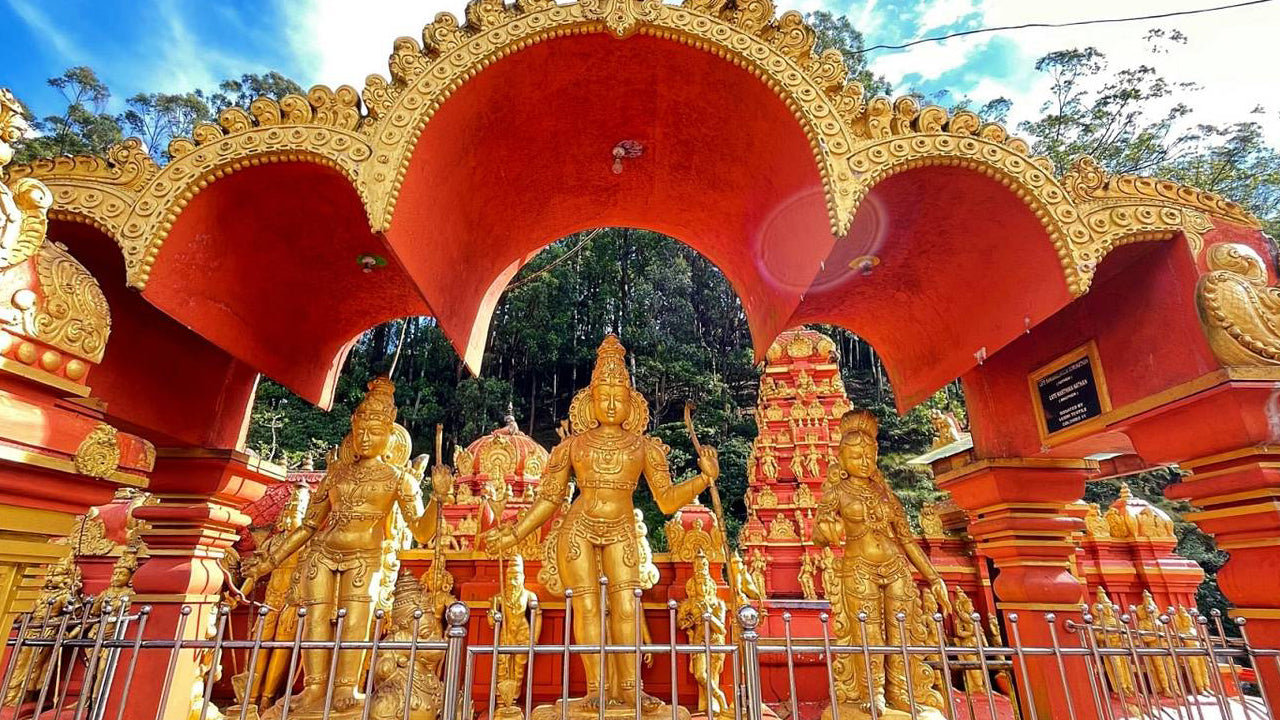
Kataragama Temple stands apart from almost every other religious site in Sri Lanka. Buddhists, Hindus, Muslims, and the indigenous Vedda people all gather here to pay their respects, drawn by centuries of legend, ritual, and genuine spiritual intensity. The temple complex sits in the deep south of the island, in a town that takes its name from its own presiding deity — and the atmosphere, particularly during festival season, is unlike anywhere else on the island.

Who is the deity at Kataragama?

The central shrine is dedicated to Kataragama Deviyo, a deity who defies easy categorisation. For Hindu devotees, he is Murugan — the six-faced war god, son of Shiva, celebrated across Tamil Nadu and Sri Lanka's north and east. For Sinhala Buddhists, he is one of the four great guardian deities of the island, a protector figure rather than a theistic god in the strict sense. The convergence of these two traditions around a single shrine is rare anywhere in the world and is central to Kataragama's enduring power.

The priests who conduct rituals at the main shrine are known as Kapuralas. According to tradition they are descended from the Vedda people, Sri Lanka's aboriginal inhabitants, who have their own set of claims to the site rooted in ancestral legend.

What shrines make up the Kataragama complex?

The complex is not a single building but a walled precinct of distinct shrines and sacred structures, each managed by a different religious community.

  • Maha Devalaya — the central shrine of Kataragama Deviyo/Murugan, the spiritual core of the complex and the focus of most pilgrims.
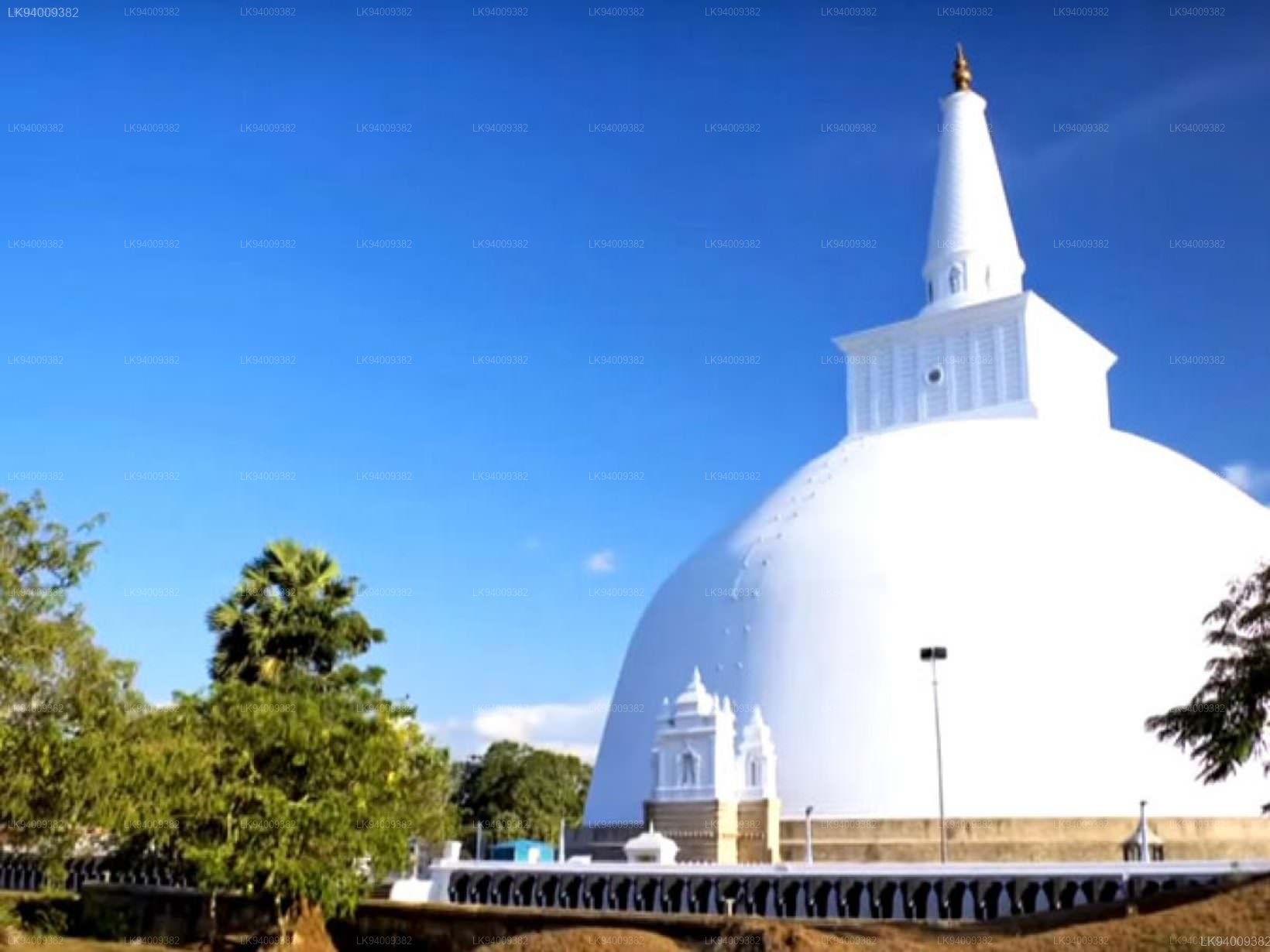
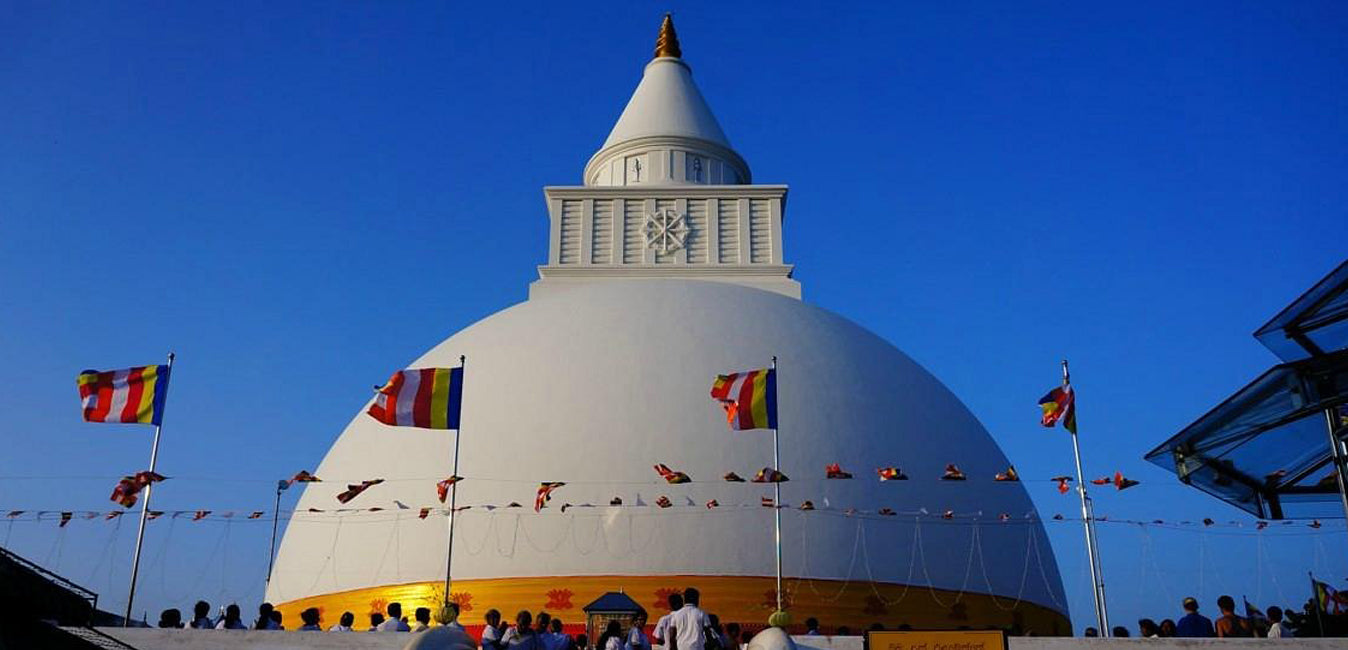
  • Kiri Vehera — a white dagoba (stupa) of considerable antiquity located just behind the main devalaya, managed by the Buddhist sangha. The Kiri Vehera Stupa is considered one of the island's more important ancient monuments.
  • Teyvayanai and Shiva shrines — maintained by the Hindu community and situated within the broader precinct.
  • Masjid-ul-Khizr — a mosque serving Kataragama's Muslim community, along with several tombs of revered Muslim figures nearby.

Beyond the main precinct, the forested surroundings contain smaller shrines, meditation huts, and sites associated with practices that blend folk religion with more orthodox traditions — including forms of ritual offering and penance that are specific to this location.

What is the history of Kataragama?

Reliable documentary history is scarce, which itself shapes the site's character. For most of its recorded existence Kataragama was a remote jungle shrine accessible only on foot, reached via a gruelling pilgrimage route that ran from Jaffna in the north down the length of the island. Tamil Hindu pilgrims, many from South India, undertook this padayatra — a pilgrimage on foot — for centuries, and the route linked Kataragama to a chain of Murugan shrines along the Eastern Province coast. The 15th-century Tamil poet-saint Arunagirinathar is recorded as having traversed this very route.

The demographic and cultural character of the pilgrimage shifted significantly in the mid-20th century. An all-weather road connection made the town accessible to a far broader population, and the majority of pilgrims gradually became Sinhala Buddhists. The cult of Kataragama Deviyo now ranks among the most popular in Sinhala religious life. This shift has not been without tension: as Buddhist ritual specialists worked to integrate the deity into a framework compatible with Buddhist nontheism, questions of ownership and the appropriate mode of worship became contested between communities. The entire complex was declared a sacred place by the Sri Lankan government in the 1950s, providing state protection and drawing political attention ever since.

What is the Esala festival at Kataragama?

The annual Kataragama Esala festival, held during the Esala full moon (typically July or August), is the temple's most dramatic event. For two weeks the town fills with pilgrims, penitents, and devotees in numbers that dwarf the resident population. Processions with elaborately decorated elephants, traditional drummers, and flag-bearers wind through the complex each evening. The festival culminates in a water-cutting ceremony at the Manik Ganga river that borders the complex — a ritual with deep symbolic resonance across all communities present.

Kataragama is also famous for the fire-walking and body-piercing rituals performed by Hindu devotees as acts of devotion and penance. These are not staged for visitors; they are genuine expressions of faith observed by thousands. The Esala Perahera Festival in Kandy runs at roughly the same time, and many pilgrims combine both in a single journey around the sacred south and centre of the island.

How do I get to Kataragama from Colombo?

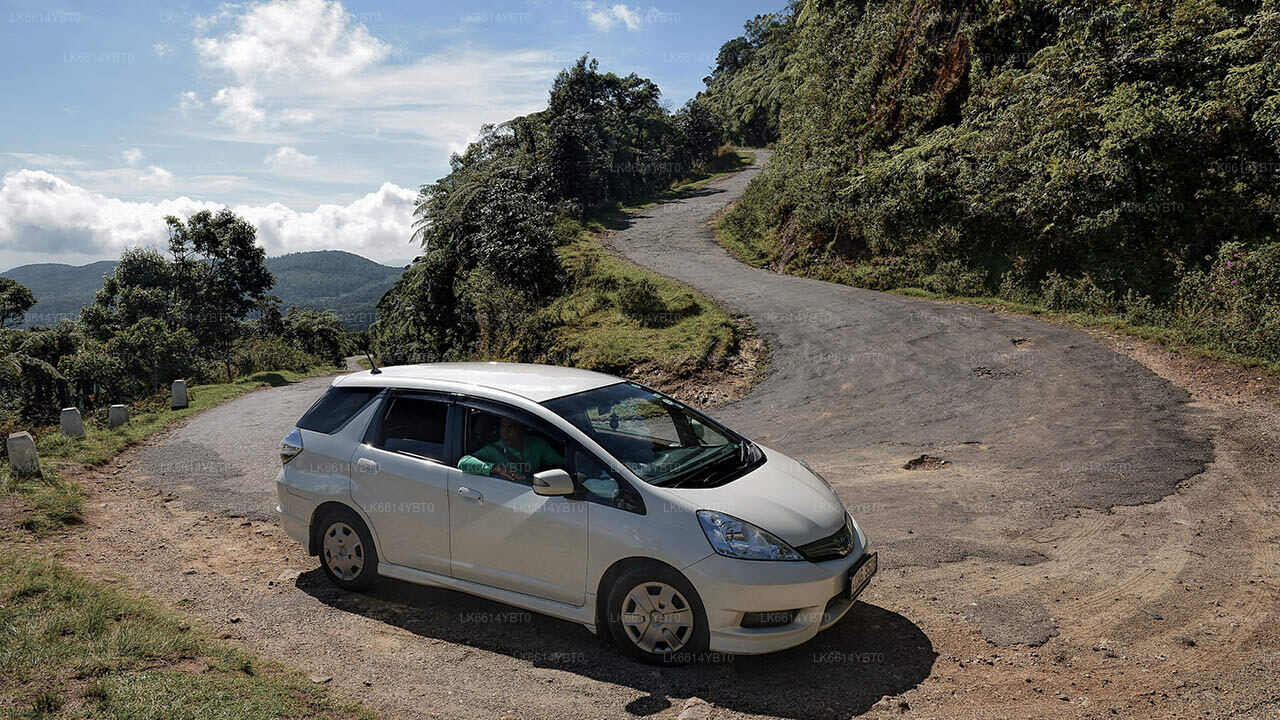
Kataragama lies in the deep south of Sri Lanka, around 300 km from Colombo by road. The Southern Expressway (E01) brings travel time down considerably compared to the old coastal route, though the final stretch through Tissamaharama remains a regular road. By private car or taxi the journey typically takes around four to five hours. Intercity buses connect Colombo to Kataragama directly, with departures from the Bastian Mawatha terminal; the journey takes longer due to stops. There is no rail connection to the town itself, though Matara is the nearest major rail terminus, from which onward road transport is available.

Many visitors combine Kataragama with nearby wildlife destinations. Udawalawe National Park, one of Sri Lanka's most reliable parks for elephant sightings, lies roughly 90 km to the northwest. Yala National Park, the most visited in the country, borders Kataragama to the east and is accessible in under an hour.

What should visitors know before going to Kataragama?

A few practical points make the difference between a respectful and rewarding visit:

  • Dress modestly. Shoulders and knees should be covered for entry to the main shrines. Sarongs are available near the entrance for a small fee.
  • Remove footwear. You walk barefoot from the car park across the sandy precinct to the shrines. The sand can be very hot in the midday sun — early morning or late evening visits are more comfortable.
  • Expect crowds. On poya (full moon) days and during the Esala season, Kataragama receives extremely large numbers of pilgrims. Weekday visits outside festival season are considerably quieter.
  • Photography. Treat the complex as you would any active place of worship. Ask before photographing individuals engaged in prayer or penance.
  • The Manik Ganga crossing. Pilgrims traditionally cross the shallow Manik Ganga river on foot to reach the complex from the main car parks — a brief wade that is itself considered part of the pilgrimage.

What else can I see in the Kataragama area?

The town is small, but the surrounding region has considerable depth. Yala National Park's Block I — the most popular section — can be reached within an hour and offers one of the world's highest densities of leopards alongside elephants, sloth bears, and a rich bird list. The Elephant Transit Home at Udawalawe, where orphaned elephant calves are rehabilitated before release into the wild, is a worthwhile half-day detour on the way to or from Kataragama. The hill town of Ella, known for its tea country scenery and hiking trails, lies around two hours north through the highlands.

Within the Kataragama precinct itself, the forested buffer zone that surrounds the town is home to peacocks, monitor lizards, and wild elephants — particularly at dusk, when herds sometimes cross the Manik Ganga within sight of the complex.

Book this experience with Lakpura

Curated by our local team. Direct booking, instant confirmation.

Ask Lakpura® Agent