Lakpura
Lakpura®

Water Sports

Sri Lanka's coastline stretches for over 1,600 kilometres, wrapping a tropical island that sits at the meeting point of the Indian Ocean and the Bay of Bengal. That geography creates an extraordinary range of water sports conditions: consistent surf on the south and east coasts, calm lagoons ideal for kitesurfing on the northwest, sheltered bays for snorkelling and diving, and rivers that invite white-water rafting inland. Whether you are a first-time swimmer trying stand-up paddleboarding or an experienced diver chasing wreck sites, the island has an appropriate venue and season for you.

What water sports can you do in Sri Lanka?

The variety is broader than most visitors expect. Below is an overview of the main disciplines available and where they are typically practised:

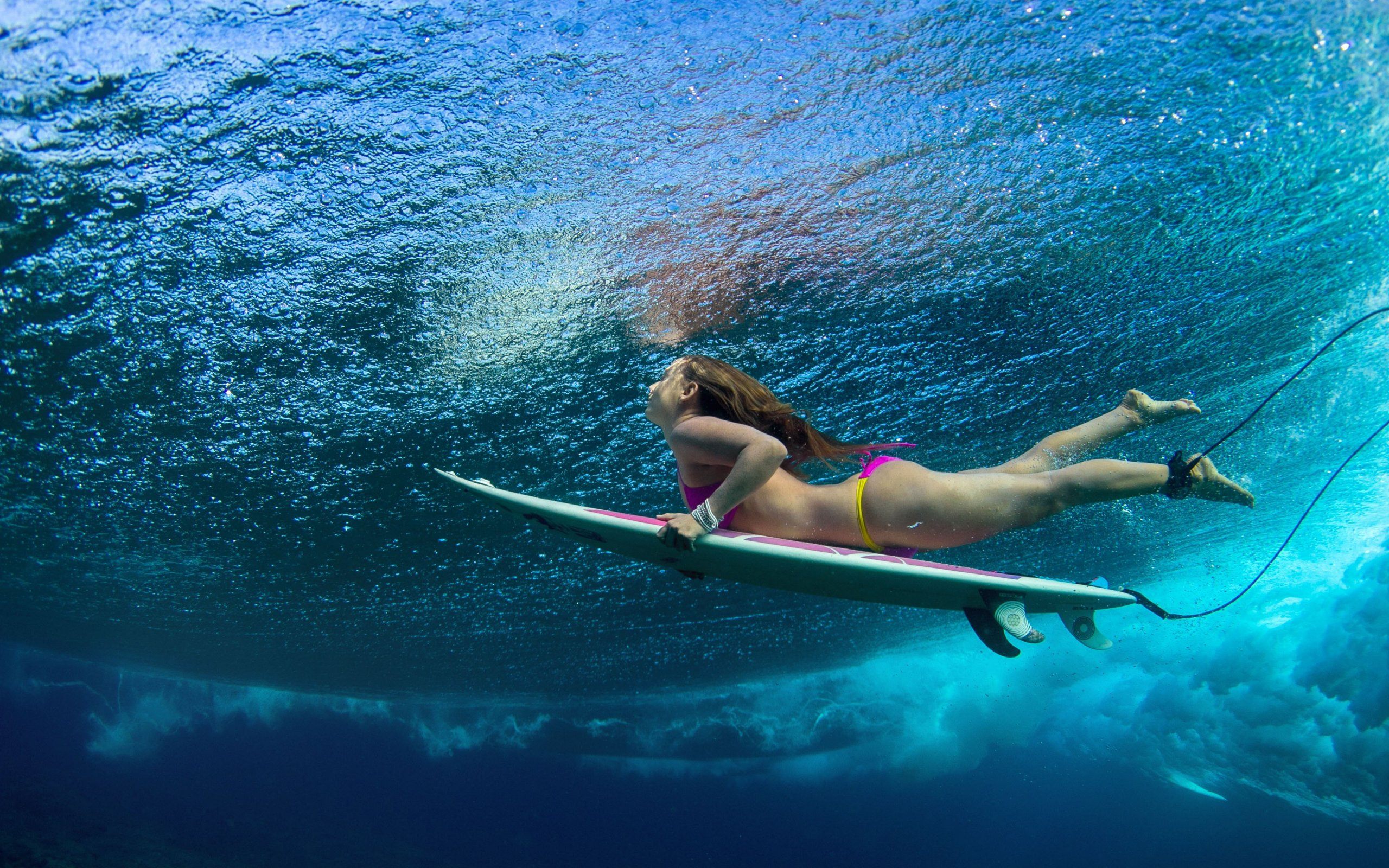
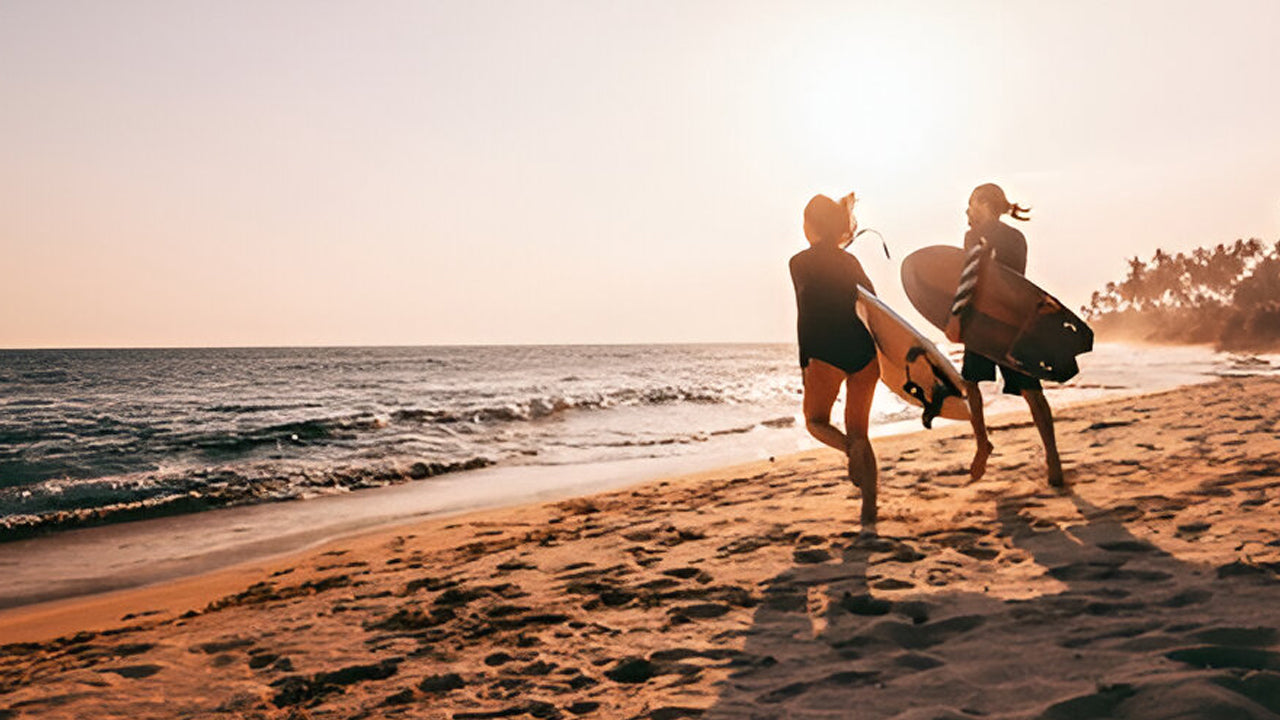
  • Surfing — Arugam Bay on the east coast is Sri Lanka's most celebrated surf break and draws international competitors each season. Hikkaduwa and Weligama on the south coast are gentler and well suited to beginners.
  • Kitesurfing and windsurfing — Kalpitiya peninsula, on the northwest coast, is considered one of Asia's top kitesurfing destinations. Strong, predictable winds blow from roughly May to October, and the shallow lagoon behind the peninsula is safe for learners.
  • Snorkelling and scuba divingPigeon Island near Trincomalee is a Marine National Park and arguably the finest snorkelling spot on the island, with healthy coral and reef sharks. Hikkaduwa Reef and the waters around Unawatuna also support thriving dive sites, including several accessible shipwrecks.
  • Deep-sea fishing — Year-round opportunities exist off the south and west coasts. Deep sea fishing trips out of Mirissa, Galle, and Negombo target yellowfin tuna, sailfish, and dorado.
  • White-water rafting — The Kelani River near Kitulgala offers Grade 3–4 rapids and is the most popular rafting destination in the country, within a few hours of Colombo.
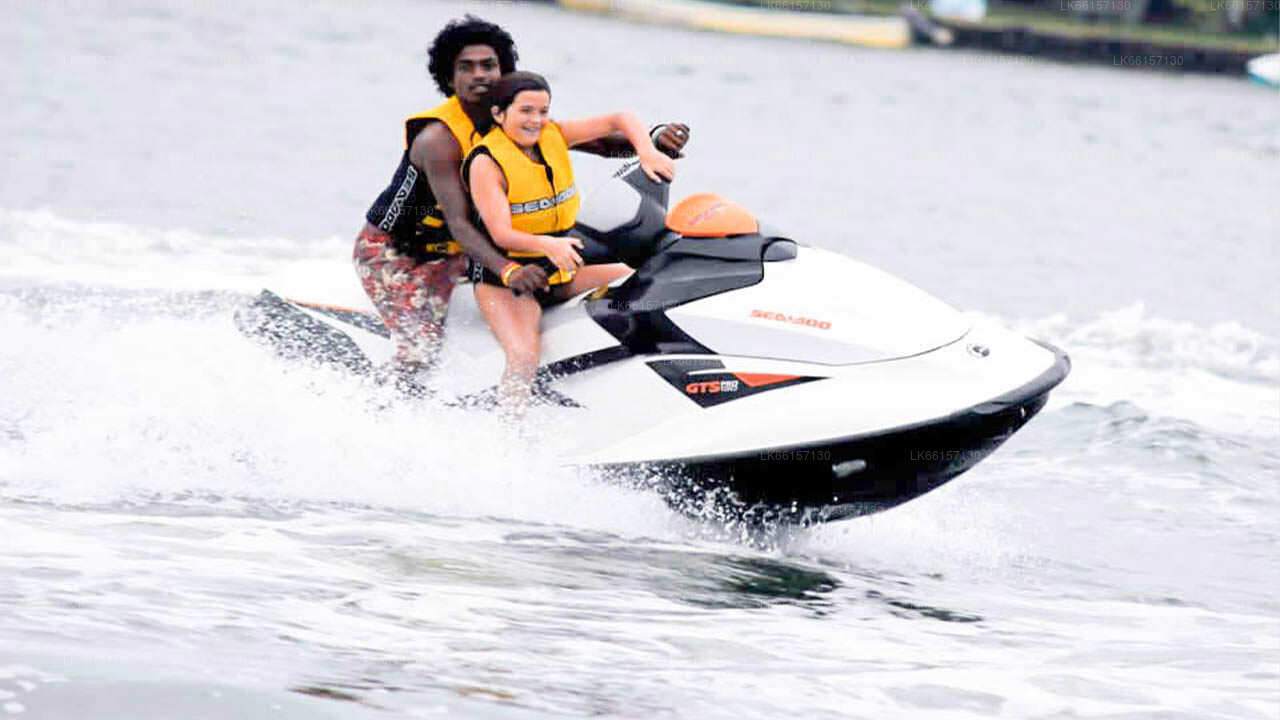
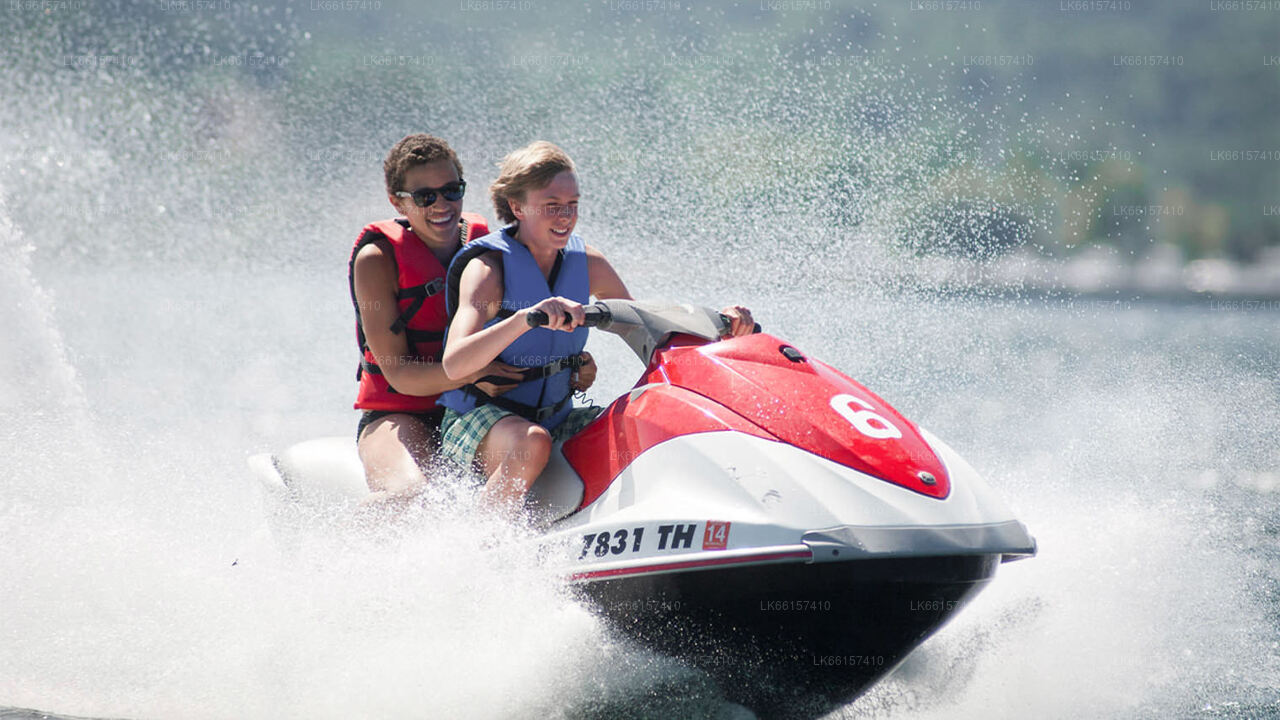
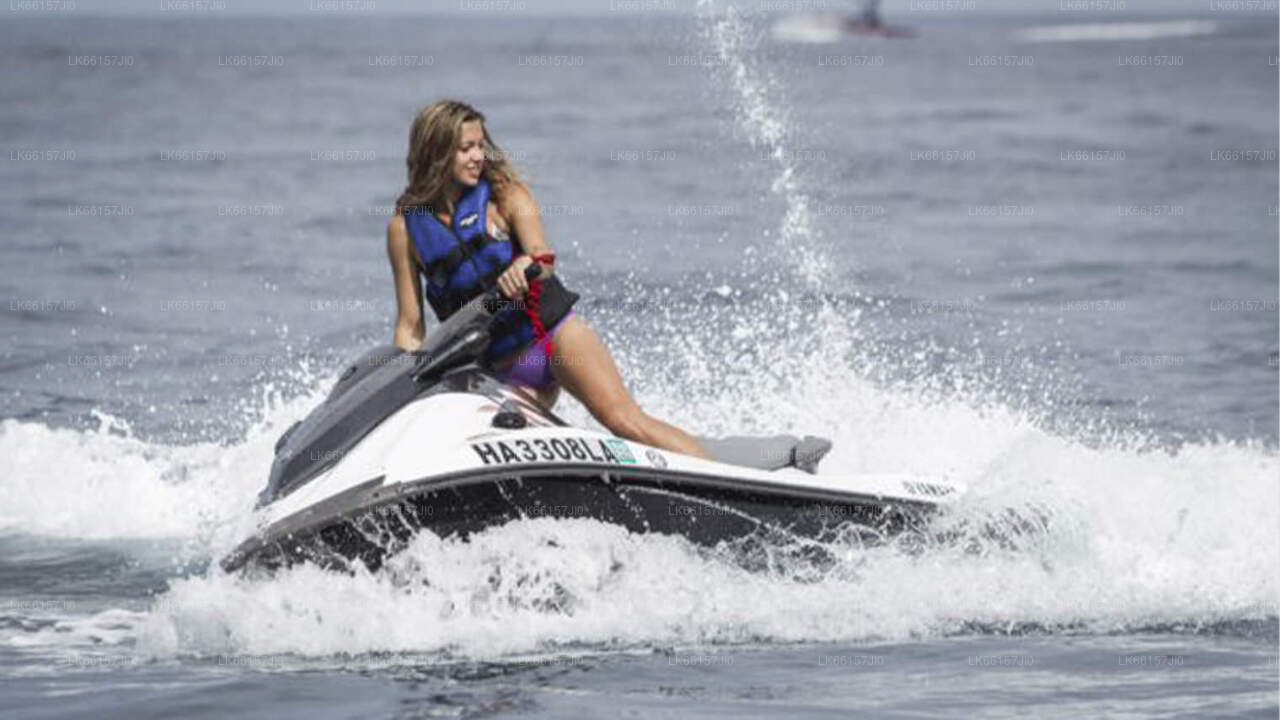
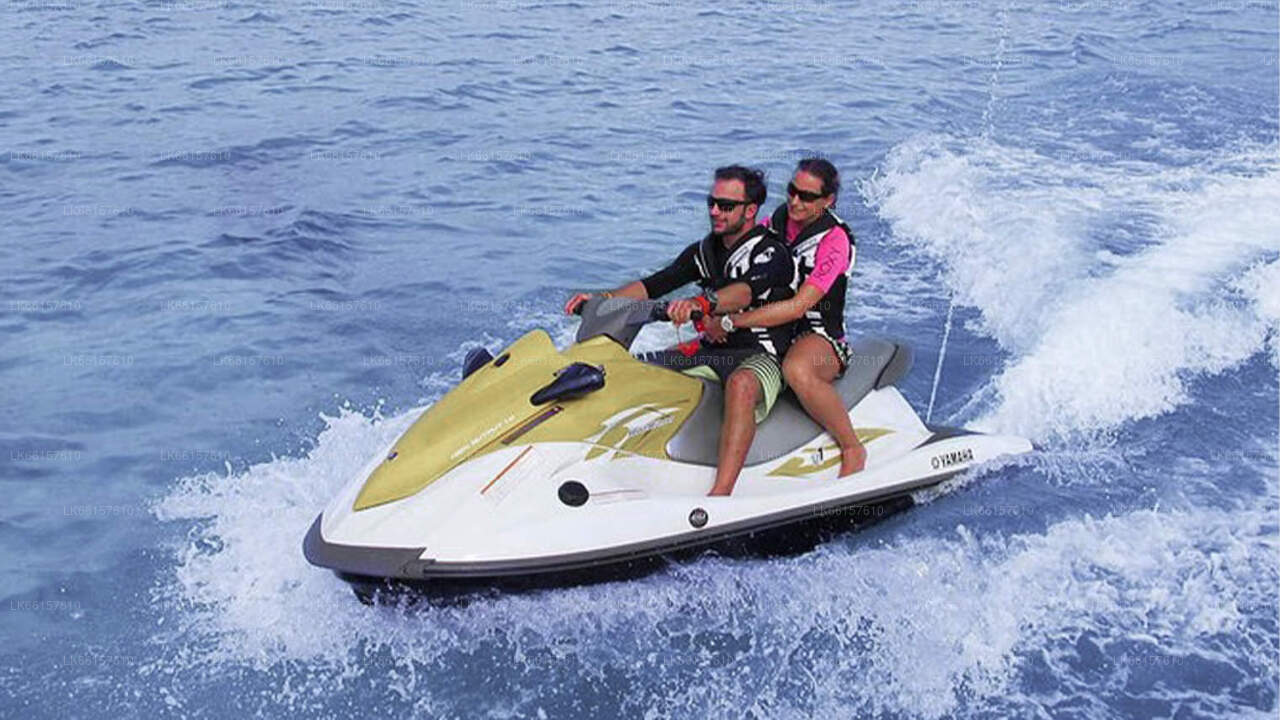
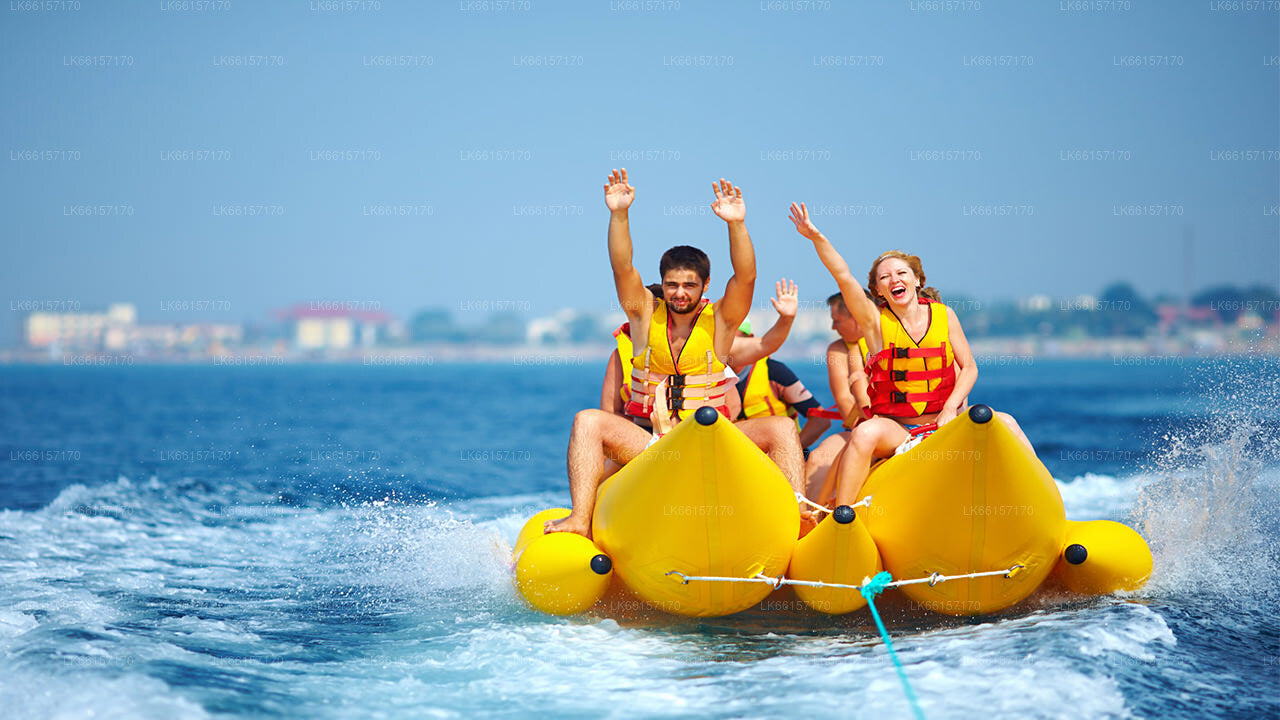
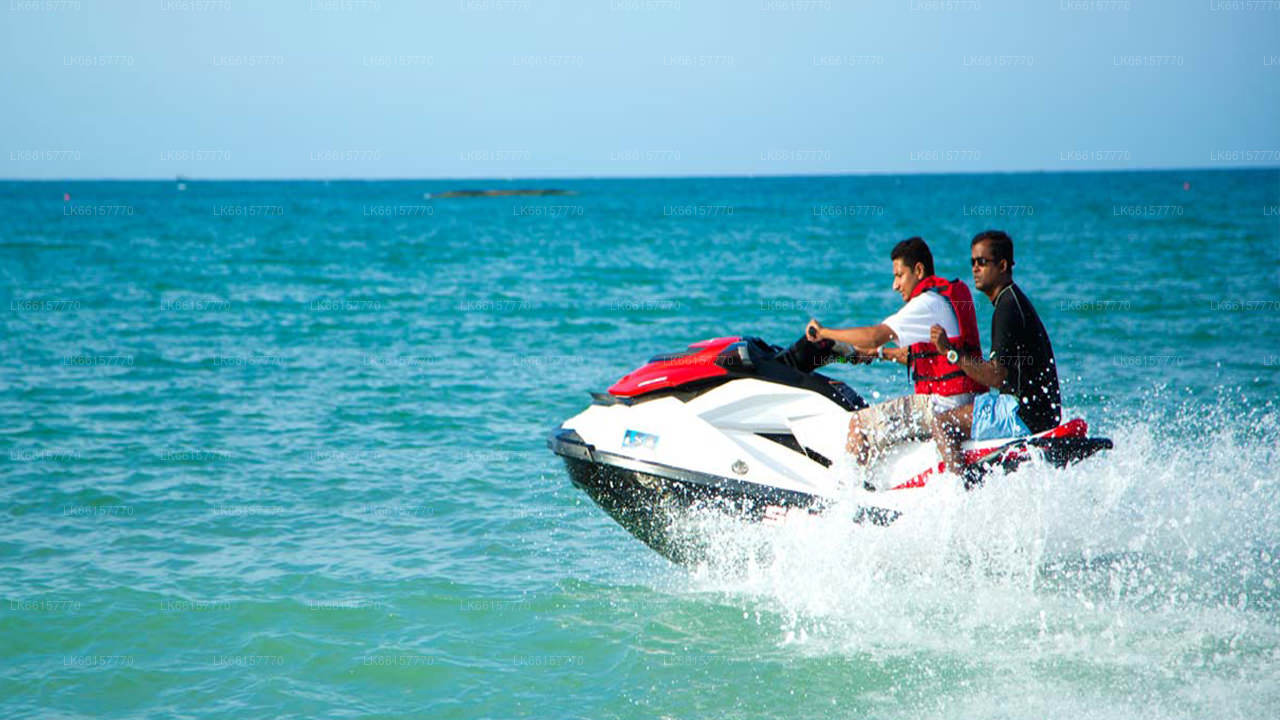
  • Jet skiing, banana boat rides, and wakeboarding — Available at beach resort hubs including Bentota, Negombo, Unawatuna, Mirissa, and Pasikuda.
  • Stand-up paddleboarding (SUP) and kayaking — Calm lagoons, estuaries, and reservoirs around the island make SUP and sea kayaking low-key but rewarding alternatives. The backwaters of Madu Ganga near Balapitiya are particularly scenic.
  • Boat safaris and river cruises — A gentler form of water activity, combining wildlife spotting with scenic waterways. The Madu River Safari is a popular half-day excursion.

When is the best time for water sports in Sri Lanka?

Sri Lanka has two distinct monsoon seasons, which means the best coast for water activities rotates through the year. Understanding the pattern helps you plan the right experience at the right time.

Region Best months Main activities
South & West coasts (Bentota, Unawatuna, Mirissa, Hikkaduwa) November – April Surfing, diving, snorkelling, jet skiing, banana boats
East coast (Arugam Bay, Trincomalee, Pasikuda) April – September Surfing, snorkelling at Pigeon Island, sea kayaking
Northwest coast (Kalpitiya) May – October Kitesurfing, windsurfing, dolphin watching
Inland rivers (Kitulgala, Kelani River) Year-round (best after monsoon rains) White-water rafting, kayaking

In practical terms, most international visitors who arrive between December and March will find the south and west coast ideal. Those who time their trip for June to September can use the east coast as their base and then cross to Kalpitiya for kitesurfing.

Where are the top water sports hubs in Sri Lanka?

Bentota

Bentota is the most established multi-activity water sports centre on the island. Several professionally run watersports schools and rental operators line the beach and the Bentota River lagoon. The calm lagoon is especially useful for beginners who want to try wakeboarding, water-skiing, or banana boats without ocean swell. The beach itself is long and relatively sheltered, making it a comfortable base for a full day of activities.

Kalpitiya

Few places in South Asia can match Kalpitiya for kitesurfing. The peninsula is backed by a broad, shallow lagoon where wind speeds are consistent and currents are manageable. Certified kitesurfing schools offer lessons for beginners, and experienced riders come specifically for the flatwater and side-shore wind angles. The area also sees regular pods of spinner dolphins and, seasonally, whale sharks — making boat excursions worthwhile between sessions on the water.

Arugam Bay

On the east coast, Arugam Bay has an international reputation among surfers. The main point break works best from May to October, when clean swells roll in with minimal crowd pressure compared to better-known breaks in Southeast Asia. Several smaller breaks nearby cater to intermediate surfers, and board rental and coaching are easy to arrange locally.

Trincomalee and Pigeon Island

Trincomalee's natural harbour is one of the largest in the world, and the waters around it are exceptionally clear. Pigeon Island is a short boat ride from Nilaveli Beach and protects two small islands surrounded by hard coral. Snorkellers regularly spot blacktip reef sharks, hawksbill turtles, and dense schools of reef fish. Scuba diving is available through local operators, and the site is protected under national park regulations, so fish populations remain healthy.

Mirissa and Unawatuna

These two southern beach towns offer a good mix of calm-water activities and ocean experiences. Mirissa is best known as Sri Lanka's premier whale-watching base — blue whales and sperm whales are regularly sighted from November to April — while jet skiing, snorkelling trips, and glass-bottom boat rides are available daily throughout the season. Unawatuna's bay is naturally sheltered by a reef, creating calm swimming conditions and making it one of the more relaxed snorkelling locations on the south coast.

Negombo

Negombo sits just south of the international airport and is a practical first or last stop for water sports activities. Its lagoon, fish markets, and Dutch canal system give it a distinctive character, and ocean-facing beach operators offer jet skiing, banana boat rides, and short snorkelling excursions. It is a convenient option for travellers with limited time who still want a water activity experience.

Pasikuda

Pasikuda, on the east coast, is known for one of the shallowest and most sheltered bays in Sri Lanka. The water remains consistently calm and clear, making it particularly suitable for families, snorkelling, and non-motorised activities such as kayaking and paddleboarding. Several resort-based operators run structured water sports programmes here.

What should you know before booking water sports in Sri Lanka?

A few practical points help ensure a safe and enjoyable experience:

  • Seasonality matters more than you might expect. Ocean conditions on the wrong coast during monsoon season can be genuinely dangerous. Always confirm current sea conditions with your operator before booking open-ocean activities.
  • Check operator certification. For activities like scuba diving and kitesurfing, look for PADI-affiliated dive schools and IKO-certified kite instructors. Reputable operators will display their credentials.
  • Life jackets and safety briefings. Responsible operators provide life jackets for all motorised water sports and non-swimmers. If a briefing is not offered, consider that a red flag.
  • Marine protected areas. Some sites, including Pigeon Island and the Hikkaduwa Marine Sanctuary, have rules about touching coral and feeding fish. Follow guide instructions and park regulations.
  • Sun protection. Equatorial UV levels are high and reflected sunlight on water intensifies exposure. Reef-safe sunscreen, rash guards, and hats are strongly recommended for a full day on the water.

Can beginners participate in water sports in Sri Lanka?

Yes — and Sri Lanka is in fact a good destination to try a water sport for the first time. The calm lagoons at Bentota and Pasikuda are ideal for learners, with sheltered conditions and professional instruction available. Weligama Bay on the south coast is widely regarded as one of the friendliest learn-to-surf beaches in Asia, with shallow sandy bottom breaks and an abundance of local surf schools offering half-day lessons. Stand-up paddleboarding and sea kayaking require almost no prior experience and can be arranged at most coastal resorts.

Book this experience with Lakpura

Curated by our local team. Direct booking, instant confirmation.

Ask Lakpura® Agent