Lakpura
Lakpura®

Strawberry Farm Nuwara Eliya

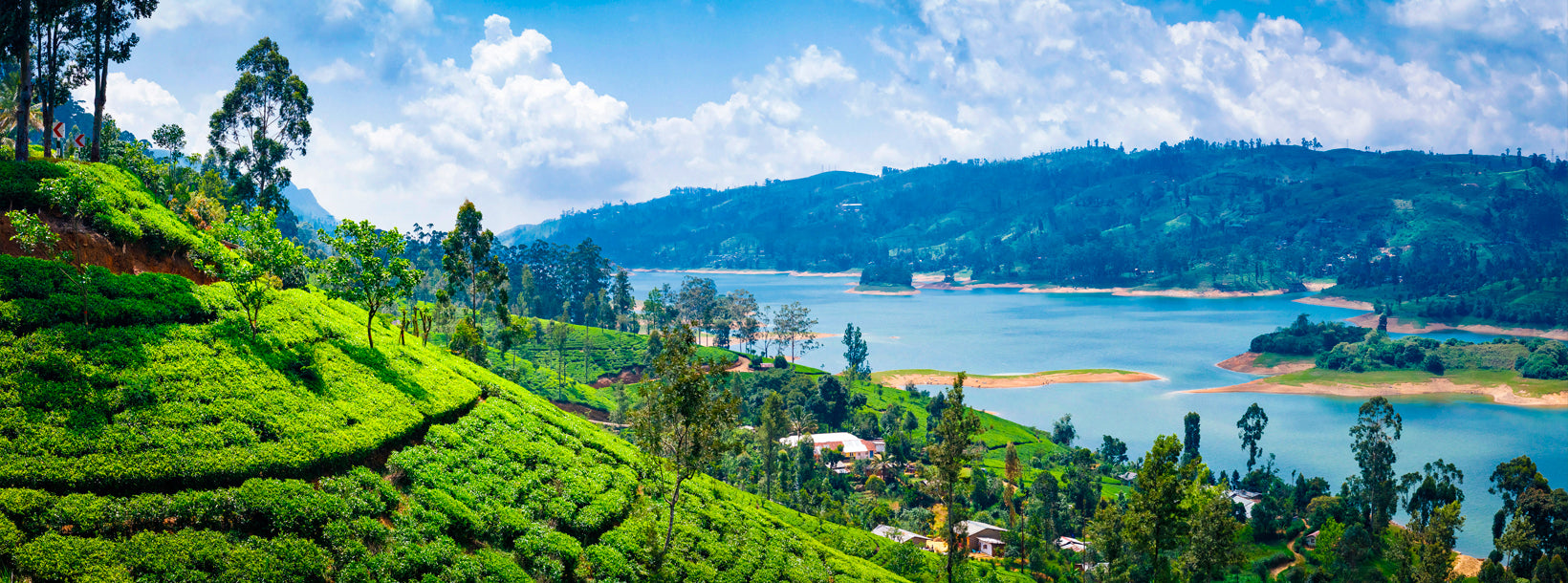
AI-generated image · not an actual photograph

Nuwara Eliya sits at around 1,868 metres above sea level, and its cool, misty climate makes it one of the very few places in Sri Lanka where strawberries grow well. The berry season runs for much of the year, but plants tend to fruit most prolifically between December and April, when the highland air is at its crispest. A visit to one of the local farms is a low-key, genuinely enjoyable detour — equal parts agricultural curiosity and fresh-food experience.

Where are the strawberry farms in Nuwara Eliya?

Most strawberry cultivation in the region is concentrated along the Hakgala–Ambewela corridor, which stretches south-east from Nuwara Eliya town toward the Ambewela plateau. The main road to follow is Ambewela Road (also signposted as New Zealand Farm Road in places), which passes through rolling pasture country that feels markedly different from the rest of Sri Lanka.

  • Ambewela Farm: The best-known production site, run by the government-owned Milco group. The farm primarily focuses on dairy, but strawberries are grown on adjacent plots and sold at roadside stalls nearby.
  • Adam Agro Farm: A privately operated farm a short drive from Ambewela, where visitors can buy freshly picked berries directly and sometimes pick their own.
  • Rose Garden Farm: Another smaller private operation in the Nuwara Eliya area, often offering berries alongside other highland produce such as leeks, carrots, and herbs.
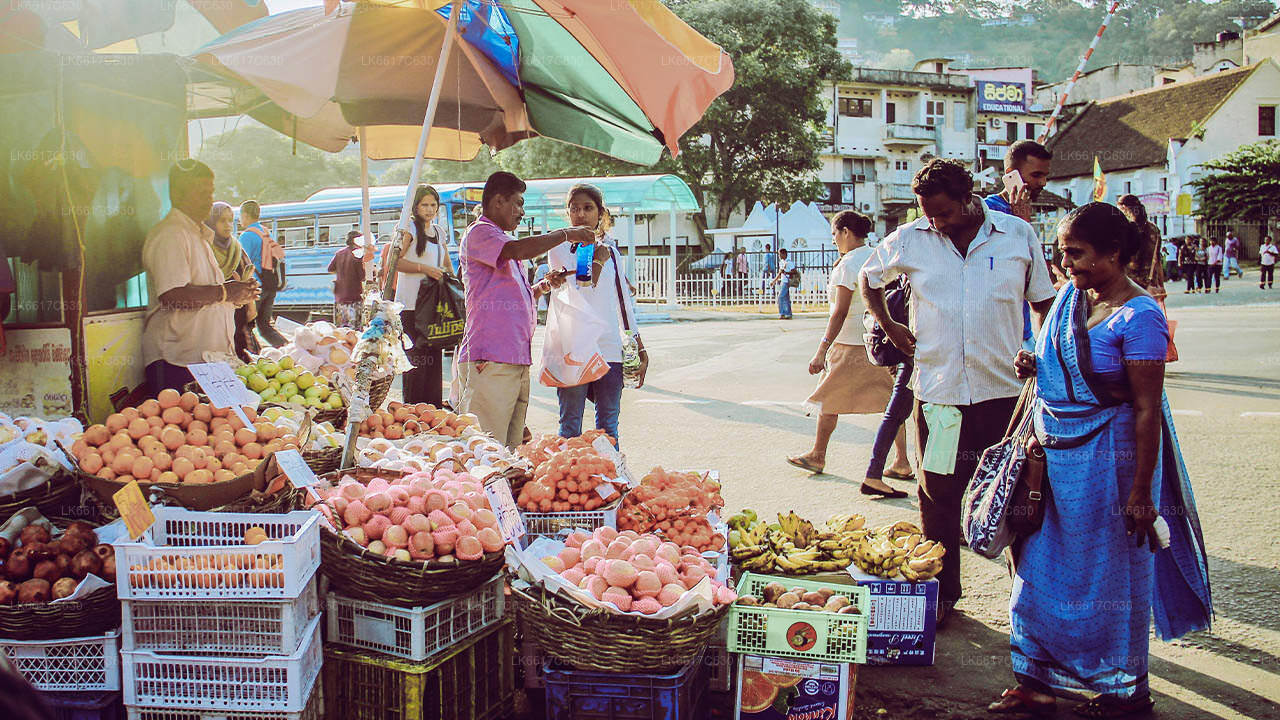
  • Roadside stalls along Hakgala Road: Even if you do not visit a farm proper, stalls along this road sell fresh strawberries in small punnets at very reasonable prices — a convenient option if you are already heading toward Horton Plains National Park.

What can you eat and drink made from Nuwara Eliya strawberries?

The local café and food-stall scene has built an entire mini-economy around the berry. Across Nuwara Eliya town and along the farm roads, you will find a consistent range of strawberry-based treats at modest prices.

  • Strawberry juice and milkshakes: Blended fresh to order at most stalls, often combined with locally produced dairy milk.
  • Strawberry ice cream: Available at cafés in town, sometimes served in waffle cones made on the premises.
  • Strawberry pancakes: A popular item at the small tea-stop cafés on the Ambewela Road, typically served with jam or fresh fruit on top.
  • Fresh punnets to take away: The most popular purchase. Berries are usually sold unwashed, so bring a small bottle of water if you plan to eat them roadside.

If you want to bring strawberry flavours home, local producers also make jams and preserves — look for them at farm shops and the Nuwara Eliya market. Sri Lankan tea blenders have long paired the fruit with Ceylon black tea; strawberry-flavoured teas make popular, lightweight gifts. You can browse a range of these alongside other Ceylon Tea products.

How do I get to the strawberry farms from Nuwara Eliya town?

The core farm area is roughly 8–12 kilometres from the Nuwara Eliya town centre, making it a straightforward half-day excursion. Several routes work depending on your starting point.

Route Approximate distance from town Key landmark
Via Hakgala Road Around 10 km Hakgala Botanical Garden
Via Ambewela Road / New Zealand Farm Road Around 12 km Ambewela Farm dairy

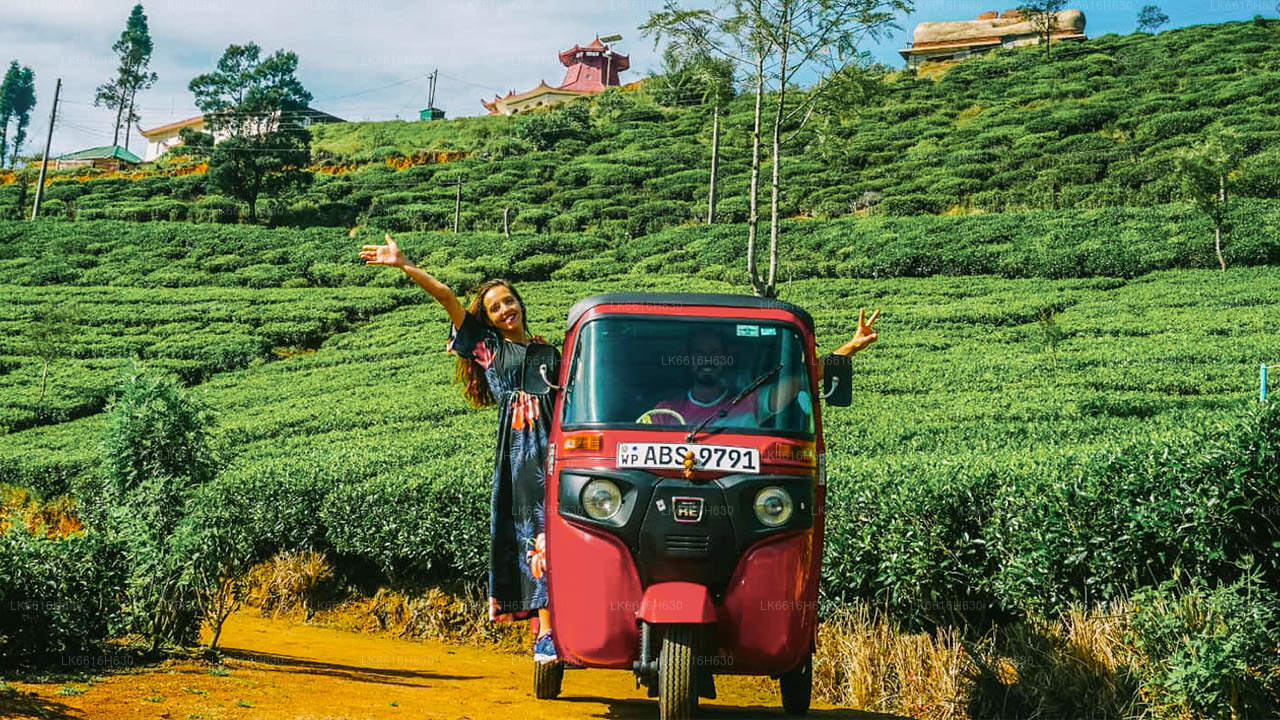
Tuk-tuks from Nuwara Eliya town will make the trip for a negotiated fare; agree on the price before departure and clarify whether the driver will wait while you visit. A private car with a driver is more comfortable on the winding roads and allows you to stop at multiple stalls without rushing.

When is the best time to visit the strawberry farms?

Strawberries in the Nuwara Eliya highlands are available at roadside stalls for most of the year, but supply is most consistent and quality is highest during the cooler inter-monsoon months — broadly November through April. During the south-west monsoon (roughly May to September), rainfall is heavier and farm output can dip. Even so, you are unlikely to arrive and find the stalls completely empty; the farms stagger their planting to maintain some continuity of supply.

Early morning visits are recommended. Stalls are restocked after the morning harvest, and the cooler air keeps the berries firmer. By mid-afternoon, especially on busy weekends, the best punnets tend to sell out.

Is visiting a strawberry farm suitable for families with children?

Yes, and it is one of the more child-friendly activities in the Nuwara Eliya area. The farm settings are safe and open, the produce is immediately edible, and the novelty of seeing strawberries growing in a field — rather than on a supermarket shelf — tends to engage younger visitors. Some farms allow supervised picking, which adds a participatory element. There is no formal ticketed entry at most operations; you simply pay for what you buy.

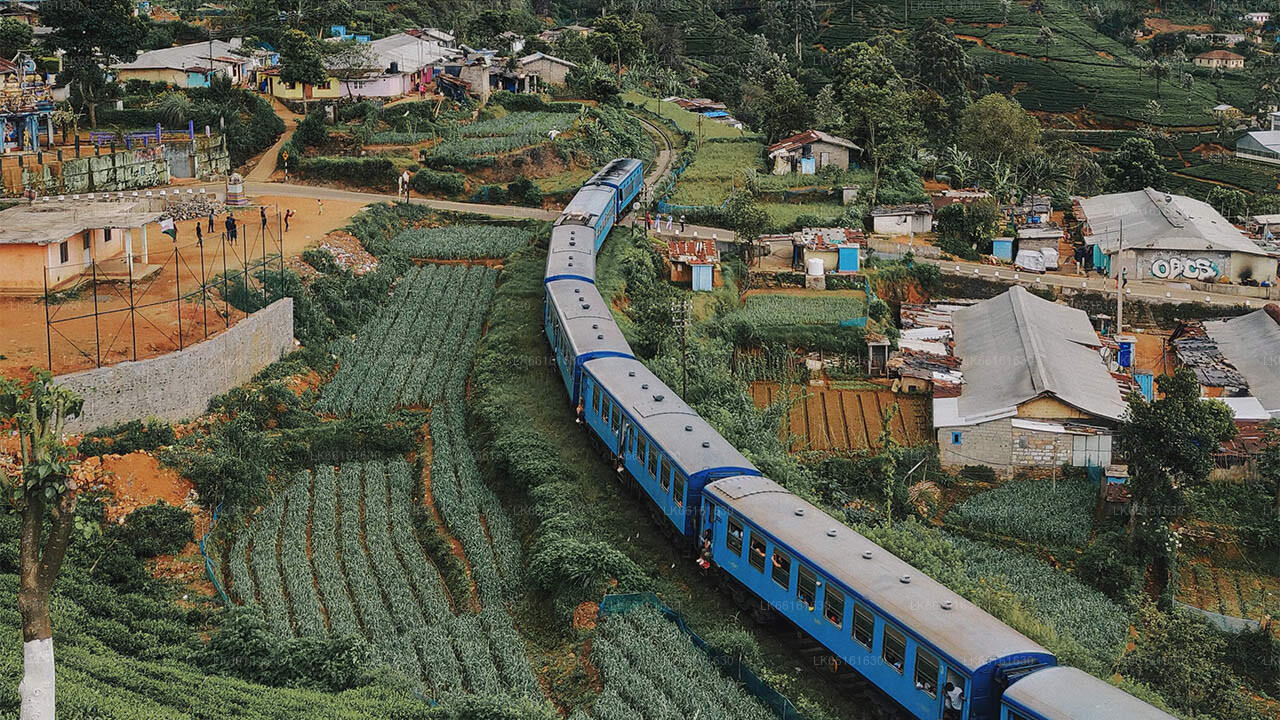
The wider Nuwara Eliya area pairs well with a farm visit. The town's colonial-era architecture, the scenic train journey from Ella or Kandy, and the nearby cloud-forest walking trails at Horton Plains make for a full highland itinerary across two or three days.

What else grows in this part of the highlands?

The Ambewela plateau and surrounding estates produce a wider range of temperate-climate crops than most visitors expect. Alongside strawberries, you will find commercial cultivation of leeks, cabbage, carrots, beetroot, and spring onions — much of it supplying Colombo's supermarkets and hotels. The region is also home to significant dairy farming; Ambewela Farm in particular is well known for fresh milk and yoghurt sold at the farm gate.

Tea, of course, remains the dominant agricultural product of the broader Nuwara Eliya district. The high-grown teas produced here — typically light, delicate, and golden in the cup — are considered among Sri Lanka's finest. If you have time, a visit to one of the working tea estates between Nuwara Eliya and Ella gives useful context for understanding why altitude matters so much to the flavour profile of Ceylon Green Tea and its black-tea counterparts.

Practical tips before you go

  • Dress in layers. Even in Sri Lanka's dry season, Nuwara Eliya mornings can be cold by tropical standards — temperatures regularly dip below 10 °C overnight and into the early hours.
  • Carry small denomination cash. Most farm stalls and roadside sellers do not accept cards.
  • If you are travelling by tuk-tuk, ask the driver to take you to both the Hakgala Road stalls and Ambewela Farm so you can compare quality and prices.
  • Check the berries before buying: look for deep red colour across the whole fruit, firm texture, and a fresh scent. Partially white berries were picked too early and will taste sharp.
  • Combine the farm visit with Hakgala Botanical Garden, which is nearby and charges a modest entrance fee; the garden's rose collections and orchid houses complement the agricultural theme well.

Shop this range with Lakpura

Packed in Sri Lanka and shipped worldwide, direct from the source.

Ask Lakpura® Agent