Lakpura
Lakpura®

Railways

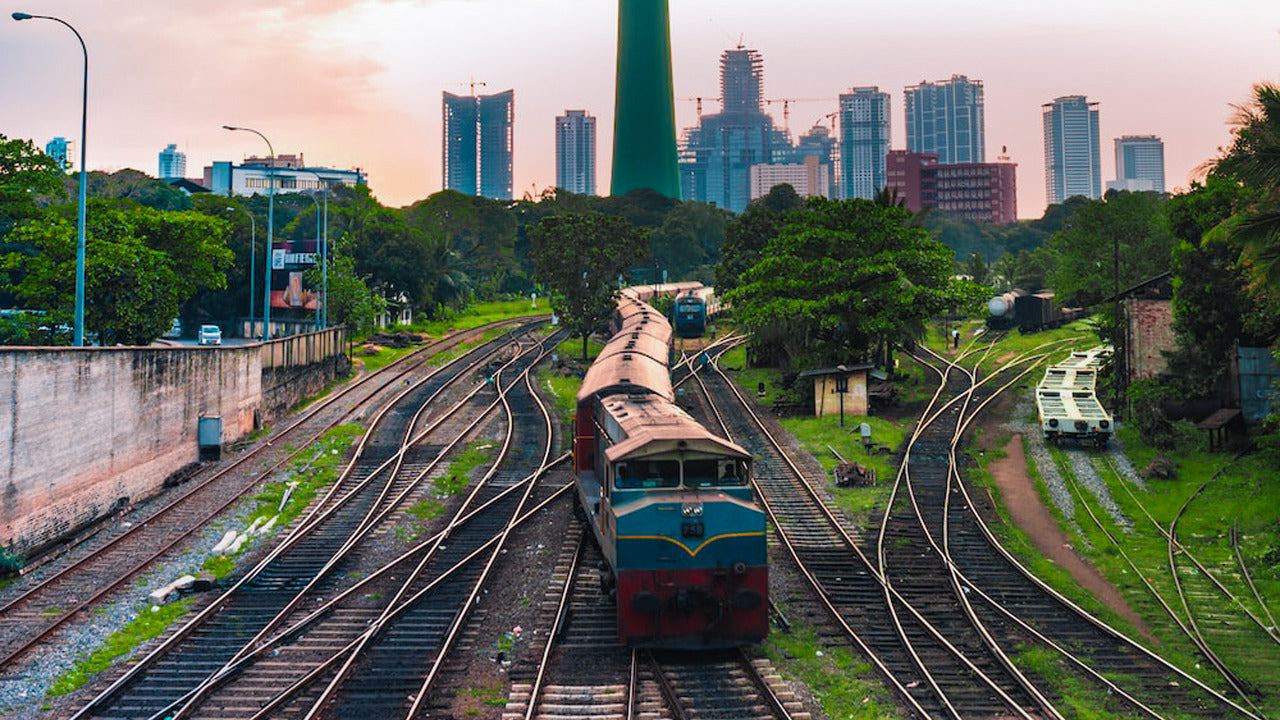
Travelling by train in Sri Lanka is one of those rare experiences that is genuinely part of the destination rather than just a way to move between places. The network winds through tea estates, paddy plains, coastal stretches, and ancient cities — offering perspectives that no road journey can replicate. While trains are rarely the fastest option, they are among the most affordable and atmospheric ways to cross the island.

What is the history of Sri Lanka's railway network?

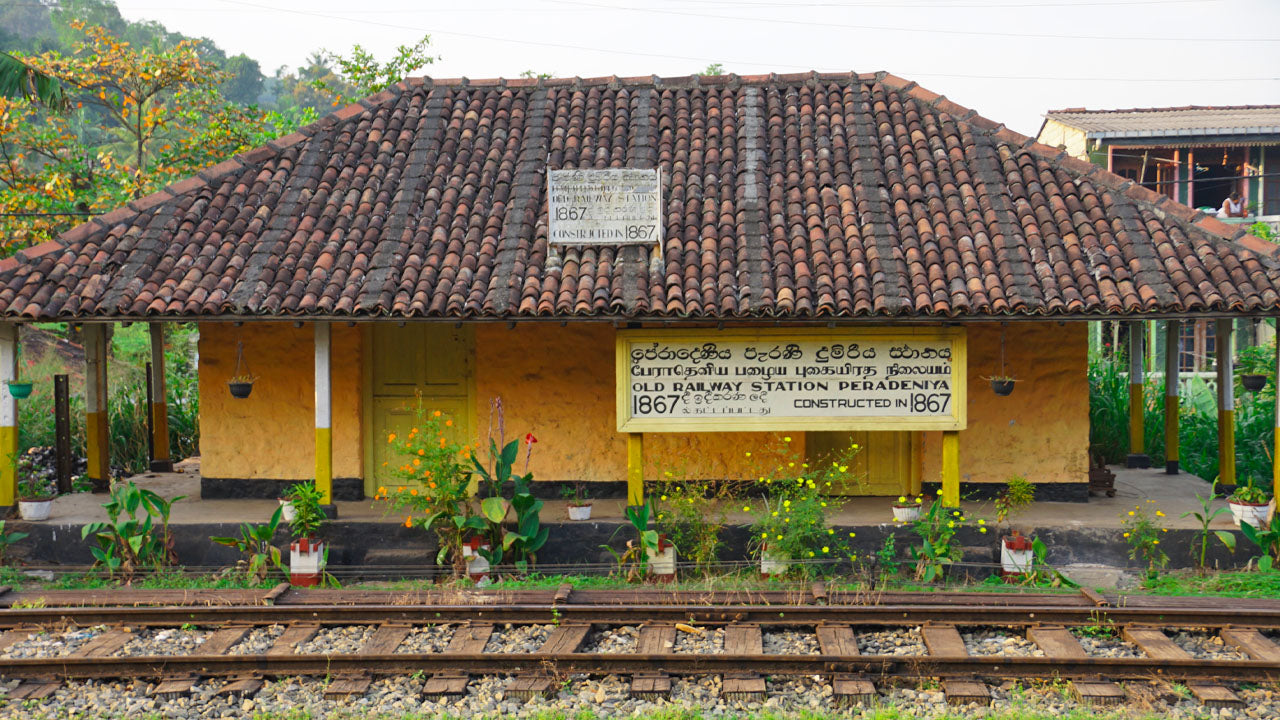
Sri Lanka's railway story begins in the 1850s, when Ceylon Government Railway (CGR) was conceived by British colonial administrators as a tool to unify the island and move its agricultural exports to port. The first sod was cut by Governor Sir Henry Ward in August 1858, and the inaugural train ran on 27 December 1864 on the newly completed Main Line between Colombo and Ambepussa — a stretch of roughly 54 kilometres that opened for regular traffic on 2 October 1865.

The network expanded steadily over the following decades, driven initially by the need to transport coffee, and later tea, from the hill country to Colombo for export. Key milestones include:

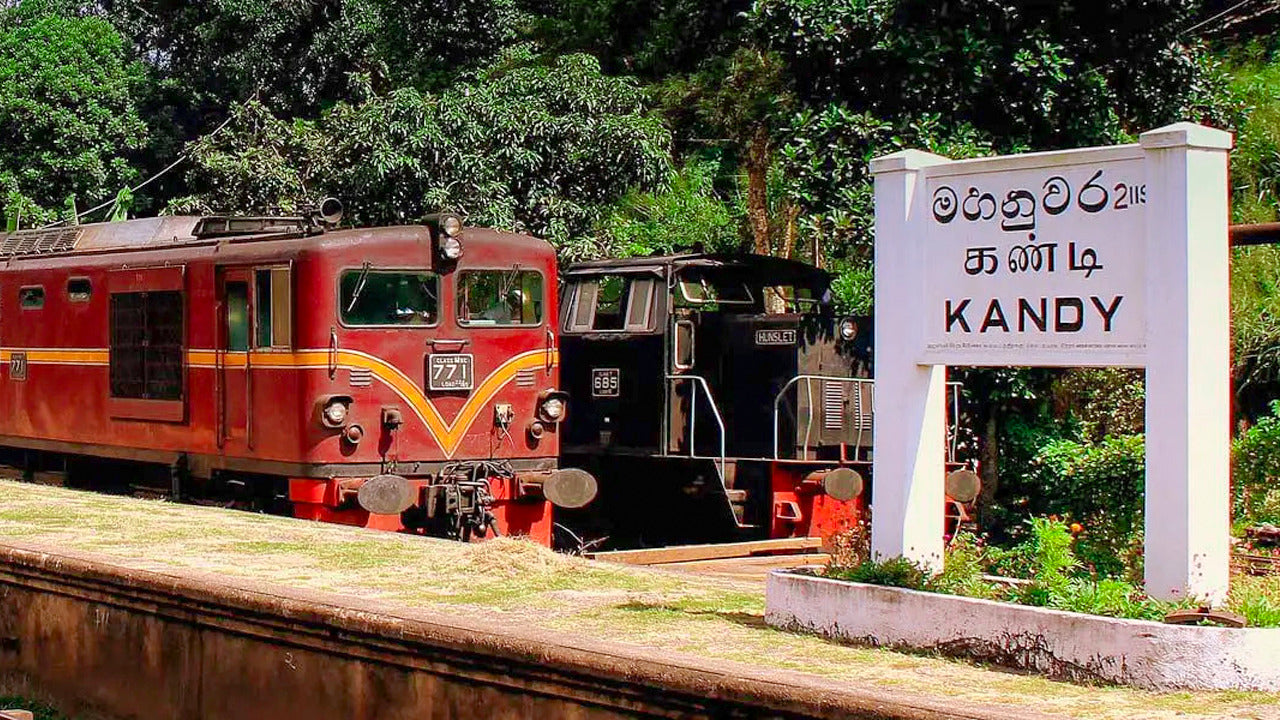
  • Kandy reached via the Main Line in 1867
  • Nawalapitiya connected in 1874
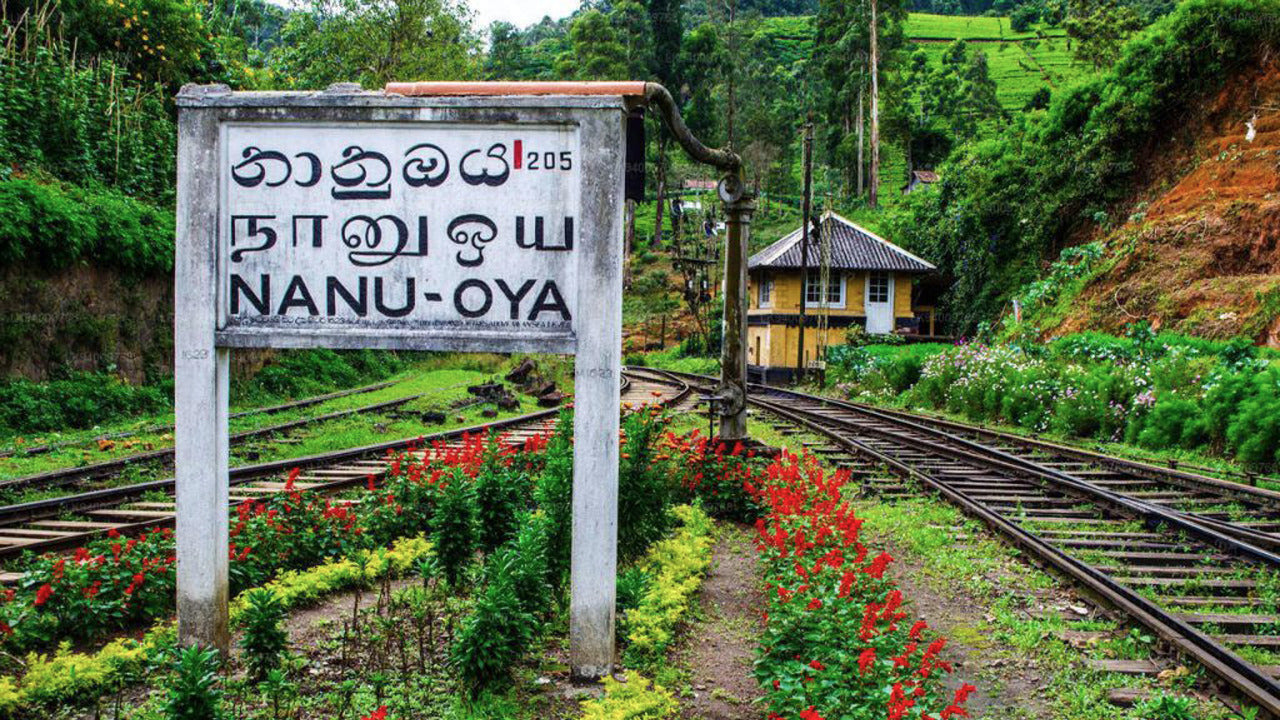
  • Nanu-Oya (for Nuwara Eliya) in 1885
  • Bandarawela in 1894
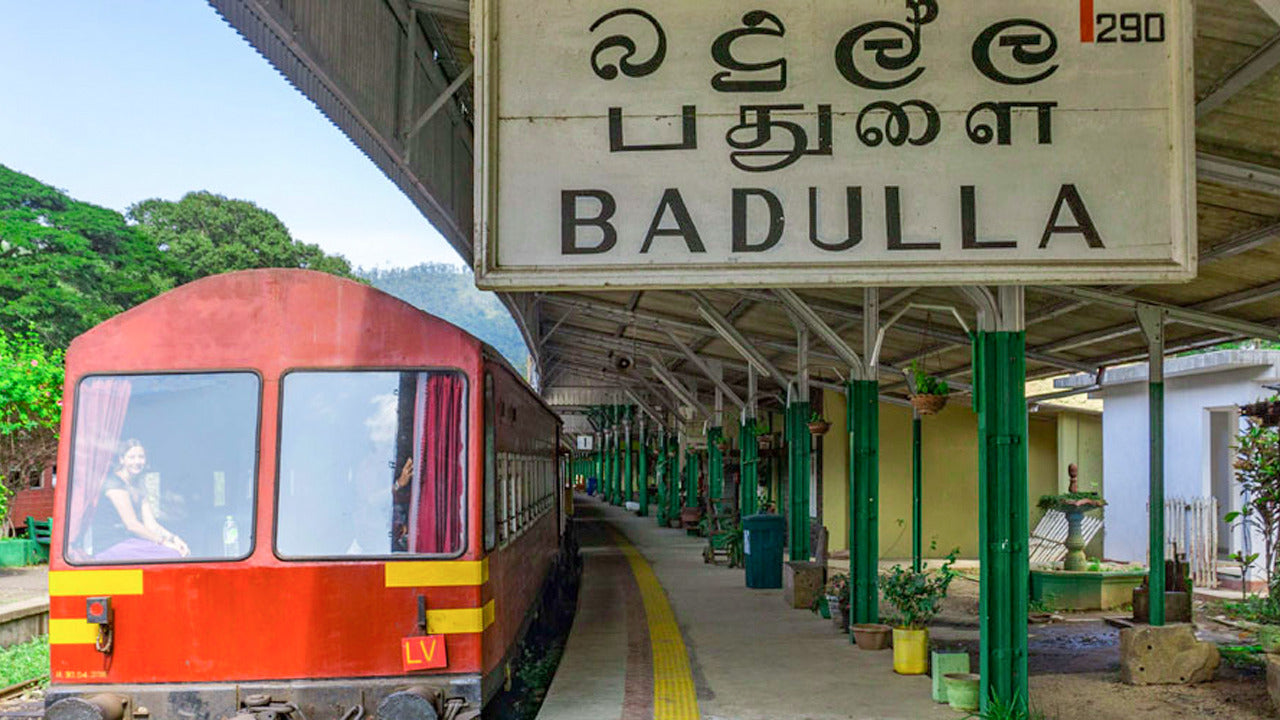
  • Badulla — the current terminus — in 1924
  • The Matale Line in 1880
  • The Coast Line in 1895
  • The Northern Line in 1905
  • The Mannar Line in 1914
  • The Kelani Valley Line in 1919
  • The Puttalam Line in 1926
  • The Batticaloa and Trincomalee Lines in 1928

By 1927, total route length had reached around 1,530 kilometres. In the decades that followed, passenger traffic overtook freight as the primary business of the railway — a shift that reflects the island's rapid population growth and urbanisation.

What are the most scenic train routes in Sri Lanka?

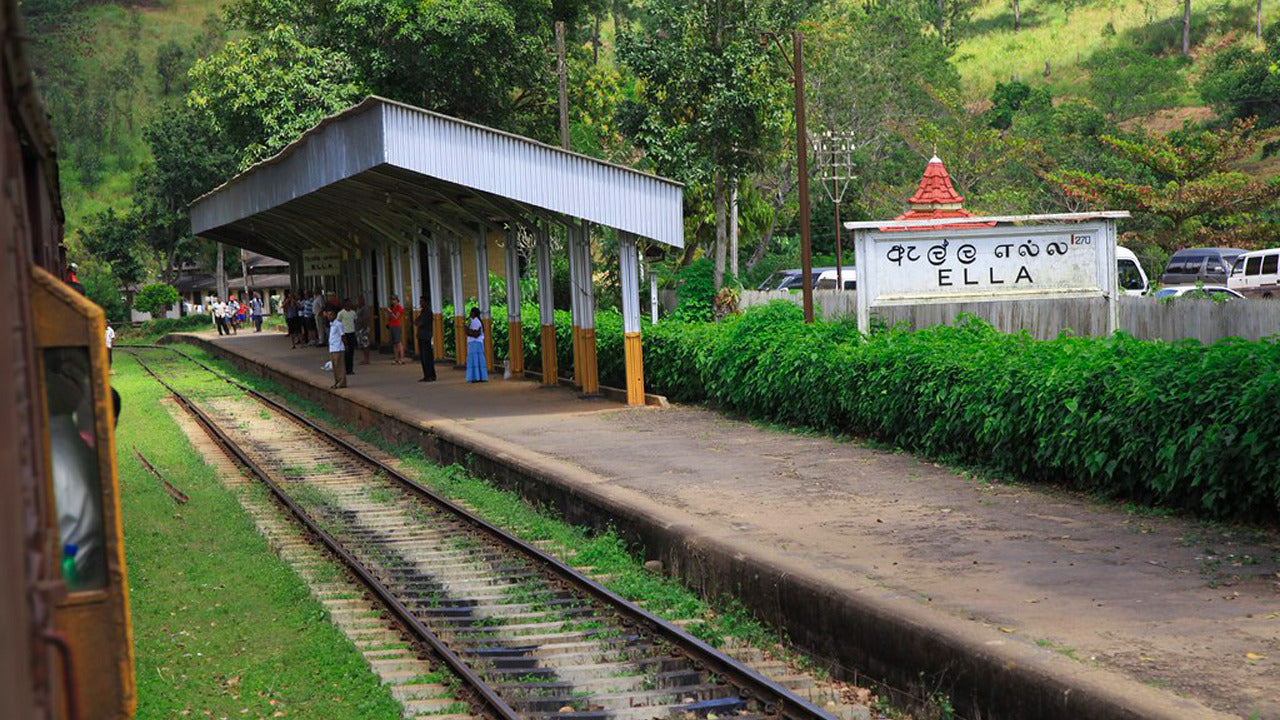
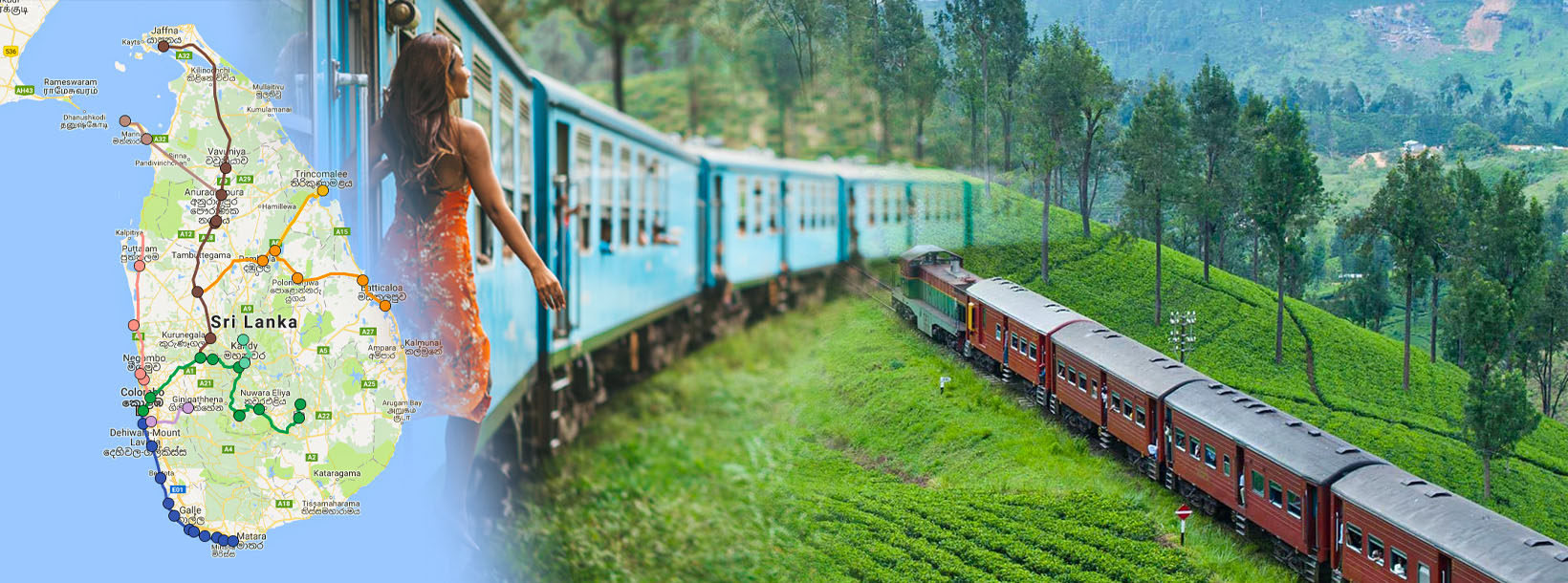
The Main Line from Colombo Fort up through Kandy and into the hill country is consistently rated among the world's great rail journeys. The stretch between Kandy and Ella — passing through Hatton, Nanu-Oya, and Haputale — winds through Ceylon tea country on narrow embankments above misty valleys. The Nine Arches Bridge near Ella is perhaps the most photographed railway viaduct in Asia.

The Coastal Line south from Colombo to Matara follows the shoreline closely enough that in places the Indian Ocean appears just metres from the carriage window. Mornings and late afternoons on this route are particularly atmospheric. Further north, the restored Northern Line now carries passengers toward Jaffna — a route that was interrupted for decades and carries its own historical significance.

Which are the named long-distance trains in Sri Lanka?

Ceylon Government Railway christened a number of its intercity services with Sinhala or Tamil names that reflect the regions and cultural identities they serve. The principal named trains currently in operation or recently operated include:

Train Name Meaning Route
Udarata Menike Upcountry Maiden Colombo Fort – Badulla
Podi Menike Little Maiden Colombo Fort – Badulla (via selected coaches to Kandy)
Tikiri Menike Little Maiden Colombo Fort – Hatton
Senkadagala Menike Maiden of Senkadagala Colombo Fort – Kandy
Yal Devi Princess of Jaffna Colombo Fort – Jaffna (service extent varies)
Udaya Devi Princess of the East Colombo Fort – Batticaloa
Rajarata Rajina Queen of the Land of Kings Vavuniya – Matara via Colombo Fort
Ruhunu Kumari Princess of Ruhuna Colombo Maradana – Matara
Samudra Devi Queen of the Oceans Colombo Maradana – Galle
Galu Kumari Princess of Galle Colombo Maradana – Matara

Schedules and service patterns change periodically; always confirm current timetables through Sri Lanka Railways or your travel agent before booking.

How do I get a train ticket in Sri Lanka?

Colombo Fort is the central hub for almost all long-distance services. Tickets can be purchased at station booking offices, and reserved seats on named trains sell out quickly during holiday periods and weekends — advance booking of at least a few days is advisable for popular routes such as Colombo to Kandy or the hill-country services to Ella and Badulla.

Sri Lanka Railways offers three main classes. First class on intercity trains typically means air-conditioned observation saloons with reserved seating — these carriages offer panoramic views and are particularly popular on the Kandy–Badulla stretch. Second class has reserved seating in non-air-conditioned cars, while third class is unreserved. For short hops and commuter journeys, tickets are readily available at the platform.

What practical tips should I know before travelling by train in Sri Lanka?

  • Book early for the hill country. First-class observation car seats on trains to Ella and Badulla are frequently booked out a week or more in advance, especially from November to March and during local school holidays.
  • Choose your direction wisely. On the Kandy-to-Ella route, sitting on the left side of the train heading east generally gives the best views on the descent from the highlands — though both sides offer remarkable scenery.
  • Allow extra time. Sri Lanka's trains run to their own schedule. Delays of 30–60 minutes are not unusual; build this into your itinerary rather than booking onward transport with a tight connection.
  • Luggage. There are no dedicated luggage cars on most services. Keep bags to a manageable size that fits in the overhead rack or under the seat.
  • Station food. Platform vendors at major stations sell short eats, fruit, and tea. The food is typically good and inexpensive.
  • Night trains. Several long-distance routes operate overnight services. They are functional rather than luxurious, but an efficient way to cover ground without losing a day of sightseeing.

How does train travel compare with hiring a private driver in Sri Lanka?

Both have their place depending on your itinerary. A private driver offers door-to-door flexibility, the ability to stop at viewpoints, and is generally faster — particularly for distances under 100 kilometres or for reaching places not on the rail network. The train, by contrast, puts you inside the landscape rather than sealed behind glass: open windows, the smell of the highlands, and the company of locals making daily journeys. Many travellers find that a combination works best — taking the train for the celebrated scenic legs and using a driver for transfers to places the railway doesn't reach.

Which destinations are best reached by train from Colombo?

The train network connects Colombo to most of Sri Lanka's major tourist destinations, directly or with a short onward transfer:

  • Kandy — roughly 2.5–3 hours by intercity express; an easy and rewarding day trip or the start of a hill-country loop
  • Ella — around 6–7 hours from Colombo on hill-country trains; the journey through the Horton Plains foothills is the draw as much as the destination
  • Galle — approximately 2–2.5 hours on the Coastal Line; a reliable and scenic alternative to the Southern Expressway
  • Jaffna — the Northern Line now connects Colombo to Jaffna in around 6–7 hours; services continue to be developed
  • Trincomalee and Batticaloa — reached via the East Coast lines, these are longer journeys suited to travellers with time to spare

For heritage railway enthusiasts, the narrow-gauge Kelani Valley Line and other former branch lines represent a distinct chapter in Sri Lanka's rail history — one that predates most of the main network's expansion.

Book this experience with Lakpura

Curated by our local team. Direct booking, instant confirmation.

Ask Lakpura® Agent