Sandakada Pahana


Sandakada Pahana, also known as the Moonstone, is a significant cultural and architectural feature of Sri Lanka's ancient history, found at many of the island's most revered Buddhist sites, including Anuradhapura, Polonnaruwa, and the rock temples of Sigiriya. This intricately carved stone serves as an entrance marker to sacred spaces, symbolizing the transition from the mundane to the divine. Its beauty and symbolic meaning make it one of Sri Lanka's most iconic architectural elements, reflecting the deep spiritual and artistic traditions that have shaped the island for centuries.
Designed with a semi-circular shape, the Sandakada Pahana is typically adorned with carvings of lotus petals, elephants, horses, and other symbolic motifs, each representing elements of Buddhism, nature, and Sri Lankan culture. These elements, often seen in regions such as Kandy and Galle, reflect the island's rich biodiversity, with elephants and other wildlife common in Sri Lanka's ancient folklore. The carvings convey spiritual ideas such as purity, enlightenment, and protection, offering visitors both a cultural and artistic connection to the island's Buddhist heritage.
Visitors to sites with Sandakada Pahana can appreciate its artistic intricacy and its connection to Sri Lanka's religious history. Found at the entrances of stupas, temples, and monasteries, the Moonstone serves as a visual reminder of Sri Lanka's dedication to sacred architecture and Buddhist traditions. Travelers touring ancient cities like Anuradhapura or exploring rock temples like Dambulla and Sigiriya often pause to admire these stones, which guide their spiritual journey through Sri Lanka's cultural landscapes. The Sandakada Pahana invites reflection on the connection between nature, art, and faith.
Sandakada Pahana can be seen year-round at numerous historical and religious sites across Sri Lanka. The dry season, from December to April, offers ideal conditions for exploring these ancient monuments, providing clear skies and calm weather for sightseeing. Accessible from major towns such as Anuradhapura, Kandy, and Sigiriya, these sacred stones continue to inspire visitors seeking to understand the rich spiritual and cultural heritage of Sri Lanka. Whether appreciated for their artistic value, historical significance, or religious symbolism, the Sandakada Pahana remains a powerful testament to Sri Lanka's timeless heritage.


-
 Sri Maha Bodhiya
Jaya Sri Maha Bodhi is a sacred bo tree in the Mahamewna Gardens, Anuradhapura, Sri Lanka. It is the southern branch from the historical Sri Maha Bodhi at Buddha Gaya in India under which Buddha attained Enlightenment. It was planted in 288 BC, and is the oldest living human-planted tree in the world with a known planting date.
-
 Ruwanweliseya
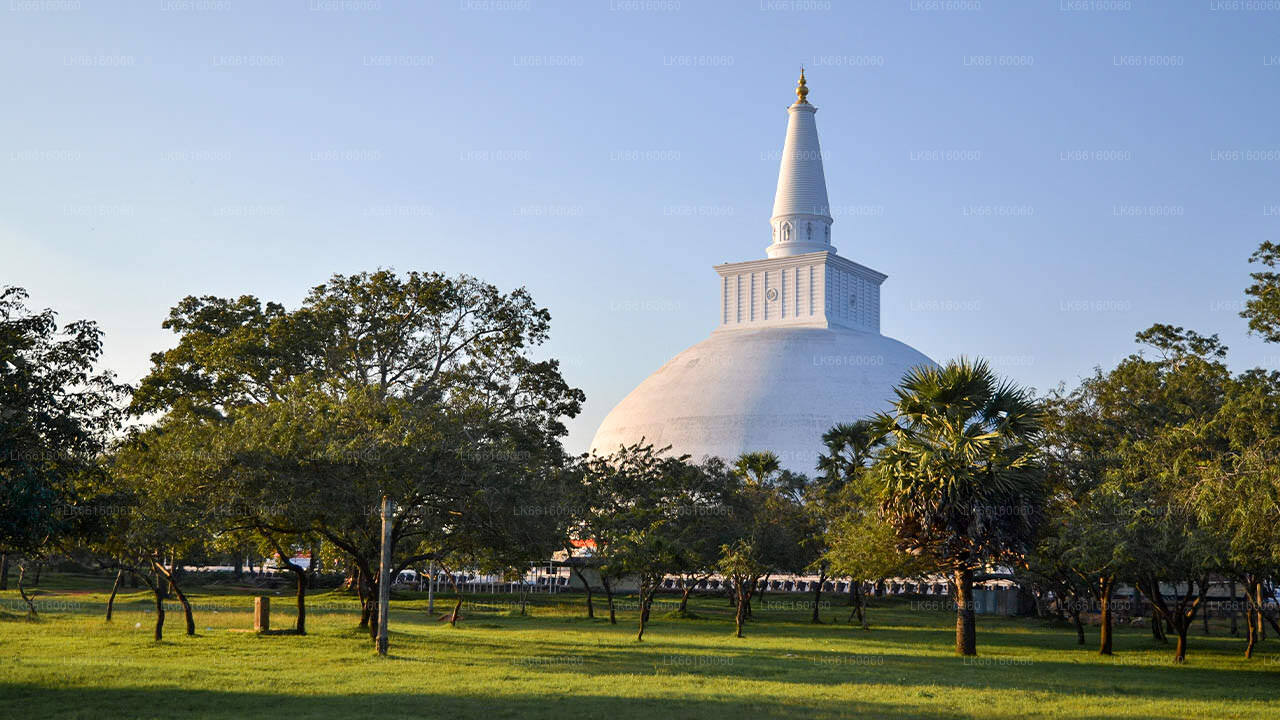
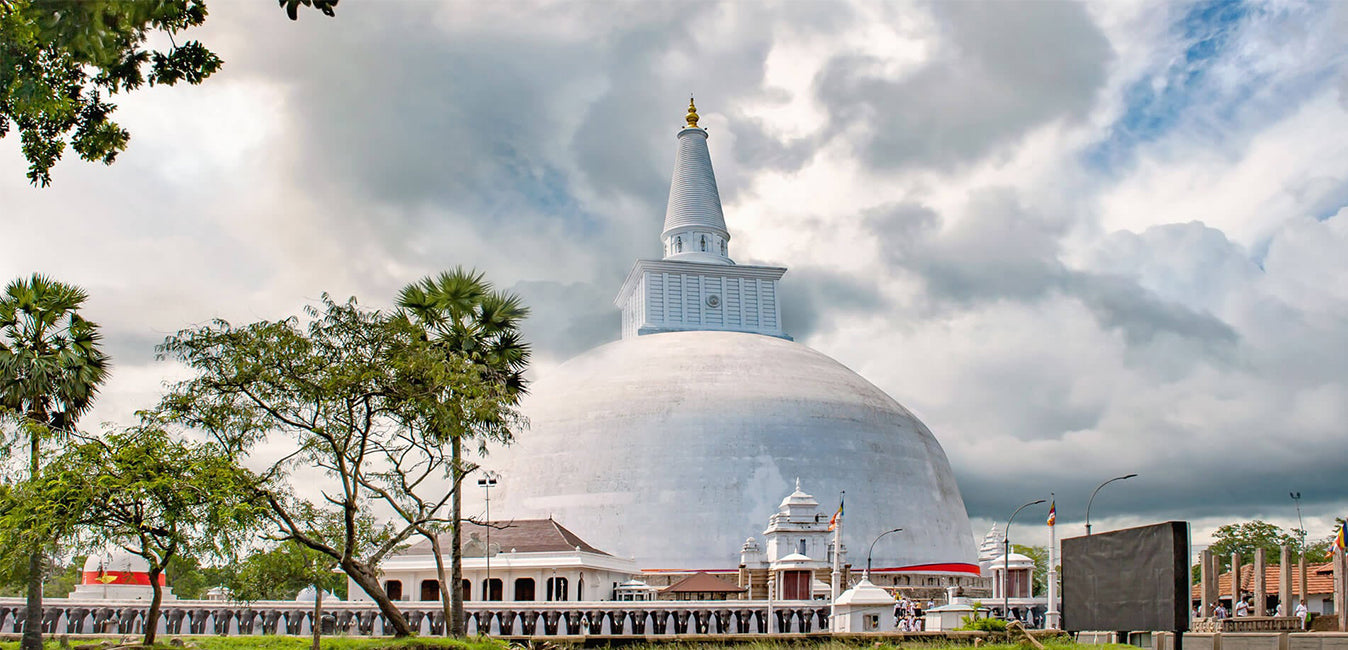
The Ruwanweli Maha Seya, also known as the Mahathupa (the Great Thupa) is a stupa (a hemispherical structure containing relics) in Anuradhapura, Sri Lanka. Two quarts or one Dona of the Buddha's relics are enshrined in the stupa, making it the largest collection of his relics anywhere. It was built by Sinhalese King Dutugemunu in c. 140 B.C., who became king of Sri Lanka after a war in which the Chola King Elāra (Ellalan) was defeated.
-
 Thuparamaya
Thuparamaya is the first Buddhist temple that was constructed, after the arrival of mahinda thero(mahindagamanaya) in Sri Lanka. Located in the sacred area of Mahamewna park, the Thuparamaya Stupa is the earliest Dagoba to be constructed in the island, dating back to the reign of King Devanampiya Tissa (247-207 BC). The temple has been formally recognised by the Government as an archaeological site in Sri Lanka.
-
 Lovamahapaya
Lovamahapaya is a building situated between Ruwanweliseya and Sri Mahabodiya in the ancient city of Anuradhapura, Sri Lanka. It is also known as the Brazen Palace or Lohaprasadaya because the roof was covered with bronze tiles. In ancient times, the building included the refectory and the uposathagara (Uposatha house).
-
 Abhayagiri Stupa
Abhayagiri Vihāra was a major monastery site of Mahayana, Theravada and Vajrayana Buddhism that was situated in Anuradhapura, Sri Lanka. It is one of the most extensive ruins in the world and one of the most sacred Buddhist pilgrimage cities in the nation.
-
 Jetavanaramaya
The Jetavanarama stupa or Jetavanaramaya is a stupa, or Buddhist reliquary monument, located in the ruins of Jetavana monastery in the UNESCO world heritage city of Anuradhapura, Sri Lanka. At 122 metres (400 ft), it was the world's tallest stupa, and the third tallest structure in the world when it was built by King Mahasena of Anuradhapura (273–301).
-
 Mirisawetiya Stupa
The Mirisaweti Stupa is a memorial building, a stupa, situated in the ancient city of Anuradhapura, Sri Lanka. King Dutugamunu (161 BC to 137 BC) built the Mirisaveti Stupa after defeating King Elara. After placing the Buddha relics in the sceptre, he had gone to Tissa Wewa for a bath leaving the sceptre.
-
 Lankarama
Lankarama is a stupa built by King Valagamba, in an ancient place at Galhebakada in the ancient kingdom of Anuradhapura, Sri Lanka. Nothing is known about the ancient form of the stupa, and later this was renovated. The ruins show that there are rows of stone pillars and it is no doubt that there has been a house built encircling the stupa (vatadage) to cover it.
-
 Isurumuniya
Isurumuniya is a Buddhist temple situated near to the Tissa Wewa (Tisa tank) in Anuradhapura, Sri Lanka. There are four carvings of special interest in this Vihara. They are the Isurumuniya Lovers, Elephant Pond and The Royal Family. The ancient Meghagiri Vihara or Meygiri Vihara is presently identified as the Isurumuni Vihara.