Lakpura
Lakpura®

Negombo Fish Market

Known locally as Lellama, the Negombo Fish Market sits on the southern edge of Negombo Lagoon and operates as one of Sri Lanka's busiest wholesale seafood hubs. Fishermen have been landing their catches on this stretch of coast for centuries, and the market today is a direct continuation of that tradition — utilitarian, fast-moving, and entirely authentic. For travellers arriving in Sri Lanka through Bandaranaike International Airport, it is also remarkably easy to reach, making it one of the most accessible windows into the country's maritime culture.

What makes Lellama different from other Sri Lankan fish markets?

Most coastal markets in Sri Lanka handle the catch for a single harbour or lagoon. Negombo's market draws from both — boats working the open Indian Ocean bring in deep-water species such as yellowfin tuna and swordfish, while lagoon craft return with prawns, crabs, and smaller reef fish. The result is unusual variety in a single location. The Dutch colonial-era canal network that threads through Negombo also means some smaller craft still arrive by waterway rather than road, adding a layer of history to the morning's logistics.

The auction system at Lellama is worth watching in its own right. Auctioneers move quickly down rows of iced fish, calling prices in rapid Sinhala while buyers — restaurant owners, retailers, and hotel buyers from as far as Colombo — make split-second decisions. Transactions that look chaotic resolve themselves with practiced efficiency.

What seafood can you find at Negombo Fish Market?

The variety shifts with the season and the weather, but on a typical morning you can expect to see:

  • Yellowfin and skipjack tuna
  • Swordfish and sailfish (seasonal)
  • Lagoon prawns and tiger prawns
  • Mud crabs and swimming crabs
  • Squid and cuttlefish
  • Grouper, snapper, and various reef fish
  • Lobster (less common; more prevalent in the north and east, but occasionally present)

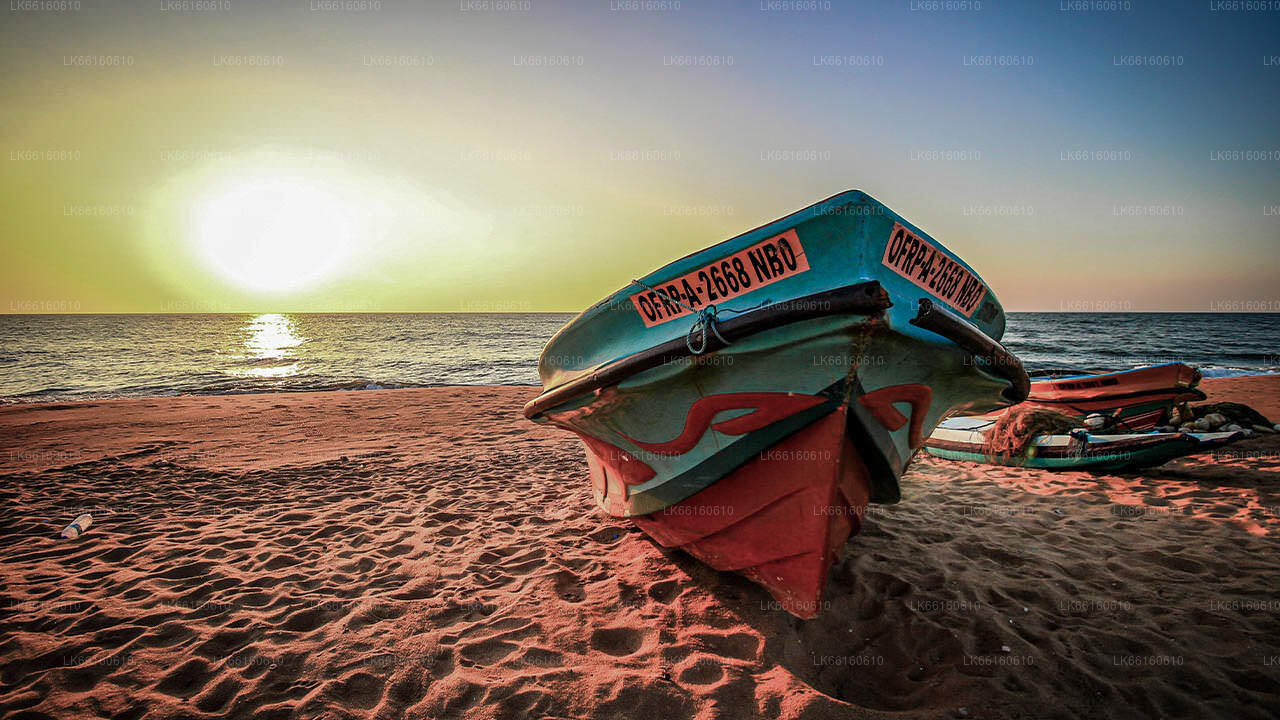
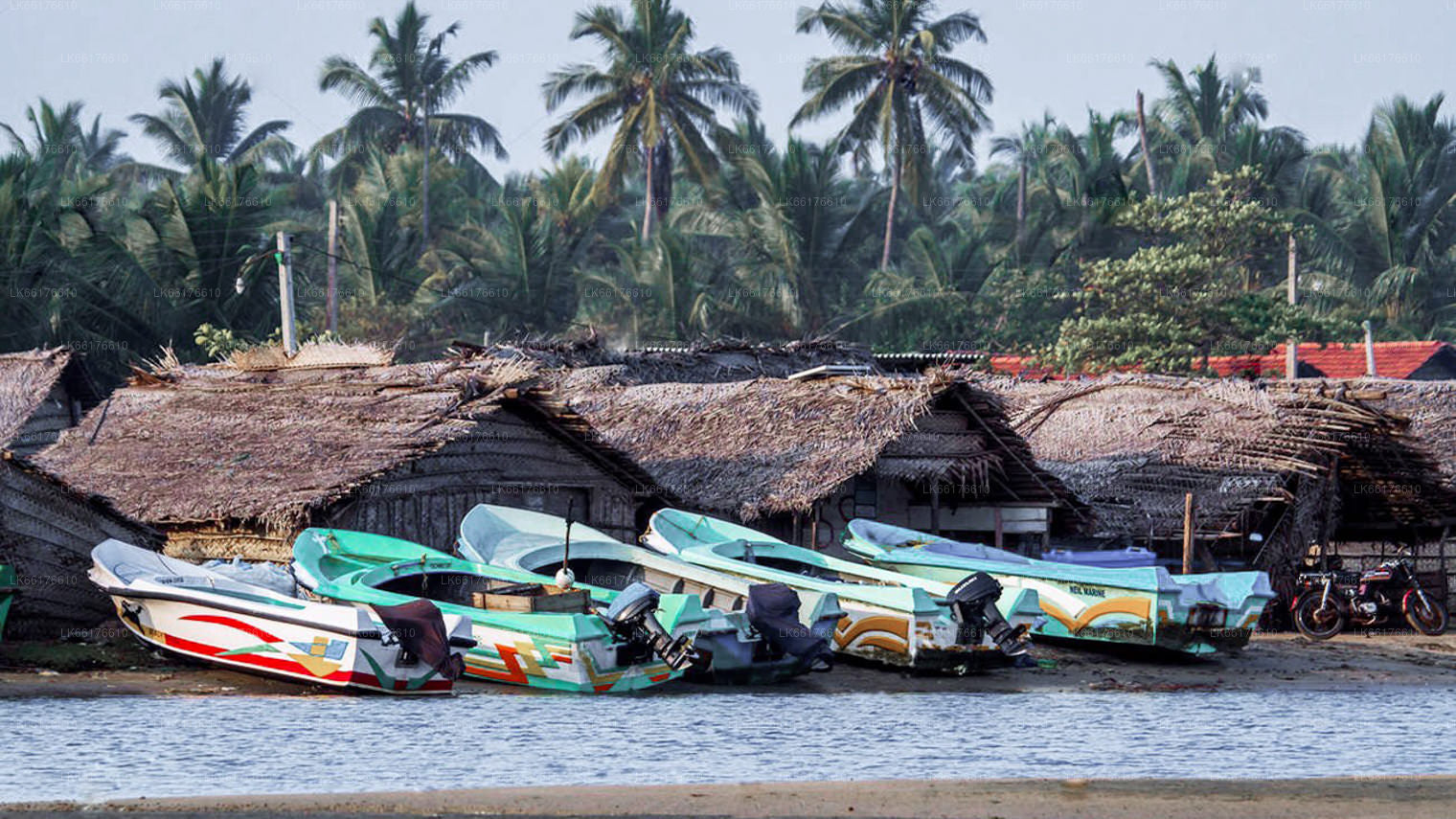
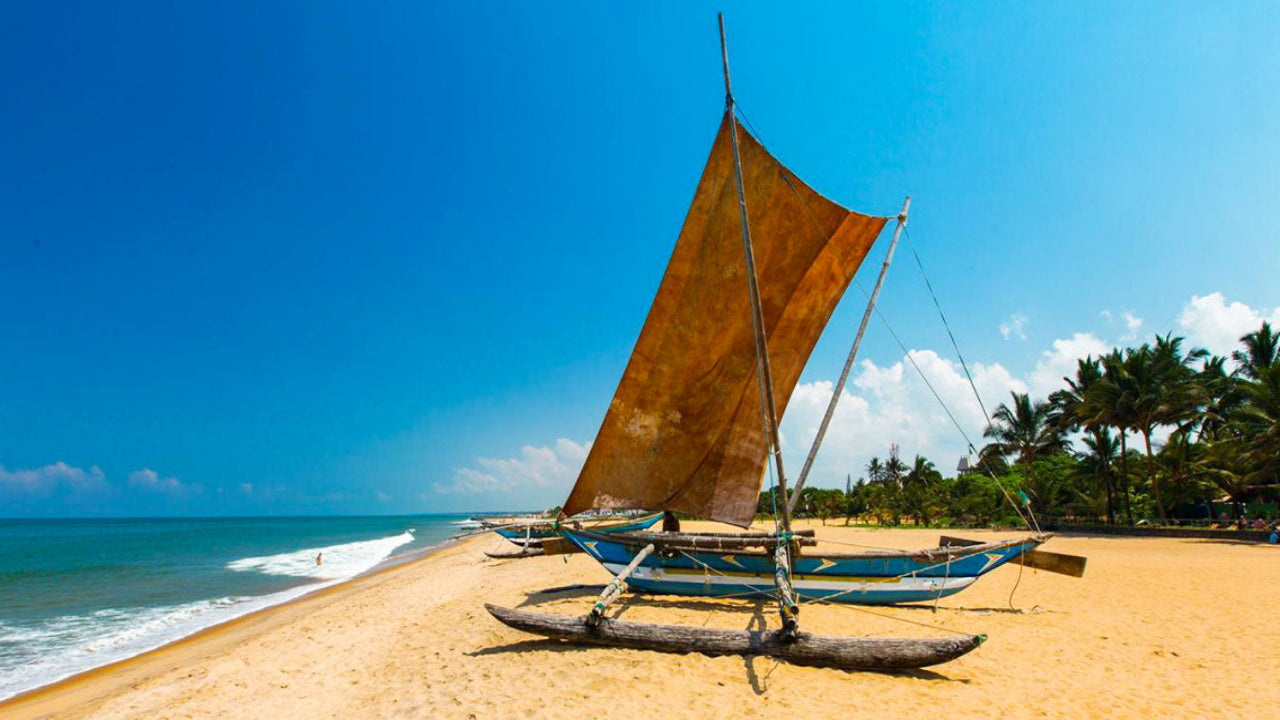
The open-ocean catch arrives via Negombo's fleet of traditional outrigger canoes (oruwa) and larger motorised vessels. If you are interested in how these boats are built and maintained, the beach north of the market is where you will find boatbuilders at work most mornings.

When is the best time to visit Negombo Fish Market?

Arrive between 6:00 and 9:00 a.m. Trading is at its most intense in the first hour after sunrise, when the overnight fleet returns and the auction is in full swing. By mid-morning the majority of wholesale buying is done, ice is running low, and the atmosphere quietens considerably. The market technically runs every day of the year, though activity drops noticeably on Poya (full-moon) days when many fishermen observe religious observances and stay ashore.

Weather-wise, December through April brings calmer seas and therefore larger catches from the offshore fleet. The south-west monsoon (May to September) can reduce open-ocean fishing, though lagoon fishing continues year-round. Visiting during the drier months tends to mean a fuller market and a more comfortable walk-around.

How do I get to Negombo Fish Market from Colombo?

The market is roughly 35 km north of central Colombo, close to the airport. From Colombo Fort, the drive typically takes between 45 minutes and 90 minutes depending on traffic — the coastal B075 road is scenic but slow through Wattala; the expressway to Katunayake cuts journey time significantly. From Bandaranaike International Airport, the market is fewer than 10 km south — easily combined with an early-morning arrival or a late-morning departure day.

Tuk-tuks are available from Negombo town centre to the market (a short ride). Alternatively, a private transfer can be arranged to stop at Lellama en route between the airport and your Colombo hotel, turning a logistics necessity into a cultural experience. A Negombo city tour typically includes the fish market as its first stop, pairing it with the Dutch Fort, the Hamilton Canal, and Negombo Beach.

What else is near Negombo Fish Market?

The market occupies a compact area that connects naturally to several other Negombo landmarks:

  • Dutch Fort Negombo — a 17th-century fortification a short walk from the market, now partly used as a prison but with well-preserved gateway architecture open to view.
  • Hamilton Canal — a Dutch-built canal that once linked Colombo to Puttalam; you can hire a boat for a short cruise from near the market.
  • St. Mary's Church — one of the most elaborately painted Catholic churches in Sri Lanka, reflecting Negombo's long Portuguese and Dutch Christian heritage.
  • Negombo Beach — the town's main beach strip, lined with guesthouses and restaurants, around 2 km from the market.

For those with a full day, the Madu River Safari near Balapitiya (about 90 km south) offers a complementary experience of Sri Lanka's lagoon and mangrove ecosystems.

Is Negombo Fish Market suitable for photography?

Yes, and it is one of the better locations in Sri Lanka for candid documentary photography. The combination of strong early-morning light, vivid subject matter — glistening fish, weathered boats, traders in motion — and a relatively compact layout makes composition straightforward. That said, a few courtesies matter: ask before photographing individual vendors or fishermen at close range, and avoid obstructing the auction lanes. Most traders are accustomed to visitors and are broadly welcoming as long as the market's work is not disrupted.

Wide-angle lenses are useful for capturing the scale of the auction floor; a longer lens lets you photograph the boat arrivals from the bank without getting in the way of unloading. The hour just after sunrise offers the best light and the busiest activity simultaneously.

Can I eat seafood at or near the market?

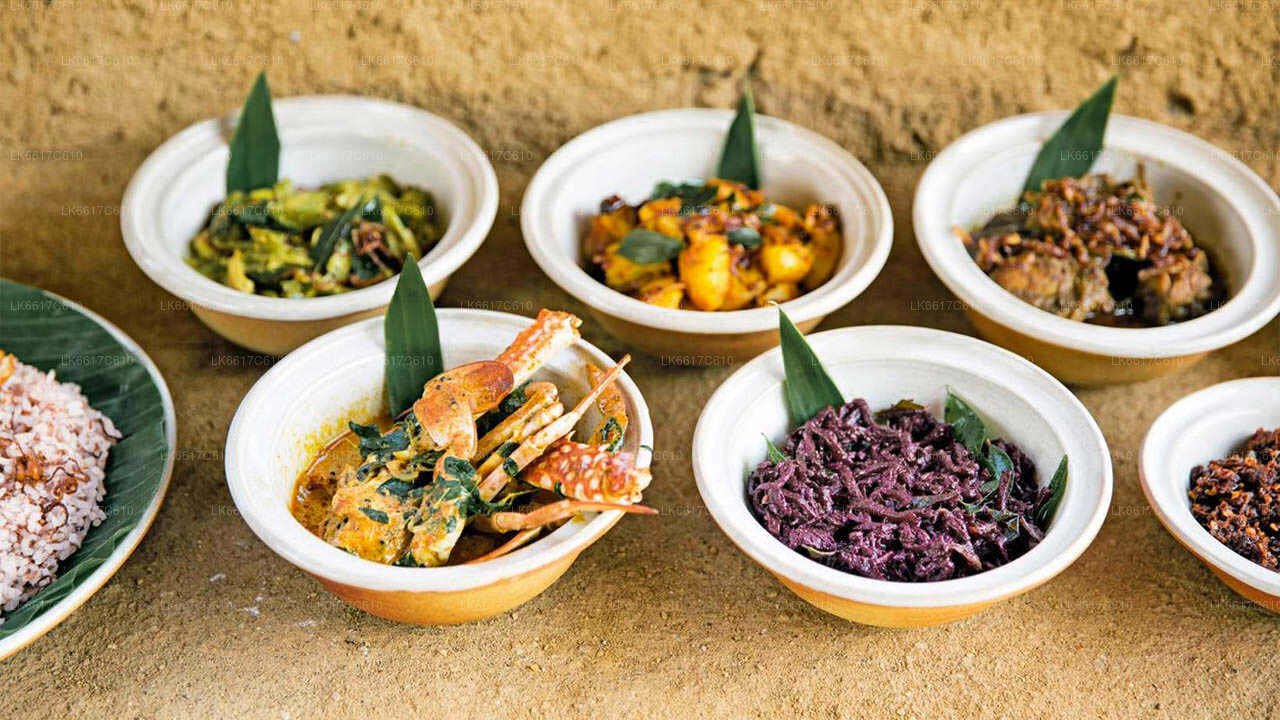
The market itself is a wholesale trading floor, not a food court, so eating on-site is not part of the experience. However, Negombo town has a well-developed restaurant scene — particularly along Lewis Place — where the morning's catch appears on lunch menus. Several beachside restaurants prepare grilled or curried seafood to order. If you are staying in Negombo, ask your guesthouse which restaurants source directly from Lellama; the supply chain is short and the quality difference is noticeable.

Negombo's fishing community also has a strong tradition of dried and salted fish preparation. You will see these products — dried sprats (halmassa), dried tuna chips (umbalakada) — sold in small shops near the market, and they make compact, flavourful souvenirs if properly packaged for travel.

Is the Negombo Fish Market free to enter?

There is no admission charge for visitors to walk through the market. Guided tours that include the market as part of a broader Negombo excursion are available through local operators and are worth considering if you want context — a knowledgeable guide can explain the auction process, identify species, and introduce you to fishermen who are happy to talk about their work.

Book this experience with Lakpura

Curated by our local team. Direct booking, instant confirmation.

Ask Lakpura® Agent