Lakpura
Lakpura®

FAQ on coumarin in cinnamon and other foods

Coumarin is a naturally occurring compound found in several common plants, including certain varieties of cinnamon. Because Sri Lanka is the home of true Ceylon cinnamon — the variety with the lowest coumarin content — understanding the difference between cinnamon types matters both for everyday cooks and for anyone taking cinnamon-based supplements. The answers below draw on guidance from food safety authorities in the European Union and elsewhere.

What is coumarin and where is it found?

Coumarin is a fragrant organic compound produced naturally by a range of plants. It is present in relatively high concentrations in the group of cinnamon varieties known collectively as Cassia cinnamon (which includes Chinese cinnamon, Indonesian cinnamon, and Vietnamese cinnamon). It also occurs in woodruff, tonka beans, and melilot, among other plants.

Ceylon cinnamon — Cinnamomum verum, grown primarily in Sri Lanka — contains coumarin at levels so low they are generally considered negligible under normal dietary use. This distinction is the core reason food safety bodies advise consumers who use cinnamon regularly to choose Ceylon cinnamon over Cassia varieties.

Synthetically produced coumarin has a fresh-hay scent and is used in cosmetics and fragrances. In medicine, coumarin derivatives are used therapeutically, but that is a separate context from dietary exposure through food.

Is coumarin harmful to health?

For the general population consuming typical amounts of cinnamon as a culinary spice, coumarin in food is not considered a significant risk. However, in people who are particularly sensitive — a subset of the population — even comparatively modest ongoing intake of coumarin can cause liver damage. This effect is typically reversible once consumption is reduced, but it does mean that high or prolonged intake of Cassia cinnamon warrants caution.

The German Federal Institute for Risk Assessment (BfR) recommends moderate consumption of Cassia cinnamon as a precautionary measure, particularly for individuals who use large quantities of cinnamon daily or who take cinnamon-based dietary supplements. Children are another group where moderation is advisable, given their lower body weight relative to adults.

Isolated coumarin must not be added directly to foods under European law. When coumarin enters food naturally as part of a plant ingredient — such as cinnamon bark — it falls under flavouring regulations that set maximum permissible levels for certain food categories.

How much coumarin does cinnamon actually contain?

The coumarin content of cinnamon varies considerably between types:

  • Ceylon cinnamon (Cinnamomum verum): Contains very low levels of coumarin — typically well below 0.04 g per kg of bark. Food safety bodies generally regard these levels as safe under normal conditions of use.
  • Cassia cinnamon (Chinese, Indonesian, Vietnamese varieties): Can contain coumarin at levels roughly 1,000 times higher than Ceylon cinnamon. Concentrations vary by origin and harvest but are consistently higher than those found in true Ceylon cinnamon.

Ground cinnamon sold without a declared variety is very often Cassia, not Ceylon cinnamon. Consumers who wish to minimise coumarin exposure should check product labels for Cinnamomum verum or look for products explicitly labelled as Ceylon cinnamon. Sri Lanka's spice heritage centres on this true variety, which has been cultivated on the island for centuries.

What are the EU limit values for coumarin in foods?

Since January 2011, the European Union's flavouring regulation has set binding maximum coumarin levels for specific food categories that contain cinnamon as a flavouring. The table below summarises the key limits:

Food category Maximum coumarin level
Traditional or seasonal bakery products labelled as containing cinnamon (e.g. cinnamon stars) 50 mg per kg
Breakfast cereals, including muesli 20 mg per kg
Fine bakery ware (excluding traditional seasonal products) 15 mg per kg
Desserts (e.g. rice pudding with cinnamon) 5 mg per kg

These limits apply to coumarin arising from the use of cinnamon or other coumarin-containing plant ingredients as flavourings. They do not apply to cinnamon sold as a spice in its own right — there is currently no EU maximum level for coumarin in cinnamon bark or ground cinnamon as a standalone spice product.

Are there coumarin limits for cinnamon sold as a spice?

No. European flavouring regulation sets limits on coumarin in finished food products, not in whole or ground spices. This means a consumer buying a jar of ground Cassia cinnamon faces no regulated upper limit on the coumarin content of the spice itself. The practical implication is that responsibility for managing exposure sits largely with the consumer — which is why food safety bodies consistently advise choosing Ceylon cinnamon for frequent home use.

Should I be concerned about cinnamon food supplements?

Cinnamon-based dietary supplements deserve particular attention. Many such products use Cassia cinnamon because it is substantially cheaper and more widely available than Ceylon cinnamon, and the labelling does not always make the variety clear. Some supplements are designed for daily use at doses that could result in coumarin intake significantly above what a typical culinary user would encounter.

If you take cinnamon capsules, tablets, or extracts regularly, check whether the product specifies Cinnamomum verum (Ceylon). If it does not, assume it may be Cassia and consult a healthcare professional about appropriate intake levels, especially if you have any history of liver conditions.

What is the difference between Ceylon cinnamon and Cassia cinnamon?

Beyond coumarin content, Ceylon and Cassia cinnamon differ in several practical ways:

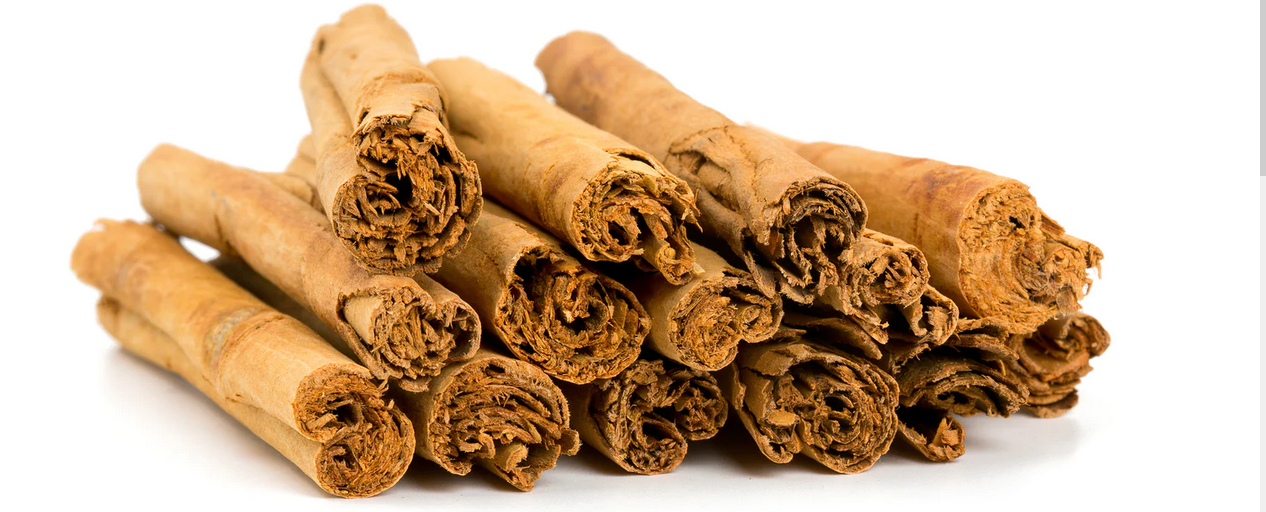
  • Appearance: Ceylon cinnamon quills are composed of many thin, tightly rolled layers and tend to be more fragile. Cassia sticks are harder, with fewer layers and a thicker bark.
  • Flavour: Ceylon cinnamon has a lighter, more complex and slightly citrusy flavour. Cassia is stronger, spicier, and somewhat more astringent.
  • Colour: Ceylon cinnamon is typically a lighter tan-brown; Cassia tends toward a deeper reddish-brown.
  • Origin: True Ceylon cinnamon is native to Sri Lanka and produced primarily there. Cassia varieties originate from China, Indonesia, and Vietnam.
  • Price: Ceylon cinnamon is generally more expensive at retail, reflecting both its more labour-intensive processing and its position as a premium spice.

For most culinary purposes, either type performs well. For regular daily use — particularly in households with children or individuals who consume cinnamon in large quantities — choosing Ceylon cinnamon is the evidence-based recommendation from food safety authorities.

How can I reduce my coumarin intake without giving up cinnamon?

Practical steps are straightforward:

  1. Switch to Ceylon cinnamon (Cinnamomum verum) for everyday cooking. Look for this label on spice packaging.
  2. Moderate the total amount used. Even with Cassia cinnamon, occasional use at typical culinary quantities poses a low risk for most healthy adults.
  3. Check supplement labels before starting a cinnamon supplement course, especially for long-term use.
  4. Note that coumarin dissolves more readily in fat and alcohol than in water — cinnamon in water-based preparations may release less coumarin than the same amount used in fatty or alcohol-based foods, though this effect is modest.

For those interested in the broader context of Sri Lankan spices and their culinary and wellness uses, cloves (Syzygium aromaticum) represent another important spice from the same island tradition, with a well-documented phytochemical profile.

Book this experience with Lakpura

Curated by our local team. Direct booking, instant confirmation.

Ask Lakpura® Agent