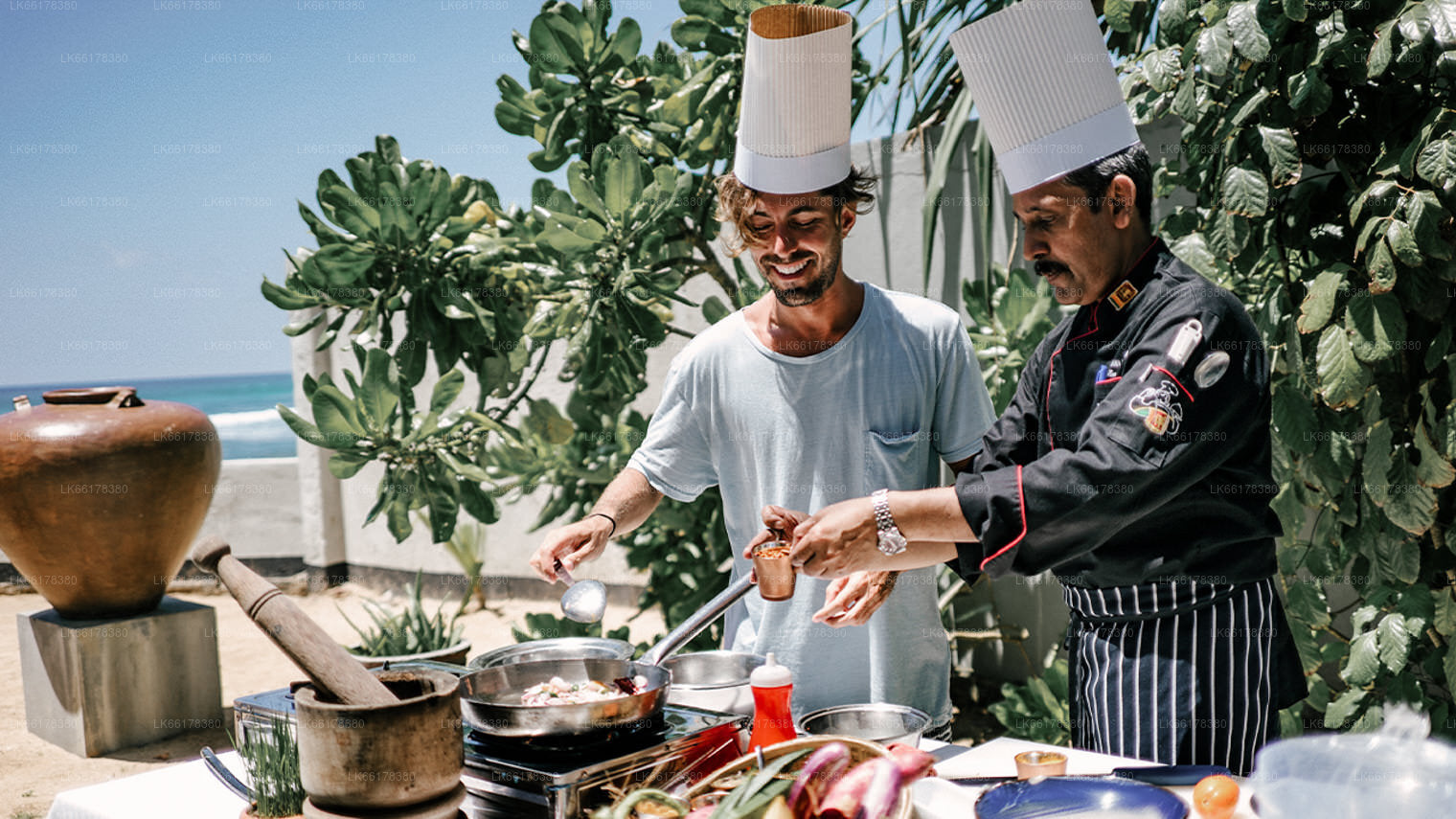
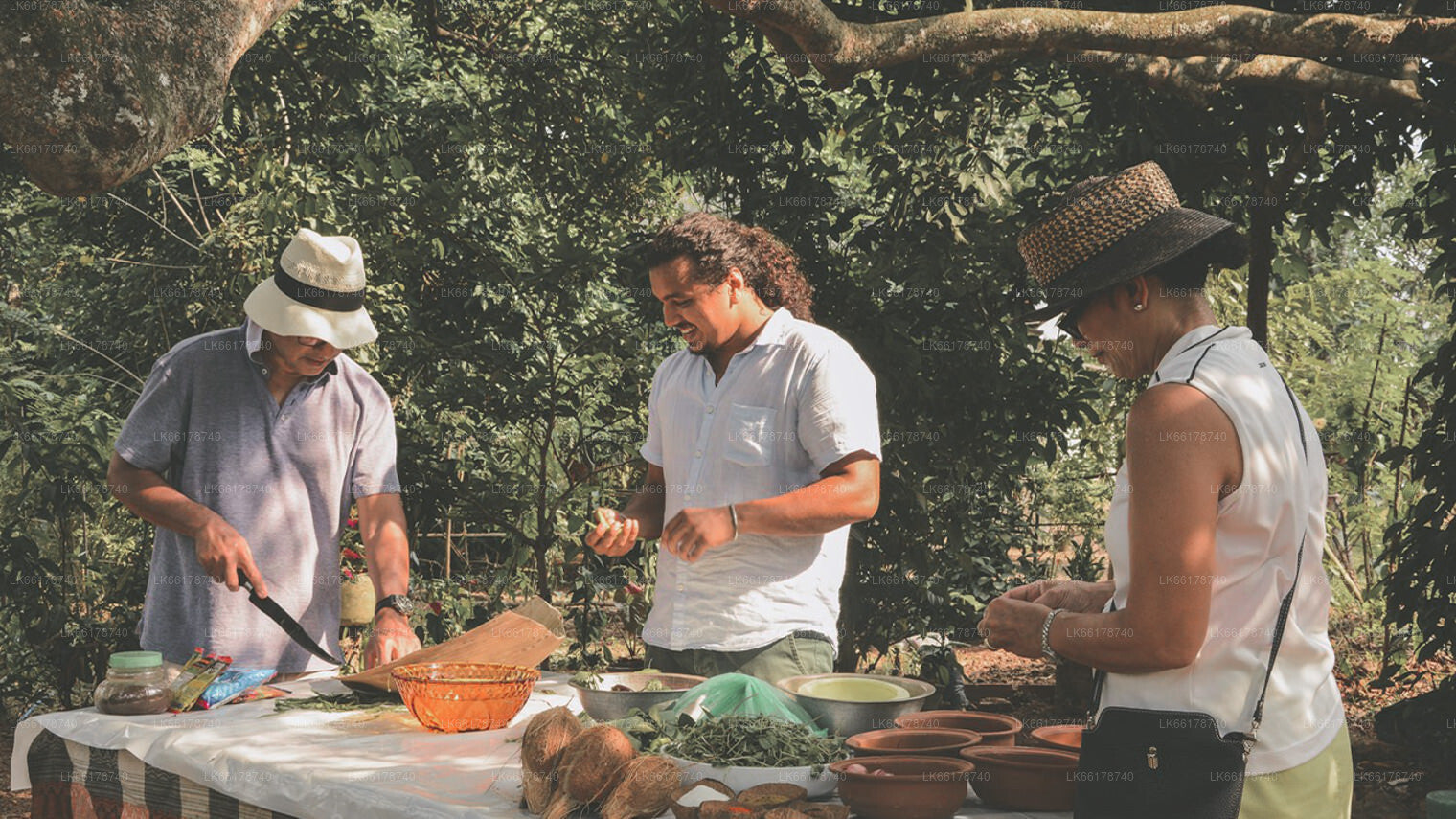
Sri Lankan food is one of the most complex and layered cuisines in South Asia, shaped by centuries of trade, migration, and agricultural diversity. Rice and coconut form the backbone of most meals, but it is the layering of spices — mustard seeds, fenugreek, Ceylon black pepper, curry leaves, and pandan — that gives the cuisine its distinctive character. Learning to cook these dishes yourself is one of the more meaningful ways to engage with the island's culture.
What does a Sri Lankan cooking class typically involve?
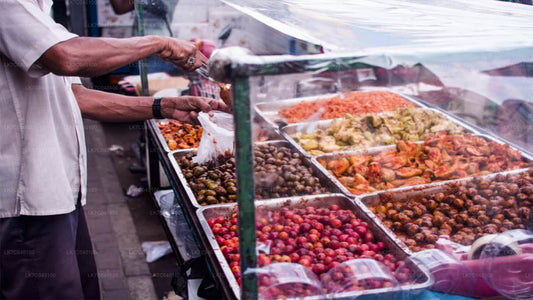
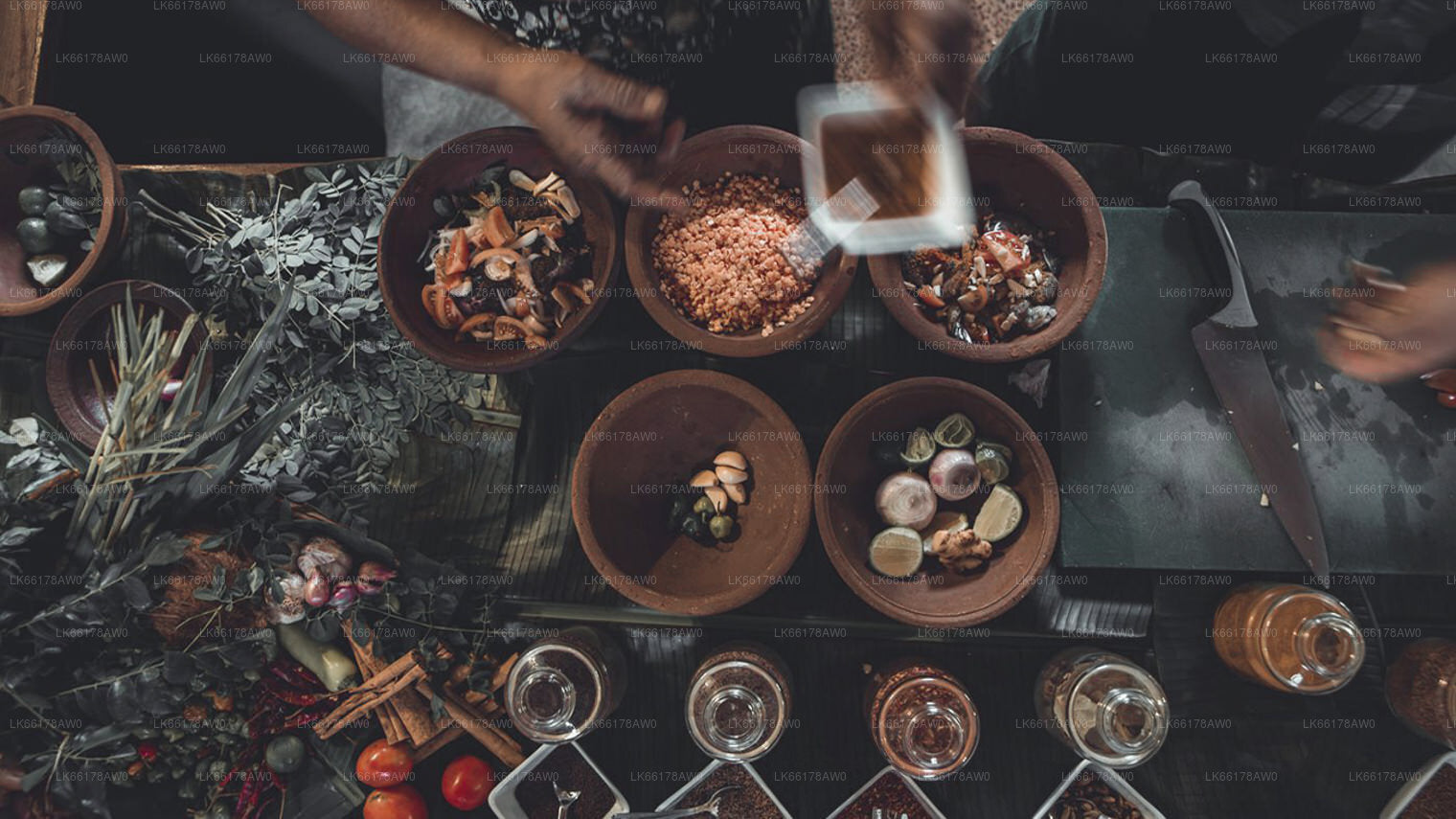
Most cooking experiences in Sri Lanka follow a similar arc: a morning visit to a local market or spice garden, followed by a guided session in a home kitchen or open-air cooking space. The market visit is not incidental — it is where you learn to distinguish raw curry powder from roasted, identify goraka (Garcinia cambogia, the souring agent used instead of tamarind in the south), and pick out the right variety of dried chilli for the heat level you want.
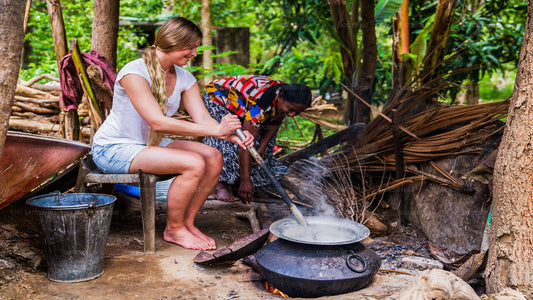
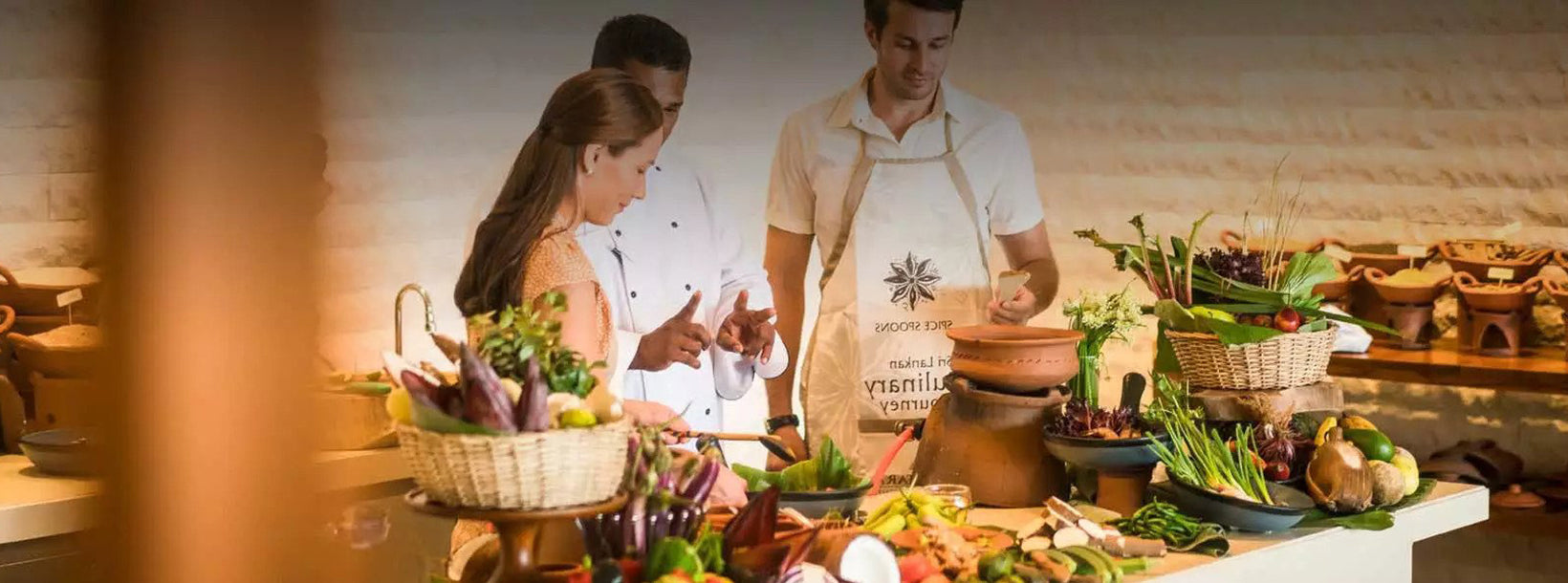
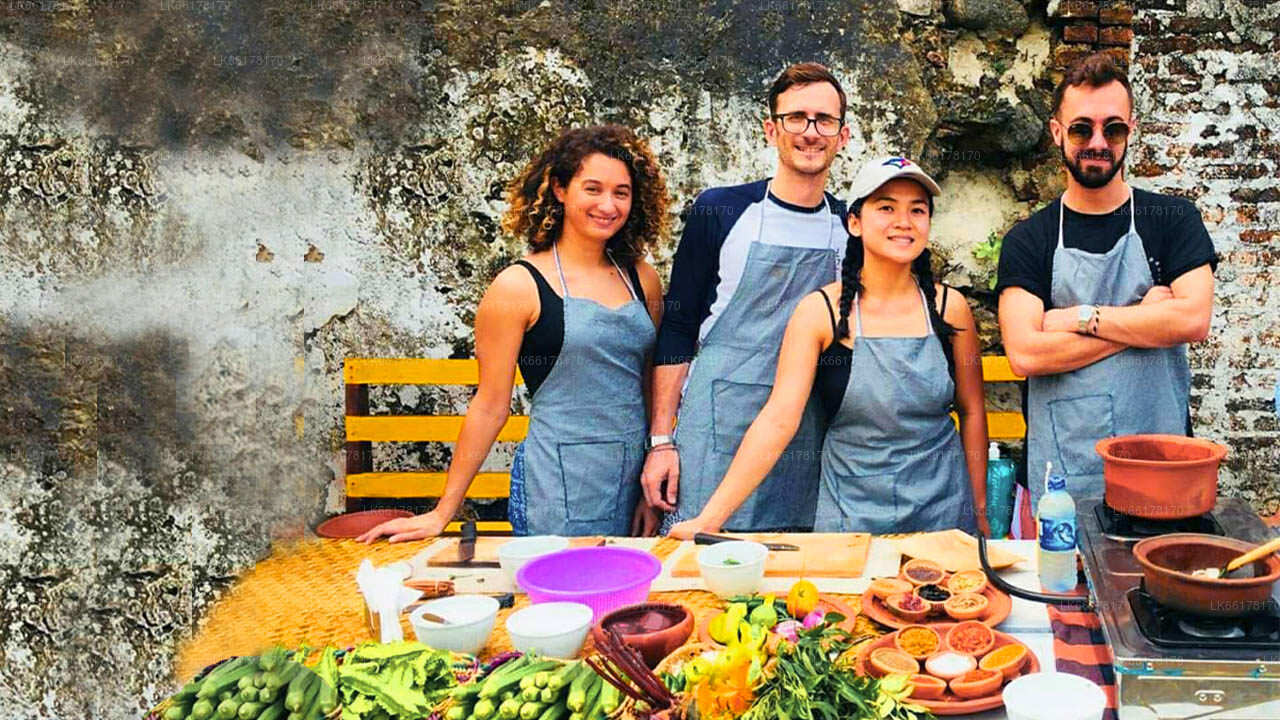
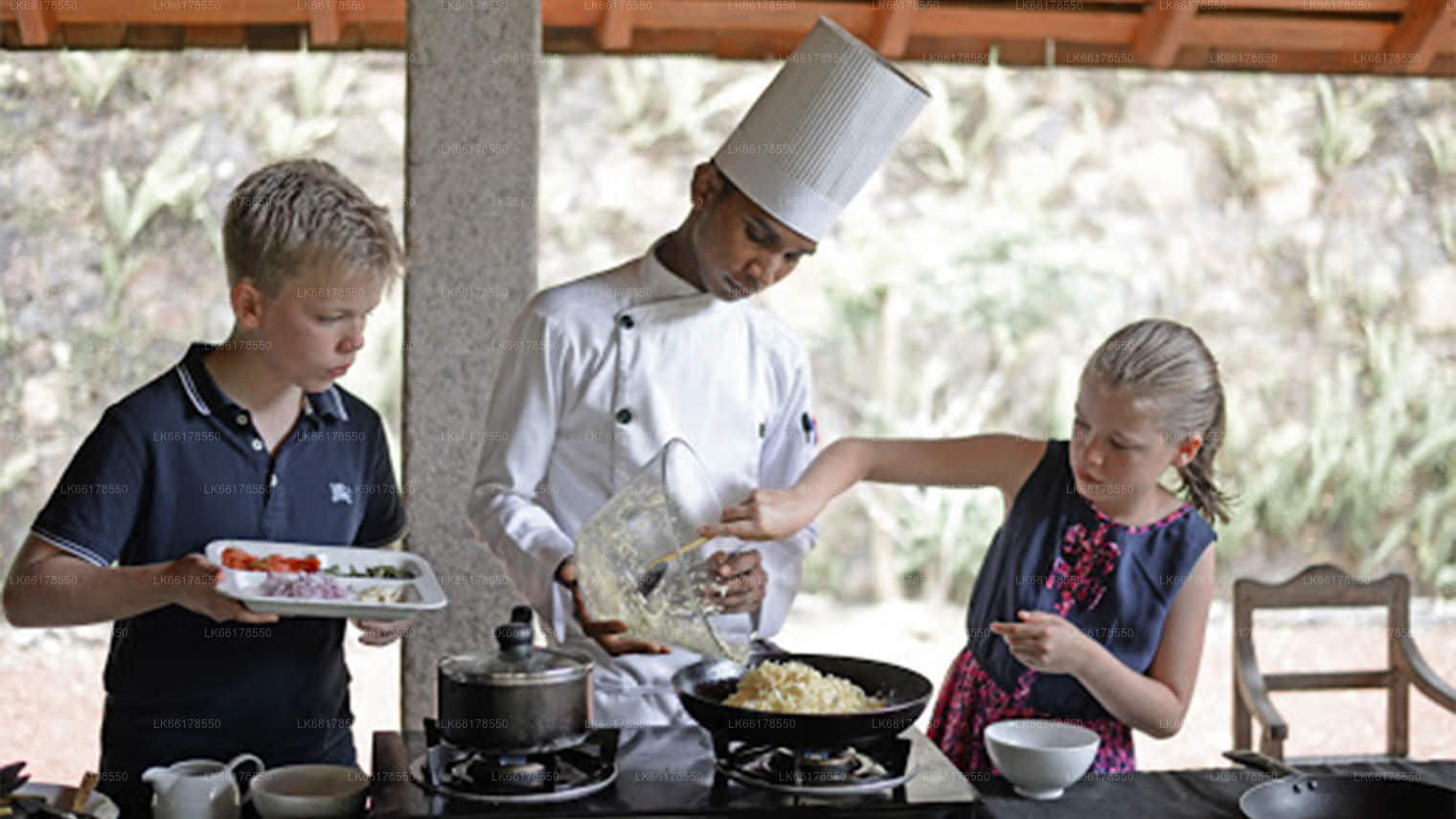
Back in the kitchen, a local cook — often a home chef rather than a restaurant professional — guides participants through tempering, a foundational technique in which whole spices are bloomed in hot oil before other ingredients are added. From there, classes typically cover a coconut milk curry, a dal dish, a fresh sambol, and rice cooked with coconut. Most sessions end with everyone sitting down to eat what they have cooked.
What dishes will you learn to cook?
The dishes taught vary by region and instructor, but a typical class covers:
- Rice and curry — the national staple, usually several curries served alongside plain or red rice
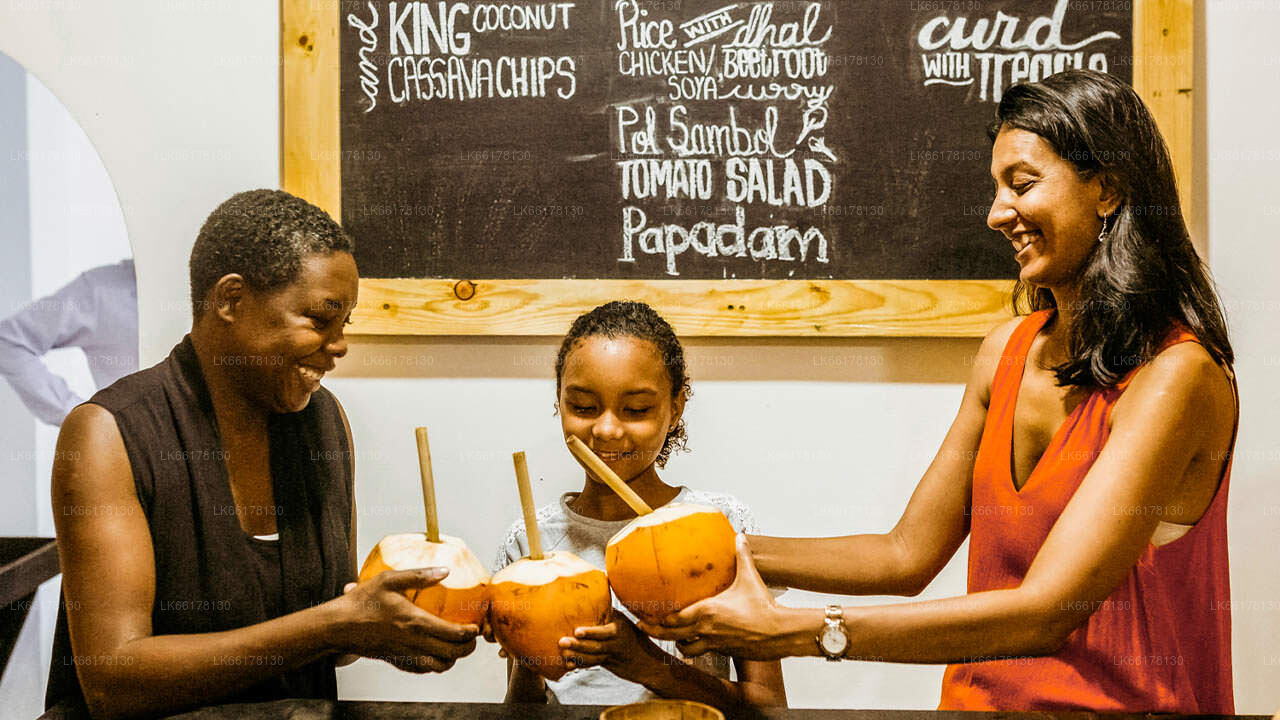
- Coconut sambol (pol sambol) — freshly grated coconut blended with red onion, chilli, lime, and Maldive fish
- Dhal curry — red lentils cooked with turmeric and tempered with mustard seeds and curry leaves
- Fish or prawn curry — particularly along the coast, where seafood is freshest
- Hoppers (appa) — bowl-shaped rice flour pancakes, sometimes with an egg set in the centre
- Kiri bath — coconut milk rice, often prepared for ceremonial occasions
- Seeni sambol — slow-cooked caramelised onion relish with Maldive fish and spices
In the north, classes may focus on Jaffna-style cuisine, which uses more tamarind and dried chilli and features dishes like Jaffna crab curry and pittu (a steamed cylinder of rice flour and coconut). In the hill country around Kandy or Ella, expect locally grown vegetables such as jak fruit, breadfruit, and winged beans to feature prominently.
How do cooking experiences differ across Sri Lanka?
Geography shapes the curriculum as much as tradition does. On the southern coast — in Galle, Ahangama, or Unawatuna — classes often pair a morning at the fish market with a seafood-focused cooking session. Inland, in areas like Matale and Kandy, spice gardens are frequently part of the itinerary, giving participants a chance to see cinnamon, cloves (Syzygium aromaticum), and nutmeg growing before they are used in the kitchen.
In the Cultural Triangle around Sigiriya and Habarana, some operators combine a village cycling tour with an outdoor cooking demonstration, offering a fuller picture of rural Sri Lankan life. The Sigiriya village setting, with its small paddy fields and home gardens, provides useful context for understanding where the ingredients on the table actually come from.
Jaffna-based cooking experiences are fewer in number but particularly rewarding for travellers interested in Tamil culinary traditions, which differ substantially from Sinhalese cooking in their spice profiles, cooking fats, and key dishes.
What ingredients are central to Sri Lankan cooking?
Understanding a handful of key ingredients goes a long way toward understanding the cuisine as a whole:
| Ingredient | Role in Sri Lankan cooking |
|---|---|
| Coconut (scraped, milk, oil) | Base for curries, sambols, and sweets; used at almost every meal |
| Curry leaves | Aromatic herb fried in oil at the start of most dishes |
| Pandan leaves | Adds a grassy sweetness to rice, desserts, and some curries |
| Goraka (Gamboge) | Dried souring agent used in southern fish curries |
| Maldive fish | Dried, cured tuna that adds depth and umami to sambols and curries |
| Jaggery (kithul or palm) | Unrefined palm sugar used in sweets and to balance heat |
| Raw mango | Used green for acidity in chutneys and curries |
Kitul tapping — the harvesting of sap from the kitul palm to produce treacle and jaggery — is a traditional craft still practised in the wet zone, and some cooking tours include a visit to see it in person.
Is Sri Lankan food very spicy?
Sri Lankan food can be among the hottest in Asia when prepared at full strength, but most cooking classes calibrate heat to the comfort level of their guests. The key chillies are nai miris (long green or red, moderately hot) and kochchi miris (a small, fiercely hot variety). Roasted curry powder produces a darker, smokier heat than raw curry powder, which is used for milder dishes like white curries. Instructors typically explain these distinctions and allow participants to adjust quantities as they cook.
What should I know before booking a cooking class?
Most classes run for between two and four hours and accommodate small groups. Vegetarian and vegan options are widely available — Sri Lankan cuisine has a strong vegetable-forward tradition, particularly in Buddhist households. It is worth confirming whether the class includes a market visit, as this adds considerable depth to the experience. Classes that take place in a home kitchen rather than a restaurant or hotel setting tend to offer a more personal interaction with local food culture.
If you have dietary restrictions or allergies, communicate these when booking — Maldive fish, shellfish, and nuts appear in many traditional recipes, and a good instructor will adapt. Some experiences, particularly those in rural areas, may require a short drive from the nearest town, so factor travel time into your planning.
How does cooking fit into a broader Sri Lanka itinerary?
A cooking class pairs naturally with other food-adjacent experiences — visiting a working tea estate such as Bluefield Tea Gardens, touring a spice market, or stopping at a fruit farm like Midigama Fruit Farm. In Colombo, a market tour combined with a cooking session makes for a full and rewarding half-day. Along the south coast, it slots comfortably into a beach-focused itinerary without demanding an early start. In the hill country, cooking classes often pair with a Kandy city tour or a morning walk through tea country.
For travellers who want to take something home beyond photographs, the skills and recipes learned in a Sri Lankan kitchen travel well — the core spices are available to buy at most markets and many airport shops.