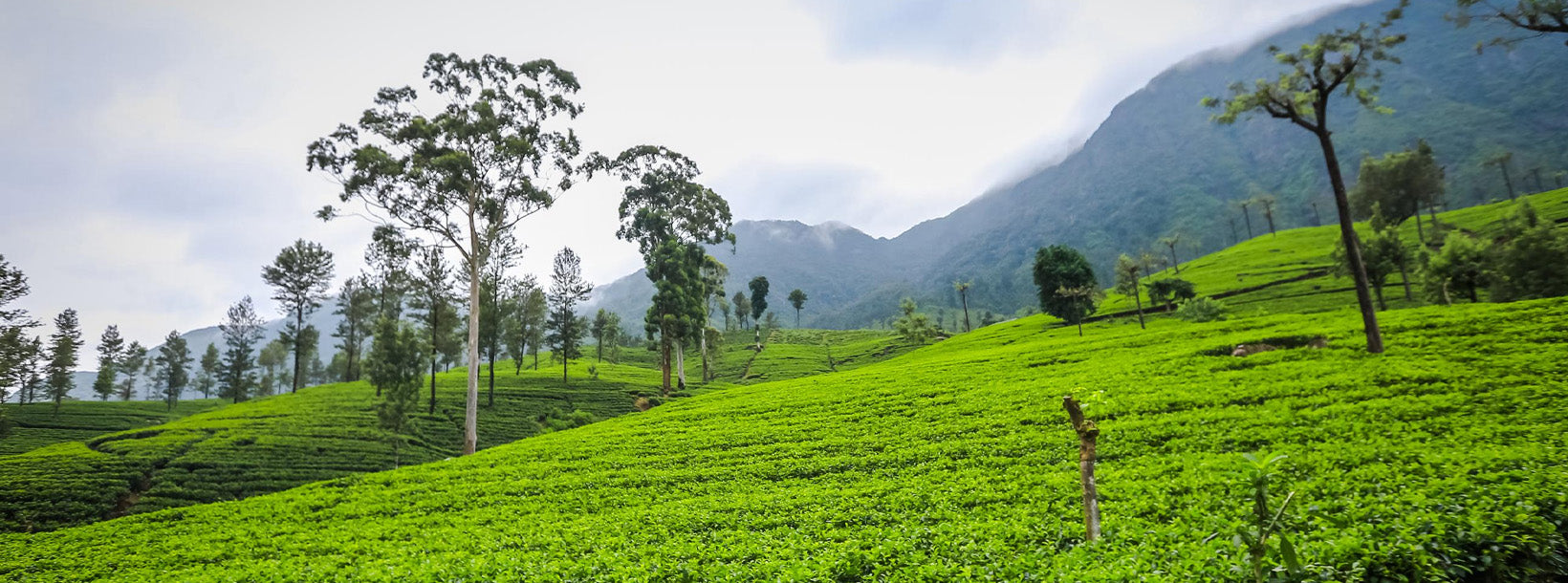
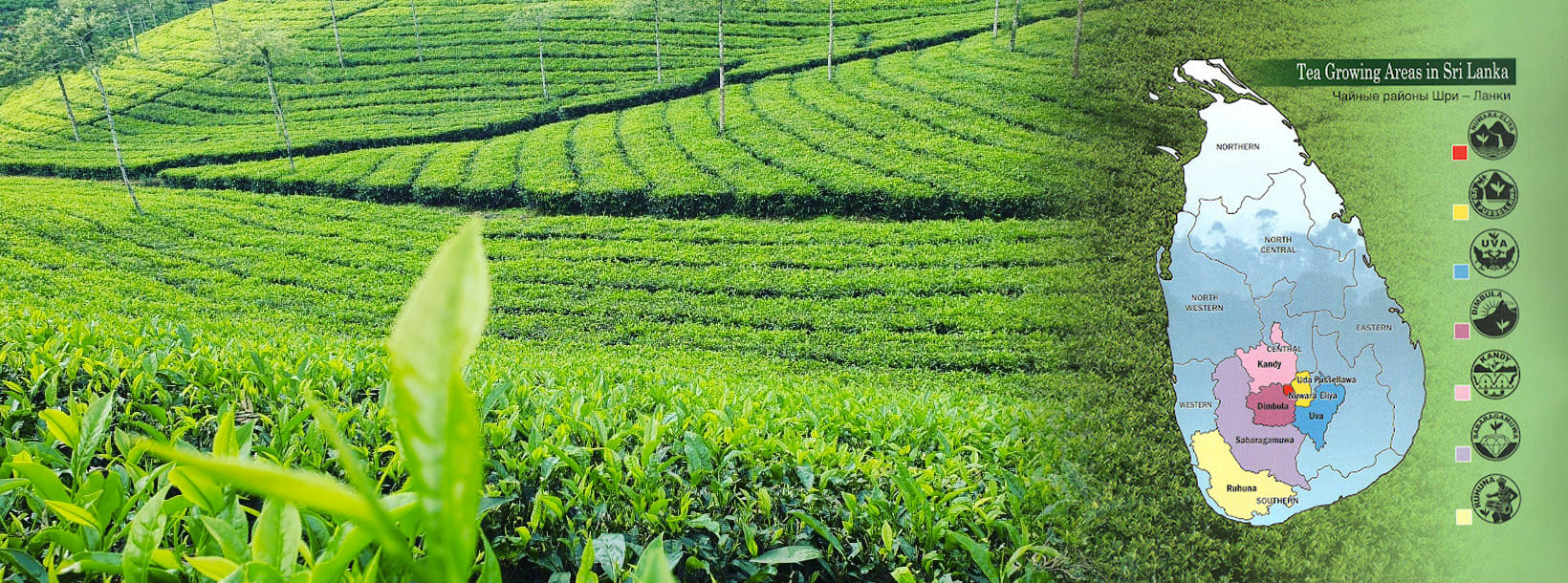
Nestled in the central highlands between Nuwara Eliya and Kandyan foothills, Uda Pussellawa is one of Sri Lanka's quieter but most characterful tea-growing districts. The area sits at elevations ranging from roughly 5,000 to 6,000 feet above sea level — slightly lower than its famous neighbour Nuwara Eliya, but high enough to produce teas with genuine complexity and a flavour profile that sets them apart from every other region on the island.
The district is almost entirely given over to tea cultivation. Rolling estate land stretches in every direction, broken only by factory rooftops and the occasional small settlement. For a traveller who has seen the crowded viewpoints of Nuwara Eliya, the relative calm of Uda Pussellawa offers a more unhurried encounter with Sri Lanka's hill-country tea country.
What makes Uda Pussellawa tea different from other Ceylon teas?
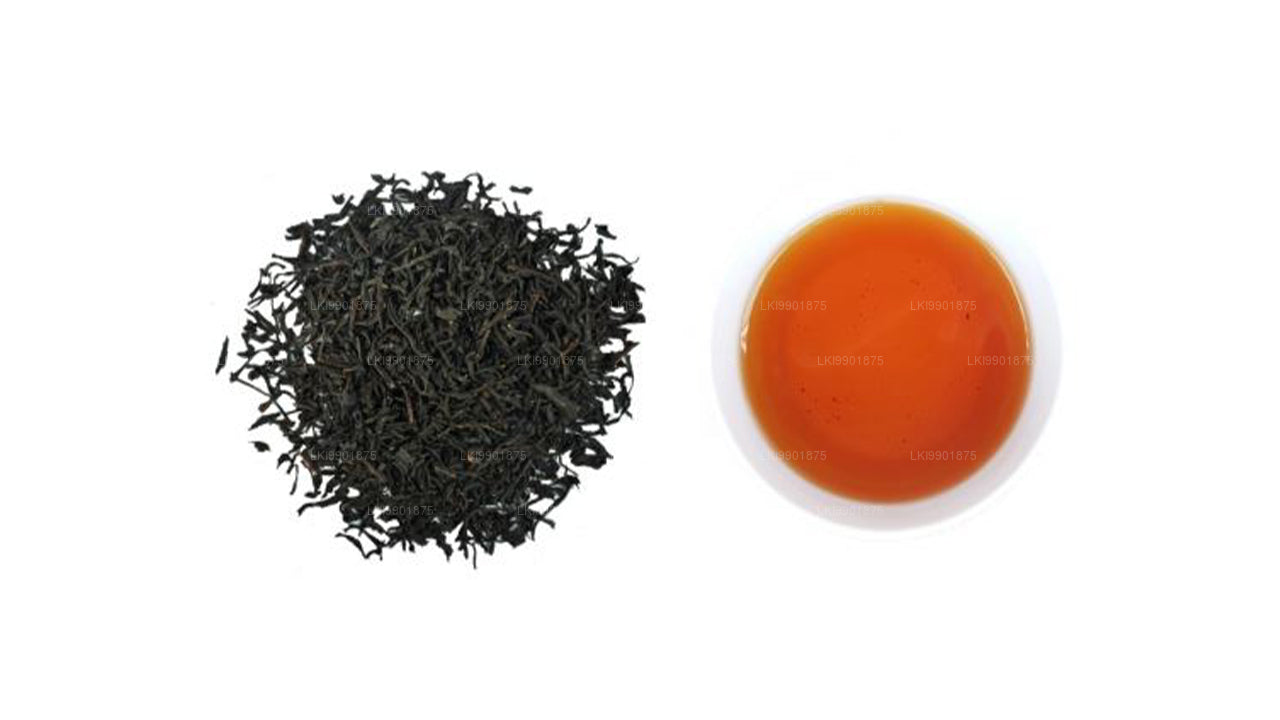
The most immediate clue is in the cup. Uda Pussellawa tea brews to a darker liquor than teas from Nuwara Eliya, carrying a distinctive pinkish hue — a characteristic that experienced buyers and tea sommeliers use to identify the region at a glance. The flavour tends toward medium body with a subtle, almost floral character reminiscent of rose, together with a gentle but perceptible strength that makes it satisfying without being heavy.
This personality is shaped by altitude, soil composition, and the particular way in which the two quality seasons interact with the local microclimate. The upper sections of the district, which border Nuwara Eliya immediately to the west, share in the climatic influences of that elevation, lending an extra brightness to teas produced on those higher slopes.
Uda Pussellawa estates produce a wide variety of leaf sizes and grades — from fine broken-orange-pekoe grades suited to a brisk morning brew to larger-leaf orthodox grades that reward a slower, more considered infusion. Exploring the range is one of the pleasures of the region for any serious tea enthusiast. You can read more about the broader world of Ceylon Tea to understand where Uda Pussellawa sits within Sri Lanka's seven principal growing regions.
When are the best quality seasons for Uda Pussellawa tea?
Unlike many agricultural products, tea quality in Sri Lanka is tied not to a harvest month but to weather cycles called quality seasons, which differ by region depending on which monsoon each area is sheltered from. Uda Pussellawa benefits from two distinct quality periods each year.
- Eastern quality season (June to September): Widely regarded as producing the best teas of the year from this district. During these months, the northeast monsoon withdraws and dry conditions prevail on the eastern slopes. The result is slower cell growth in the leaf, concentrating sugars and aromatic compounds. Teas from this period show the region's characteristic pinkish liquor at its clearest, with a refined rose note and clean finish.
- Western quality season (January to March): The dry, cool conditions created by the retreating southwest monsoon bring a complementary flush. Teas from this period are slightly more robust, with that same hint of rose but a little more body — a pleasing contrast that keeps buyers returning to auction for both flushes.
Outside these windows, heavier rainfall pushes the bushes to grow faster. The resulting leaf tends to produce a darker, stronger brew — still perfectly drinkable and widely used in blends, but lacking the nuance that defines the quality-season teas.
Which estates should I look for when buying Uda Pussellawa tea?
The district is home to several well-regarded estates, each producing teas with subtle differences in character shaped by their specific elevation, aspect, and factory method. Among the most consistently noted at auction are Gonapitiya, Alma, Delmar, Liddesdale, and Mooloya estates. Fine broken grades (FBOP, FBOPF1) from Gonapitiya and Alma are especially sought after for their balanced cup, while the OP and OPA grades from Alma reward those who prefer a longer-leaf infusion with a lighter, more delicate flavour. Liddesdale's BOPF and BOPFSp grades offer a dependable everyday option with good colour and strength.
Single-estate teas from Uda Pussellawa remain relatively rare outside Sri Lanka, making them a rewarding find for anyone interested in provenance-driven tea. When you see a specific estate name and grade on the label, you can trace the character of that cup directly back to a defined patch of hillside — a level of transparency that even many specialist retailers cannot always offer.
How does Uda Pussellawa compare with Nuwara Eliya tea?
| Characteristic | Uda Pussellawa | Nuwara Eliya |
|---|---|---|
| Elevation | ~5,000–6,000 ft | ~6,000–6,500 ft |
| Liquor colour | Dark with a pinkish hue | Pale golden-amber |
| Body | Medium, perceptible strength | Light, delicate |
| Key flavour note | Rose, subtle floral | Brisk, grassy, mint-edged |
| Quality seasons | Eastern (Jun–Sep), Western (Jan–Mar) | Western (Jan–Mar) |
| Profile best suited to | Morning cup, light milk | Afternoon cup, plain or light milk |
The comparison is useful rather than competitive. Tea drinkers who find Nuwara Eliya teas a little too light often discover that Uda Pussellawa is the step up in character they were looking for, without crossing into the fuller body of a Dimbula or Uva tea.
Can I visit a tea estate in Uda Pussellawa?
The district is not as heavily trafficked by tour groups as the Nuwara Eliya plateau, which makes estate visits here feel more genuine. Most working estates accept visitors for factory tours and plucking demonstrations, particularly during the morning hours when fresh leaf arrives from the field. Guests can observe the full orthodox process — withering, rolling, fermentation, firing, and grading — and taste teas directly from the production line.
For visitors staying in the hill country, Uda Pussellawa pairs well with a broader circuit that might include Horton Plains National Park and the surrounding highland landscape. The journey between Nuwara Eliya and Uda Pussellawa itself passes through some of the most scenic tea country in Sri Lanka, with uninterrupted views across plucked fields that slope steeply down to forested valley floors.
If tea tourism is a priority, the Bluefield Tea Gardens in the broader hill-country region offer a well-organised visitor experience that complements a visit to Uda Pussellawa estates.
How do I get to Uda Pussellawa from Colombo or Kandy?
Uda Pussellawa lies between Kandy and Nuwara Eliya on the A5 highway. From Kandy, the drive typically takes around two to three hours depending on road conditions and traffic through the winding mountain sections. From Colombo, allow four to five hours by road. The Nanu Oya railway station, which serves Nuwara Eliya, is the closest main-line stop; from there, a private car or tuk-tuk can reach the Uda Pussellawa district in under an hour. Travelling by the scenic hill-country train from Kandy to Nanu Oya is one of the most memorable rail journeys in South Asia and a worthwhile experience in itself.
Accommodation in and around Uda Pussellawa ranges from boutique bungalows converted from colonial-era estate managers' quarters to more modern guesthouses. Many visitors choose to base themselves in Nuwara Eliya and make day trips into the district, which is a practical option given the proximity of the two areas.