Lakpura
Lakpura®

Nuwara Eliya Tea

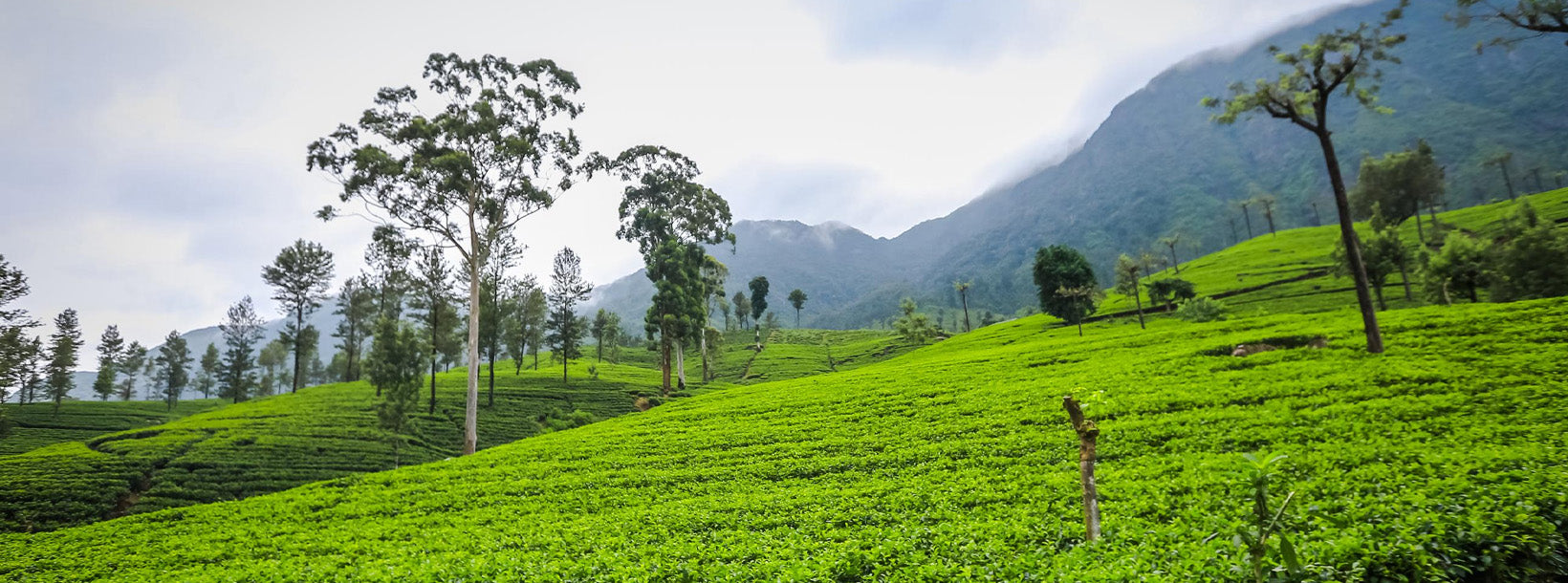
At roughly 1,800–2,000 metres above sea level, Nuwara Eliya sits higher than any other tea-growing district in Sri Lanka. That elevation — combined with cool temperatures, persistent mist and a relatively low annual humidity — gives the district's tea a character that connoisseurs prize above almost all other regional varieties of Ceylon Tea. The cup is pale, the aroma is delicate, and the finish is clean. Understanding why requires a closer look at the land itself.

What makes the Nuwara Eliya climate so unusual for tea?

The annual average temperature in Nuwara Eliya ranges between 11 °C and 20 °C, with the lowest recorded temperature sitting just above freezing at 0.4 °C and the highest at 27.7 °C. Monthly rainfall fluctuates between 70 mm and 225 mm, producing an annual precipitation of around 1,900 mm. October typically sees the heaviest rainfall; March is the driest month. Relative humidity runs between 65% and 87% throughout the year.

These conditions are not hospitable to fast growth. The tea bush struggles in the cold, putting its energy into producing fewer, smaller leaves rather than rapid vegetative growth. That slow development concentrates the aromatic compounds that make Nuwara Eliya tea so distinctive.

What does Nuwara Eliya tea taste like?

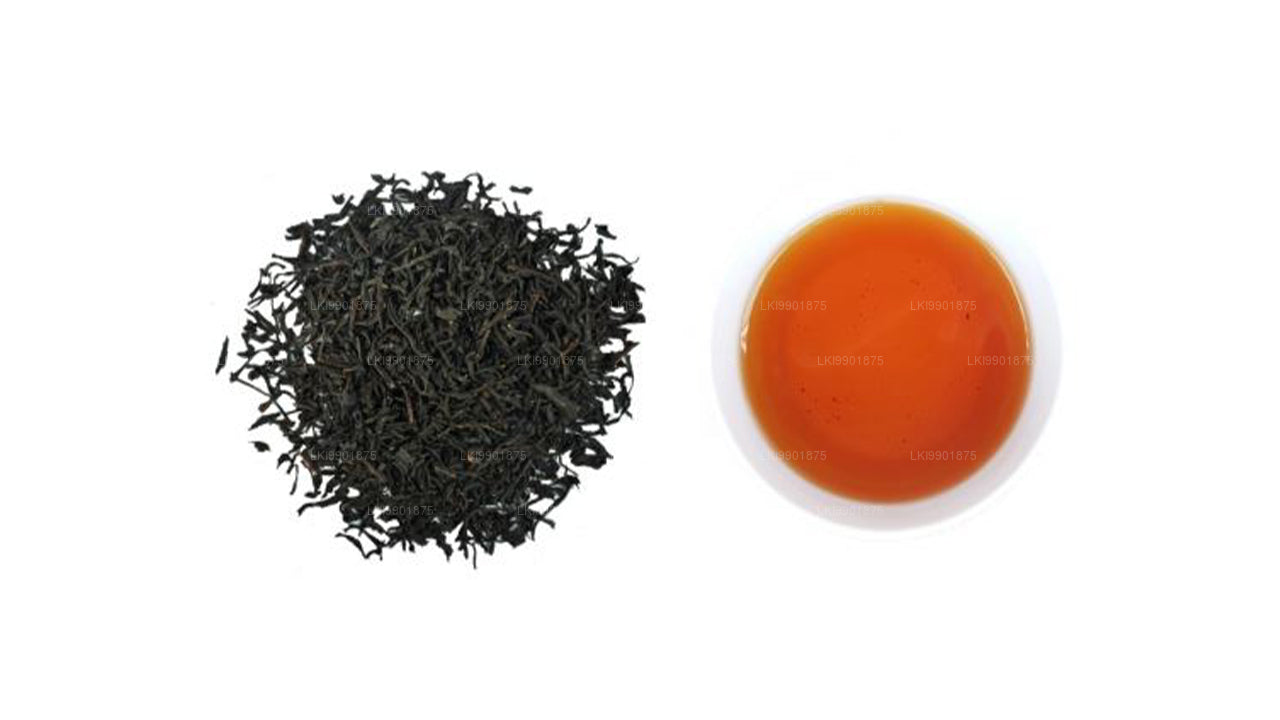
The infusion colour is the palest of any Sri Lankan regional variety — a subtle golden hue that looks almost like a well-made green tea. The aroma is floral and high-toned, sometimes described as having a rose-like or eucalyptus note, depending on the estate and season. On the palate, expect lightness, brightness and a clean astringency rather than the deep body of a low-grown Ruhuna or the brisk strength of a Dimbula.

After withering, the leaf takes on a faint orange tint against its dark background — a visual cue that experienced tea buyers use to assess quality. The infused leaf itself turns a greenish-yellow, a further indicator of the district's unique processing character.

When are Nuwara Eliya's two quality seasons?

Unlike some Sri Lankan districts that produce their finest tea during a single flush, Nuwara Eliya benefits from two distinct quality seasons — one driven by the northeast monsoon (broadly January to March) and one by the southwest monsoon (broadly July to September). During these inter-monsoon dry spells, reduced moisture in the air concentrates the flavour compounds in the leaf, producing what the trade calls "quality teas." Buying or visiting during these windows gives the best chance of tasting the district at its most expressive.

What tea grades come from Nuwara Eliya?

Like all Sri Lankan growing regions, Nuwara Eliya produces a range of grades determined by how the leaf is cut and sorted after processing.

  • Orange Pekoe (OP): The most sought-after whole-leaf grade from this district. The long, wiry leaf produces a delicate, aromatic cup. Prices at auction reflect the prestige attached to Nuwara Eliya OP, and some estate lots have set record figures — the Pettiagalla Estate is one well-documented example of the heights Nuwara Eliya tea can reach.
  • Broken Orange Pekoe (BOP): A step down in leaf size and a step up in strength. Still a premium product by the standards of the wider market, BOP from Nuwara Eliya retains a good deal of the district's characteristic brightness and is considerably more accessible in price.
  • Smaller particle grades (BOPF, Dust, Fannings): Used primarily in teabag production. The flavour is stronger and less nuanced, though the regional character is still discernible to an experienced palate. As a general rule, the smaller the leaf particle, the bolder and less subtle the cup.

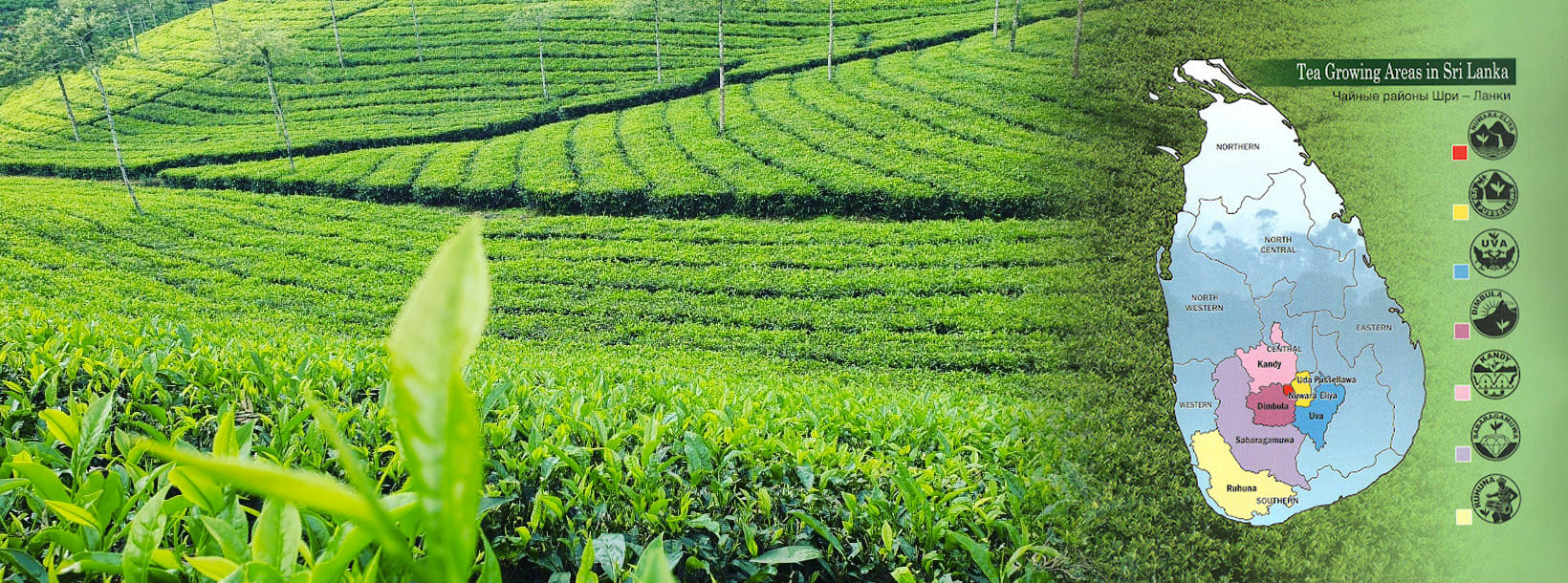
How does Nuwara Eliya tea compare with other Sri Lankan regions?

Region Elevation Cup colour Flavour profile
Nuwara Eliya ~1,800–2,000 m Pale golden Delicate, floral, high-toned
Uva ~1,200–1,700 m Bright amber Brisk, slightly spicy, medium body
Dimbula ~1,050–1,600 m Reddish-amber Full-bodied, mellow, slightly malty
Sabaragamuwa ~300–600 m Deep red Strong, robust, low astringency

The comparison makes clear why Nuwara Eliya occupies a niche at the top of the Ceylon Tea hierarchy. It is not a tea for drinkers who want a strong, milk-friendly brew — it rewards those who drink it plain, at a slightly lower brewing temperature, to appreciate the aromatics.

What is the difference between Ceylon green tea and Nuwara Eliya black tea?

Both styles are produced in the hills of Sri Lanka, but the processing route diverges sharply after plucking. Black tea undergoes full oxidation, which develops the golden infusion and complex tannins associated with Nuwara Eliya OP. Ceylon Green Tea, by contrast, is fired or steamed immediately after withering to prevent oxidation, producing a grassy, lighter-bodied cup. A handful of estates in the Nuwara Eliya district produce green tea, taking advantage of the same high-altitude leaf, but the overwhelming majority of the district's output is processed as black tea.

How can I visit a tea factory in Nuwara Eliya?

Most working estates in the district welcome visitors for guided factory tours, typically covering the six classic stages of Ceylon Tea production: withering, rolling, fermentation, firing, sorting and grading. Tours usually conclude with a tasting session. The Bluefield Tea Gardens offer one of the more accessible and well-presented plantation experiences in the region.

If you prefer to combine a plantation visit with a stay, several tea-estate bungalows and converted factory hotels operate in and around Nuwara Eliya, offering an immersive introduction to the tea-country way of life. The hill town itself is worth a half-day of exploration — the racecourse, Gregory Lake and the colonial-era architecture of The Grand Hotel are all within easy walking distance of the centre.

Nuwara Eliya is also a practical base for visiting Horton Plains National Park, whose montane grasslands and World's End escarpment lie roughly 30 km to the south, and the scenic highland town of Ella about 40 km east.

How should I brew Nuwara Eliya tea properly?

Because the leaf is delicate, slightly lower water temperatures — around 85–90 °C rather than a rolling boil — help preserve the floral aromatics. A steep time of two to three minutes suits whole-leaf OP grades; BOP and finer cuts infuse faster and can become bitter if left too long. Use a warmed pot or cup to maintain temperature during brewing. Nuwara Eliya tea is best appreciated without milk, allowing the pale colour and subtle bouquet to come through fully.

Book this experience with Lakpura

Curated by our local team. Direct booking, instant confirmation.

Ask Lakpura® Agent