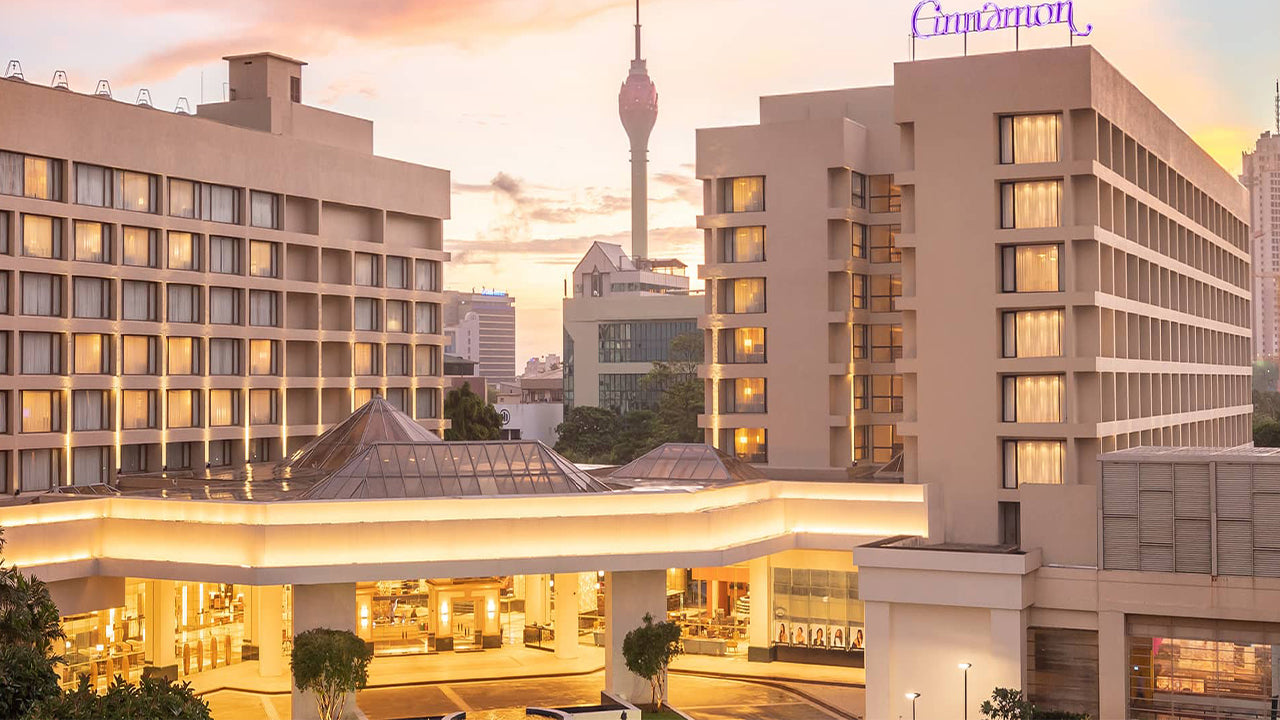
Origins of Kollupitiya (Colpitty)

Origins of Kollupitiya (Colpitty)

There was a time when Kollupitiya was known as Baradeniya. It was a beautiful rustic village with coconut gardens and cinnamon trees that grew wild and narrow cart-tracks which connected the few villas and homes here with the rest of the country. For the purpose of postal services ‘Colombo 03’ consists of Kollupitiya.

How Baradeniya became Kollupitiya

The year was 1664 and the king was Rajasinghe II whose cruel acts embittered his subjects. Three Kandiyan chiefs sought to slay the king and place his 12-year-old son on the throne. One of the conspirators was Udanuwara Ambanwela Appuhamy. When the plot failed, the king had two of the rebel leaders beheaded. However, instead of executing Abanwela Appuhamy, the most feared of the rebels, he handed him over to the Dutch to undergo what he thought would be a more brutal torture. Instead the Dutch set him free. Ambanwela Appuhamy took the Dutch name of Van Ry-cloff and built up a good relationship with the Dutch who gave him a large plot of land by the sea where he grew a coconut plantation which soon expanded over the ancestral farms of the natives who dared not complain. They could only retaliate by calling the plantation Kolla-ke-pitiya meaning 'Plundered land'. Today, there is still an area in Kollupitiya that is called Polwatte.

The footprints of Galle Face

Colombo 03 begins with Galle face south of Colombo Fort (Colombo 01). Originally a vast swamp, the Portuguese and Dutch used this piece of land as a strategic defense. It was the British who developed the Green into a leisure ground. The 19th century paintings of John Deschamps, show the Galle-Face esplanade with a high road running through the centre of it. Added later was a promenade by the sea and a driveway bordering the lake where the Dutch Military cemetery was. Deschamps describes it as forming not only the principal exercising ground of the garrison, but also the general promenade of the inhabitants of Colombo and its vicinity. “On foot, on horseback, or in carriages, people flocked to this salubrious setting to inhale the delicious breeze which is almost always to be found by the sea side of this part of the Island”. The Galle Face esplanade or Green was established by Governor Ward in 1859. An inscription reads "in the interest of the ladies and children of Colombo ".

Cricket, football and polo were played on the Green. In 1829, horse racing was established under the auspices of Sir Edward Barnes. A circular race stand was built by subscription. Initially it was a building of brick, coated with a plaster of chunam. Its conical roof was covered with an excellent thatch of kehjan (woven coconut leaves). From here a view of the whole course could be obtained. The race-balls were held here, the upper room being cool and airy for dancing; card-tables were placed in the verandahs, whilst the lower portion formed a good supper-room. Subsequently the roof was tiled. By the 1870s it had become a more substantial building and was known as the Colombo Club. This building still stands, even though maybe not in its original modest form, and is now the Crystal Ballroom of the Taj Samudra Hotel Colombo.

At one end of the green was the Galle Face Boarding House, forerunner of the present Galle Face Hotelwhich was constructed in 1887. Today the green has lost much in its extent but after a long period of neglect has recently been restored back to the ch

콜롬보 지구 소개

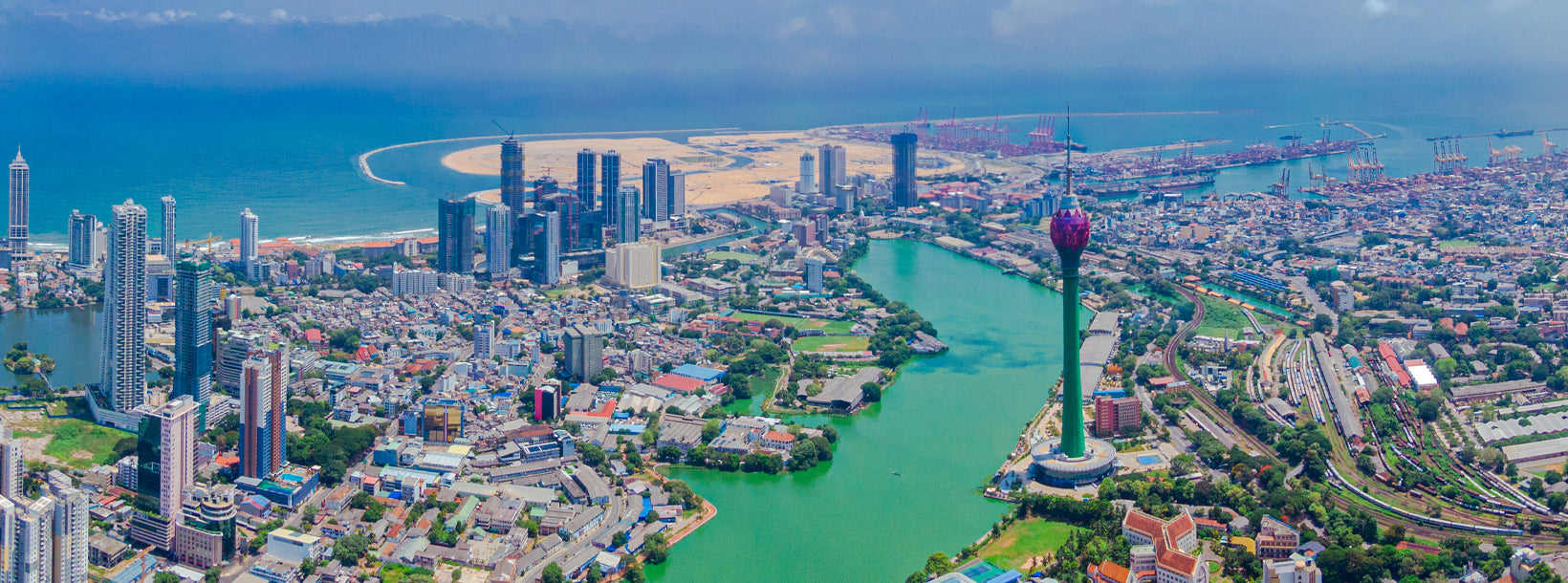
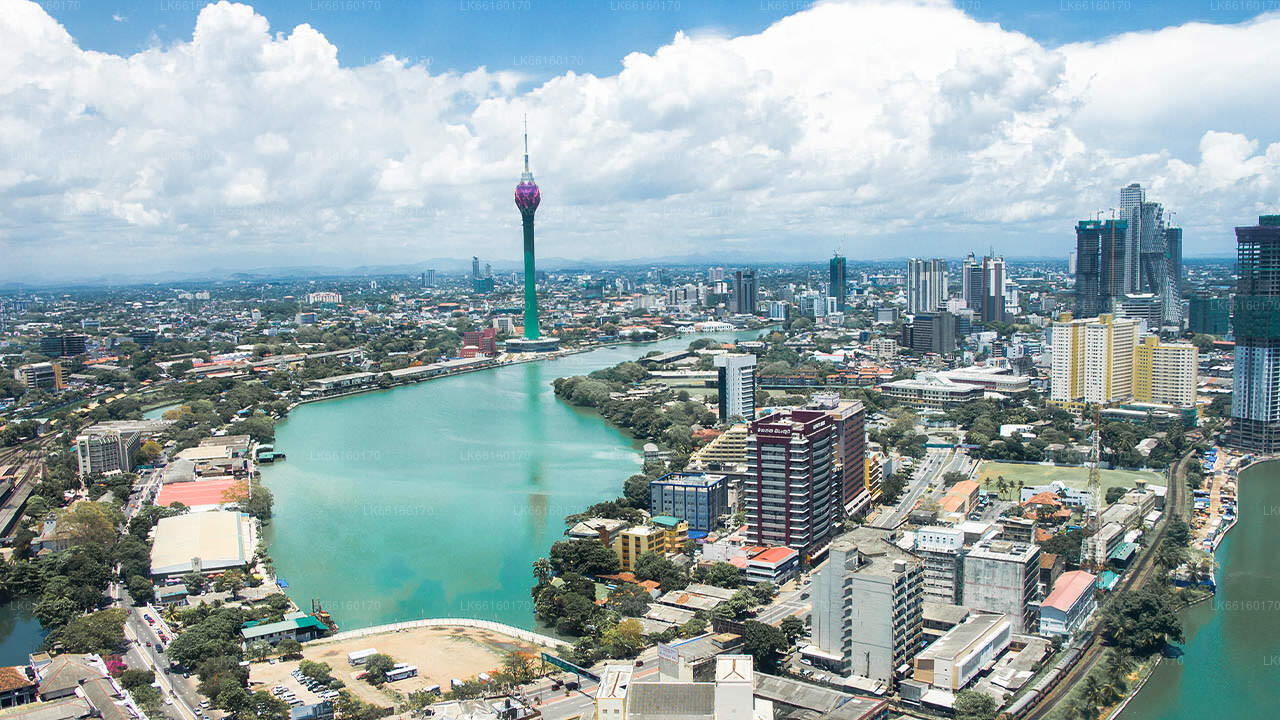
콜롬보는 스리랑카에서 가장 큰 도시이자 상업 중심지입니다. 섬의 서쪽 해안에 위치하며 수도인 스리자야와르데네푸라코테와 인접해 있습니다. 콜롬보는 현대적인 삶과 식민지 시대 건물 및 유적이 조화를 이루는 활기 넘치는 도시로, 인구는 647,100명입니다. 콜롬보, 감파하, 칼루타라 지구로 구분되는 콜롬보 수도권은 약 5,648,000명의 인구를 보유하고 있으며, 면적은 3,694.20km²입니다. 콜롬보는 다민족, 다문화 도시입니다. 스리랑카에서 인구가 가장 많은 도시로, 시 경계 내에 642,163명이 거주합니다. 콜롬보의 인구는 주로 싱할라족, 무어족, 타밀족 등 다양한 민족이 혼합되어 있습니다. 이 도시에는 중국, 포르투갈, 네덜란드, 말레이, 인도계 주민들로 구성된 소규모 공동체와 수많은 유럽계 외국인들이 거주하고 있습니다. 스리랑카 기업의 대다수는 콜롬보에 본사를 두고 있습니다. 화학, 섬유, 유리, 시멘트, 가죽 제품, 가구, 보석류 등의 산업이 이곳에 있습니다. 시내 중심부에는 남아시아에서 두 번째로 높은 건물인 세계 무역 센터가 있습니다.
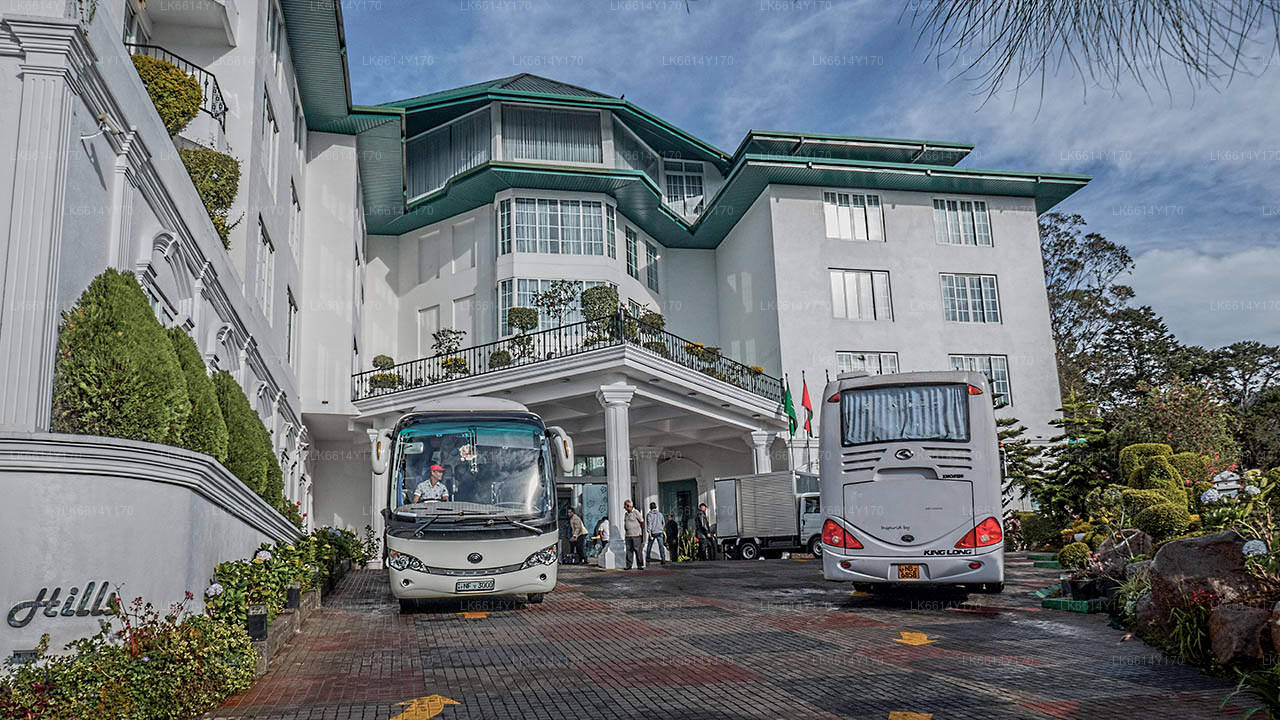
서부 지방에 대하여

서부 주는 스리랑카에서 인구 밀도가 가장 높은 주입니다. 입법 수도인 스리자야와르데네푸라코테와 국가의 행정 및 비즈니스 중심지인 콜롬보가 있습니다. 서부 주는 콜롬보(642km²), 감파하(1,386.6km²), 칼루타라(1,606km²)의 세 개의 주요 지구로 나뉩니다. 스리랑카의 경제 중심지인 서부 주에는 모든 주요 국내 및 국제 기업과 유명 디자이너 및 대형 유통업체가 자리 잡고 있습니다. 따라서 서부 주에서 쇼핑을 즐길 준비를 하세요. 모든 주에서 인구가 가장 많은 서부 주에는 섬의 거의 모든 주요 교육 기관이 위치해 있습니다. 이 지방의 대학으로는 콜롬보 대학, 스리자야와르데네푸라 대학, 켈라니야 대학, 스리랑카 오픈 대학, 스리랑카 불교 및 팔리어 대학, 존 코텔라왈라 국방 대학, 모라투와 대학이 있습니다. 서부 지방에는 국립, 지방, 사립 및 국제 학교를 포함하여 전국에서 가장 많은 학교가 있습니다.