Lakpura
Lakpura®

Mridangam

The mridangam is one of the oldest percussion instruments in the world, occupying a central place in South Asian classical music for well over two millennia. As the principal rhythmic instrument of Carnatic music — the classical tradition of South India and Sri Lanka — it anchors ensembles ranging from intimate chamber performances to large concert stages. Its influence extends beyond music into mythology, mathematics, and craftsmanship, making it far more than a drum.

What does the word "mridangam" mean?

The name derives from the Sanskrit compound of mrt (clay or earth) and anga (limb or body). The literal meaning — "body of clay" — reflects the instrument's earliest form: a hollow vessel shaped from hardened clay. Over centuries, durable hardwoods replaced clay, but the ancient name endured.

What is the mythology behind the mridangam?

In Hindu iconography, the mridangam is closely linked to the divine. Ganesha, the remover of obstacles, is frequently depicted holding or playing one. More significantly, Nandi — the sacred bull who serves as vehicle and devotee of Shiva — is said to have played the mridangam during Shiva's primordial tandava dance, sending cosmic rhythm reverberating across the heavens.

This mythological status gave rise to the instrument's honorific title: deva vaadyam, meaning "divine instrument." The designation is not mere poetry — it shaped how musicians, patrons, and audiences regarded the instrument, elevating performance to something approaching ritual.

How did the mridangam develop over time?

The instrument's history spans multiple cultural zones. In South India and Sri Lanka, it became the rhythmic backbone of Carnatic music. In North India, a related instrument called the pakhawaj emerged as the percussive foundation of Dhrupad, the oldest surviving form of Hindustani classical music. A widely held musicological view holds that the tabla — today the most recognised drum of North Indian classical music — was created by splitting a mridangam in half, one half evolving into the treble tabla and the other into the bass dagga.

The mridangam also has relatives in maritime Southeast Asia: the kendang, used in Javanese and Balinese gamelan traditions, shares structural and acoustic parallels. Closer to home, an early Nepalese manuscript in Nepal Bhasa — titled Mridanga Anukaranam — is considered one of the oldest surviving treatises on the instrument, testament to its pan-Asian reach.

In performance practice, the instrument's role has also shifted. Historically, percussionists were expected only to accompany a lead vocalist or melodic instrumentalist. Today, the mridangam is a fully independent concert instrument, capable of sustaining solo recitals — called tani avartanam — that are highlights of major Carnatic concerts.

How is a mridangam constructed?

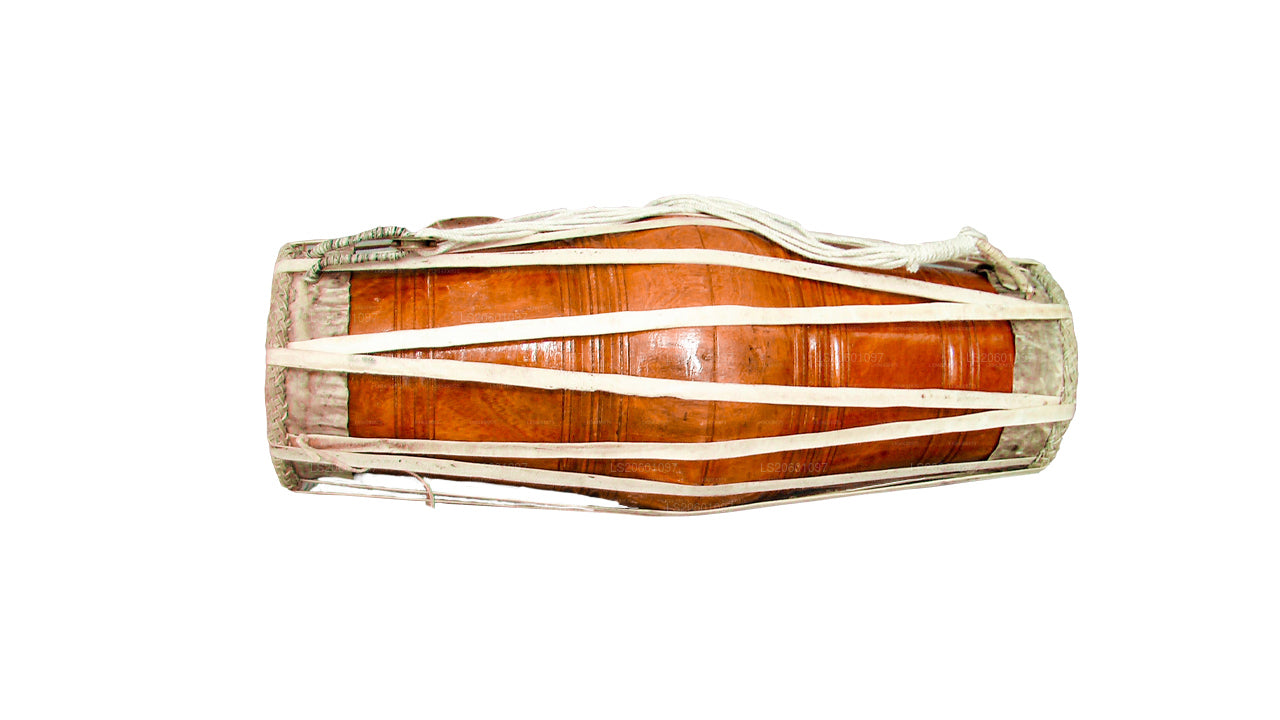
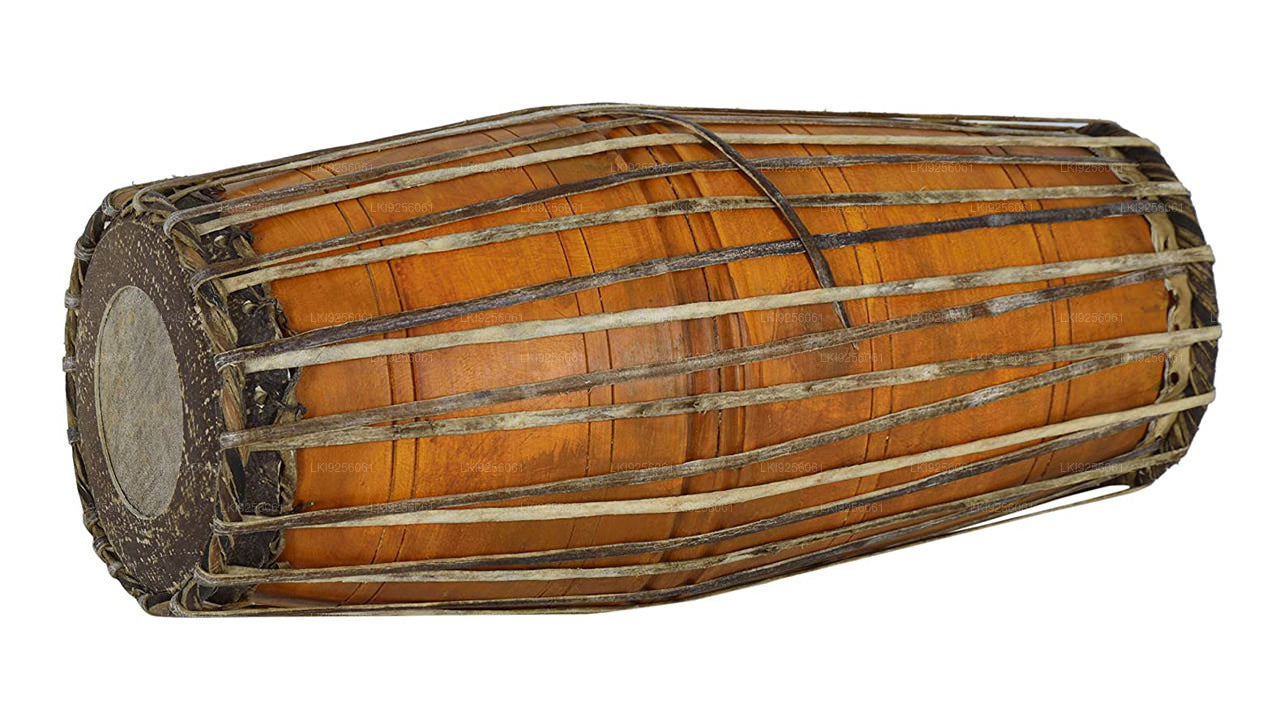
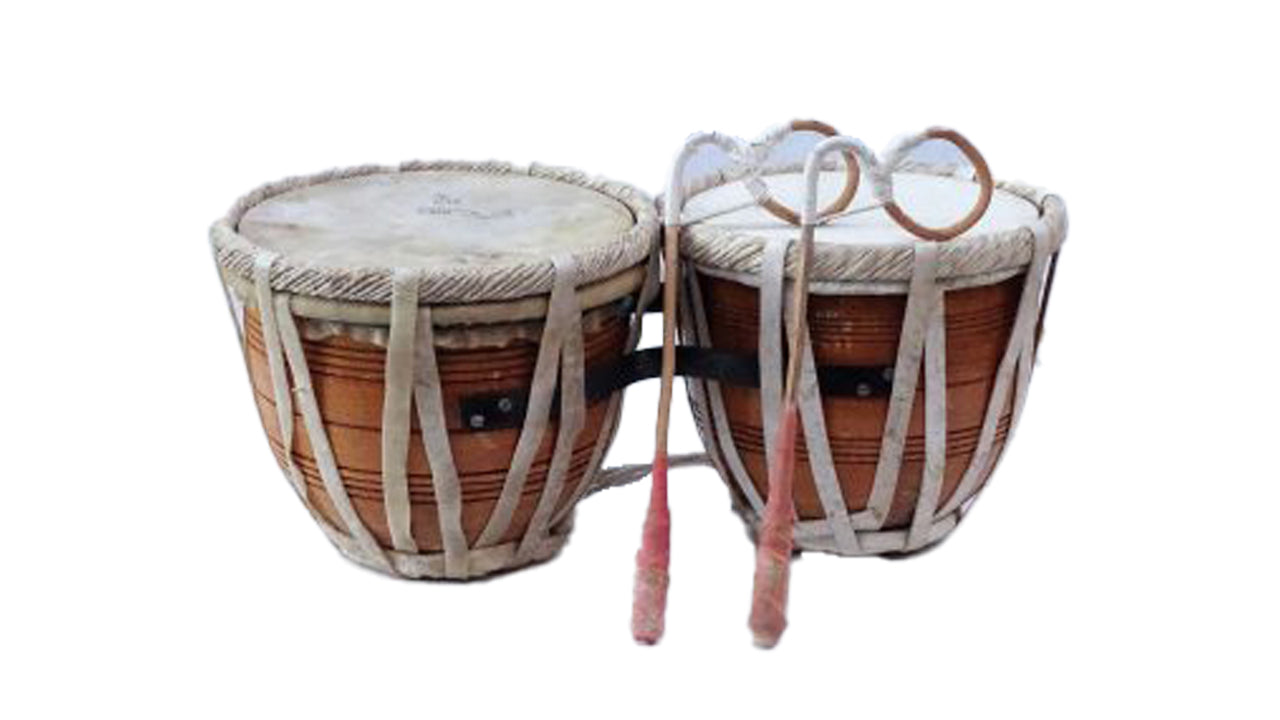
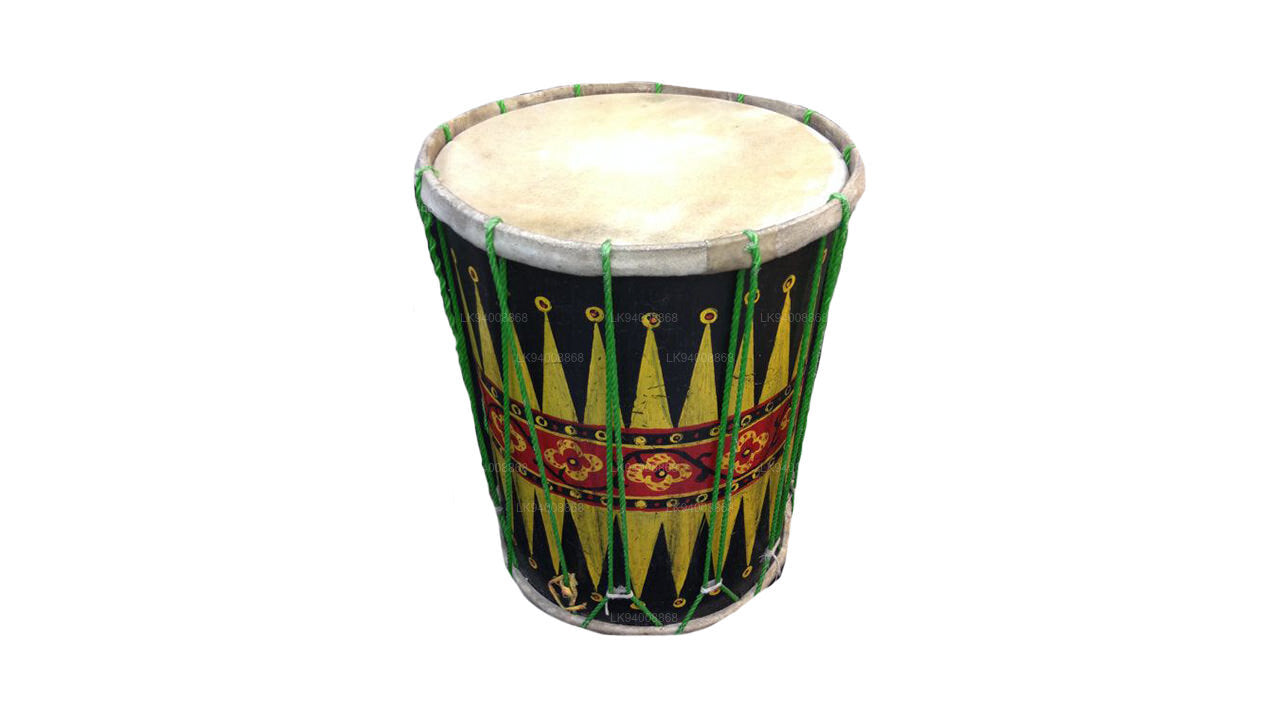
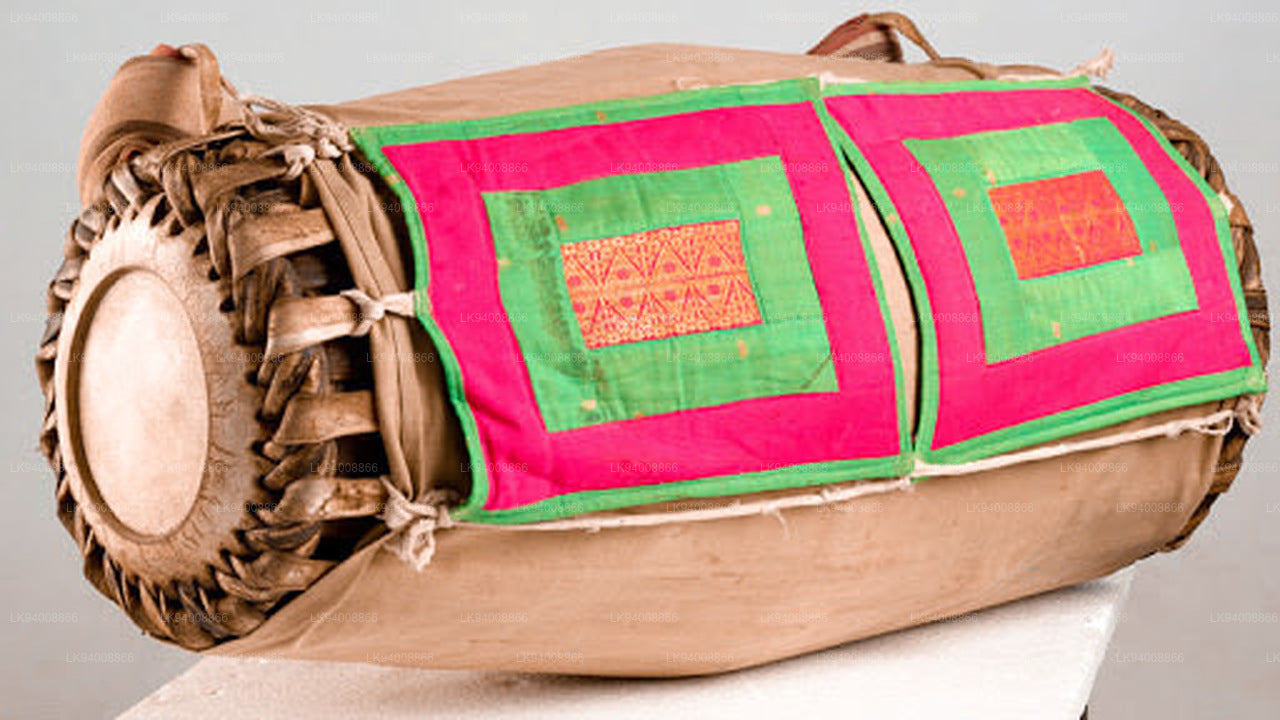
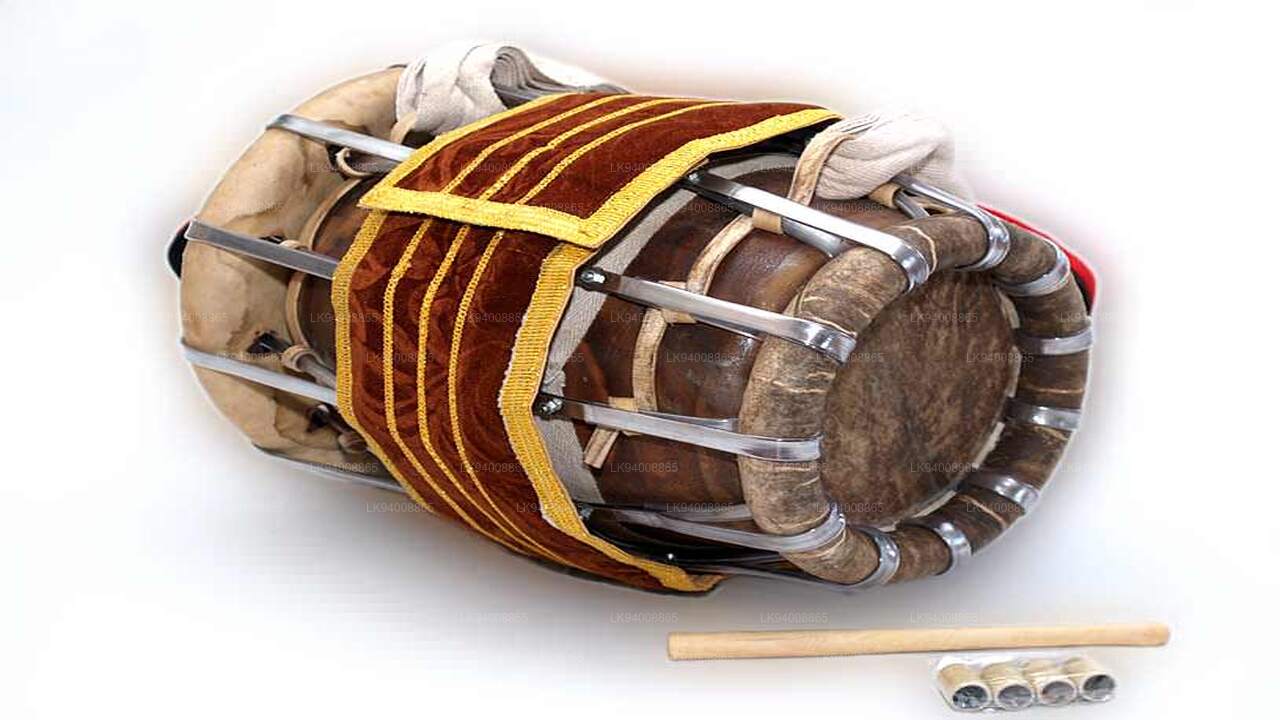
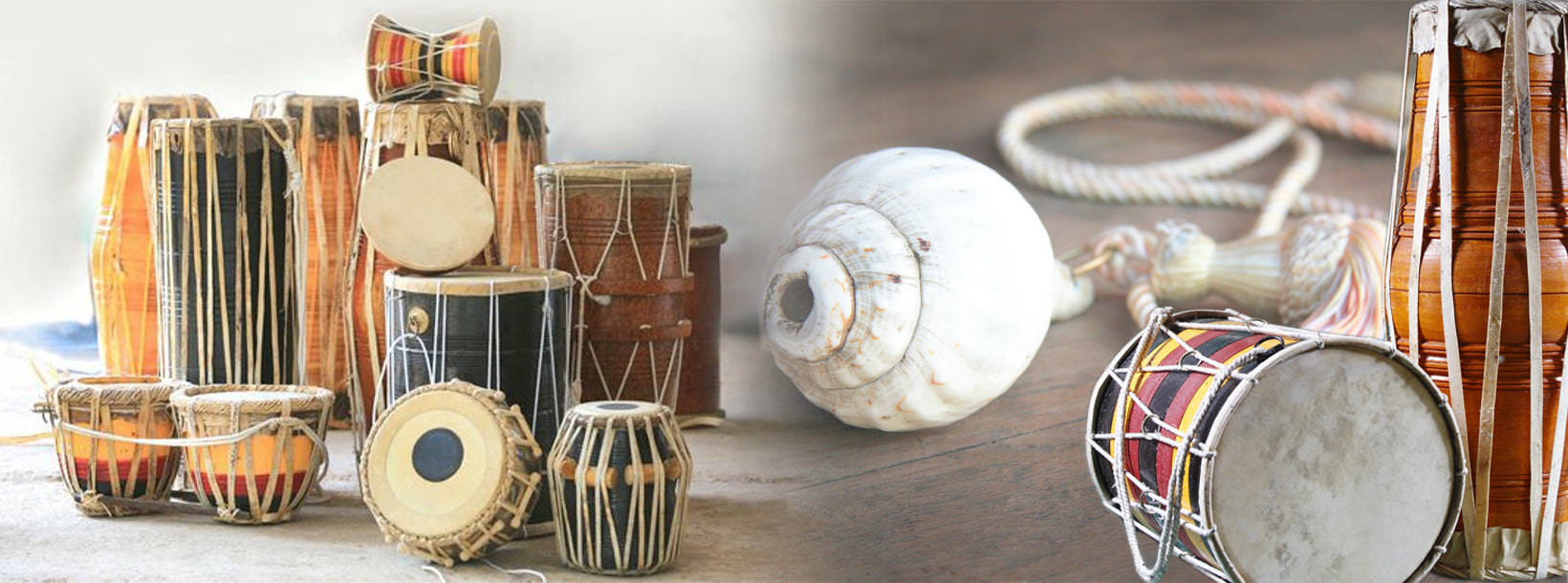
Modern mridangams are double-headed barrel drums, their bodies carved from a single hollowed section of jackfruit wood, chosen for its density and resonant properties. The shell is typically around an inch thick. Two circular membranes — made from layers of goatskin — cover the two openings and are laced to each other along the drum's length using leather straps. These straps are tensioned to stretch both membranes taut, enabling resonance when struck.

The two heads are intentionally unequal in diameter:

  • Valanthalai (bala bhaaga) — the smaller, treble face. When struck, it produces higher-pitched sounds with a distinctive metallic timbre.
  • Thoppi (eda bhaaga) — the larger, bass face. It produces deep, low-frequency tones and is moistened with a wet paste of rice flour or semolina before performance to lower its pitch further.

The treble face carries a permanent black circular patch at its centre, known as the satham or karanai. This paste — historically made from a mixture of rice flour, ferric oxide powder, and starch — is the key to the mridangam's characteristic metallic sound. It creates a controlled non-uniform membrane that produces harmonic overtones mathematically related to the fundamental pitch, unlike most drums whose overtones are inharmonic.

The acoustic properties of these two layered, non-homogeneous membranes attracted the attention of C. V. Raman, the Nobel Prize-winning physicist, who conducted pioneering mathematical analysis of the mridangam's harmonics in the early twentieth century. His work demonstrated that the instrument's tonal purity is not accidental but a product of sophisticated empirical engineering refined over generations of makers.

What role does the mridangam play in a Carnatic ensemble?

In a standard Carnatic concert, the mridangam player — the mridangist — sits to the right of the lead artist. The instrument provides the rhythmic framework (tala) within which melodic improvisation unfolds, responding in real time to the vocalist or melodic instrumentalist's phrasing. This dialogic relationship between rhythm and melody is central to Carnatic aesthetics.

During ensemble percussion sections, the mridangam is frequently joined by complementary percussion instruments:

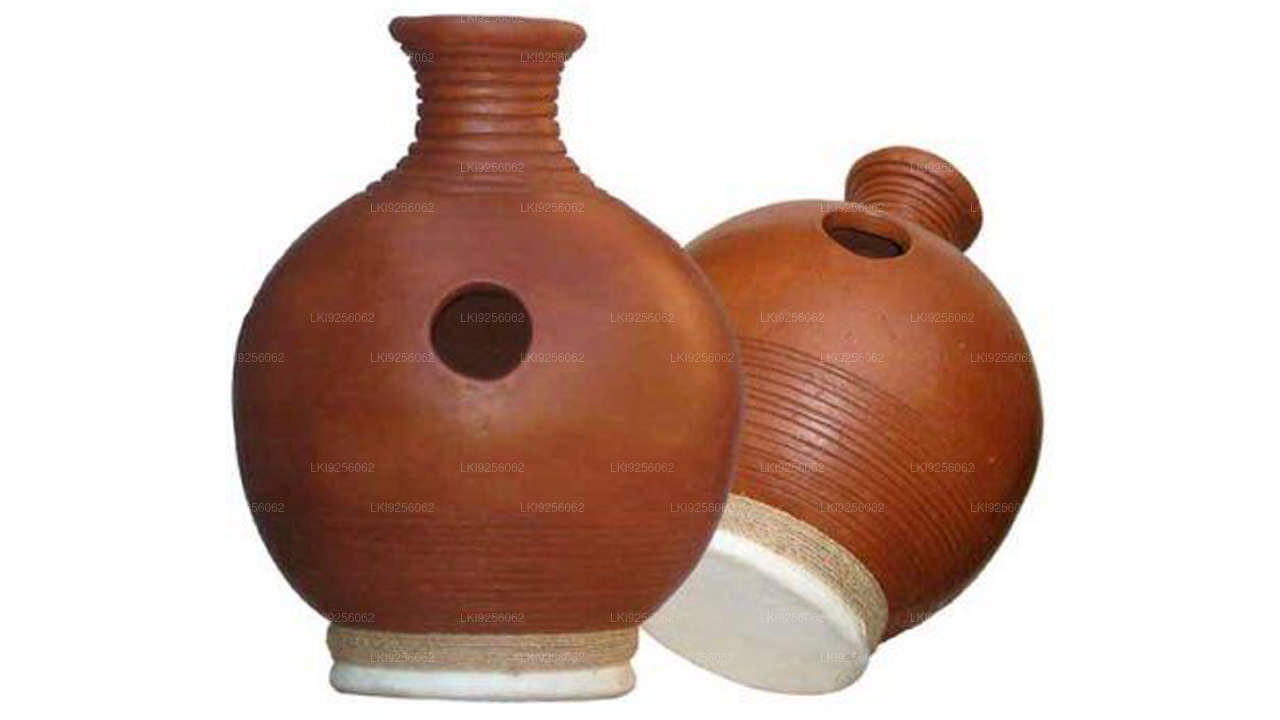
  • Ghatam — a clay pot played with the palms and fingertips
  • Kanjira — a small frame drum related to the tambourine
  • Morsing — a jaw harp producing a buzzing drone

Together, these instruments engage in a rhythmic conversation called kuraippu, trading phrases and building intensity toward a climactic unison cadence. The interplay demands deep knowledge of the tala system — the elaborate framework of rhythmic cycles that governs Carnatic composition.

What is the tala system and how does the mridangam relate to it?

The development of the mridangam is historically intertwined with the codification of South Indian tala — the rhythmic cycle system. Carnatic music recognises 35 talas in its primary system, each defined by a specific number of beats and internal subdivisions. The mridangist must be fluent in these cycles, capable of articulating complex cross-rhythms and syncopated patterns while maintaining the fundamental pulse. This requires years of formal study, typically beginning in childhood under the guru-shishya (teacher-student) tradition.

How is a mridangam tuned?

Tuning is achieved by adjusting the leather straps along the drum's body, increasing or decreasing membrane tension. The treble face is tuned to the tonic pitch (shadja) of the lead performer before every concert. Small cylindrical wooden blocks inserted between the straps and the shell body are tapped inward or outward using a stone or metal rod to achieve fine adjustments. This tuning process — done by ear rather than by any mechanical device — is a skill in itself and part of the percussionist's professional preparation before every performance.

Where is the mridangam most commonly heard in Sri Lanka?

In Sri Lanka, the mridangam is central to Tamil classical music traditions, particularly in the Northern and Eastern provinces. It is heard at temple festivals, classical music sabhas (cultural associations), and community events tied to Hindu religious observance. Colombo's Tamil cultural institutions host regular Carnatic concerts where accomplished mridangists perform alongside vocalists and violin players. The instrument is also an important element during major Hindu festivals, including those celebrated at kovils throughout the island.

Book this experience with Lakpura

Curated by our local team. Direct booking, instant confirmation.

Ask Lakpura® Agent