Kataragama Esala Perahera


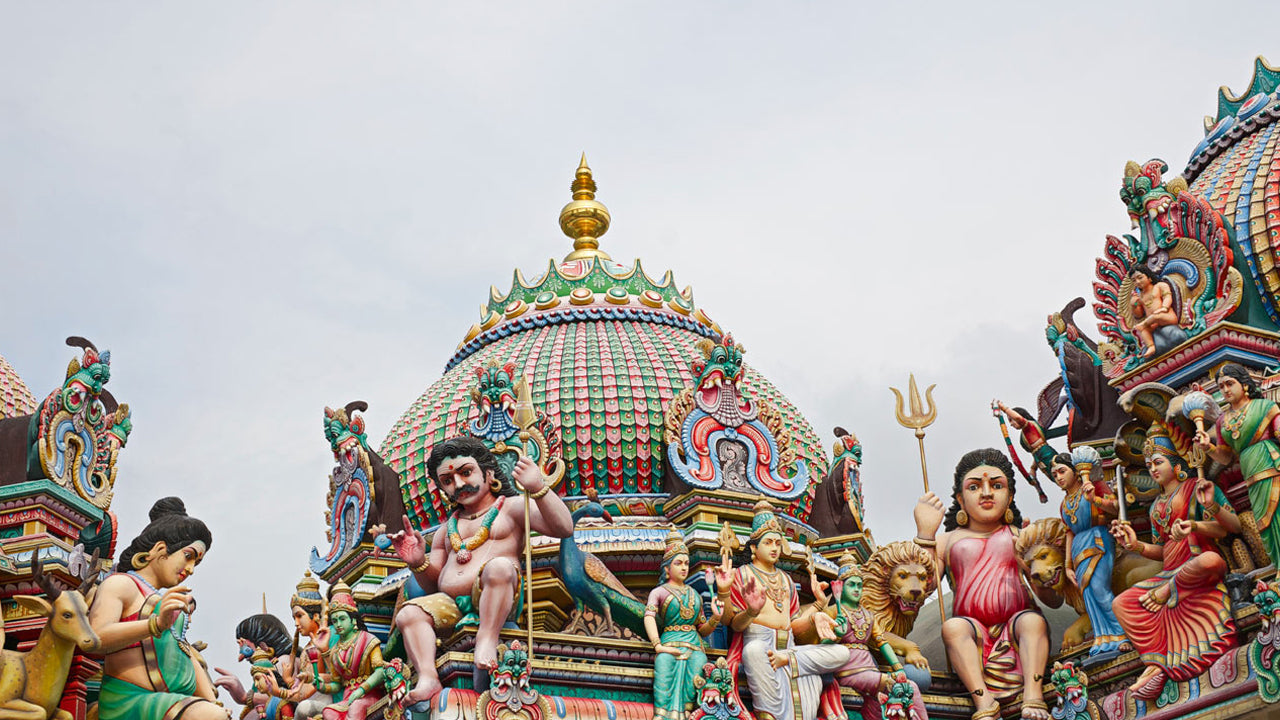
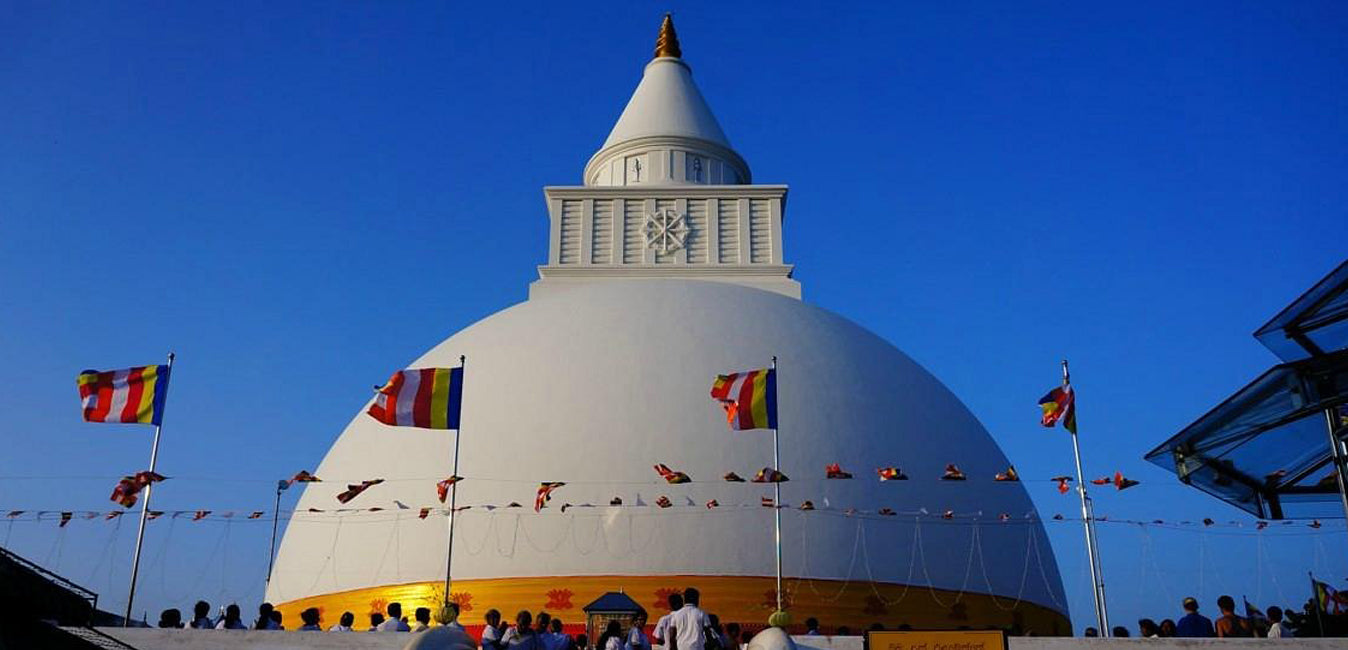
The Kataragama Esala Perahera, (????? ??????) set around the historic Ruhunu Kataragama Maha Devalaya in the south-east of Sri Lanka, begins this month with much reverence. An awe-inspiring annual ritual, which has been held for centuries; the festival draws thousands of devotees from various faiths and ethnicities who unite in worship as they pay reverence to the god Kataragama, the deity with six faces and twelve hands, mounted upon a peacock.
The 15 days of the festival is a deeply sacred time in Kataragama. There is an air of exultation, with streets beautifully lit-up and decorated for the celebrations worshipping the deity also known as God Skanda and Lord Murugan. Worshippers of the God travel from across Sri Lanka for the festival. One of the most importance aspects of the Kataragama festival is the Pada Yatra. It is a walk of faith by devotees who travel from Jaffna to the island’s Southern coast in time for the Kataragama Perahera. Generally, the procession commences from Nagadeepa in the North and thousands of pilgrims brave the walk through wild terrain amidst rain and sun. The origins of the Pada Yatra are linked to the Veddas or indigenous people of Sri Lanka, who made the long journey in honour of their jungle princess Valli Amma, who was God Kataragama’s consort.
As a testament to their profound belief, the pilgrims -men, women and children, embark on this spiritual voyage, walking through the East coast jungles and dry land with only the bare necessities. They camp in the open at night or at places of worship. Fellowship and constant prayer is part of the experience. Villagers along the route provide the pilgrims with alms. The Kataragama Pada Yatra is a journey of faith and of rediscovering the meaning of life through self-denial.
The Kataragama Perahera begins with the hoisting of the flagpole, which will be on July 13 this year. In addition to the grand processions, there are many worship rituals such as firewalking, which will be held on July 24. Firewalking is an overwhelming act of penance, where devotees immerse themselves in prayer and meditation, and walk on a bed of red hot embers. Another important form of worship to the deity is Kavadi, the burden dance or an offering of sacrifice, done in gratitude for fulfilled vows or as a form of veneration. Those who perform Kavadi do so after an extensive period of preperation, which includes prayer and fasting. Their are many types of this ritual, including bearing on their shoulders structures decorated with peacock feathers and flowers.
Thooku Kavadi is performed by devotees who are fulfilling vows to the god. They are suspended from iron hooks in various forms and the ritual depicts the great faith placed on the divine. The climax of the Kataragama Esala Perahera is the ‘Maha Perahera’, which will be on July 27 this year. The Relic